'Invisible Vice President': Where is JD Vance and why is he missing in action as Marco Rubio leads the Iran War for Trump

Vance’s silence is sustainable for now, but it has an expiration date. If "Operation Epic Fury" drags on, if American casualties mount, or if the economic fallout from the Gulf triggers a recession, the anti-war wing of the MAGA movement will demand that Vance speak up.
1. The Optics of the War Room
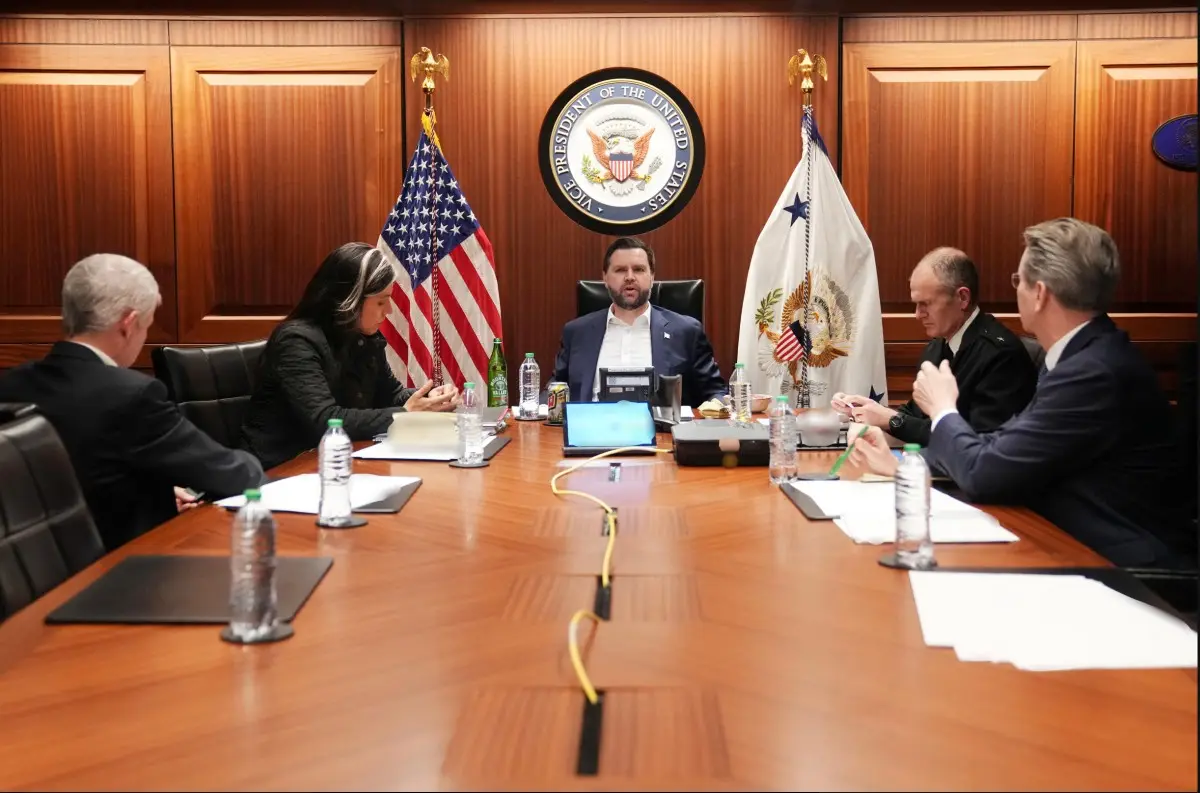
Since the February 28 airstrikes, the optics coming out of the White House have been crystal clear: Donald Trump is the wartime Commander-in-Chief, and Secretary of State Marco Rubio is his chief architect. Rubio is on every Sunday show, building international coalitions, and delivering ultimatums to Tehran. Conversely, JD Vance has been notably absent from the high-stakes national security press briefings, relegated to routine domestic events far away from the Pentagon's blast radius.
2. The Ideological Collision (Hawk vs. Isolationist)
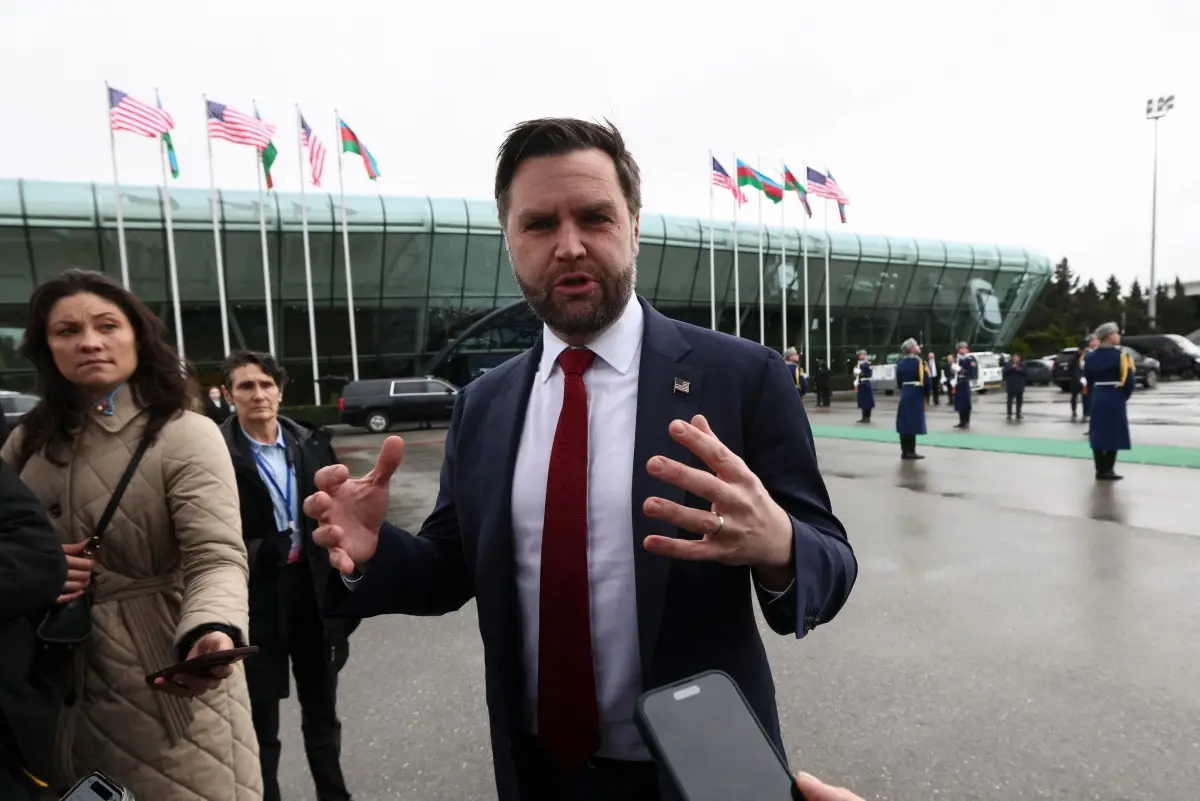
This absence boils down to a fundamental clash of foreign policy visions. Marco Rubio is a traditional, Reaganesque foreign policy hawk who has advocated for maximum pressure and military deterrence against Iran for over a decade. JD Vance, on the other hand, built his entire political brand on "America First" non-interventionism. Vance’s core constituency fiercely opposes foreign entanglements and "endless wars" in the Middle East. Putting Vance at the forefront of this war would alienate the very base he was brought on to secure.
3. The Tucker Carlson Factor
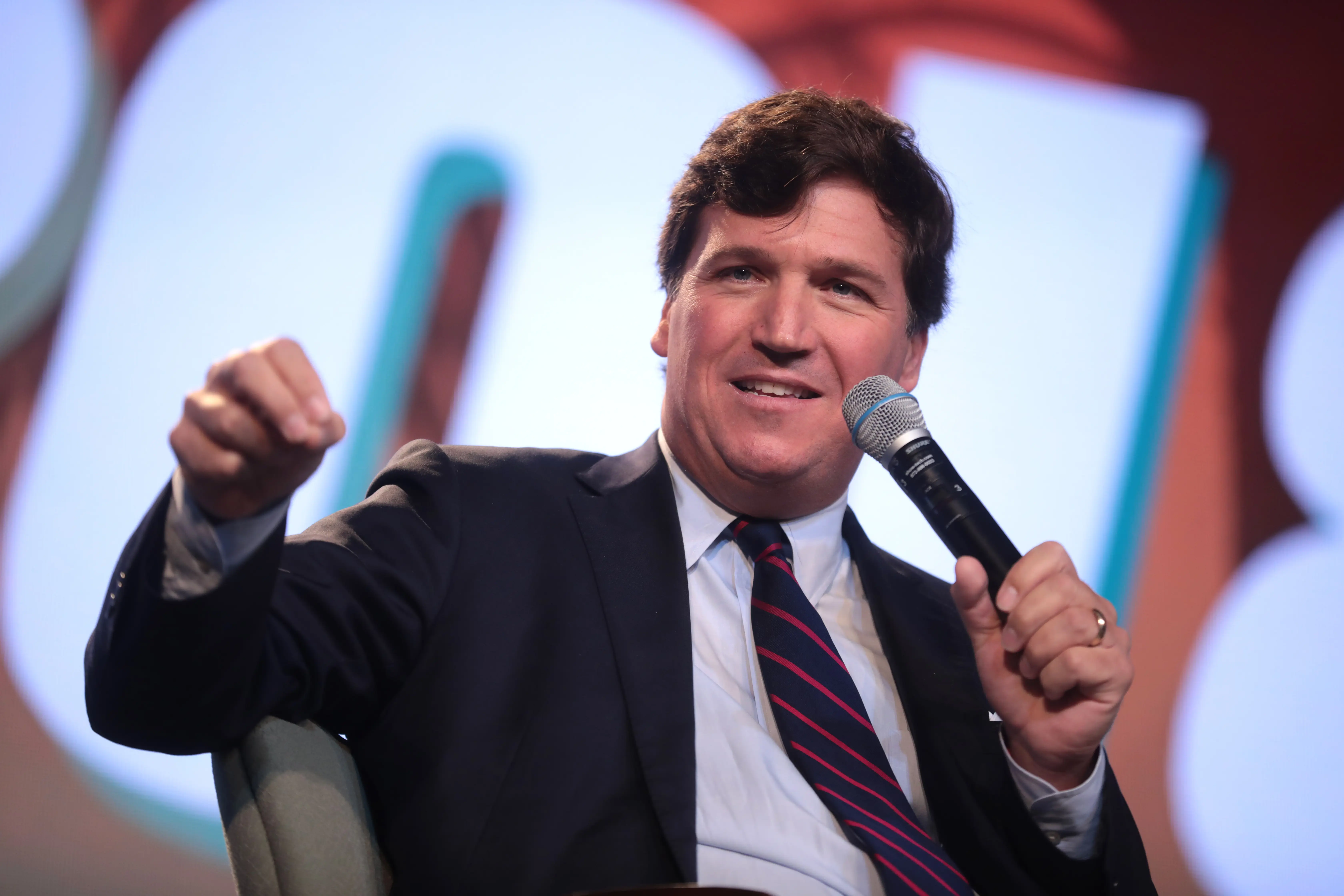
You cannot ignore the proxy war happening in the conservative media. Tucker Carlson is currently waging a massive campaign against the US-Israel strikes on Iran, calling them "evil" and fighting rumors of a CIA investigation. JD Vance is Carlson’s closest ideological ally in the administration. By staying invisible, Vance is performing a high-wire act: he avoids publicly crossing President Trump, but he also avoids being the face of a war that his closest media allies absolutely despise.
4. The Strategic Division of Labor
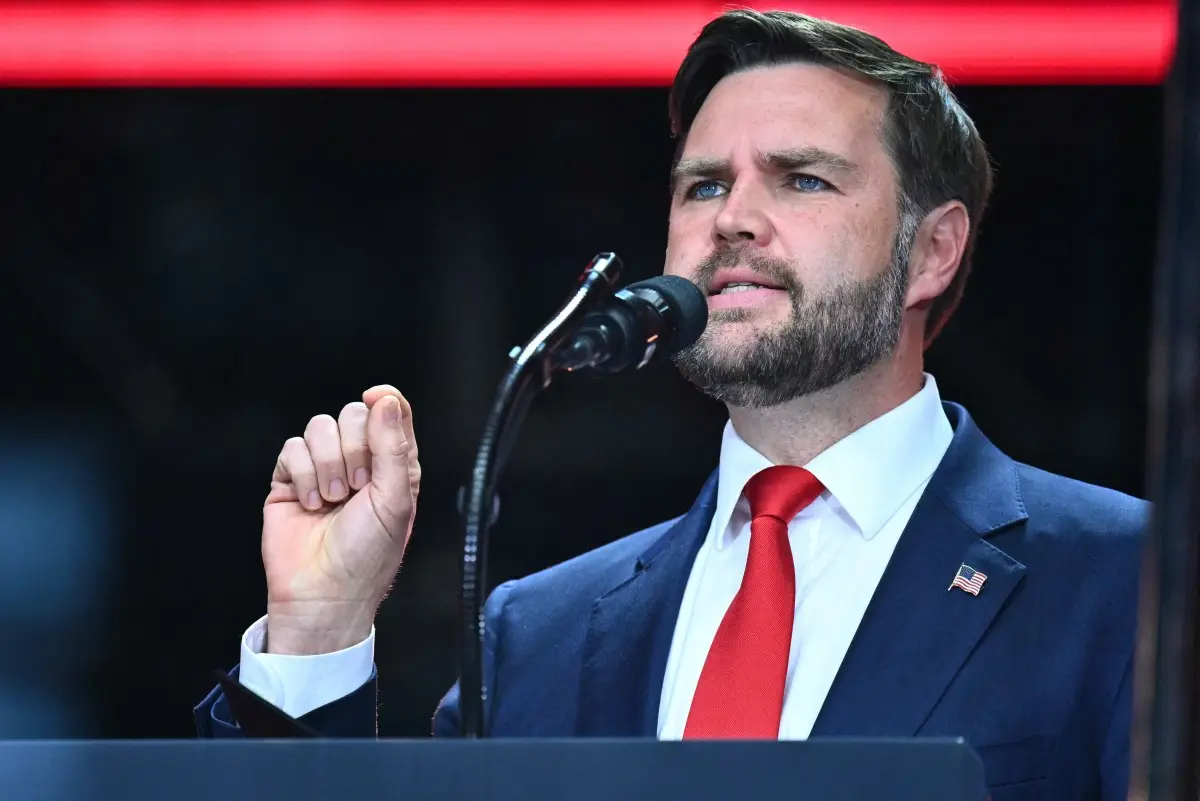
From a purely operational standpoint, the White House has compartmentalized the crisis. Trump has reportedly tasked Vance with building a "domestic shield." While Rubio handles the Strait of Hormuz and diplomatic fallout, Vance is deployed to manage the domestic panic, specifically focusing on the border, manufacturing, and keeping the working-class base calm as global oil prices threaten to send inflation skyrocketing back home.
5. Rubio's Ascension for 2028
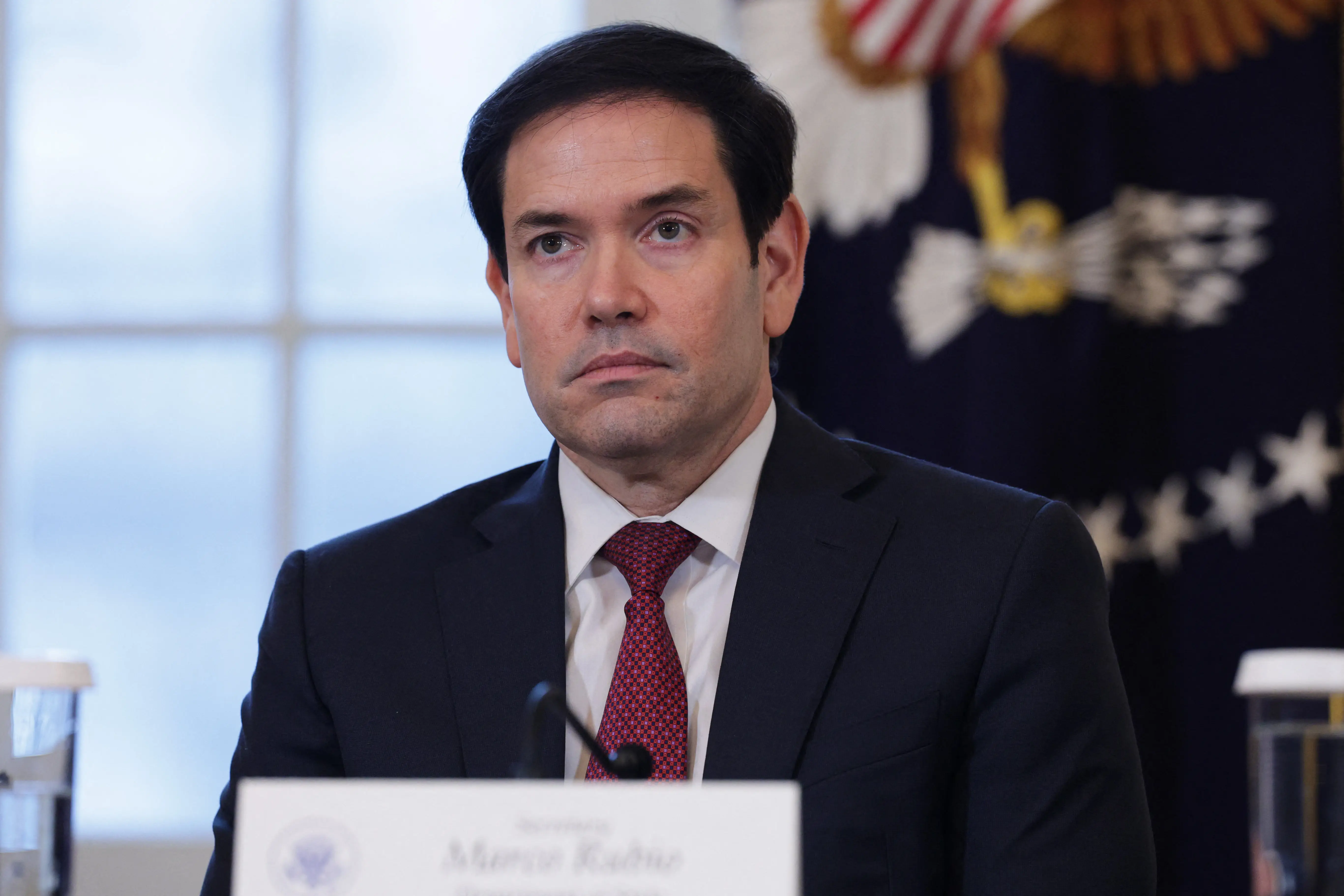
There is massive political calculation at play for the future of the Republican party. By taking the reins of a high-stakes global conflict, Marco Rubio is rapidly cementing himself as a heavyweight statesman and a highly visible crisis manager. Political insiders note that Rubio is using this war to implicitly position himself as a seasoned, globally respected alternative to Vance for the 2028 presidential primary, creating deep friction between the VP's and the Secretary of State's camps.
6. The Constitutional Reality
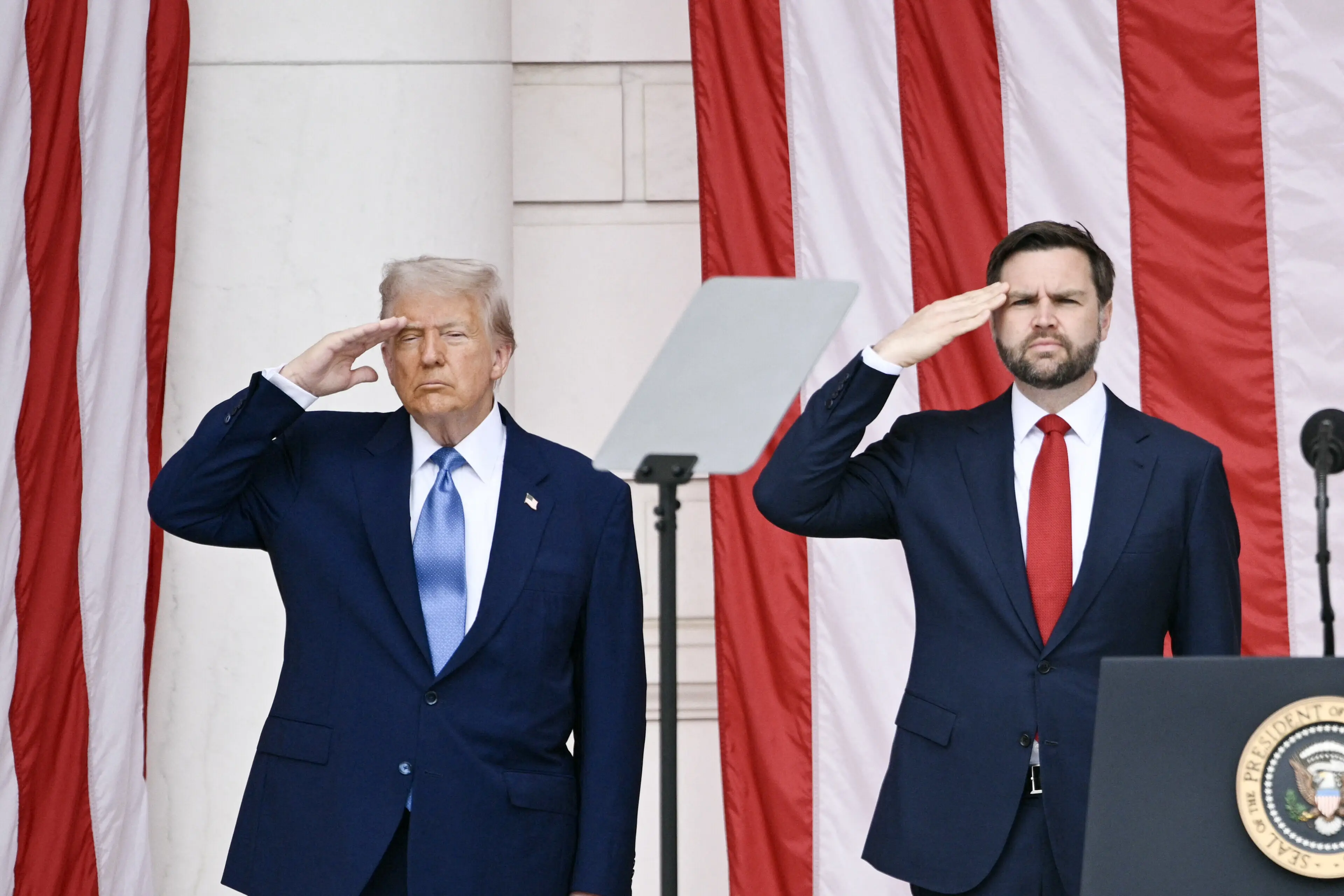
It is also a matter of job description. The Vice President has no statutory role in the military chain of command. As Secretary of State, it is literally Rubio’s job to manage foreign relations, coordinate with Israel, and threaten adversaries. Unless the President specifically delegates wartime authority to the VP (as Bush did with Cheney), Vance’s structural role in a hot war is inherently limited to advising behind closed doors.
7. The Looming MAGA Civil War
Vance’s silence is sustainable for now, but it has an expiration date. If "Operation Epic Fury" drags on, if American casualties mount, or if the economic fallout from the Gulf triggers a recession, the anti-war wing of the MAGA movement will demand that Vance speak up. The Vice President will eventually be forced to make an impossible choice: fully embrace a neoconservative-style Middle East war, or break ranks with Donald Trump to save his America First credentials.
)
)
)
)
)