'Invisible assassin': Why Iran’s military fears the US F-35 more than any aircraft carrier

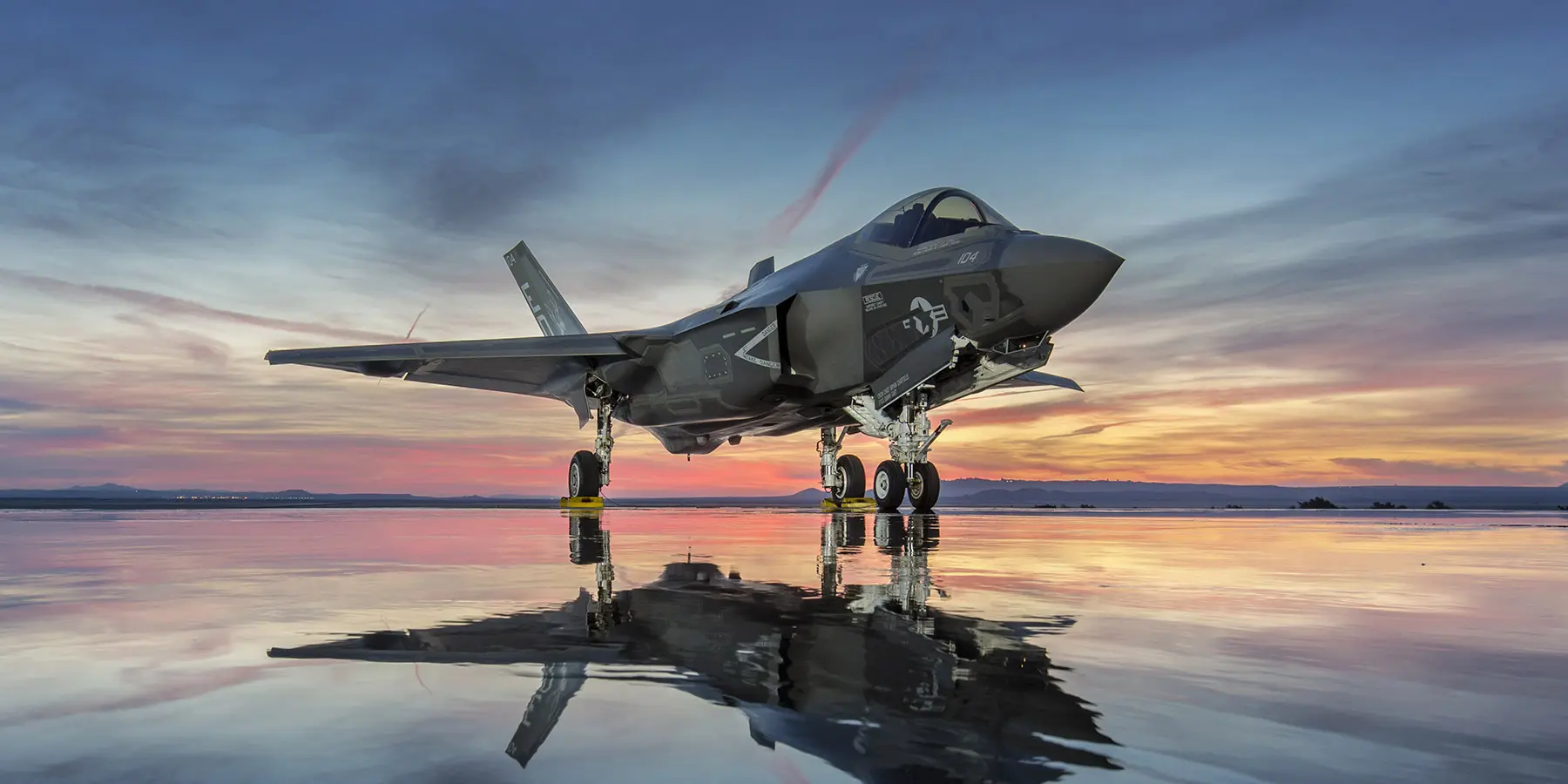
The US F-35 stealth jet poses a greater strategic threat to Iran than traditional aircraft carriers. Its radar-evading design, Mach 1.6 speed, and 8,160 kg payload allow it to bypass advanced defences and strike critical targets without warning.
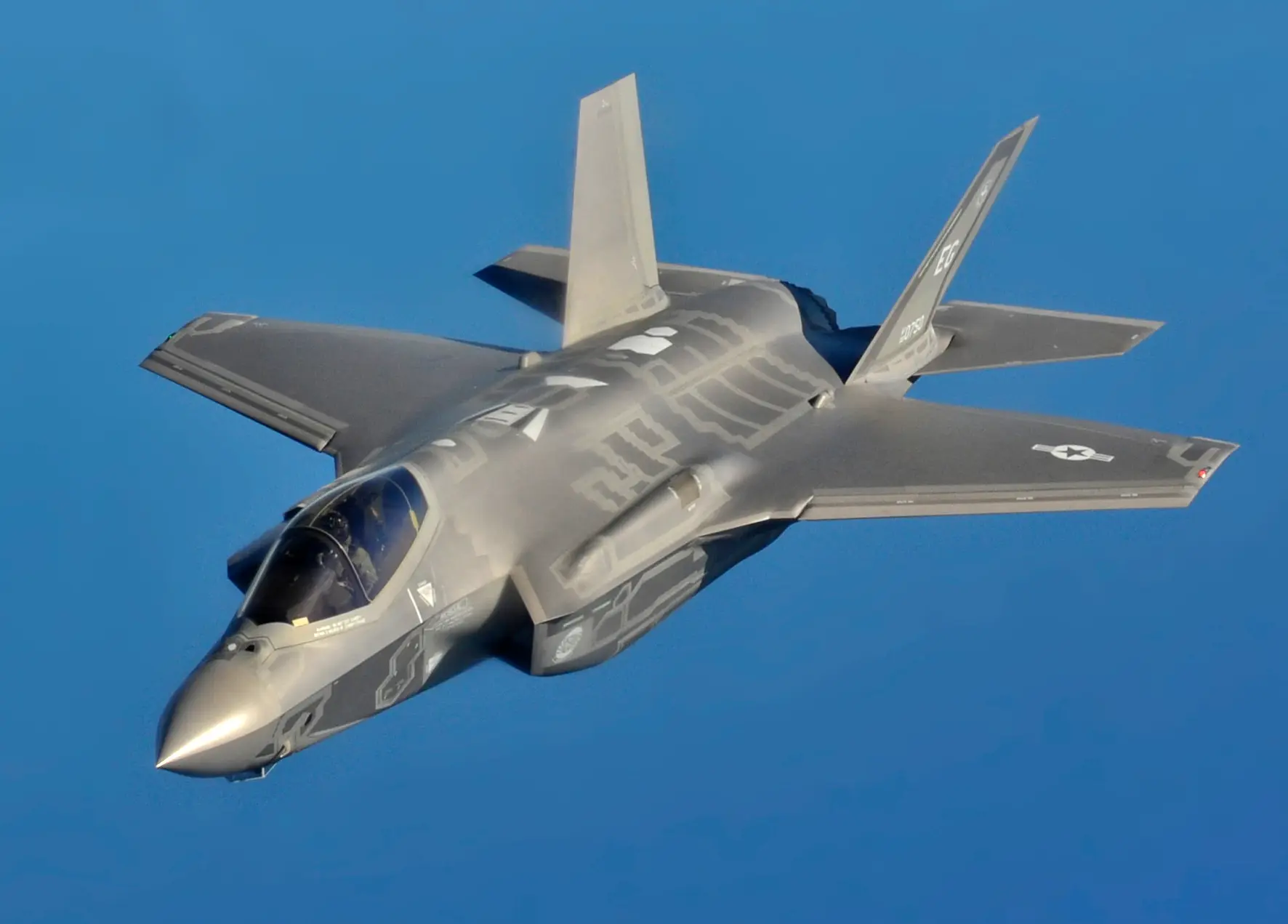
Evades S-300 radar networks
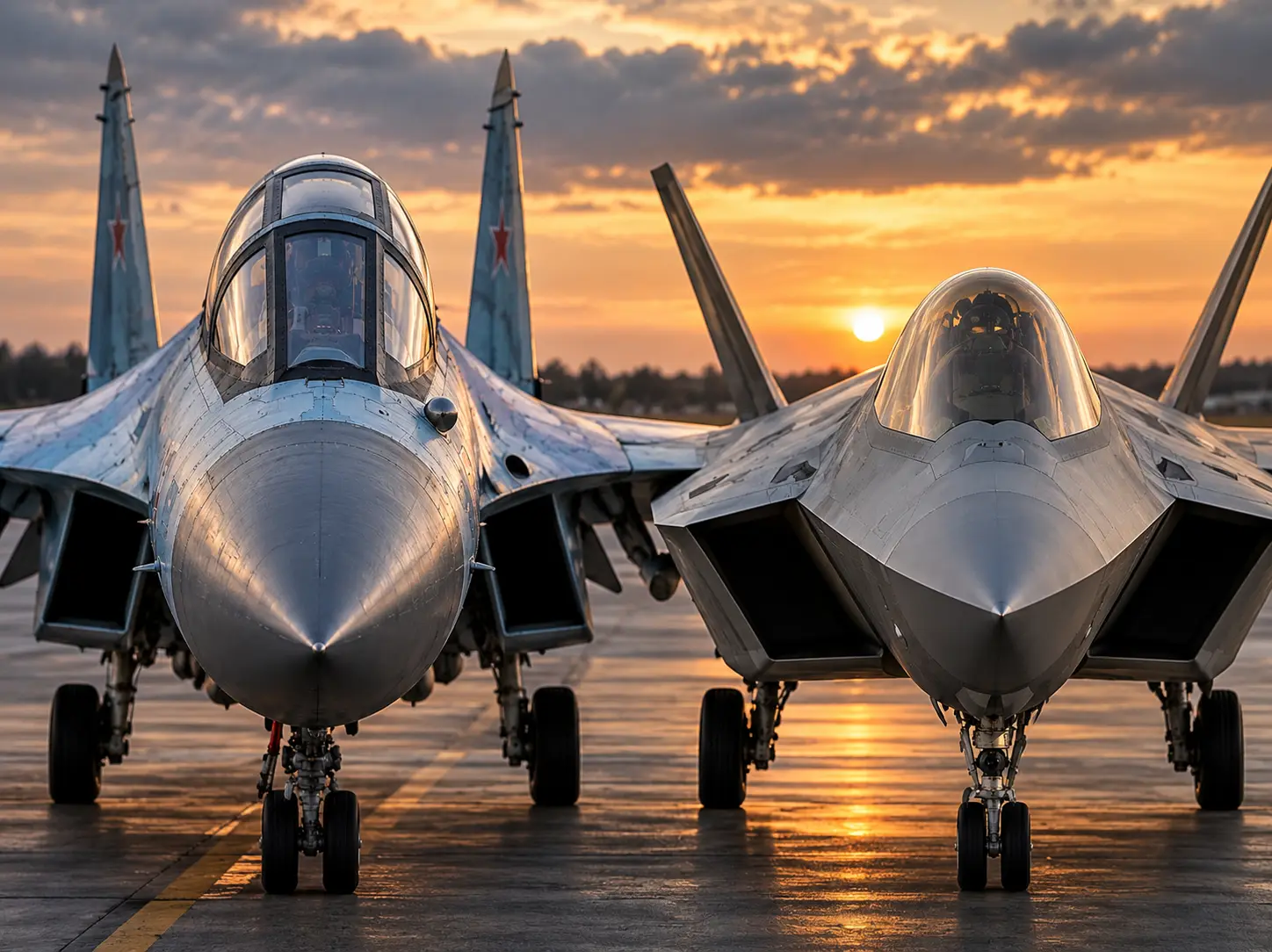
Iran relies heavily on Russian-made S-300 surface-to-air missile systems for its air defence. The F-35 uses advanced radar-absorbent materials and unique geometry to reduce its radar cross-section. This stealth technology allows the fighter to slip into highly contested airspace largely undetected.
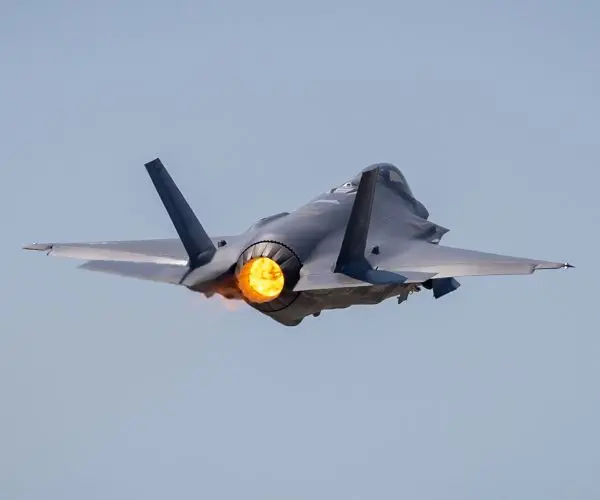
Carriers face missile threats
Massive naval warships are highly visible and easy to track over several days. Iran has developed a robust arsenal of anti-ship ballistic missiles and drone swarms specifically to target carriers in the Gulf. The stealth jet offers a low-risk alternative that does not expose thousands of sailors to danger.
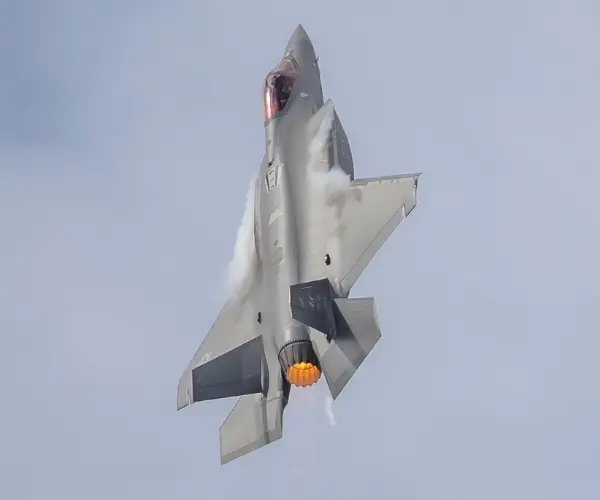
Strikes at Mach 1.6
Powered by an advanced turbofan engine, the F-35 reaches top speeds of 1,930 kilometres per hour. This blistering pace allows the aircraft to launch rapid precision attacks on critical infrastructure. It can complete its mission and exit hostile zones before enemy forces can scramble a response.

2,580 kg stealth payload
To maintain its crucial radar-evading profile, the fighter conceals its munitions entirely within internal bays. It can carry up to 2,580 kilogrammes of smart bombs and air-to-air missiles while remaining undetected. This concentrated, precision firepower, including 2,000-pound bunker-busting bombs, is fully capable of destroying fortified underground facilities and hidden missile silos.
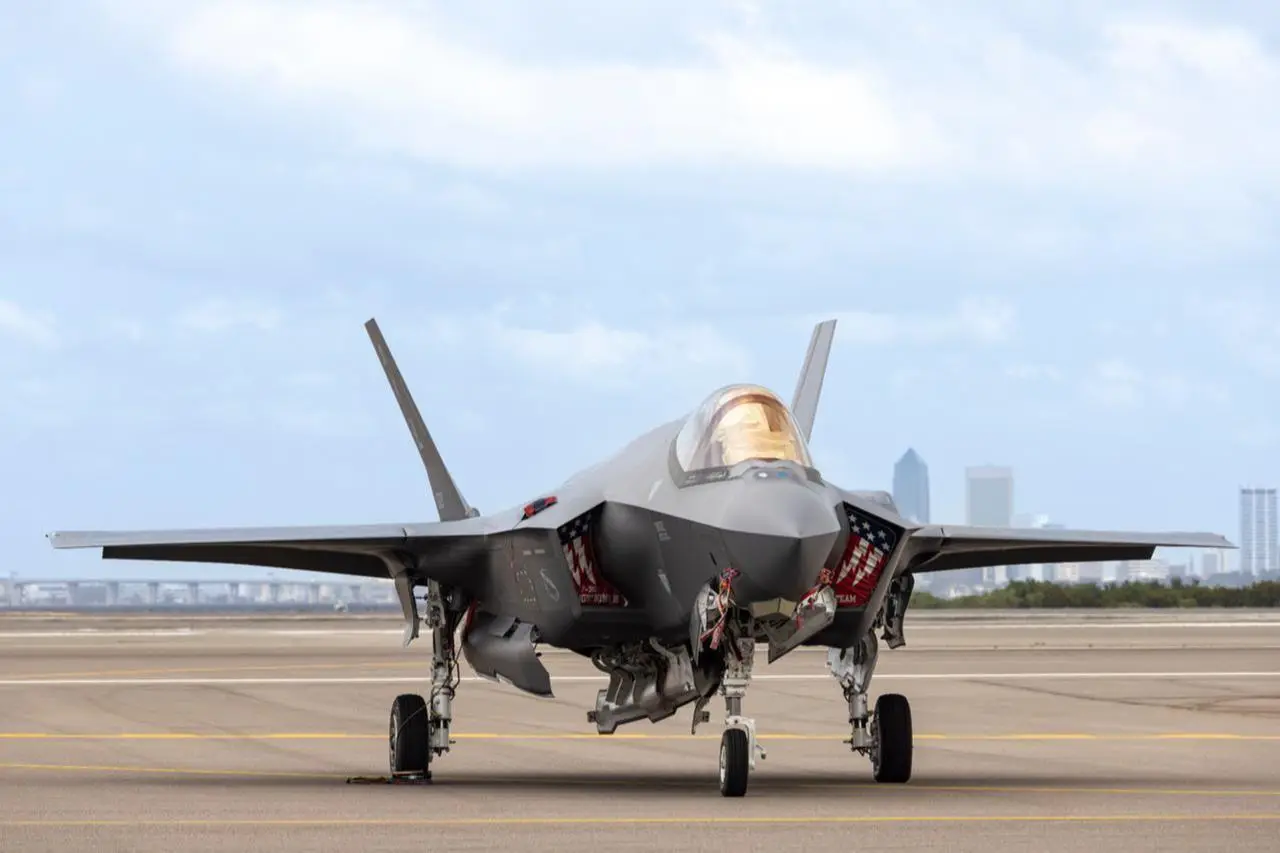
1,093 km combat radius
Operating from secure allied bases in the Middle East, the jet boasts a combat radius of nearly 1,093 kilometres on internal fuel. This extensive range allows the military to strike deep inside enemy territory without mid-air refuelling. It removes the immediate need to move large warships close to hostile shores.
1 real-time command node
The aircraft serves as much more than a traditional fighter jet; it is a highly advanced flying command centre. It uses sensor fusion to collect electronic battlefield data and map enemy positions. The jet instantly shares this intelligence with allied aircraft and ground forces to coordinate broader strikes.

Zero warning precision attacks
The combination of radar evasion, speed, and heavy firepower turns the F-35 into a genuine invisible threat. Unlike a naval carrier strike group whose movements are monitored constantly, the stealth jet arrives unannounced. It delivers devastating blows to key military assets with absolute surprise.
)
)
)
)
)