'Inside 50,000°C oven': Why Voyager’s temperature readings puzzle scientists

If the plasma is that hot, why doesn’t it expand and thin out even further? Why do readings change drastically depending on where Voyager is? These mysteries keep scientists debating what’s really happening at the solar system’s edge.
The Strange Numbers
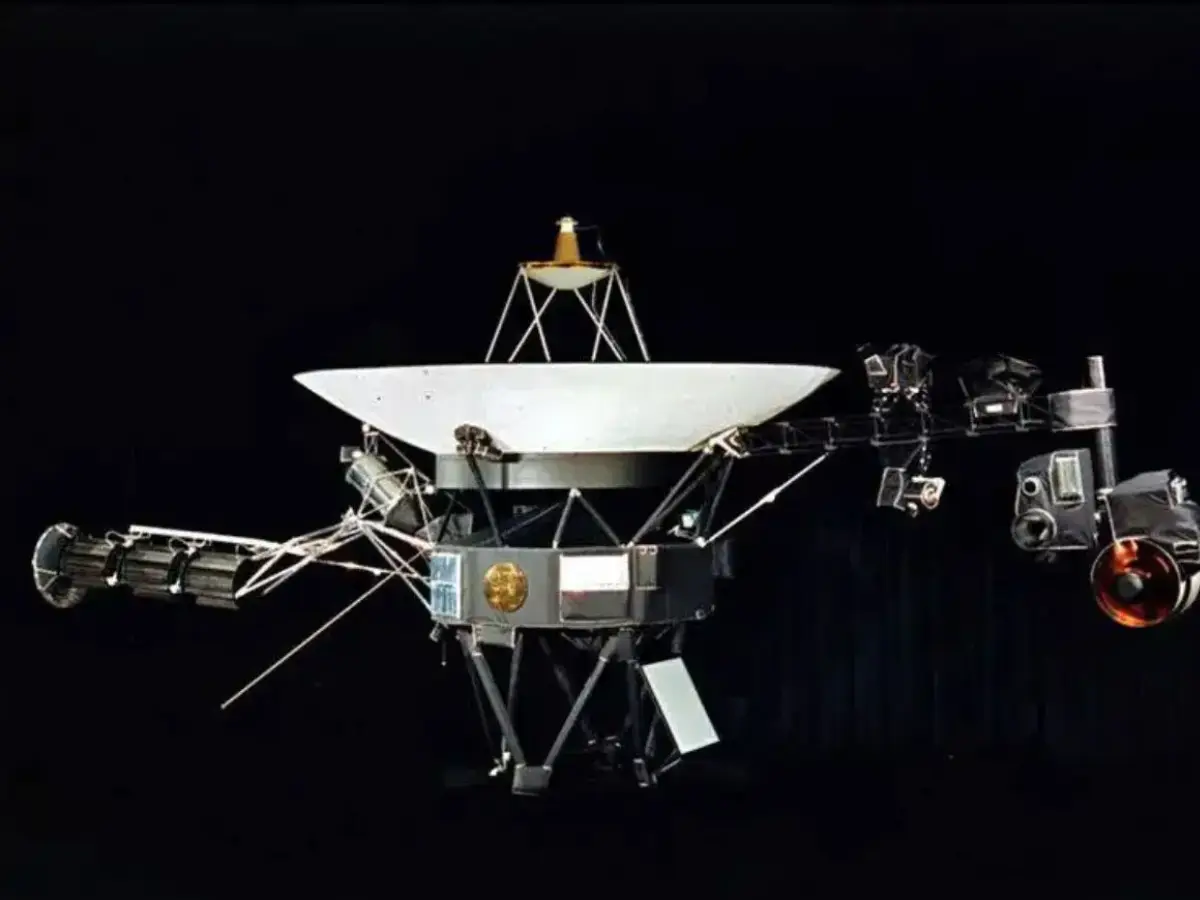
Voyager’s sensors have detected plasma around it at nearly 50,000°C. But instead of frying the spacecraft, this extreme environment leaves it almost untouched, a paradox that continues to puzzle scientists.
Heat vs Temperature in Space
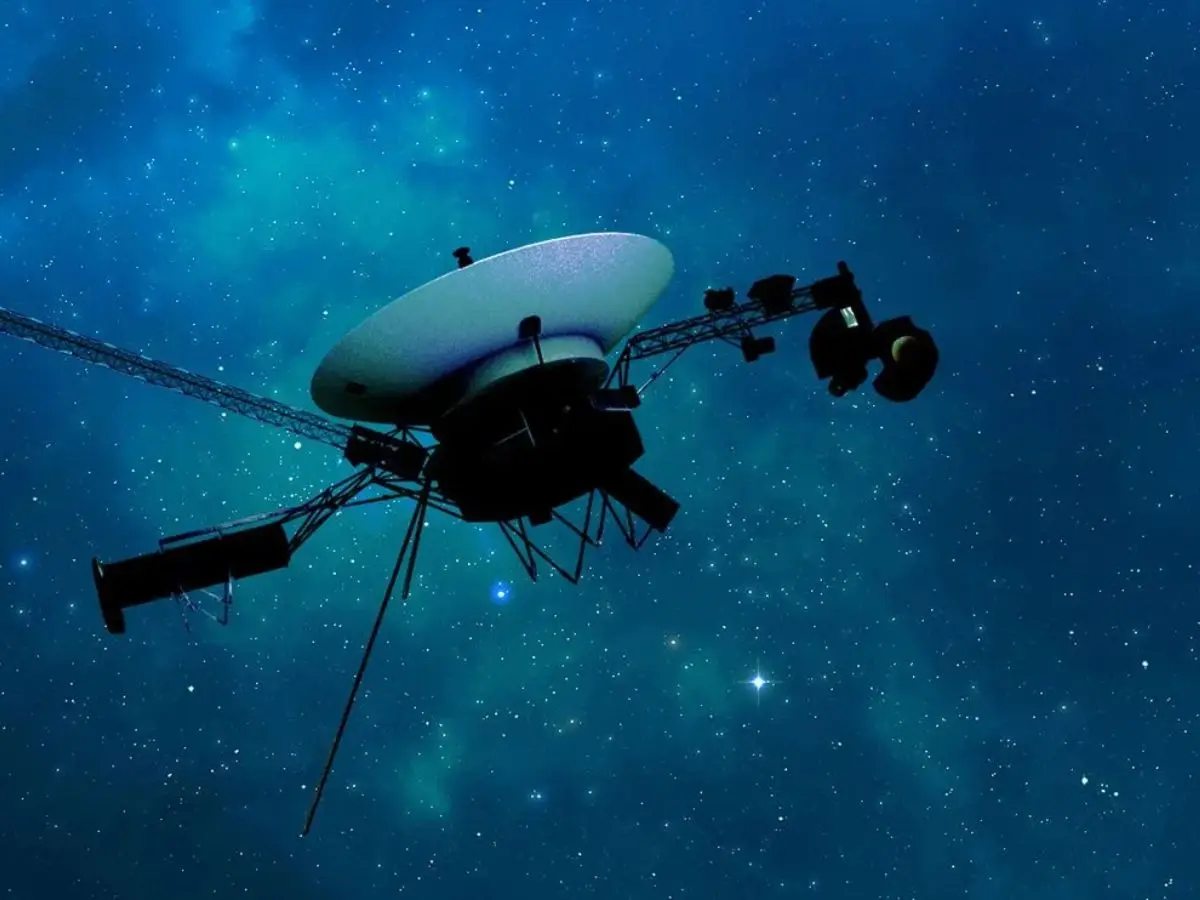
On Earth, high temperature usually means intense heat. In space, however, temperature measures particle energy, not how much heat they can transfer. With so few particles around, there isn’t enough matter to burn or melt anything.
The Invisible Firewall
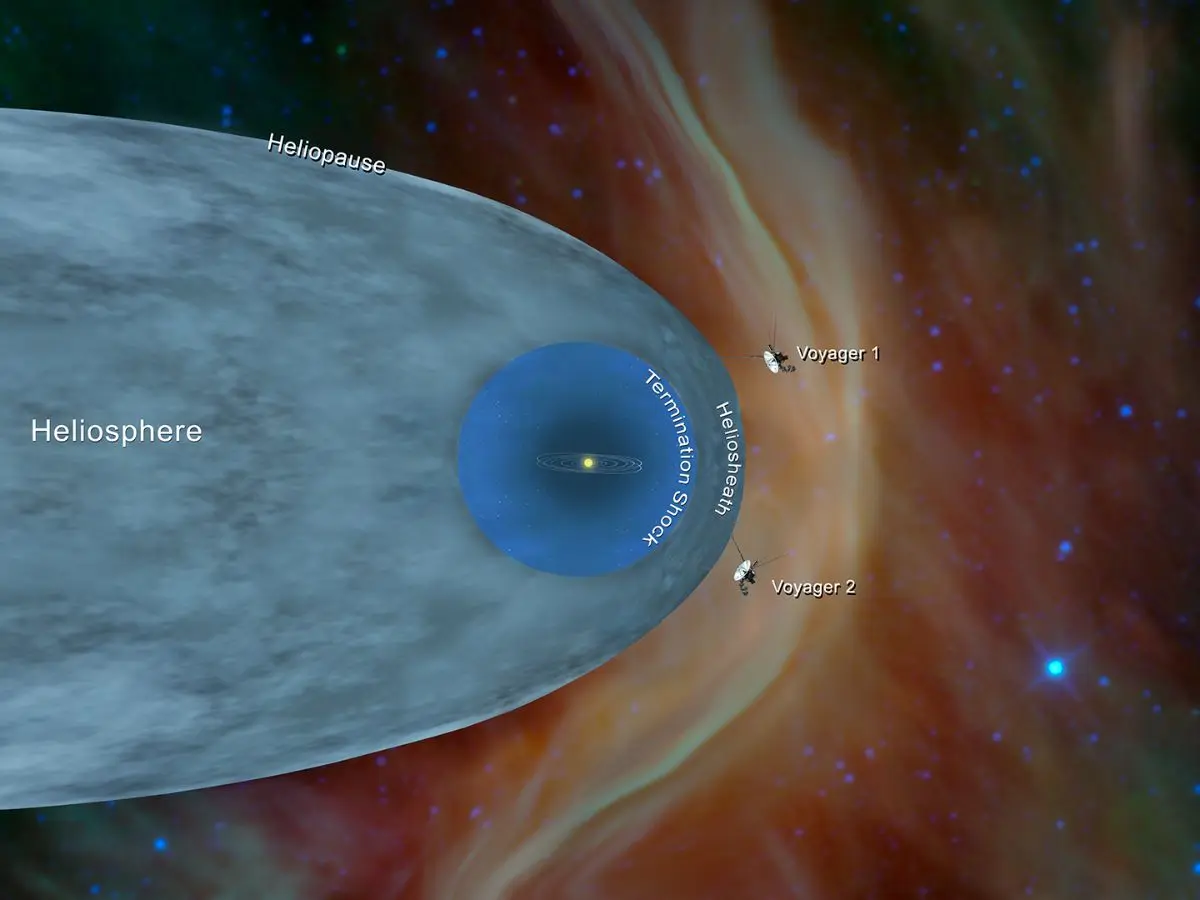
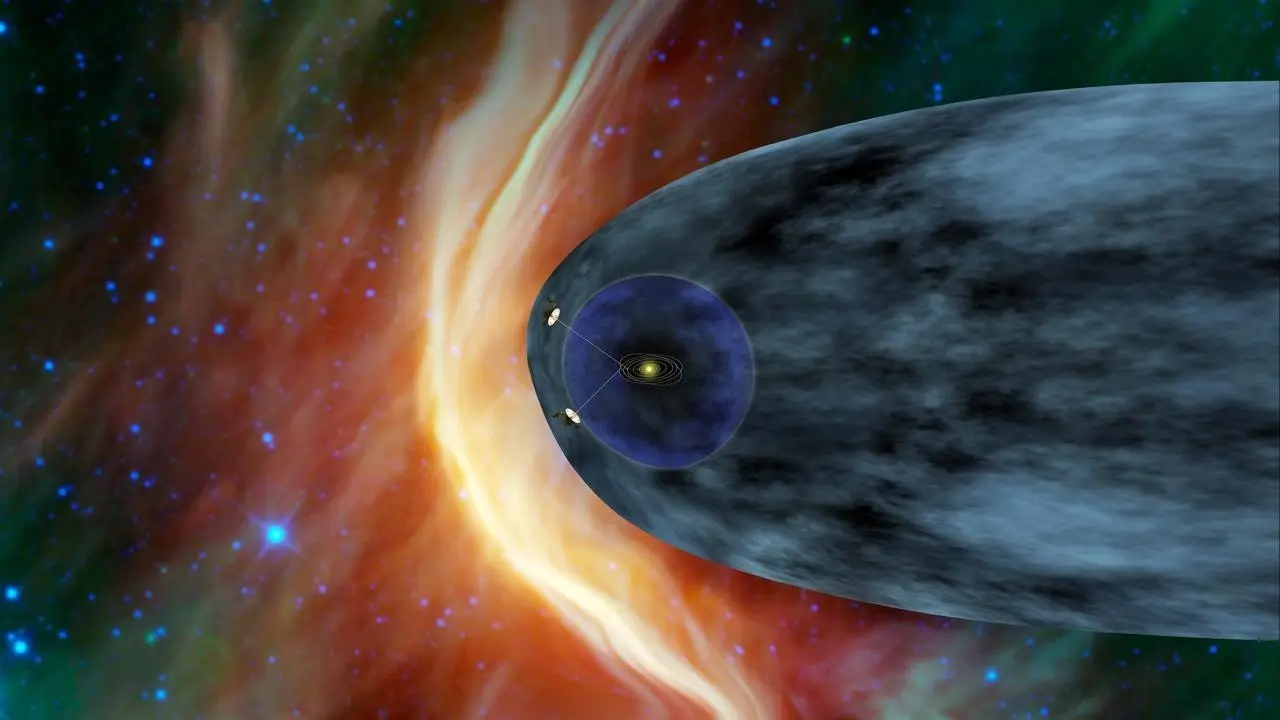
The boundary where solar wind meets interstellar medium is called the heliopause. Scientists often describe it as a “firewall”, a shield of charged particles marking the solar system’s edge. Voyager crossed it, carrying back data that redefines our understanding of this barrier.
Why Voyager Survives
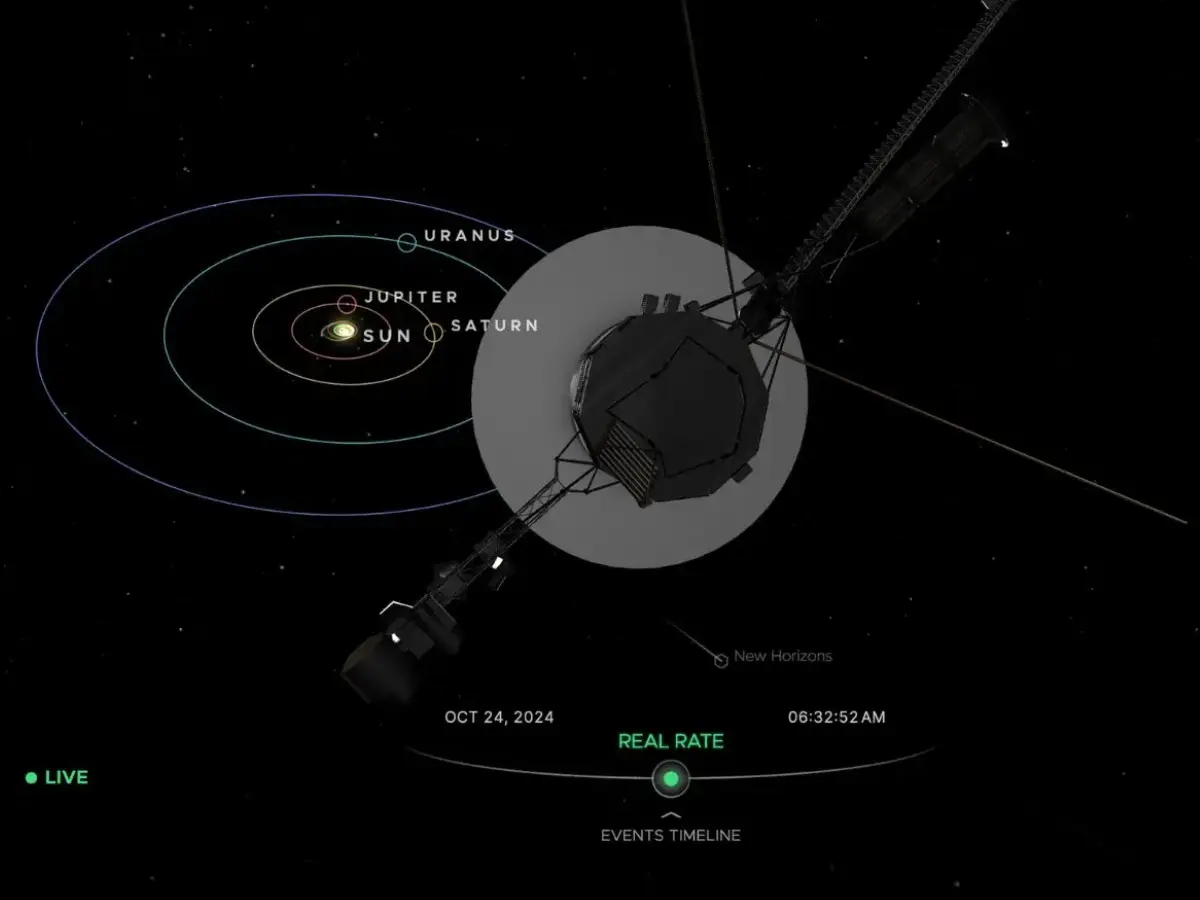
Despite the extreme readings, the low density of plasma means Voyager’s surface doesn’t absorb dangerous levels of energy. Essentially, it’s like being inside an oven that’s on but with hardly any air to actually cook you.
What the Data Means
These puzzling temperature readings tell us more about how solar winds collide with interstellar space. Voyager is showing that the heliopause isn’t a hard wall but a turbulent transition zone.
Still More Questions
If the plasma is that hot, why doesn’t it expand and thin out even further? Why do readings change drastically depending on where Voyager is? These mysteries keep scientists debating what’s really happening at the solar system’s edge.
The Firewall Legacy
Voyager’s survival at the 50,000°C firewall isn’t just luck, it’s a window into the physics of space itself, where everyday rules break down and leave us with questions that only two tiny spacecraft can answer.
)
)
)
)
)