'Infrared Eyes': How the USS Abraham Lincoln sees enemy ships in the dark

The USS Abraham Lincoln relies on advanced electro-optical sensors and passive infrared guidance to track nighttime threats. This thermal technology protects the carrier from swarm attacks.
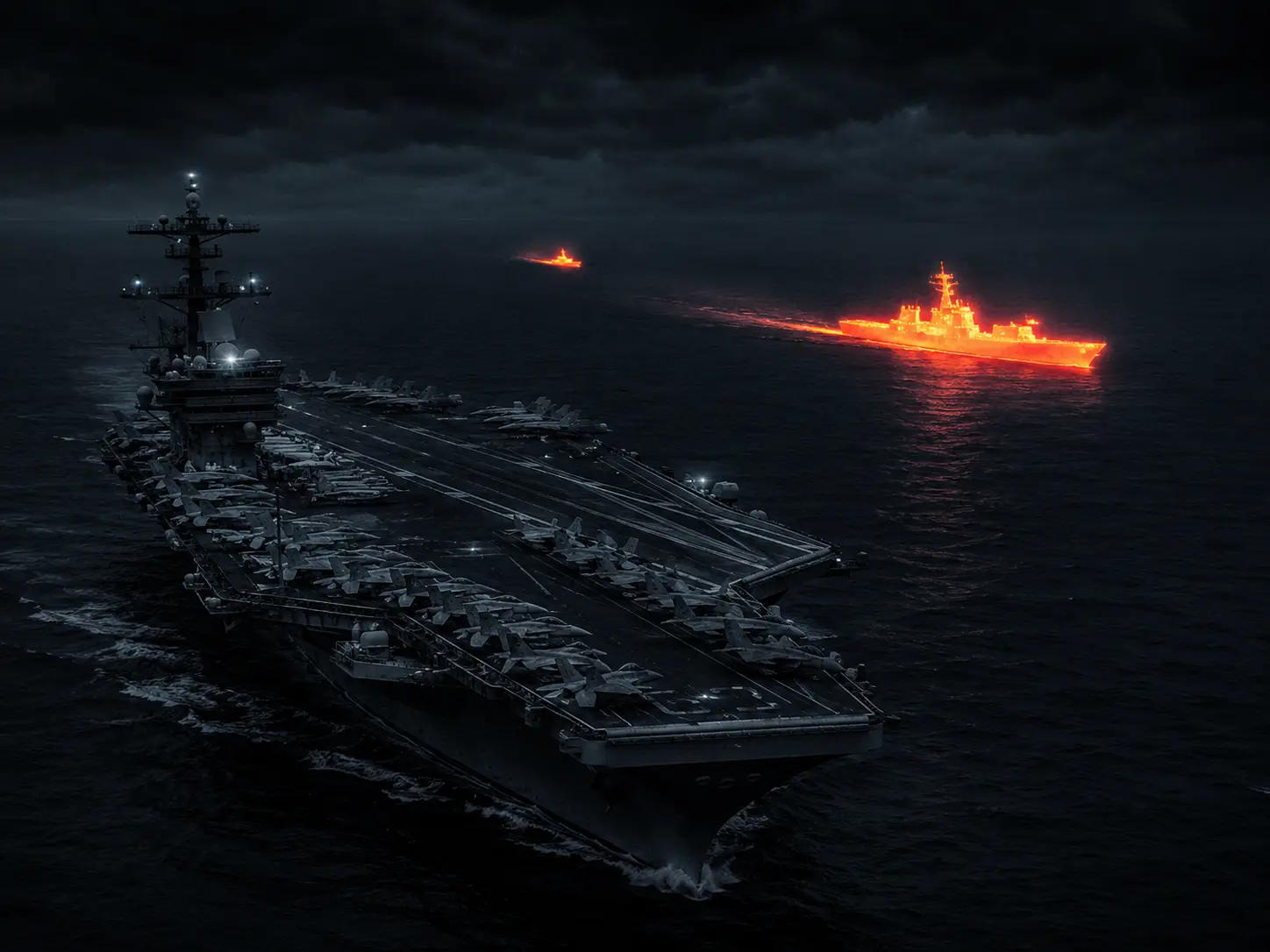
CIWS: 360-degree thermal coverage
The USS Abraham Lincoln uses strategically placed Phalanx Close-In Weapon System mounts to achieve an overlapping, 360-degree defence against surface threats. Upgraded mounts feature integrated forward-looking infrared cameras that actively scan the dark horizon. These thermal sensors calculate firing solutions to shred incoming fast-attack boats before they breach the perimeter.
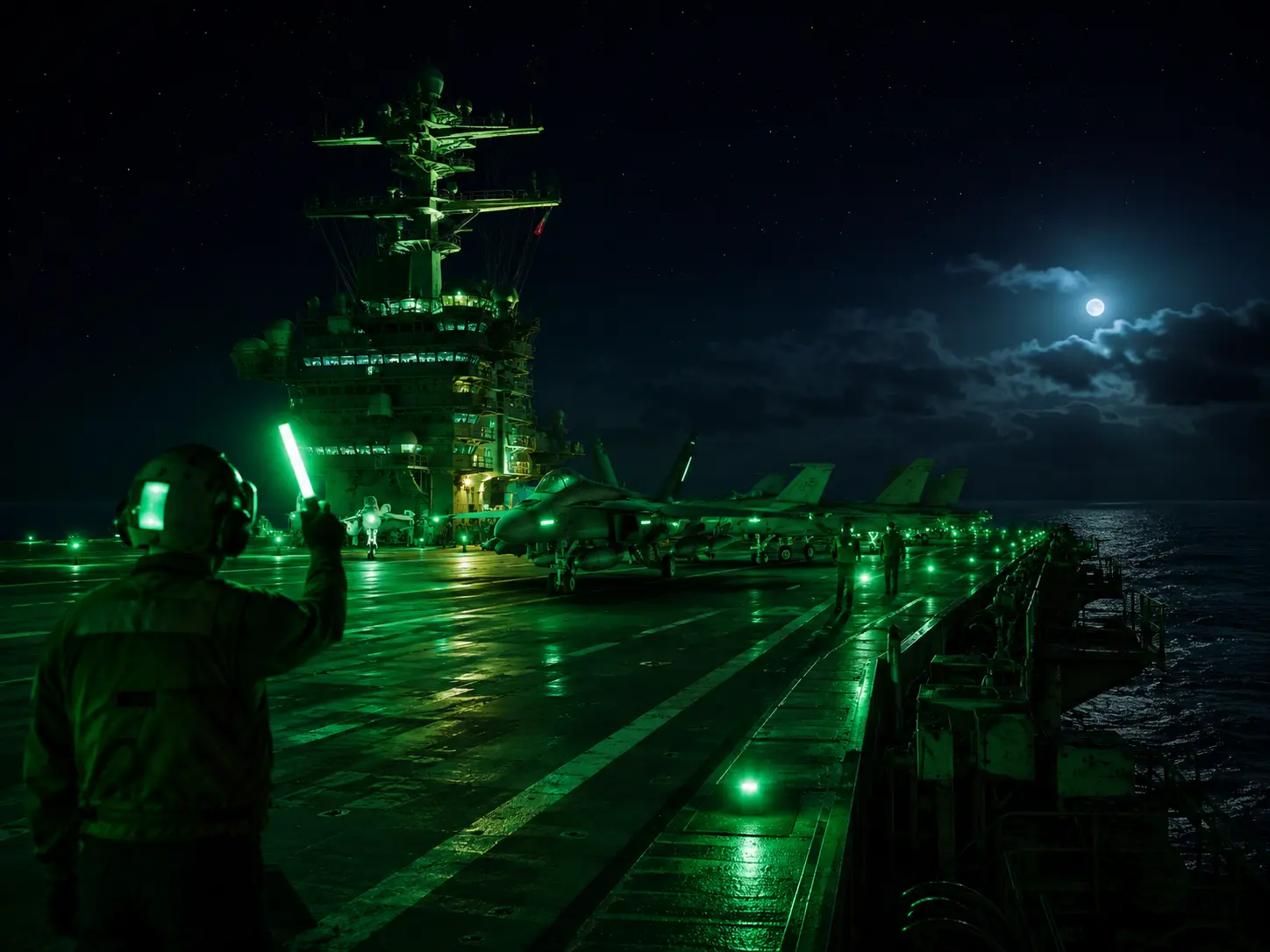
RAM Interceptors: Rs 80 million defence
When hostile vessels launch anti-ship weapons, the carrier deploys Rolling Airframe Missiles to intercept them. Costing roughly Rs 80 million each, these interceptors rely on passive radio frequency and infrared guidance. They lock directly onto the thermal exhaust of enemy munitions, ensuring precise hits in pitch-black conditions.
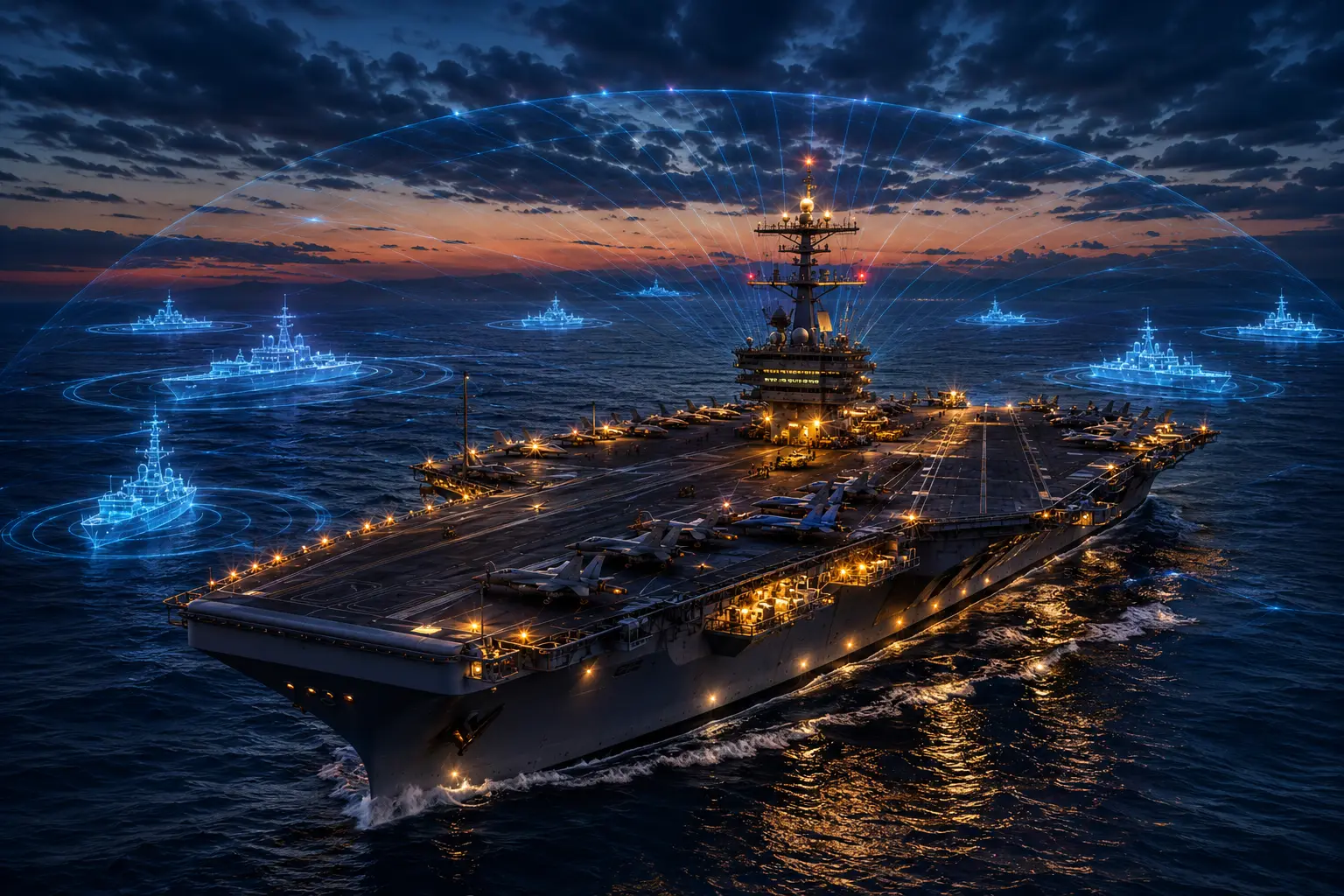
Super Hornets: 44,000-pound trap limit
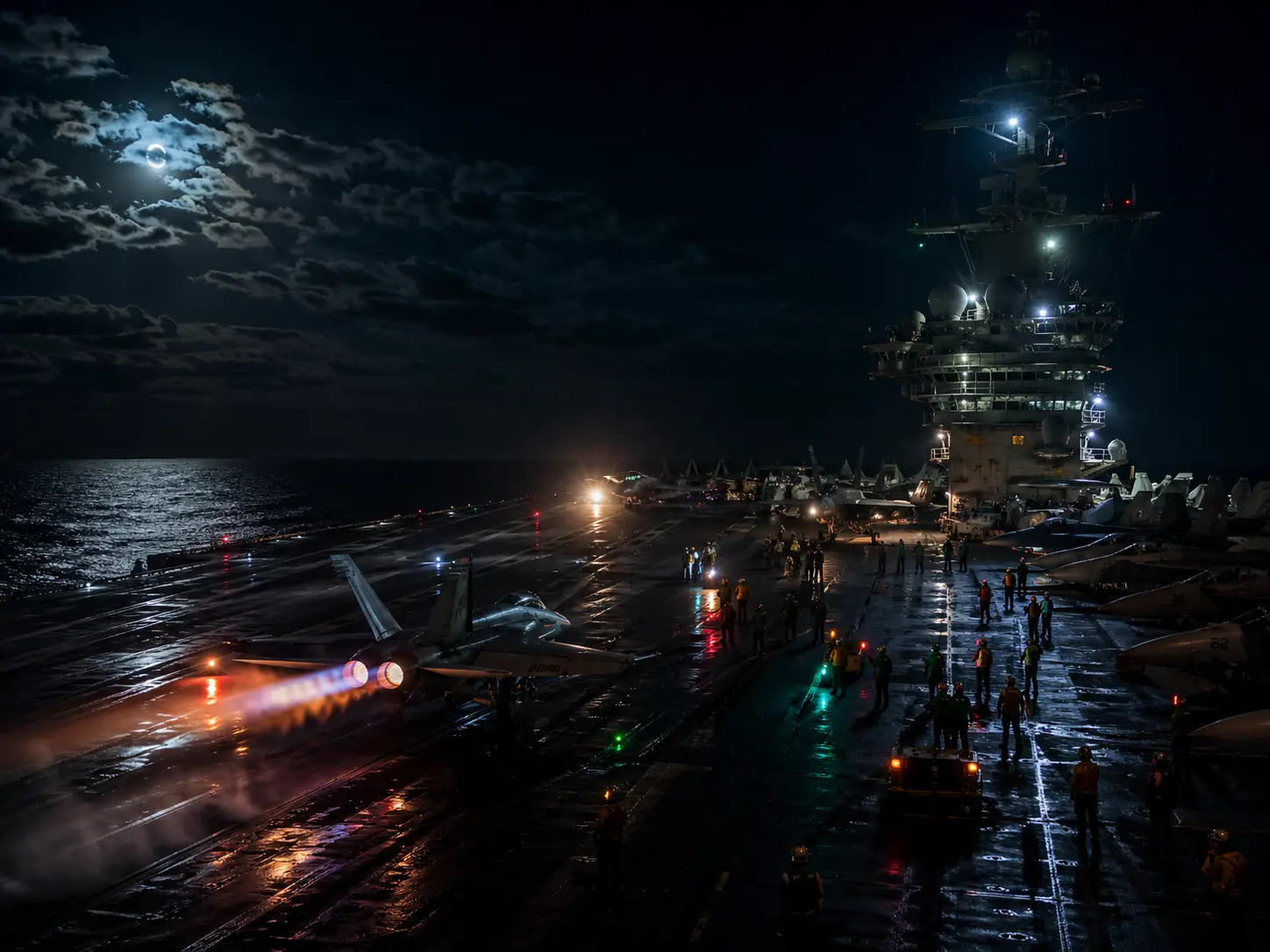
To spot maritime threats over the horizon at night, the ship launches its F/A-18E Super Hornets. These jets utilise advanced targeting infrared pods to stream high-resolution thermal video back to the fleet. Deck crews safely recover these fighters while strictly maintaining their 44,000-pound maximum trap weight limit.
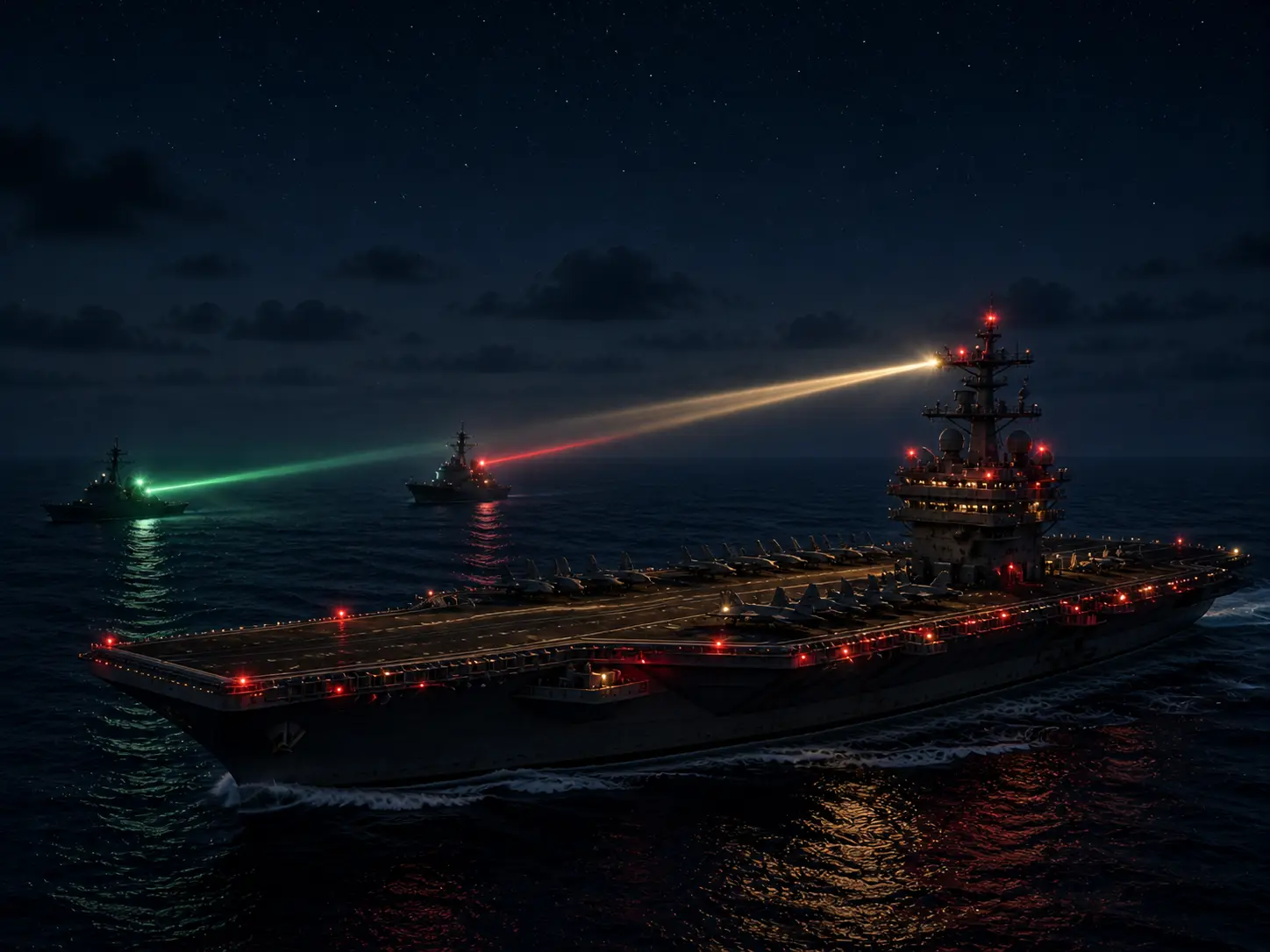
Master Helmsman: Navigating 100,000-tonne hulls
Maintaining absolute stealth during night manoeuvres requires operating under strict Emission Control conditions. A Master Helmsman, which is a highly critical watch qualification rather than a military rank, safely steers the 100,000-tonne vessel. They rely heavily on passive sensor data instead of active radar to evade enemy detection.
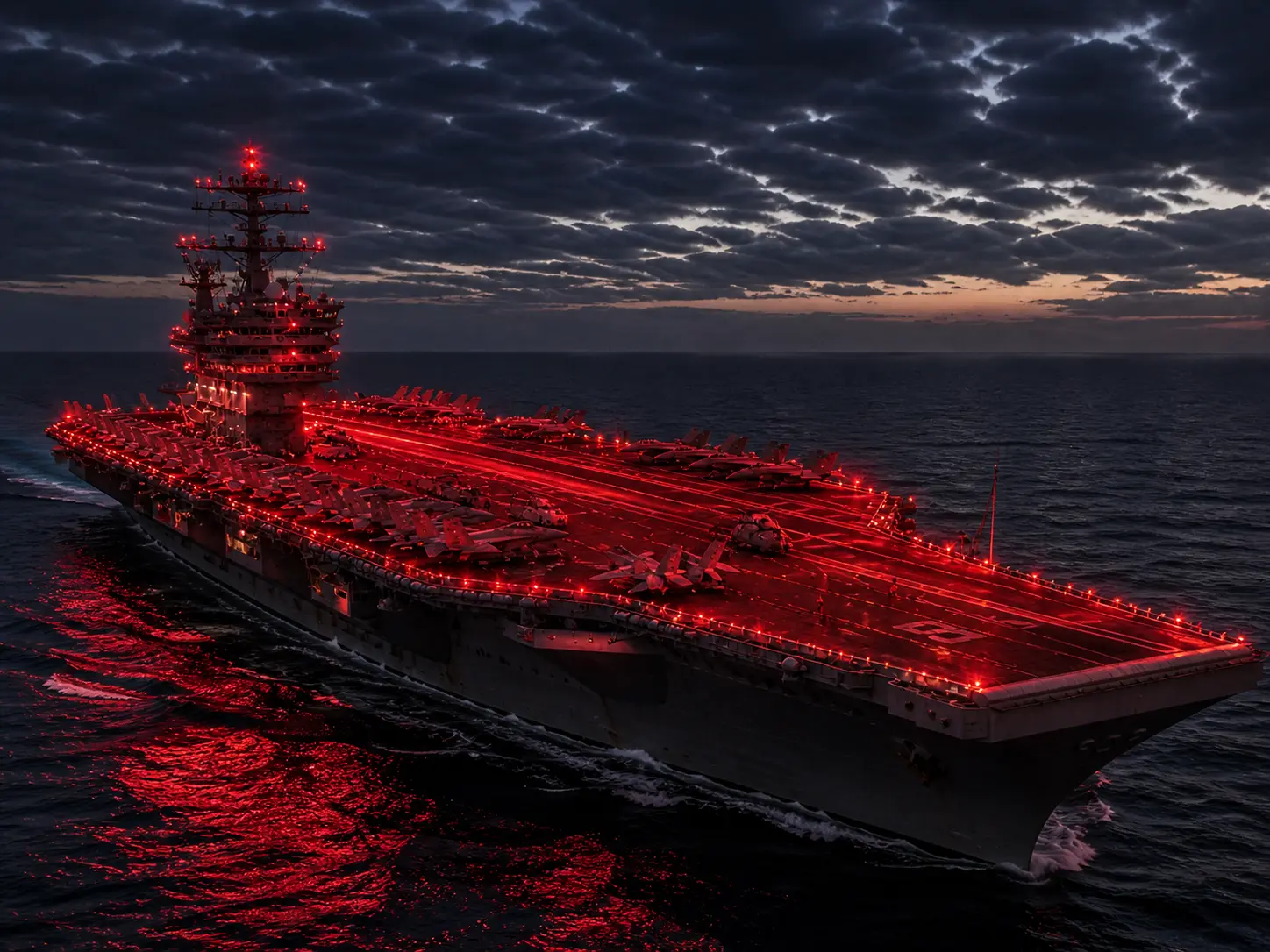
A4W Reactors: 64 MW of electrical power
Continuous thermal scanning and electro-optical targeting demand an immense, uninterrupted electrical supply. The carrier is powered by two A4W nuclear reactors that provide massive thermal energy to sustain the ship's 64-megawatt electrical grid. This robust energy output ensures the infrared defence network remains fully operational during prolonged deployments.
Combat Network: Fusing passive sensor data
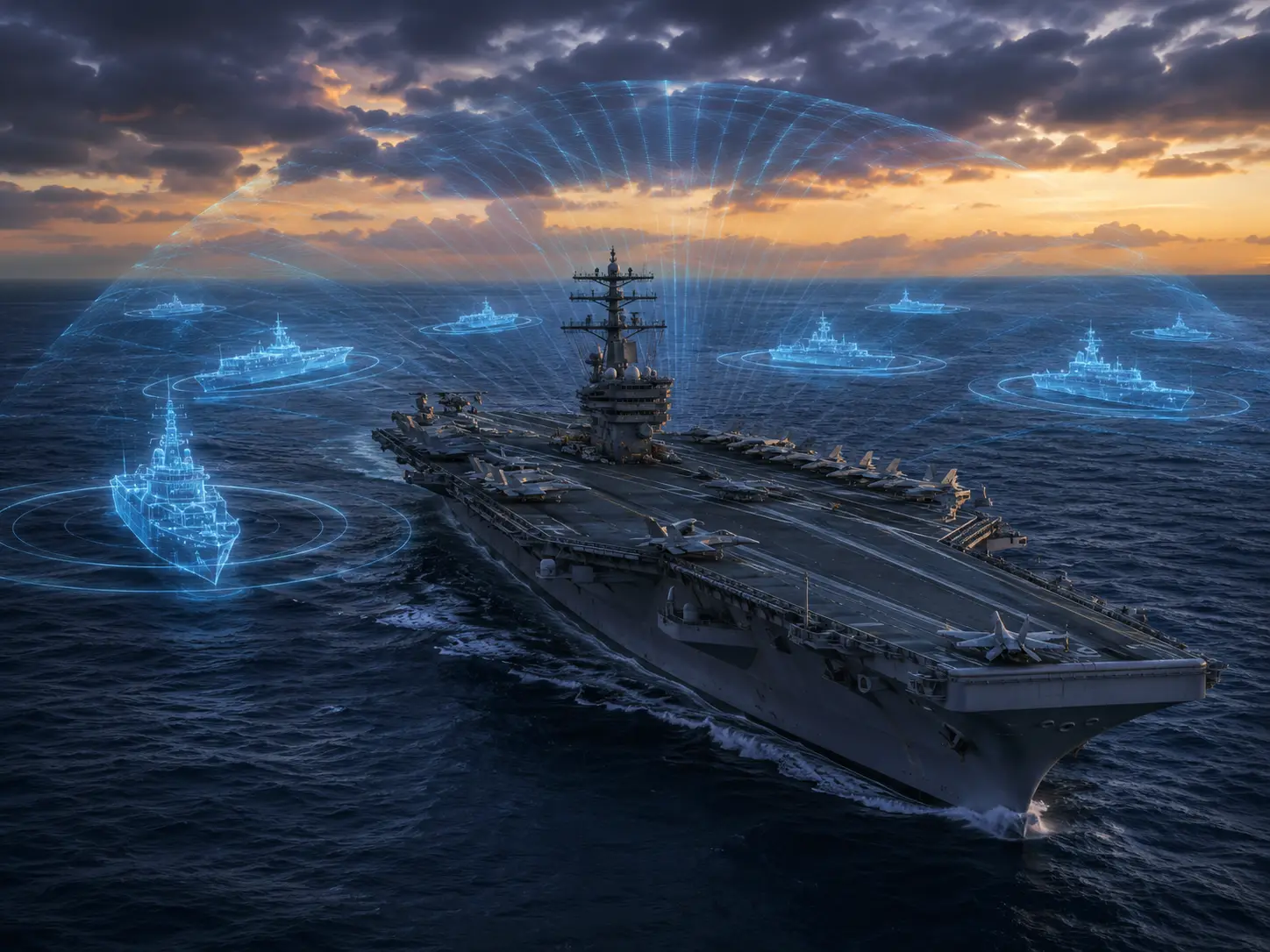
Individual thermal feeds are integrated into the Ship Self-Defense System to create a unified tactical picture. To maintain absolute stealth, this network merges passive infrared imagery with shared data-link intelligence from allied assets to identify low-profile threats. Commanders use this real-time intelligence to track fast-moving drones that evade conventional monitoring.
MK 36 Decoys: Confusing enemy optics
If hostile forces deploy their own heat-seeking weaponry against the aircraft carrier, the crew triggers defensive countermeasures. The onboard launchers rapidly fire off-board chaff and intense infrared flares into the night sky. This sudden burst of extreme heat successfully blinds enemy thermal sensors and decoys missiles away from the Haze Gray hull.
)
)
)
)
)