‘Immortality’: How NASA built Voyager-2 to outlast humanity and Earth

Voyager 2’s titanium shielding and minimalist design give it an almost ghostly resilience, allowing it to keep moving unharmed through a cosmic minefield.

Built for Forever Travel
Voyager 2 wasn’t designed like any ordinary spacecraft, it was designed to last. With redundant systems, minimal moving parts, and power sources meant to survive decades, NASA ensured that this craft could keep working even when Earth itself may no longer be recognisable.

Nuclear Power That Outlives Nations
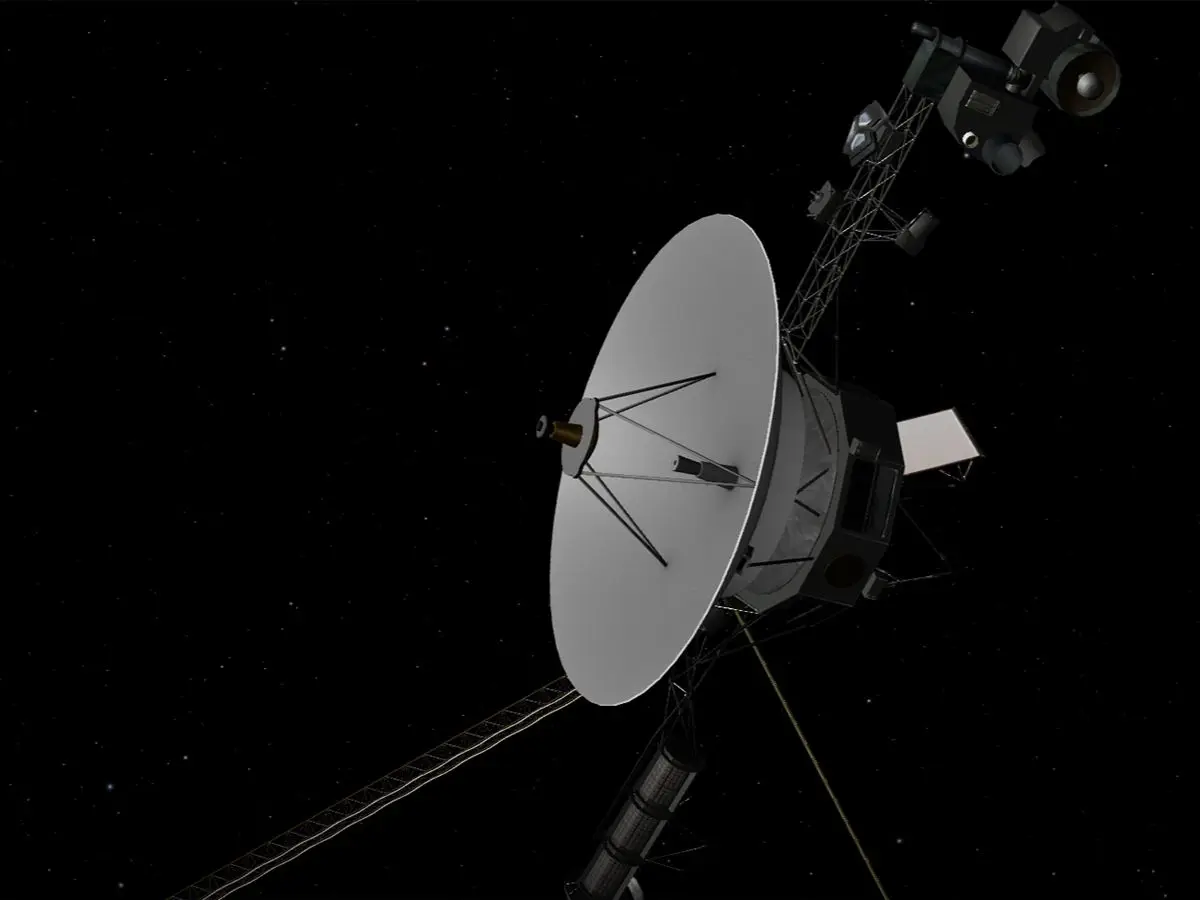
Instead of solar panels, Voyager 2 runs on three radioisotope thermoelectric generators (RTGs), each fueled by plutonium-238. This power source will keep fading slowly but steadily, ensuring the craft survives far longer than any fossil fuel or renewable grid we depend on today.

Protected Against Cosmic Chaos
Deep space isn’t friendly, radiation, micrometeoroids, and cosmic dust can rip most machines apart. Voyager 2’s titanium shielding and minimalist design give it an almost ghostly resilience, allowing it to keep moving unharmed through a cosmic minefield.

The Golden Record: Humanity’s Time Capsule
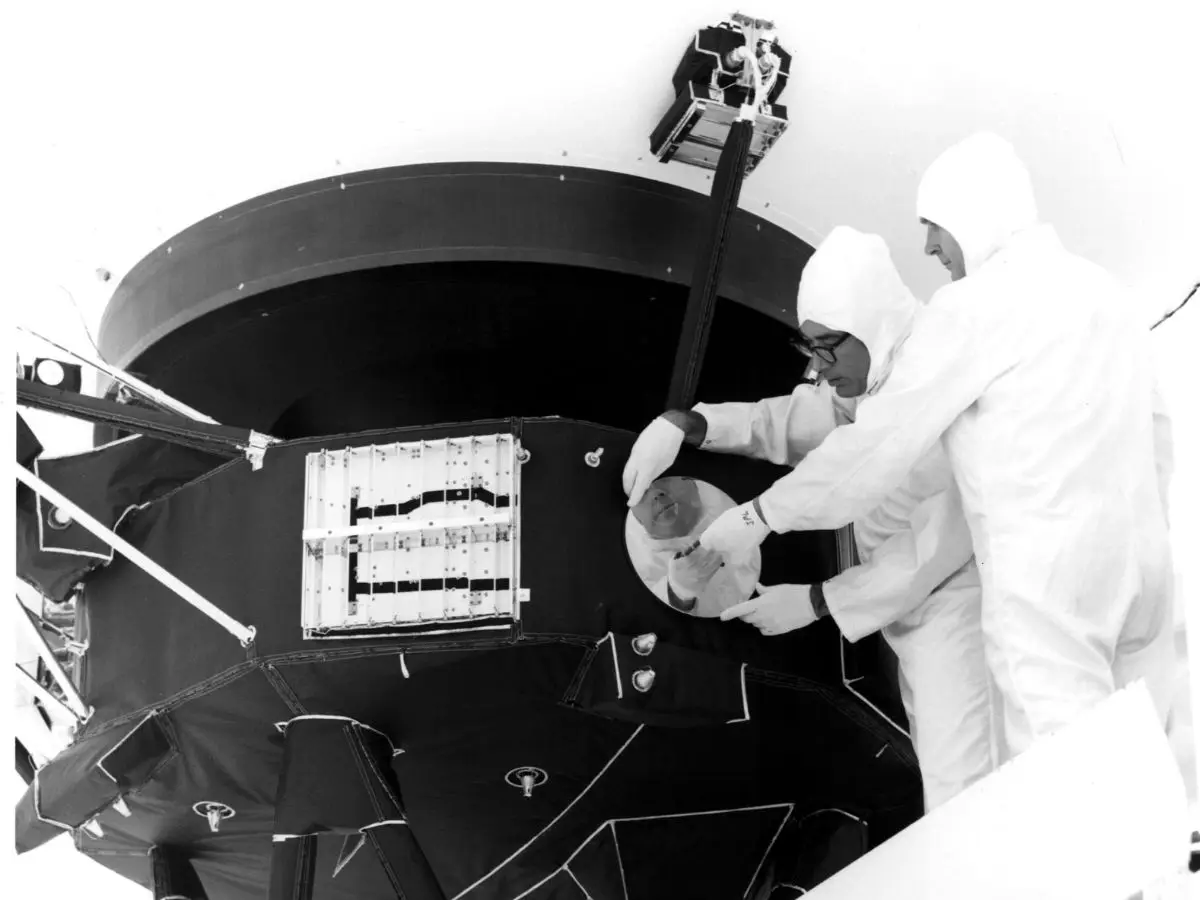
NASA gave Voyager 2 the most human legacy imaginable, a phonograph record carrying sounds of Earth, greetings in 55 languages, and music that could outlast civilisations. Long after our cities crumble, this record may still float as the final proof we existed.

Beyond Human Lifespan
By 2030, Voyager 2’s instruments will go dark. But the spacecraft itself will keep drifting for billions of years, longer than the human race, longer than Earth itself. It may outlive our Sun when it becomes a red giant 5 billion years from now.
A Silent Witness of the Future
In the distant future, long after Earth is gone, Voyager 2 could still be wandering the Milky Way. It might one day cross paths with another civilisation or remain forever silent, a relic of humanity’s brief spark in the universe.
NASA’s True Immortality Project
Voyager 2 isn’t just a spacecraft. It’s a symbol of humanity’s will to exist beyond time. Long after books, monuments, and even digital data decay, this tiny probe will continue on our most durable creation, carrying whispers of our species into eternity.
)
)
)
)
)