'Idling vs. restarting': Does turning your engine off at red lights really save fuel?

Switching off your engine for stops longer than 10 seconds saves petrol. Modern fuel injection uses minimal fuel to restart, eliminating idling waste and cutting daily costs.

The 10-second rule
Modern engines require very little petrol to start up. If you are waiting at a red traffic light or junction for more than 10 seconds, switching off the engine saves more fuel than keeping it running.

Burns 1.5 litres hourly
An average car burns between one to 1.5 litres of petrol for every hour it spends idling. In heavy city traffic, these stationary moments add up rapidly, slowly draining your fuel tank and wasting money.

300,000 engine starts
Many drivers fear that frequent restarting will wear out the starter motor. However, modern car components are heavily reinforced and designed to easily withstand up to 300,000 start cycles without breaking down.

Saves Rs 5,000 yearly
Regular commuters who consistently turn off their engines at long traffic signals can notice a significant difference. Eliminating daily idling can easily save a driver roughly Rs 5,000 in fuel costs annually.

10 per cent efficiency
Vehicles equipped with automatic stop-start technology handle this process seamlessly. This built-in system cuts the engine during stationary periods, boosting overall urban fuel efficiency by nearly 10 per cent.
0 fuel injection waste
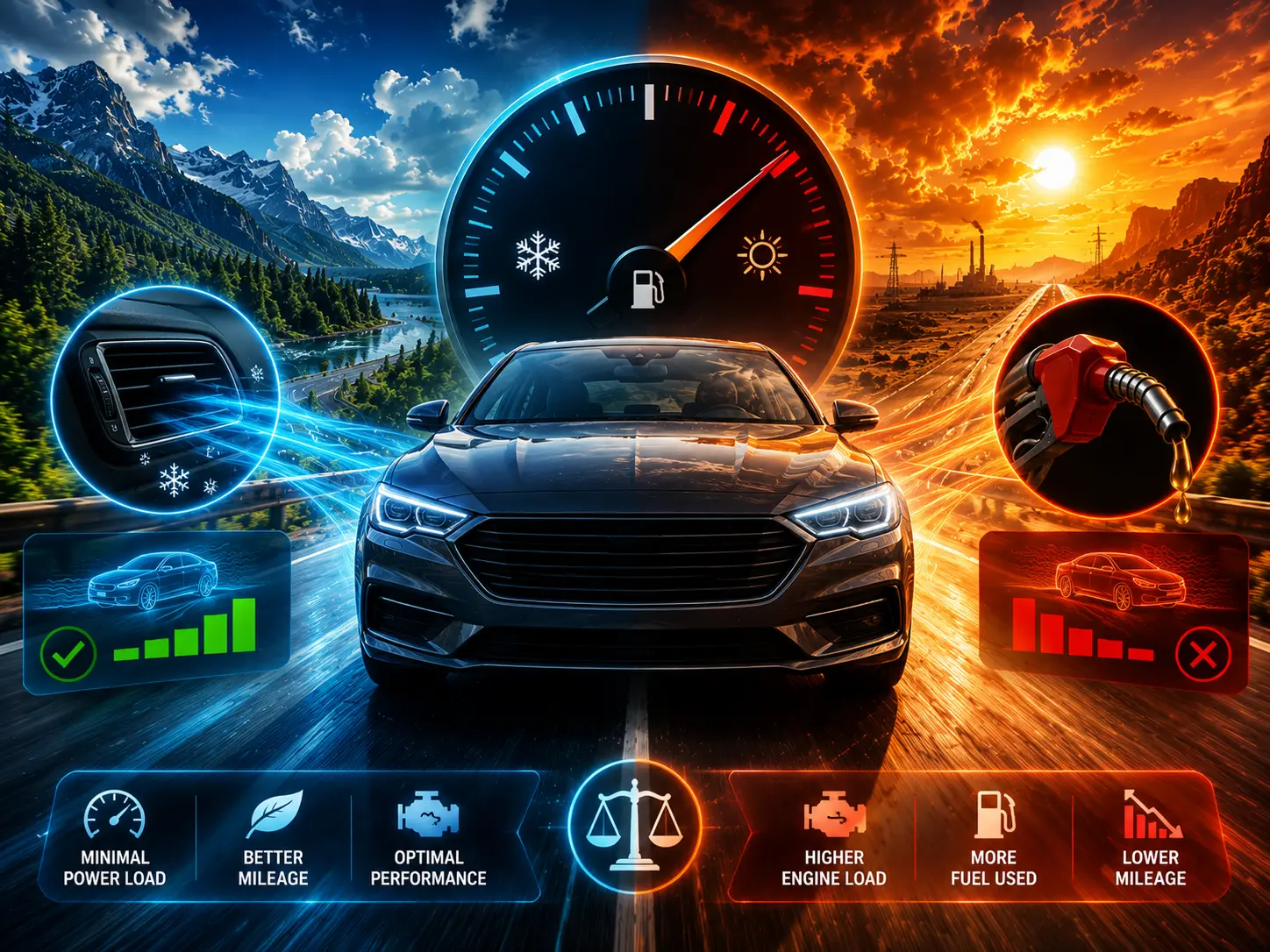
Older carburettor engines dumped a large amount of raw fuel into the system during ignition. Today, electronic fuel injection delivers the precise micro-amount of petrol needed, making restarts incredibly efficient.
20 per cent drop
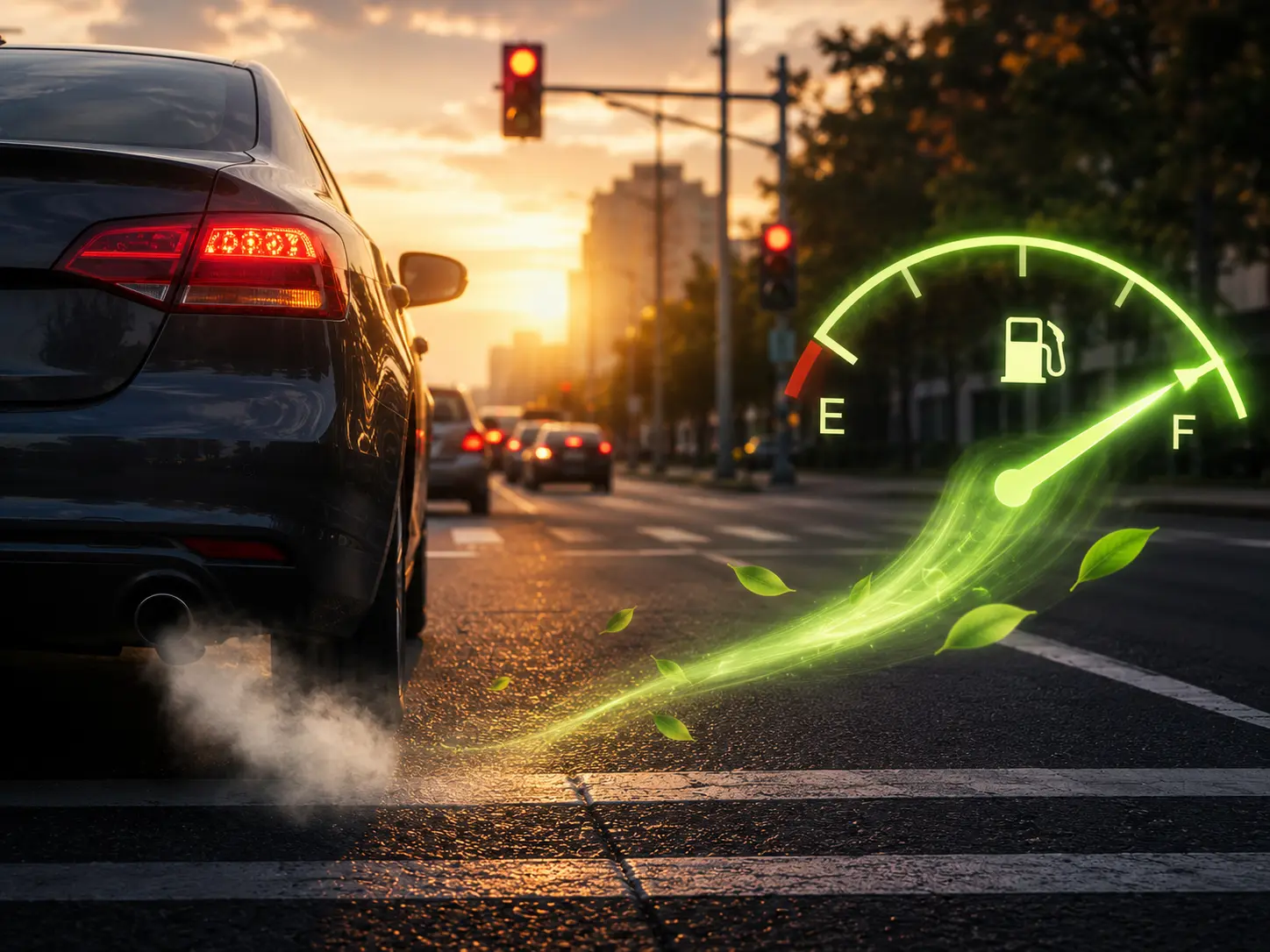
Beyond financial savings, switching off your engine improves local air quality at busy junctions. Cutting out unnecessary idling reduces harmful exhaust emissions and greenhouse gases by up to 20 per cent in heavy traffic.
)
)
)
)
)