'Ideology, proxy wars and sectarian tensions:' Why Iran and parts of the Gulf remain divided?

Iran remains politically apart from much of the Gulf largely because of its revolutionary ideology and continued support for its network of regional proxies, known as the 'axis of resistance', including Hezbollah and allied groups.
Unrest in Iran and regional anxieties
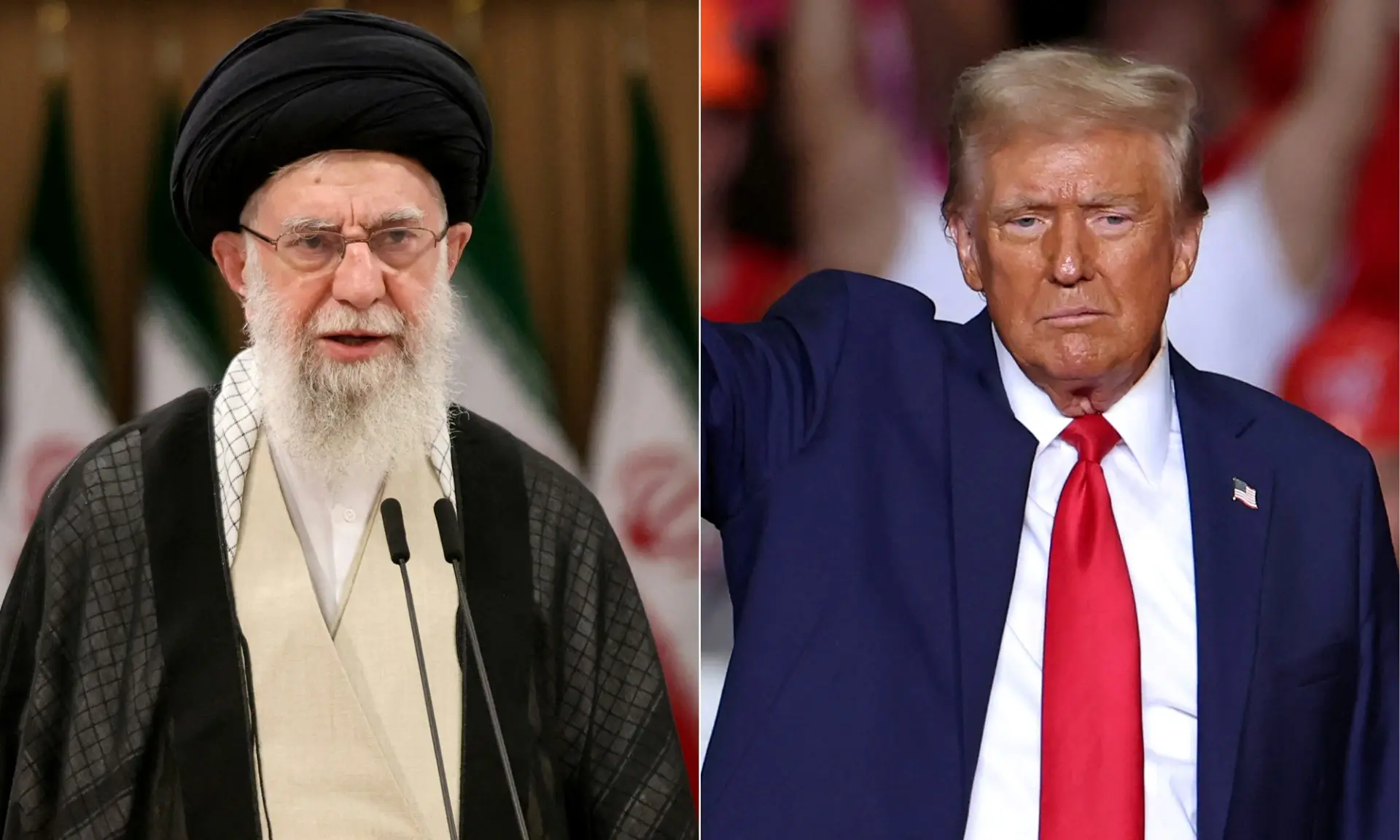
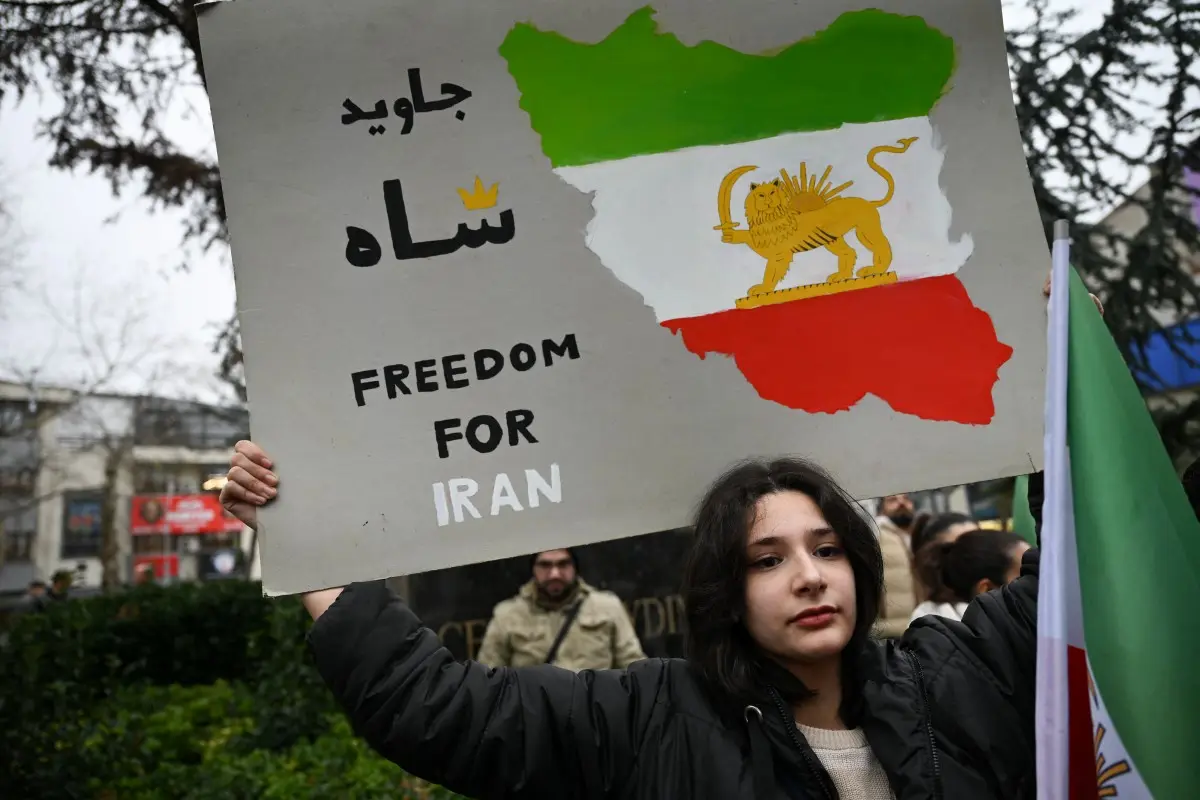
Iran has been rocked by escalating anti-government protests, met with a severe security crackdown and intensifying international scrutiny. Against this backdrop, Saudi Arabia, Qatar, Turkey and Oman reportedly urged US President Donald Trump to refrain from launching airstrikes on Iran, fearing that military action would trigger a far-reaching and unmanageable conflict across the Middle East. Across the region, governments increasingly see Iran’s unrest not simply as a domestic crisis but as a development with serious spill-over risks for regional security, economic stability and sectarian balances. This has renewed focus on Iran’s complex relations with its Gulf neighbours, and on why it remains fundamentally at odds with some of them.
Ideology and the ‘axis of resistance’
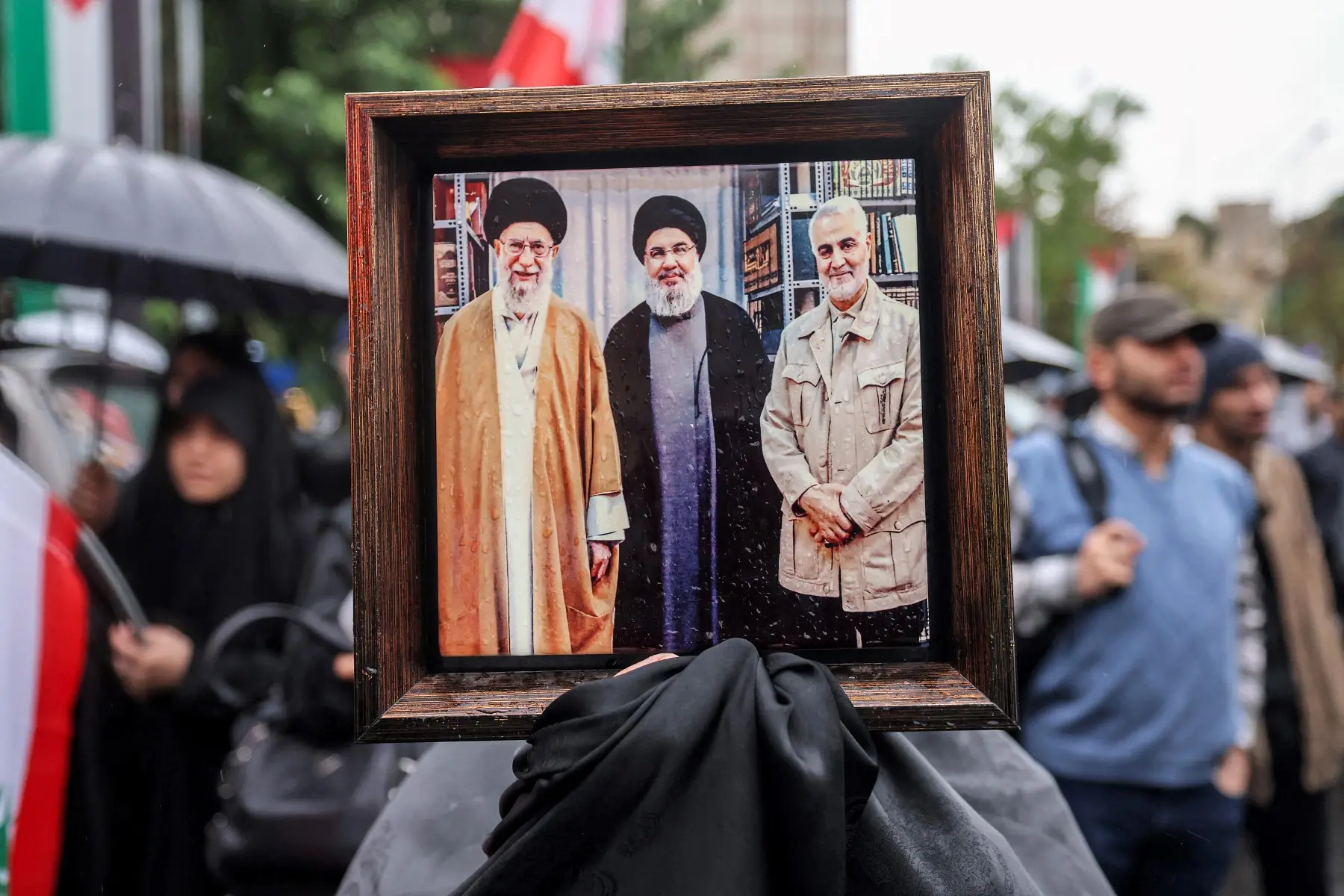
Iran remains politically apart from much of the Gulf largely because of its revolutionary ideology and continued support for its network of regional proxies, known as the 'axis of resistance', including Hezbollah and allied groups. Tehran’s refusal to back a two-state solution for Palestine further distances it from some Gulf monarchies seeking pragmatic ties with Israel.
A rivalry with moments of restraint
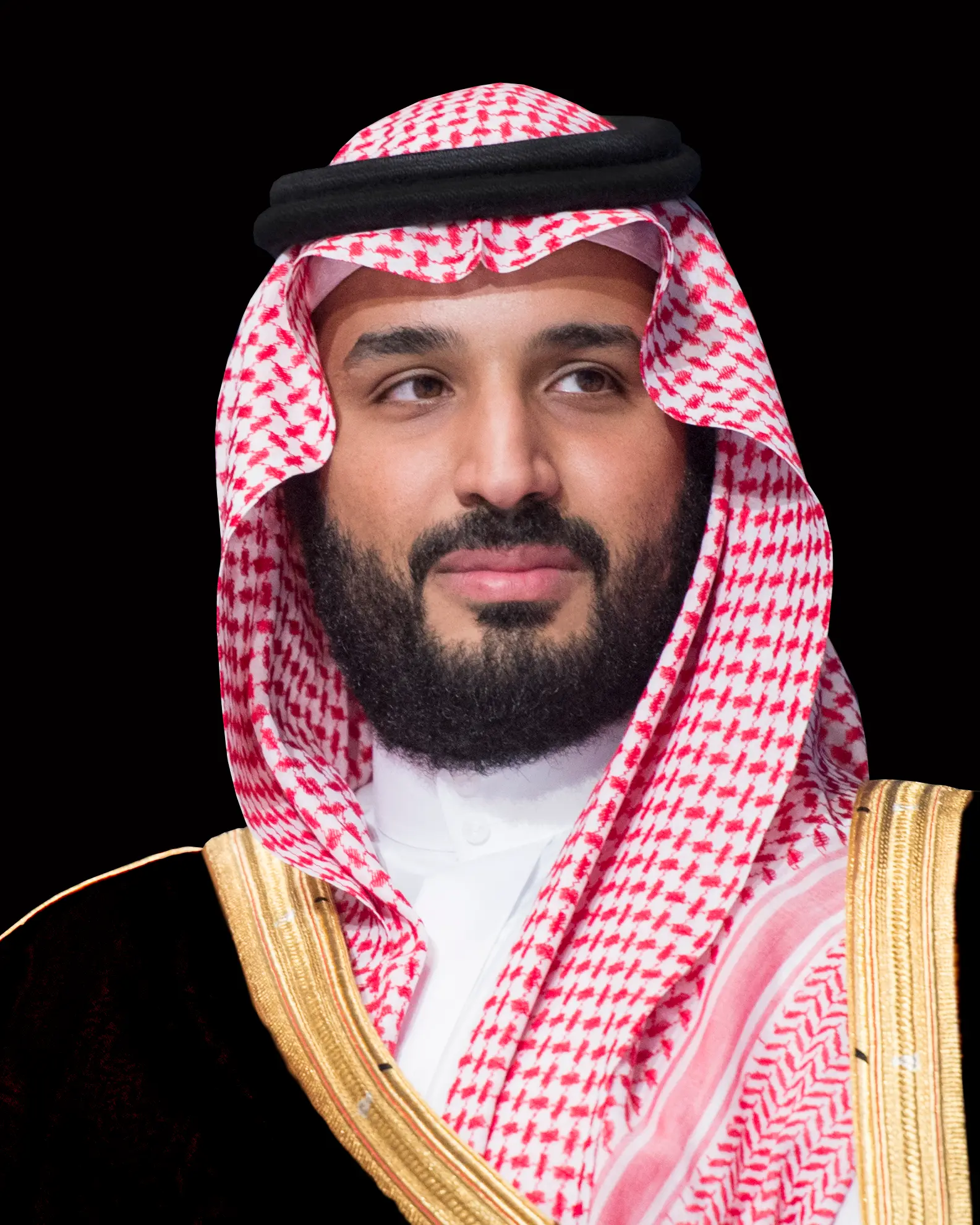
The Saudi-Iranian relationship, long regarded as one of the Middle East’s most volatile rivalries, has shown cautious signs of improvement over the past three years. Saudi Crown Prince Mohammed bin Salman once compared Iran’s supreme leader to Hitler and warned that Riyadh would pursue a nuclear weapon if Tehran did the same. Yet during Iran’s recent protests, Saudi Arabia remained notably restrained and, when US President Donald Trump threatened military action, informed Tehran that its airspace would not be available for any strikes. Despite deep sectarian (Sunni–Shia) competition fueled by Iran's 1979 revolution and its Shia theocratic model challenging Sunni dominance with proxy conflicts in Iraq, Syria, Yemen, and Lebanon along with geopolitical competition, the two sides restored diplomatic relations in March 2023 after a seven-year rupture, in a deal brokered by China.
Why Riyadh opposed US military action
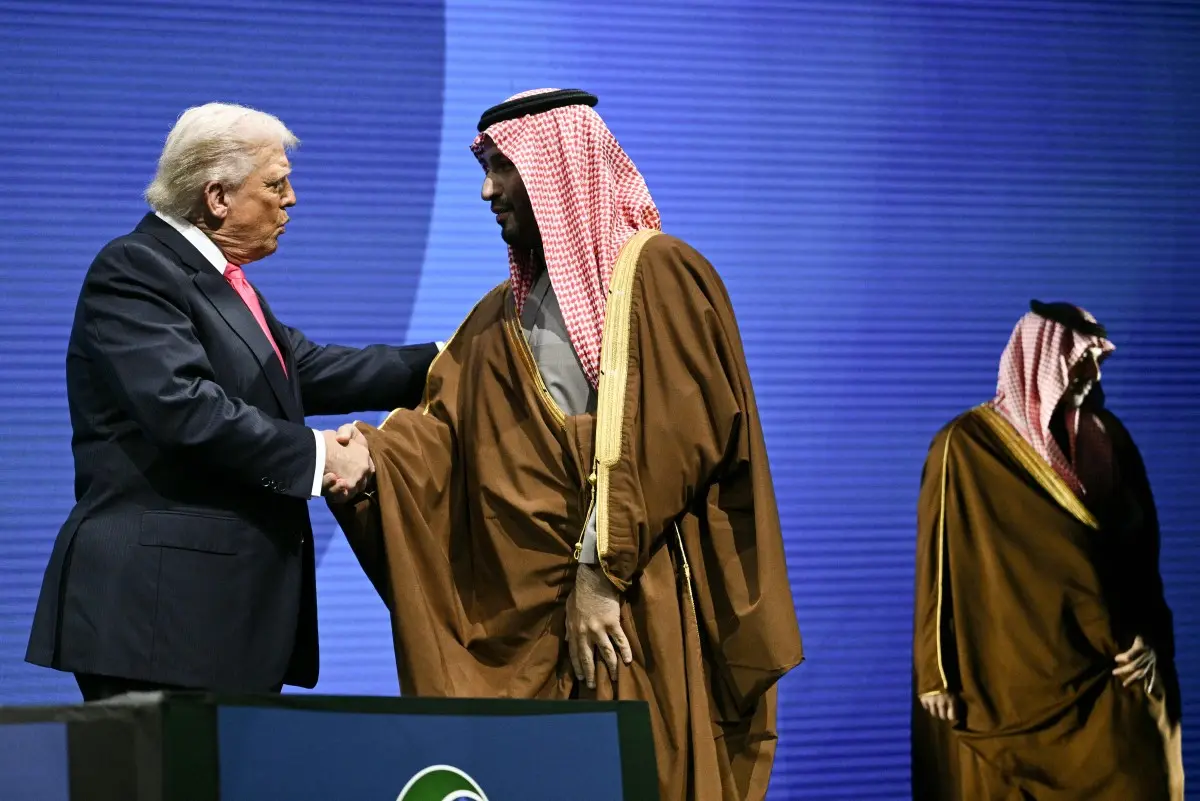
According to Gulf and American officials, Saudi Arabia, Qatar, Oman and Turkey lobbied Washington against escalation. One reason, analysts note, is concern about legitimising external military punishment for internal repression. Both Iran and Saudi Arabia are authoritarian systems; Iran, however, holds national and parliamentary elections, while Saudi elections are limited to municipalities. A precedent of 'liberation' by force could later be turned against Gulf monarchies themselves.
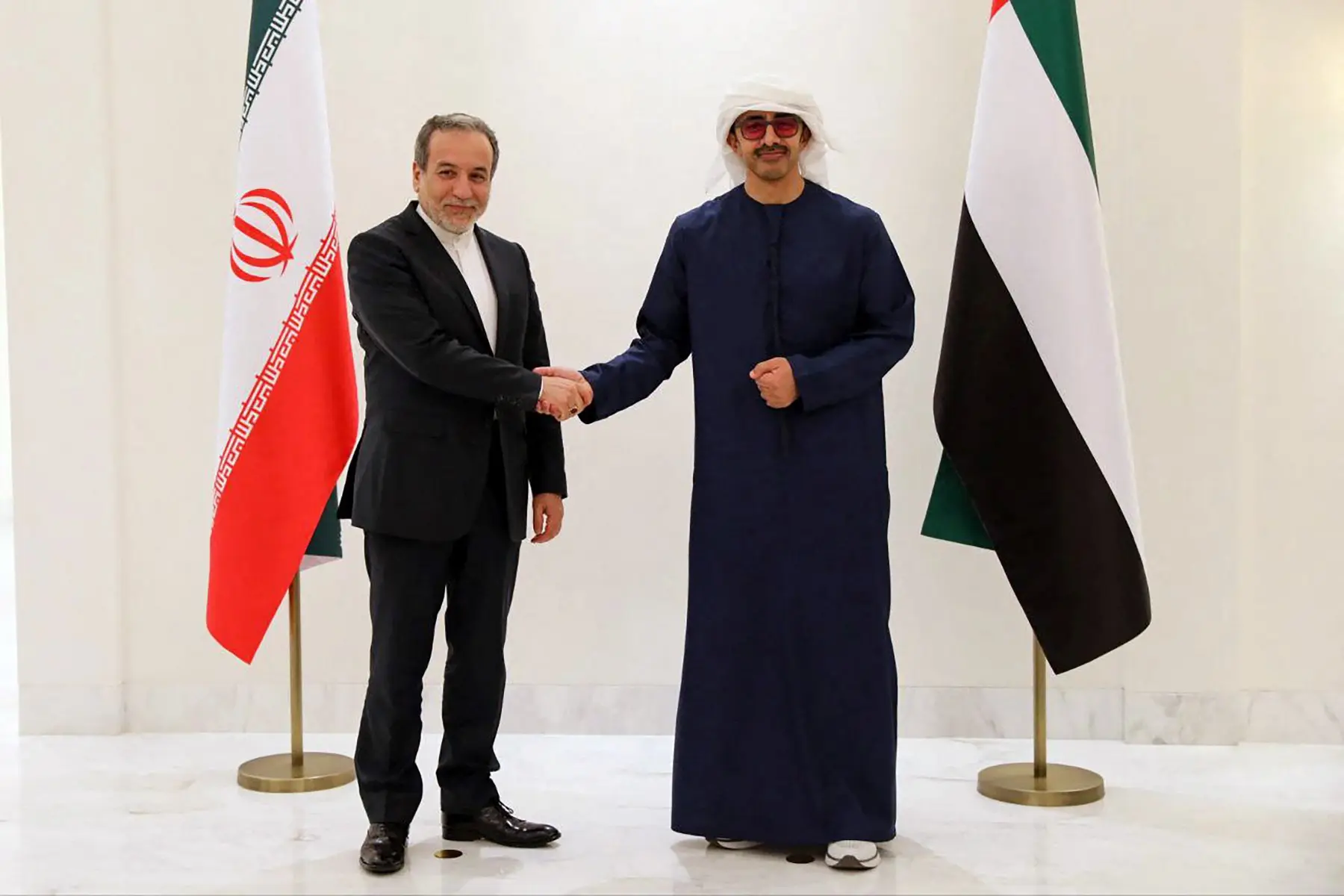
UAE and Territorial Dispute over Gulf Islands
Although UAE maintains a ‘good neighbor’ policy, acting as Iran's largest regional trade partner and global second-largest after China, the relationship is too complex. Disputes over three Gulf islands claimed by the United Arab Emirates: Abu Musa, Greater Tunb and Lesser Tunb, continue to be a major source of friction between the two nations. Seized by Iran in 1971, the islands are claimed by the UAE, with its position backed by the China and Gulf Cooperation Council, which has called for negotiations or adjudication at the International Court of Justice. Iran rejects this, insisting the islands are an inseparable part of its territory. Yet despite these unresolved disputes, relations have stabilised in recent years. After periods of heightened tension, the UAE restored full diplomatic ties with Iran in 2022, reopening embassies and signalling a pragmatic shift from confrontation to managed engagement.
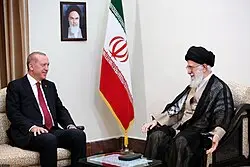
Turkey and Iran: rivals with shared interests
Turkey and Iran have long been competitors rather than allies, they do not have any existing rivalry. The two countries differ fundamentally in political identity and ideology, and have backed opposing sides in conflicts from Syria to the Caucasus. The Arab Spring intensified this rivalry as both sought influence in a shifting regional order. Yet economic ties and trade mean neither can afford open confrontation.
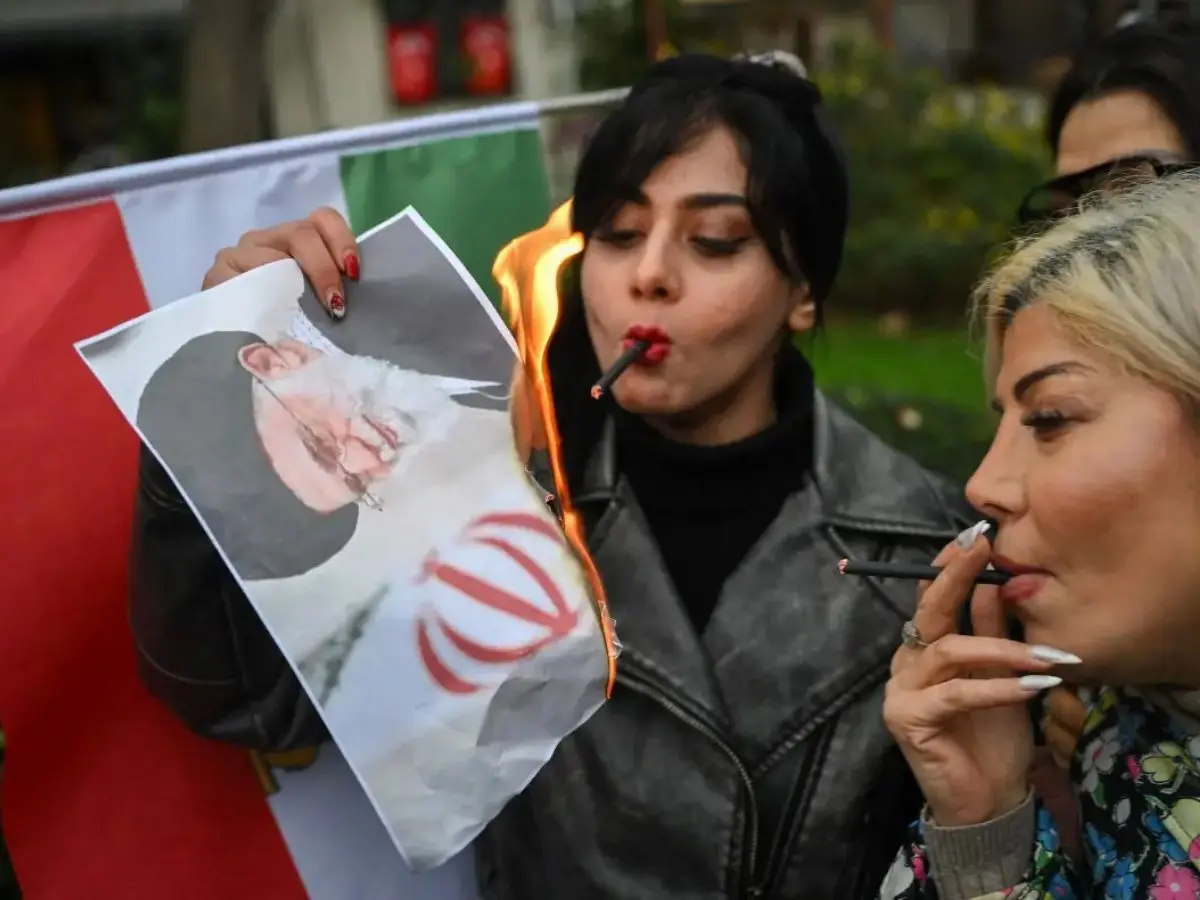
Other GCC states & Fear of regional chaos
Smaller gulf nations like Oman, Syria, Qatar, Kuwait have historically maintained more pragmatic, economically beneficial relationships with Iran, serving as vital lifelines and mediators. A collapse of Iran could send refugees across borders, disrupt shipping in the Gulf, an area Iran can already threaten, and potentially reignite conflict with the Houthis, undermining Saudi Arabia’s economic transformation plans.
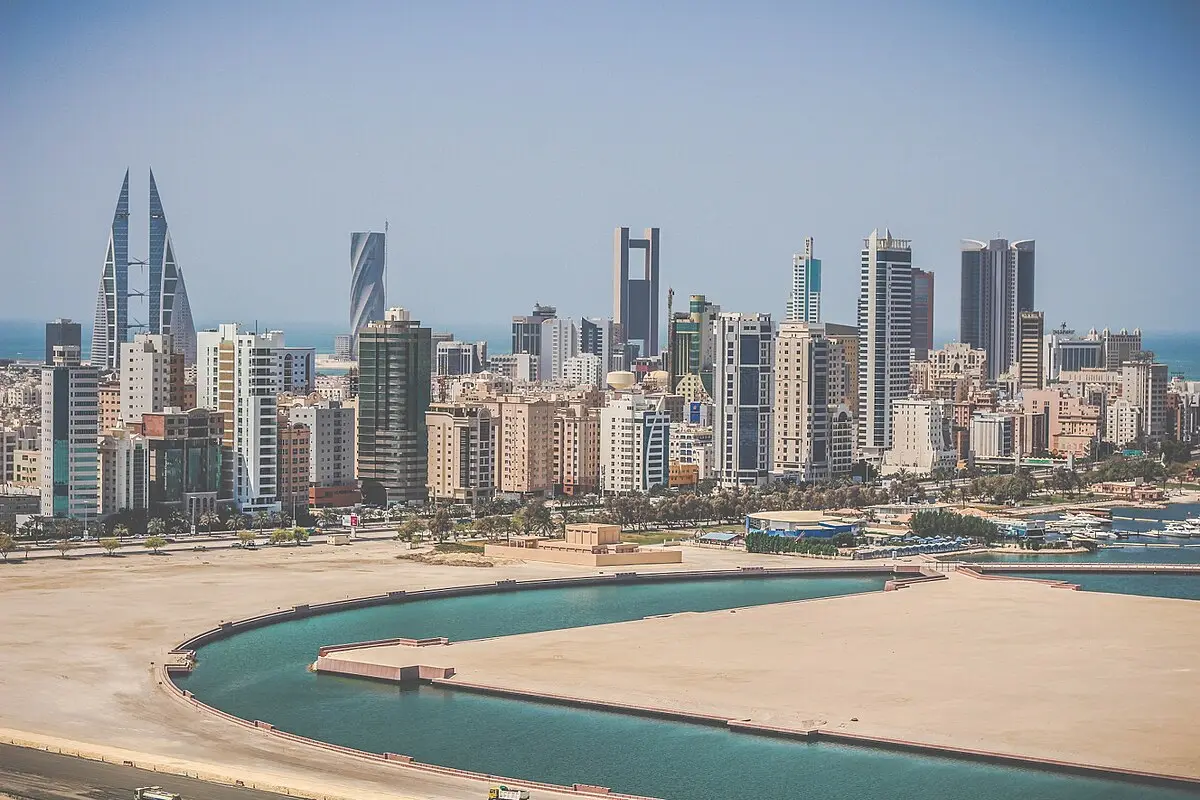
Bahrain
Bahrain–Iran relations have long been strained, with Manama accusing Tehran of interference, especially during the 2011 Arab Spring protests. Bahrain cut ties in 2016 after Saudi Arabia did. Following the 2023 Iran–Saudi rapprochement, Bahrain began talks with Iran in 2024 on restoring relations, though deep mistrust persists.
A balance no one wants to shatter
Recent Israeli strikes and the weakening of Iran’s allies have heightened Gulf fears that Iran’s collapse would tilt the regional balance decisively towards Israel. With doubts about long-term US security guarantees, Saudi Arabia has diversified its partnerships, including closer ties with Pakistan, Turkey, Qatar and Egypt.
)
)
)
)
)