‘I was homeless’: Rob Reiner’s son Nick Reiner revealed deep family estrangement in past interviews

Nick Reiner told People magazine in 2016 he experienced homelessness across Maine, New Jersey and Texas whilst battling drug addiction and family estrangement from father Rob Reiner.

Nick Reiner: A Life of Struggle and Family Distance
Nick Reiner, son of legendary director Rob Reiner, has been publicly candid about his tumultuous past involving addiction and homelessness. In multiple interviews beginning in 2016, he described experiences living on streets across different states. His journey included emotional estrangement from his family and years cycling through rehabilitation programmes. Nick's openness about these struggles provided rare insight into the challenges faced by children from prominent Hollywood families.
Addiction Began in Early Teenage Years
Nick entered his first rehabilitation facility around age 15, marking the beginning of a long cycle of treatment attempts. His struggle with substance abuse began during his early teens and would escalate over the following years. According to his 2016 interviews, he cycled through more than a dozen rehabilitation programmes, each attempt reflecting the severity of his addiction. The pattern of repeated rehab stays characterised much of his teenage and young adult years.
Refusing Treatment Led to Homelessness
In a 2016 People interview, Nick explained a critical moment: choosing not to return to rehabilitation programmes his family suggested. He stated: "If I wanted to do it my way and not go to the programs they were suggesting, then I had to be homeless." This decision resulted in him leaving home and losing stable housing. His refusal to continue treatment marked the beginning of his street life experience.
Living on Streets in Multiple States
Nick recalled in 2016 interviews: "I was homeless in Maine. I was homeless in New Jersey. I was homeless in Texas." His homelessness wasn't brief; he spent extended periods in each location. The geographical spread of his homelessness demonstrated how far he had drifted from his privileged Hollywood background. Each state represented months of instability and survival on the streets.
Nights and Weeks Without Shelter
In his detailed 2016 account, Nick described the reality of street life: "I spent nights on the street. I spent weeks on the street. It was not fun." These simple words conveyed the harsh reality of his experience. He lived in shelters when available and slept outdoors when necessary. The extended duration of his homelessness exposed him to dangerous situations and constant uncertainty.
Nearly Fatal Consequences of Street Life
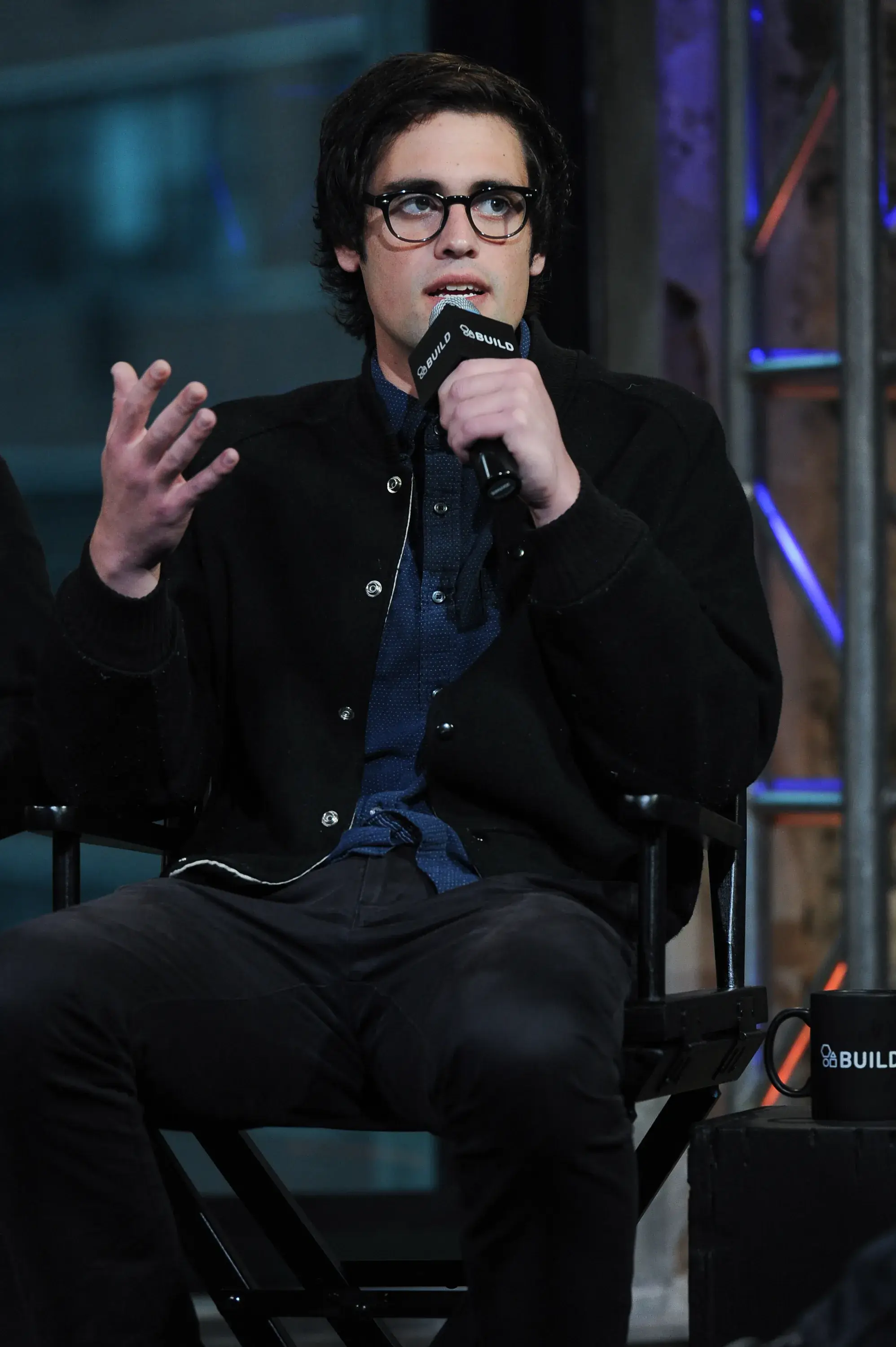
Nick reflected on the severity of his circumstances, saying in interviews: "When I was out there, I could've died. It's all luck." This statement acknowledged the life-threatening nature of his situation. Homelessness exposed him to violence, overdose risks and exploitation. His survival during this period depended largely on chance rather than any safety net or support system.
Lack of Childhood Bonding with Rob Reiner
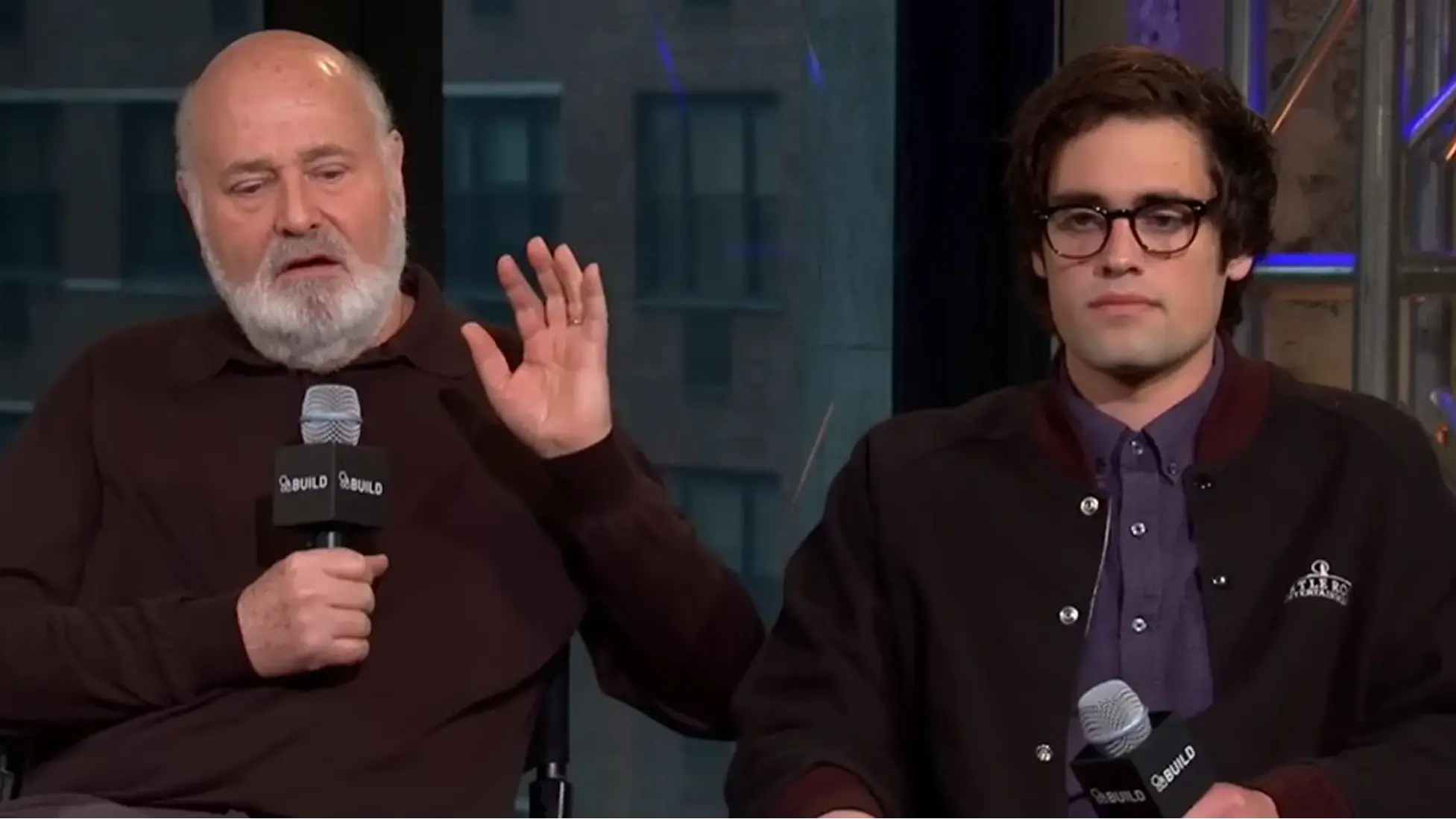
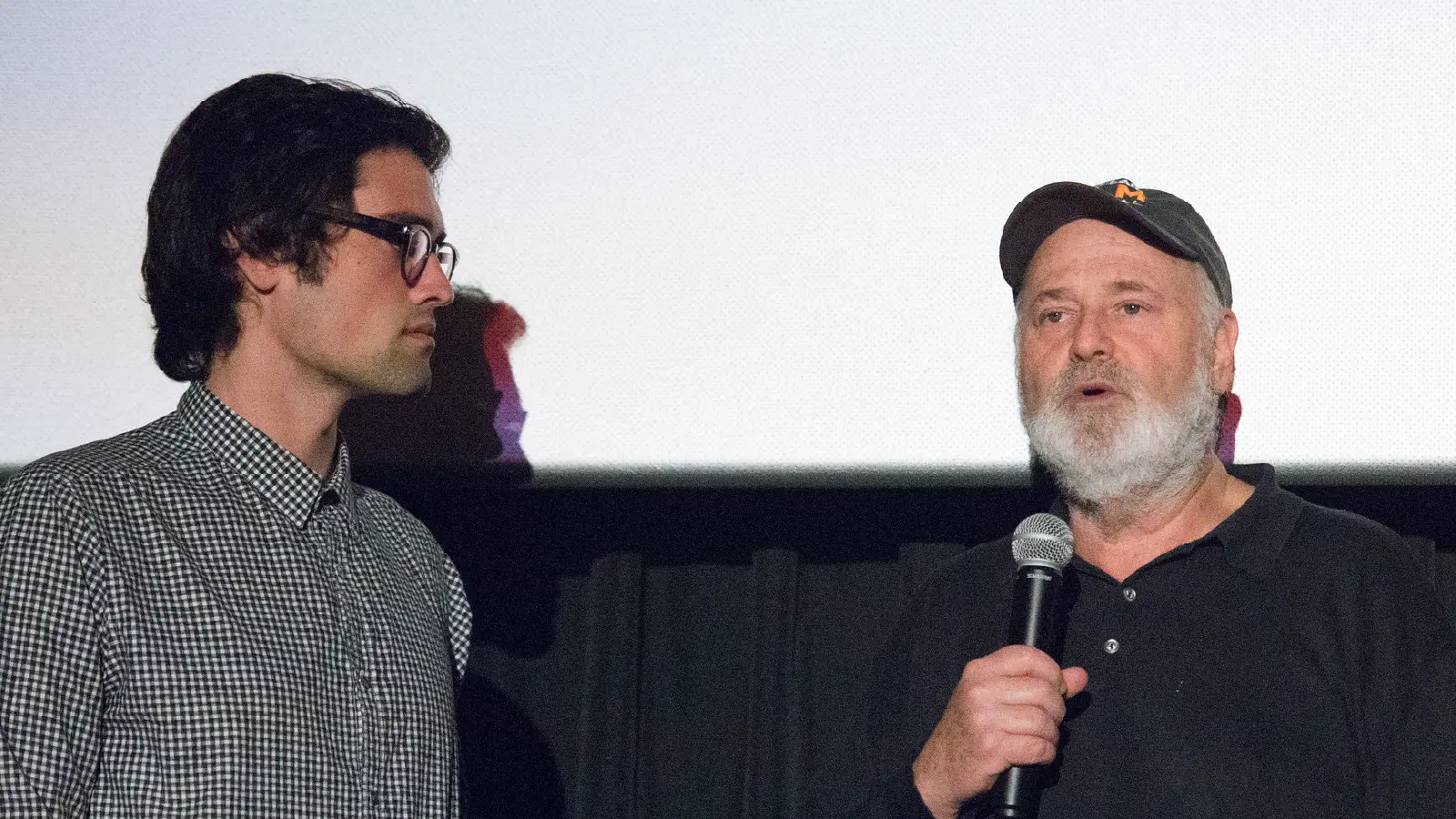
In a 2016 BUILD Series interview, Nick addressed his relationship with his father, stating: "We didn't bond a lot as a kid." This revelation highlighted the emotional estrangement existing between them. The distance stemmed partly from differing interests during Nick's childhood. Their relationship had been marked by disconnection even before his addiction struggles intensified.

Baseball versus Basketball: A Symbol of Distance
Nick explained in 2016 that his father enjoyed baseball while he preferred basketball. Rob could watch baseball with Nick's brother, but this shared interest didn't extend to Nick. This seemingly small detail symbolised the broader emotional distance between father and son. Such moments of not being included in his father's interests deepened their estrangement during crucial developmental years.

More Than a Dozen Treatment Attempts
Over several years, Nick entered rehabilitation programmes repeatedly, with sources indicating more than a dozen treatment stays. Each cycle of rehab, relapse and return reflected the serious nature of his addiction. The repetitive pattern demonstrated both his willingness to seek help and the difficulty of overcoming his substance abuse. These treatment stays represented attempts by his family to help him recover.
Surviving in Shelters and on Streets
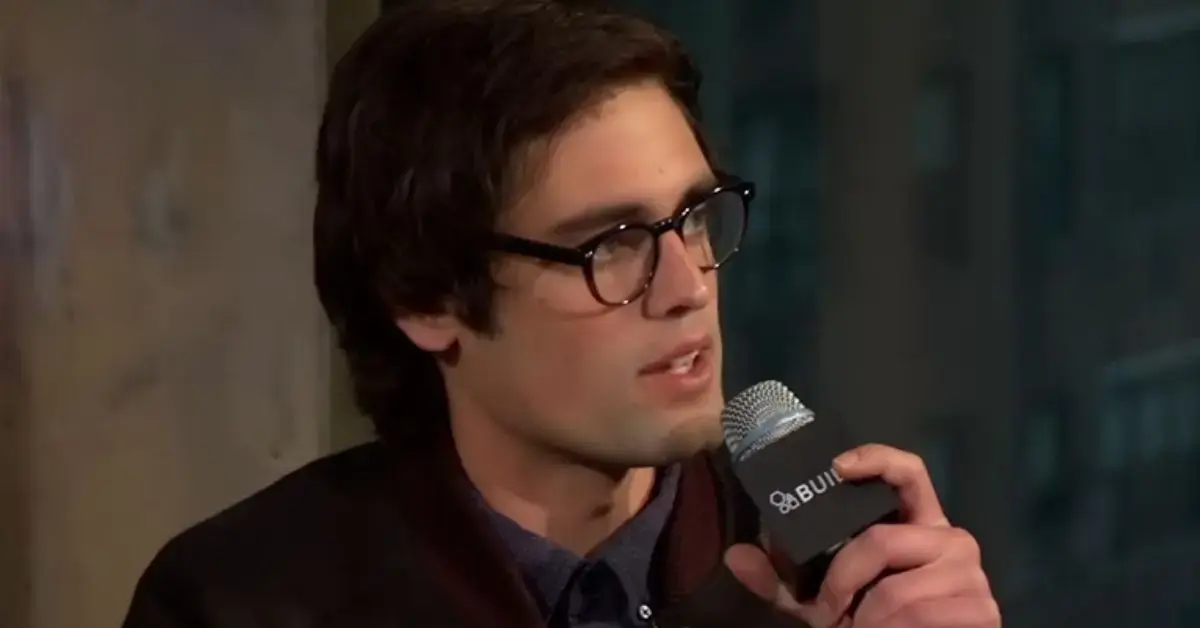
During his homelessness, Nick experienced both shelter life and sleeping outdoors. He moved between emergency shelters and street locations across multiple states. This instability meant constantly dealing with the dangers and uncertainties inherent in homelessness. His experience included encounters with other homeless individuals struggling with similar addictions and survival challenges.
Getting Sick of the Lifestyle
Nick revealed in interviews what ultimately brought change. He said: "I got sick of it. I got sick of doing that." This realisation marked a psychological turning point in his journey. He acknowledged the contradiction in his circumstances, noting: "I come from a nice family. I'm not supposed to be out there on the streets and in homeless shelters doing all these things." This self-awareness became crucial to his recovery.
Film Collaboration with Rob Reiner in 2015
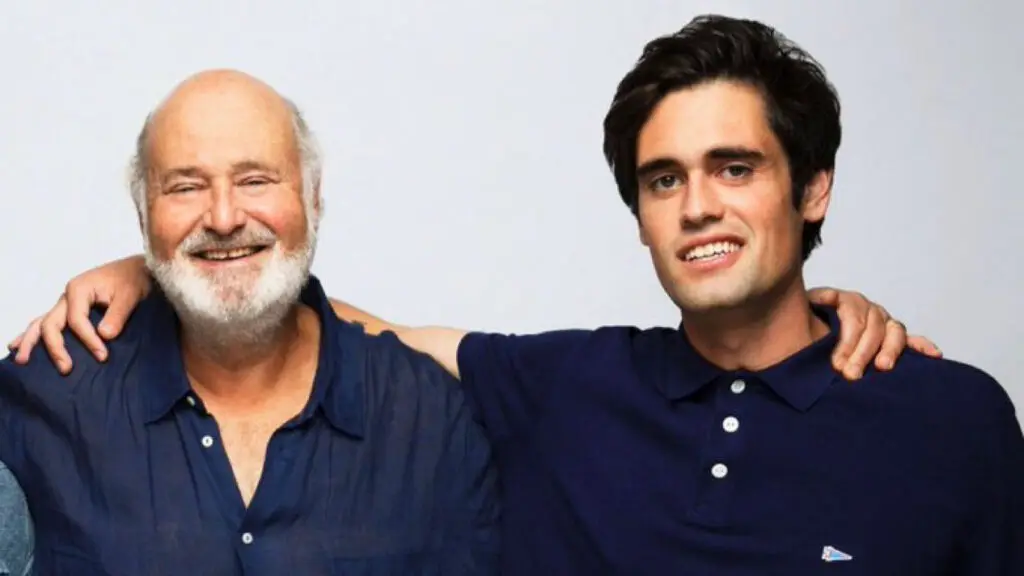
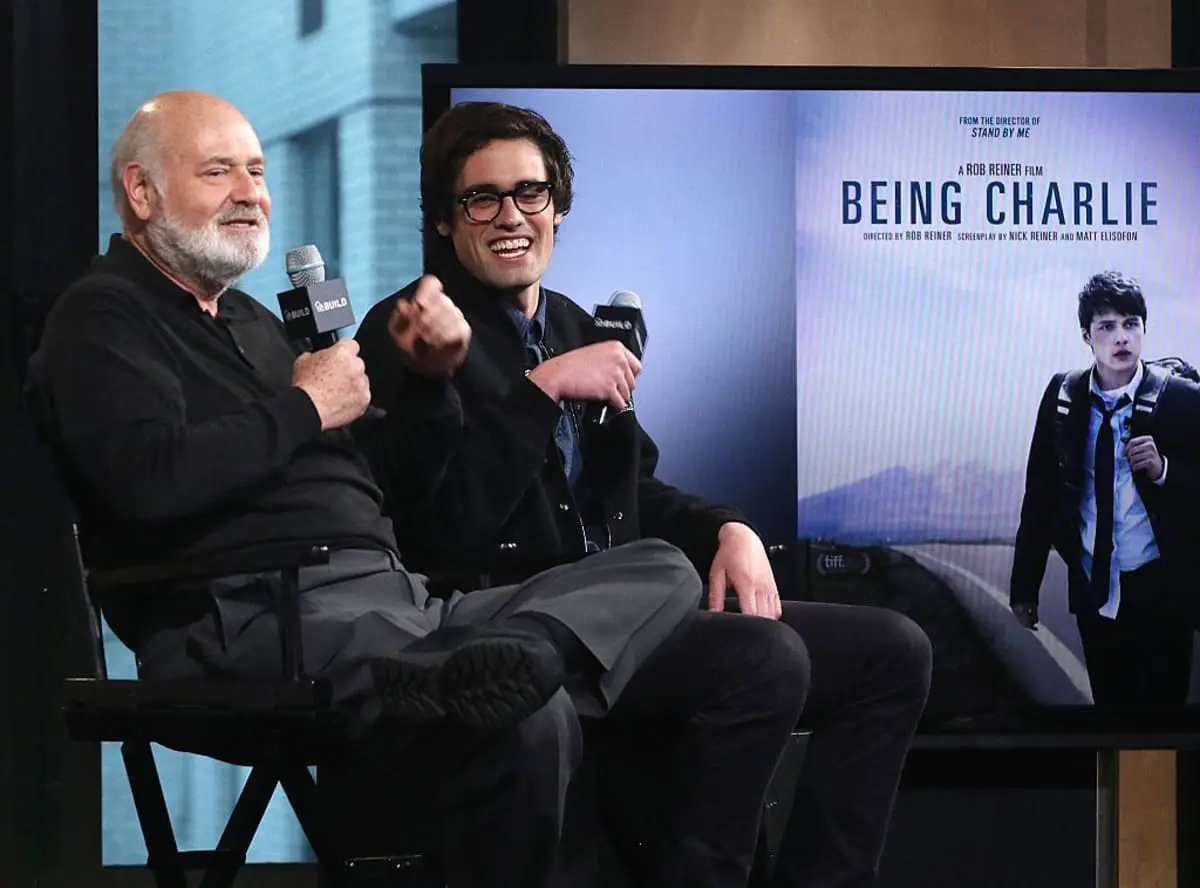
Nick and his father collaborated on the 2015 film "Being Charlie," which drew from Nick's autobiographical experiences. The film, directed by Rob and co-written by Nick, explored the family's troubled history through fictional characters. This project became unexpectedly transformative for their relationship. For Nick, the creative collaboration provided opportunity to process his experiences and connect with his father through artistic expression.
Father and Son Finding Connection Through Film
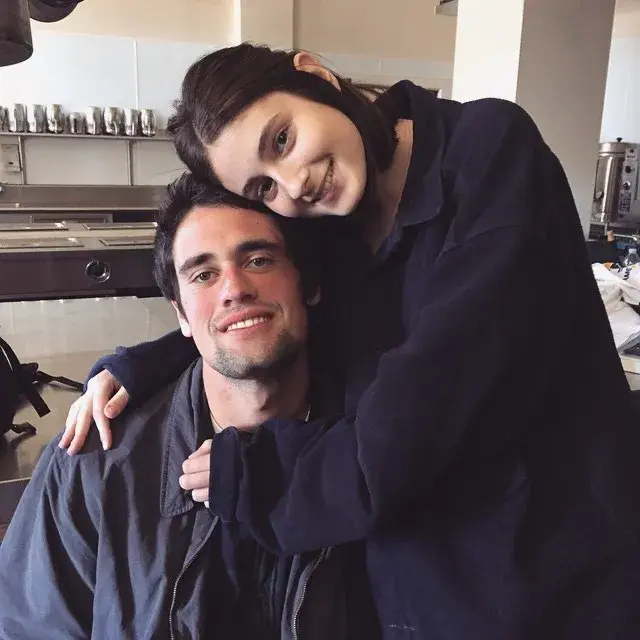
Through working on "Being Charlie," Nick and Rob found new understanding. Nick later reflected that the project helped bridge years of emotional distance. Their collaboration transformed from a distant parent-child relationship into one of mutual respect and understanding. Rob directed the film as one of his most personal projects. For Nick, working with his father allowed him to finally feel seen and understood.
Coming Home After Years Away
By 2016, Nick had been home for an extended period and was readjusting to family life. In his People interview, he stated: "Now, I've been home for a really long time, and I've sort of gotten acclimated back to being in L.A. and being around my family." This marked his transition from homelessness to stability. His return home represented both literal housing security and a renewed connection to family relationships.
Nick Reiner's Candid Voice on Addiction and Estrangement
Nick's willingness to discuss his struggles publicly distinguished him from many children of celebrities. His 2016 interviews provided rare insight into how family estrangement and addiction intersect. By speaking candidly about homelessness and rehab cycles, he humanised the struggles of privileged young people facing addiction. His journey from streets to reconciliation became testament to both the severity of addiction and possibility of recovery and family healing.
)
)
)
)
)