'Hypersonic surprise': Can US defend a strike from Venezuela if Russia helps with a 'carrier killer'

Hypersonic missiles pose emerging threat to US carrier defence. Venezuela's proximity to Atlantic sea lanes combined with potential Russian support could challenge Aegis systems designed for slower threats.
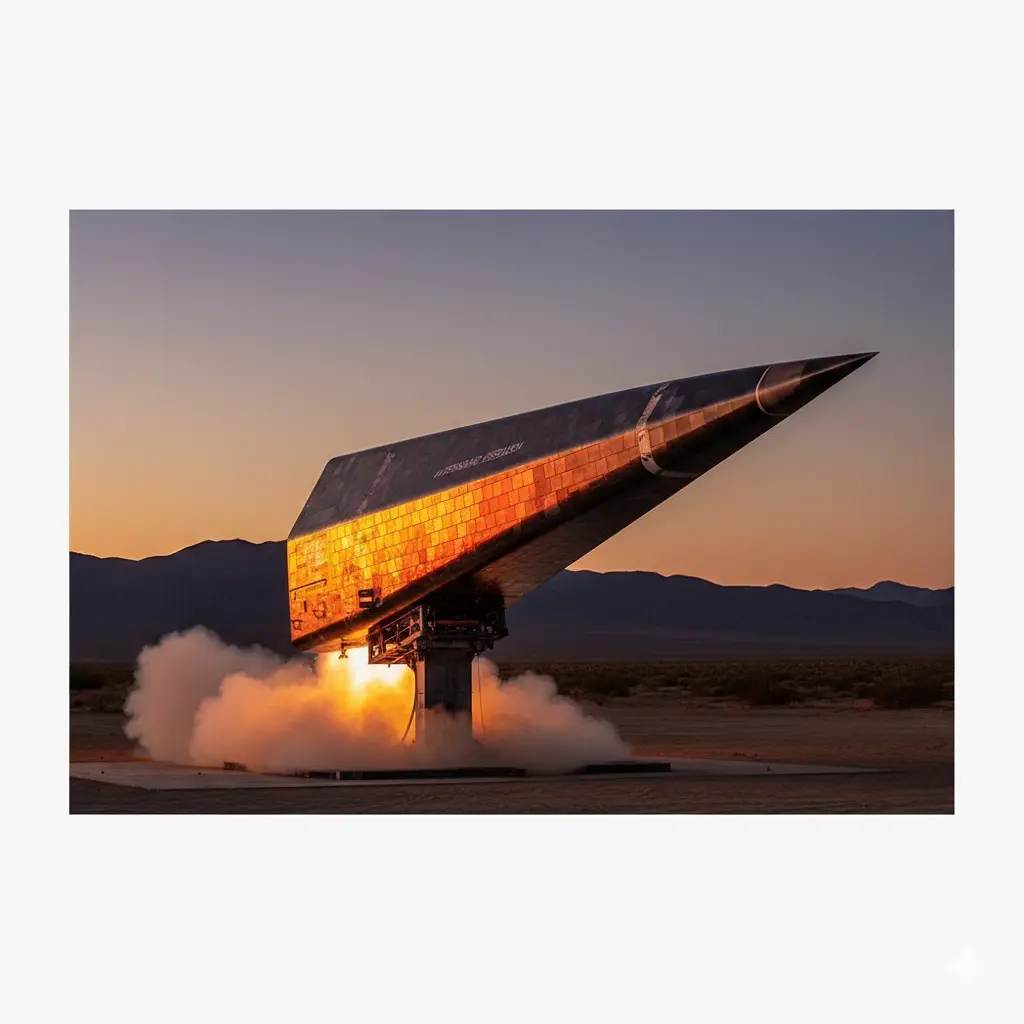
What hypersonic missiles are
Hypersonic weapons travel at Mach 5 or faster (over 6,000 km/h). Their extreme speed and unpredictable maneuverability during flight reduce detection and tracking windows for naval defenders.
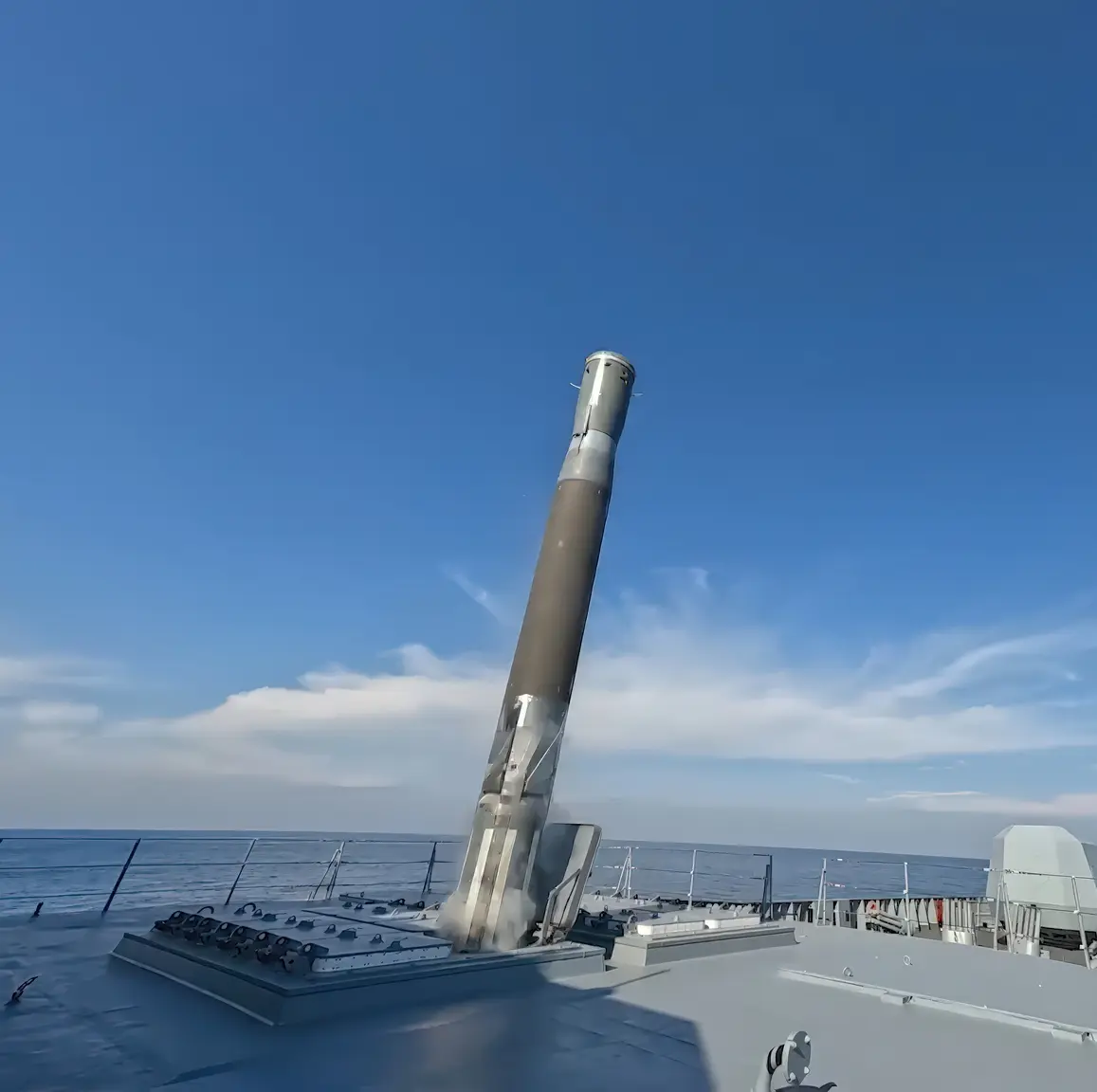
Carrier killer design purpose
Carrier killer missiles, like the Russian Zircon, are designed to hit moving warships. They use advanced seekers and real-time data to bypass traditional point-defense systems.

Venezuela's geographic vulnerability
Venezuela's coast is within 2,000 km of vital Atlantic lanes. In December 2025, the U.S. Navy is enforcing an oil blockade near Venezuela, placing carrier strike groups well within the operational range of land-based hypersonic systems.

Russia's hypersonic capability
Russia has deployed the Zircon and Kinzhal. In late 2025, it confirmed the Oreshnik hypersonic system, an intermediate-range missile, will be on combat duty by year's end.
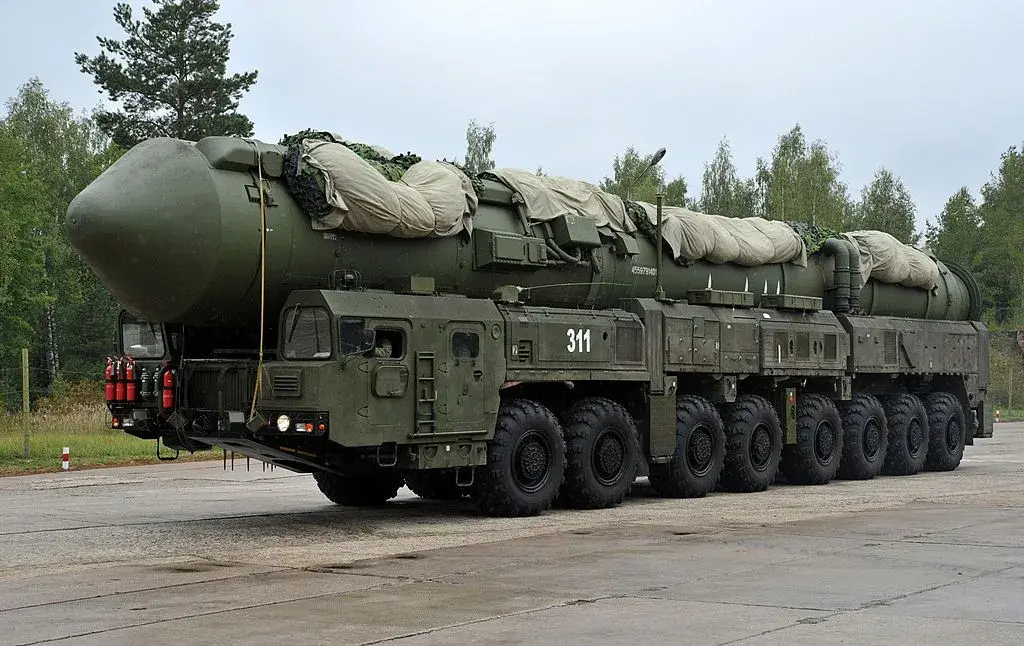
Russia-Venezuela military cooperation
As of November 2025, Russian officials stated they are "prepared" to supply Oreshnik and Kalibr missiles to Venezuela in response to U.S. military pressure in the Caribbean.

US Navy's current defence systems
The Navy uses the Aegis system with SM-6 interceptors. In March 2025, the U.S. demonstrated a successful hypersonic intercept using these existing systems with updated "SBT Increment 3" software.
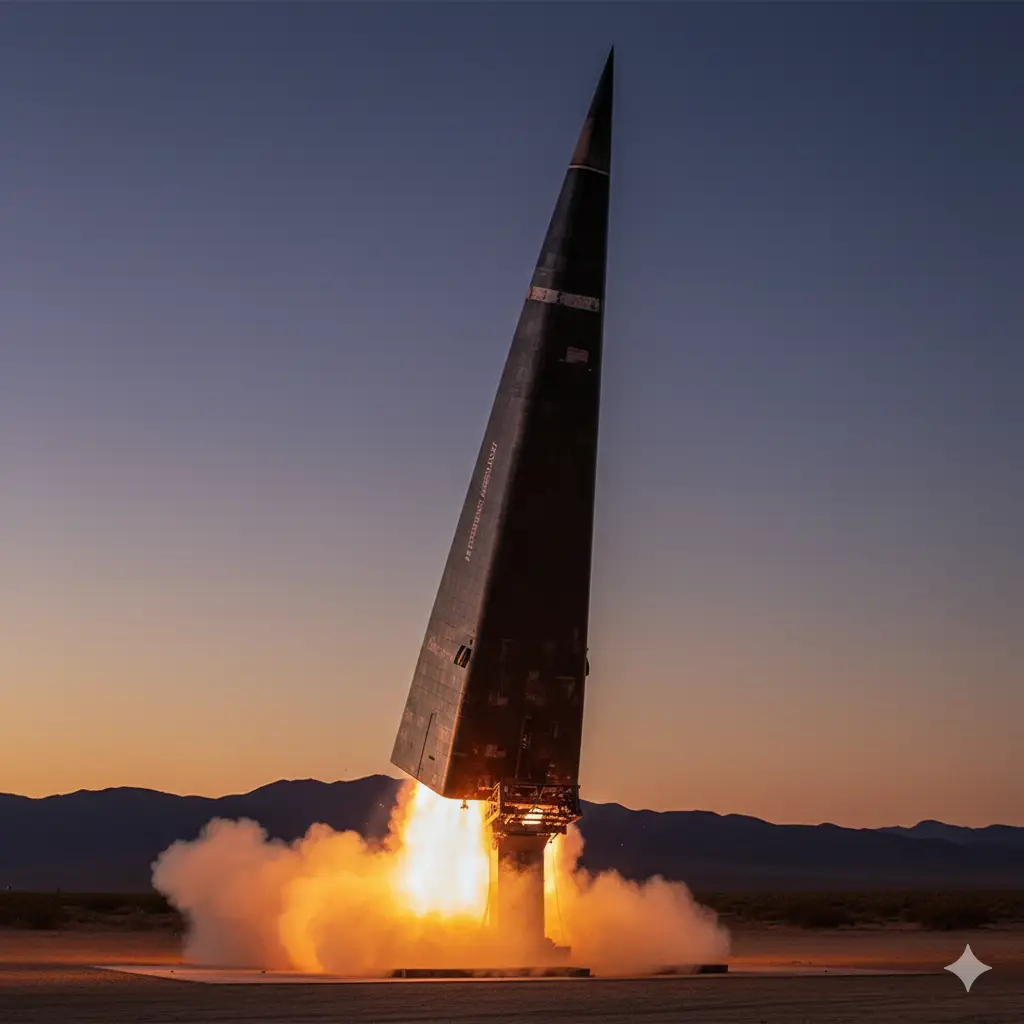
Why hypersonic defence proves difficult
Hypersonic missiles fly lower than ballistic missiles, staying beneath many long-range radar horizons until they are much closer to the target.
Early warning system constraints
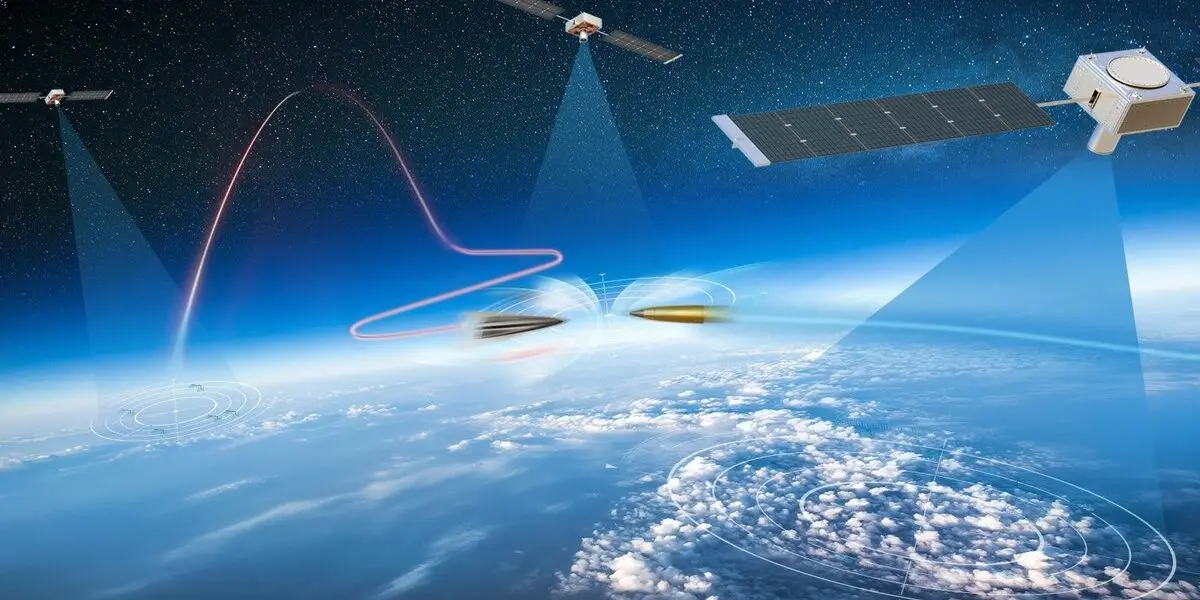
Defense depends on new satellite sensors like the HBTSS ( Hypersonic and Ballistic Tracking Space Sensor) (tested in 2025). Any delay in the "sensor-to-shooter" link can cause a failure to intercept at Mach 5+ speeds.
Operational impact on carrier deployments
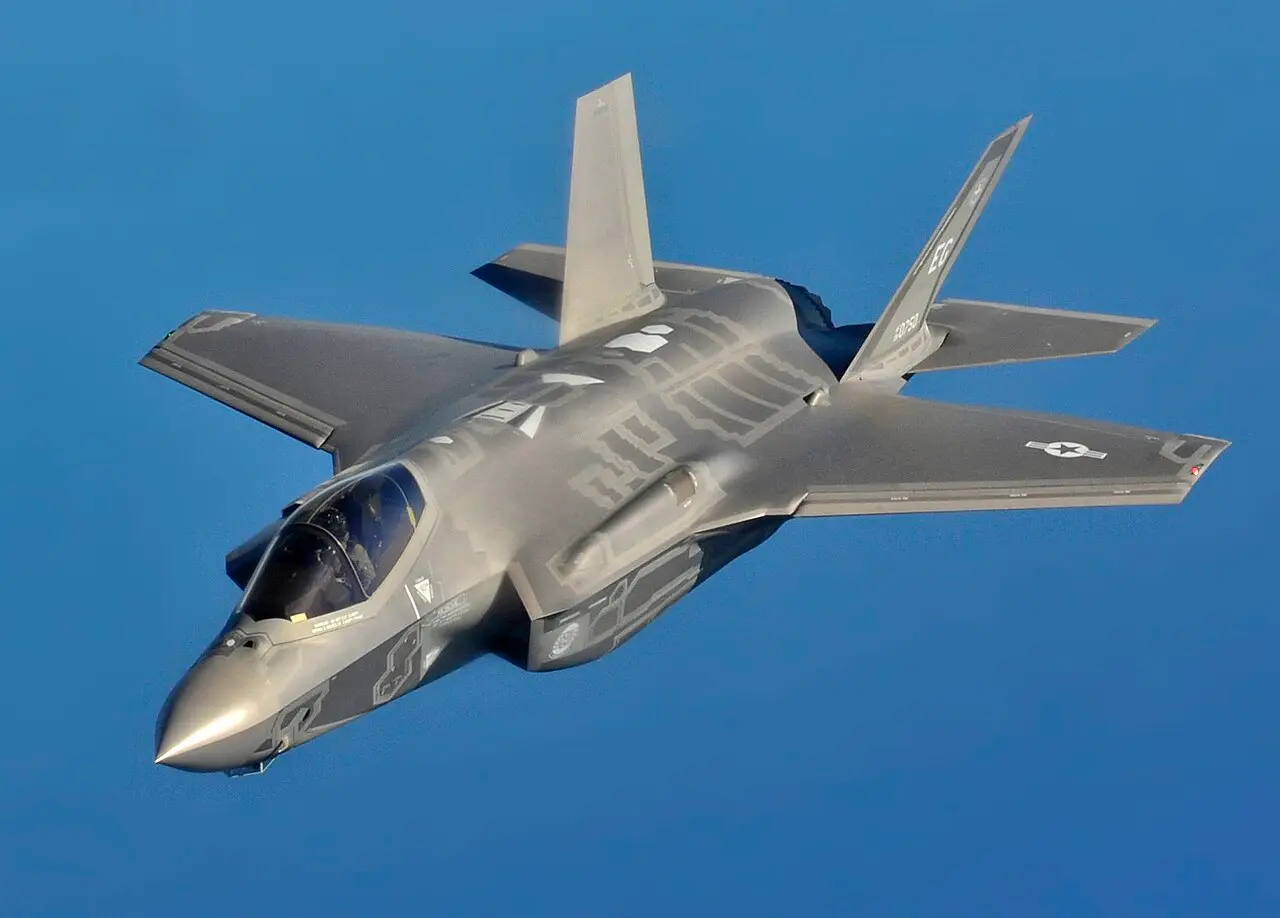
Credible threats force carriers to stay further offshore, limiting the range of F-35 sorties and increasing the difficulty of maintaining the December 2025 oil blockade.

Ongoing defence modernisation efforts
The U.S. is developing the Glide Phase Interceptor (GPI) for specialized hypersonic defense, though full deployment is not expected until the 2030s, leaving a "gap" filled currently by the SM-6.
)
)
)
)
)