'Hydraulic Arms': How the USS Abraham Lincoln pops up its emergency net

The USS Abraham Lincoln deploys a 20-foot-tall emergency nylon barricade to save disabled jets. Raised by hydraulic stanchions in under five minutes, the net safely absorbs 47.5 million foot-pounds of energy to stop 44,000-pound fighter aircraft.
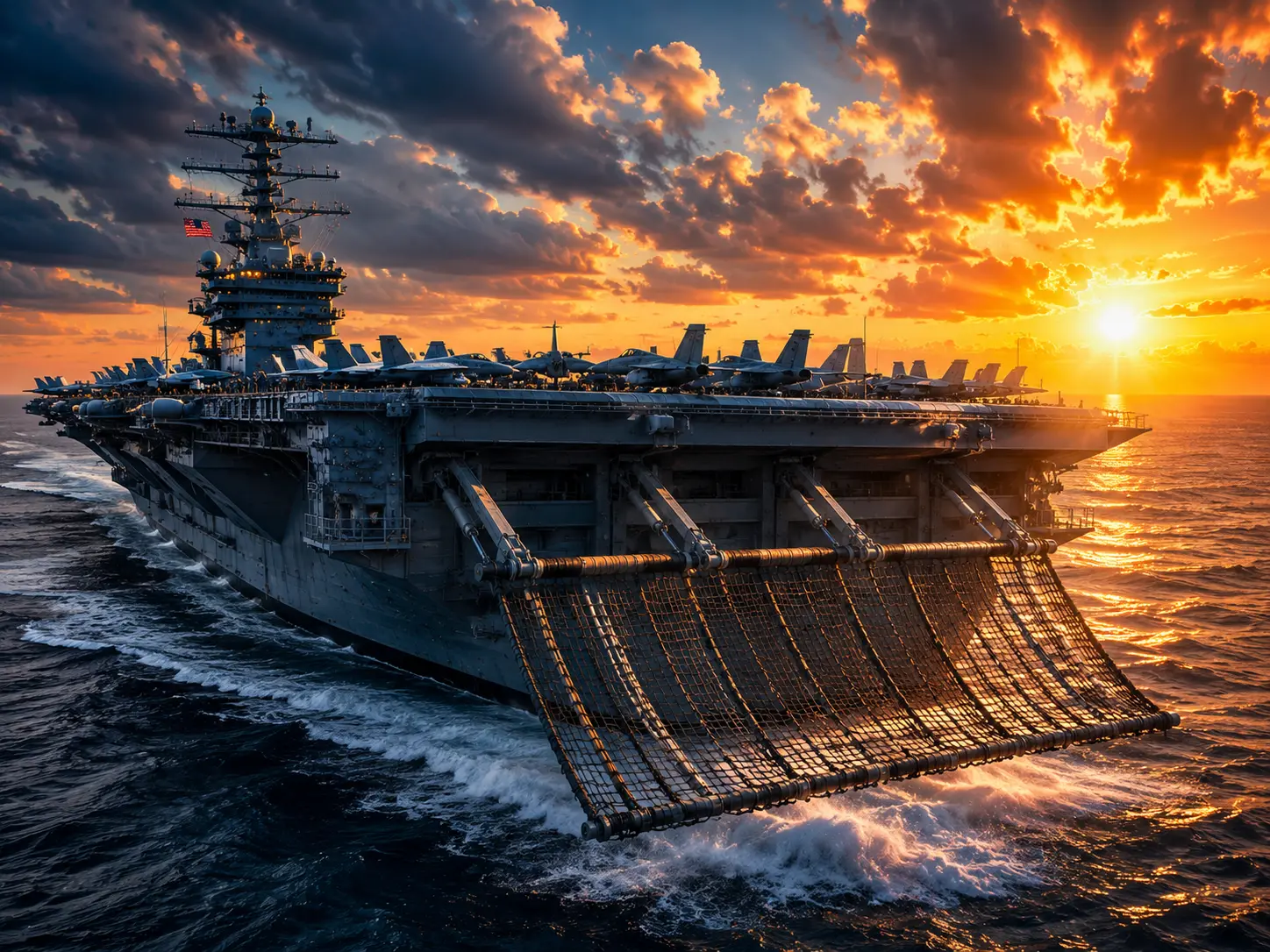
44,000-pound Super Hornets
When an aircraft's tailhook fails, the USS Abraham Lincoln relies on an emergency barricade system. This crucial safety net stops jets landing at high speeds, safely capturing modern F/A-18 Super Hornets hitting the deck at their strict 44,000-pound maximum trap weight limits.
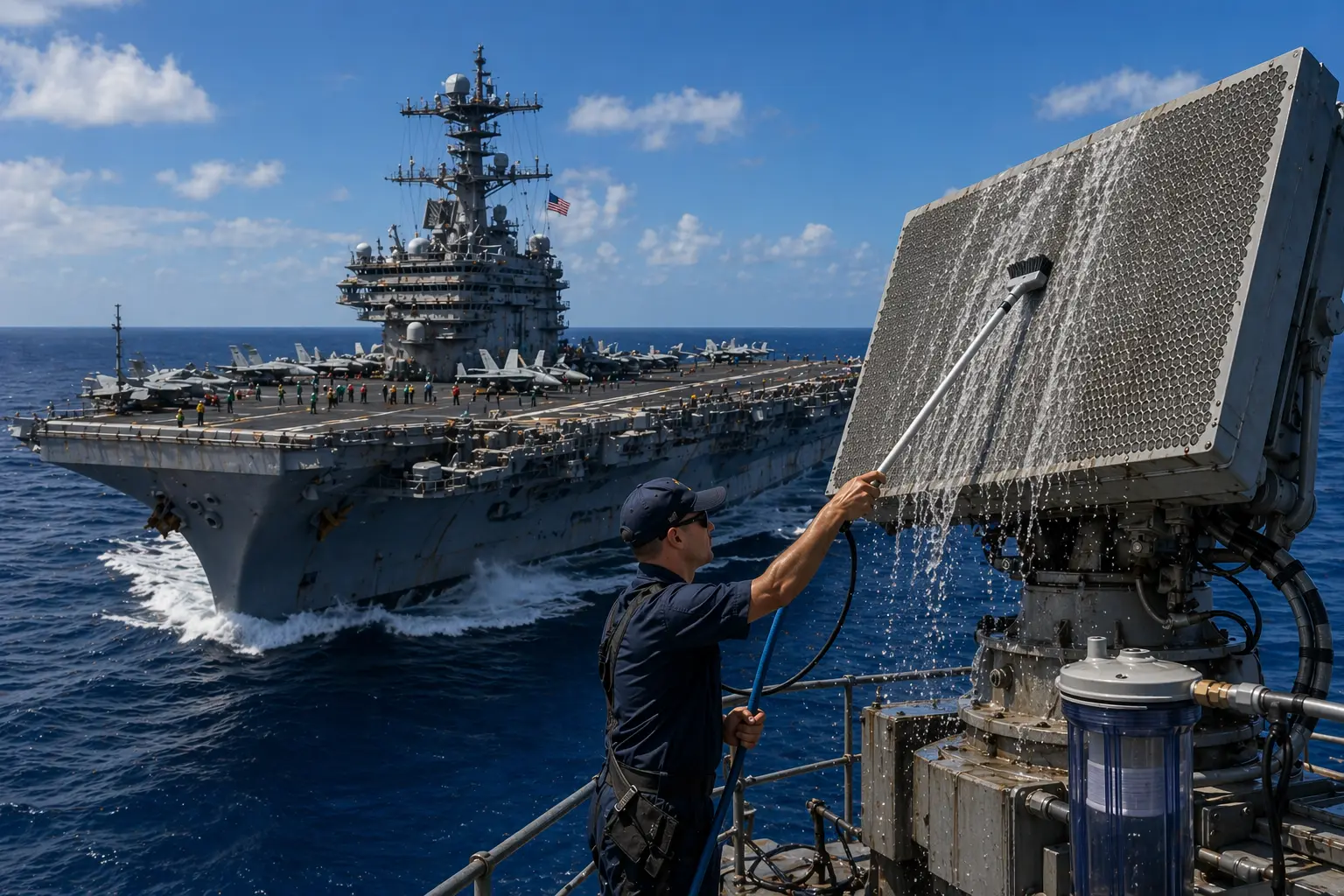
20-foot tall net
The emergency barrier resembles a giant 20-foot-tall tennis net stretched directly across the carrier's recovery area. It is constructed of expandable nylon webbing with thick arresting cables running along the top and bottom. This design safely ensnares the wings of the incoming aircraft.
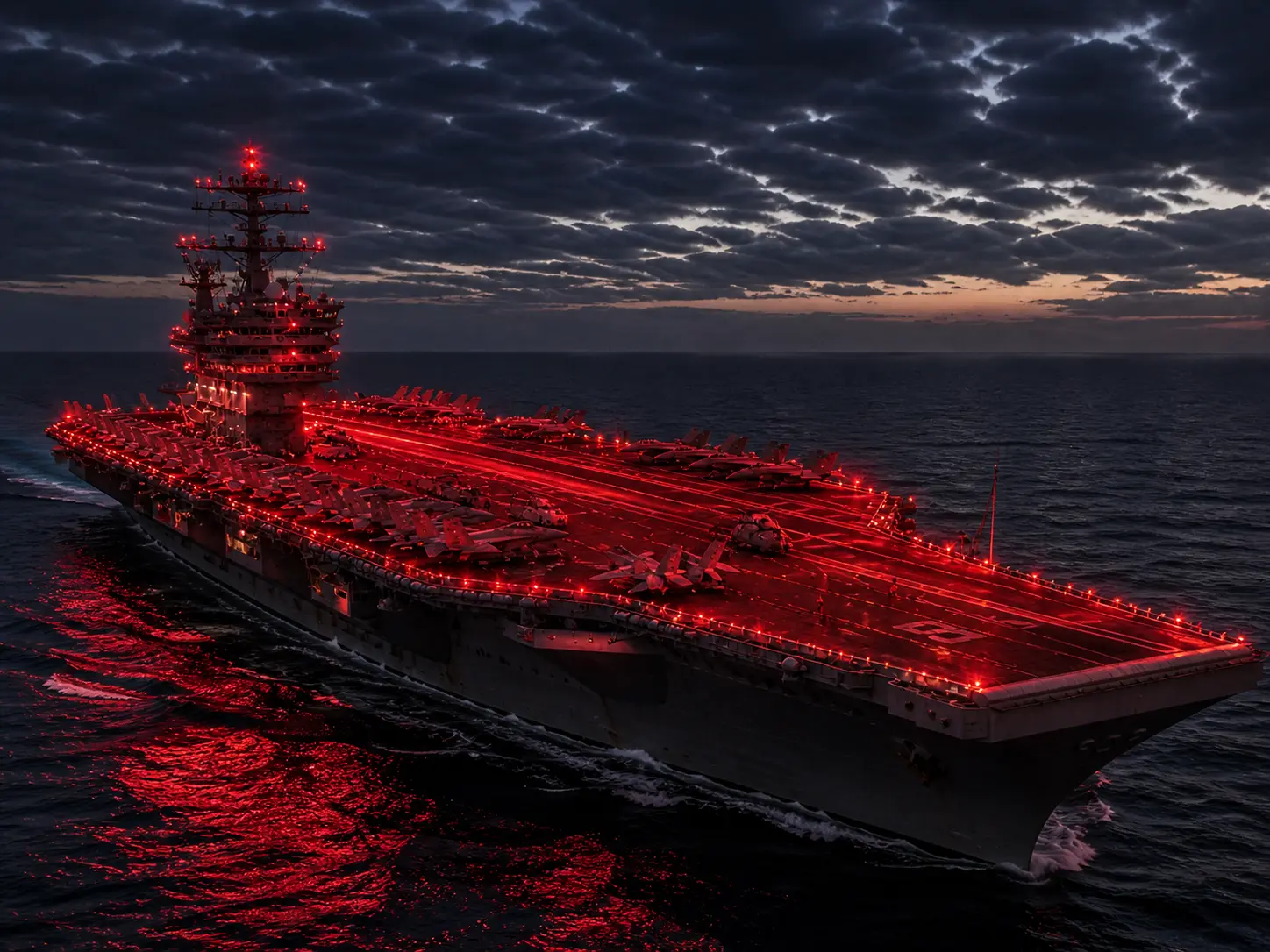
2 hinged flight stanchions
Flight deck personnel drag the net into position using a tow tractor and connect it to two heavy stanchions. These hydraulic pillars are hinged directly into the flight deck. Once attached, the stanchions rapidly raise the nylon webbing to intercept the damaged aircraft.
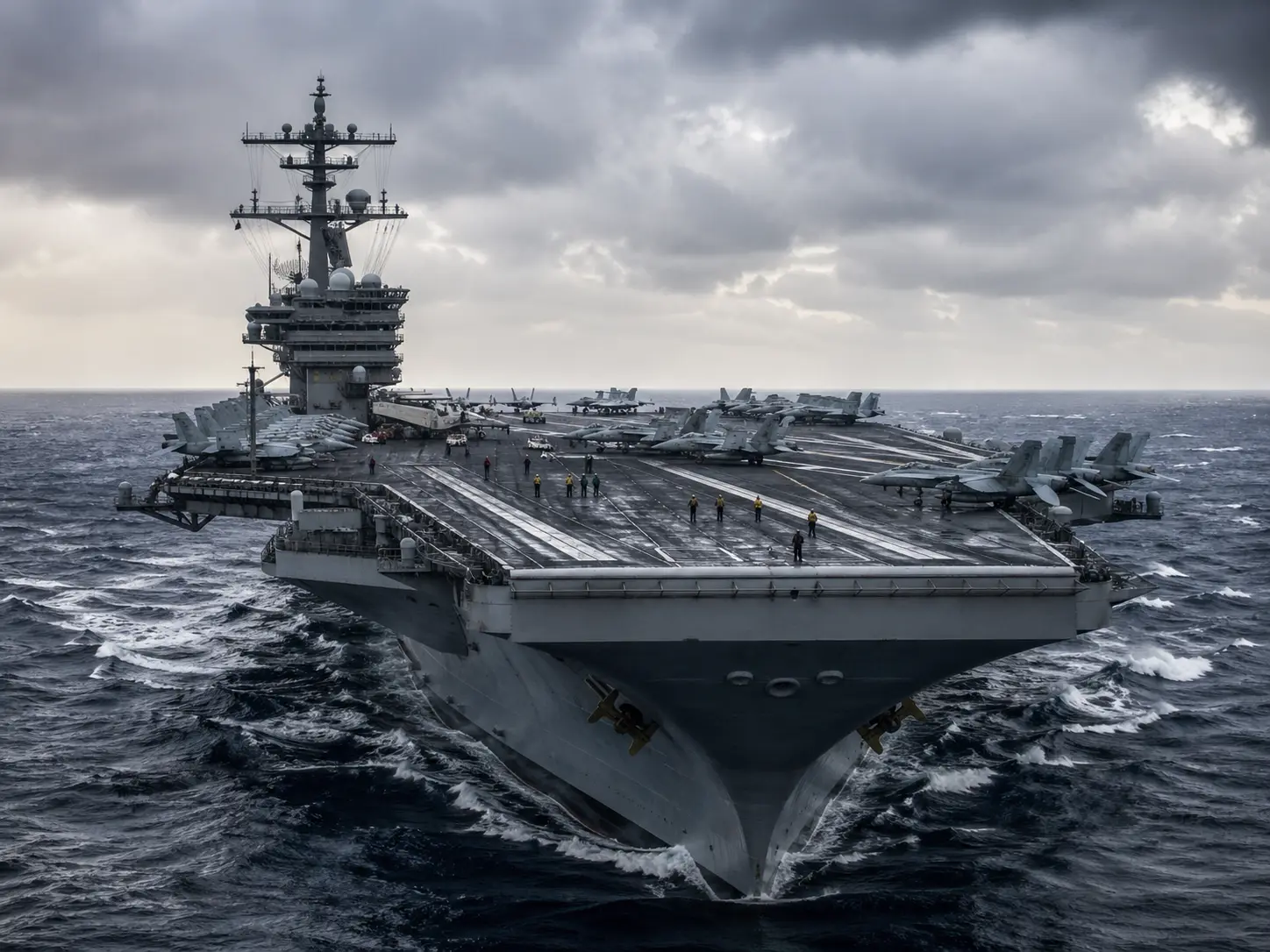
Rigged within 5 minutes
Deploying the system requires the coordinated effort of all available flight deck personnel. The strict requirement is to fully rig and raise the barricade within five minutes. Crews conduct frequent drills during sea periods to maintain this rapid and vital response time.
47.5 million foot-pounds
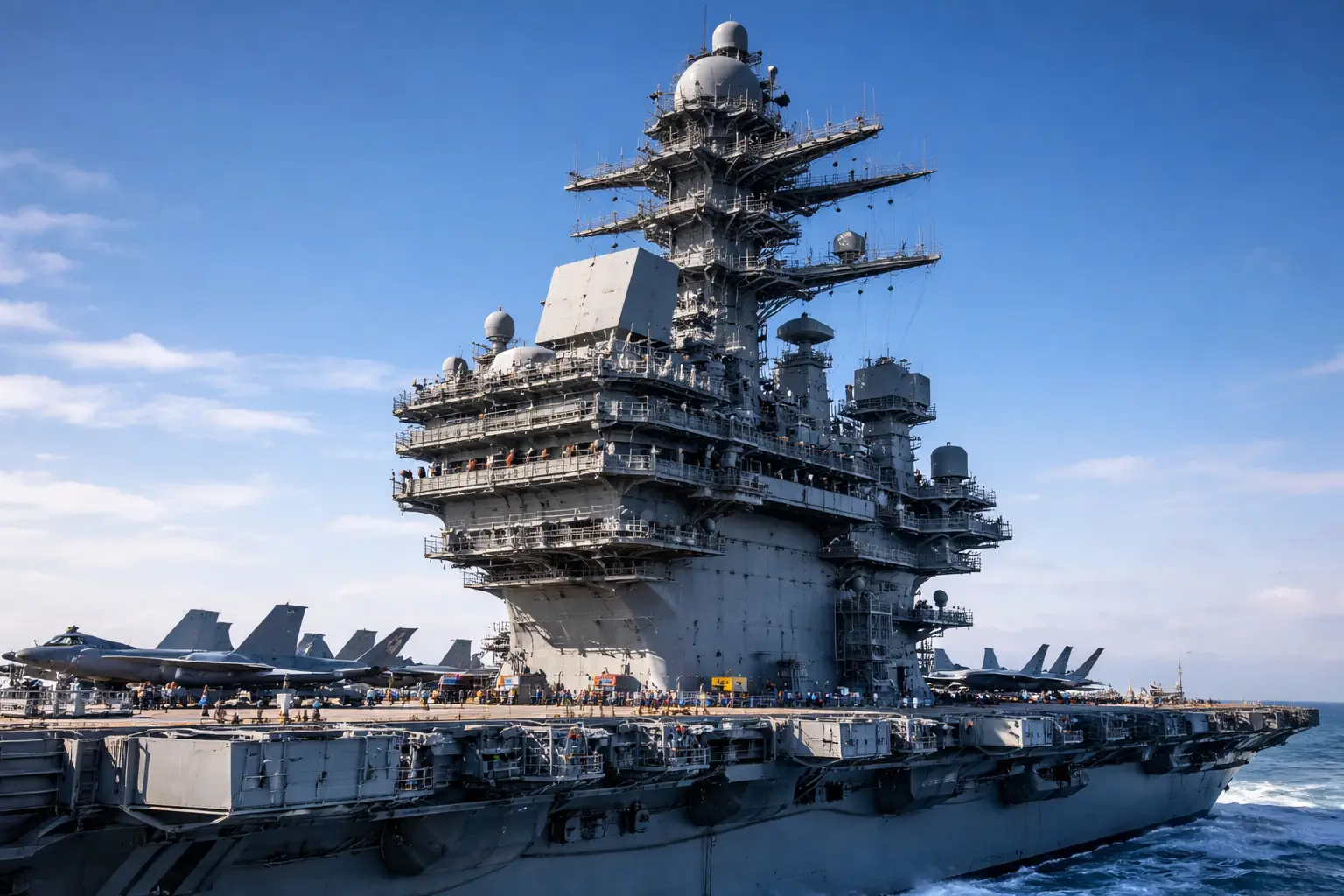
When the aircraft hits the net, the immense impact force is transferred to purchase cables. These cables connect to massive arresting gear engines located below the flight deck. The hydraulic damping systems can absorb a theoretical maximum energy of 47.5 million foot-pounds.
100 per cent readiness
Flight deck crews train meticulously for these high-stress emergency scenarios. Regular general quarters drills ensure the crew can deploy the net safely and efficiently. This constant preparation is mandatory to recover any aircraft experiencing a landing gear or tailhook malfunction.
Under 300-foot stop
The system absorbs the massive kinetic energy of a multi-billion Rs combat jet and forces it to a complete halt within about 300 feet. This rapid deceleration prevents the aircraft from skidding off the deck into the ocean, marking it as the ultimate failsafe in naval aviation safety.
)
)
)
)
)