‘Hundreds of missiles at once’: Can the US protect USS Abraham Lincoln if Iran fires missiles in the Persian Gulf?

A saturation strike involving hundreds of Iranian missiles poses a severe challenge to the finite ammunition of US Aegis shields in the narrow Persian Gulf.
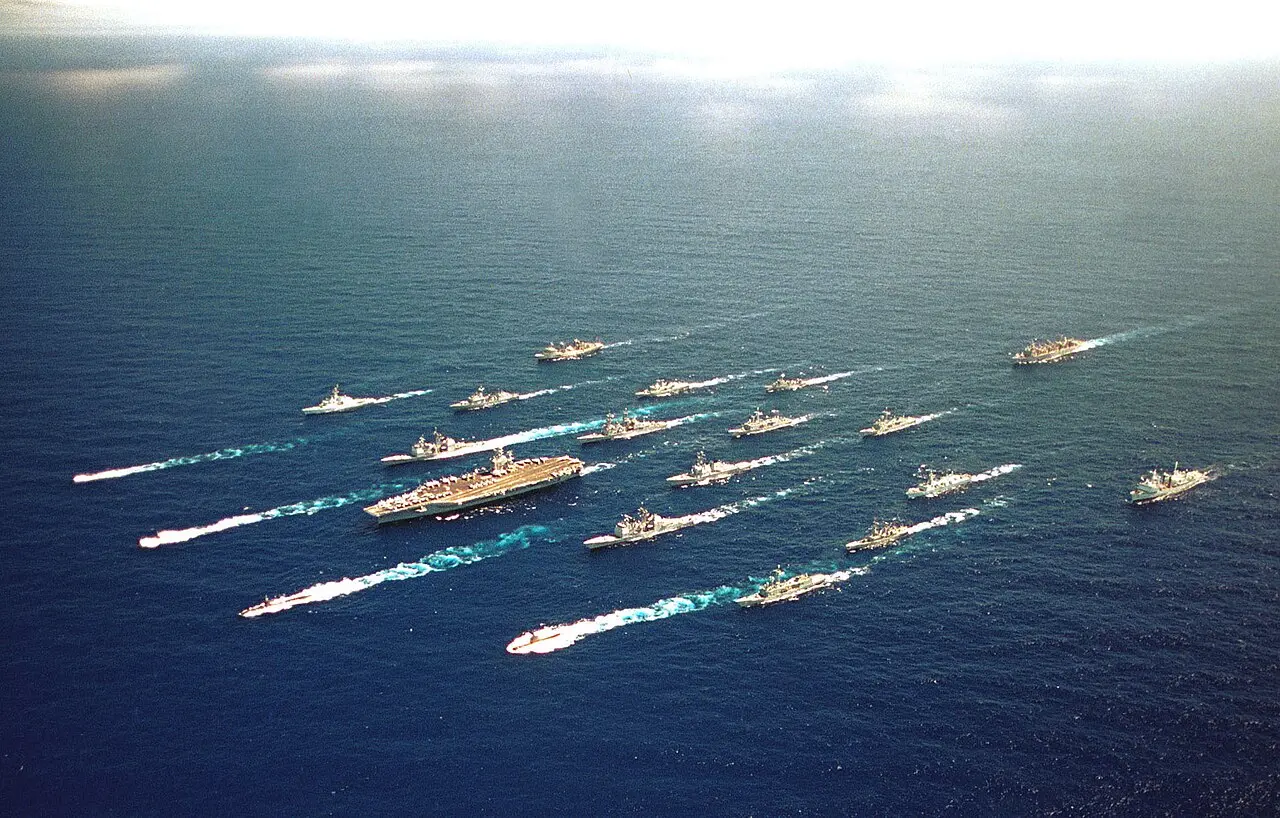
Largest missile arsenal
Iran possesses the largest ballistic missile inventory in the Middle East, estimated at over 3,000 units. This includes precision-guided missiles like the Fateh-110, capable of targeting specific vessels moving in the narrow straits.
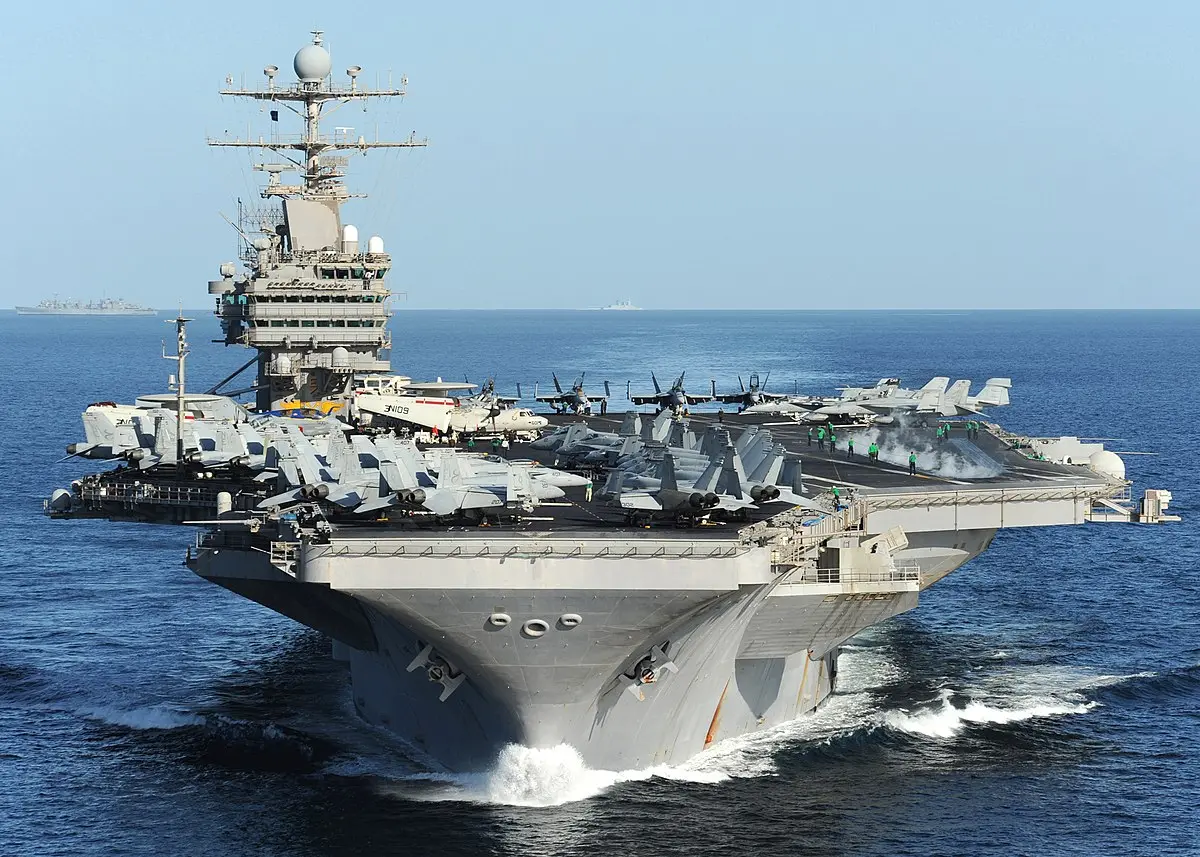
Saturation attack tactics
Tehran’s strategy relies on firing more missiles than the US Navy has interceptors to shoot them down. By launching hundreds of cheap drones and rockets at once, they aim to overwhelm the tracking radars of the Carrier Strike Group.
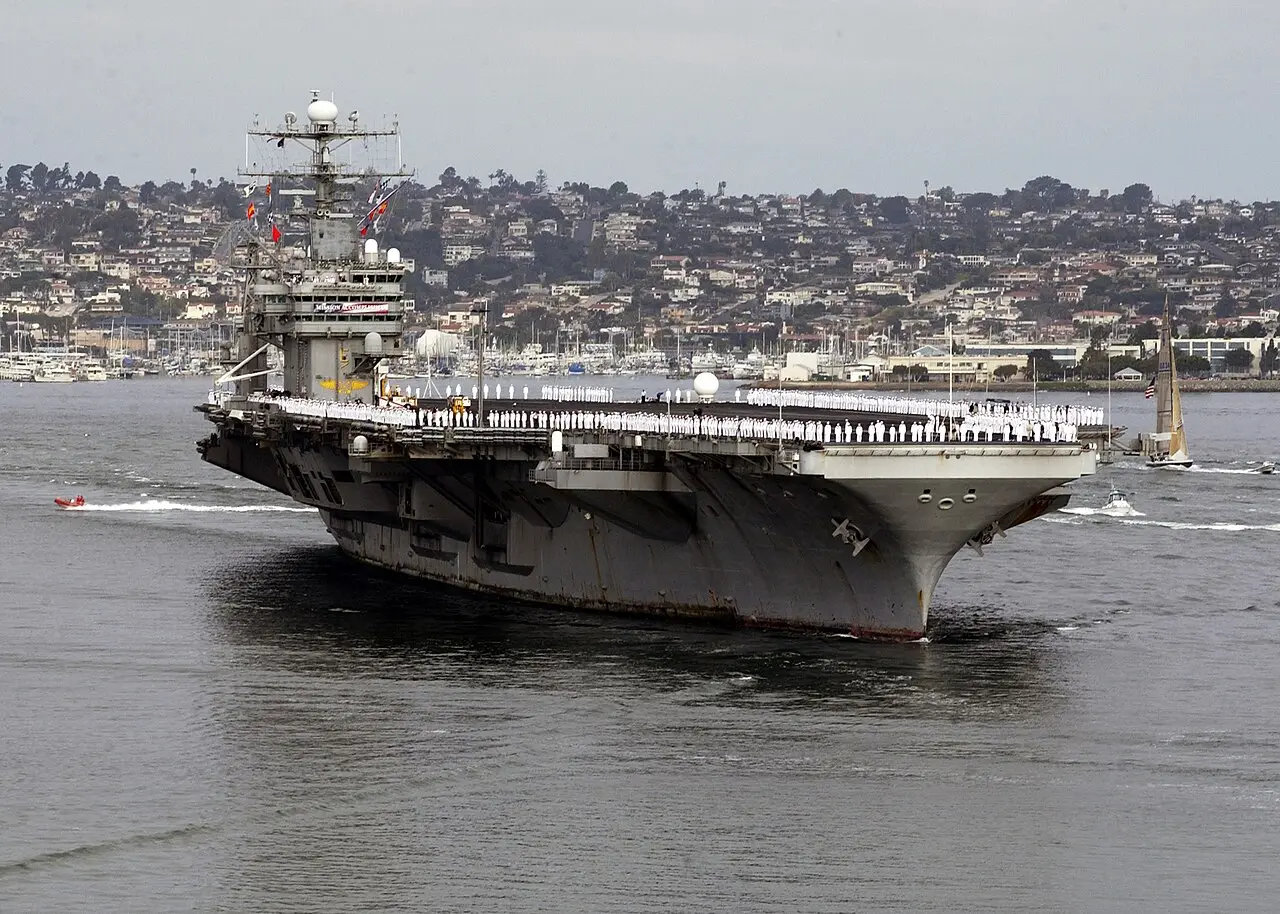
Finite defensive cells
While powerful, each Arleigh Burke-class destroyer protecting the carrier has roughly 90 to 96 vertical launch cells. If the incoming swarm exceeds the number of available defensive missiles, the ships could essentially run out of ammunition.
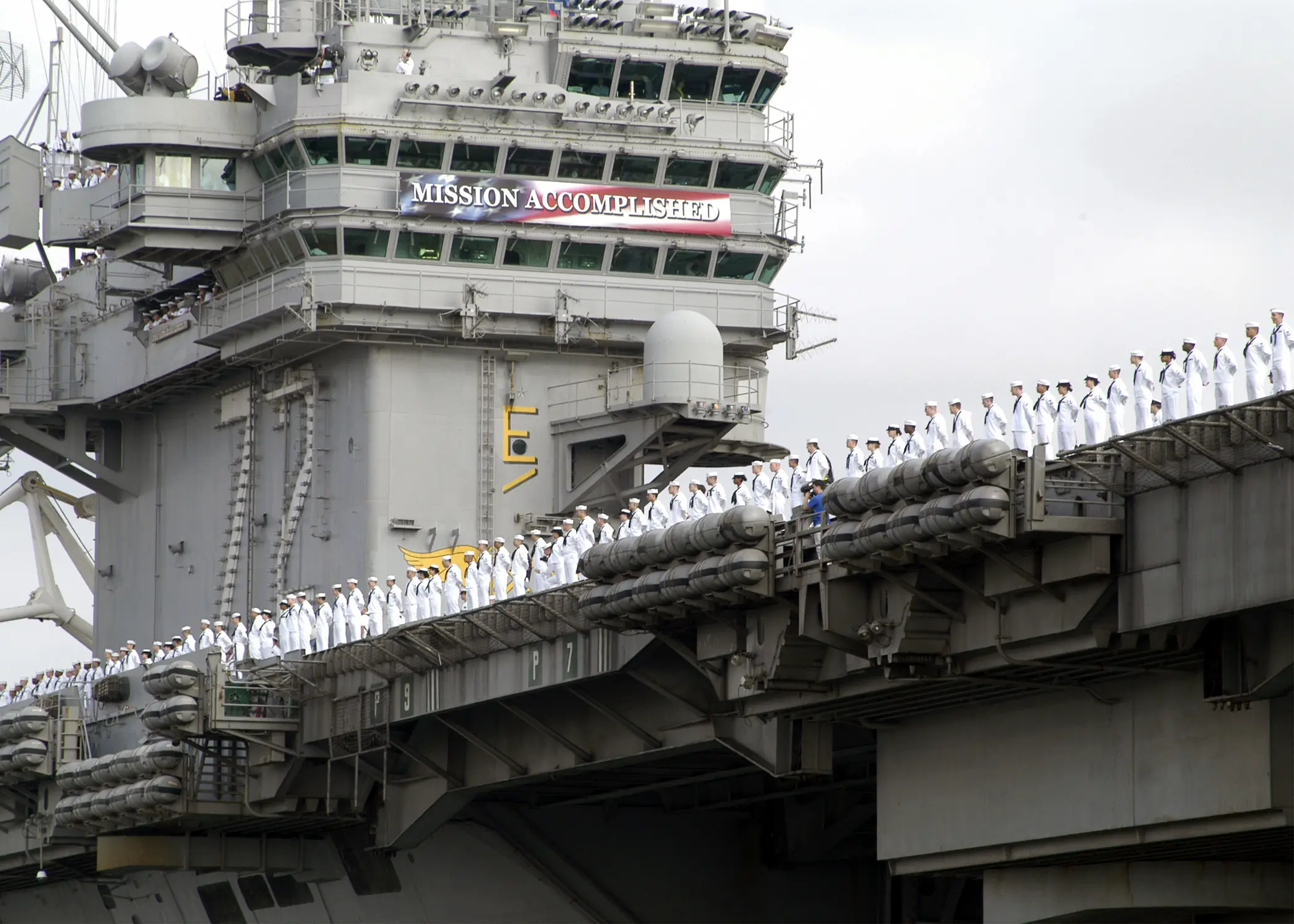
The Aegis shield
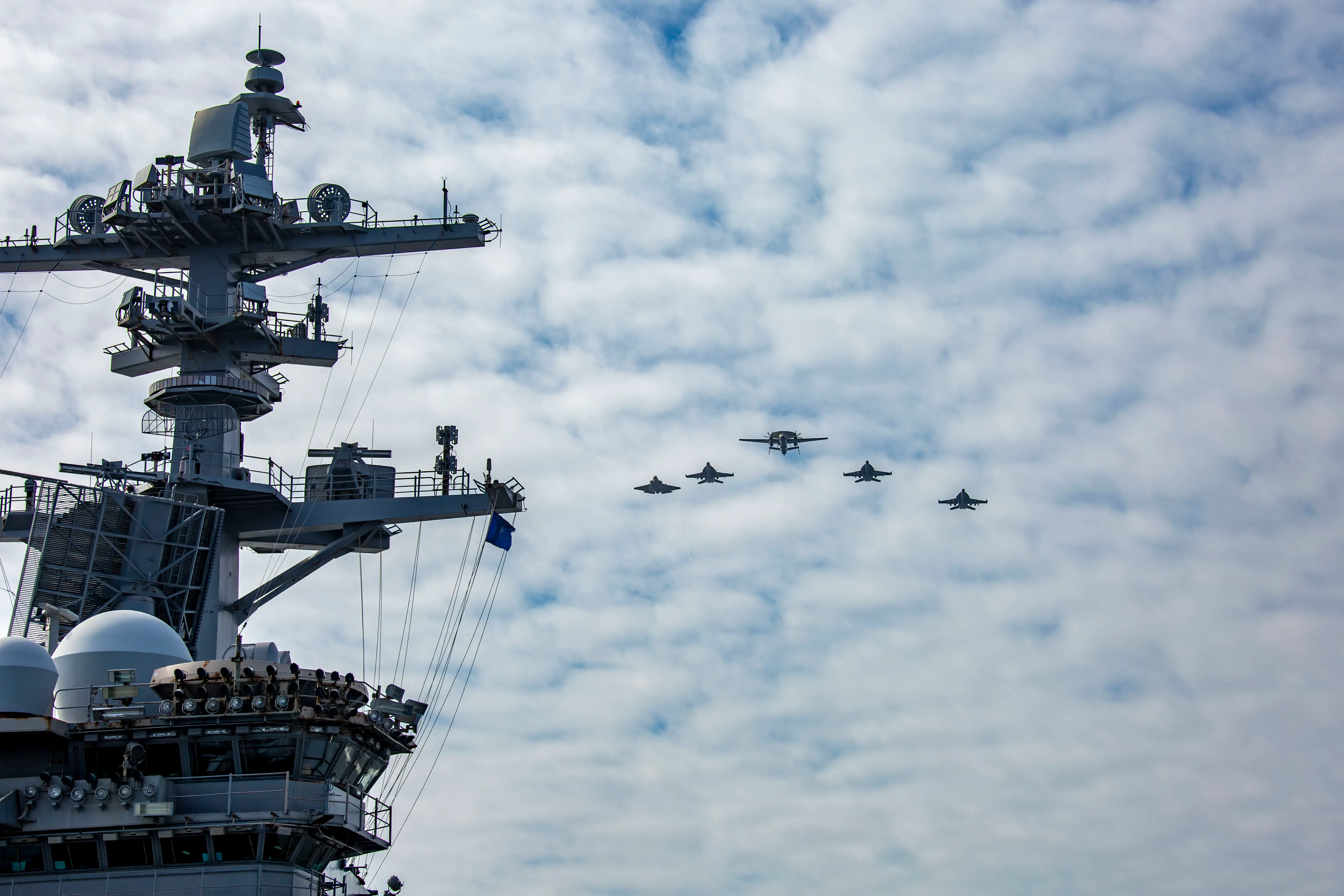
The primary defence is the Aegis Combat System, which uses powerful SPY-1 radar to track over 100 targets simultaneously. It automatically prioritises the most dangerous threats and directs interceptors to destroy them mid-air.
Long-range interception
The US Navy attempts to destroy threats as far away as possible using the Standard Missile-6 (SM-6). These interceptors can hit targets up to 240 kilometres away, thinning out the missile swarm before it reaches the carrier.
Medium-range layer
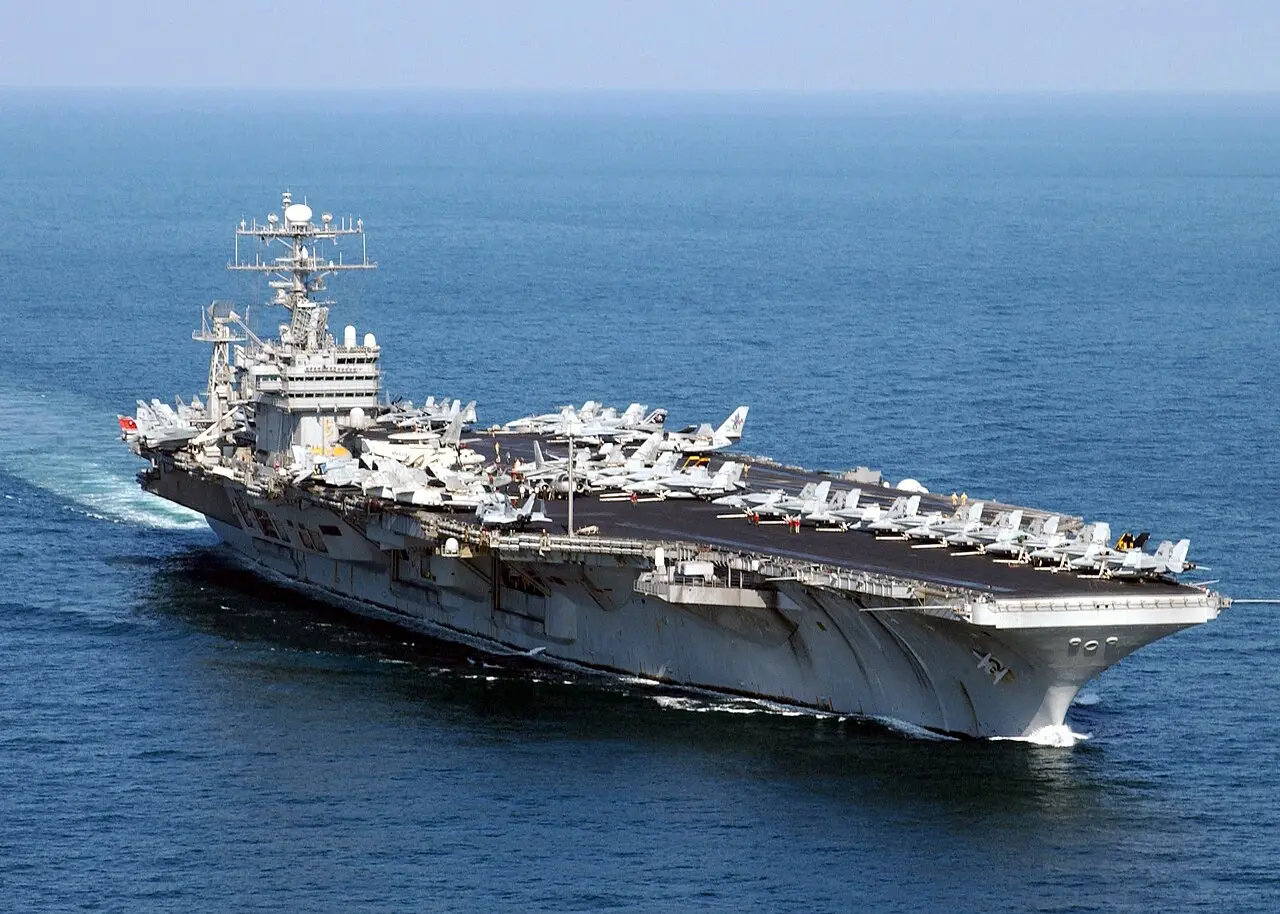
For threats that penetrate the outer shield, the Evolved SeaSparrow Missile (ESSM) provides a dense defensive layer. These are smaller, allowing ships to pack four missiles into a single launch cell, quadrupling their firepower against closer targets.
Close-in weapons
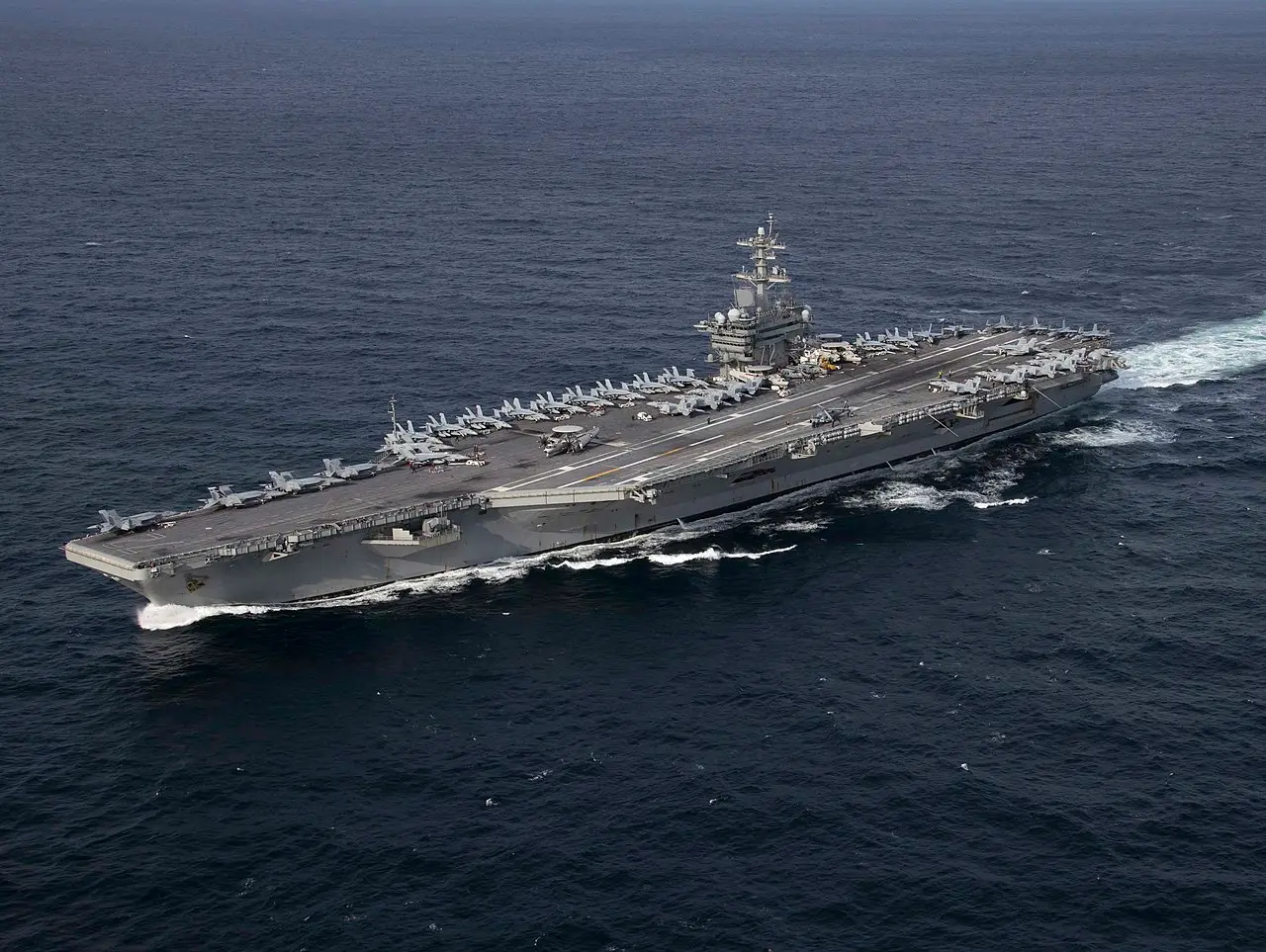
If a missile breaks through all other defences, the Phalanx Close-In Weapon System (CIWS) engages automatically. This radar-guided Gatling gun fires 4,500 rounds per minute to shred incoming warheads just seconds before impact.

Electronic warfare
Beyond physical missiles, US ships use the SLQ-32 electronic warfare suite to confuse enemy guidance systems. Soft-kill decoys like Nulka hover in the air, seducing incoming missiles away from the ship without firing a shot.

Geography challenge
The Persian Gulf is only about 35 to 60 kilometres wide at its narrowest points. This proximity gives US commanders very little reaction time, as shore-based anti-ship missiles can reach the fleet in mere minutes.
Integrated fire control
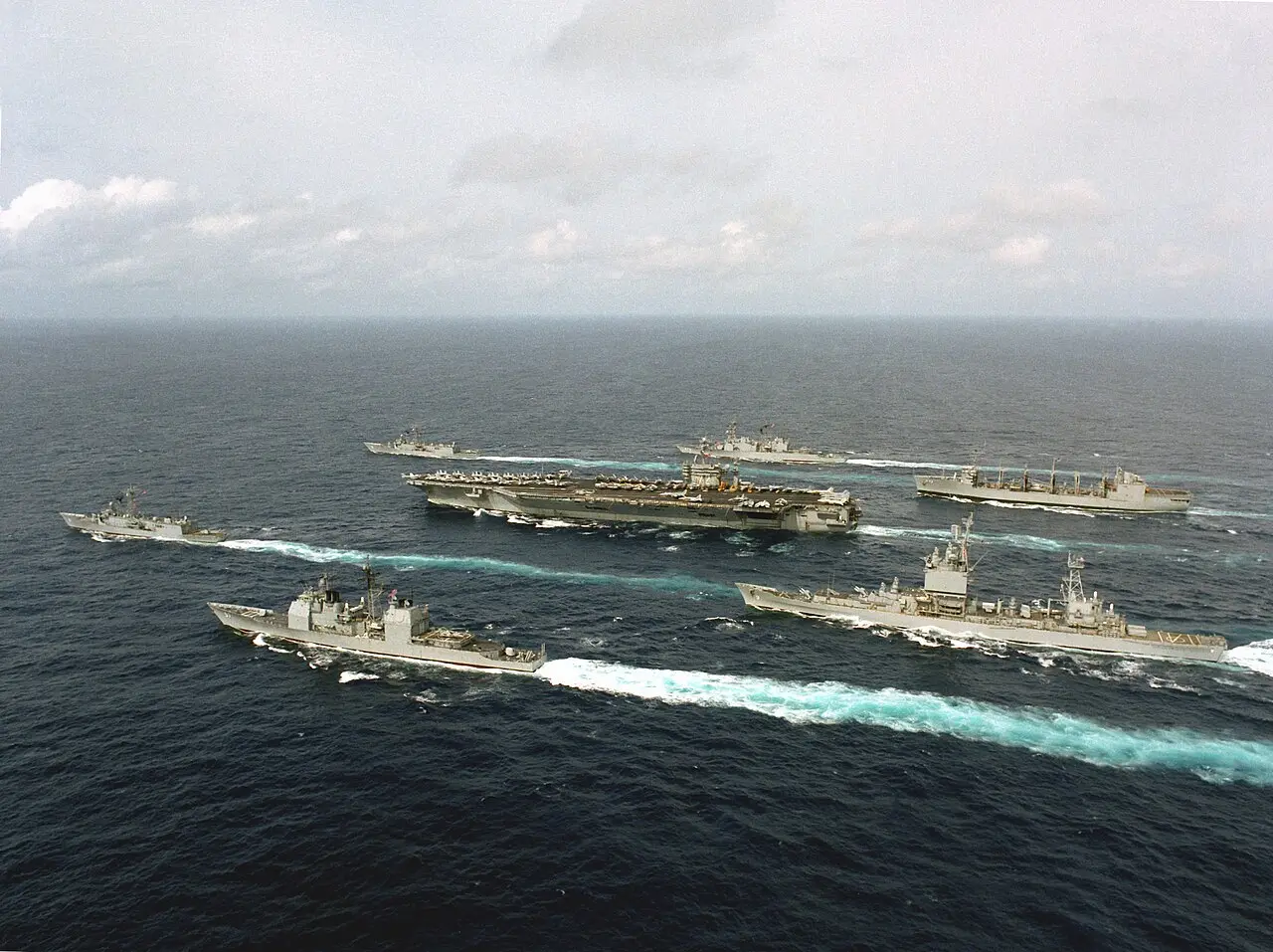
To counter the saturation threat, US ships share targeting data instantly through a network called NIFC-CA. This allows a destroyer to fire at a missile that its own radar cannot see, using data provided by an aircraft or another ship.
)
)
)
)
)