'Humiliation at AI Summit': Galgotias University kicked out after viral video reveals ‘Orion’ robot is actually an import

In the aftermath, the faculty member who had originally claimed the robot was a Galgotias innovation, identified as Professor Neha from the School of Management, attempted to clarify her stance.
1. The Core Controversy: Imported Tech Presented as Innovation
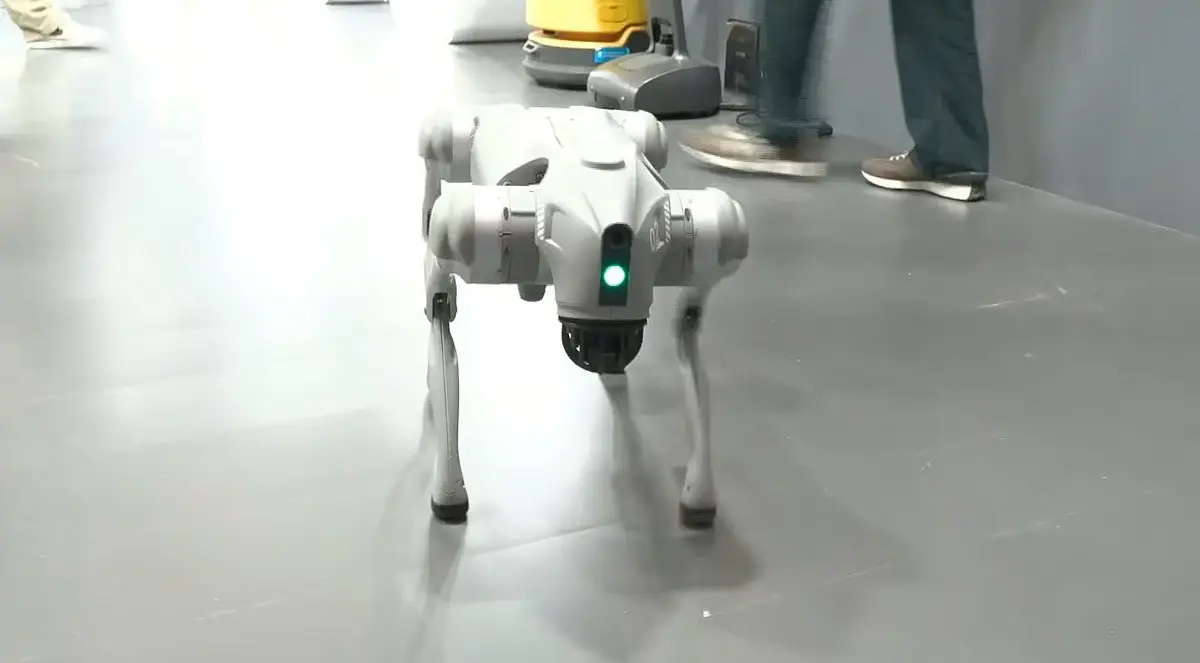
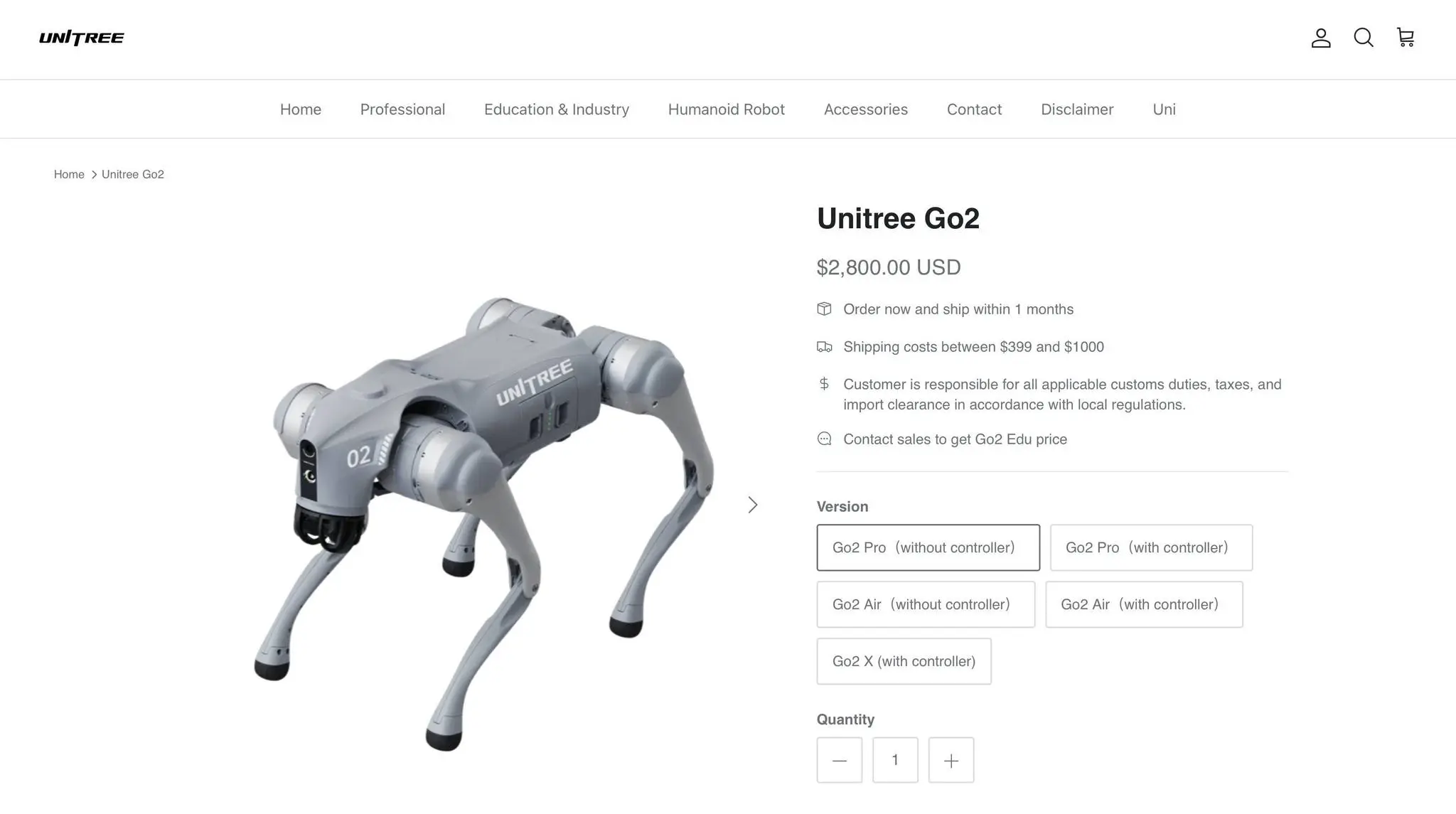
The central issue arose during the India AI Impact Summit in New Delhi, where Galgotias University, a Greater Noida-based institution, showcased a robotic dog named "Orion." According to Reuters, while the university presented the robot as a product of its own Centre of Excellence, keen-eyed observers and social media users quickly identified it as the Unitree Go2, a commercially available robot manufactured by the Chinese company Unitree. The device is readily sold online in India for approximately Rs 2-3 lakh, contradicting the narrative of indigenous innovation presented at the expo.
2. Viral Video Evidence Contradicts University Claims
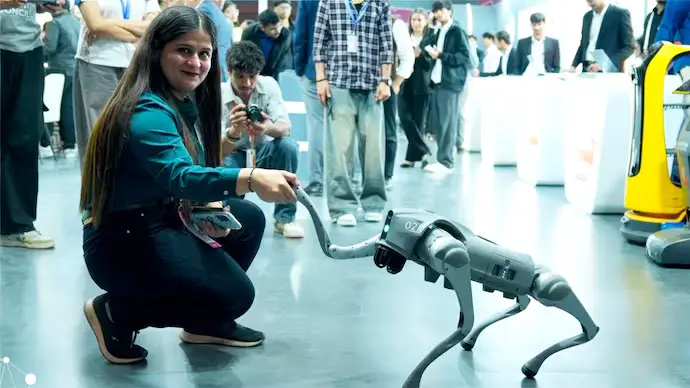
The controversy gained immediate traction due to video footage widely circulated on social media. One clip featured a woman identified as a university representative explaining the robot's features to the media, explicitly stating that it was developed by Galgotias University's Centre of Excellence. A separate interview showed a university professor making identical claims, reinforcing the narrative that the "Orion" robot was an in-house creation rather than an imported product. These videos served as the primary evidence fueling accusations that the university was attempting to pass off foreign technology as its own achievement.
3. Swift Repercussions: Expulsion from the Summit
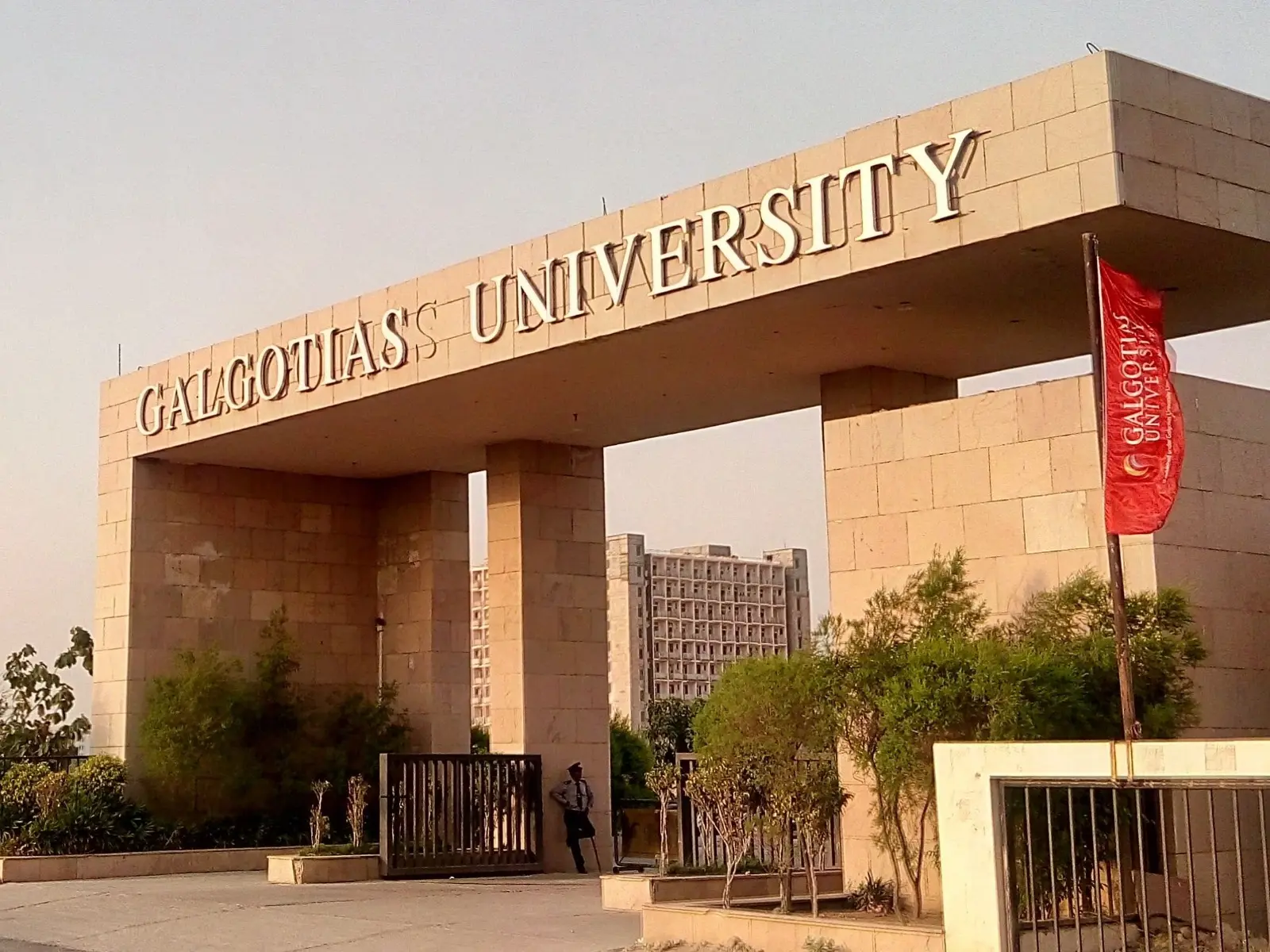
Following the social media backlash and the exposure of the robot's true origins, sources indicate that the university faced immediate consequences at the event itself. Reports state that Galgotias University was asked to vacate the expo area of the India AI Impact Summit. This action highlights the severity with which the organizers viewed the misrepresentation, although Professor Aishwarya Shrivastava of the university later commented that they had "no such information" regarding the eviction order at that time.
4. The University’s Initial Defense and Denial
In response to the growing criticism, Galgotias University issued a formal statement on X (formerly Twitter). The institution firmly denied ever claiming to have built the robot, asserting instead that the Unitree robodog was procured solely as a learning tool for students to "test its limits" and expand their knowledge. The statement framed the robot not as a product of their engineering but as a "classroom in motion," emphasizing their goal of building the minds that would eventually design such technology in India, rather than claiming credit for the device itself.

5. Community Notes and Public Rebuttal
The university’s defense met with further skepticism on social media. Their post on X received a “Community Note”, a crowd-sourced fact-checking feature, which flagged the university's denial as incorrect and misleading. The note pointed out the contradiction between the official statement and the video evidence where university representatives explicitly named the robot "Orion" and claimed credit for its development. This public correction significantly undermined the university's attempt to distance itself from the initial claims made by its staff.

6. Allegations of a "Propaganda Campaign"
As the backlash intensified, Galgotias University released a subsequent statement characterizing the criticism as a targeted "propaganda campaign" against the institution. By framing the public scrutiny as a malicious attack rather than a legitimate ethical inquiry, the university attempted to shift the narrative. However, this defence did little to quell the controversy, as the visual evidence of their representatives' claims remained widely available and unrefuted by their narrative of victimhood.
7. Faculty Retraction and "Misinterpretation" Defense
In the aftermath, the faculty member who had originally claimed the robot was a Galgotias innovation, identified as Professor Neha from the School of Management, attempted to clarify her stance. She attributed the controversy to a "misinterpretation," suggesting that either she failed to convey her message clearly or the media misunderstood her. She clarified that her role was in communications, not AI, and argued that the robot was brought merely for "projection." Despite the walk-back, she maintained that the university was "standing tall" amidst the fallout.
)
)
)
)
)