How the Iran-US relations changed after 1953

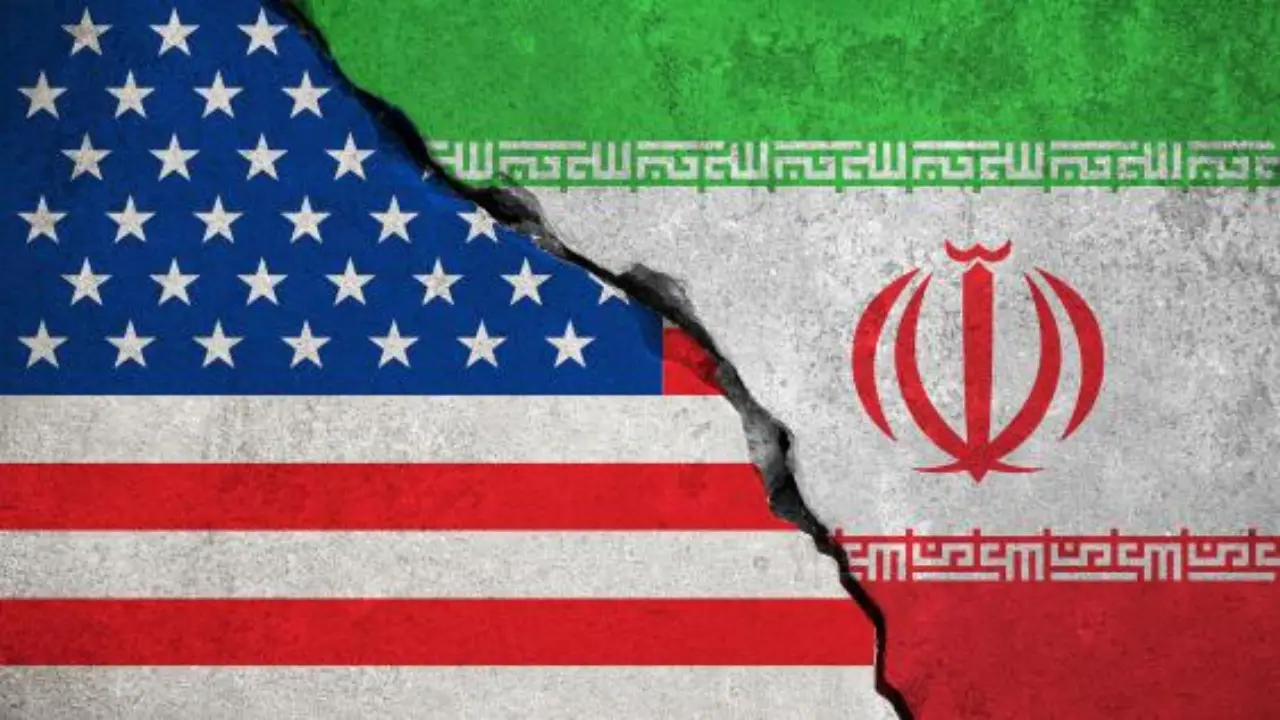
The relationship between the United States and Iran has shifted dramatically over the last 70 years. US-Iran relations shifted from a strong alliance after the 1953 CIA coup to bitter hostility following the 1979 Islamic Revolution.
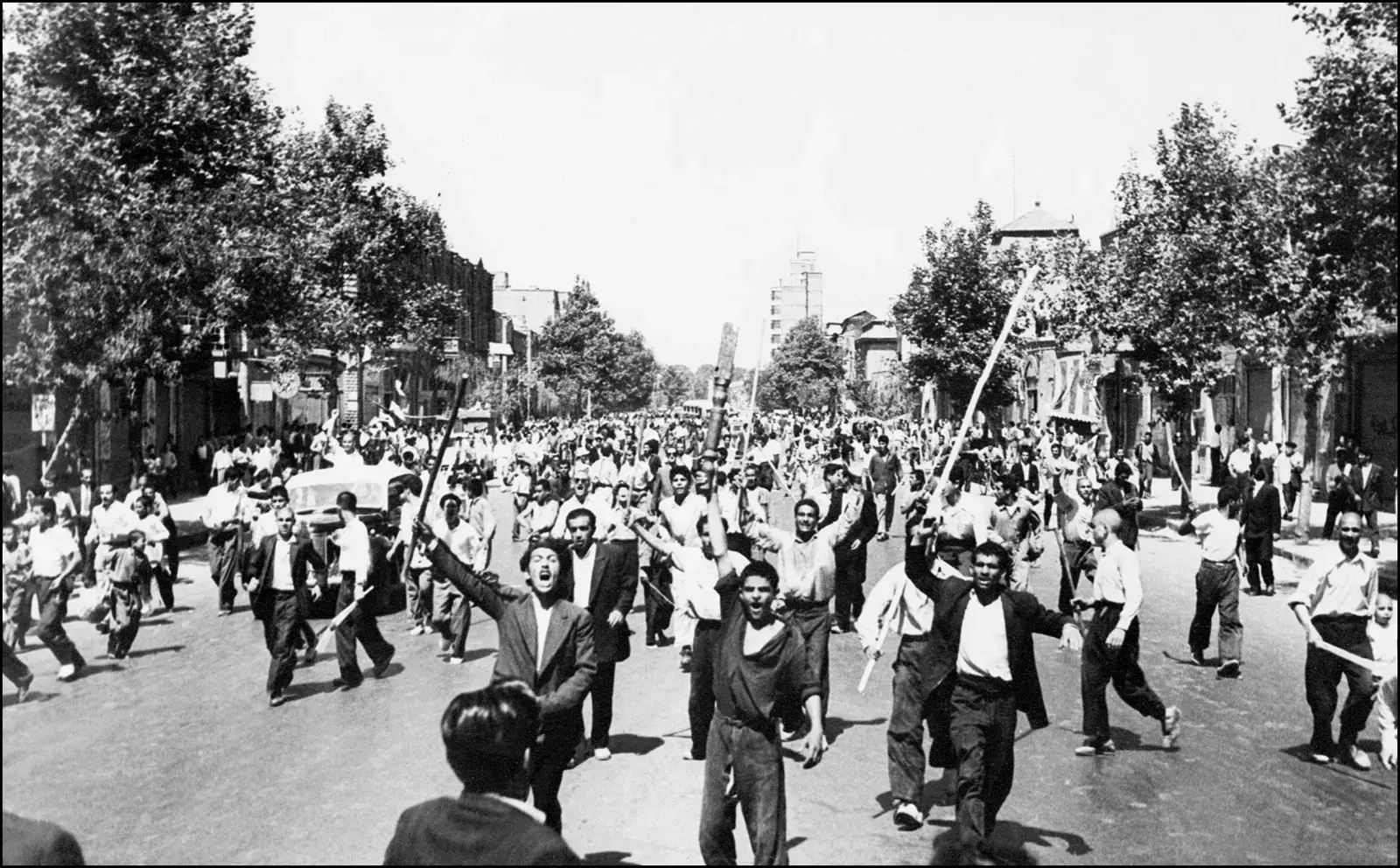
The 1953 Coup Operation Ajax overthrows Mosaddegh
In August 1953, the CIA and British intelligence orchestrated a coup to overthrow democratically elected Prime Minister Mohammad Mosaddegh. This restored the Shah, Mohammad Reza Pahlavi, to absolute power, securing Western oil interests but planting deep anti-American sentiment among Iranians.
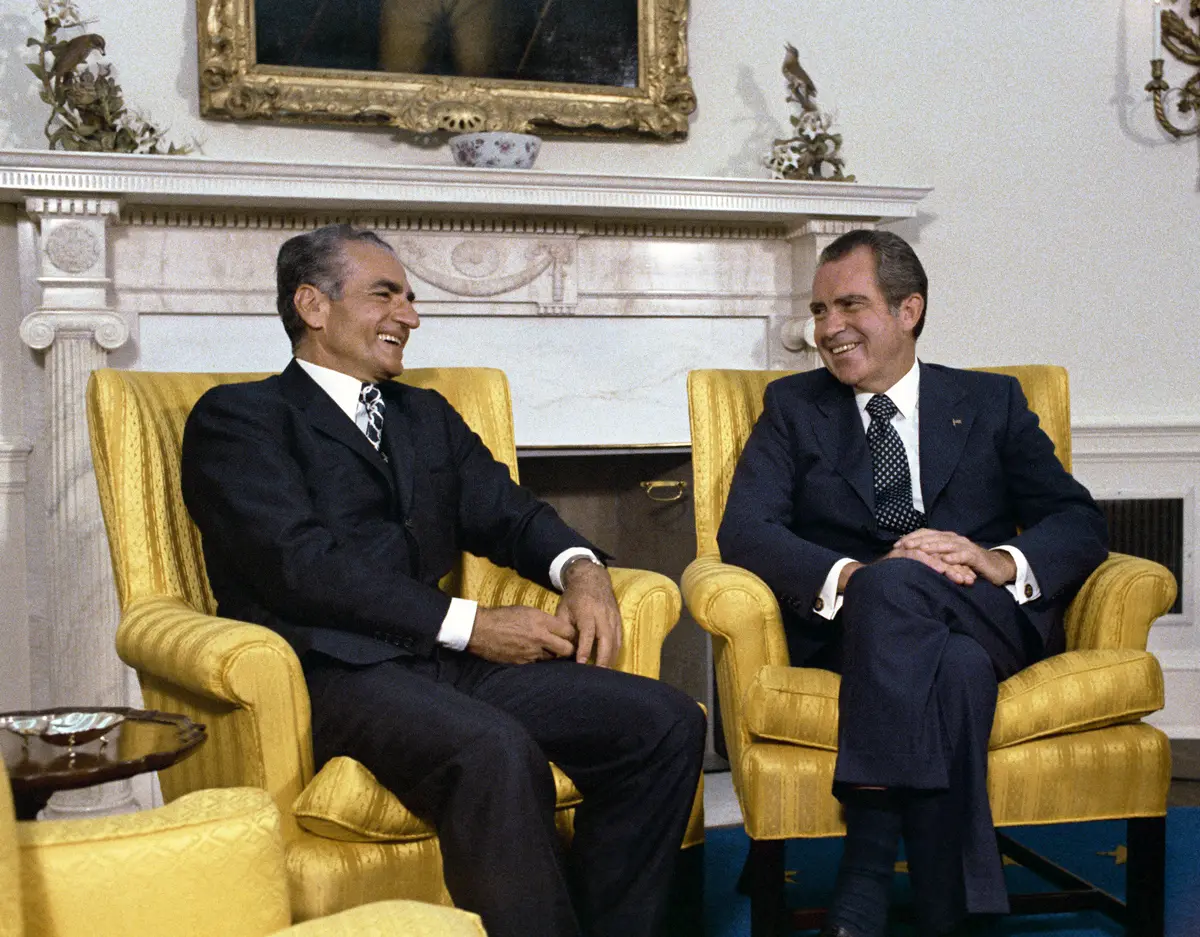
The Shah's Golden Era: the US becomes Iran’s top ally
For the next 25 years, the US supported the Shah with massive military and economic aid, viewing Iran as a pillar of stability in the Middle East. President Jimmy Carter even famously toasted Iran as an "island of stability" just months before the monarchy collapsed.
The 1979 Revolution
The Islamic Revolution of 1979 ousted the Shah and brought Ayatollah Khomeini to power. The new theocratic government declared the US the "Great Satan," ending diplomatic ties and transforming the country from a strategic partner into a hostile regional power.
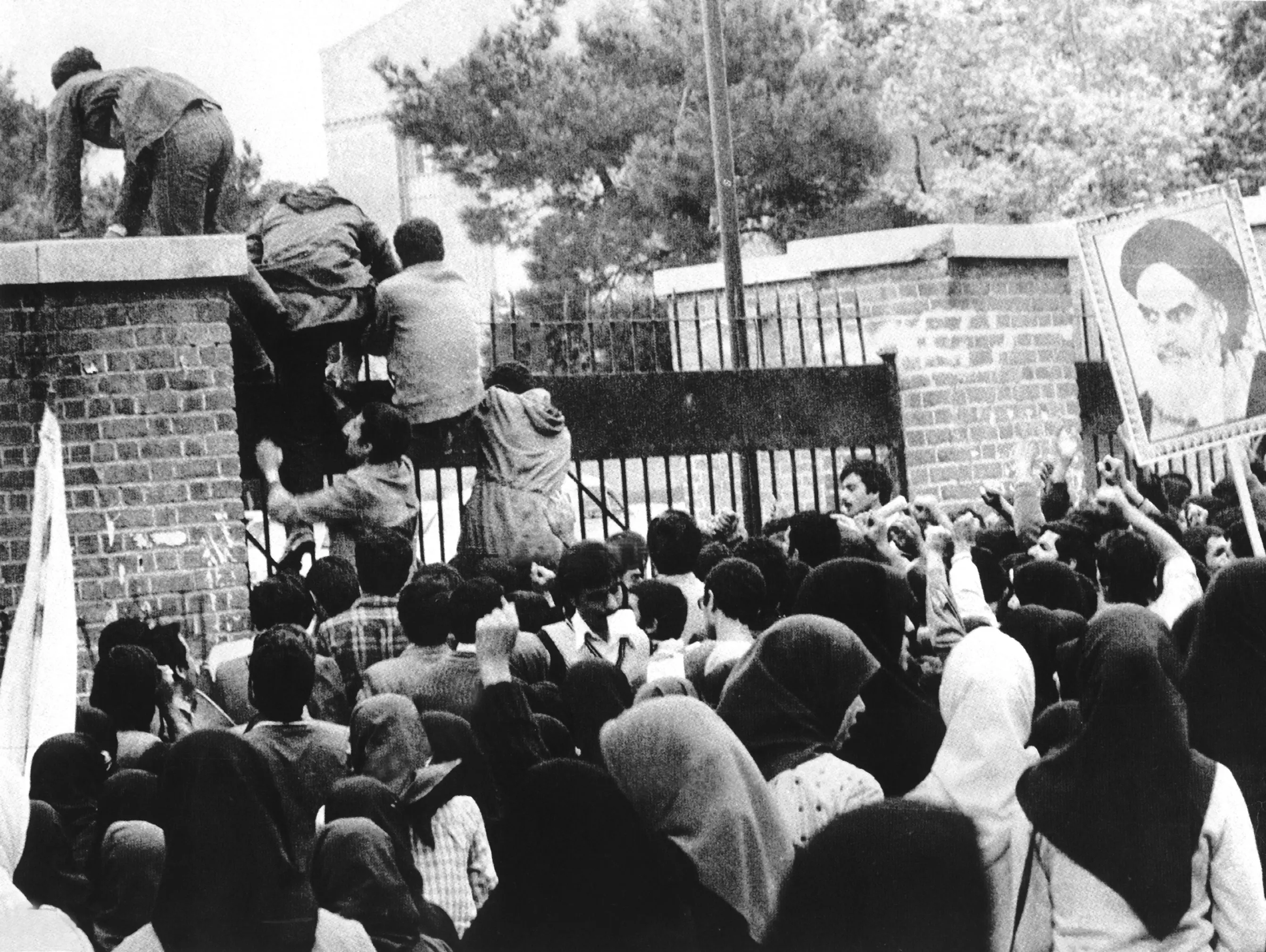
The Hostage Crisis: 444 days of diplomatic standoff
In November 1979, Iranian students stormed the US Embassy in Tehran, taking 52 Americans hostage for 444 days. This event formally severed diplomatic relations in 1980 and led to the first major wave of US economic sanctions against the new regime.
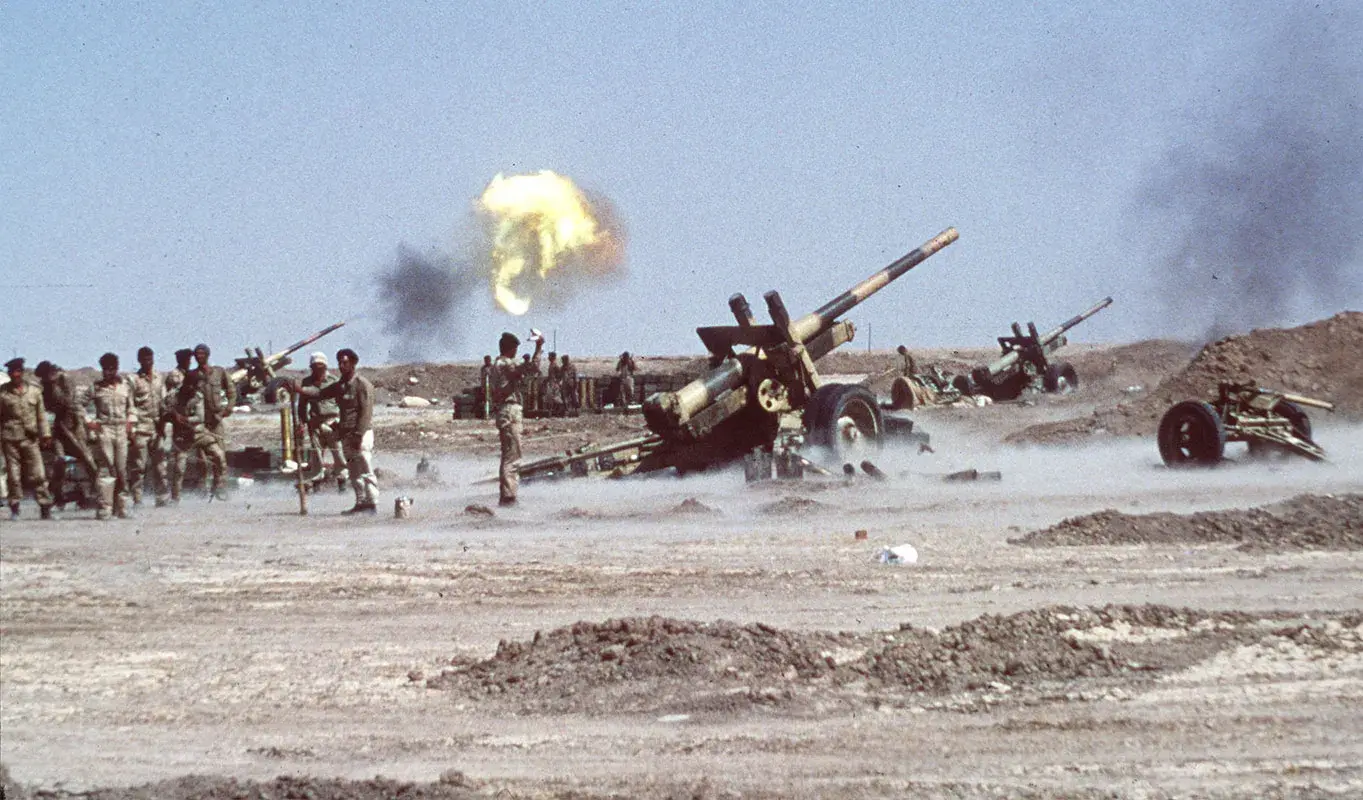
The Iran-Iraq War: The US supports Saddam Hussein
During the 1980-1988 Iran-Iraq War, the US provided intelligence and logistical support to Iraq’s Saddam Hussein to counter Iran’s influence. This deepened Tehran's distrust, especially after the USS Vincennes shot down an Iranian passenger jet in 1988, killing 290 civilians.
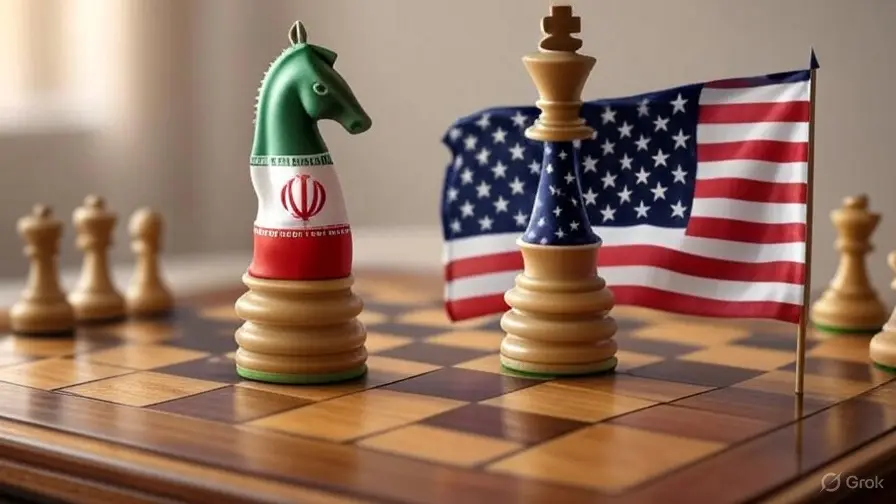
The Nuclear Standoff Sanctions cripple the economy
In the 2000s, revelations about Iran’s secret nuclear programme led to severe US and UN sanctions. Although the 2015 JCPOA deal offered brief relief, the US withdrawal in 2018 under President Trump reinstated "maximum pressure" sanctions, reigniting tensions.
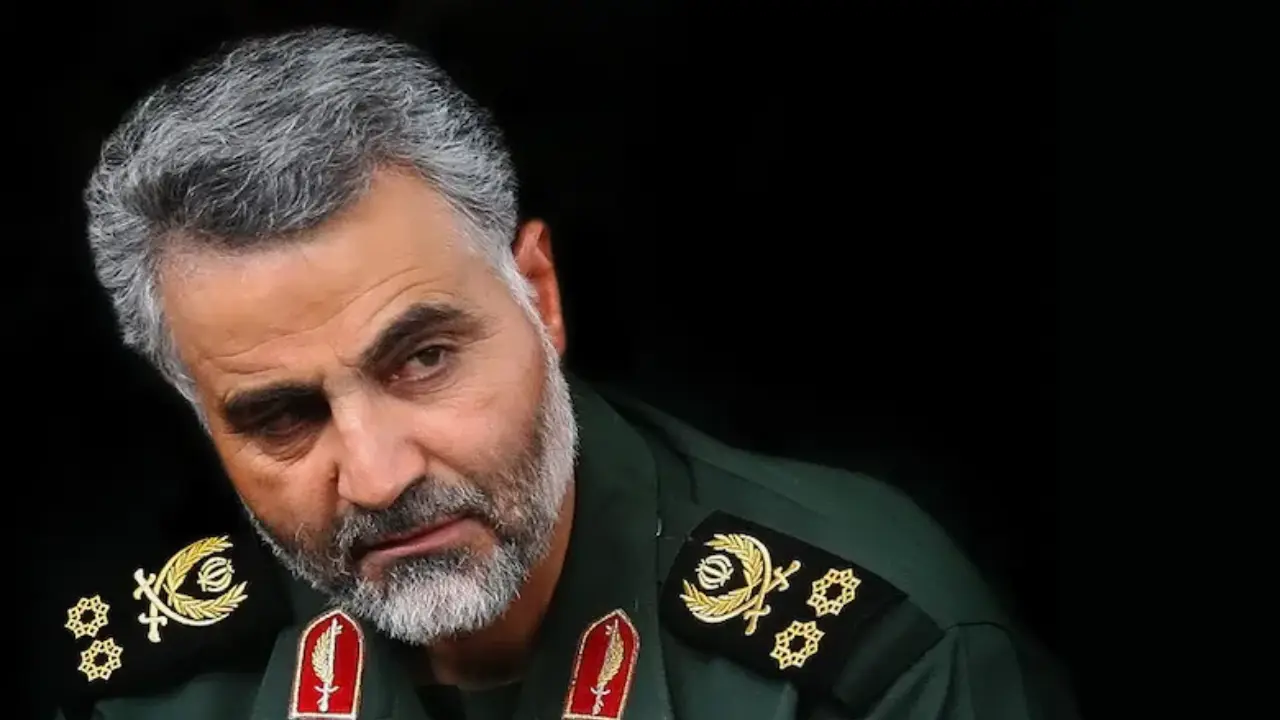
Escalation to Conflict: Soleimani assassination in 2020
Tensions reached a boiling point in January 2020 when a US drone strike killed top Iranian General Qasem Soleimani in Baghdad. Iran retaliated with missile strikes on US bases in Iraq, bringing the two nations to the brink of direct war.
)
)
)
)
)