'High-tech Arctic defence': Greenland’s radar, drones, and NATO’s northern shield

Greenland is becoming a high-tech NATO fortress. The Pituffik base uses advanced radar to track missiles, while Denmark is deploying long-range drones, maritime patrol aircraft, and F-35 fighter jets.
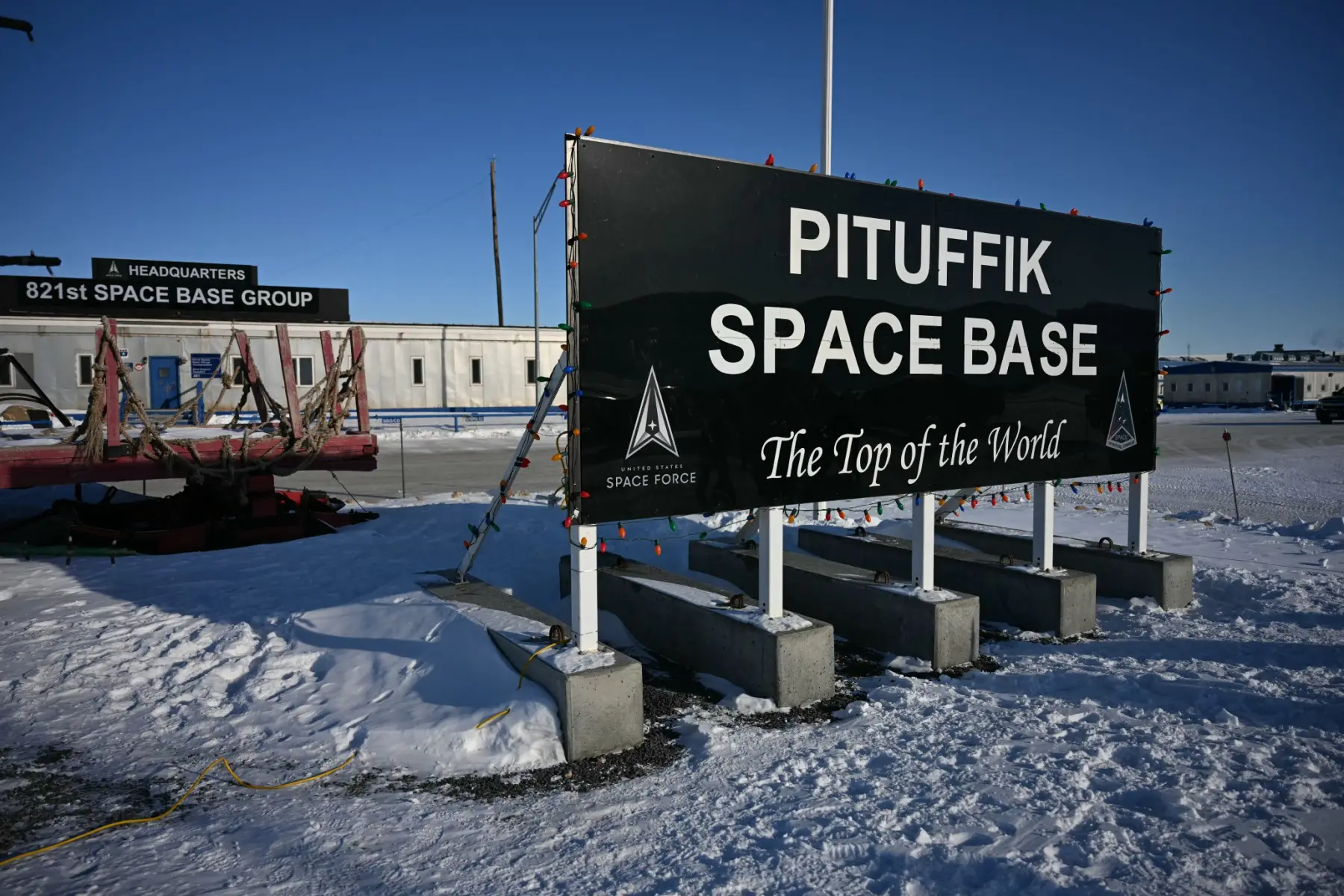
Pituffik’s giant eye Watching for nuclear missiles
The US Space Force operates the Upgraded Early Warning Radar (UEWR) at Pituffik Space Base. This massive phased-array radar scans the horizon 24/7, capable of detecting incoming ballistic missiles from thousands of miles away to protect North America.

NATO steps onto the ice
In January 2026, Denmark and Greenland agreed to immediately increase military presence on the island. For the first time, this includes direct support from NATO allies like Germany and Finland, deploying ships and soldiers to guard critical Arctic infrastructure.

The drone revolution
To patrol the vast, uninhabited coastline, Denmark is investing in high-tech, long-endurance drones. These unmanned aircraft will fly for days at a time, beaming real-time video of suspicious ships or submarines back to the Joint Arctic Command in Nuuk.
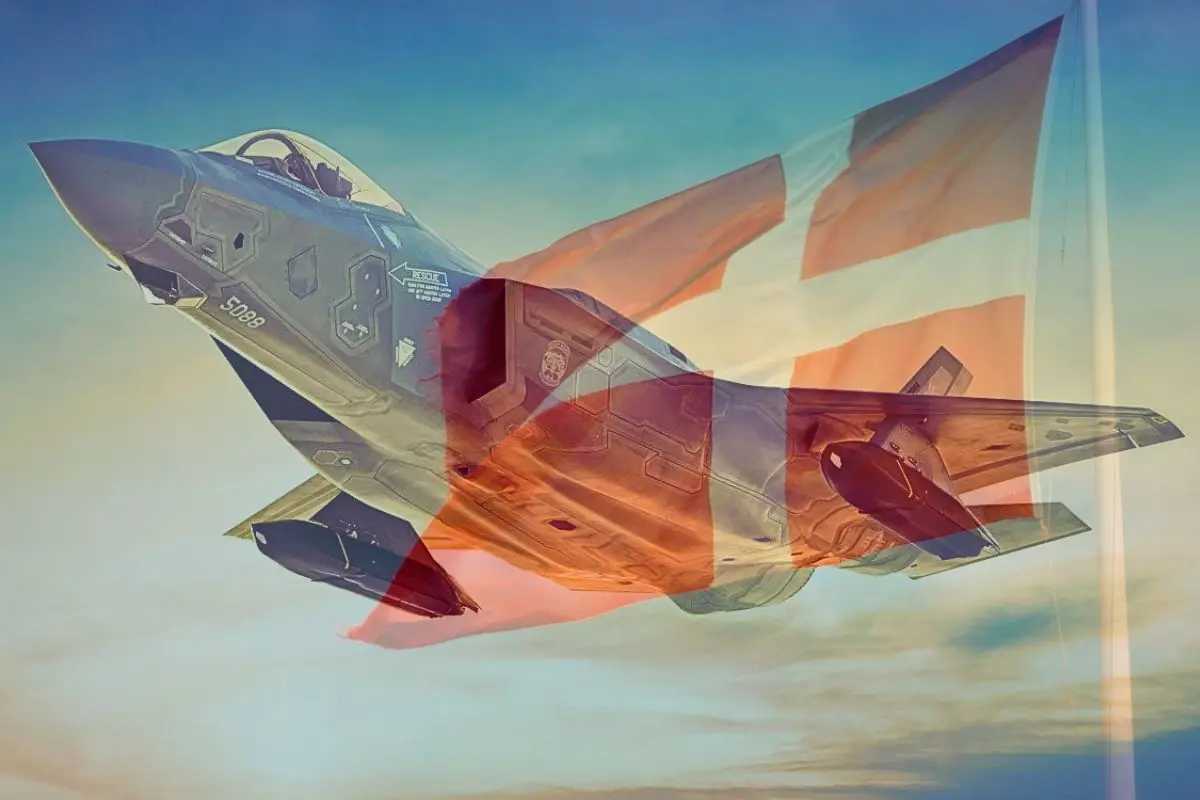
F-35s in the Arctic Upgrading airports for stealth jets
Denmark is modernising Greenland’s civilian airports to handle advanced military aircraft. The upgrades will allow Danish F-35 stealth fighters to land and refuel, extending NATO’s air power reach deep into the High North.
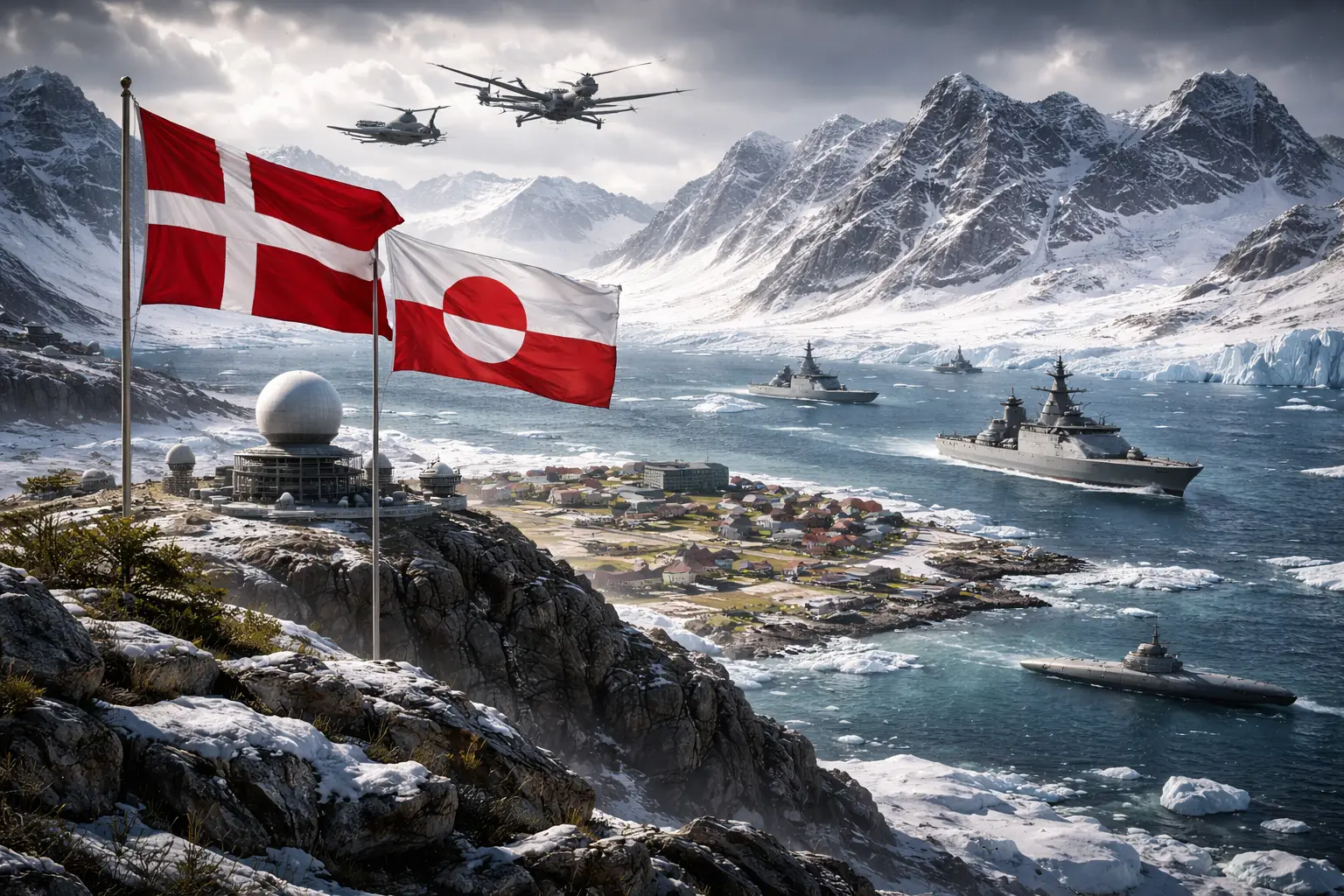
Space domain awareness: Tracking satellites from the pole
Beyond missiles, Pituffik plays a key role in the 'Space War'. Its sensors track thousands of objects in orbit, ensuring that enemy satellites cannot hide in the blind spots over the poles, a critical advantage for US space superiority.
Hunting for submarines: New maritime patrol aircraft
Under a new defence agreement, Denmark is acquiring advanced maritime patrol aircraft specifically for the Arctic. These planes are equipped with sensors to hunt submarines and monitor the 'GIUK gap', a strategic naval chokepoint between Greenland, Iceland, and the UK.
A $6 billion fortress: The 2030 defence vision
Copenhagen has pledged roughly 42 billion kroner (over $6 billion) for Arctic defence over the next decade. This massive investment aims to turn Greenland into a self-monitoring stronghold, reducing reliance on external help and securing the island’s resource-rich waters.
)
)
)
)
)