'Heavy Paint': Why the USS Abraham Lincoln carries tons of extra paint weight

The USS Abraham Lincoln accumulates tonnes of extra weight over 50 years because crews constantly apply heavy marine paint and non-skid deck coatings to prevent saltwater corrosion.
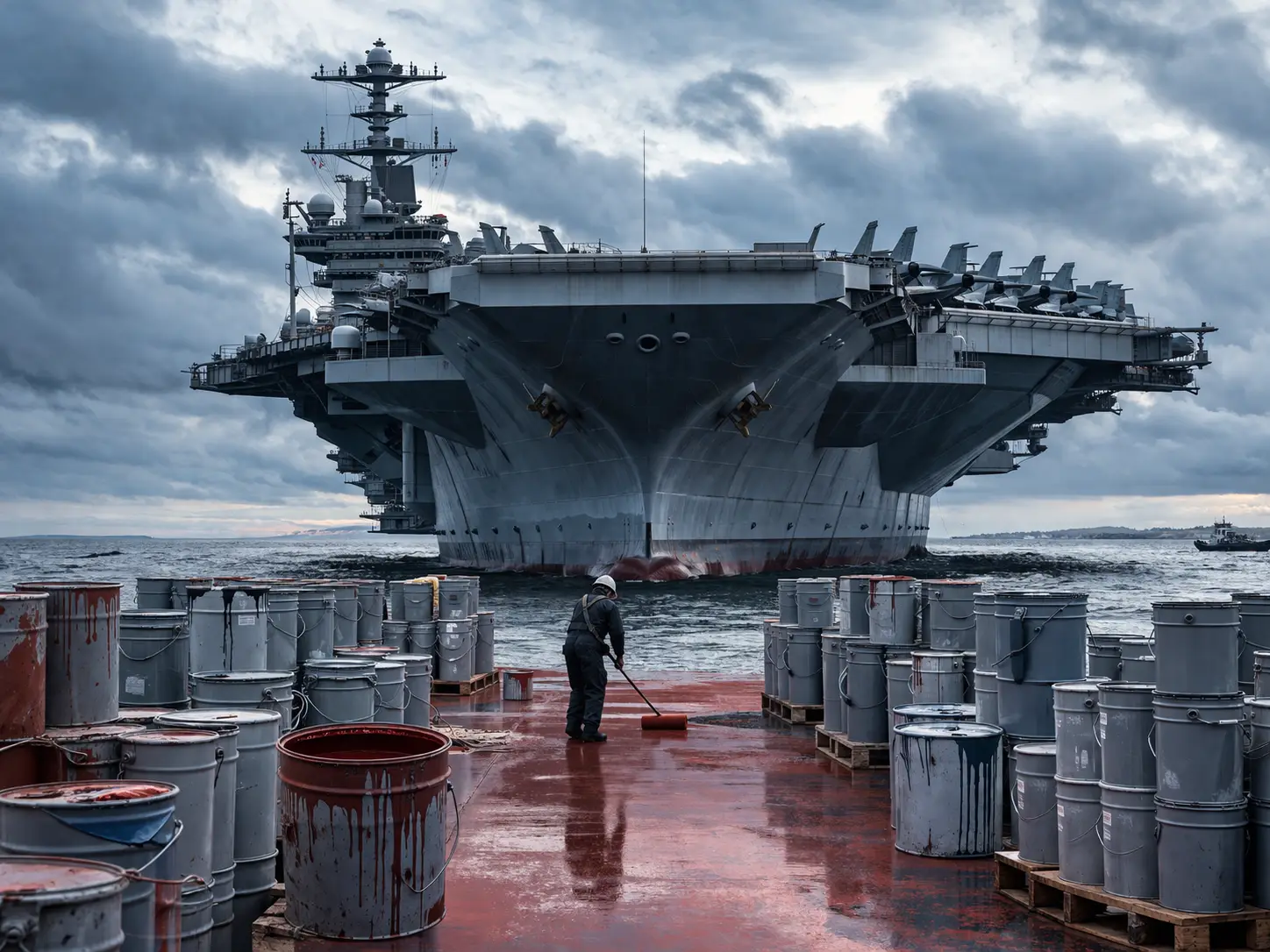
Haze Grey 36076 Camouflage
The exterior of the carrier is coated in a specific shade of paint officially known as Haze Grey 36076. This colour profile helps the warship blend into the horizon, reducing visual detection by enemy forces at sea. Maintaining this uniform grey coverage requires constant repainting during routine naval deployments.
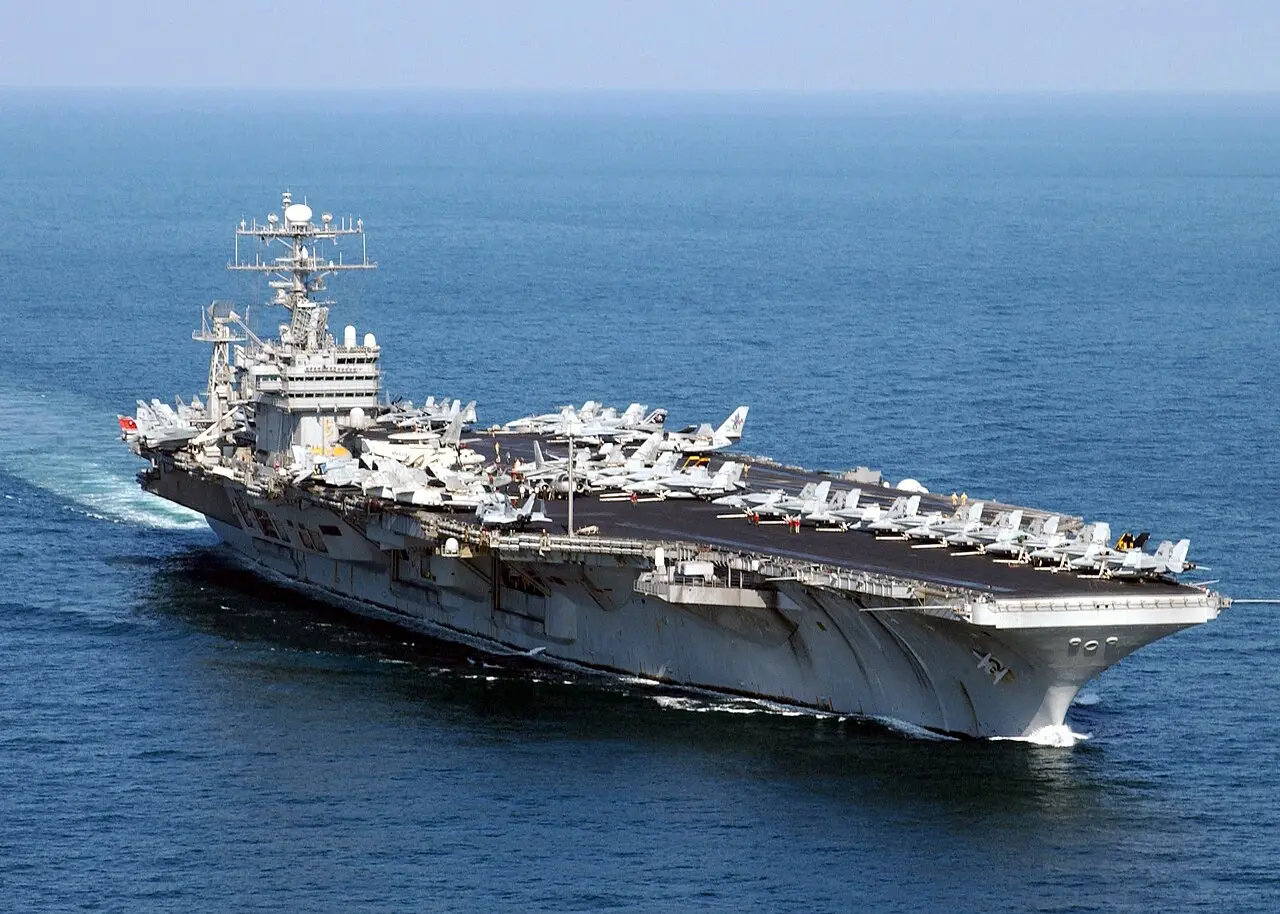
50-Year Battle With Rust
Nimitz-class carriers are designed for a 50-year operational service life across the world's oceans. Saltwater is highly corrosive, meaning the steel hull must be constantly protected from rust and structural degradation. Paint serves as the primary barrier, demanding continuous touch-ups to maintain absolute vessel integrity.
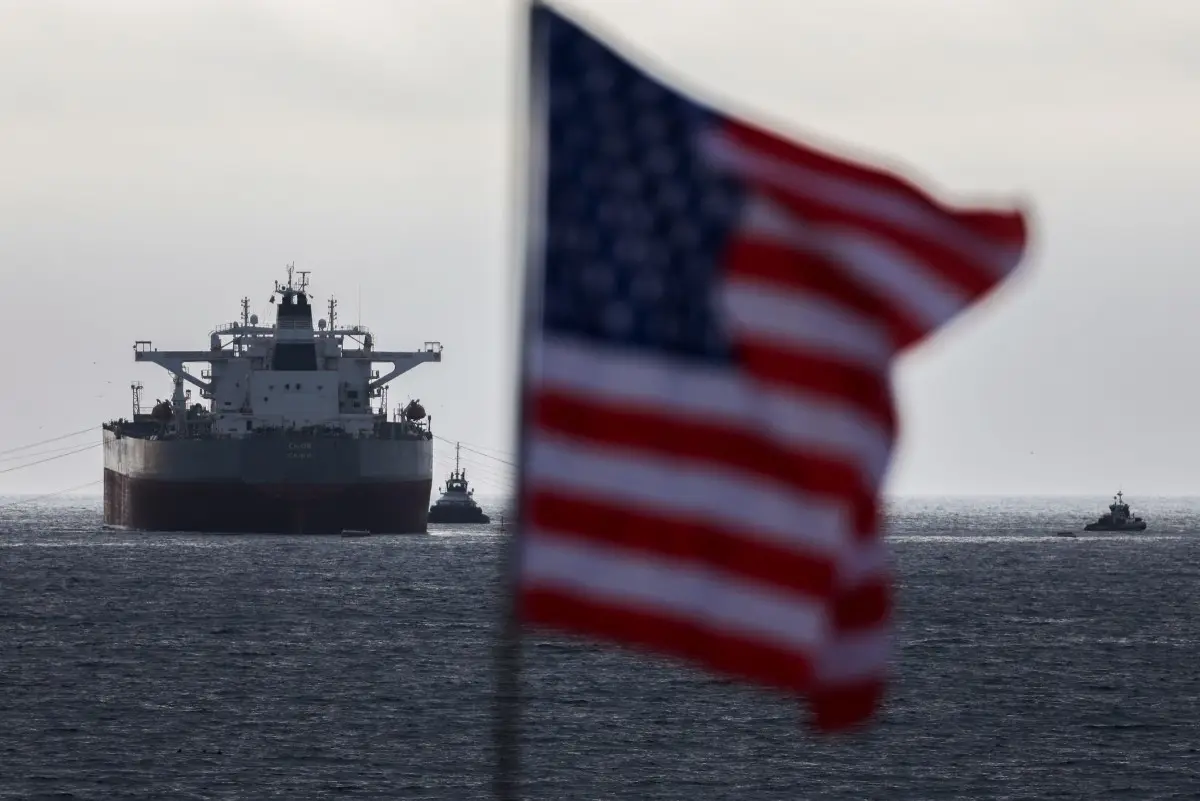
22-Tonne Deck Paint Weight
The sprawling flight deck alone requires a heavy-duty non-skid coating to prevent multi-million-dollar aircraft from sliding. Applying standard non-skid paint over such a vast surface area can add over 22 tonnes of weight. Upgrading to lightweight coating alternatives is one way naval engineers try to reduce this burden.
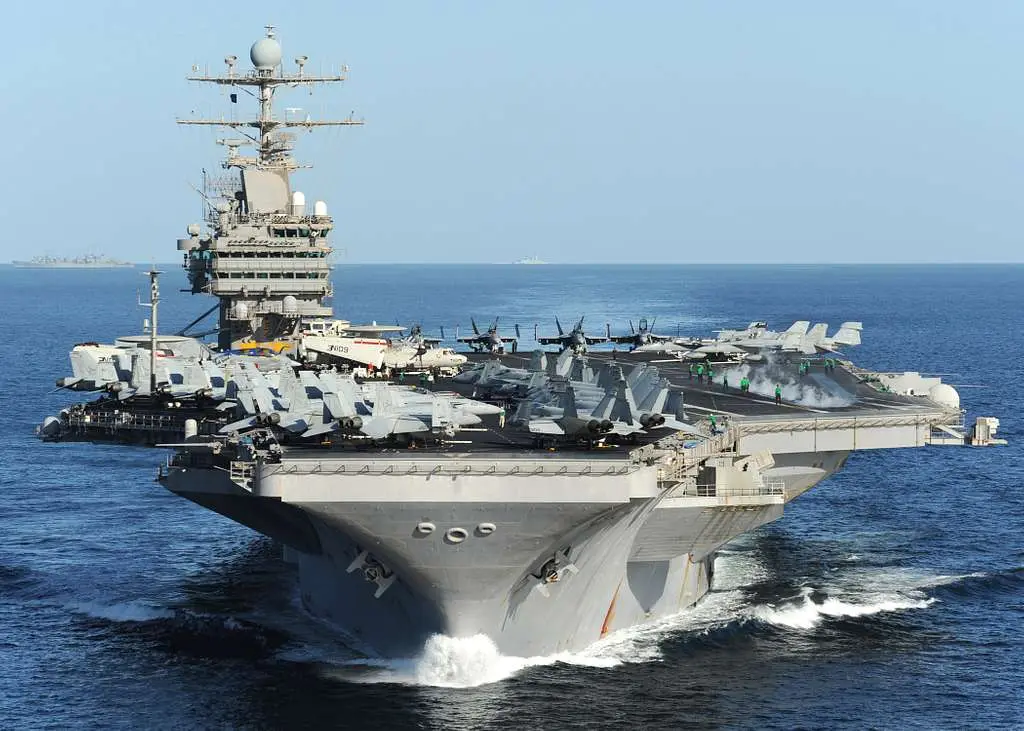
104,000-Tonne Steel Canvas
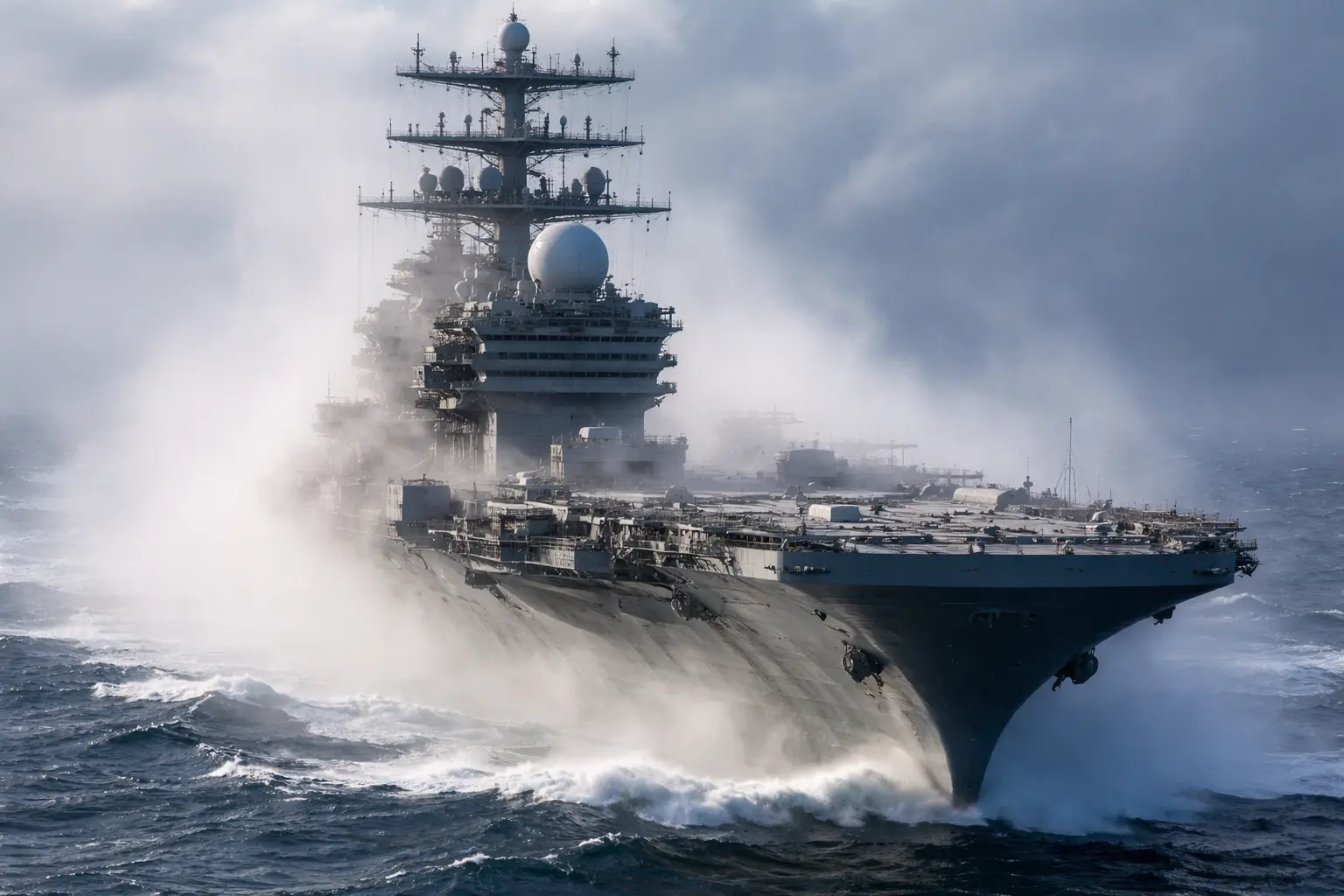
The USS Abraham Lincoln displaces over 104,000 tonnes and stretches roughly 332 metres in length. Covering this massive steel structure requires thousands of litres of industrial-grade marine coating. This sheer volume of liquid material naturally transforms into a substantial solid weight once it dries on the hull.
100 Per Cent Solid
Paint is applied as a liquid, but its solvents evaporate to leave behind heavy solid resins and pigments. When thousands of litres of marine paint are sprayed onto a carrier, the resulting solid mass equates to tonnes. This additional weight creates a slight drag, impacting overall fuel efficiency over the vessel's lifespan.
Over 3,000 Sailor Touch-UpsOver 3,000 Sailor Touch-Ups
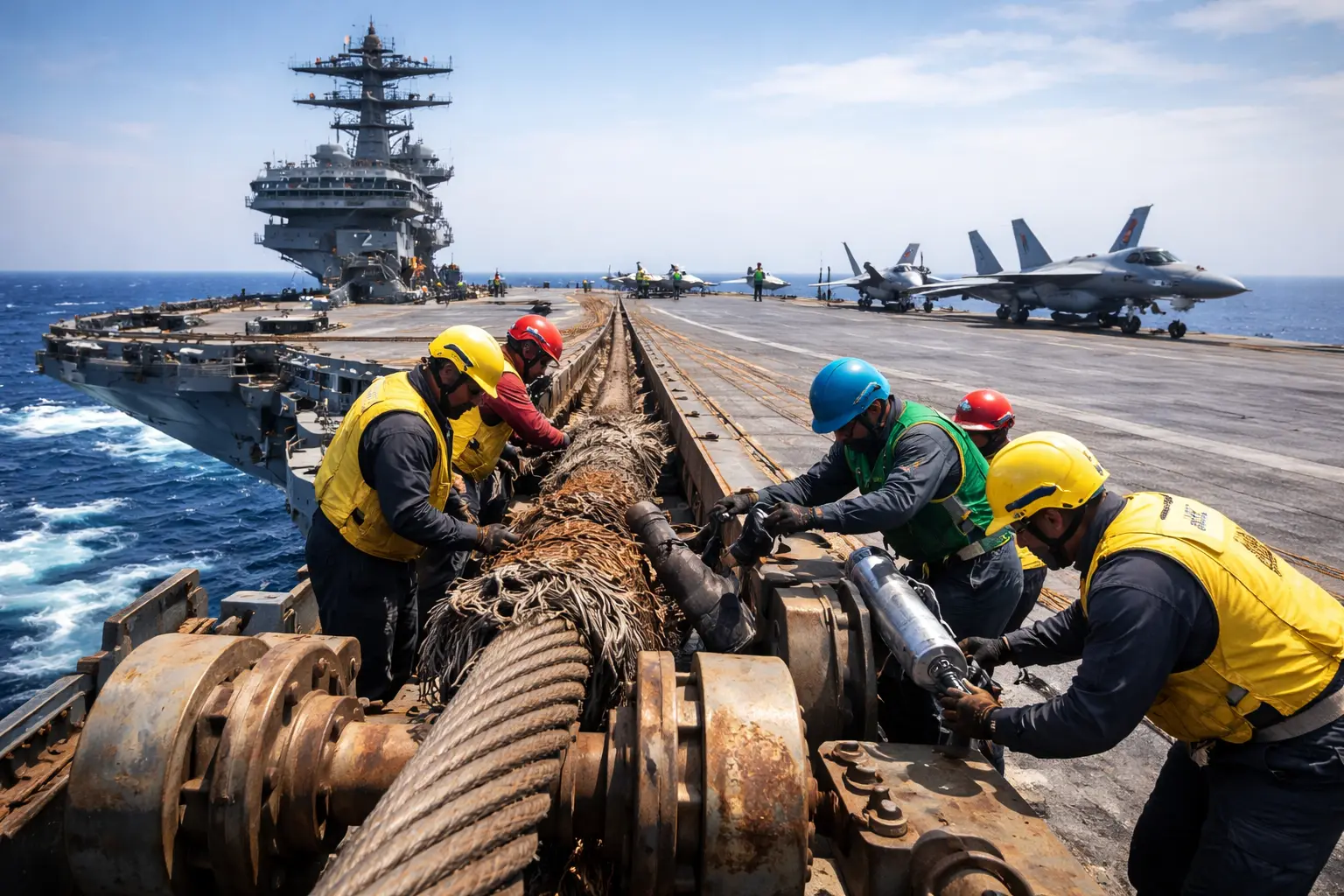
Instead of stripping the massive vessel down to bare metal every time, the crew paints directly over existing layers. With over 3,000 sailors routinely maintaining the ship, layer upon layer of paint builds up over the decades. This repetitive maintenance cycle permanently traps thousands of kilogrammes of old paint under new coats.
332-Metre Combat Ready Hull
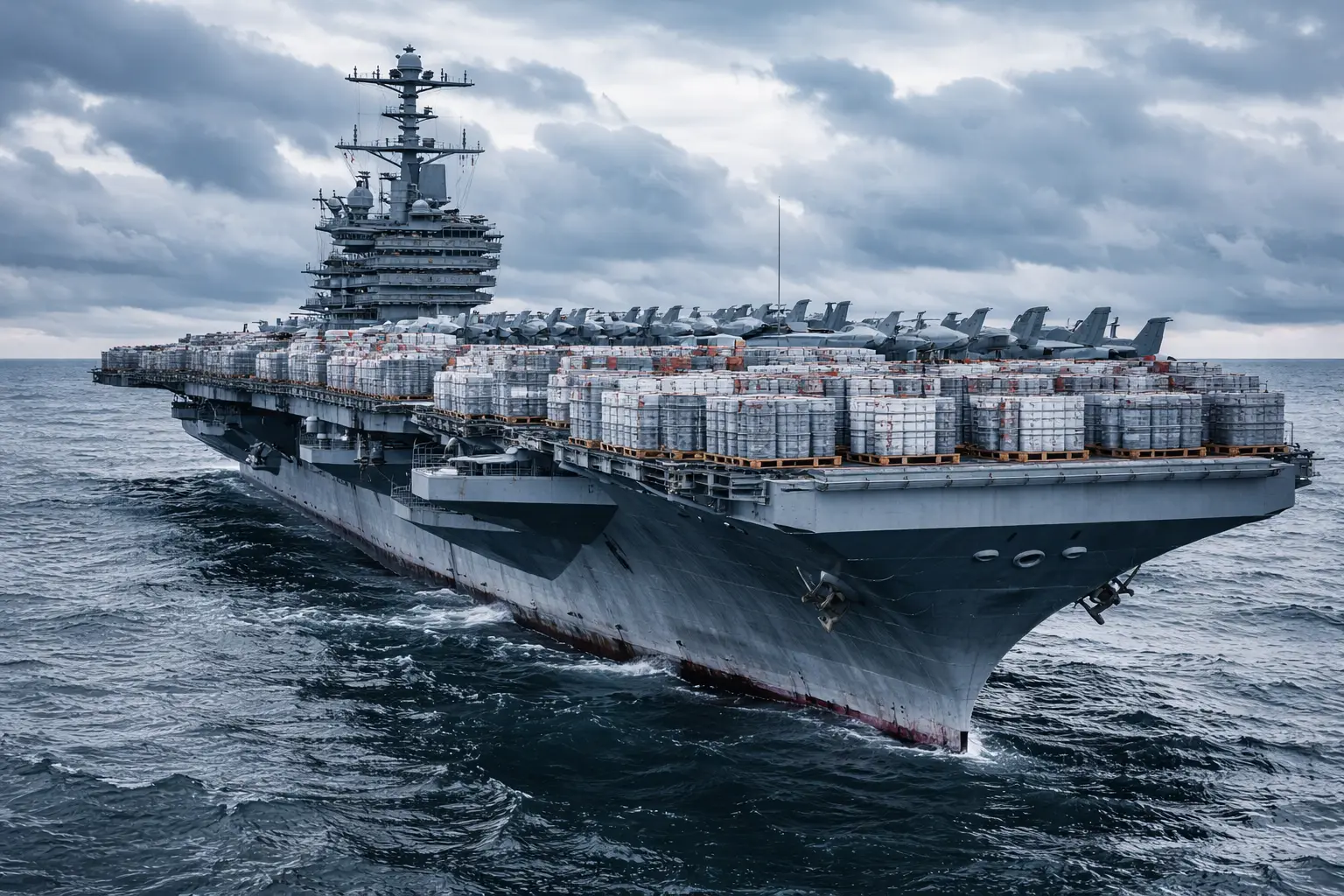
Maintaining a 332-metre aircraft carrier involves massive defence budgets, and structural protection is entirely non-negotiable. While the extra paint weight is heavy, the alternative is severe saltwater damage that could compromise the entire vessel. This continuous painting regimen ultimately ensures the carrier remains fully operational and combat-ready.
)
)
)
)
)