'Heat Waves': How summer heat waves slow down the heavy USS Abraham Lincoln

Extreme summer heat reduces air density, making fighter jet launches harder for the USS Abraham Lincoln. High temperatures also accelerate hull rust and strain the carrier's nuclear cooling systems.
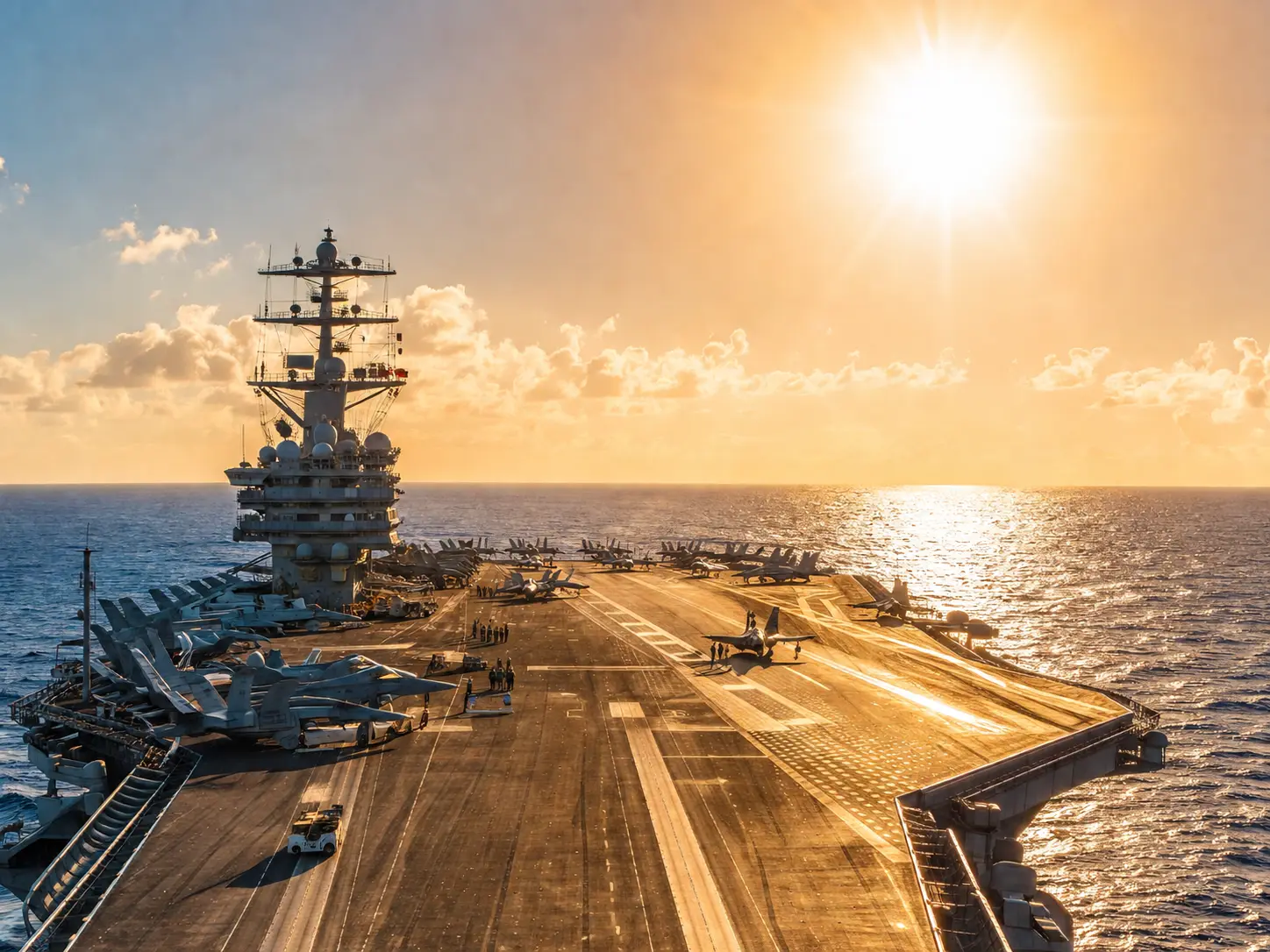
Thinner air cuts lift
Summer heat waves significantly reduce air density over the ocean. Thinner air makes it much harder for heavy fighter jets to generate lift, forcing the warship to increase its own speed to create enough wind over the flight deck for safe launches.
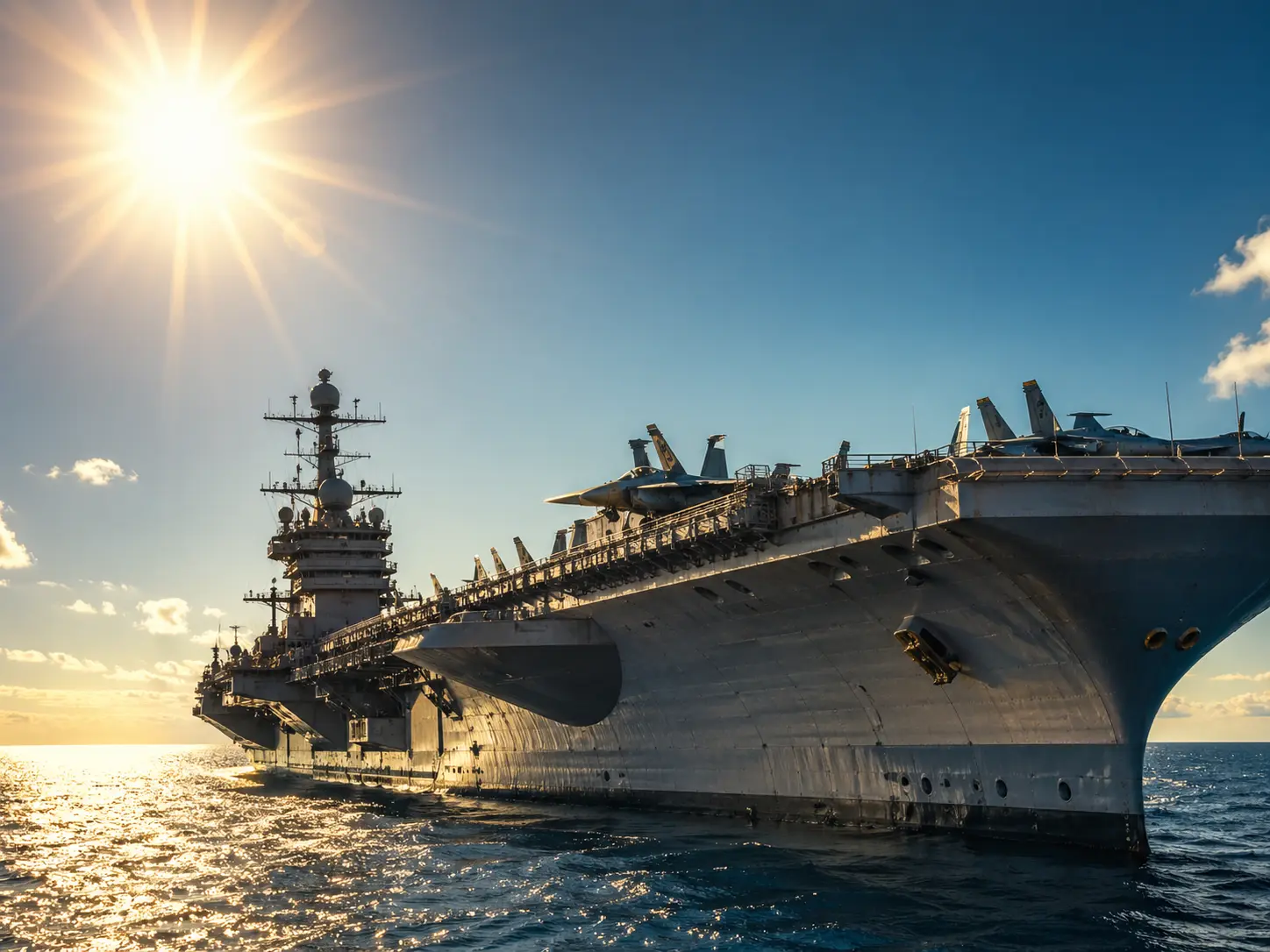
100,000-tonne hull rusts
Extreme heat drastically accelerates chemical reactions across the warship. When combined with ocean salt and moisture, high temperatures intensify corrosion, forcing the maintenance crew into a constant battle to scrape rust and protect the steel hull.
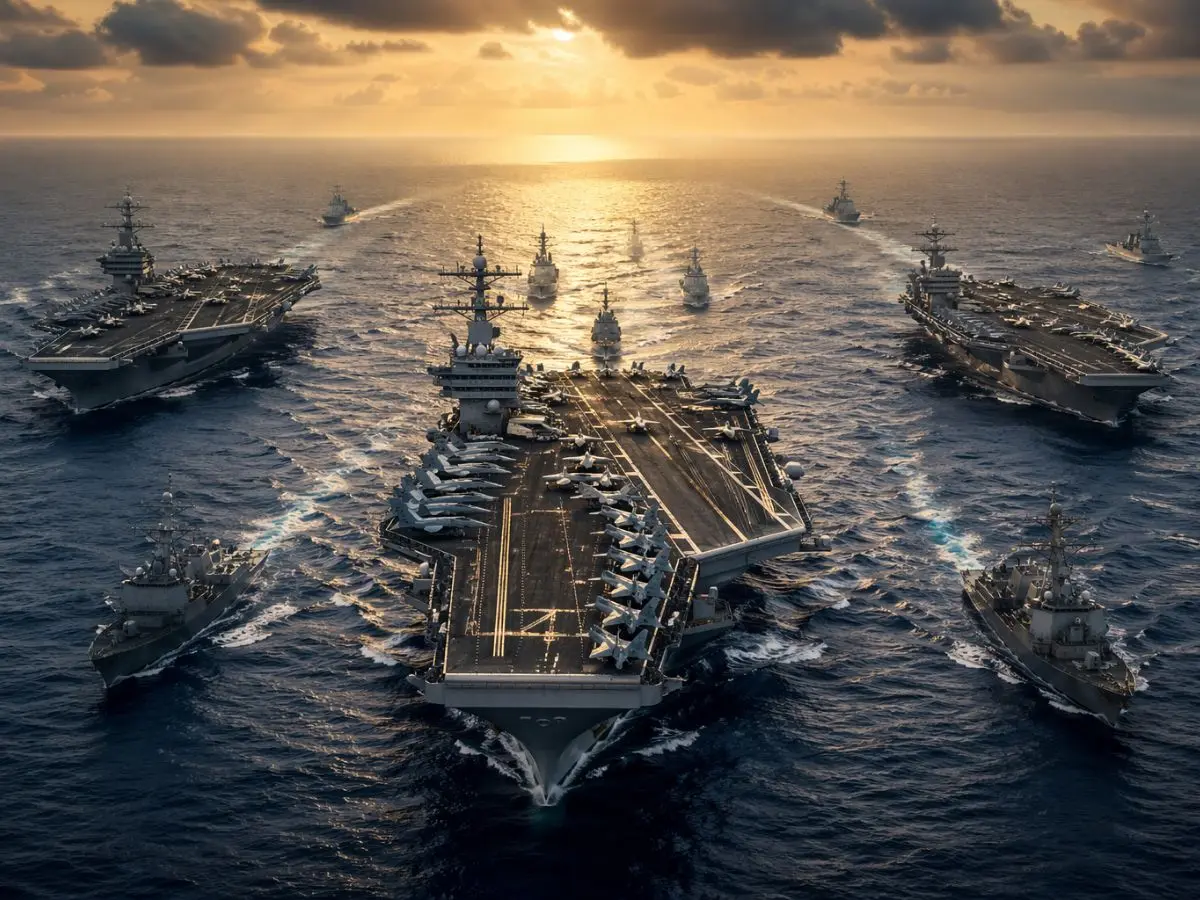
1,092-foot deck withstands heat
The steel flight deck absorbs intense solar radiation alongside the scorching heat of jet exhausts. To prevent the surface from warping under this extreme pressure, the carrier relies on reinforced steel, specialised heat-resistant coatings, and heavy-duty jet blast deflectors.
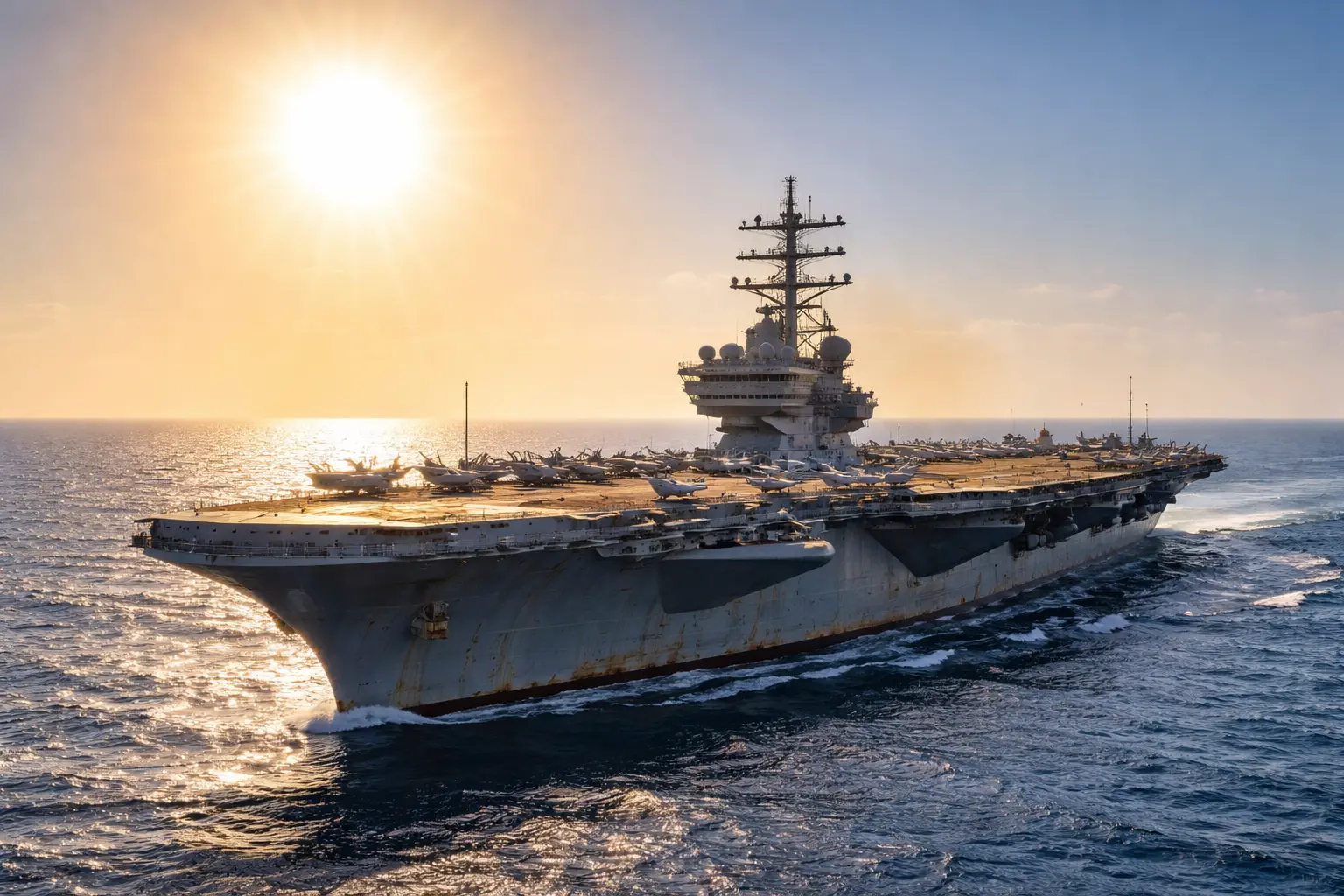
Night humidity attacks steel
Relentless daytime sunlight weakens the protective paint and coatings on the ship. Once the sun sets, thick nighttime marine humidity settles over the exposed steel, forming highly corrosive layers that rapidly worsen the structural damage.
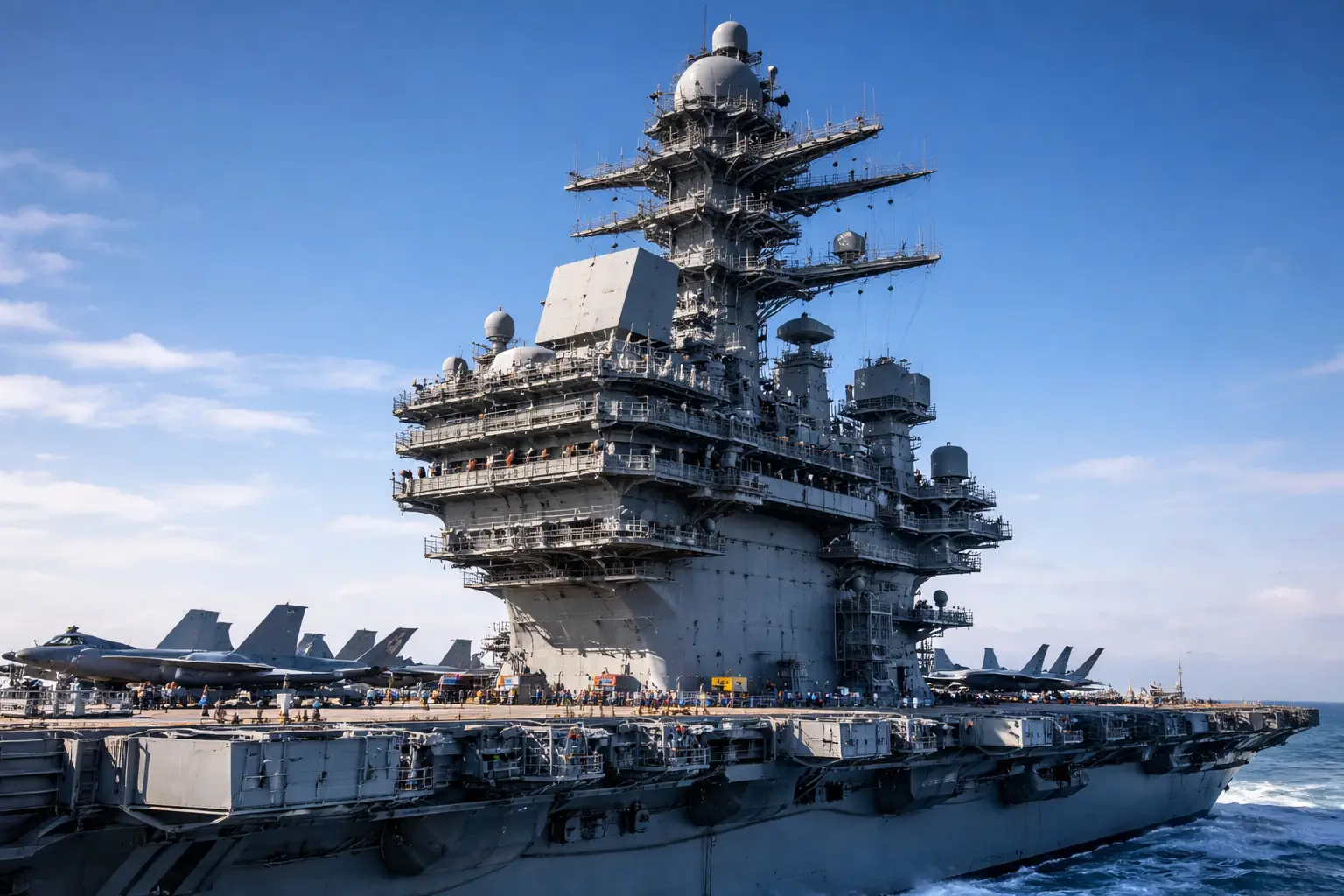
Sacrificial metals stop corrosion
Harsh ocean heat and saltwater cause aluminium and steel components to react and destroy each other. Engineers deploy advanced cathodic protection systems, using controlled electrical currents and sacrificial metals to stop these electrochemical reactions.
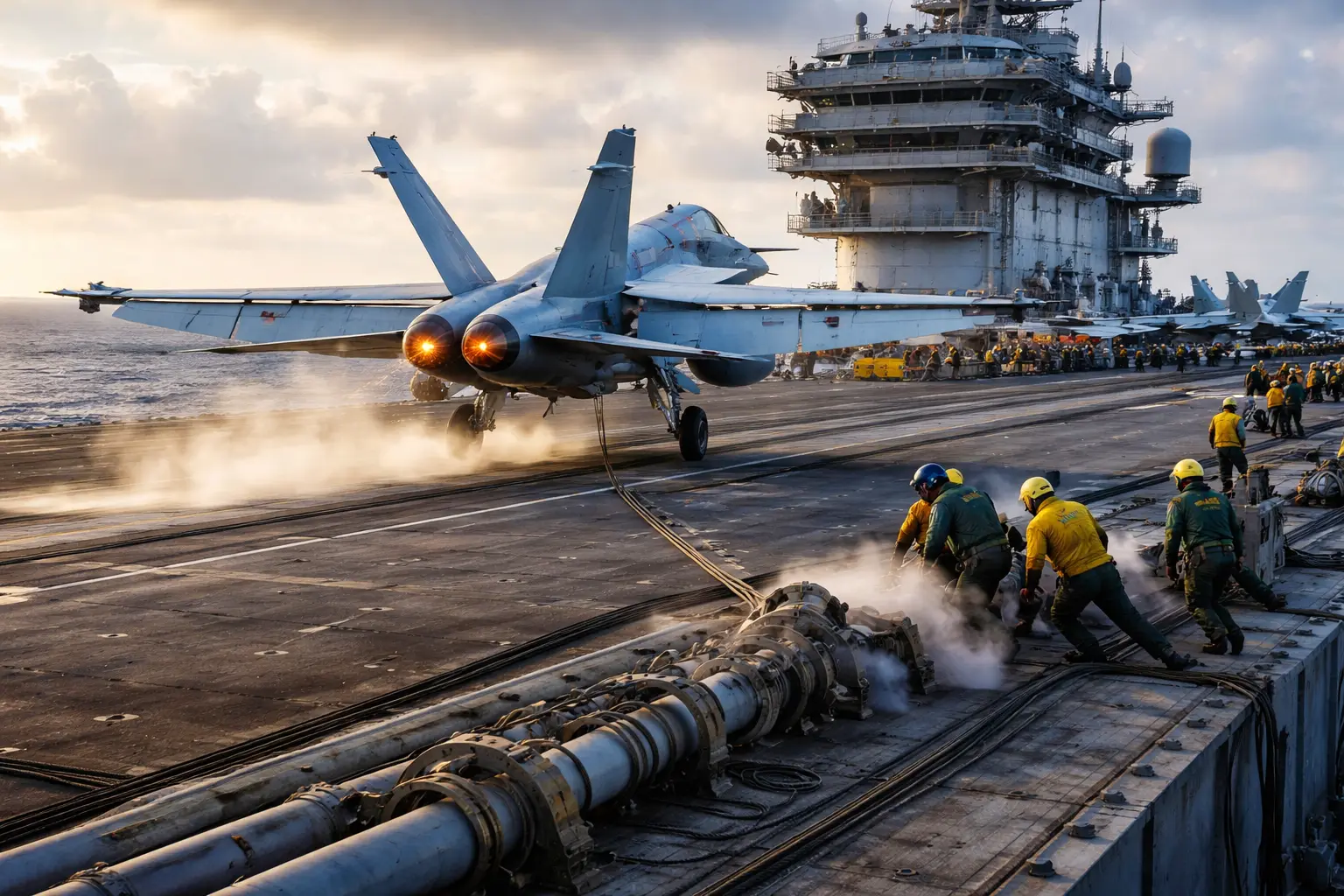
Nitrogen protects jet tyres
Fighter jets landing on the hot deck face extreme pressure and temperature spikes. To prevent fire risks and internal corrosion caused by oxygen, the engineering crew fills the jet tyres exclusively with stable, non-reactive nitrogen gas.
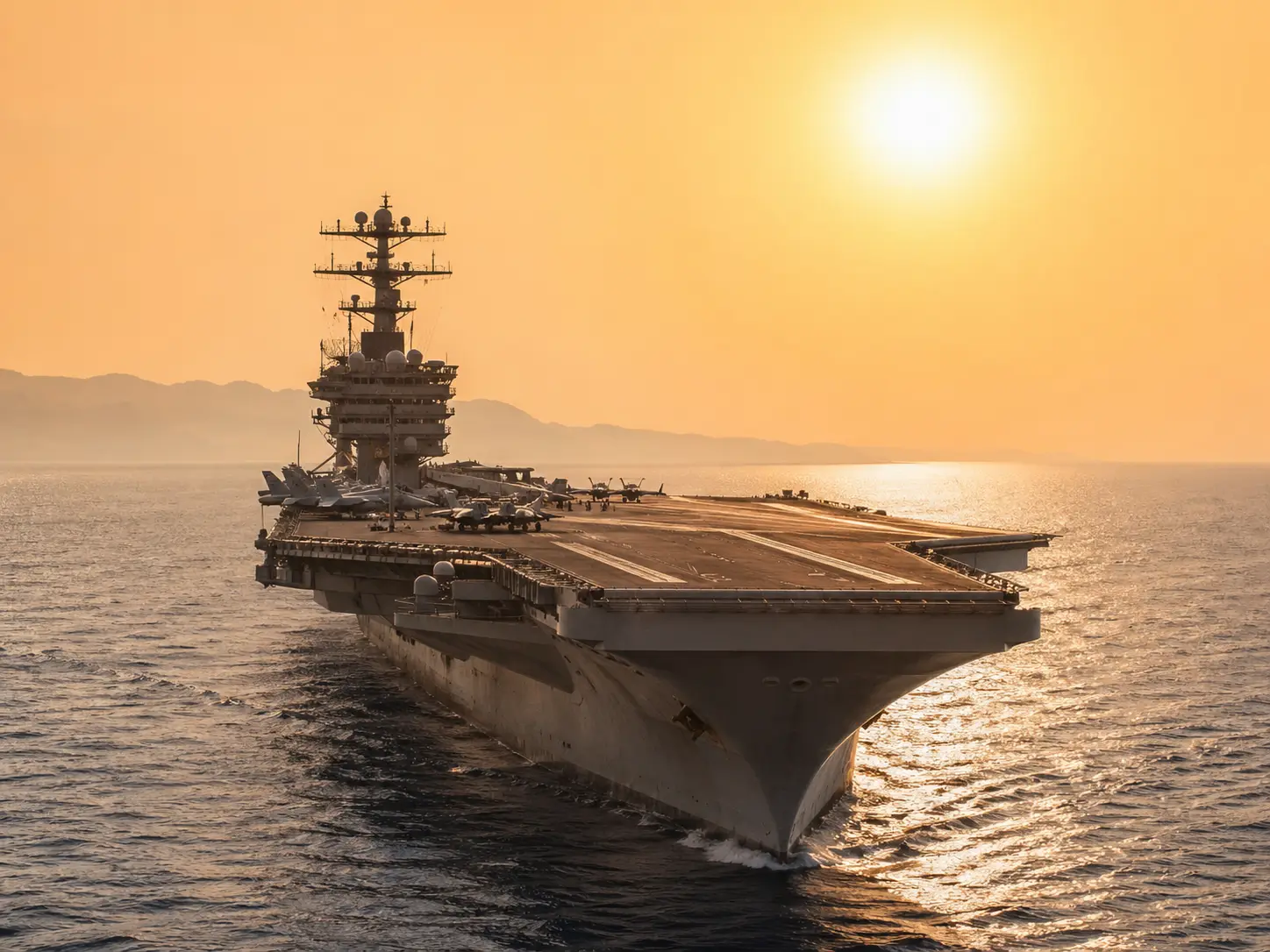
Two A4W reactors strained
The aircraft carrier is powered by two massive A4W nuclear reactors that rely on ocean water for continuous cooling. As sea surface temperatures rise during summer heat waves, the cooling condensers become less efficient, putting additional strain on the ship's steam turbines.
)
)
)
)
)