'Haze Gray': Why the USS Abraham Lincoln is painted that specific colour

The USS Abraham Lincoln uses Haze Gray paint to seamlessly blend with the ocean horizon and clouds. This uniform grey shade delays visual detection and serves as vital rust protection.
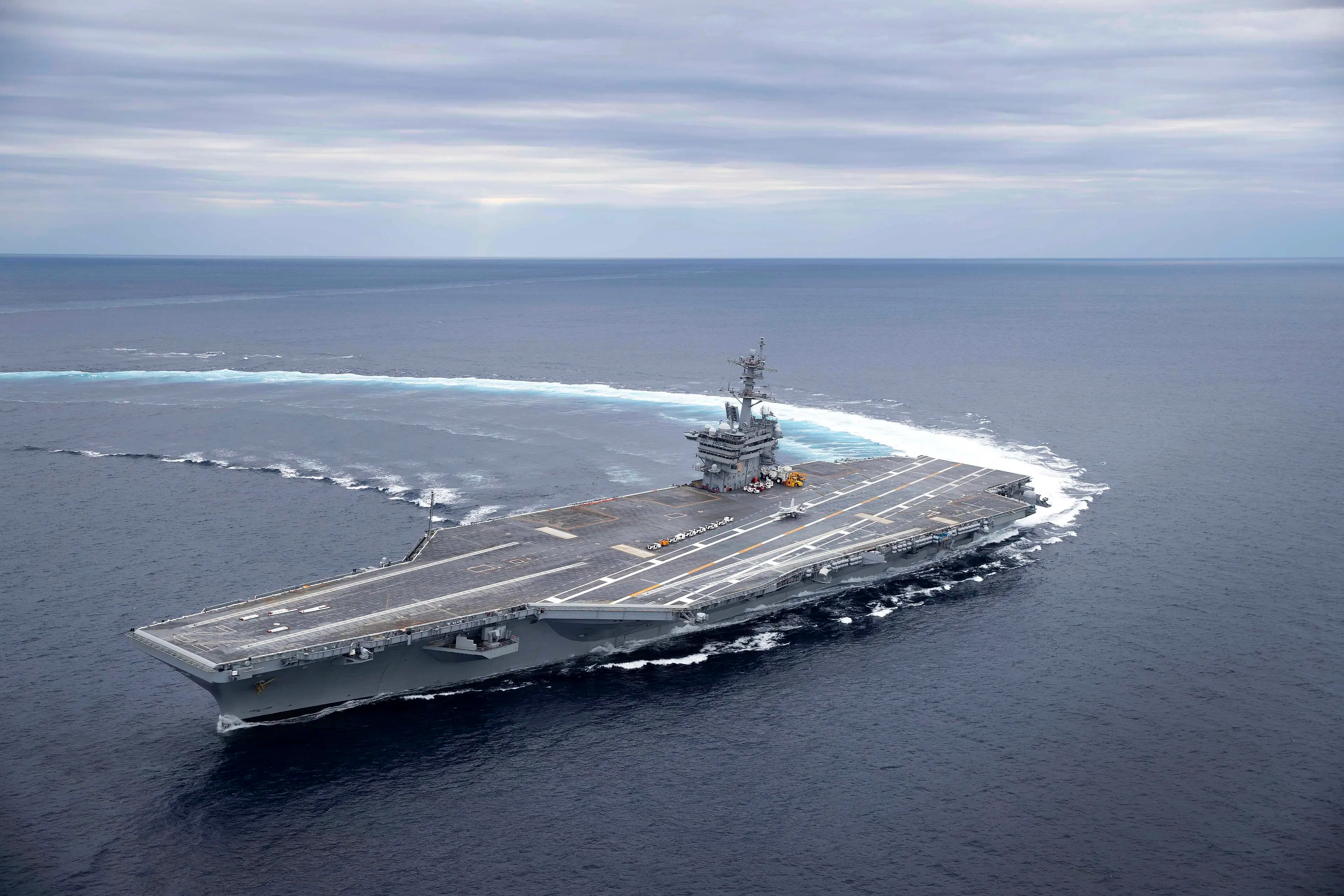
333-Metre Aircraft Carrier
The USS Abraham Lincoln is a Nimitz-class aircraft carrier measuring 333 metres in length. Like all United States Navy surface vessels, it is coated in a specific shade called 'Haze Gray'. This uniform colour replaced older camouflage to become the absolute standard.
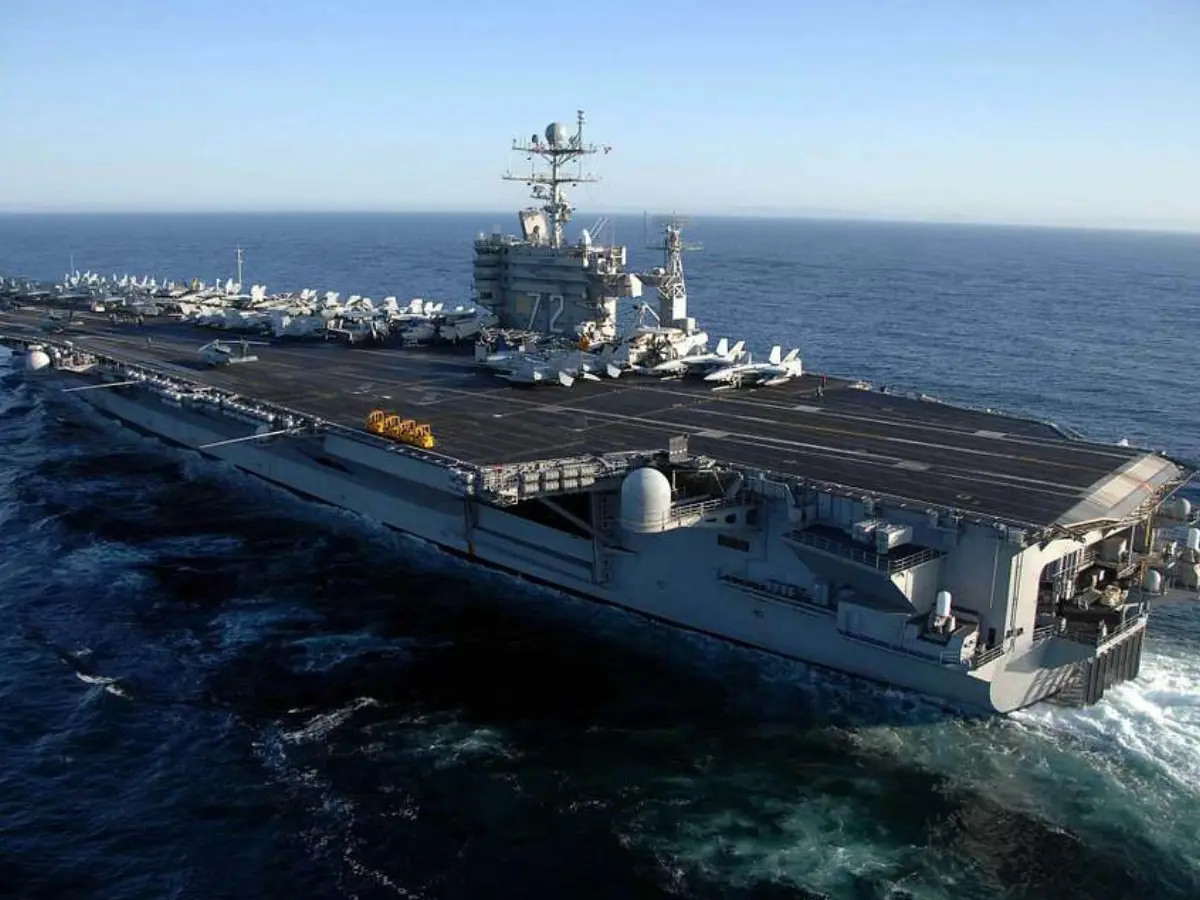
Maximum Visual Concealment
The primary tactical reason for this specific colour is highly effective visual camouflage. Haze Gray significantly reduces the visual contrast between the massive warship and the open horizon. It is explicitly formulated to help the carrier merge seamlessly with heavy cloud cover, fog, and ocean spray, making detection far more difficult.
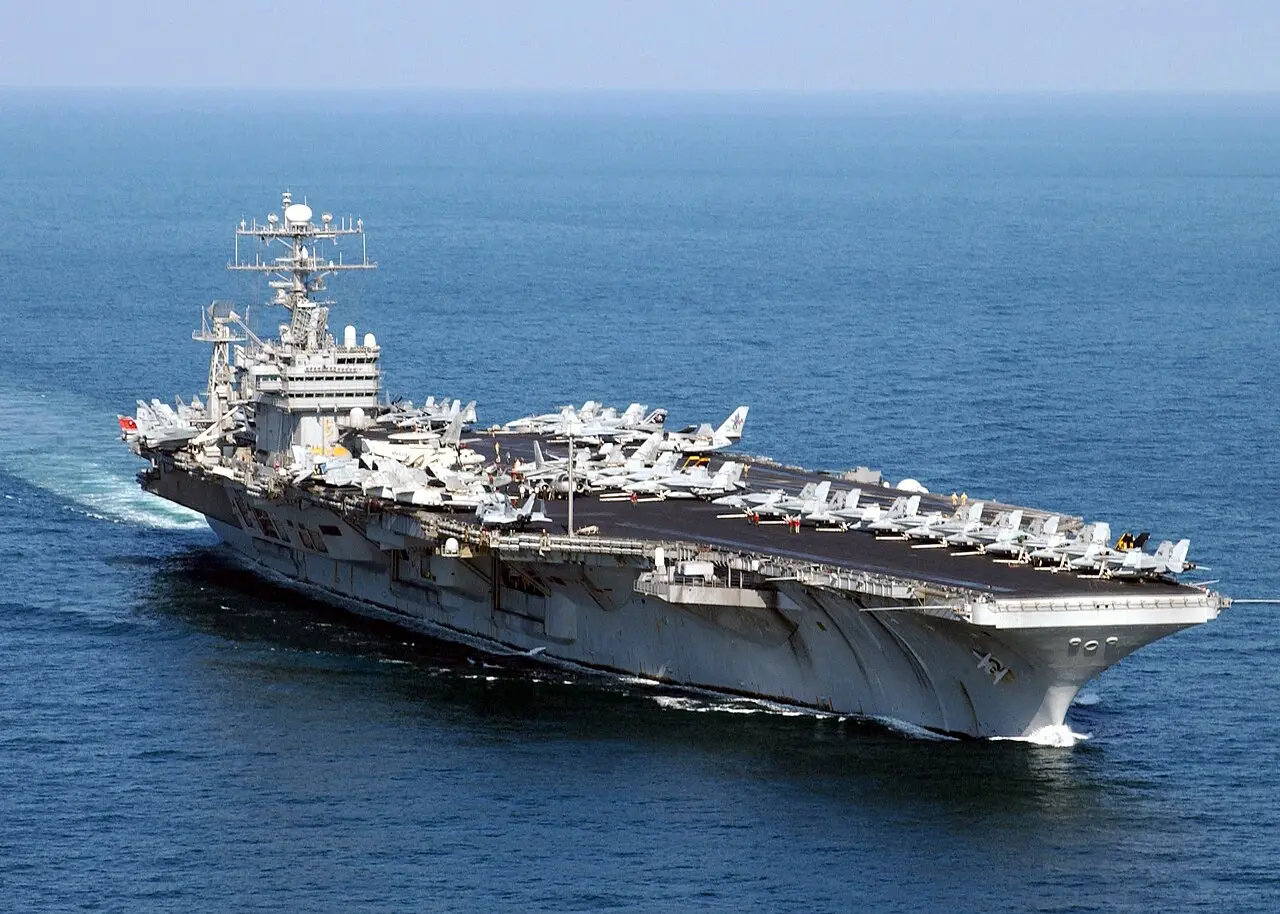
Delaying 20th-Century Optics
While modern naval warfare relies on radar, visual camouflage remains highly critical. During close-range encounters, the matte grey paint delays recognition by human observers. It makes the warship much harder to spot through a submarine periscope or aircraft.
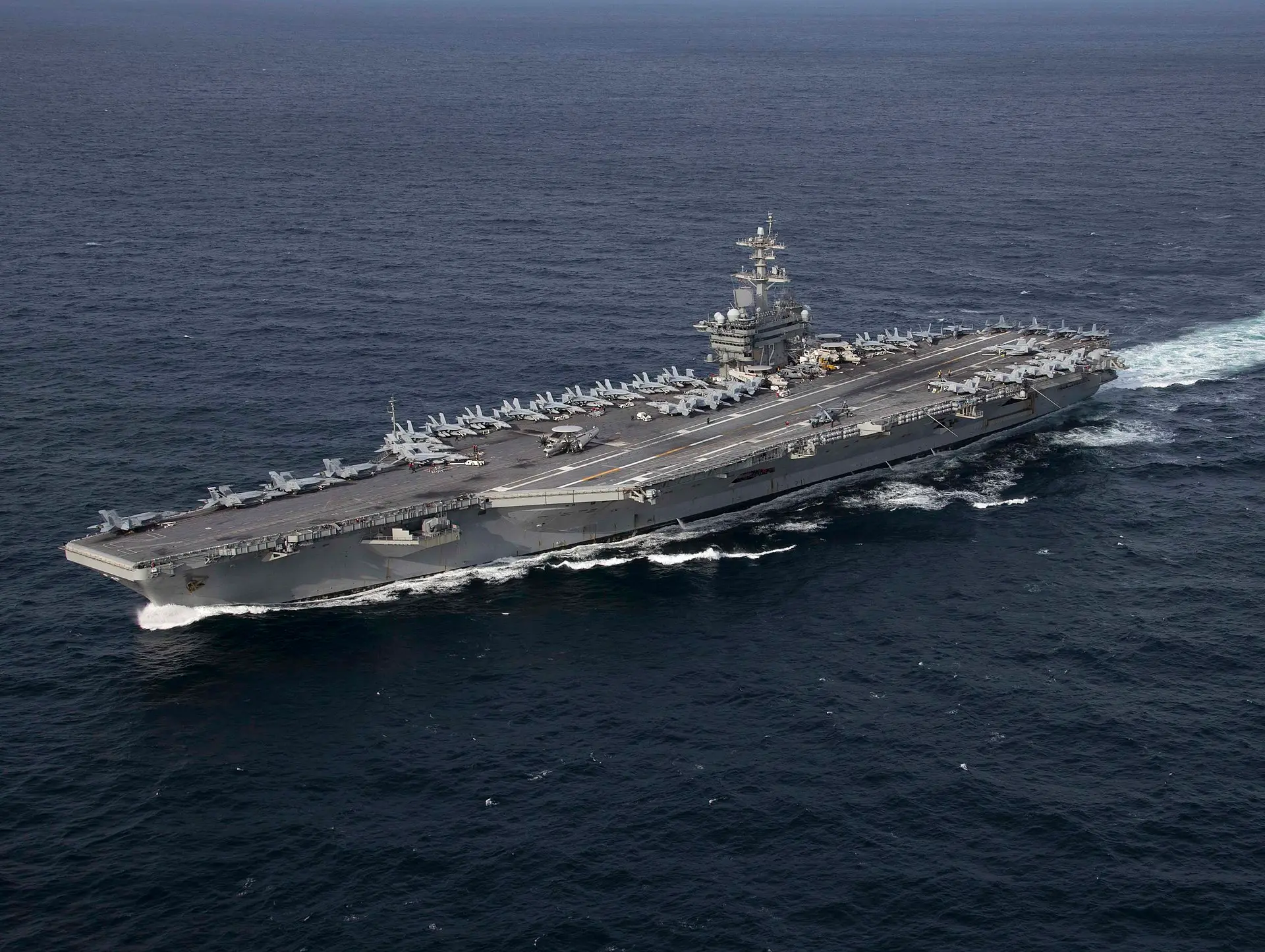
Replacing 1914 Dazzle Paint
During the First World War, ships used complex geometric patterns called dazzle camouflage. This was originally designed to confuse enemy rangefinders. However, improvements in optical targeting made dazzle obsolete, making uniform grey the most effective solution.
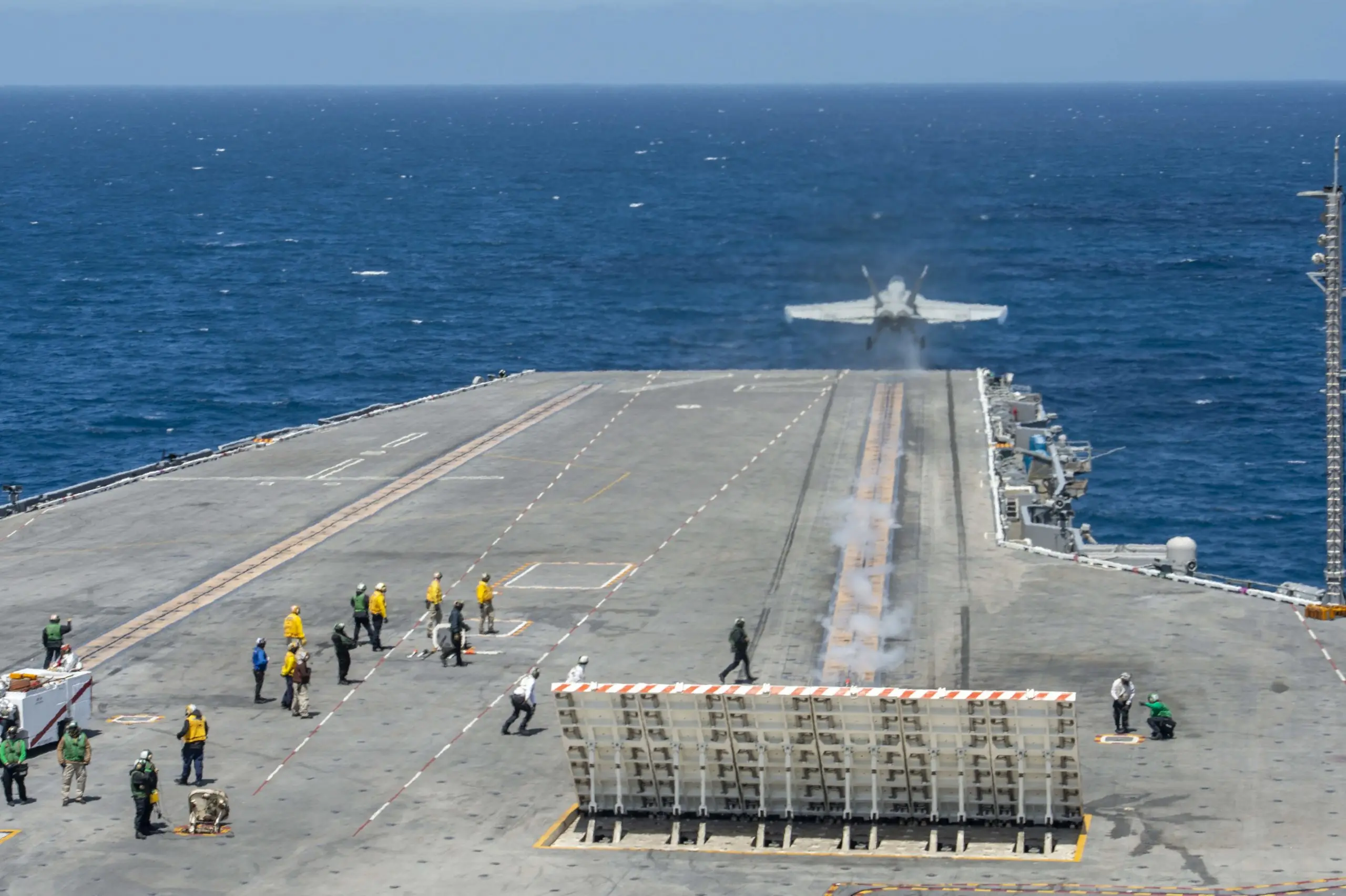
100,000-Tonne Rust Protection
Beyond visual stealth, this uniform paint is cheap and highly effective to maintain across different global theatres. It provides a vital protective barrier for the carrier's steel hull. Without this constant upkeep, the harsh marine environment would quickly degrade the ship.
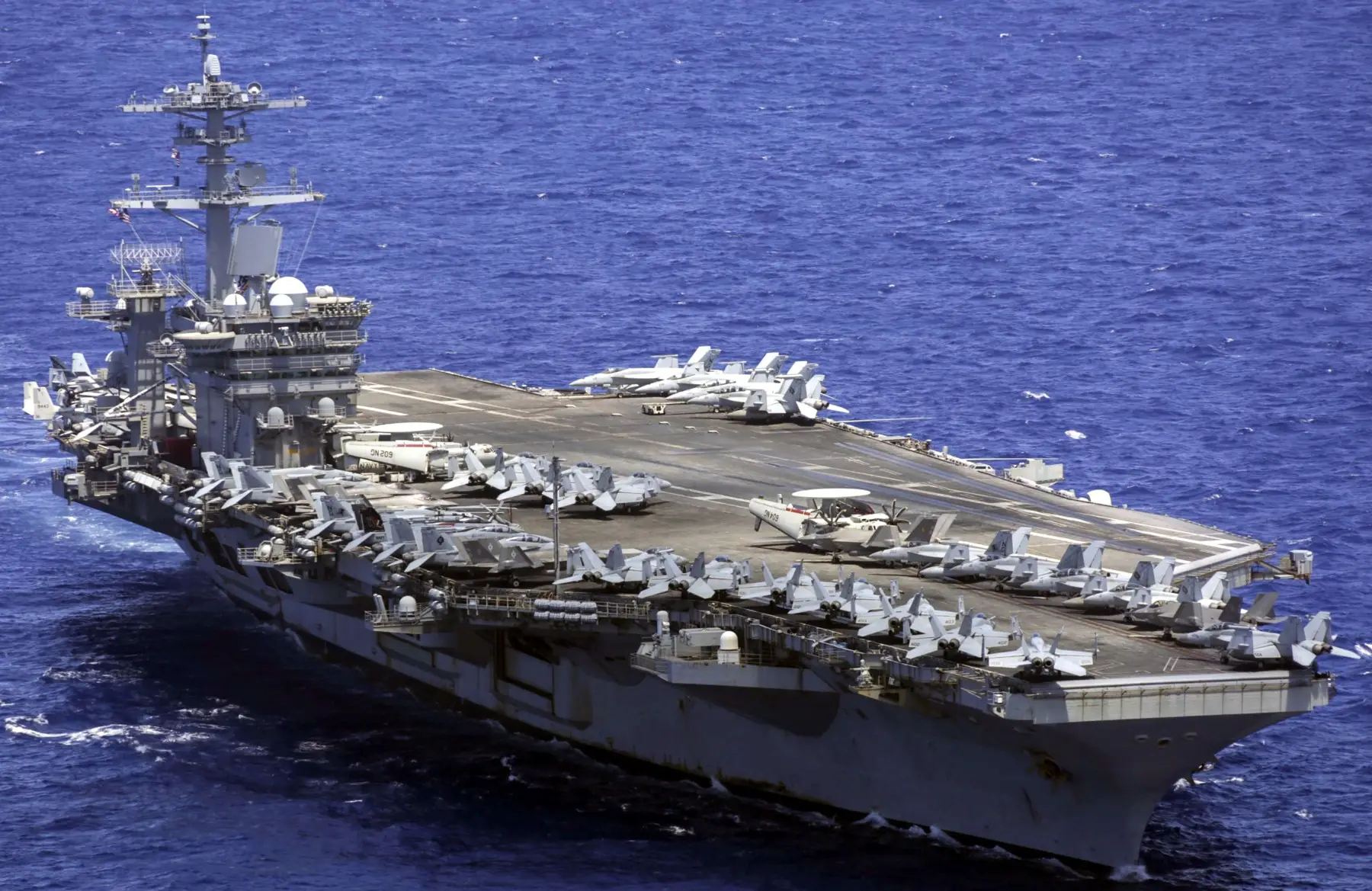
1000s Of Square Metres
Coating an aircraft carrier requires immense manual labour and naval resources. Sailors must routinely apply this grey paint to thousands of square metres of the ship's exterior. A darker shade is often used on the masts to completely hide exhaust soot.
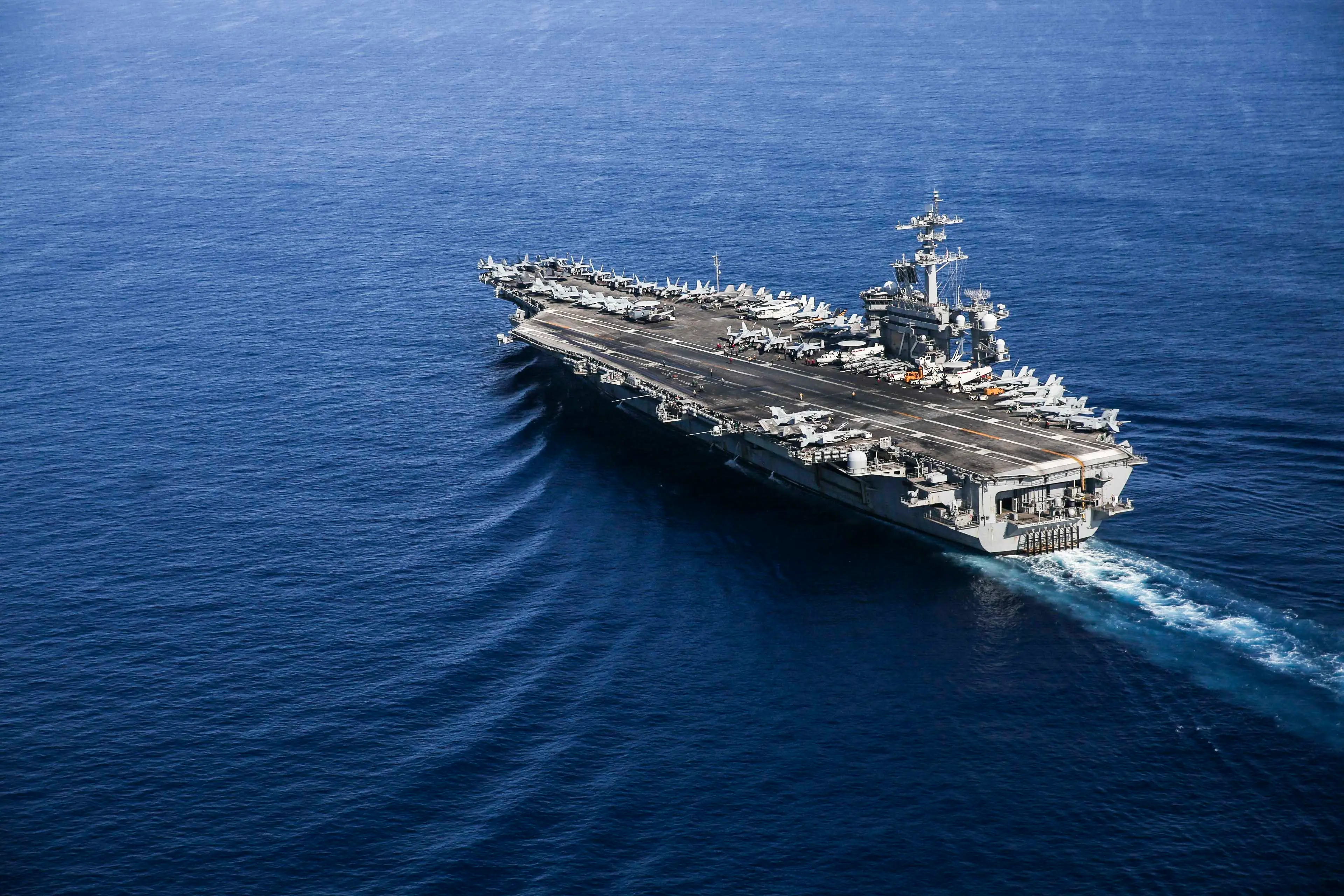
Number 1 Fleet Motto
The specific paint colour is deeply ingrained in the working culture of the naval surface fleet. 'Haze gray and underway' is a traditional and highly popular motto used by sailors. It proudly distinguishes active surface ship crews from shore-based personnel.
)
)
)
)
)