'Happy Birthday Narendra Modi': 10 fascinating facts about the Indian Prime Minister

Narendra Modi first assumed office as Prime Minister of India in May 2014, after his party, the Bharatiya Janata Party (BJP), secured a parliamentary majority. He was re-elected in 2019 and again in 2024.
Early Life and Roots
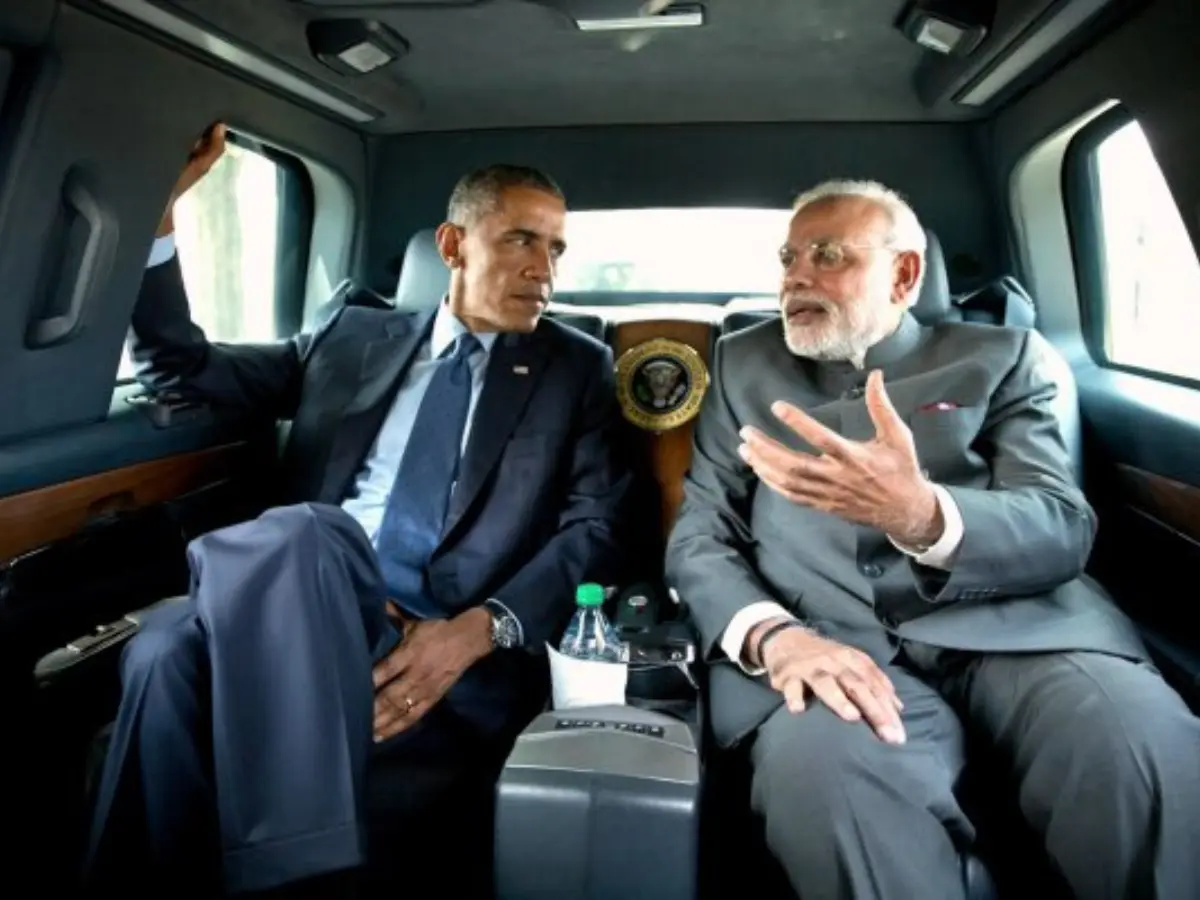
Narendra Damodardas Modi was born on 17 September 1950 in Vadnagar, a small town in what was then Bombay State (now in Gujarat). His upbringing was humble: his father, Damodardas Mulchand Modi, ran a tea stall, and young Narendra helped at that stall. He was the third of six children. These early experiences in a modest household are often credited with shaping his work ethic, his straightforward style, and his connection with ordinary citizens.
Rise in Gujarat Politics
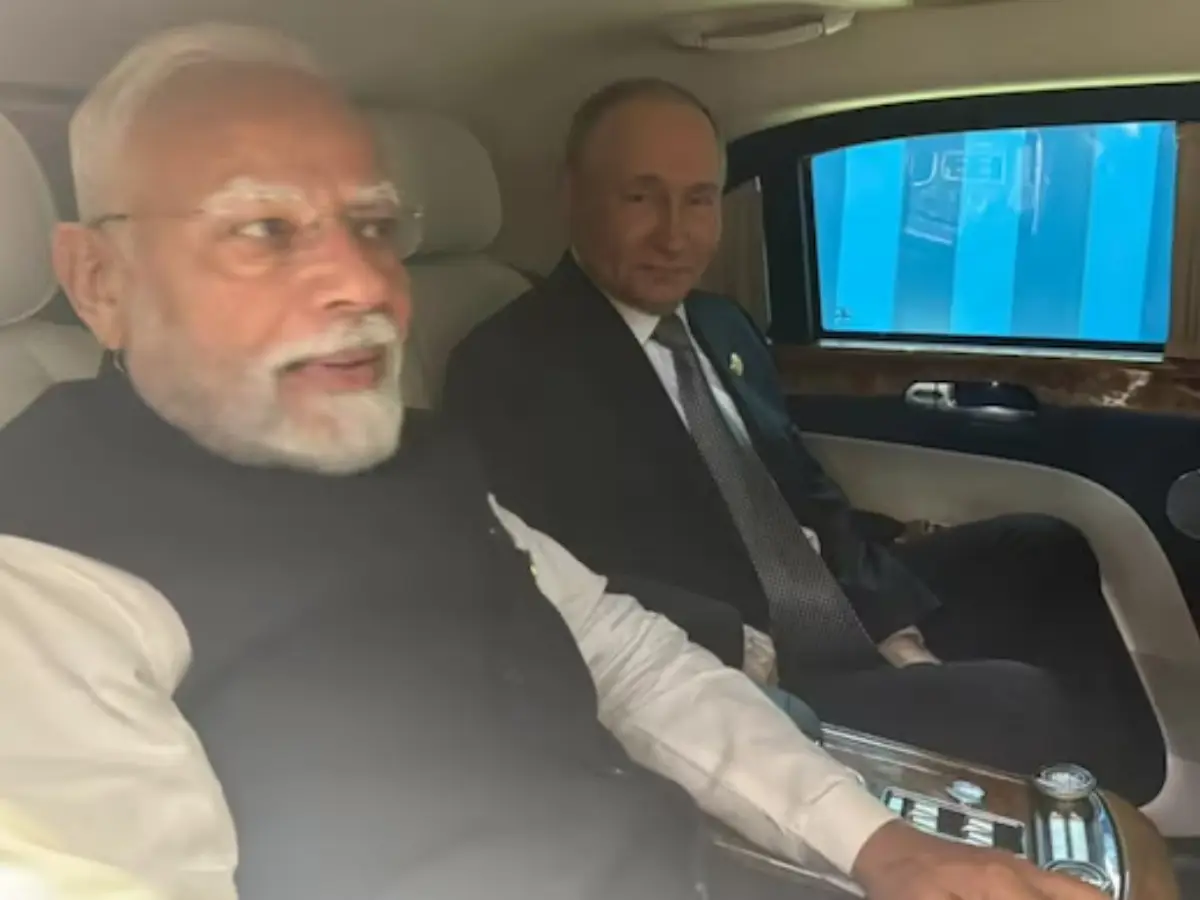
Modi’s political career in Gujarat saw a rapid climb. Prior to becoming Chief Minister, he was involved with the Rashtriya Swayamsevak Sangh (RSS) from a young age, which shaped his ideological leanings. In 2001, he became the Chief Minister of Gujarat, a post he held until 2014. During these years he played a crucial role in developing infrastructure, attracting investments, and building his political brand. These years in state politics established many of the styles and strategies he has used later at the national level.
Prime Ministership Since 2014
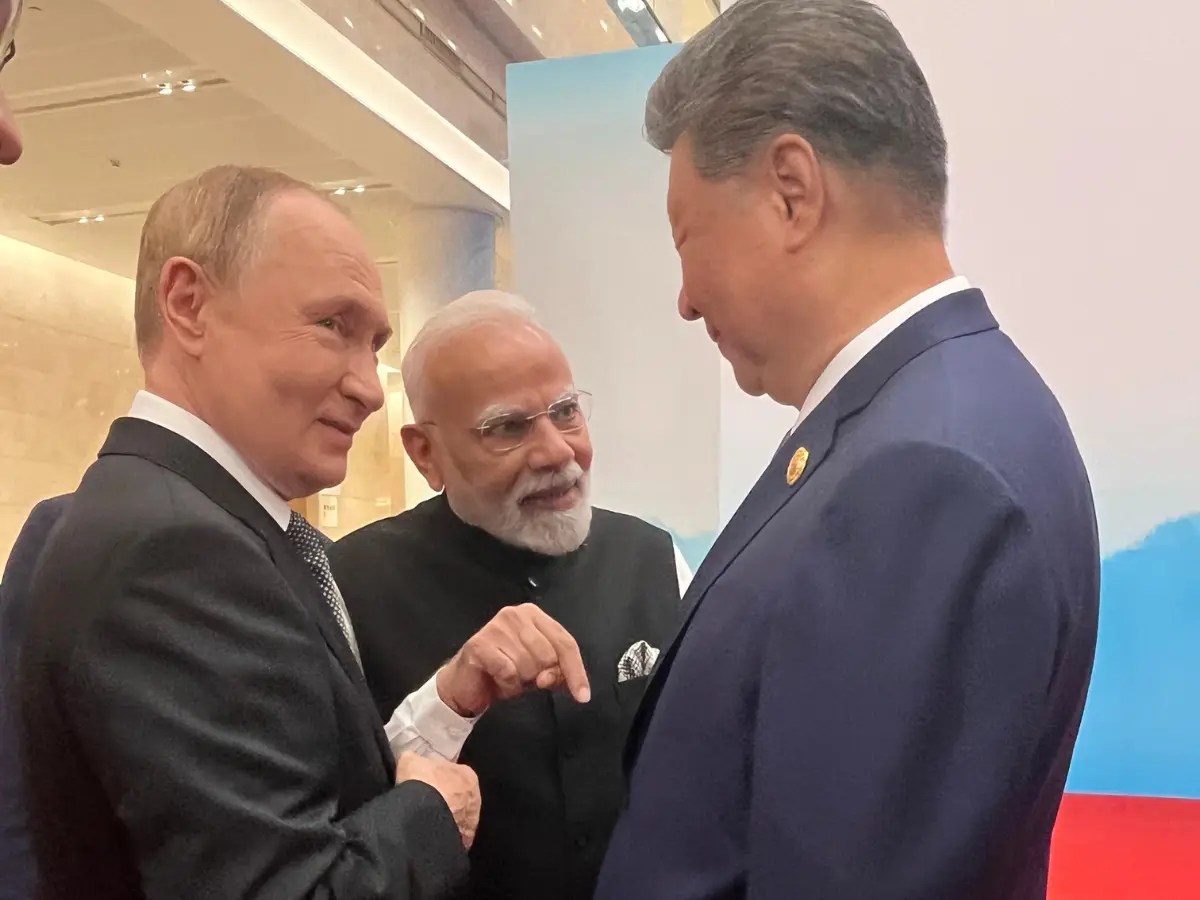
Narendra Modi first assumed office as Prime Minister of India in May 2014, after his party, the Bharatiya Janata Party (BJP), secured a parliamentary majority. He was re-elected in 2019 and again in 2024, making him one of India’s longest-serving post-Independence prime ministers with continuous tenure. Under his leadership, there have been major policy undertakings (e.g. Goods and Services Tax, demonetisation, Swachh Bharat) and big investment in infrastructure. These years have been deeply transformative for both the image of governance and India’s role on the international stage.
Transforming Birthday Celebrations into Public Service
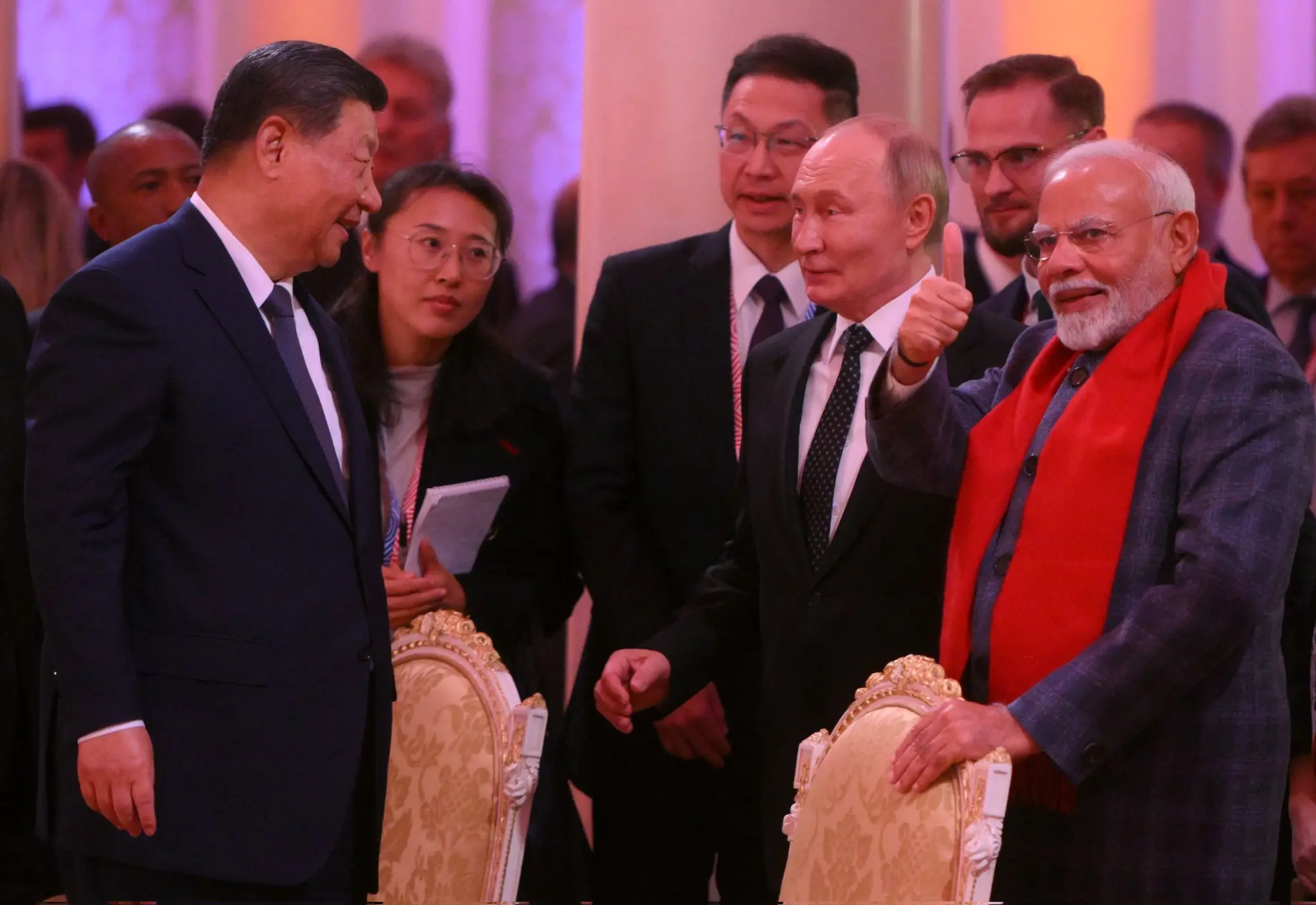
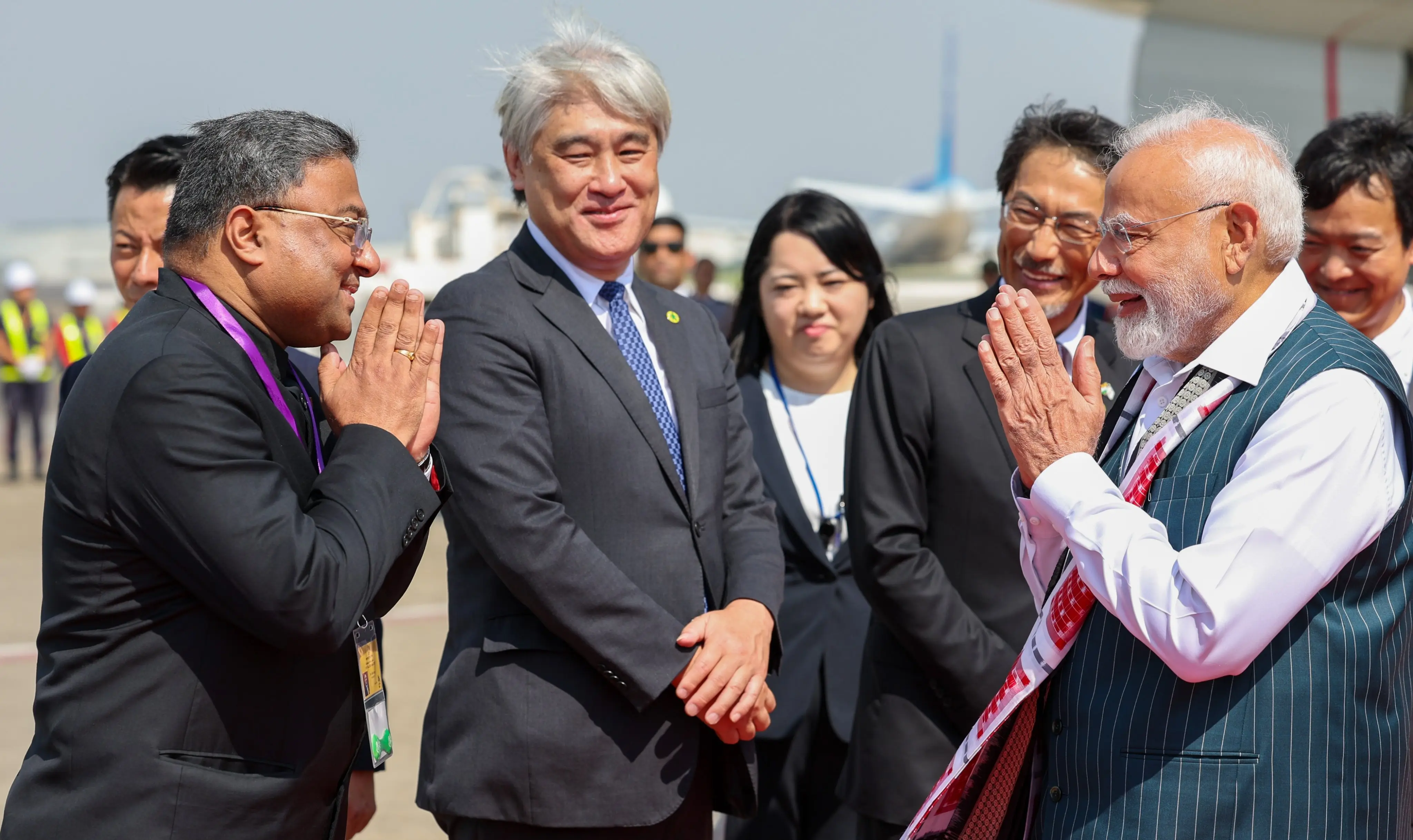
Rather than focusing on personal or private celebrations, Modi has repeatedly used his birthdays as occasions to launch public welfare and development schemes. For example, as his 75th birthday approaches, BJP and affiliated governments are organising “Sewa Pakhwada” a fortnight of service initiatives across the country, including health camps, tree plantations, cleanliness drives, exhibitions on achievements, promotions of Swadeshi products, etc. This turns what might be seen as a purely ceremonial day into an extension of public duty.
Popularity Among Youth (Gen Z)
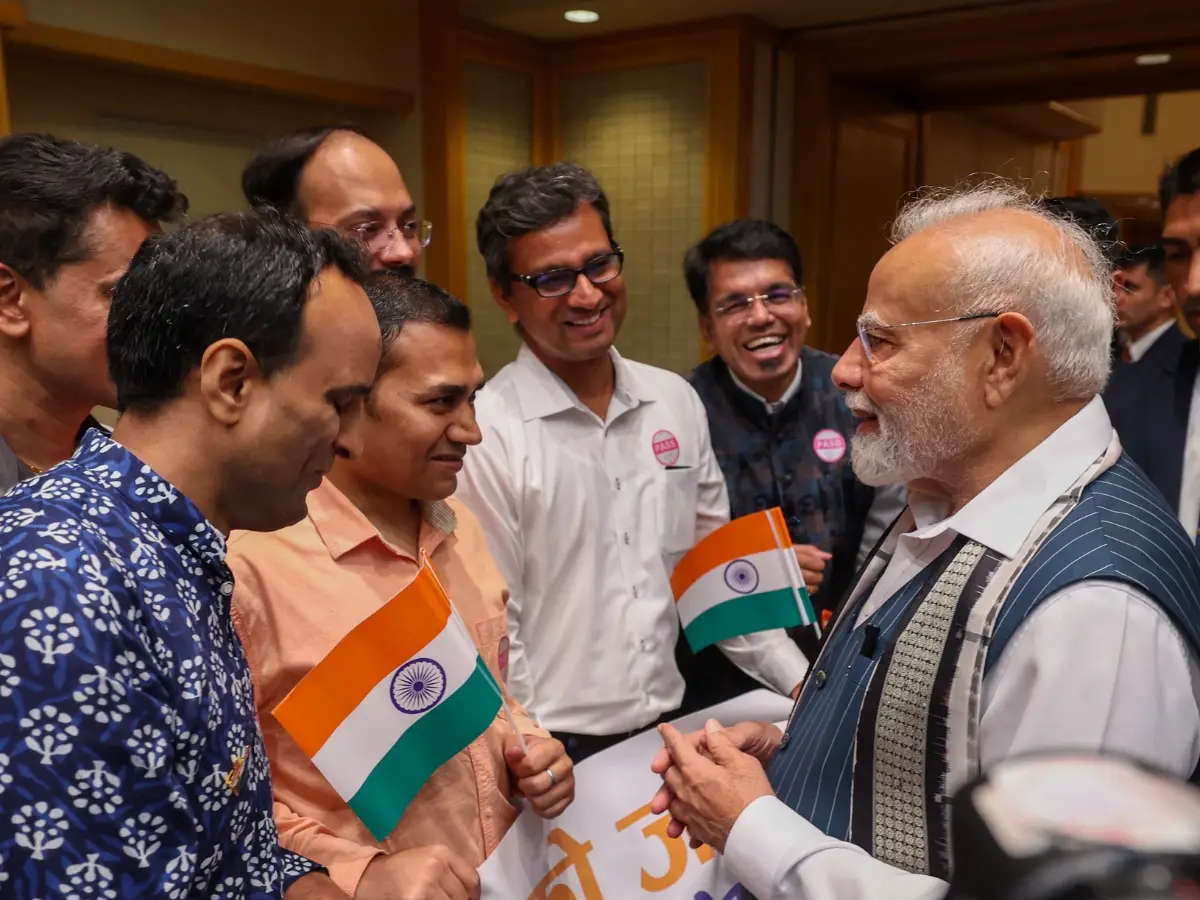
One of the notable features of Modi’s leadership is his appeal among younger generations. Recent surveys indicate that approximately 60 per cent of India’s Gen Z population (those aged ~16-25) approve of his leadership. This is significant, since youth are often seen as impatient with status quo and vocal about issues like job opportunities, technology access, and personal freedoms. Modi’s use of social media, schemes aimed at skills and entrepreneurship, and visible youth-oriented campaigns contribute to this popularity.
“75” as a Symbolic Threshold
Turning 75 carries symbolic weight within Modi’s own party (BJP) and among its ideological parent, the RSS. In Indian political tradition, unwritten though powerful, many BJP veterans retire or are eased out of frontline roles upon reaching 75. Modi has been questioned in some quarters on whether he will follow this implicit norm or whether it applies to him. The milestone thus stirs up discussions about leadership, succession, and generational change.
Massive State-wide Initiatives to Mark the 75th Birthday
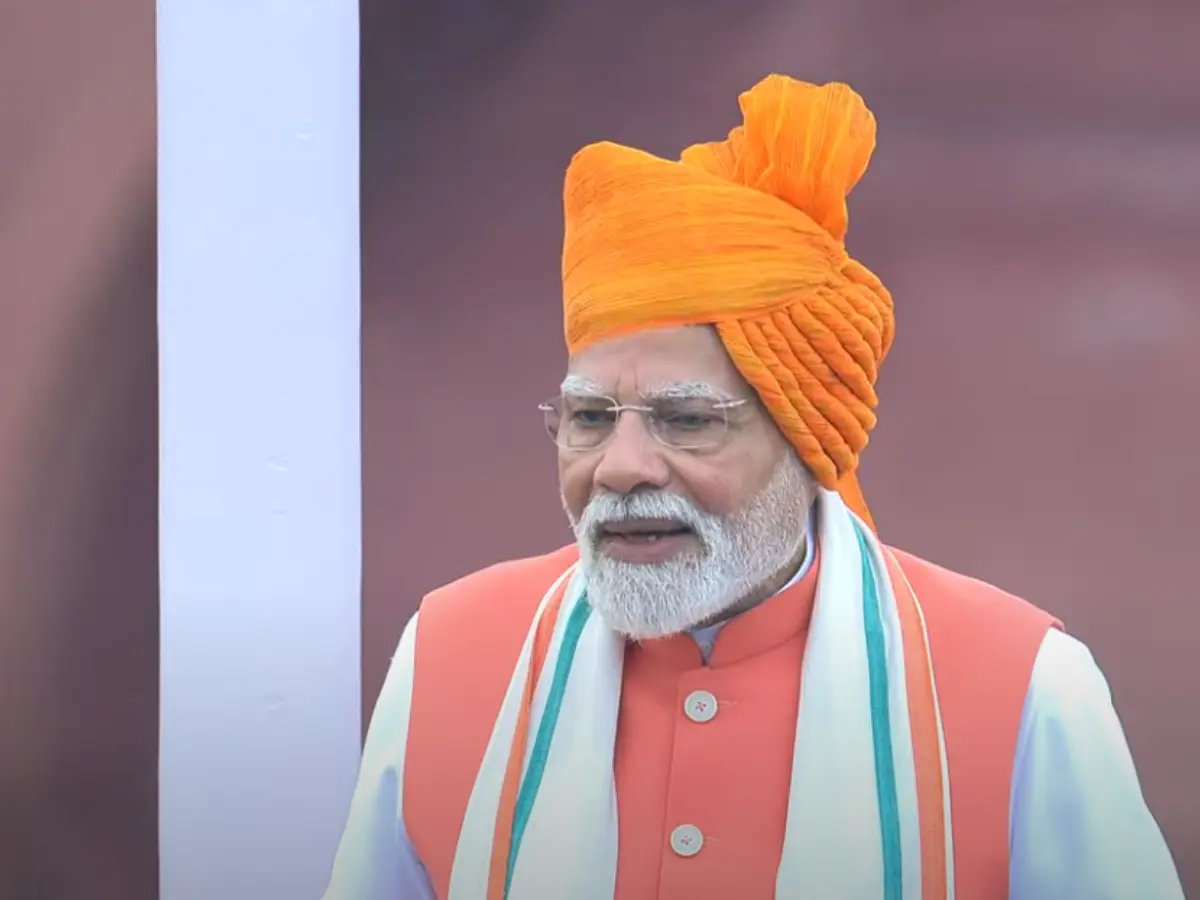
Across India, governmental bodies are organising programmes to mark Modi’s 75th birthday in ways aimed at public welfare. For instance, in Gujarat there will be over 1.41 lakh health camps, many specialist camps, a large number of screening sessions, plus mega blood donation drives. Other states are planning mass tree-planting drives; Delhi is launching “Seva Pakhwada” with 75 services and schemes to be inaugurated, sanitation drives, hospitals, and improvement in civic amenities. These are not symbolic alone, but meant to reach the grassroots.
Balancing Modernisation with Tradition
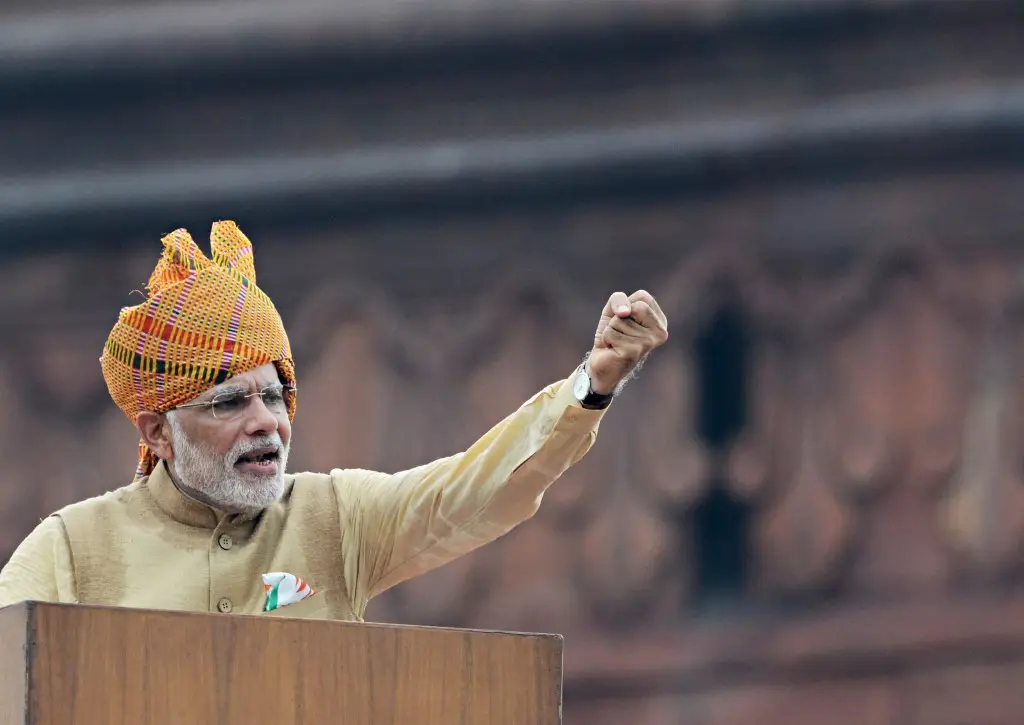
Modi’s governance style often tries to blend modernisation (digital initiatives, infrastructure, technology) with traditional or cultural touchpoints. Examples include promotion of Swadeshi products, integrating local crafts, focusing on cleanliness and temple restoration, and emphasizing cultural symbols. This blending helps him maintain support among conservative and traditionalist voters, while also appealing to those who seek development and modern governance. It’s part of what many analysts say is his political strength.
Personal Connexion with the Public
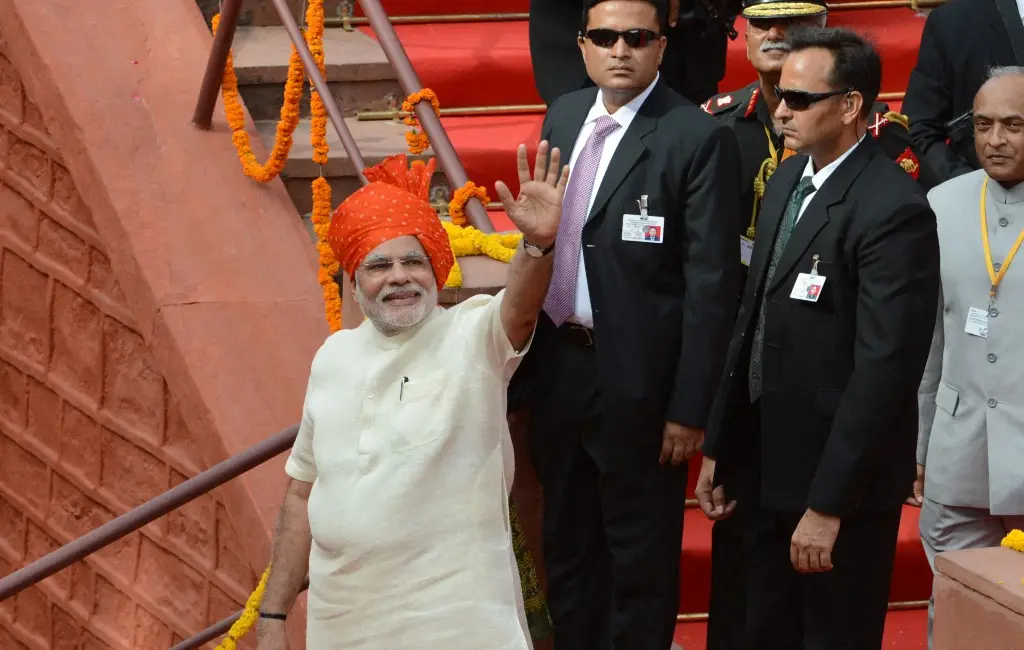
One of Modi’s distinguishing features is how often he communicates directly with citizens. His radio programme Mann Ki Baat has had over 100 episodes, making him one of the few leaders to regularly address the populace in a semi-personal style. He also takes part in grassroots events, sometimes breaking protocol (e.g. mingling with schoolchildren, meeting people outside formal settings) to project approachability. This sense of personal engagement is central to his identity as “people’s Prime Minister.”
Looking Ahead: Viksit Bharat @ 2047
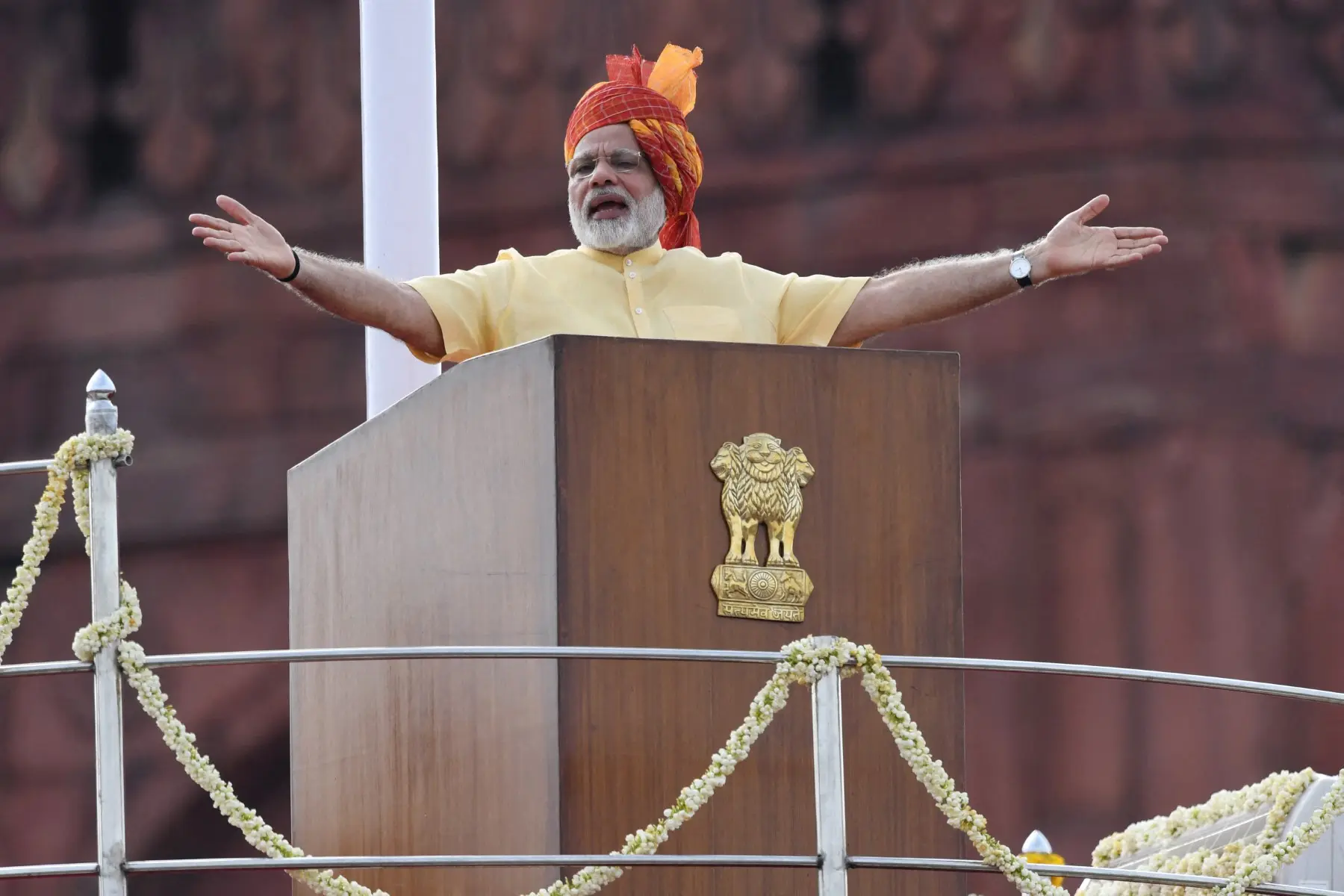
As he turns 75, Modi and his party are increasingly framing the future in long-term terms. One of the themes tied to his 75th birthday celebrations is “Viksit Bharat @ 2047” a roadmap to take India to developed-nation status by the centenary of independence. Many of the programmes being launched now are being pitched as laying the foundation for this future: in health, infrastructure, education, environmental sustainability. It suggests that Modi is focused not only on legacy, but on putting in place systems that can endure beyond his own term.
)
)
)
)
)