‘Half-tank rule’: Does keeping your fuel tank full improve mileage?

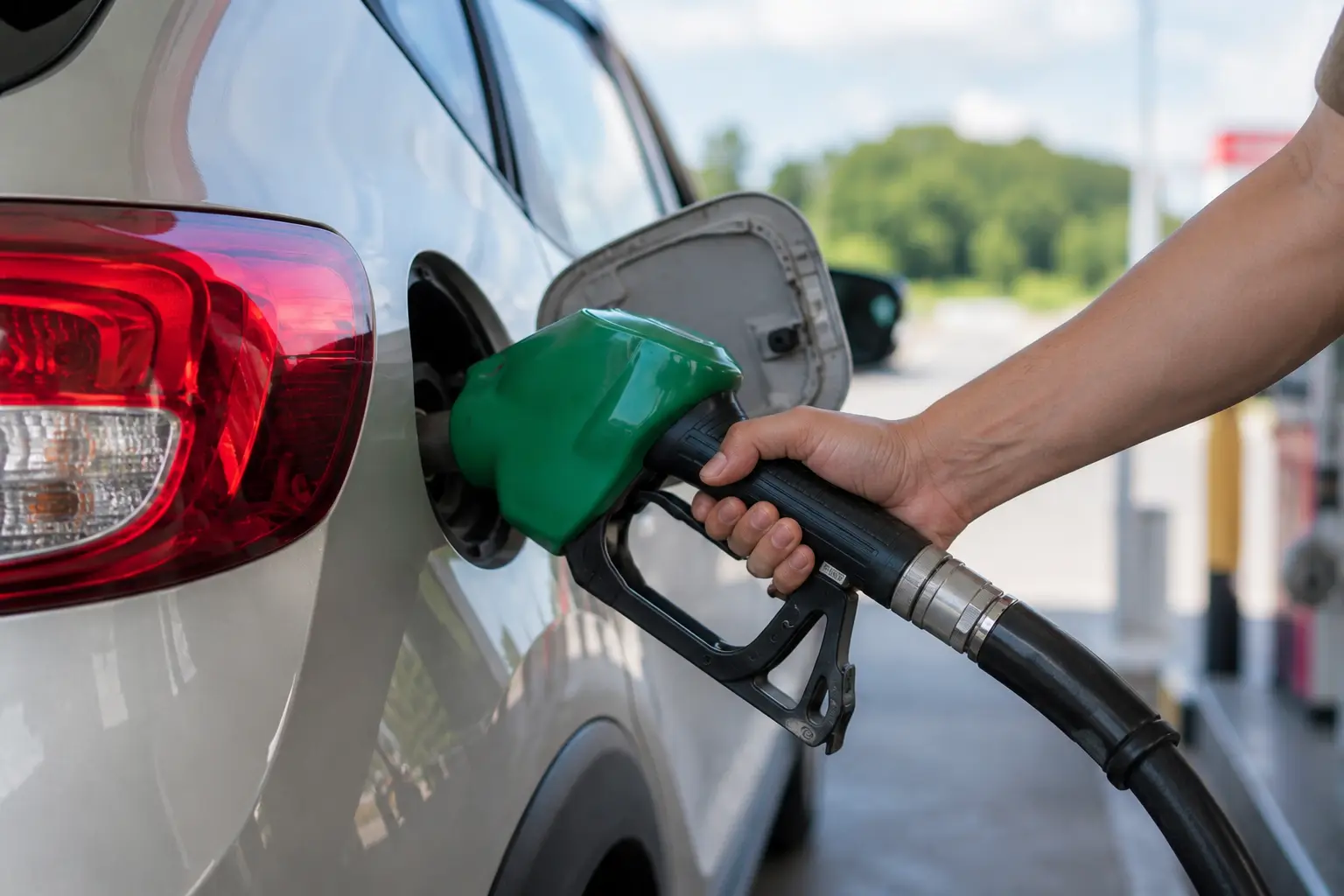
A full tank adds extra weight, slightly reducing your mileage. However, keeping fuel above the halfway mark prevents costly fuel pump overheating and stops internal moisture condensation.
40 kg Extra Weight
A completely full fuel tank adds roughly 40 kilogrammes of weight to an average passenger car. This extra mass forces the engine to work slightly harder during regular acceleration. Carrying less fuel makes the vehicle physically lighter and can marginally improve your overall mileage on daily commutes.

Saves 2 per cent
Automotive studies show that reducing a vehicle's weight by 45 kilogrammes improves fuel efficiency by up to 2 per cent. Therefore, driving with a half tank instead of a full one yields a tiny but measurable increase in your kilometres per litre. Lighter vehicles always require less mechanical effort to move.

Under 25 per cent
While running on a mostly empty tank saves weight, it risks damaging internal engine parts. The electric fuel pump relies on submerged petrol to remain cool and properly lubricated while operating. Driving consistently below the 25 per cent mark can overheat and permanently damage this highly sensitive component

Rs 15,000 Pump Repair
Replacing a burnt-out fuel pump is a costly mechanical repair, often exceeding Rs 15,000 depending on the specific vehicle model. The minor fuel savings gained from extreme weight reduction are quickly erased by the hefty price of replacing overheated engine parts. It is simply not worth the financial risk.

Zero per cent Moisture
Leaving a fuel tank mostly empty allows humid outside air to fill the vacant space, leading to rapid condensation. Water droplets can then form inside the metal or plastic tank and mix directly with the fuel. Keeping the tank at least half full prevents this moisture buildup and protects the injectors.

Zero Evaporation Loss
Modern cars feature sealed Evaporative Emission Control Systems that completely trap any petrol vapours. Whether your tank is completely full or half empty, you lose zero per cent of your fuel to evaporation. The system safely stores these fumes and sends them back into the engine to be burned.

50 per cent Rule
Automotive experts recommend following the 50 per cent rule as the perfect balance for daily drivers. Keeping the tank half full minimises unnecessary vehicle weight for better mileage. Simultaneously, it ensures the internal fuel pump remains adequately cooled, lubricated, and protected from severe mechanical failure.
)
)
)
)
)