'Iran-US tensions': What Jolly Green II on USS Abraham Lincoln means for a war with Iran

The Jolly Green II is equipped with a prominent refueling probe, allowing it to take fuel mid-air from HC-130J tankers.
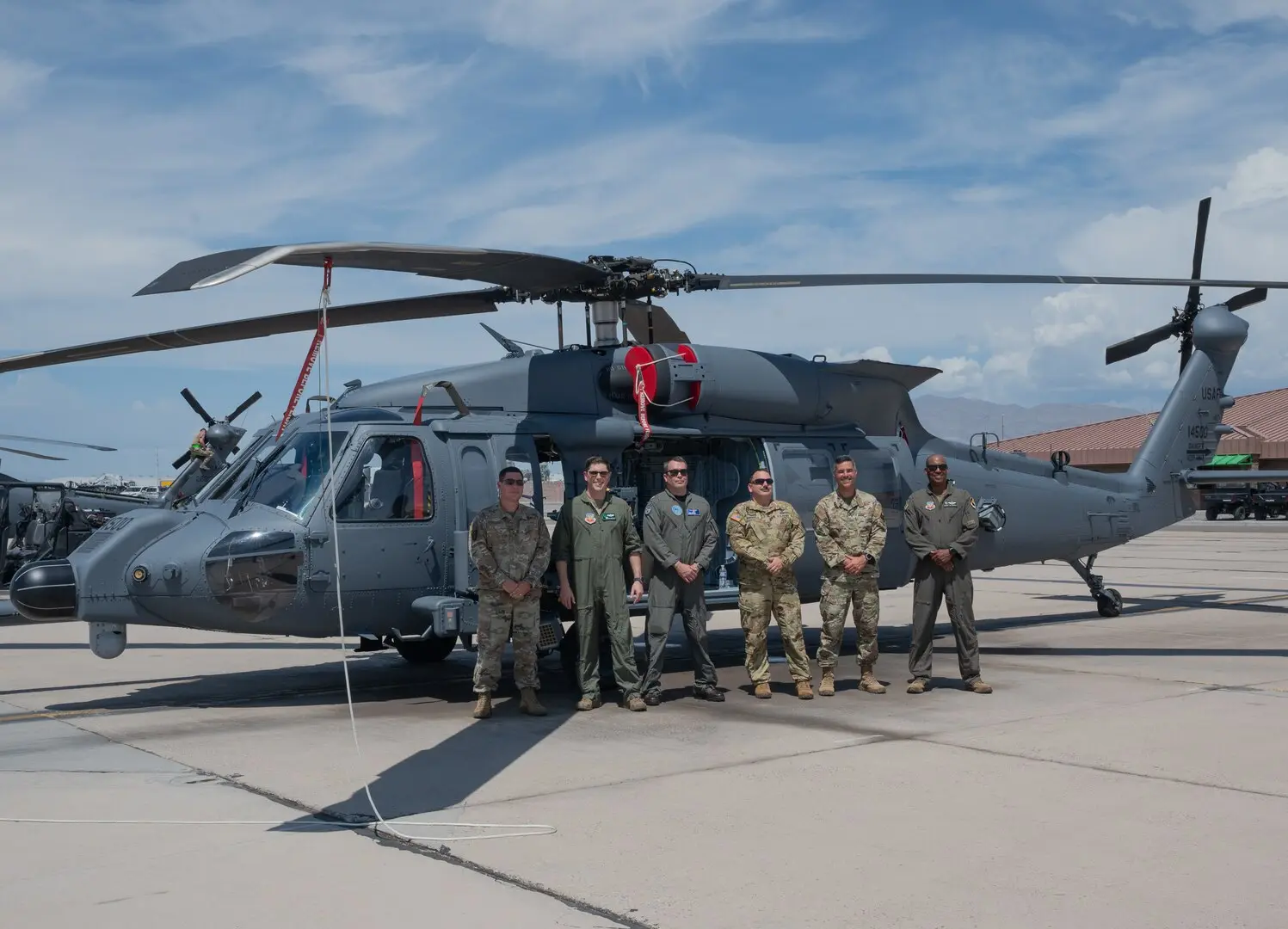
1. The Ultimate Safety Net for Pilots
The primary mission of the HH-60W Jolly Green II is Combat Search and Rescue (CSAR). Its presence on the Lincoln means the Pentagon is preparing for the reality that U.S. pilots will be shot down by Iran’s advanced S-300 or S-400 surface-to-air missiles. You don't deploy the world's most advanced rescue helicopter unless you are planning to send pilots into the most dangerous "no-fly" zones on earth.
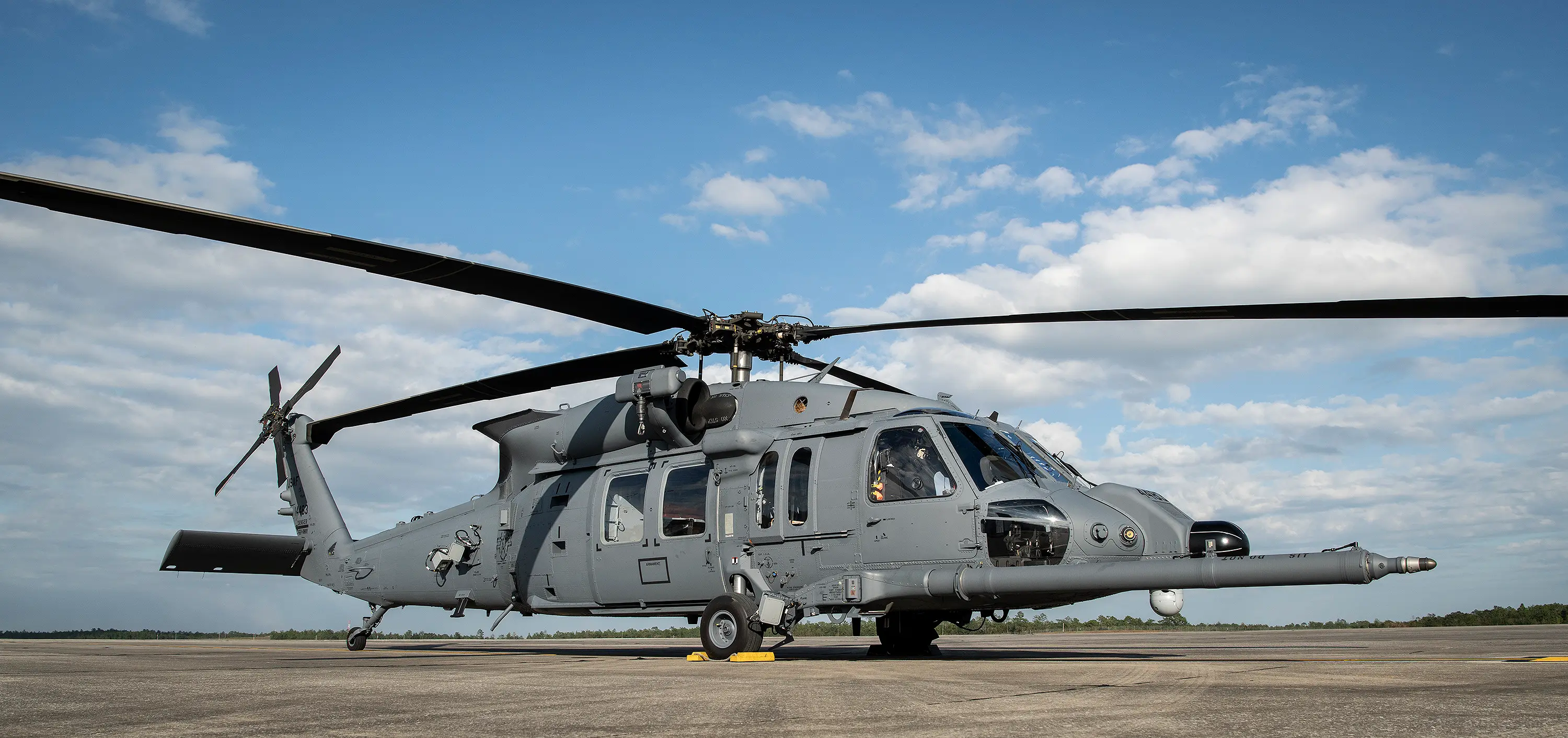
2. Built for the "Hot" Zone
Unlike standard transport helos, the "Whiskey" (HH-60W) is armored and bristling with weapons. It features a robust suite of digital sensors and defensive systems designed to detect and jam enemy radar and infrared-guided missiles. If a pilot goes down near a high-value Iranian target, the Jolly Green II is designed to "fight its way in and fight its way out" of heavily defended territory.
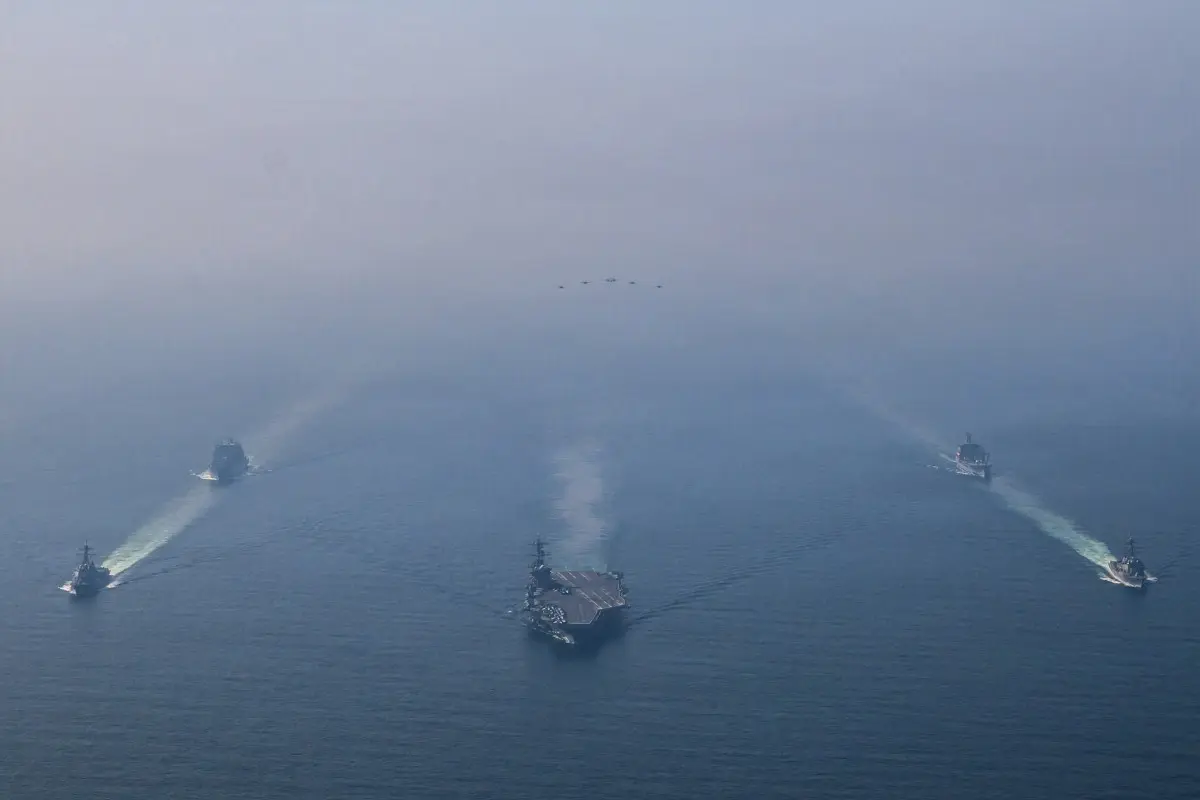
3. The Massive Fuel Advantage
One of the Jolly Green II’s most critical upgrades is its fuel capacity. It carries double the internal fuel of a standard Black Hawk without needing bulky, space-consuming auxiliary tanks. This allows it to fly deeper into the Iranian mainland, potentially reaching high-value targets near Tehran or Isfahan and stay on station longer to find a hidden or moving survivor.
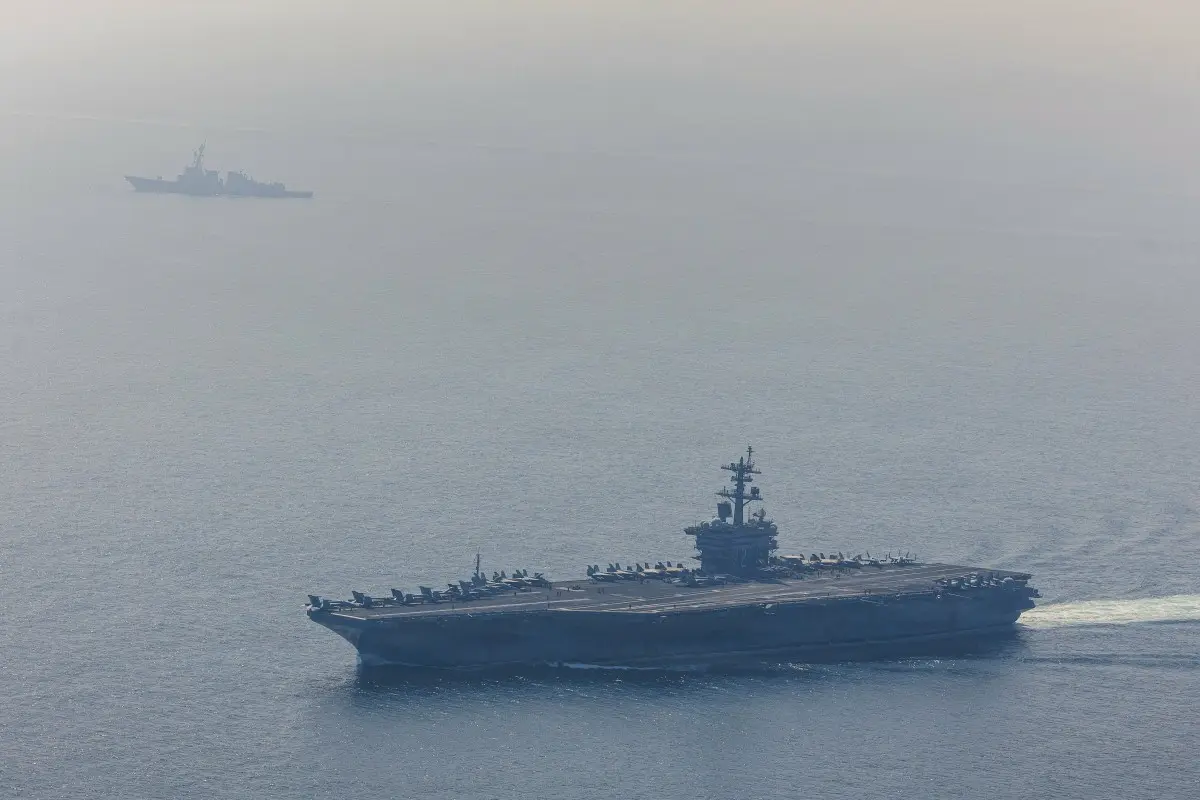
4. The Aerial Refueling "Air Bridge"
The Jolly Green II is equipped with a prominent refueling probe, allowing it to take fuel mid-air from HC-130J tankers. When connected to the Lincoln’s strike group operations, this gives the helicopter nearly "unlimited" range. It can launch from the Arabian Sea, hover deep inside Iran for hours, and return to the carrier, making the entire Iranian landscape a viable rescue zone.
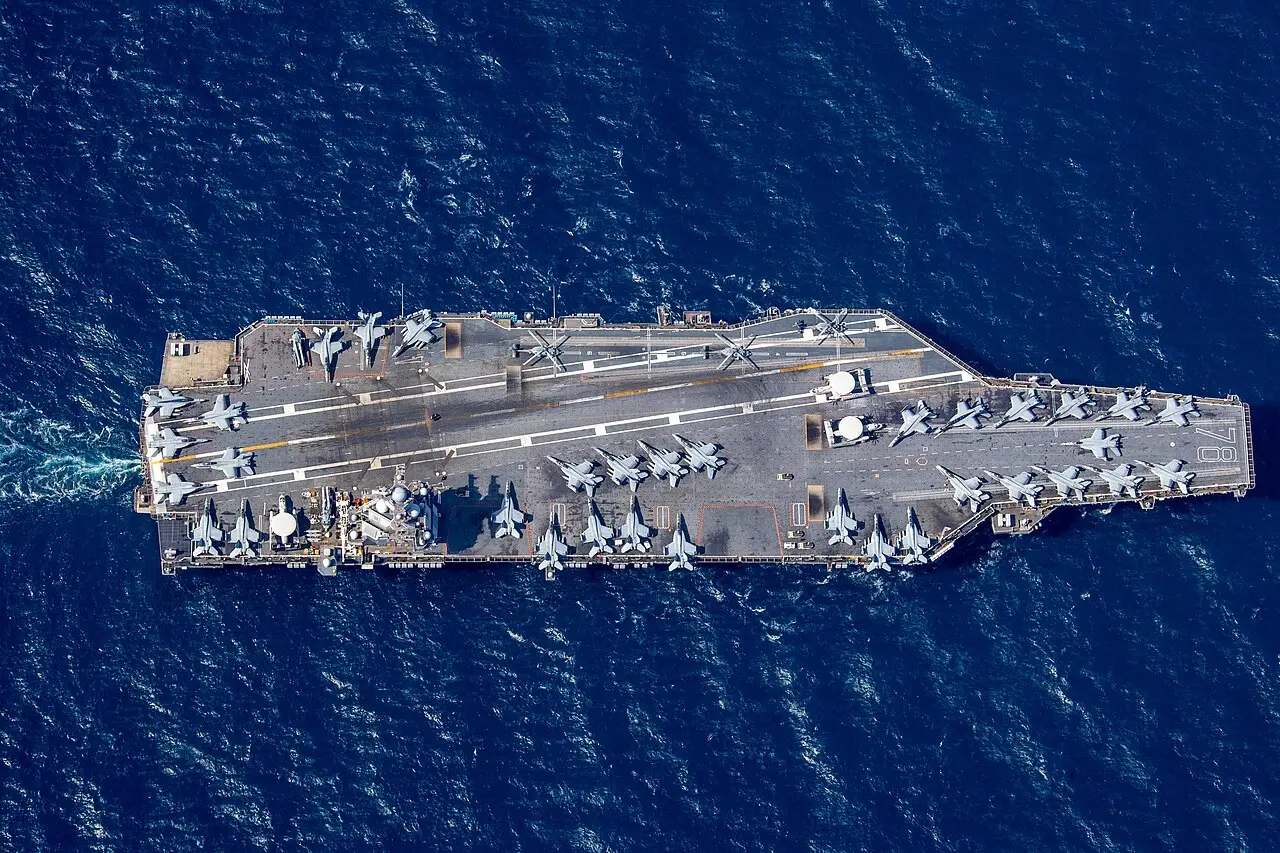
5. Special Ops: The "Green" Light for Ground Teams
While its name says "Rescue," the Jolly Green II is also a premier platform for inserting and extracting elite Special Operations teams (like Navy SEALs or Pararescuemen). Its deployment suggests that if a "decapitation strike" or a raid on a nuclear facility occurs, the Lincoln has the specific asset needed to pull those ground teams out of the fire at a moment's notice.
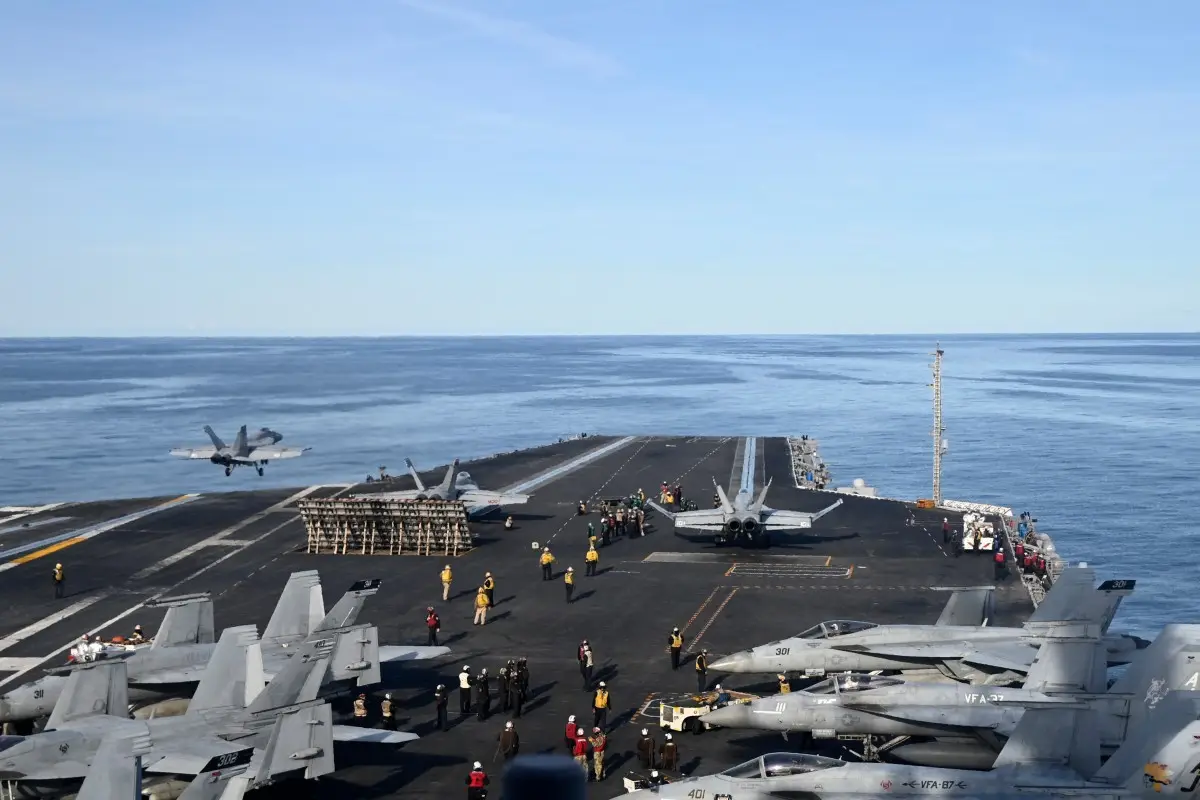
6. All-Weather, All-Night Dominance
Iran’s geography is notoriously difficult, featuring jagged mountains and vast deserts. The Jolly Green II is packed with advanced FLIR (Forward Looking Infrared) and terrain-following radar, allowing it to fly at tree-top level in total darkness or through heavy sandstorms. This gives the U.S. a "night-vision" advantage that Iranian ground forces struggle to match, allowing for rescues when the enemy is most vulnerable.
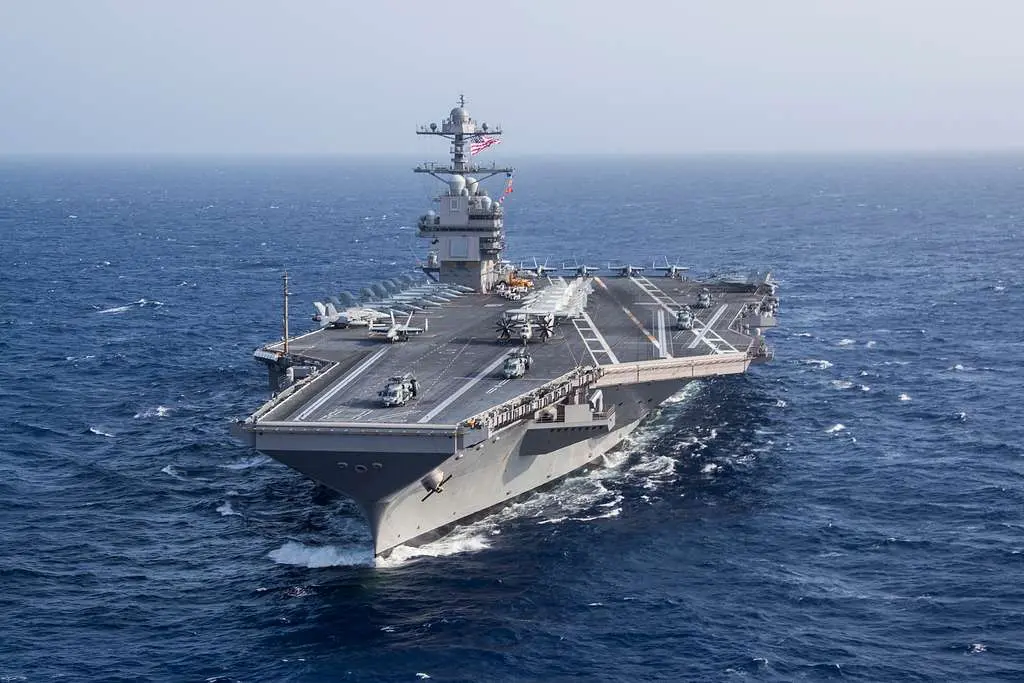
7. Sustaining Morale Before the First Shot
Beyond the hardware, the Jolly Green II is a psychological tool. Knowing that the Lincoln has a dedicated, high-tech "recovery force" waiting in the wings increases the aggression and confidence of the strike pilots. The motto of the Jolly Green crews is “That Others May Live” and their arrival signals that the "living" part of the war is about to get very, very dangerous.
)
)
)
)
)