'Greenland or Gas': How US can force Europe to surrender even without firing a shot

Brussels is hoping Norway can fill the gap. They can't. Norway’s pipelines are running at 99 per cent capacity and have been for two years. There is no "spare valve" to open. Unlike 2022, there is no extra capacity in the North Sea to save Germany or France.
1. The "New Trap": 58% Dependence
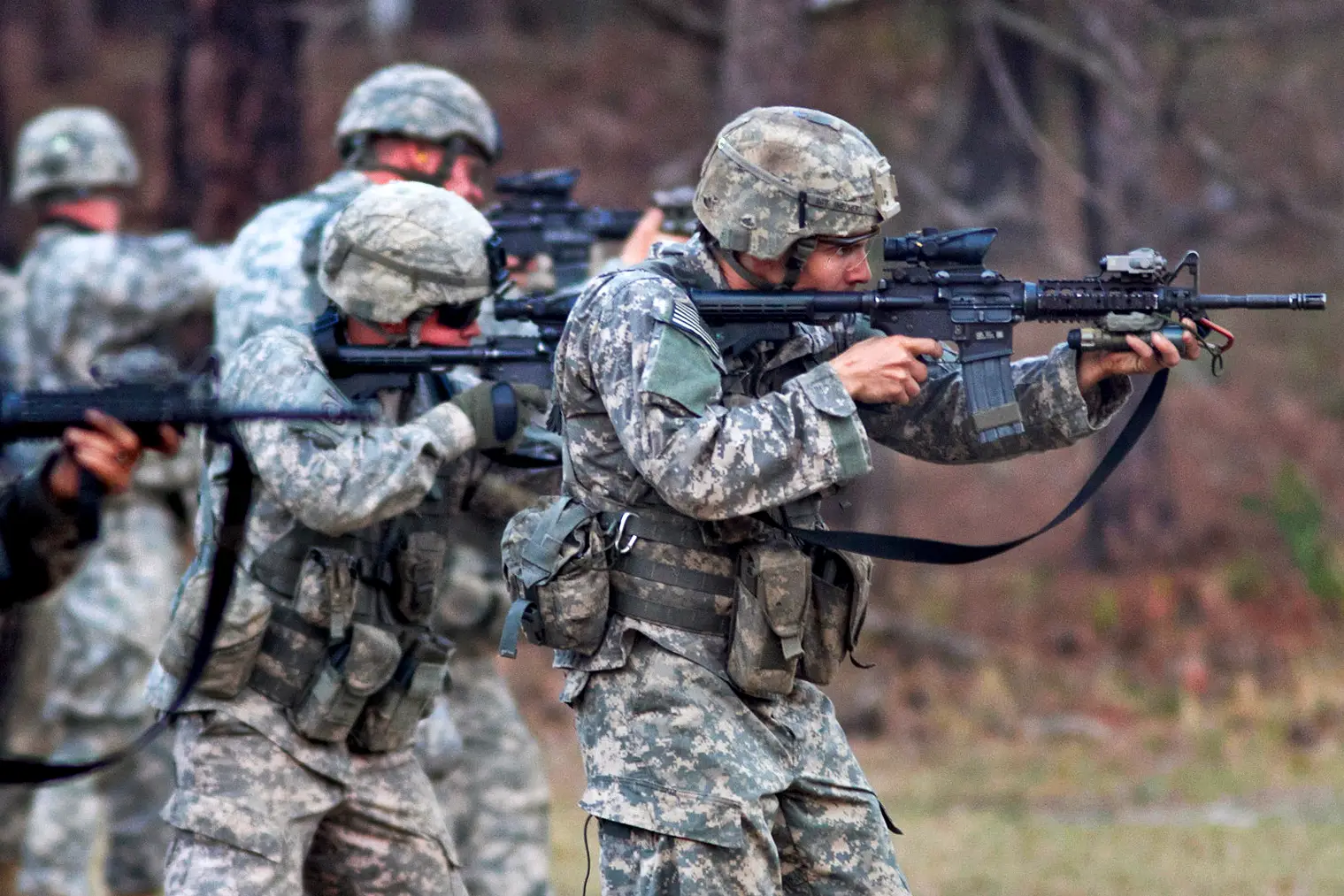
Europe made a fatal strategic error. After cutting off Russian gas in 2022, the EU didn't become energy independent; they simply switched dealers. As of late 2025, 58 per cent of Europe’s LNG comes from the United States. If President Trump signs an Executive Order halting those shipments, more than half of Europe’s imported gas supply vanishes overnight.
2. The Timing: "General Winter" is on Trump's Side
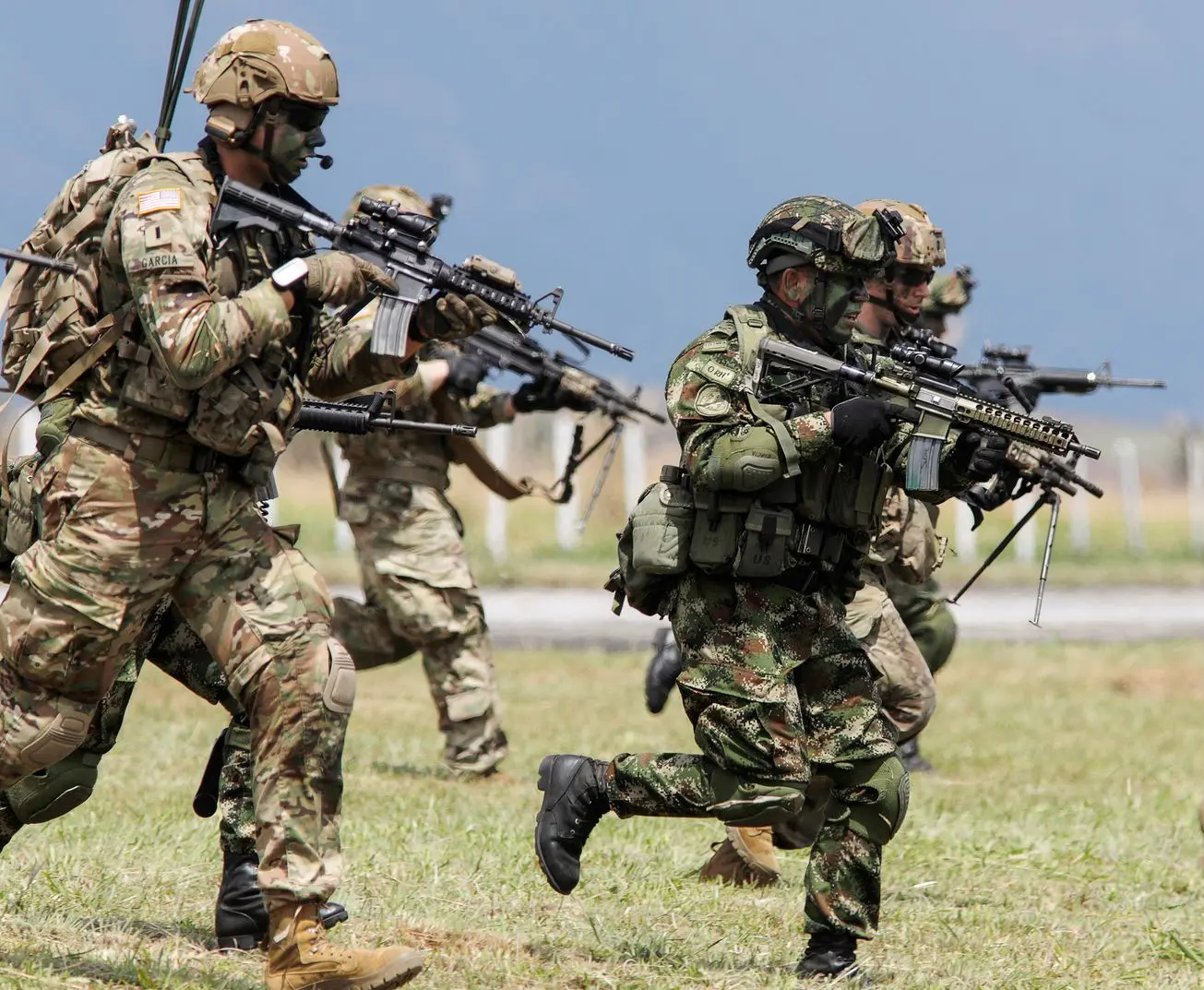
The crisis is peaking in January 2026, typically the coldest month of the year. European gas storage is currently at 65 per cent capacity, enough to survive a mild winter, but not enough to survive a total US cutoff. Without the constant arrival of American "LNG Armada" tankers, major European cities would face rolling blackouts within 21 days.
3. The Norwegian Ceiling: There is No Backup
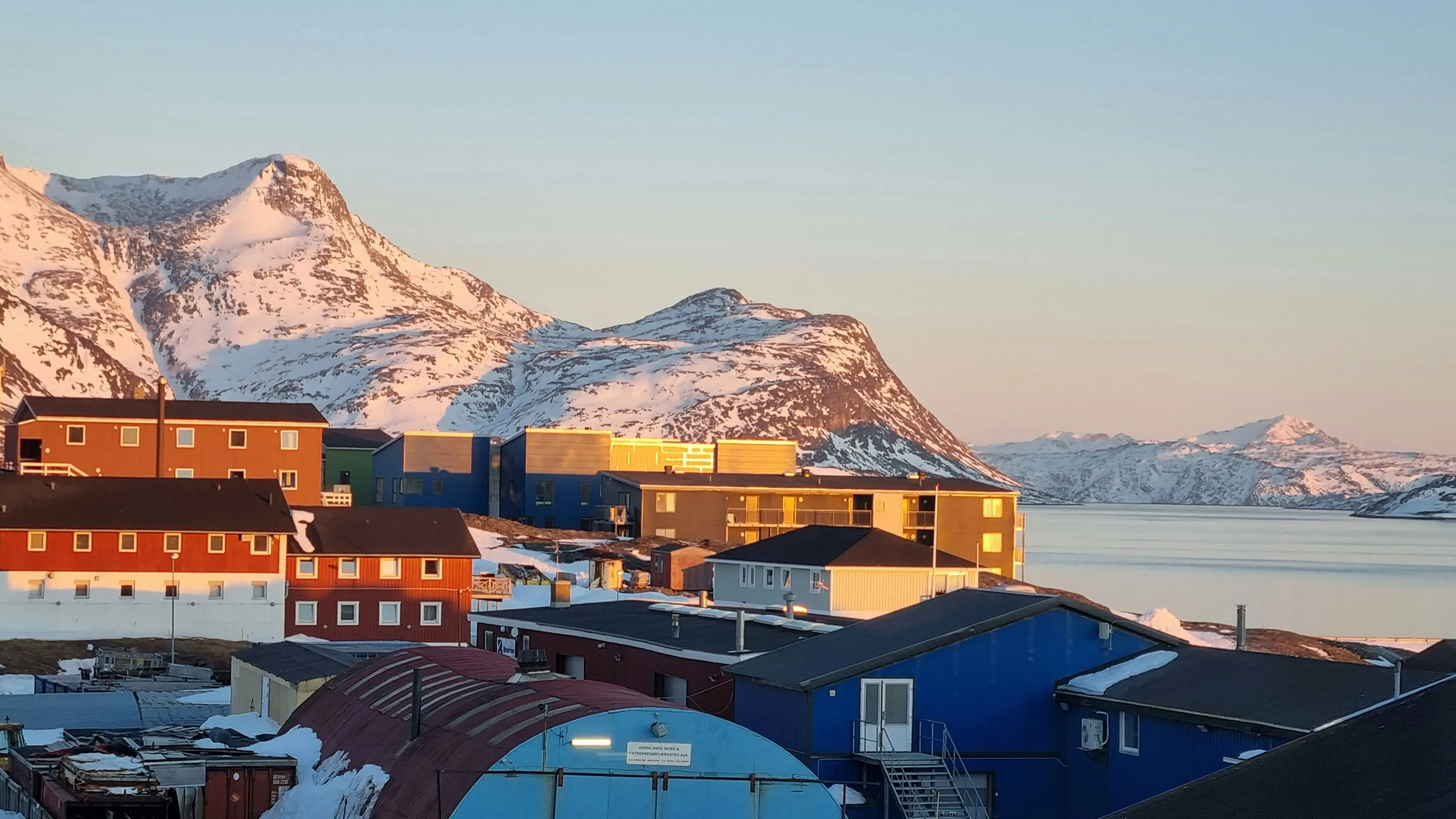
Brussels is hoping Norway can fill the gap. They can't. Norway’s pipelines are running at 99 per cent capacity and have been for two years. There is no "spare valve" to open. Unlike 2022, there is no extra capacity in the North Sea to save Germany or France.
4. The Qatari Handcuffs: Asia Comes First
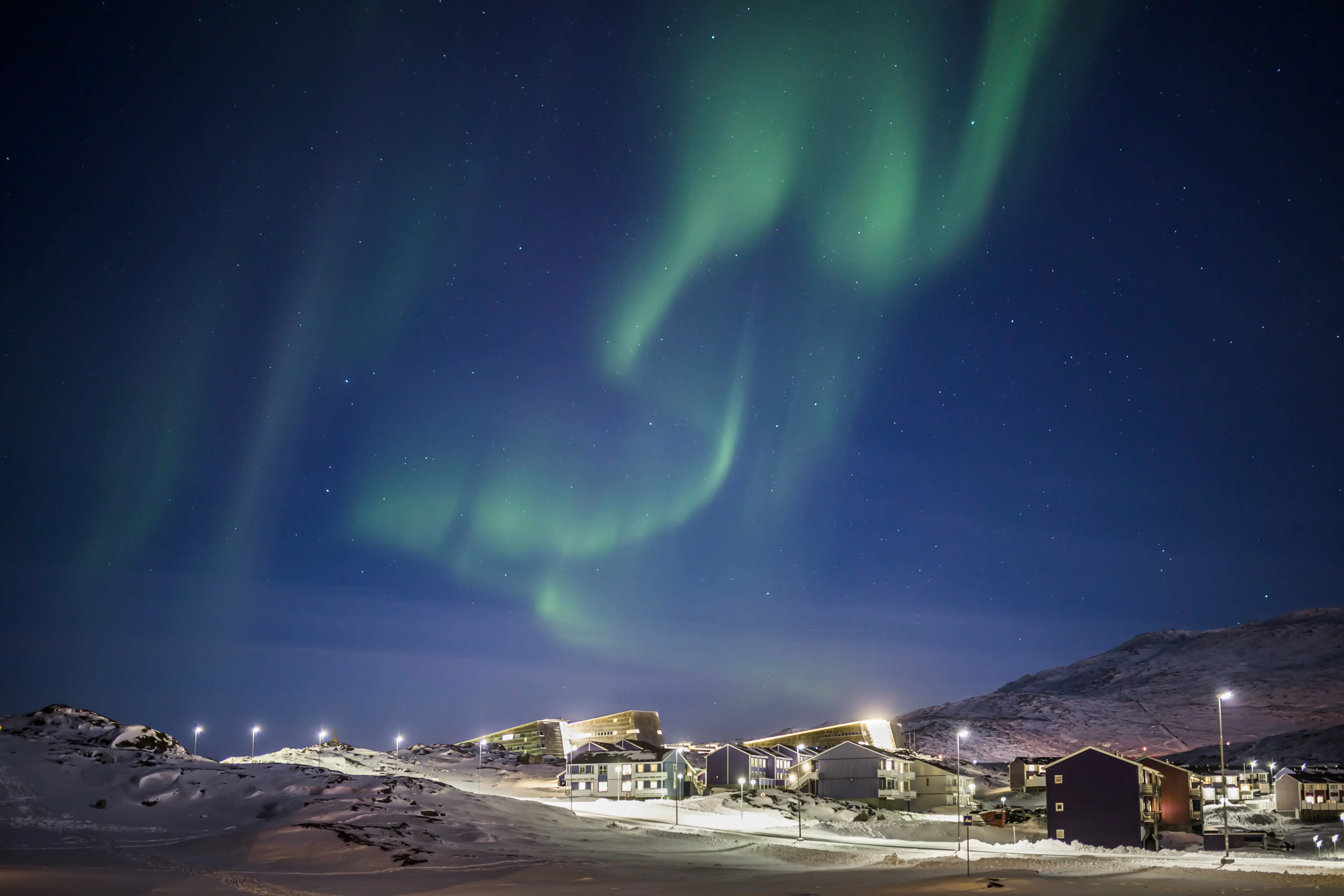
Why not buy from Qatar? Because the US knows the contracts. Qatar’s LNG output is largely locked into long-term contracts with Asian buyers (China, Japan, South Korea). They physically cannot divert ships to Europe without breaching contracts, and the new "North Field" expansion projects won't bring new gas online until late 2027, too late to save Nuuk.
5. The Industrial Heart Attack (German BASFs)
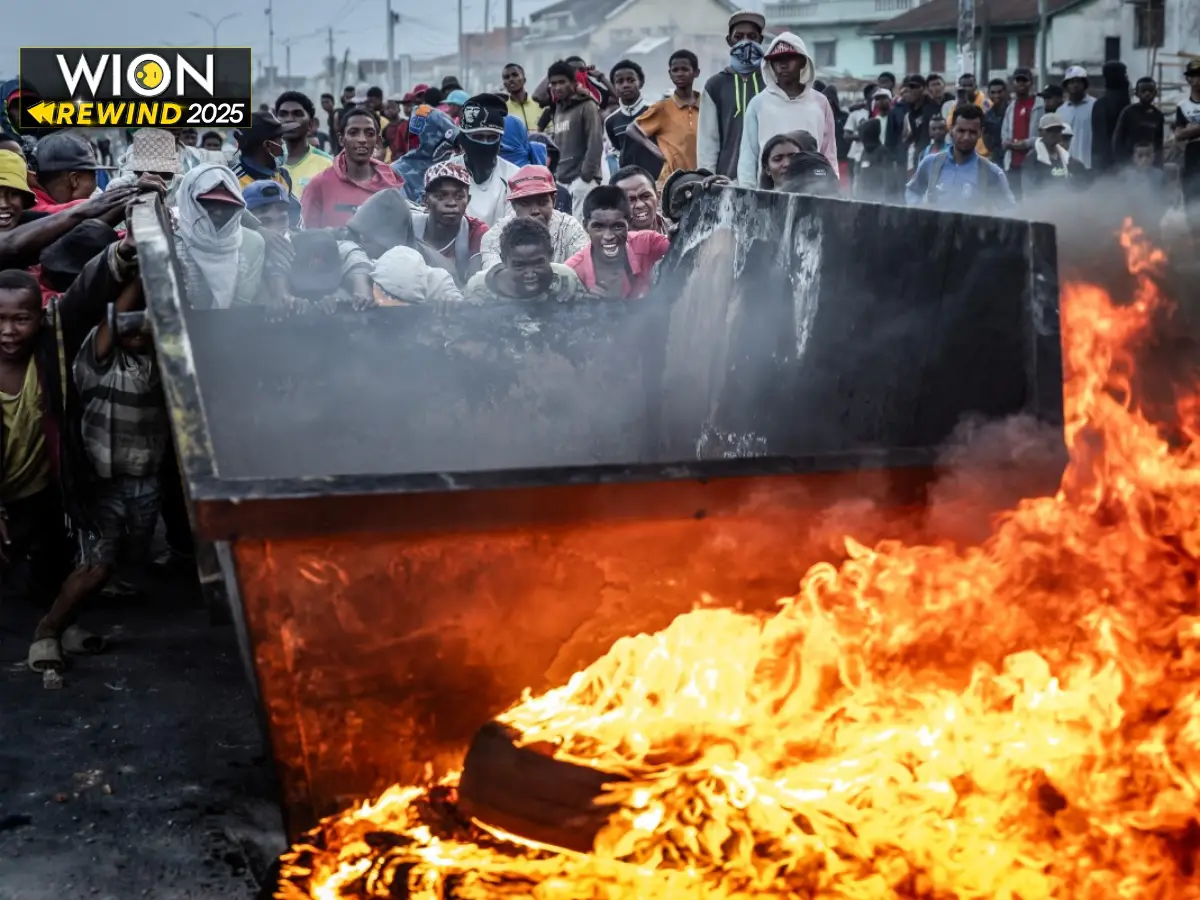
It’s not just about heating homes; it’s about jobs. Germany’s massive chemical and heavy industry sectors (like BASF) rely on constant affordable gas flows. An embargo would force an immediate industrial shutdown, causing billions in losses per day and triggering mass layoffs across the EU. The German Chancellor would likely be forced to veto the Greenland defense mission to save the German economy.
6. The "Spot Market" Weapon
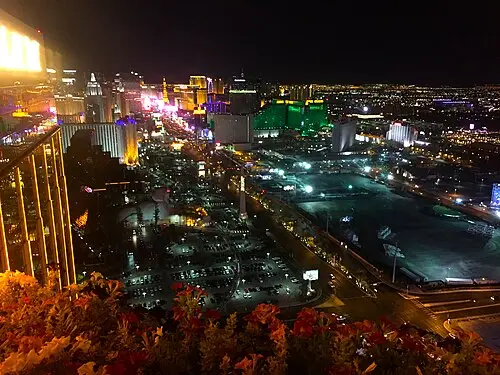
The US President doesn't even need a full blockade. He can simply order the Department of Energy to pause "Non-FTA" (Free Trade Agreement) export permits. Since the EU does not have a Free Trade Agreement with the US for gas, every American tanker currently crossing the Atlantic could be legally ordered to turn around or divert to South America, leaving Europe bidding on an empty global market
7. The Cost-Benefit: An Island vs. Survival
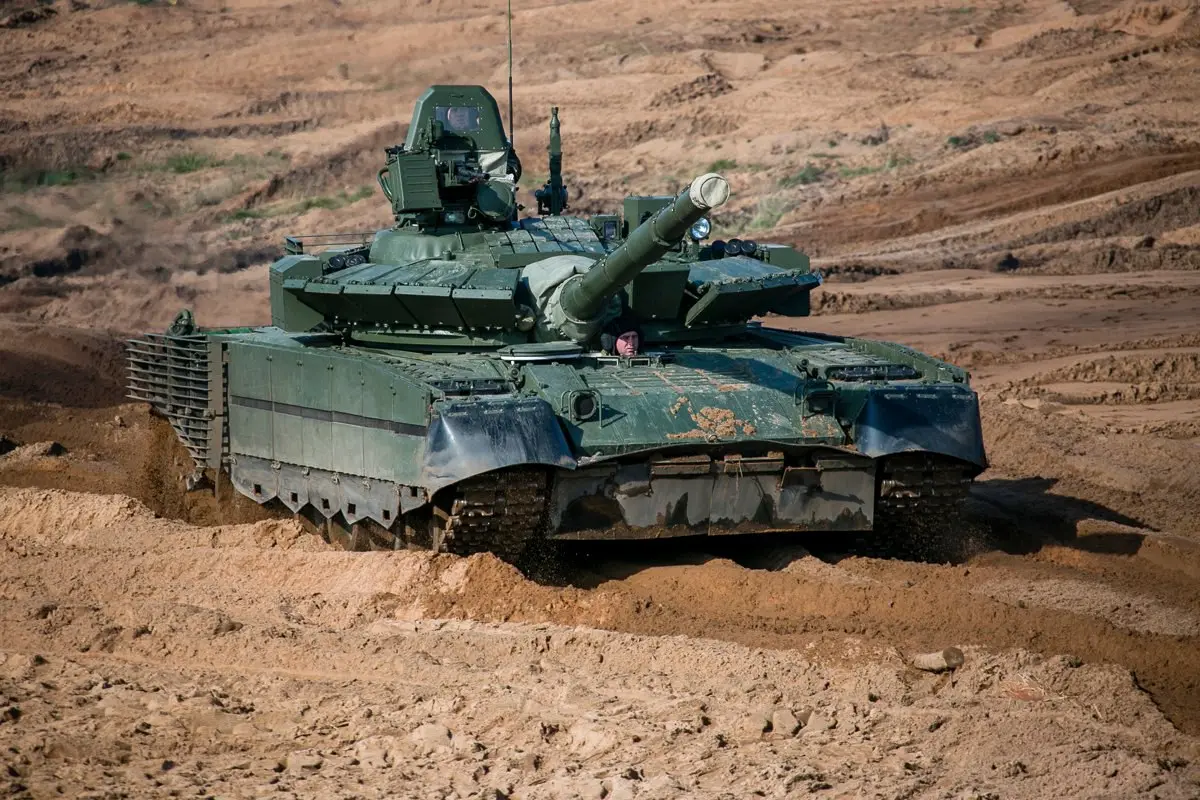
Ultimately, this is the calculation Brussels faces. Is maintaining Danish sovereignty over a distant Arctic island worth energy hyper-inflation (500 per cent spike), rioting citizens in freezing capitals, and an industrial collapse? The US bet is simple: Europe will trade Greenland for the gas tap.
)
)
)
)
)