No roads between towns? 6 unexpected things about living in Arctic Greenland

Locals in Greenland face unique challenges, from having no roads between towns to paying high prices for imported food. Life in the Arctic involves 24-hour sunlight, unlocked doors, and distinct infrastructure.
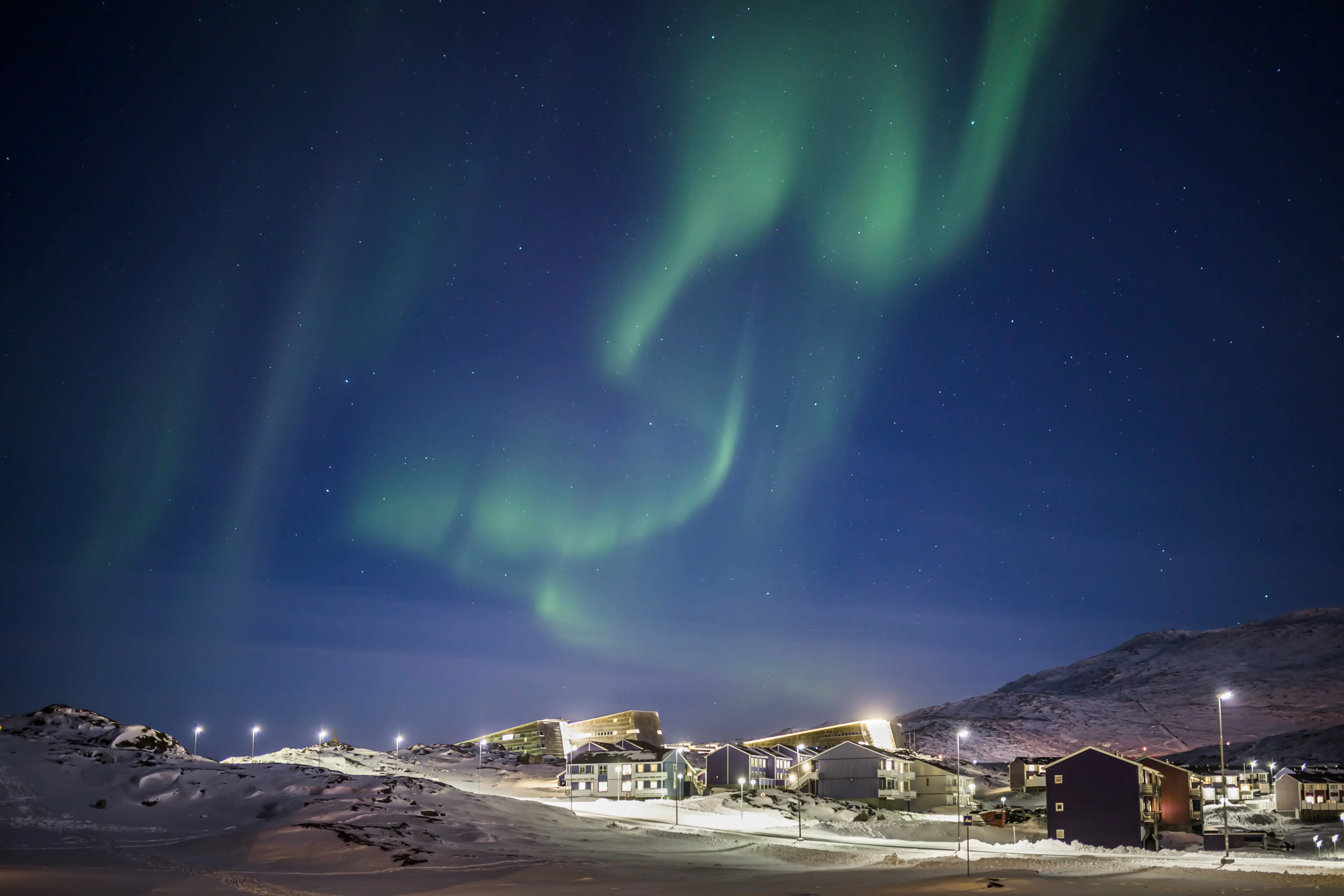
Living on the edge of the world
Greenland is not just a tourist destination; it is a permanent home for thousands who have adapted to the Arctic climate. Life here revolves around nature, with weather dictating everything from travel to grocery shopping. Locals maintain a modern lifestyle despite the harsh environment and remote location.
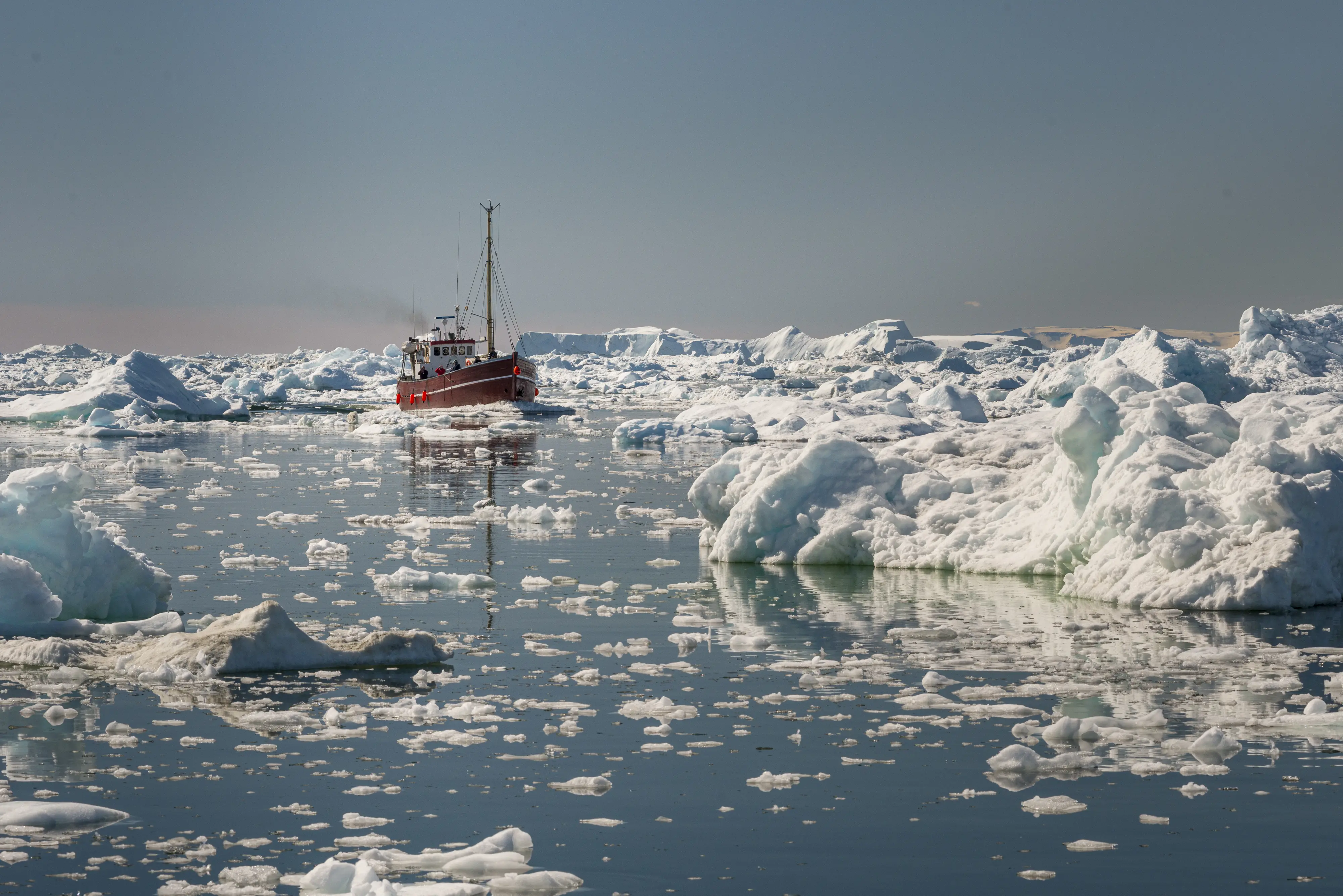
There are no roads between towns
One of the most shocking facts for outsiders is that you cannot drive from one town to another. Greenland has no connecting road network due to the rugged terrain and deep fjords. Residents must use boats, planes, or helicopters to travel between settlements, making every trip a logistical challenge.
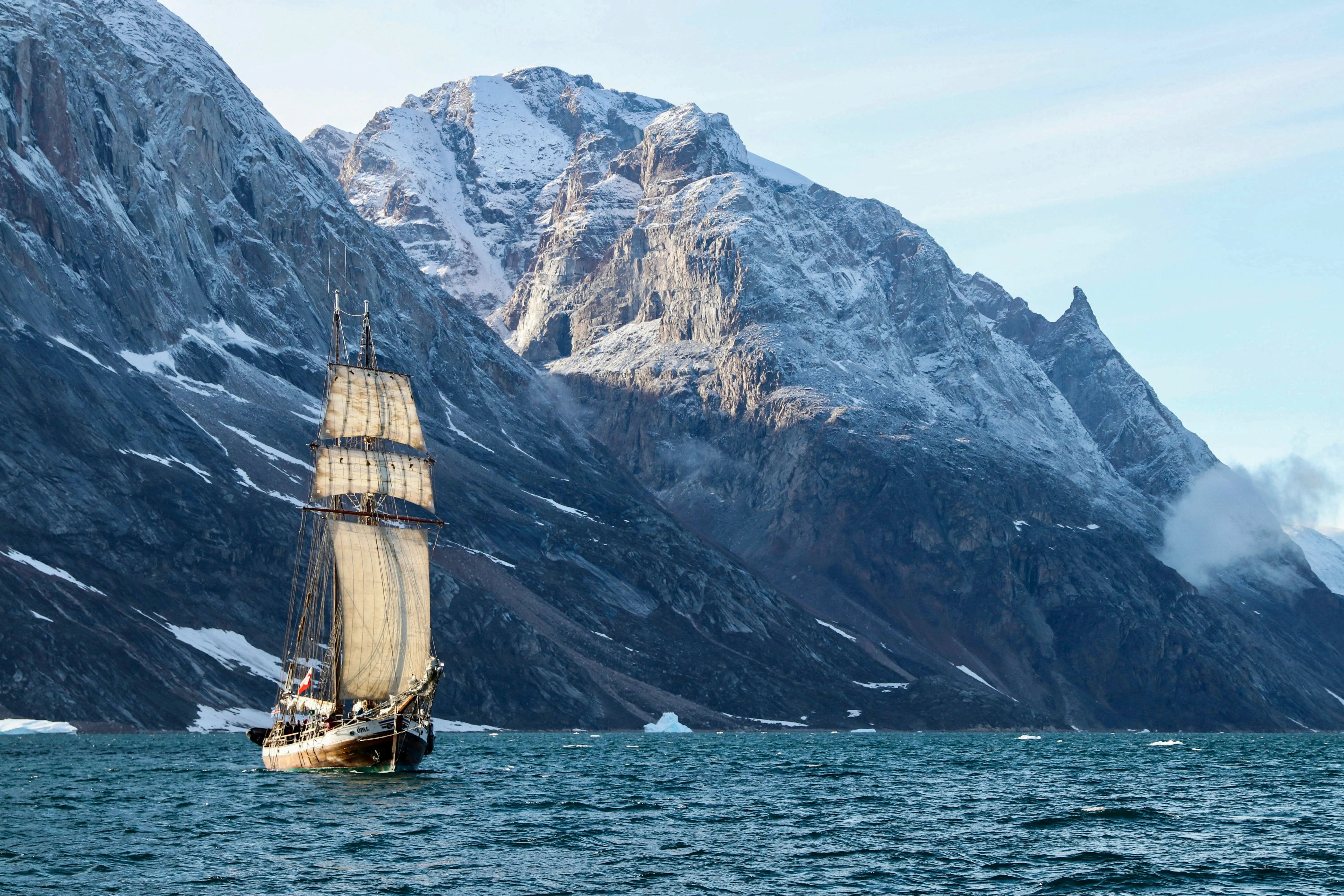
Fresh food is a major luxury
Since the climate prevents most agriculture, almost all food must be imported by sea or air from Denmark. This makes fresh produce incredibly expensive and sometimes scarce during winter storms. A simple cucumber or banana can cost three times more than in the US or Europe.
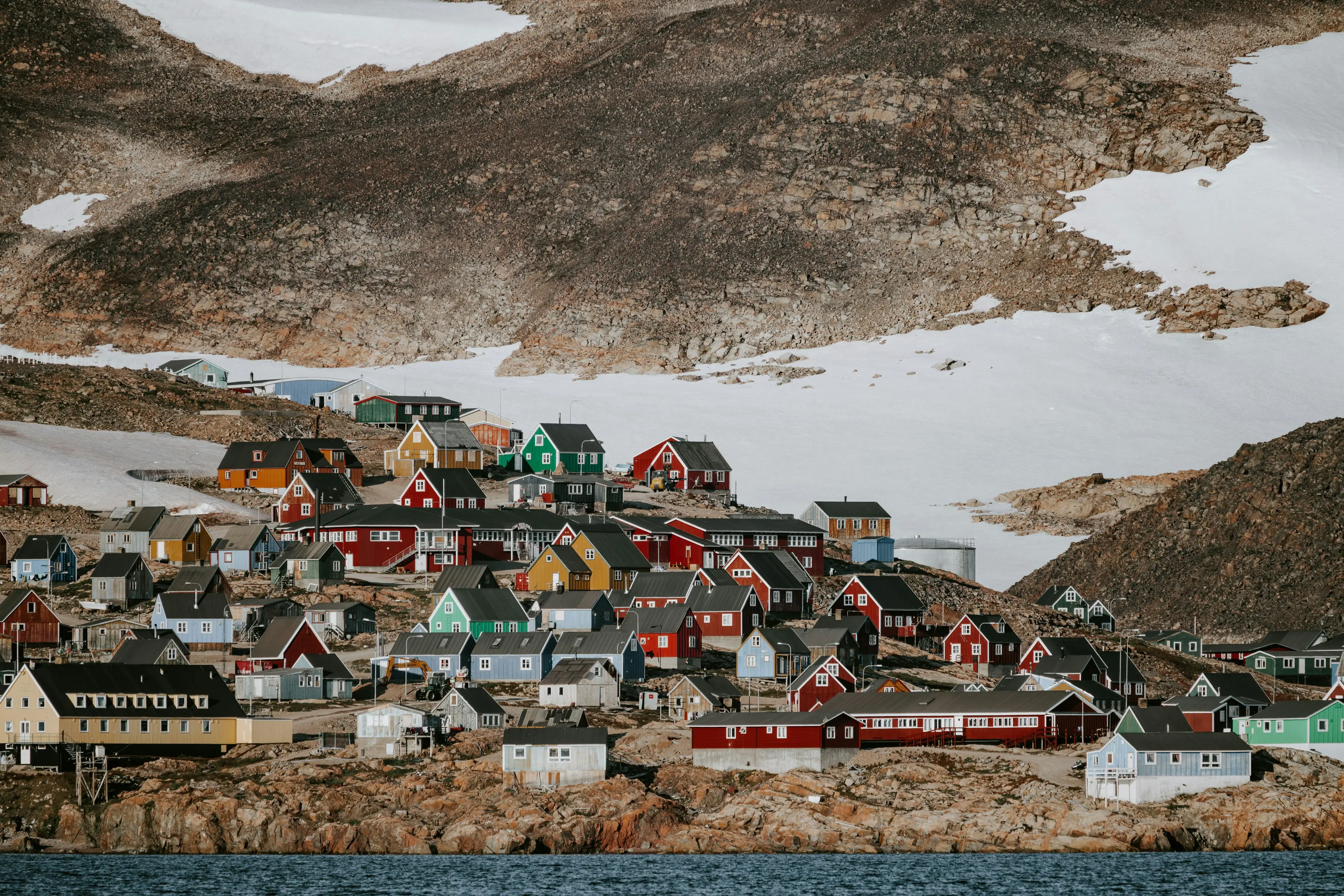
Water pipes are above ground
In many areas, digging underground is impossible due to the permafrost, which is permanently frozen ground. To prevent freezing and damage, water and sewage pipes are often built above ground and heated. This distinct infrastructure is a common sight in towns north of the Arctic Circle.
Icebergs are your neighbour
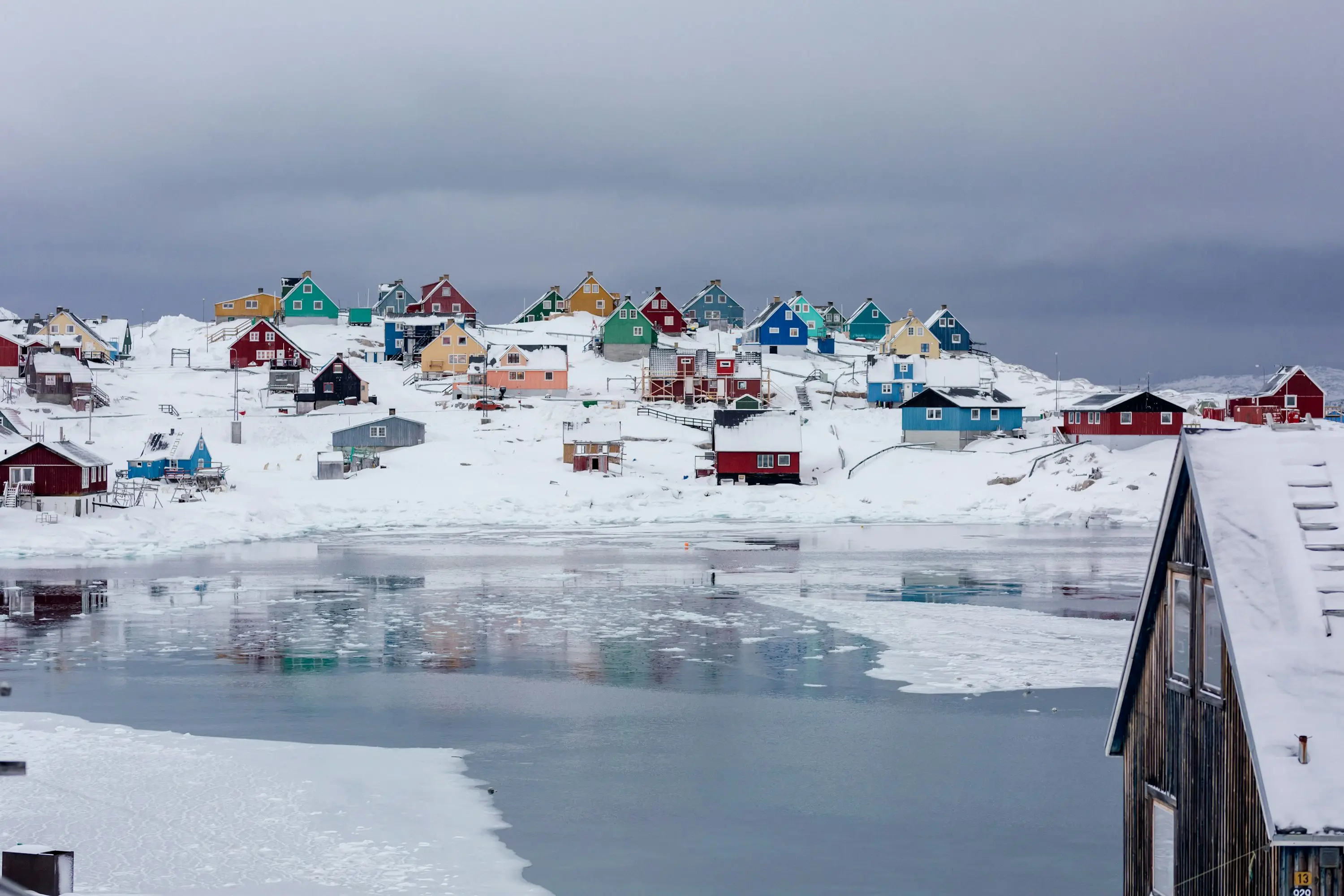
For coastal residents, massive icebergs floating past their living room windows are a daily reality, not a rare sight. The proximity to nature means locals can often spot whales or hear the crack of ice from their homes. This connection to the environment is a central part of the Greenlandic identity.
A resilient way of life
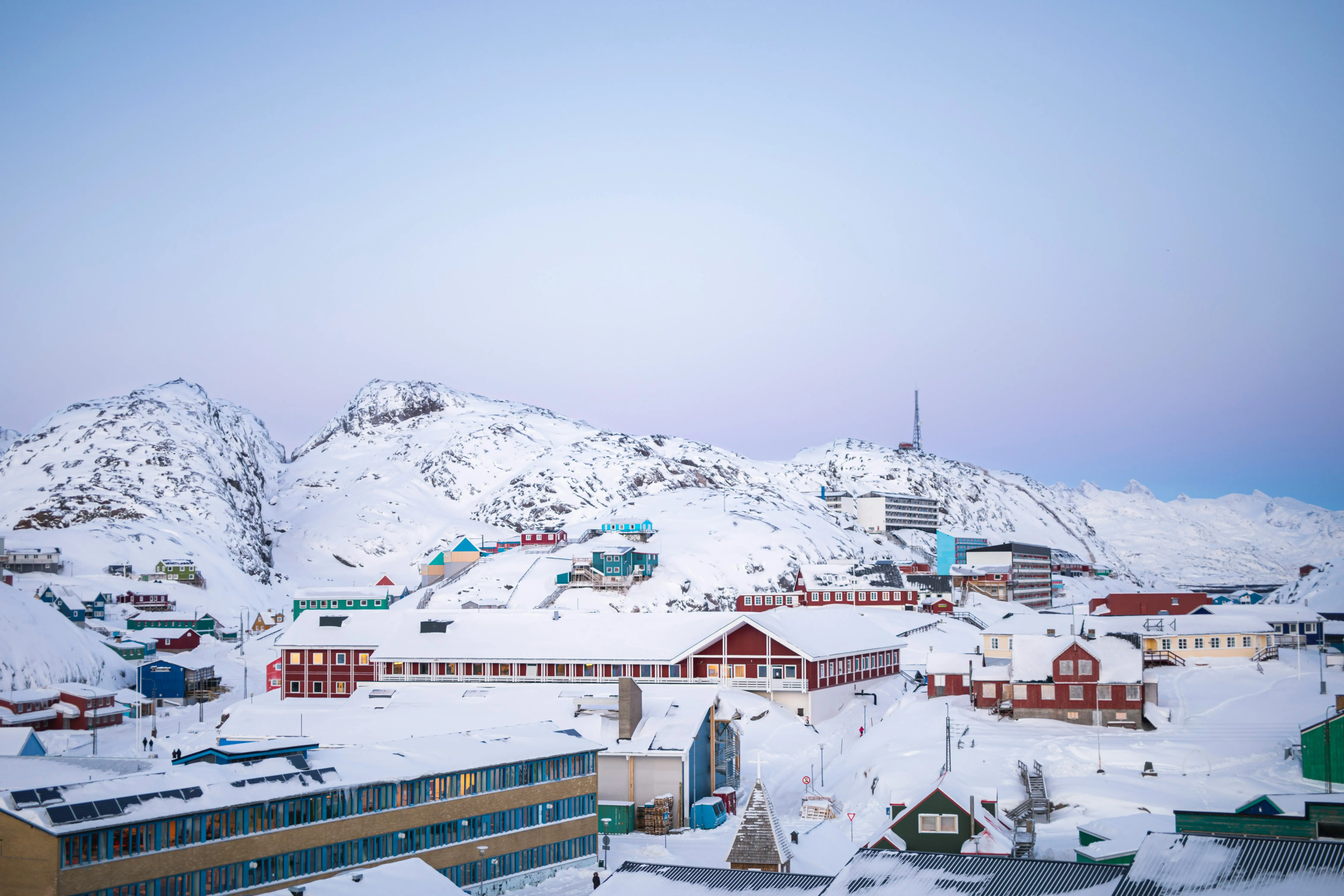
Living in Greenland requires patience, preparation, and a deep respect for the unpredictable Arctic weather. Despite the isolation and high costs, locals cherish the quiet, the safety, and the stunning natural beauty. It is a life defined by community strength and adaptation to the extreme.
)
)
)
)
)