'Gore-Tex': How the USS Abraham Lincoln crew survives icy Arctic winds

The crew of the USS Abraham Lincoln uses a specialized Rs 2.5 Lakh layering system featuring Gore-Tex PYRAD technology to survive 50-knot Arctic winds. This flame-resistant, fuel-proof gear is the secret to maintaining 24/7 flight operations.
The Arctic Challenge
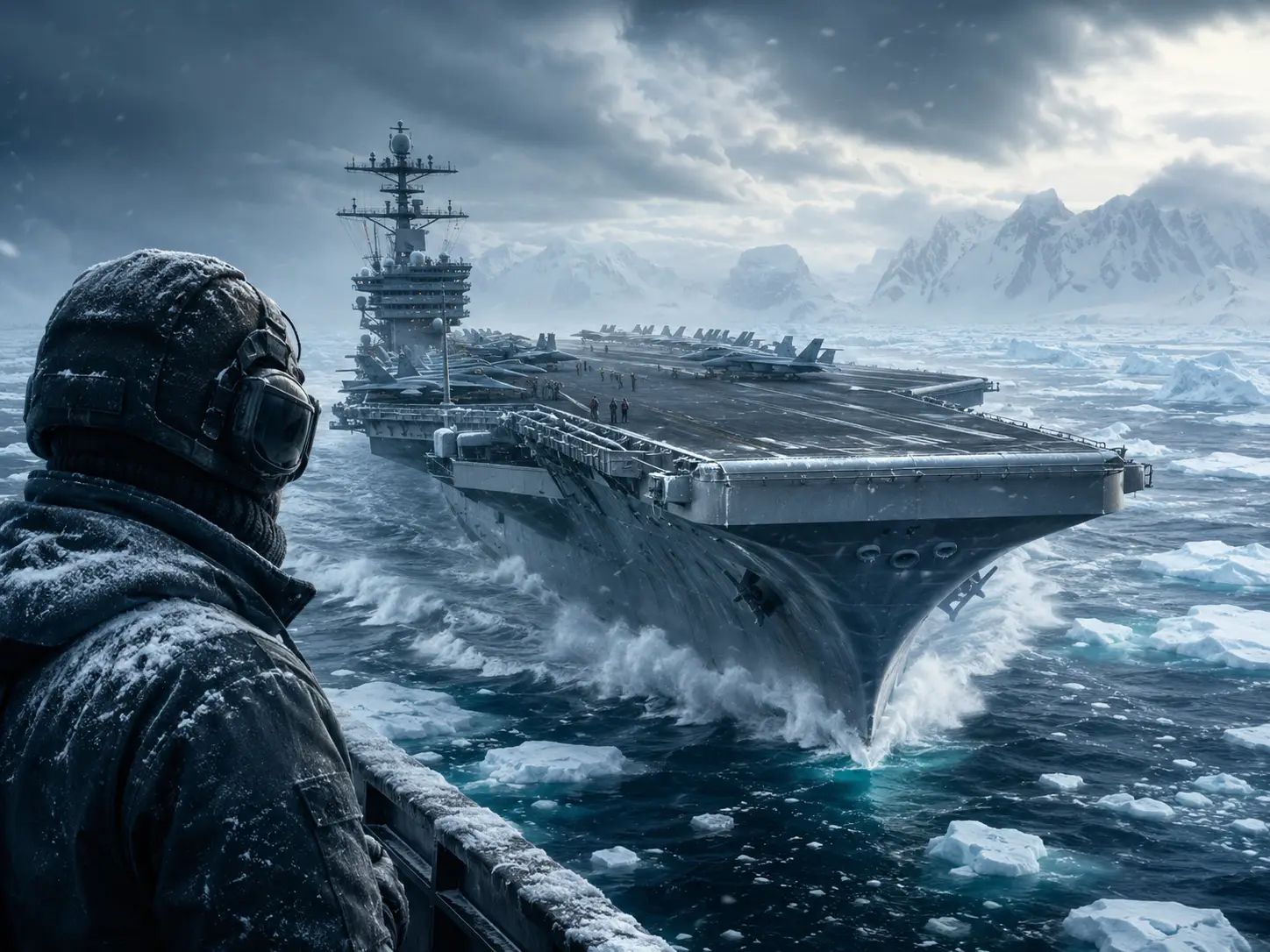
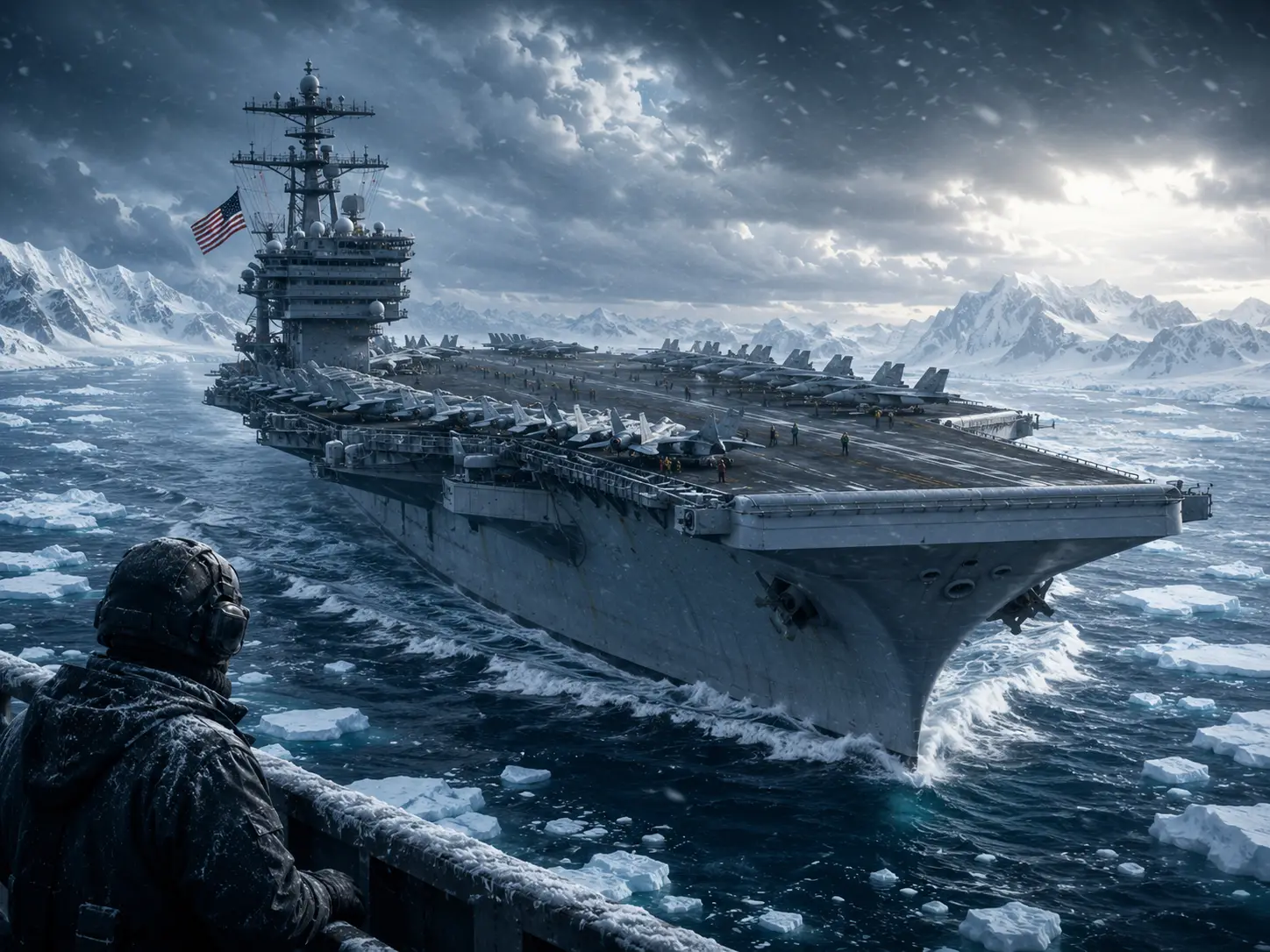
Sailors on the USS Abraham Lincoln must endure sub-zero temperatures and freezing sea spray during High North exercises. In these environments, ambient air at -30°C can cause frostbite on exposed skin in under two minutes. To maintain 24-hour flight operations in remote regions like the Barents Sea, the crew relies on a sophisticated thermal "shield" of advanced textiles.
9 Billion Microscopic Pores
The technical core of the Navy’s cold-weather gear is a Gore-Tex membrane featuring 9 billion pores per square inch. These pores are 20,000 times smaller than a water droplet, making the fabric entirely waterproof against crashing icy waves. However, they are 700 times larger than a sweat molecule, allowing internal moisture to escape so sailors don't freeze from their own perspiration.
Total Windproof Protection
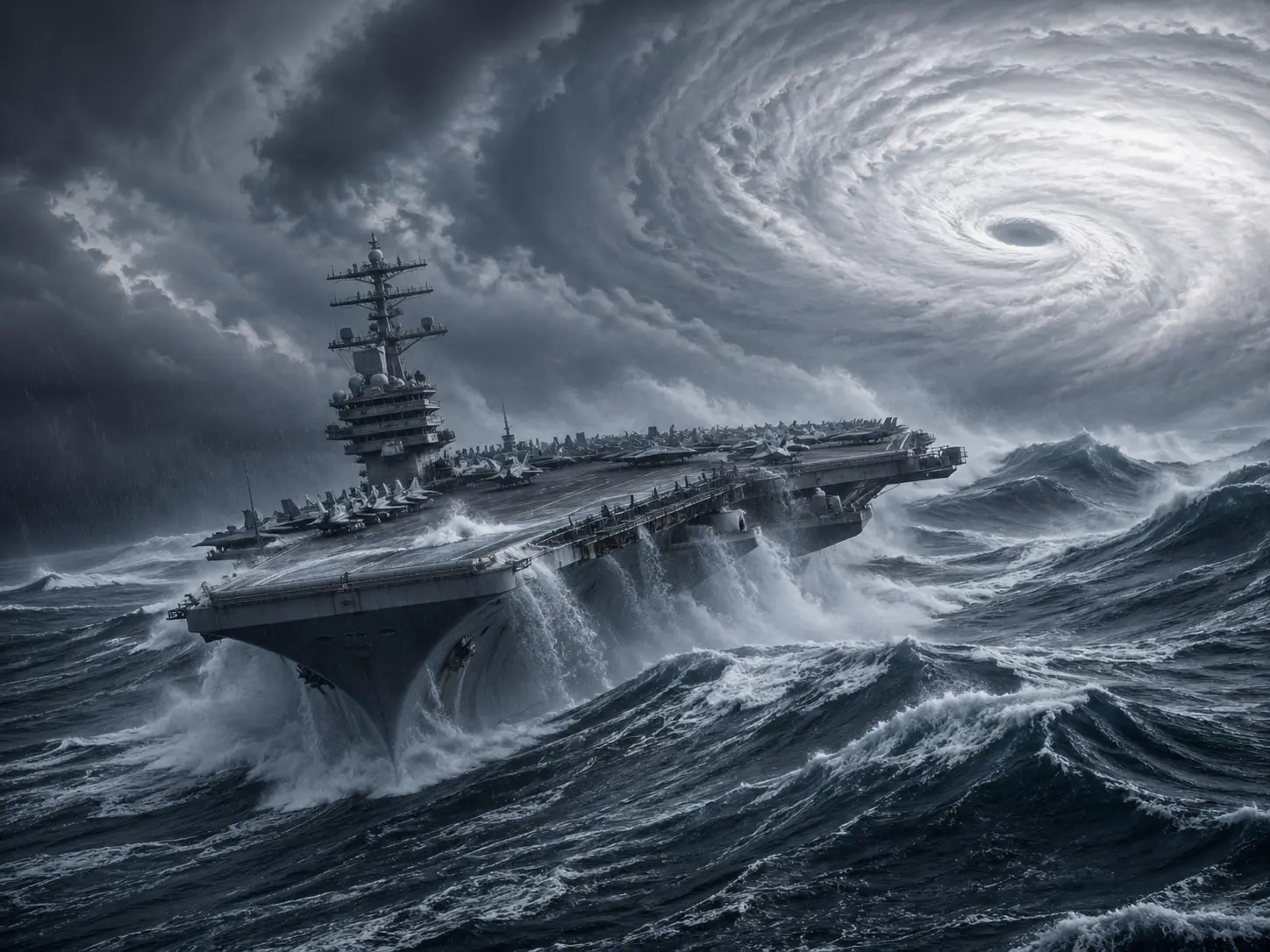
On a moving carrier deck, the combined ship speed and Arctic gusts create windchills exceeding 50 knots. The specialized membrane acts as a total windbreak, preventing the “chimney effect”, where freezing air enters gaps in clothing and strips away the body's warm boundary layer. This allows sailors to remain focused while handling multi-million-dollar aircraft in a gale.
The FREE Layering System
Unlike the Army, the Navy utilizes the FREE (Fire Resistant Environmental Ensemble). This modular system allows sailors to stack layers from moisture-wicking silk-weights to heavy-duty Gore-Tex shells, depending on their activity level. By trapping air between these layers, the system provides a high Clo value (thermal resistance), keeping sailors buoyant and warm even in extreme spray.
Battle-Ready Gore-Tex
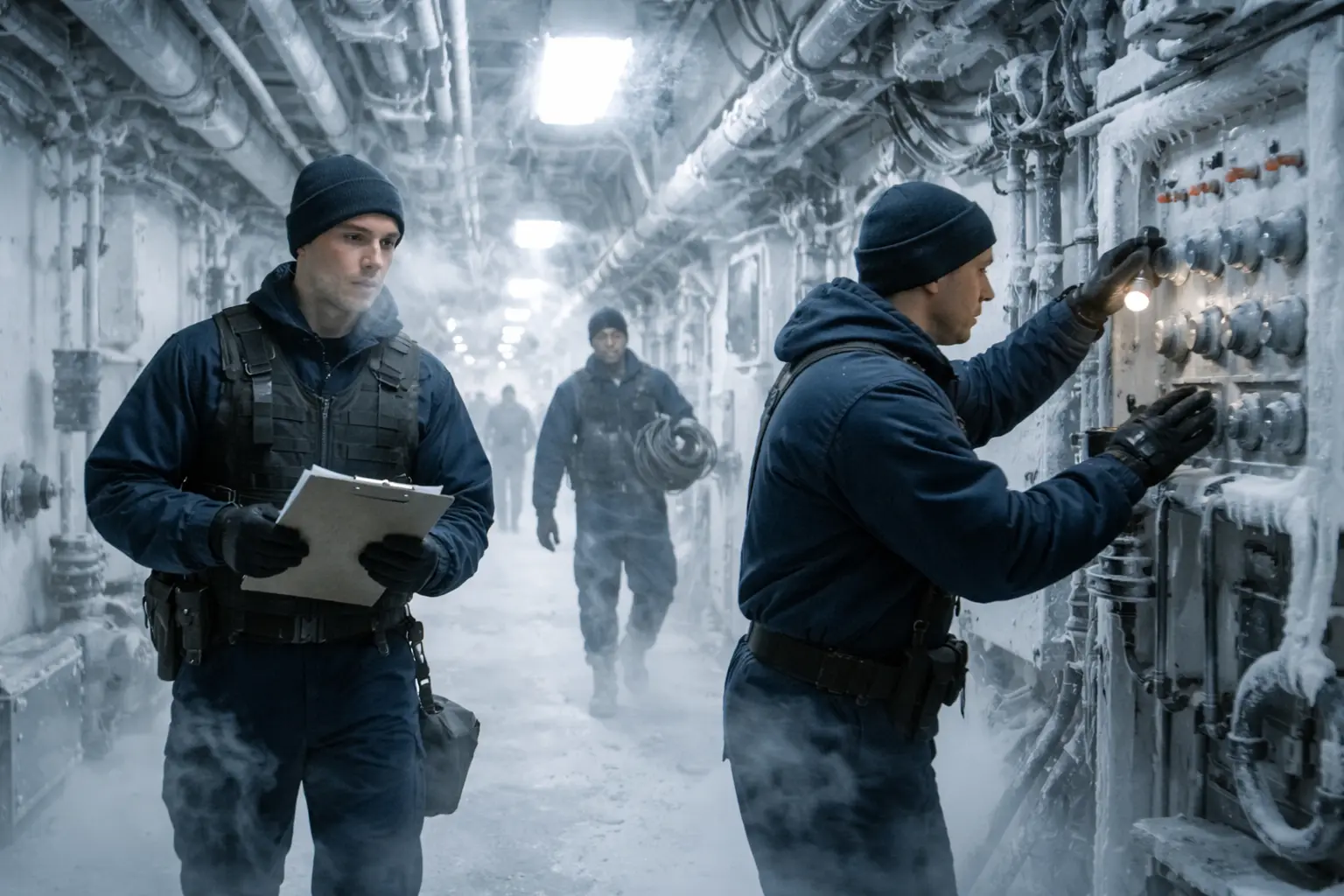
Flight deck crews wear Massif Elements jackets that integrate Gore-Tex with Gore-Tex PYRAD technology. This ensures the gear is self-extinguishing in the event of a flash fire. Crucially, the fabric is engineered to resist JP-5 aviation fuel and salt-crusting, which would otherwise clog the pores and destroy the breathability of standard outdoor jackets.
Rs 2,50,000 Survival Kit
Outfitting a single sailor for the Arctic is a major investment; a full professional kit costs approximately Rs 2,50,000 ($3,000). This includes the flame-resistant Gore-Tex parka, insulated tactical trousers, and specialized cold-weather flight boots. With over 5,000 crew members on the USS Abraham Lincoln, the total investment in "human hardware" is essential for surviving the world's harshest maritime frontiers.
Sustained Mission Readiness
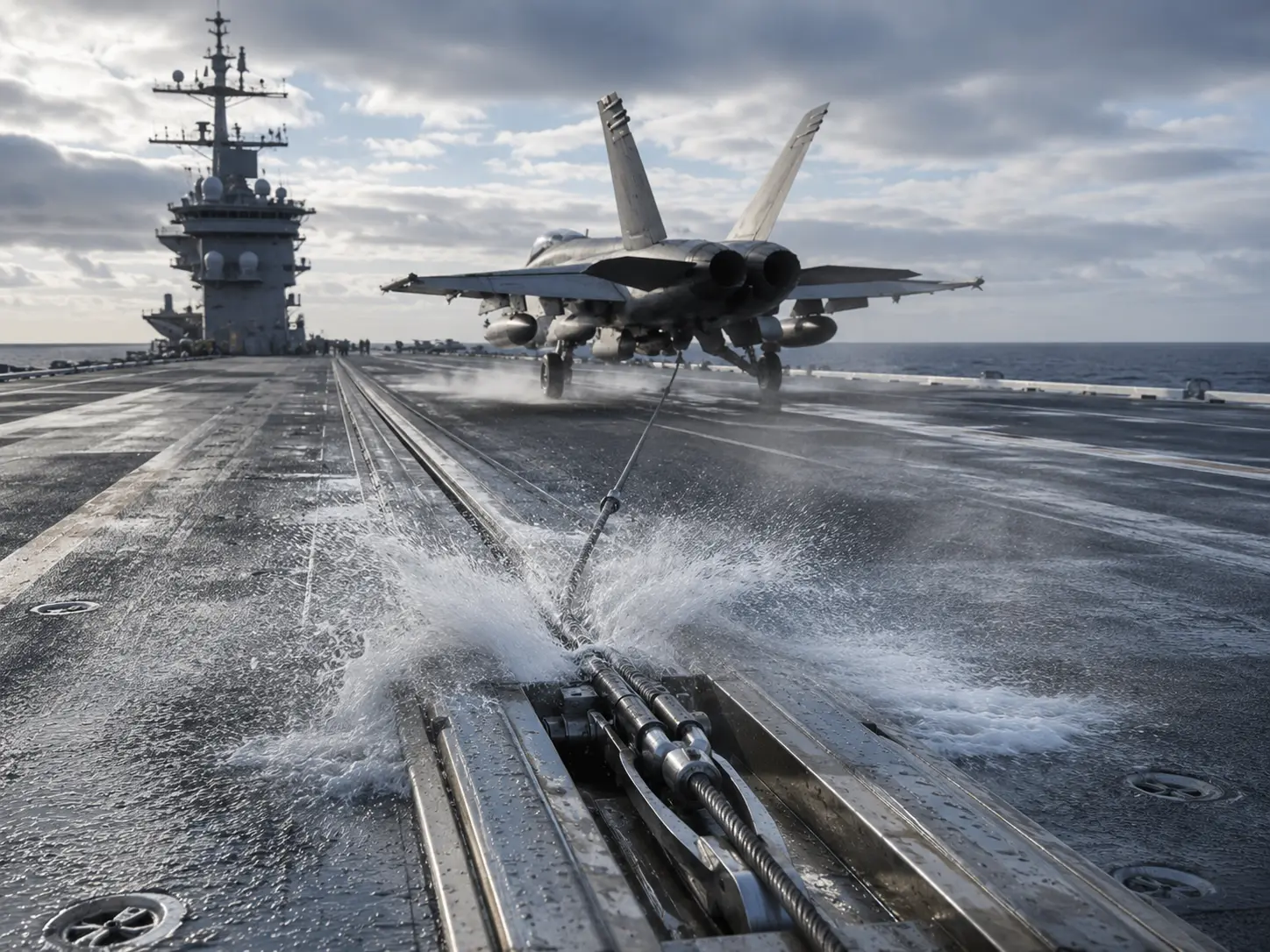
Advanced textile engineering allows the US Navy to project power where others cannot. While the Lincoln is currently deployed in the Arabian Sea (as of May 2026), its ability to pivot to the "Frozen Frontier" depends entirely on this gear. Rigorous maintenance ensures that equipment failure never compromises a tactical mission, maintaining a technological edge in a changing global climate.
)
)
)
)
)