‘Golden grip on Hormuz?’ Why gulf fears US–Iran talks in Pakistan risk handing Tehran control of Middle East energy lifeline

he urgency is heightened by an approaching ceasefire deadline and ongoing disruption to shipping in the Strait, reinforcing Gulf concerns that any agreement may fall short of broader regional de-escalation.
US–Iran peace talks hang by a thread
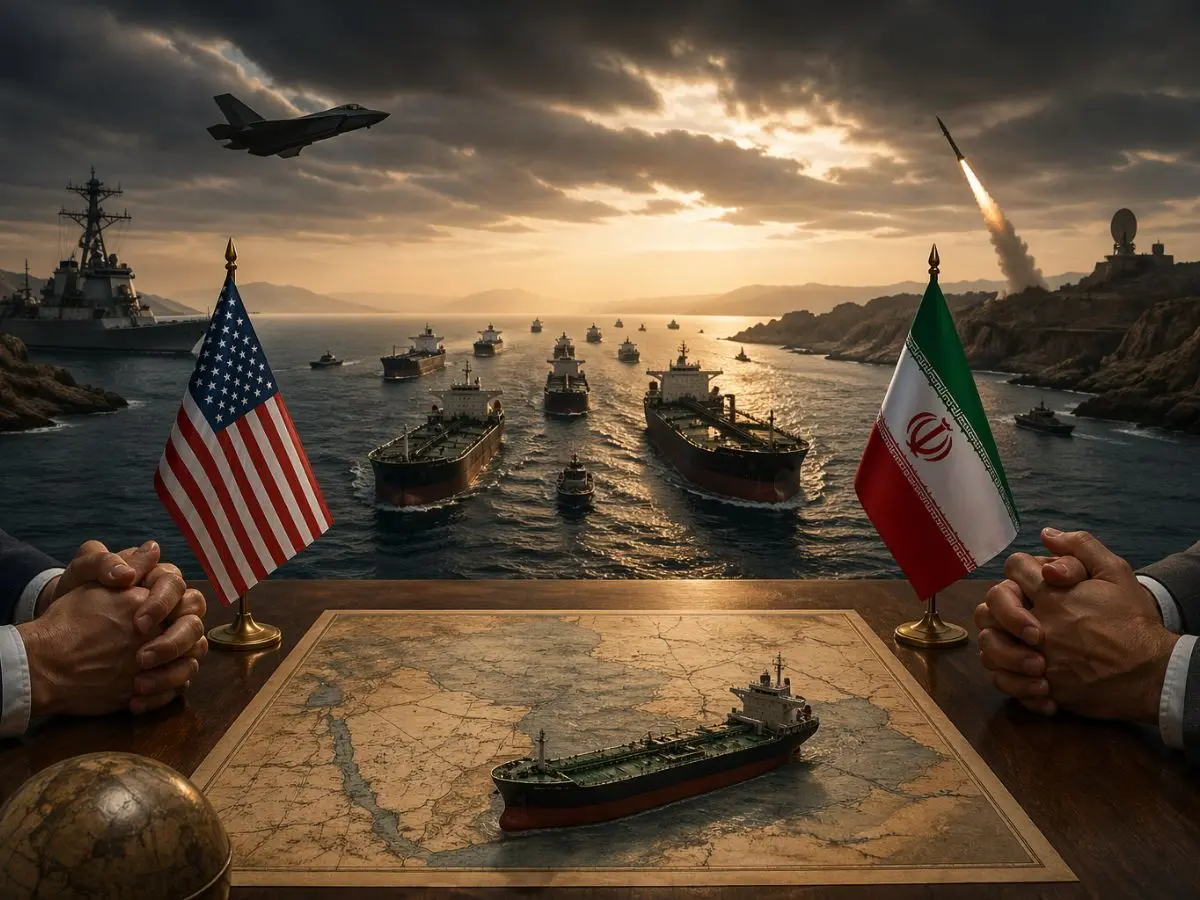
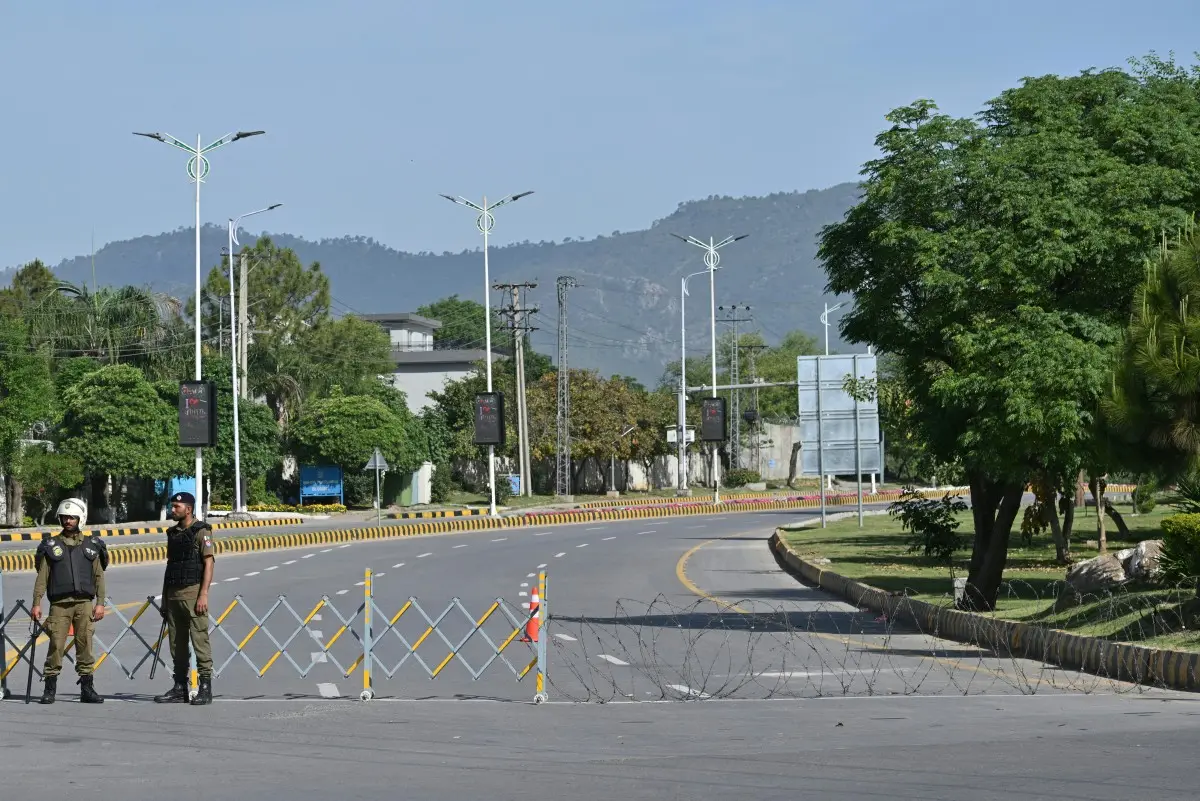
Diplomatic engagement in Islamabad has emerged as a focal point for US–Iran discussions, with Pakistan facilitating a second round of negotiations aimed at easing tensions linked to the Strait of Hormuz. However, uncertainty surrounds the talks, as reports suggest confusion over US representation and Iran has yet to confirm its participation. The urgency is heightened by an approaching ceasefire deadline and ongoing disruption to shipping in the Strait, reinforcing Gulf concerns that any agreement may fall short of broader regional de-escalation.
Medvedev Warning Sharpens Hormuz Fears
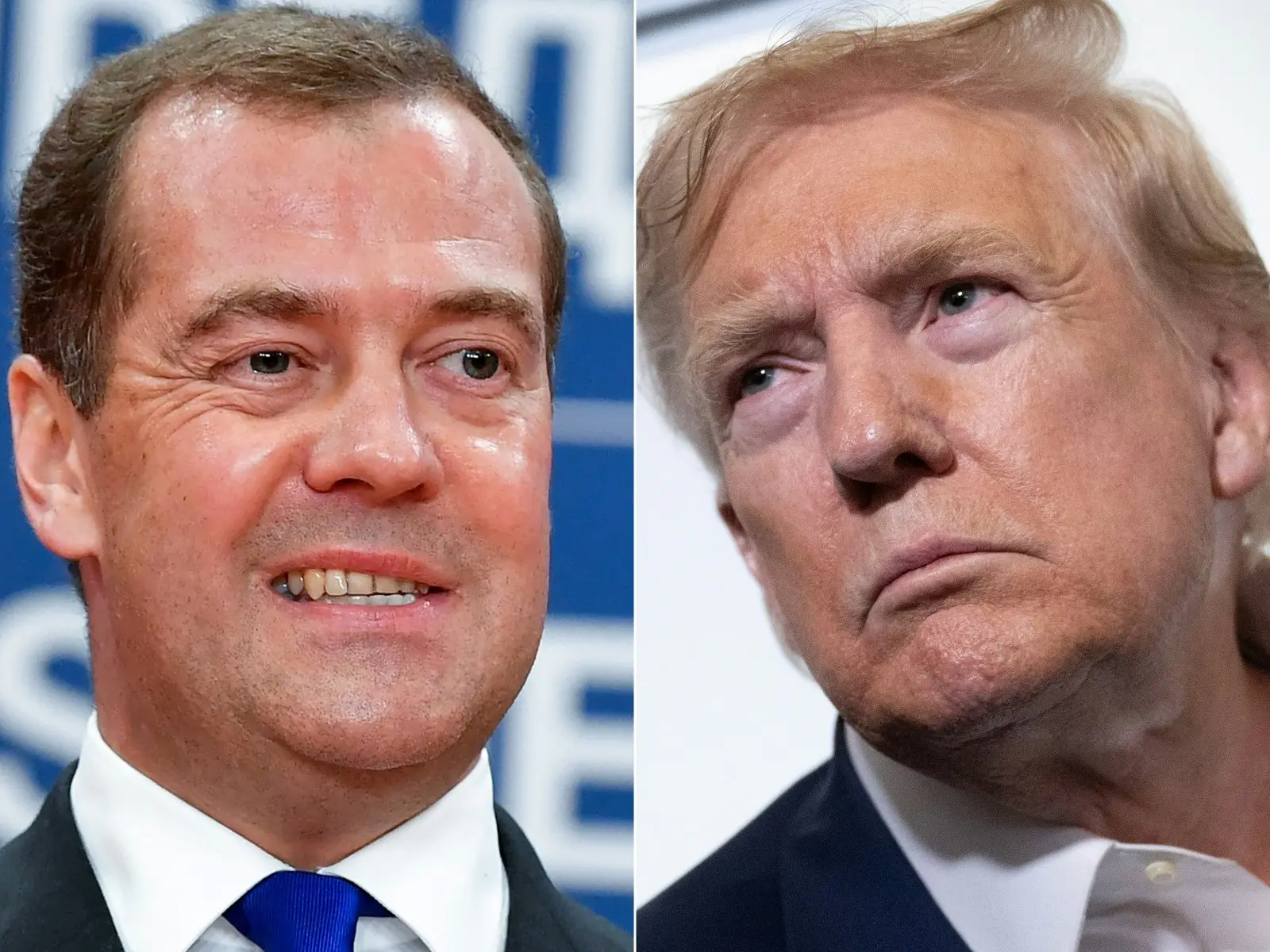
Former Russian President and the Deputy head of the Russian Security Council, Dmitry Medvedev's comment has heightened concerns among Gulf states by suggesting that any emerging Iran–US understanding may be limited to reopening the Strait of Hormuz rather than achieving broader regional de-escalation. He described the waterway as Iran’s “strategic leverage,” warning that uncertainty remains over how a truce between Washington and Tehran would unfold. His remarks highlights fears that negotiations, expected to include talks in Islamabad, may fall short of delivering lasting stability sought by Gulf governments.
Shift in Negotiation Priorities
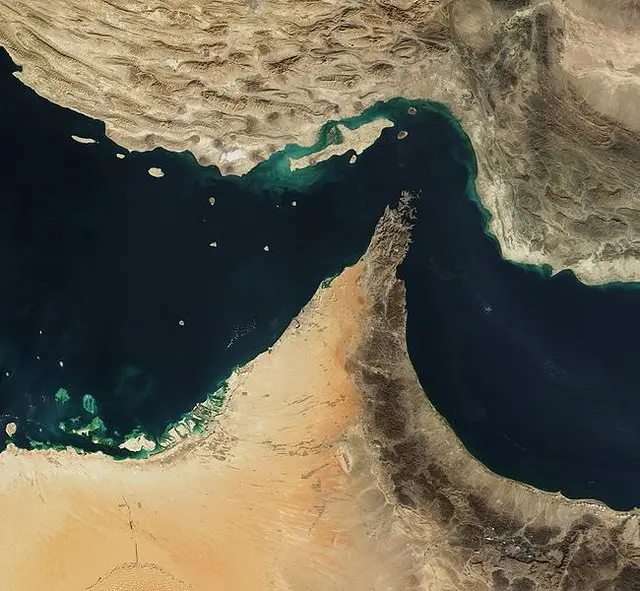
Officials and analysts quoted by Reuters say talks in Islamabad are increasingly focused on uranium enrichment limits and management of Iran’s leverage over Hormuz, which carries about a fifth of global oil supplies. “At the end of the day, Hormuz will be the red line,” a Gulf source told the agency. “It wasn’t an issue before. It is now.”
Hormuz as Strategic Deterrent
Iranian security officials describe the Strait as a long-prepared deterrent. “Iran prepared for years for a scenario involving the closure of the Strait of Hormuz, planning every step,” a senior Iranian security source told Reuters. “Today it is one of Iran’s most effective tools.” A second source called it a “golden, invaluable asset rooted in Iran’s geography -- one the world cannot take away precisely because it flows from Iran’s location.”
The Failure of Military Deterrence
The conflict has exposed the limits of military might. Despite a substantial US and Israeli air campaign, Iranian strikes have already damaged over several oil facilities and desalination plants across the Gulf. This reality has forced a grim realisation: if a diplomatic deal grants Iran a 'golden grip' on the Strait to ensure the flow of oil, Tehran effectively retains a permanent veto over the global economy.
Gulf Concerns Over Sidelined Security Issues
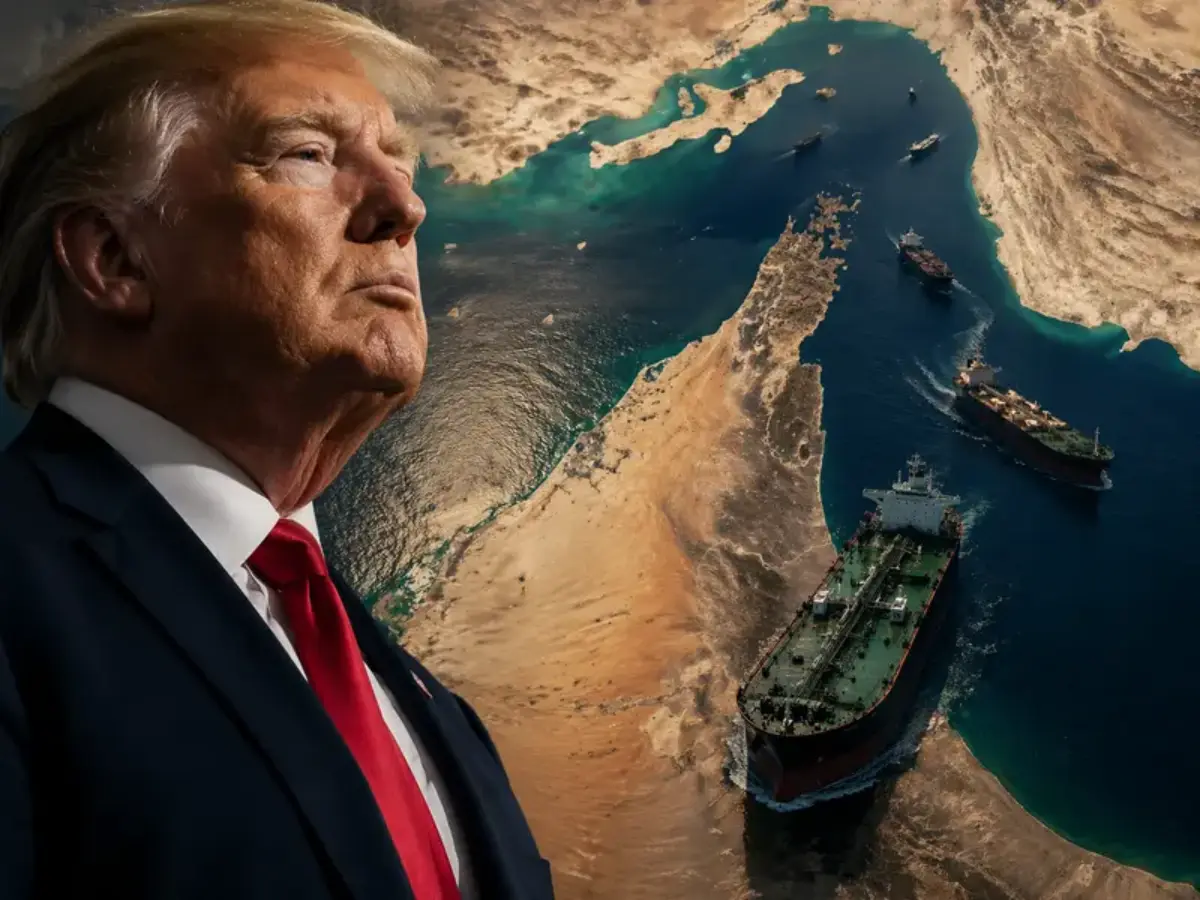
Analysts quoted by Reuters said that Gulf concerns centre on missiles and proxies being sidelined. President of the Emirates Policy Center, Ebtesam Al-Ketbi told the agency: “What is taking shape today is not a historic settlement, but a deliberate engineering of sustainable conflict.” She added Gulf states suffer from missiles and proxies while negotiations prioritise Hormuz.
Qatar Pushes Inclusive Diplomacy for Lasting Regional Peace
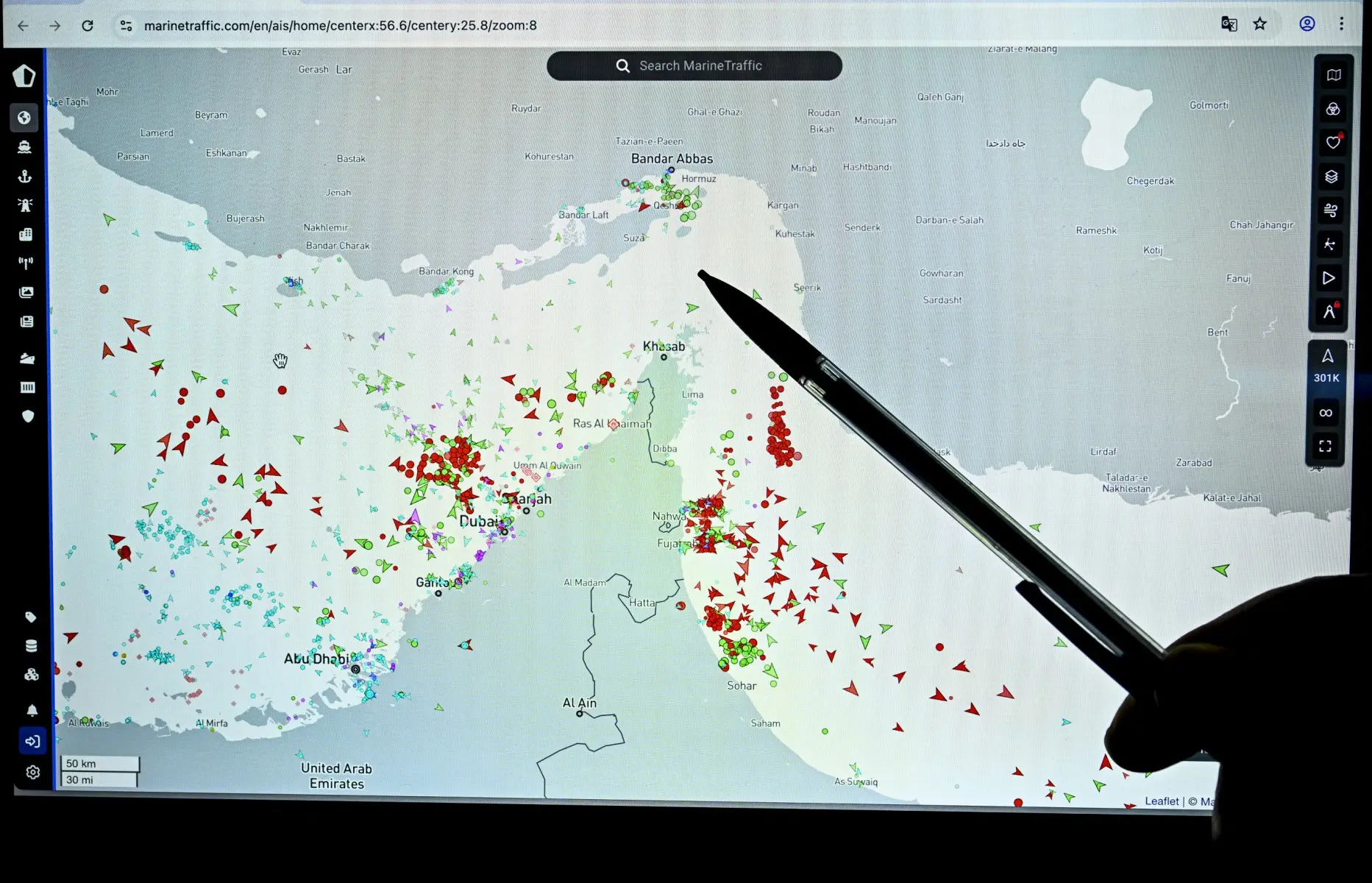
Gulf states have urged Washington against full sanctions relief, favouring phased steps as Iran’s behaviour is tested. Earlier, Qatar's Foreign Affairs Ministry spokesperson, Al-Ansari said that the country supports all positions that advance negotiations and ensure regional concerns, especially those of Gulf states and Iran, are properly addressed. He stressed that the aim is not a temporary ceasefire followed by renewed crises, but a durable peace that safeguards sovereignty and interests of all parties. Other gulf parties have also expressed similar opinions frequently.
War Fallout
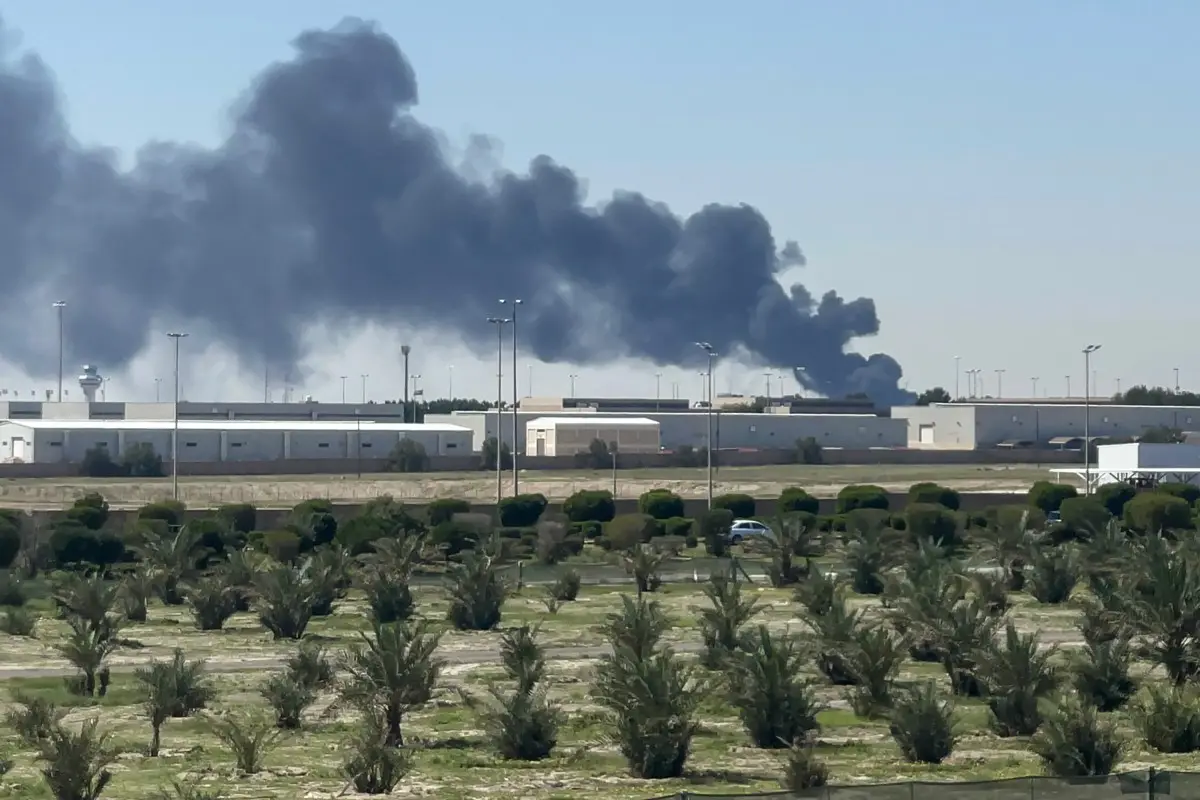
The recent conflict has seen attacks on energy infrastructure and higher export and insurance costs across Gulf economies, deepening concerns over stability. An analyst said Gulf states survived largely due to their defences and systems such as THAAD and Patriot air defence systems. If the deal secures the Strait today but solidifies Iranian hegemony tomorrow, it could be seen as a strategic surrender, leaving the world’s energy pulse in the hands of Tehran.
)
)

)
)