'Going dark': When does the USS Abraham Lincoln completely turn off its external lights?

The USS Abraham Lincoln uses strict Darken Ship and EMCON protocols to turn off lights and radars. This ensures the aircraft carrier remains hidden from adversaries during night operations at sea.
100 per cent 'Dog Zebra' lockdown
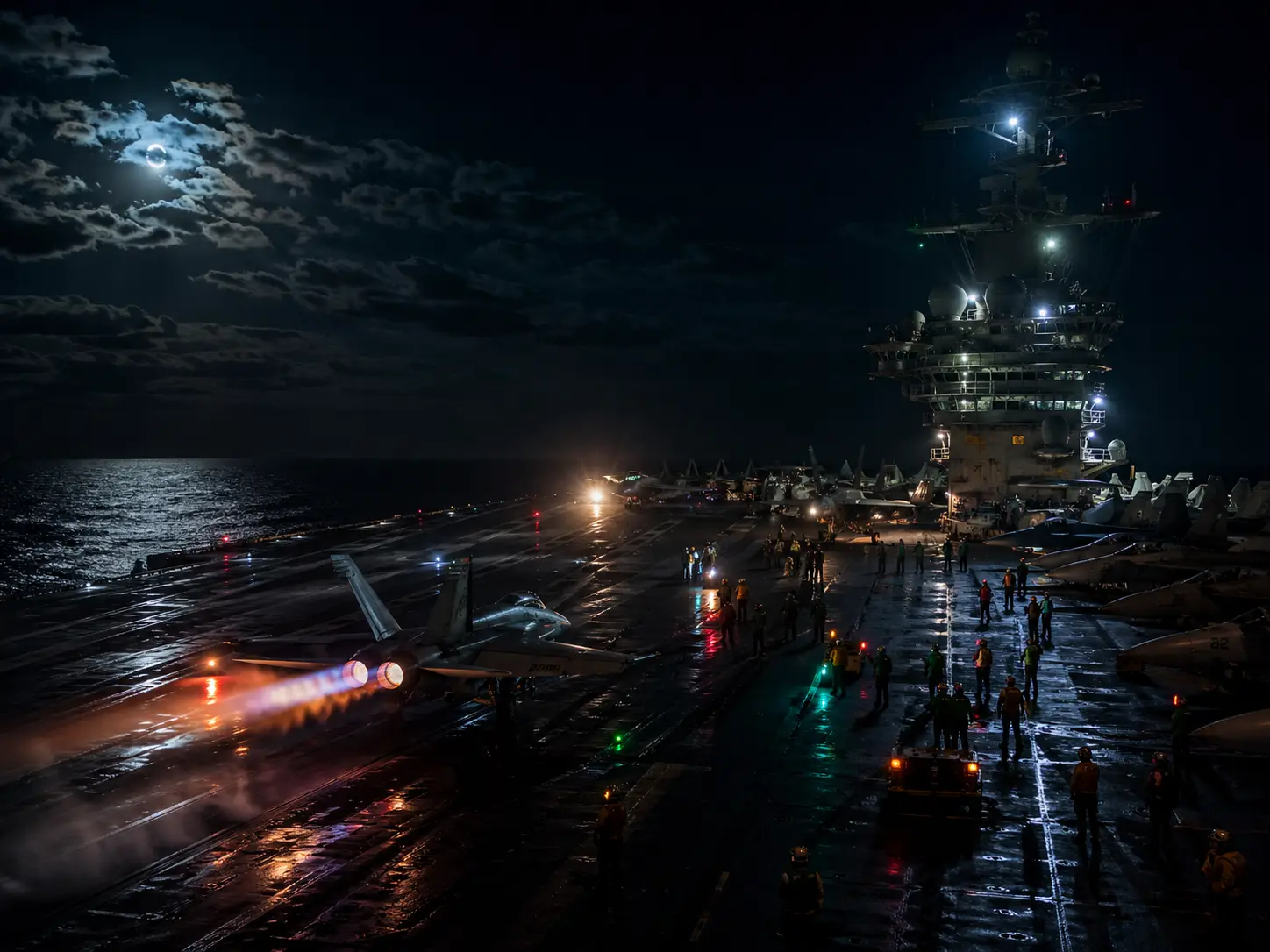
The USS Abraham Lincoln initiates a strict "Darken Ship" protocol at sunset. Sailors secure all fittings marked with a 'Dog Zebra' label to prevent any internal light from escaping. Deadlights are clamped tightly over scuttles, and heavy blackout curtains are draped across every upper deck exit.
Zero radars under EMCON
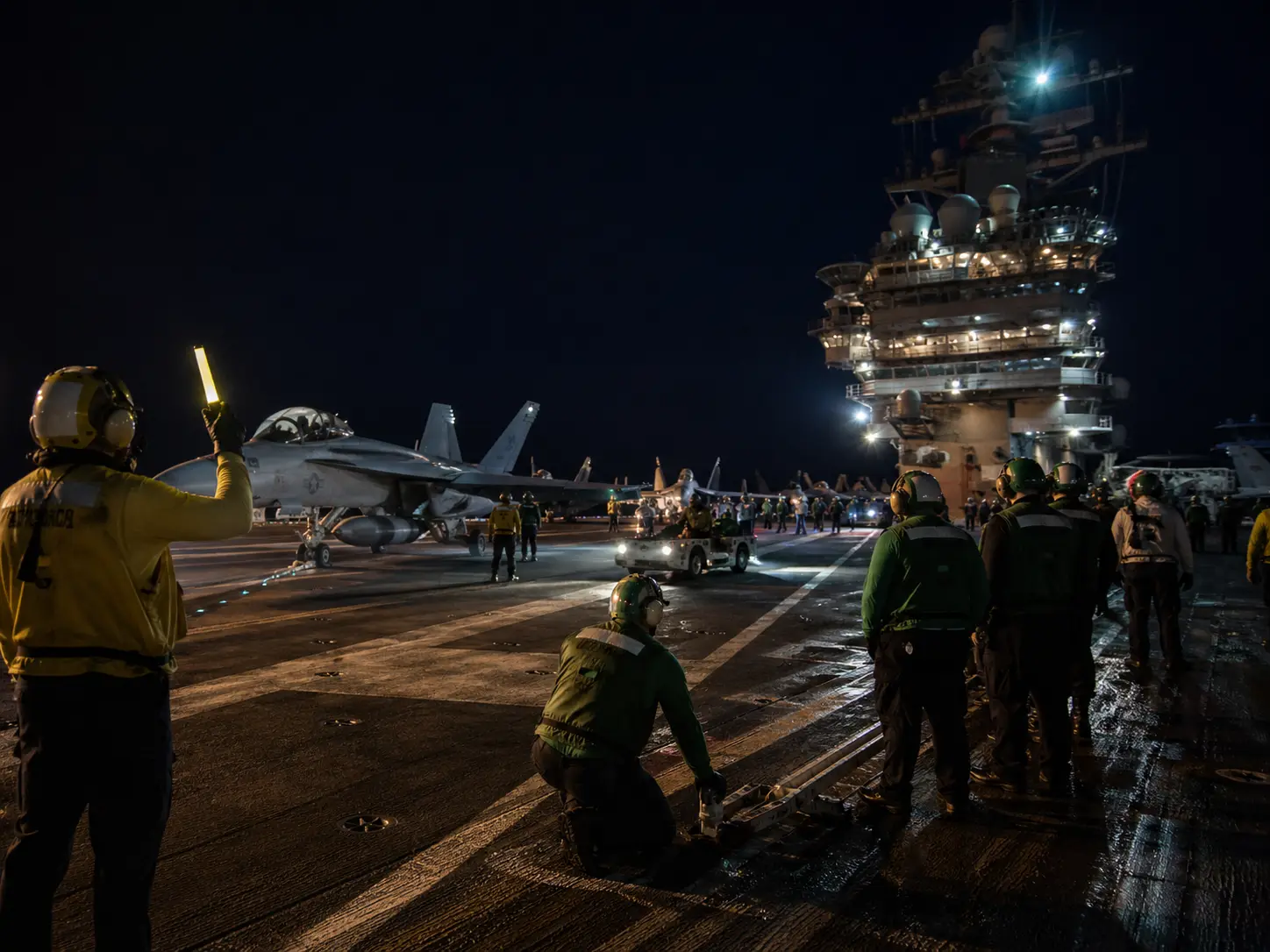
Hiding the ship requires more than just turning off the lights. The carrier operates under strict Emission Control (EMCON), shutting down active radars and relying entirely on passive detection systems. This tactical silence prevents enemy forces from tracking the ship electronically.
3-mile visibility threat
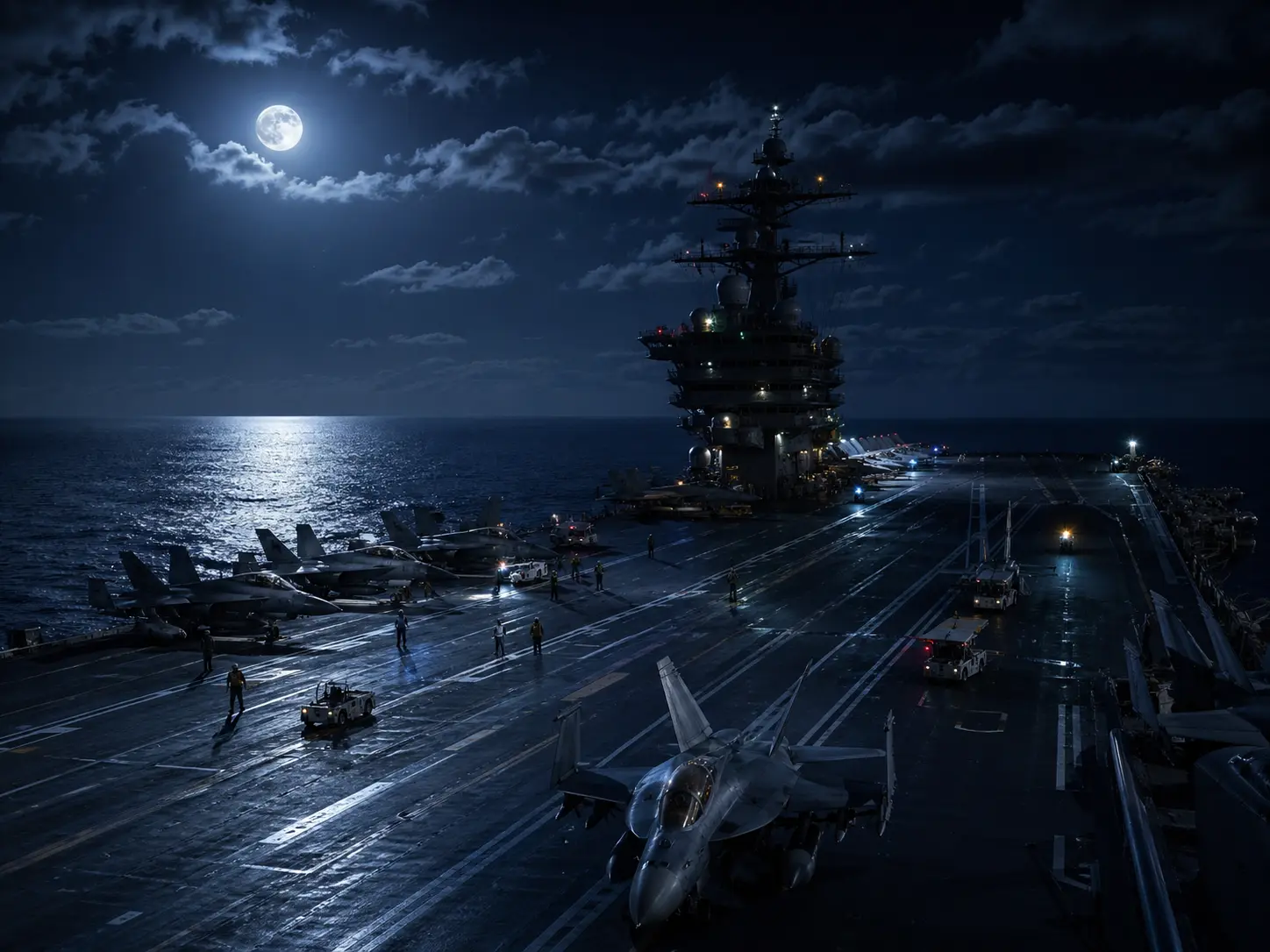
Naval commanders enforce absolute darkness because the ocean horizon amplifies even the smallest light source. The faint glow of a burning cigarette or a struck match can be detected by adversaries from up to three miles away. Consequently, strict discipline is maintained on the upper decks.
100 per cent blackout flights
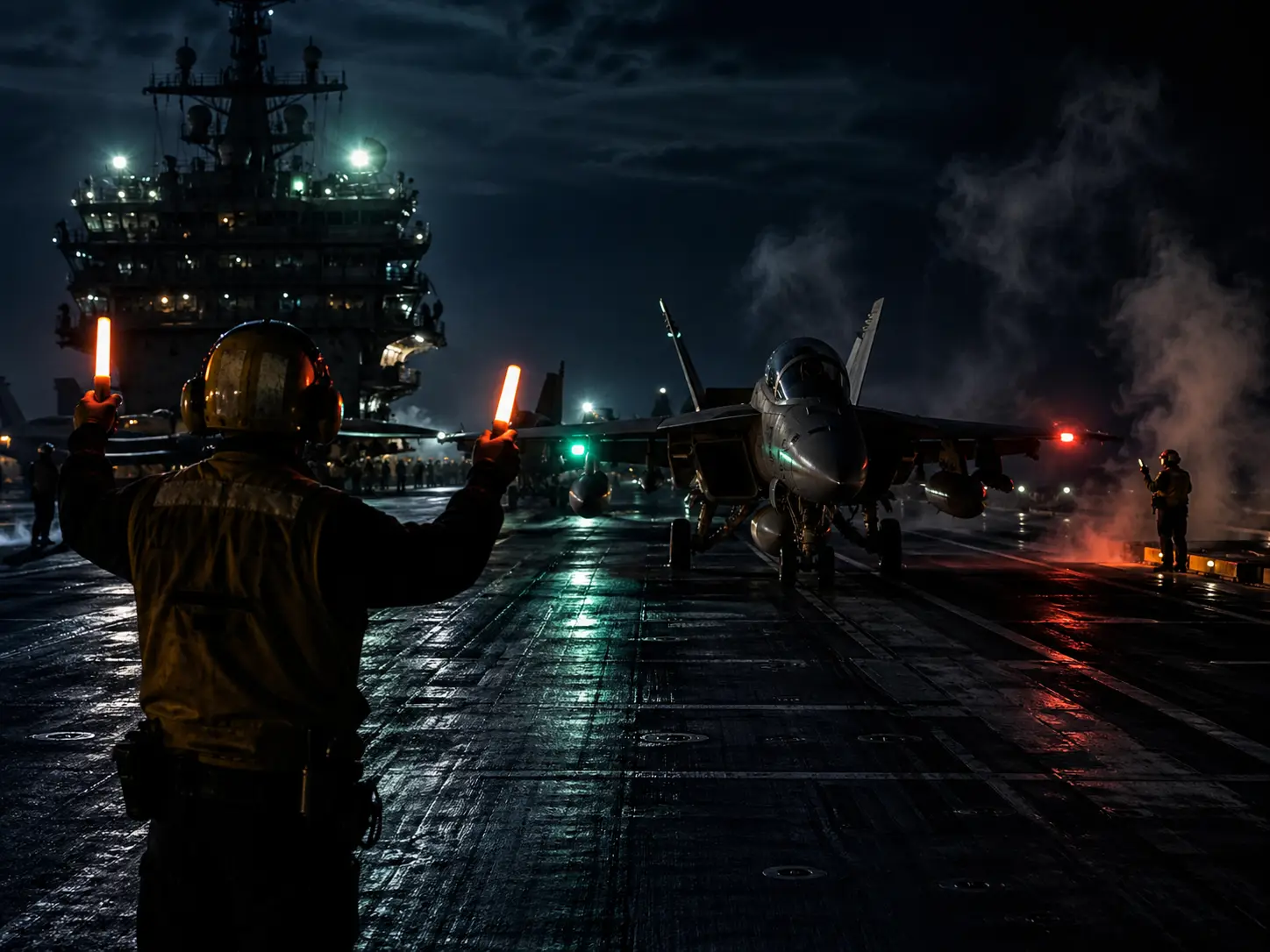
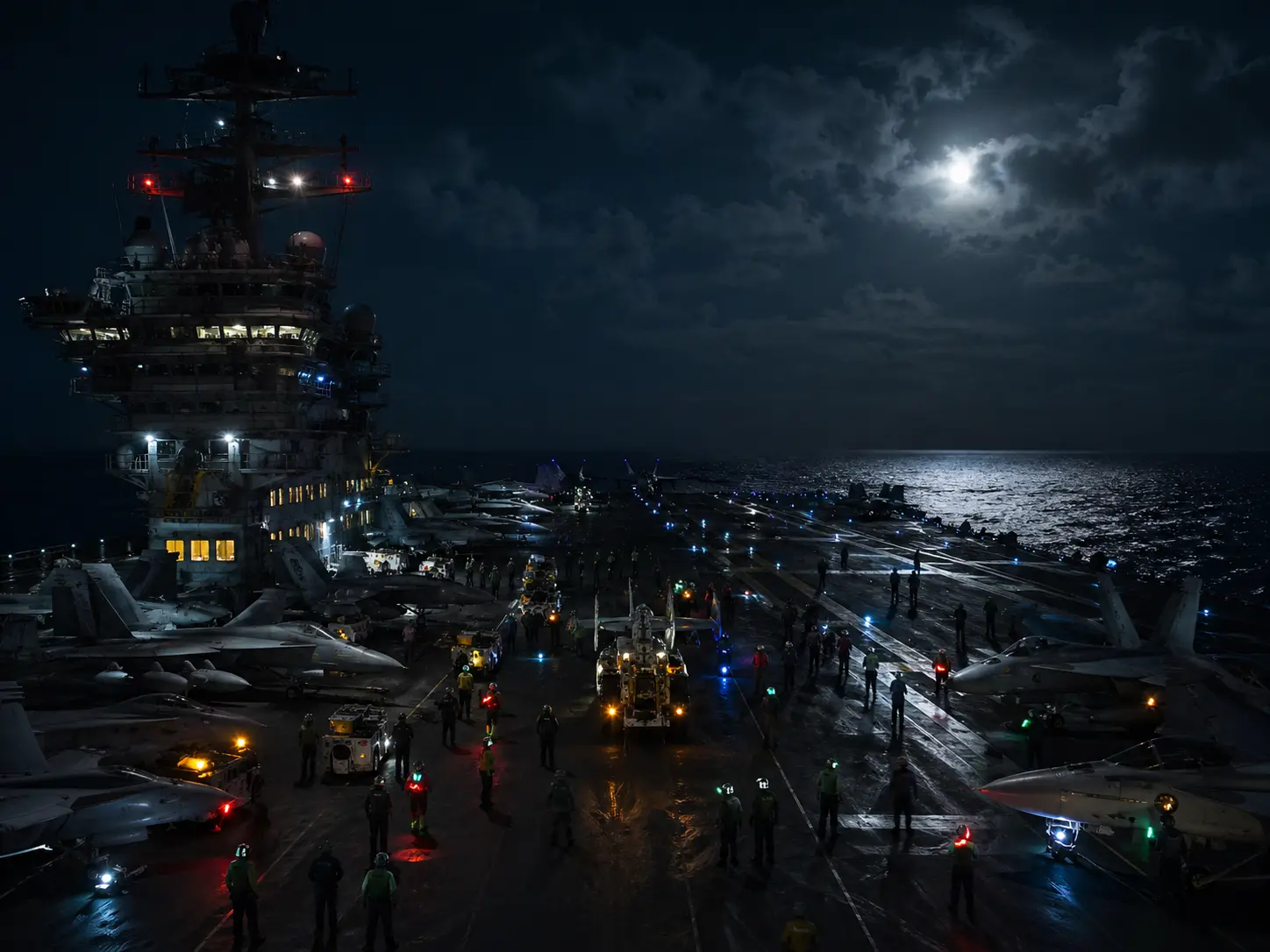
Aircraft carrier flight operations continue around the clock, even when the ship is completely blacked out. The ship relies on deceptive lighting or total "darken ship" conditions at night. Flight deck crews manage to isolate avionics issues and swap equipment while working in severe darkness.
5,000 sailors, zero errors
The USS Abraham Lincoln deploys alongside other ships, forming a combined strike group featuring roughly 7,500 personnel. The nearly 5,000 crew members aboard the carrier must navigate the hazardous, obstacle-strewn upper decks without torches. They rely instead on automatic reactions and rigorous training.
0 white lights for night vision
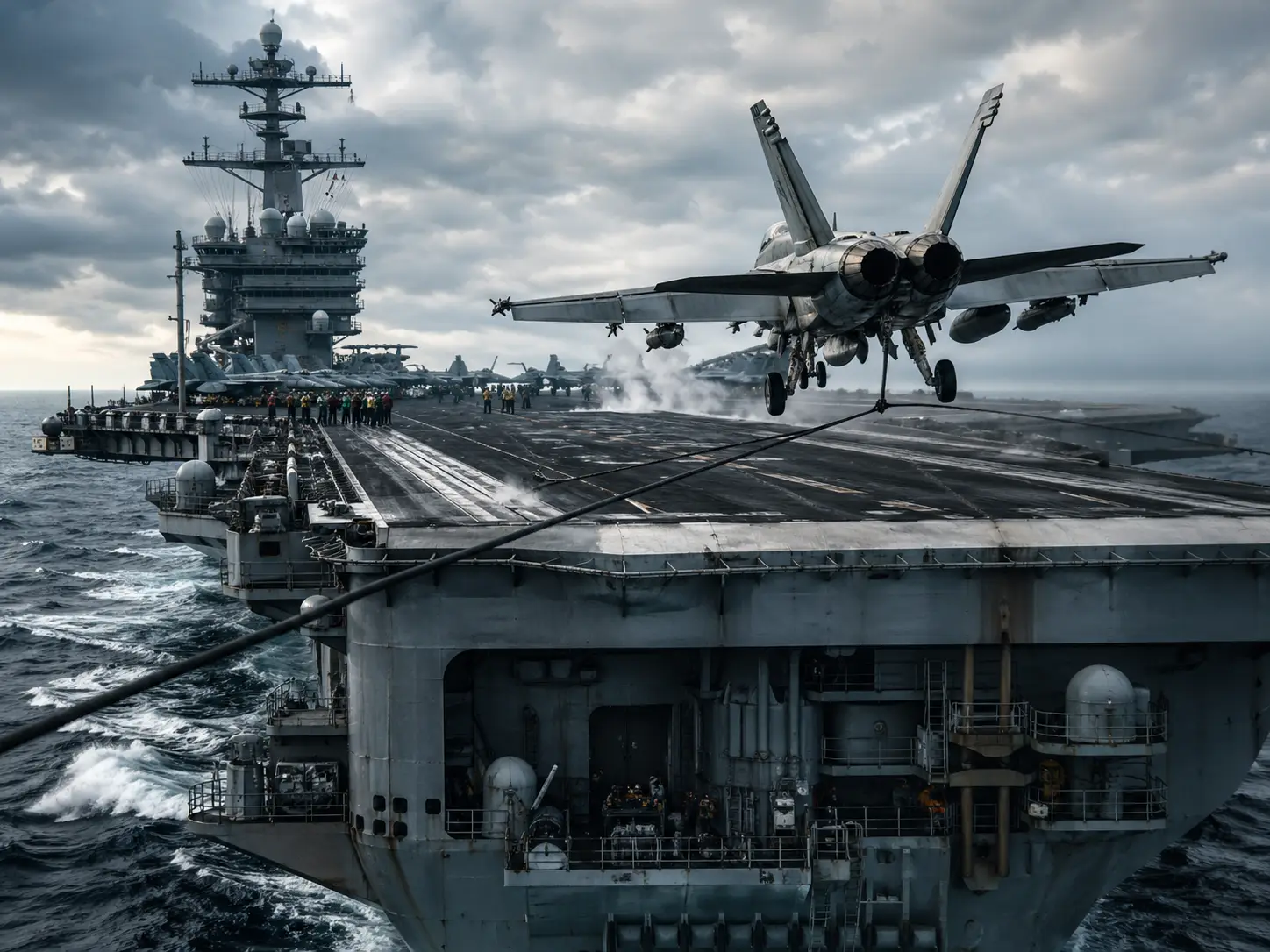
To ensure the crew can work safely during the night blackout, the ship uses low-intensity red lamps between decks. This specific lighting helps lookouts, flight deck crews, and officers on the bridge quickly adjust their eyes to the dark. It is vital before they step out into the pitch-black environment.
24-hour covert transits
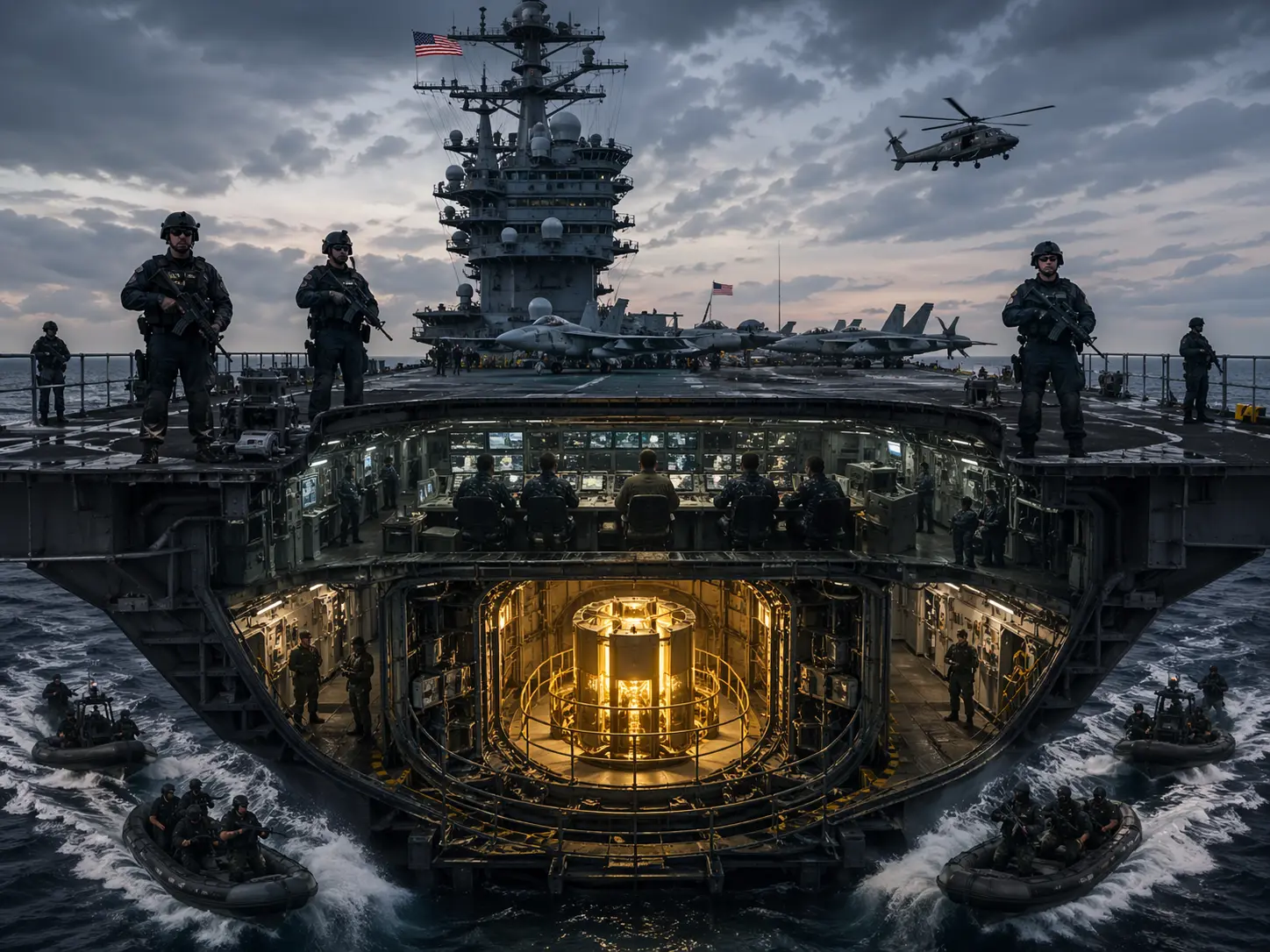
The primary goal of these blackout procedures is to allow the carrier to transit covertly and counter threats without revealing its exact position. By maintaining this dark mode, the vessel safely navigates restricted waters and high-traffic regions like the Arabian Sea.
)
)
)
)
)