'God of War': Why one B-52 bomber is more dangerous than a squadron of China's H-6K bombers

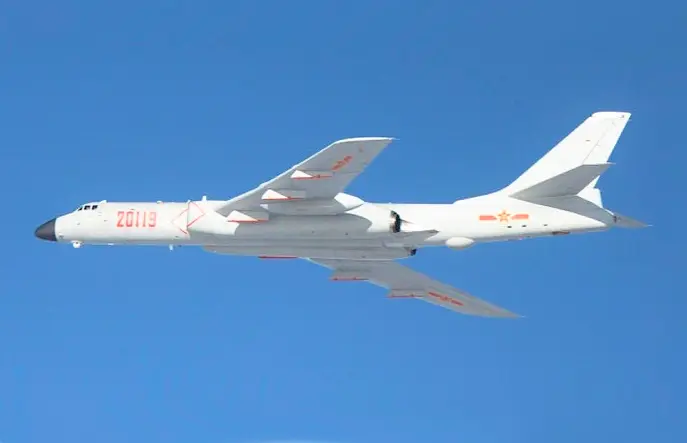
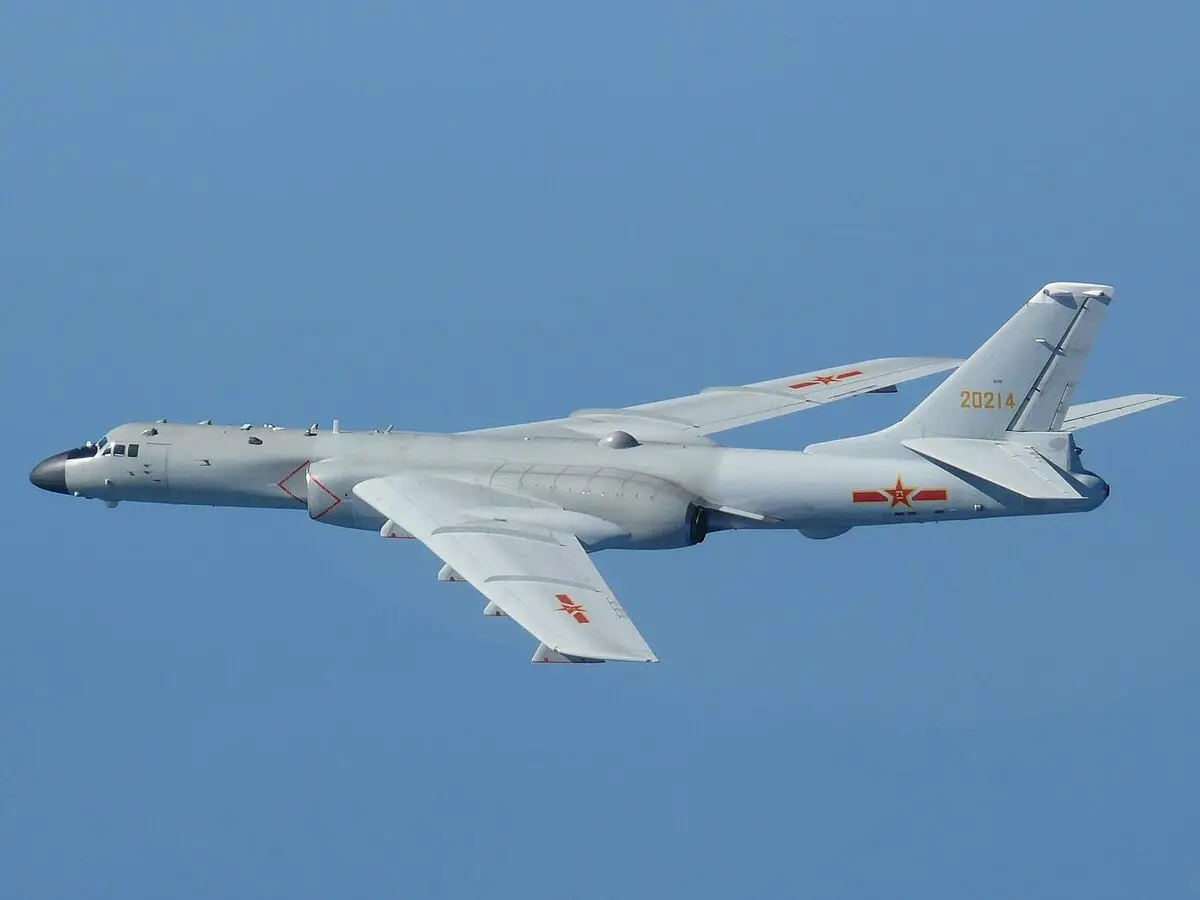
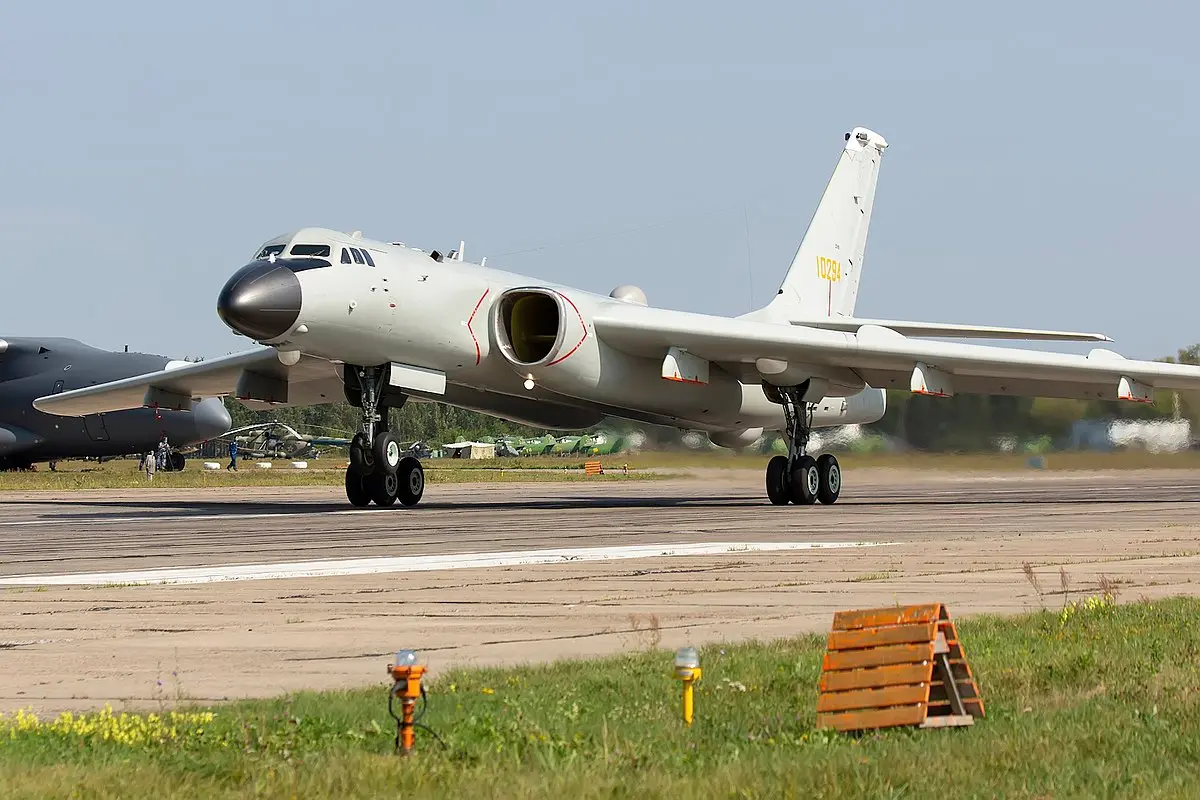
Here is the breakdown of how China’s H-6K "God of War" stacks up against the American B-52 Stratofortress, and who would cause more devastation.
1. The "Weight Class" Mismatch
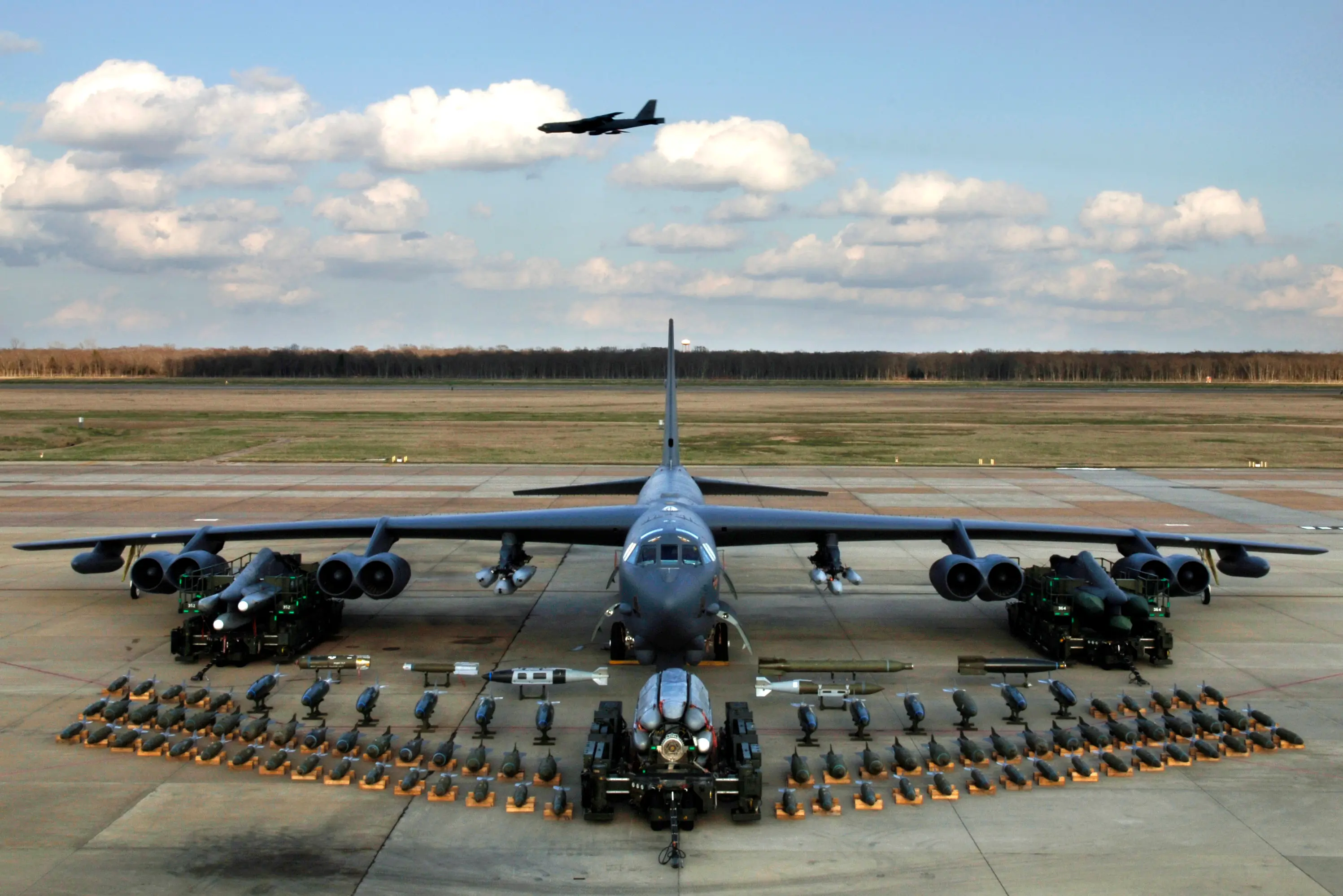
The first brutal fact is size. The B-52 is a heavy strategic bomber; the H-6K is a medium bomber (based on the 1950s Soviet Tu-16).
- B-52 Payload: Can carry 70,000 lbs of ordnance.
- H-6K Payload: Can carry approx 26,000 lbs of ordnance.
The Reality: In a single sortie, one B-52 can deliver nearly 3x the explosive tonnage of an H-6K. If the goal is "levelling a grid square," the B-52 wins effortlessly.
2. The "Guam Killer" vs. The "Global Reach"
H-6K (The Regional Assassin): The H-6K is designed for one specific job: A2/AD (Anti-Access/Area Denial). Its combat radius is roughly 2,200 miles, just enough to fly from China and launch missiles at US bases in Guam and Okinawa. It is a "sniper" aimed at US staging grounds.
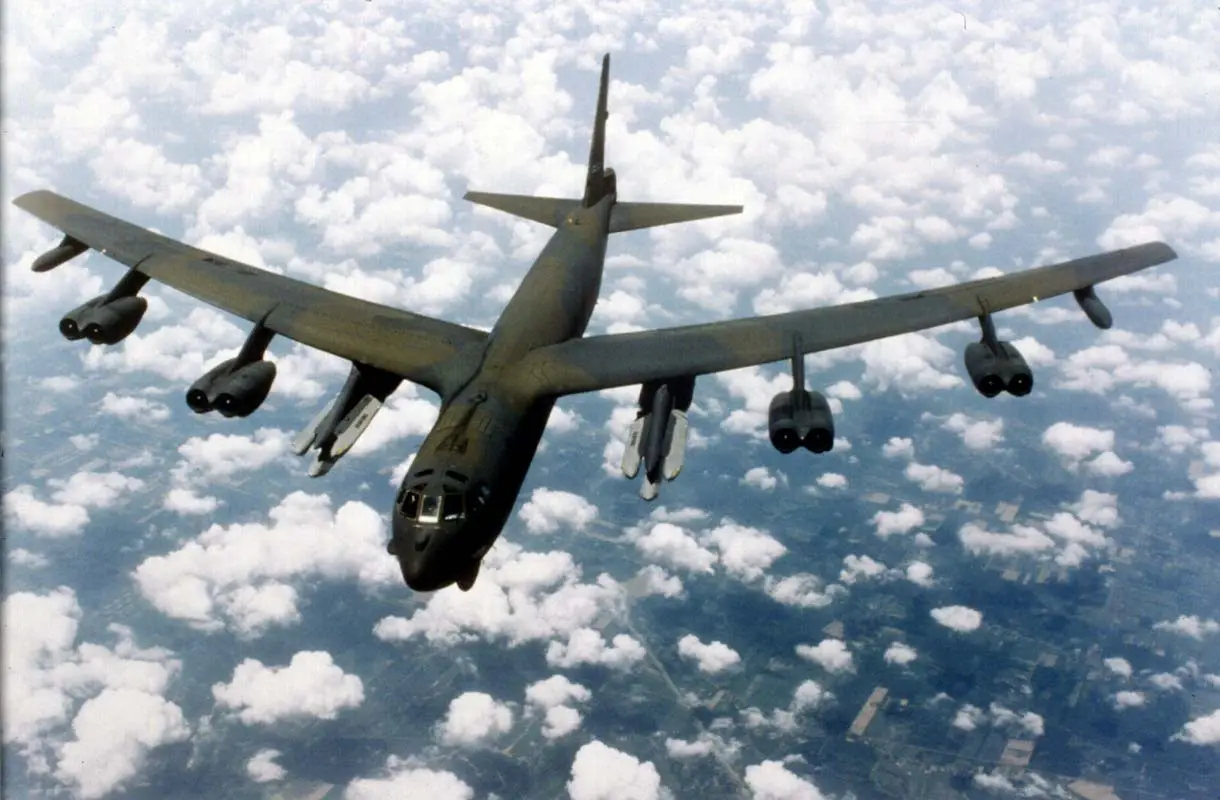
B-52 (The Global Sledgehammer): The B-52 has an unrefueled combat range of 8,800 miles. It can take off from the US mainland, fly to the South China Sea, launch its payload, and return without ever landing in the danger zone.
3. The Missile Duel: Stealth vs. Speed
This is where the battle is actually fought.
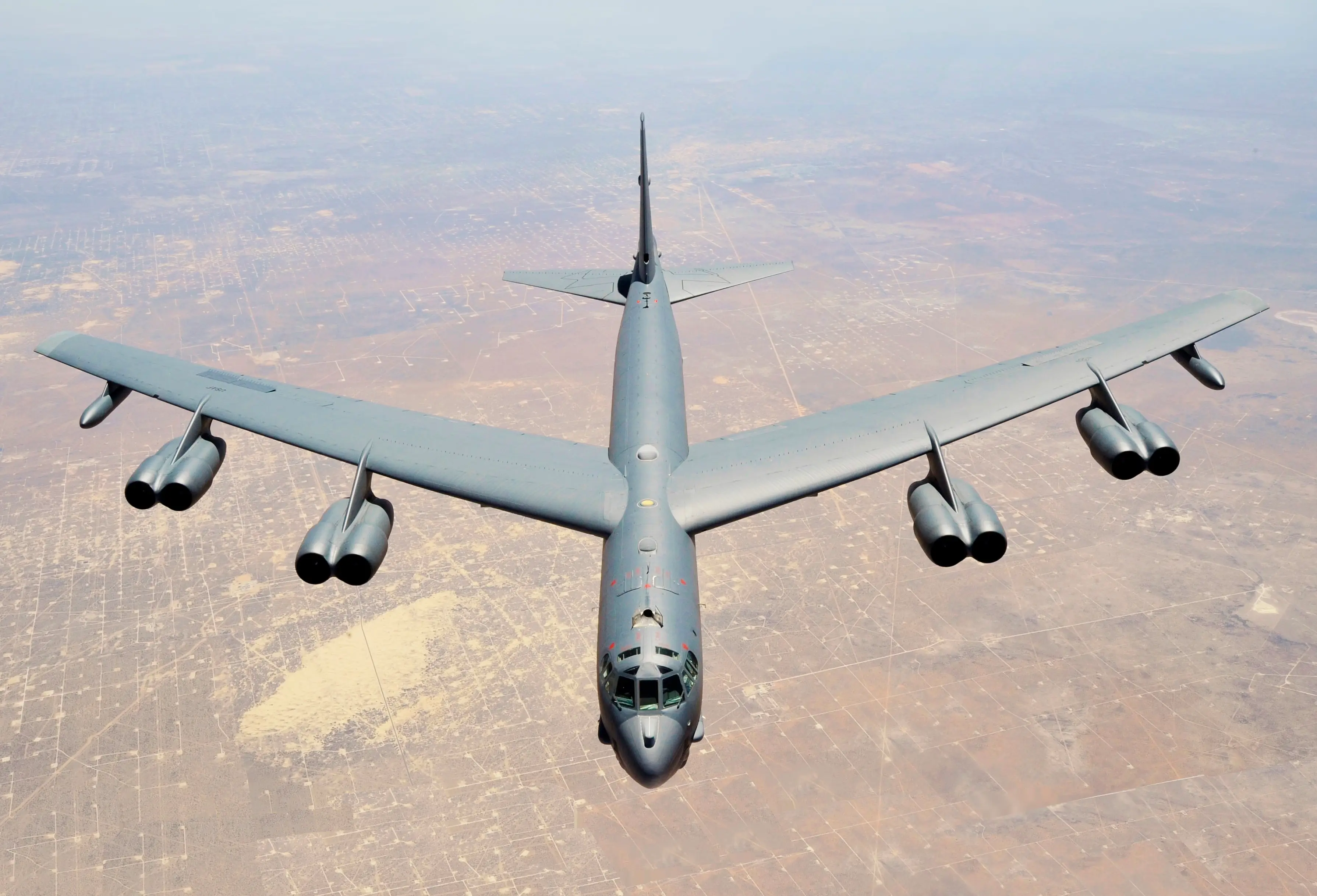
- US Weapon (Stealth): The B-52 carries the AGM-158 JASSM-ER. This is a subsonic, stealthy cruise missile with a range of 575+ miles. A single B-52 can carry 20 of these. They fly low and silent, designed to slip through Chinese radar undetected.
- China Weapon (Speed): The H-6K carries the YJ-12 (anti-ship) or CJ-20 (land attack). The YJ-12 is terrifying because it is supersonic (Mach 3+). It relies on sheer speed to punch through US Navy defenses before they can react.
4. The "Volume" Problem
In a full-scale war, "quantity has a quality all its own."
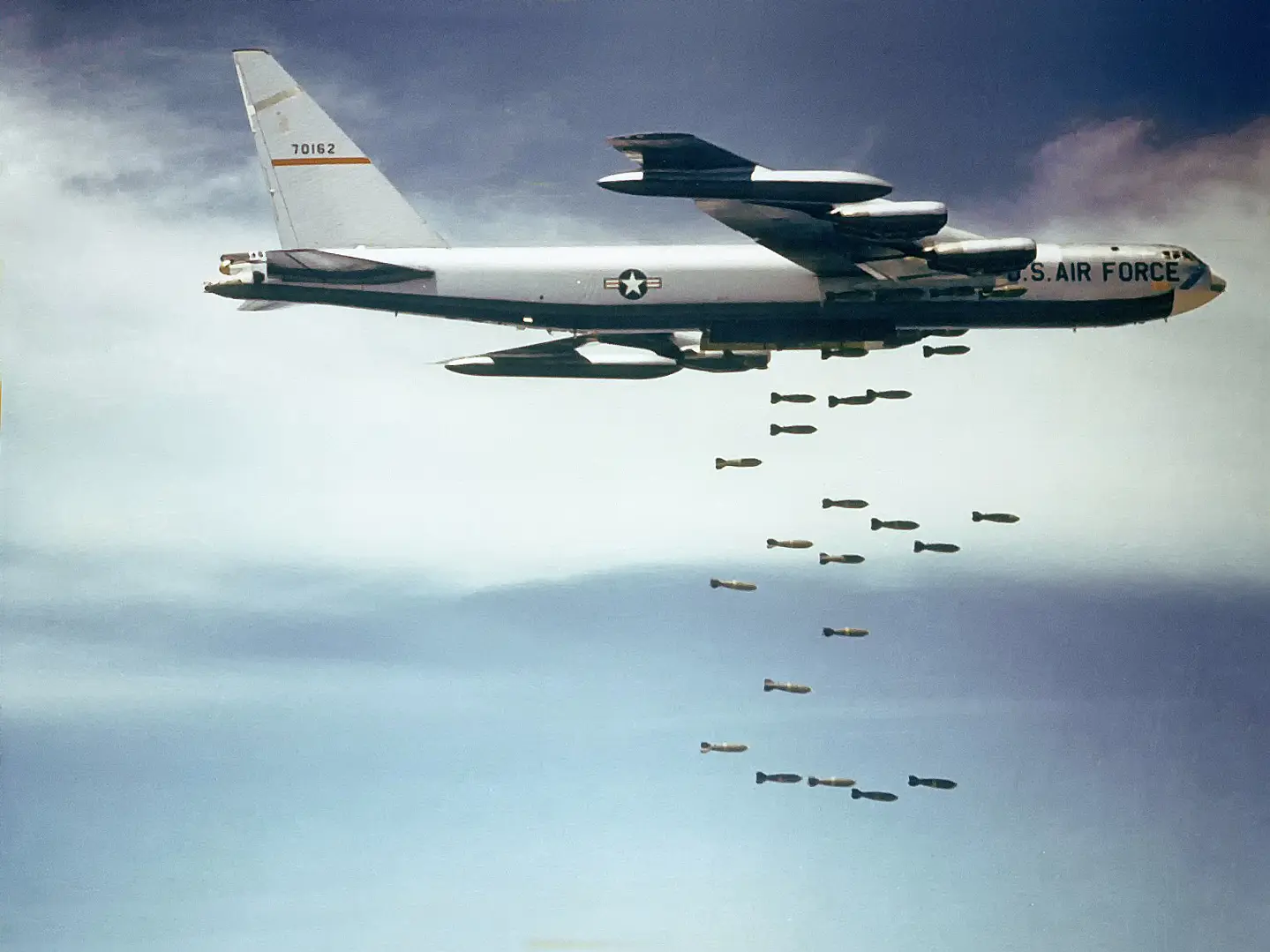
- US Saturation: A squadron of 5 B-52s can launch 100 stealth missiles simultaneously. This volume is capable of overwhelming even the most advanced air defense networks (like the S-400), simply by exhausting their interceptors.
- Chinese Precision: The H-6K carries only 6 missiles on wing pylons. To match the volume of 5 B-52s, China would need to scramble nearly 17 H-6Ks. Organizing a strike package that large is logistically harder and easier to detect.
5. Survivability (The Glass Cannon Factor)
Both aircraft are effectively "flying barns" on radar. Neither is stealthy.
- The Risk: If an H-6K tries to attack a US Carrier Strike Group, it must fly relatively close to the "First Island Chain," putting it within range of US/Japanese fighter jets.
- The B-52's Edge: Because the B-52's JASSM-ER missiles have extreme range, the B-52 can launch its attack from outside the range of China's air defenses (a tactic called "Stand-Off"). It shoots and turns around before Chinese fighters can even see it.
The Verdict: Who Causes Greater Damage?
- Tactical Shock: The H-6K. If an H-6K succeeds in sinking a US Aircraft Carrier using a YJ-12 missile, it causes the single greatest military loss since WWII. It is the "Carrier Killer."
- Strategic Devastation: The B-52. In terms of erasing infrastructure, airfields, and command centers, the B-52 has no rival. Its ability to rain 100+ precision missiles from safety allows it to dismantle an enemy's military capacity systematically.
The Bottom Line:
The H-6K is a dangerous defensive weapon designed to keep the US out. The B-52 is an offensive weapon designed to break the door down.
)
)

)
)