'Giant Fans': How the USS Abraham Lincoln pushes toxic smoke out of the ship

The USS Abraham Lincoln uses high-capacity ventilation fans and massive elevator doors to expel toxic jet exhaust. This rapid air exchange ensures safe, breathable air for over 5,000 sailors.
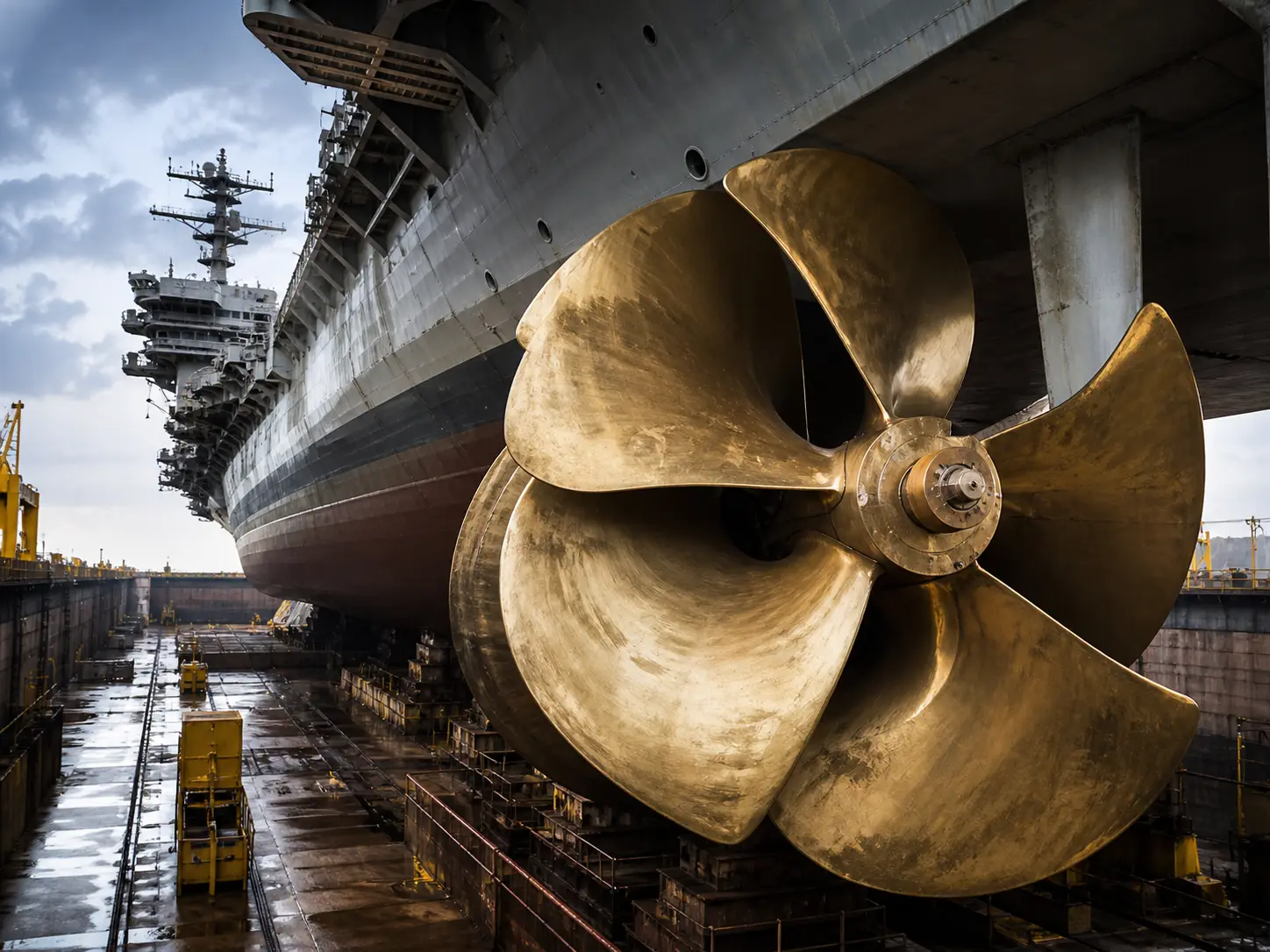
Jet exhaust health risks
The USS Abraham Lincoln houses dozens of fighter jets that produce immense heat and toxic exhaust. When aircraft engines operate in confined spaces, hazardous smoke becomes a severe health risk to the over 5,000 crew members aboard the Nimitz-class warship.
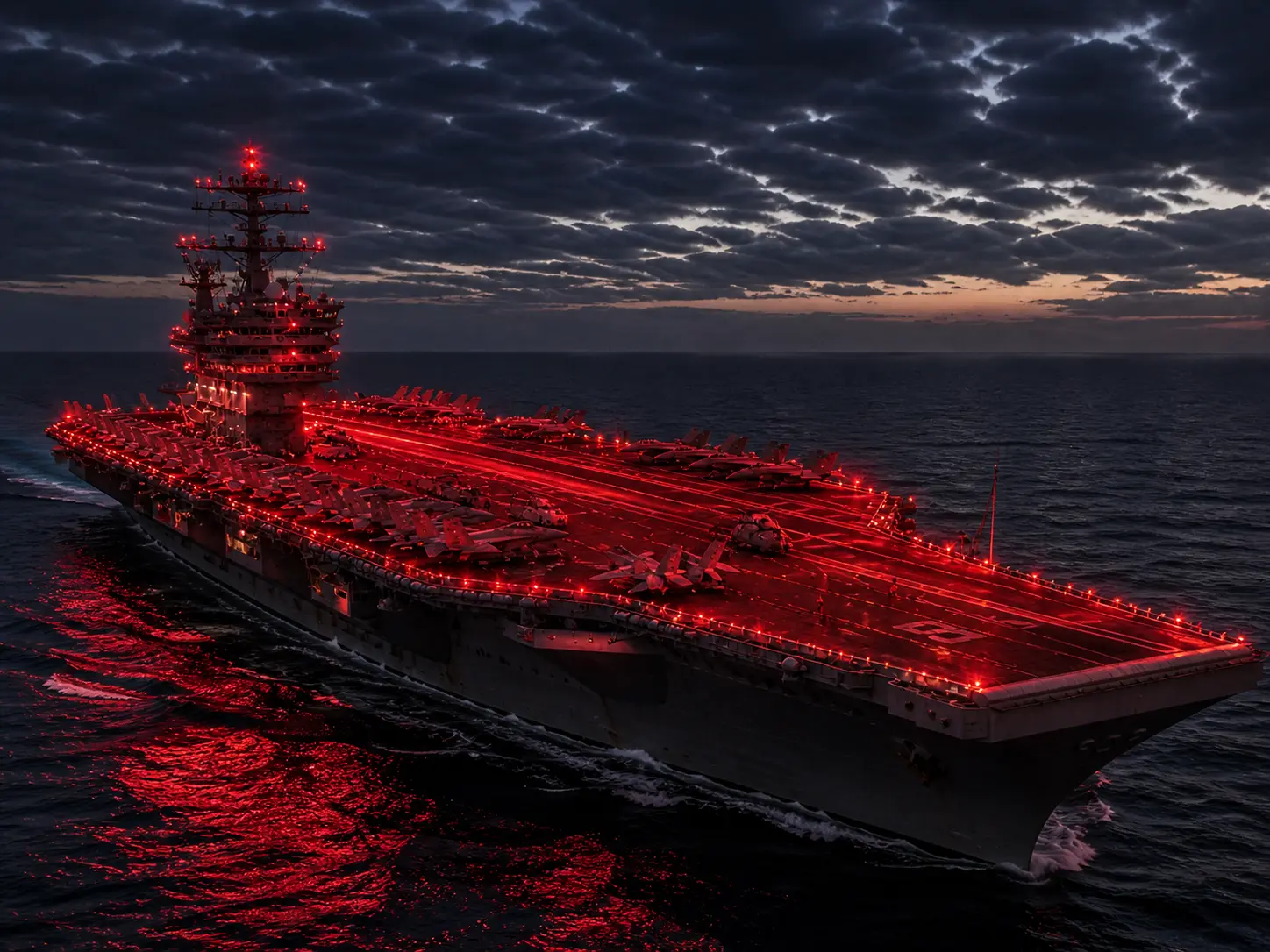
High-capacity mechanical fans
To ensure breathable air, the aircraft carrier relies on a heavy-duty mechanical ventilation network. High-capacity industrial fans operate continuously below deck, designed to rapidly pull toxic fumes away from living quarters and crucial workspaces.
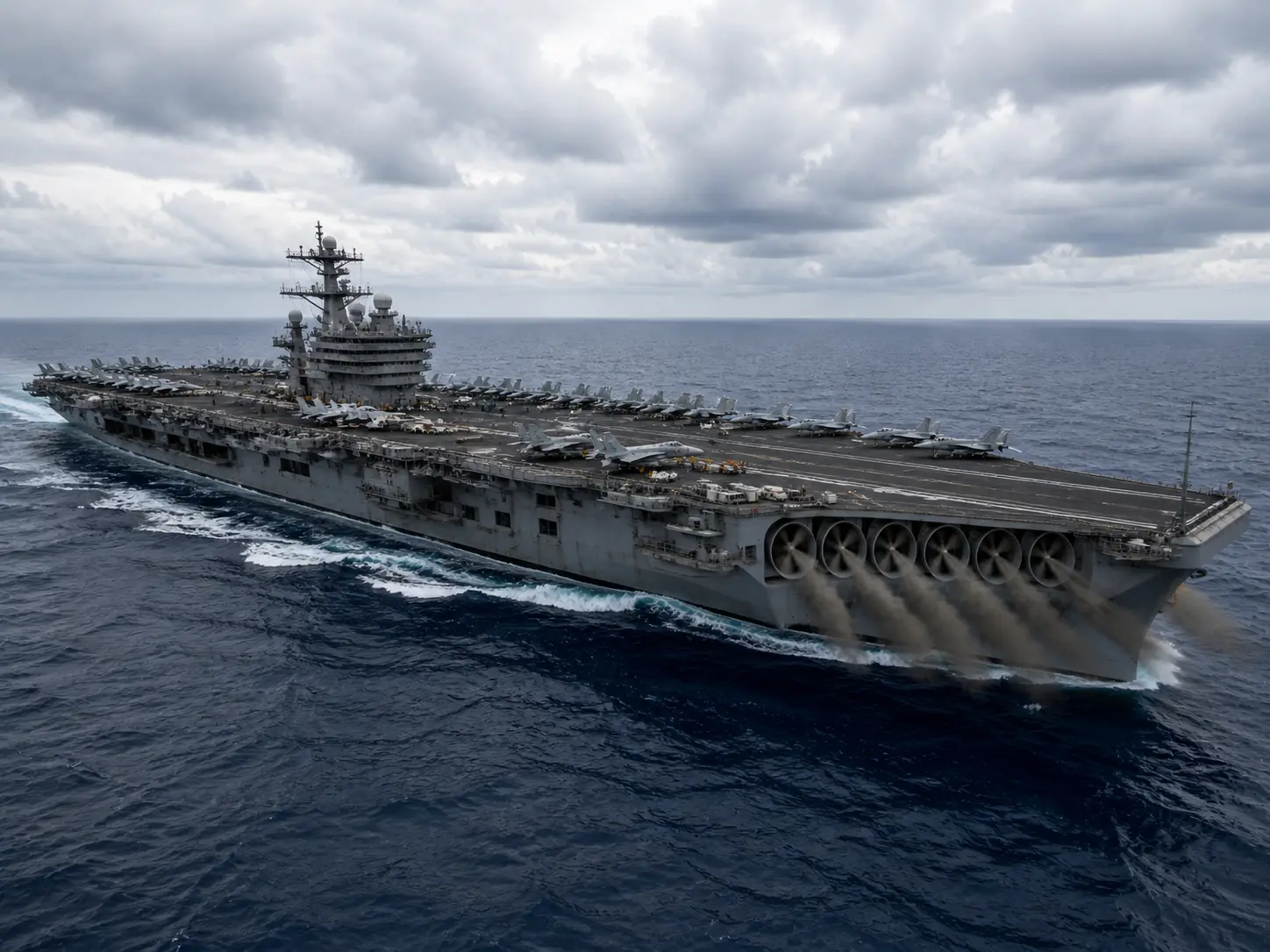
Hangar bay air exchange
The hangar bay is the primary indoor zone where hazardous aviation fuel vapours accumulate. Built-in exhaust systems cycle thousands of cubic feet of air per minute, forcing the toxic smoke out through the massive aircraft elevator doors.
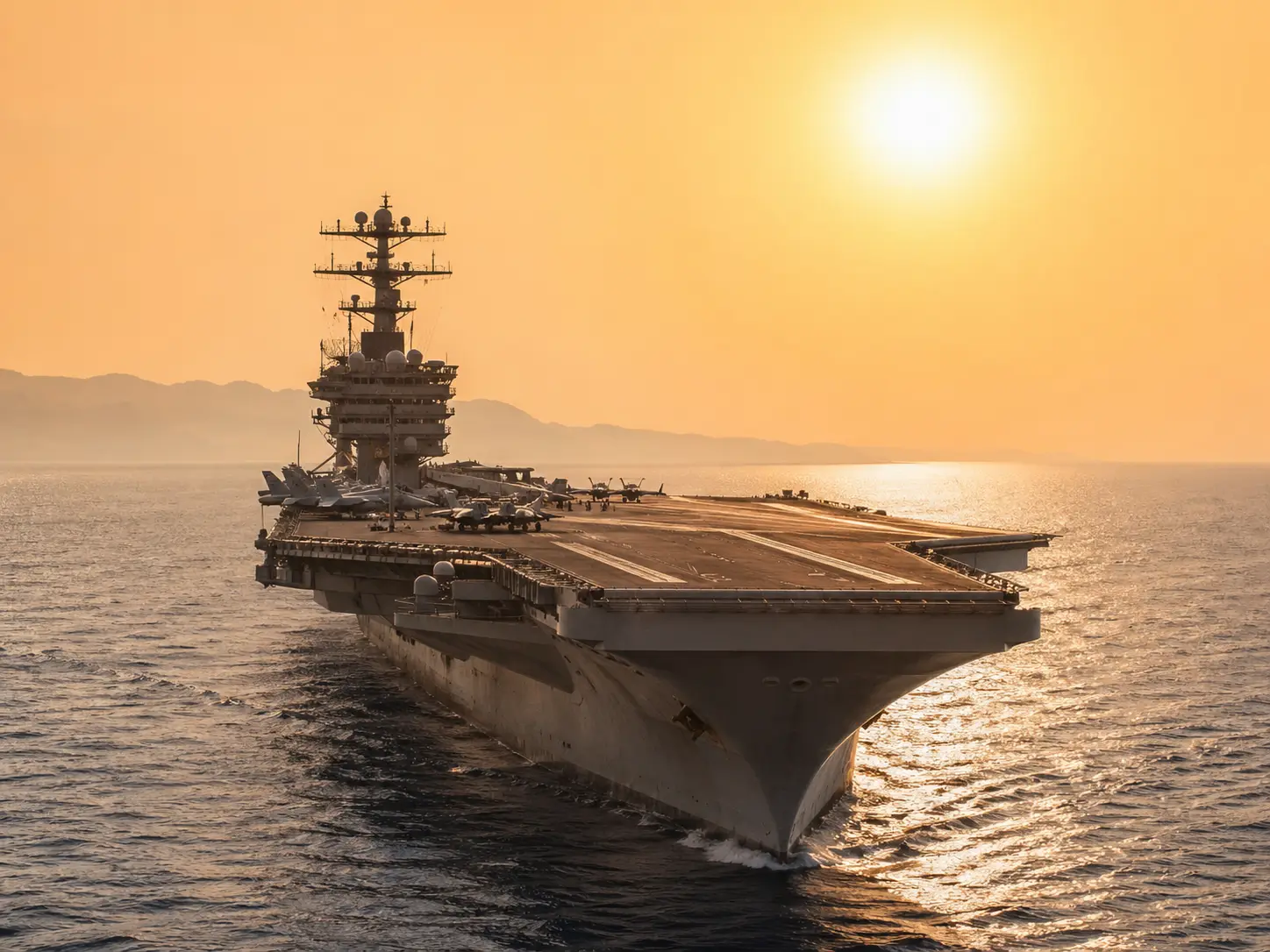
Clearing the flight deck
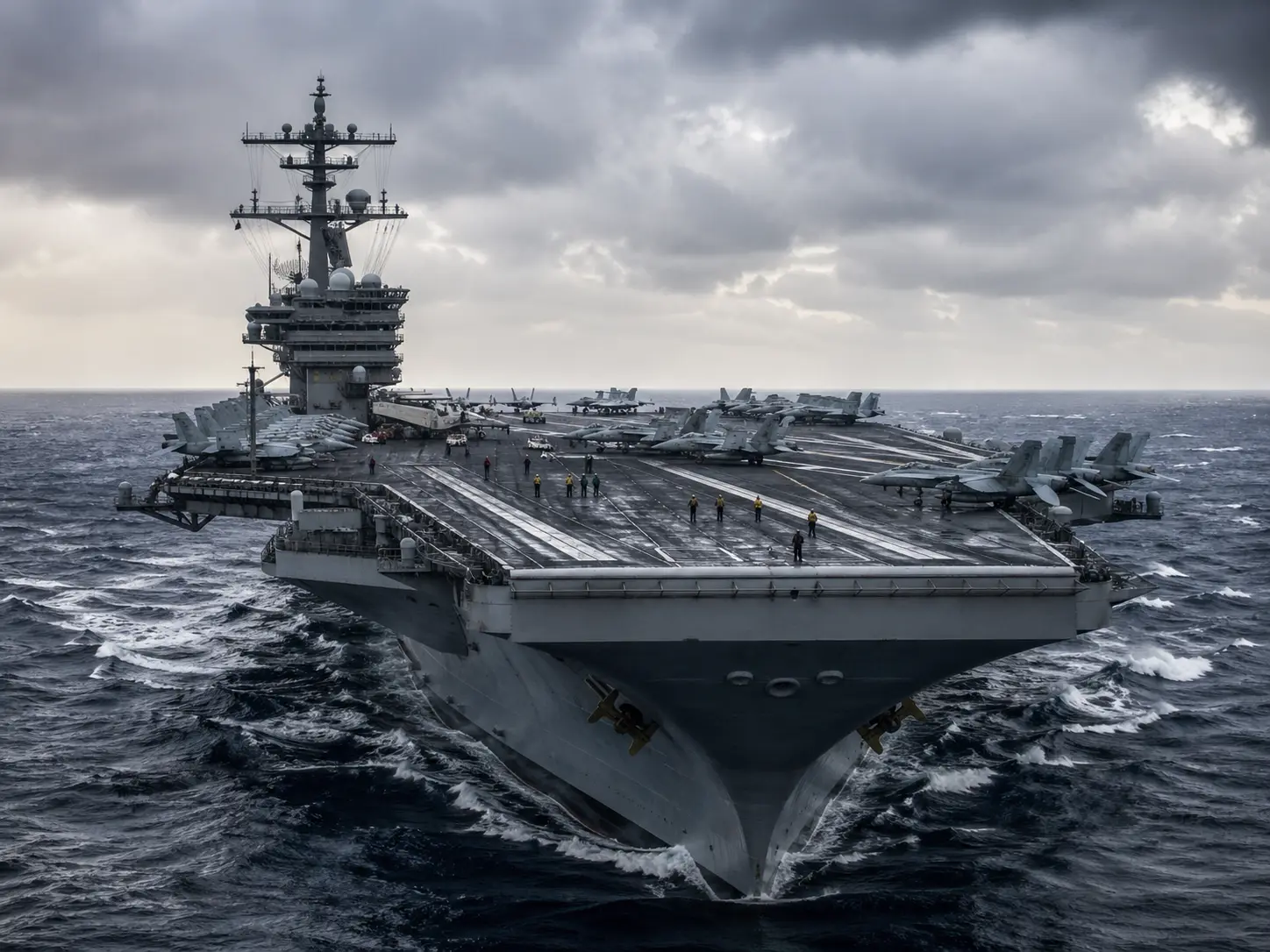
While natural ocean winds help clear smoke on the open flight deck, stationary operations still pose a risk of intense heat and dangerous fumes. Instead of using exhaust ducts, the warship utilizes large, water-cooled Jet Blast Deflectors (JBDs). These massive metal panels rise from the deck directly behind the aircraft, safely deflecting the toxic exhaust upward and into the wind stream to protect the working aviation crew.
Emergency damage control fans
During a fire, the carrier's damage control teams deploy portable, explosion-proof ventilation fans. These high-velocity emergency blowers establish immediate air pathways, removing thick smoke from confined compartments and restoring visibility for firefighting sailors.
Scrubbing fresh sea air
As giant fans expel toxic gases, the ship must simultaneously draw in fresh oxygen. Advanced filtration systems scrub the incoming sea air to remove salt, moisture, and airborne contaminants, preventing internal corrosion and protecting the crew.
Maintaining breathable air
The extensive ventilation infrastructure requires strict daily maintenance by naval engineers. The crew regularly inspects the giant fans and exhaust ducts to prevent dangerous fume buildup, ensuring the 100,000-tonne floating airbase operates safely during long deployments.
)
)
)
)
)