'Ghost vs Giant Eye': Can Venezuela’s S-300 stop a B-2 Bomber raid, if Trump declares war?

The B-2 does not need to fly directly over the S-300 to destroy it. The bomber can carry the JASSM-ER (Joint Air-to-Surface Standoff Missile), which has a range of over 500 miles.
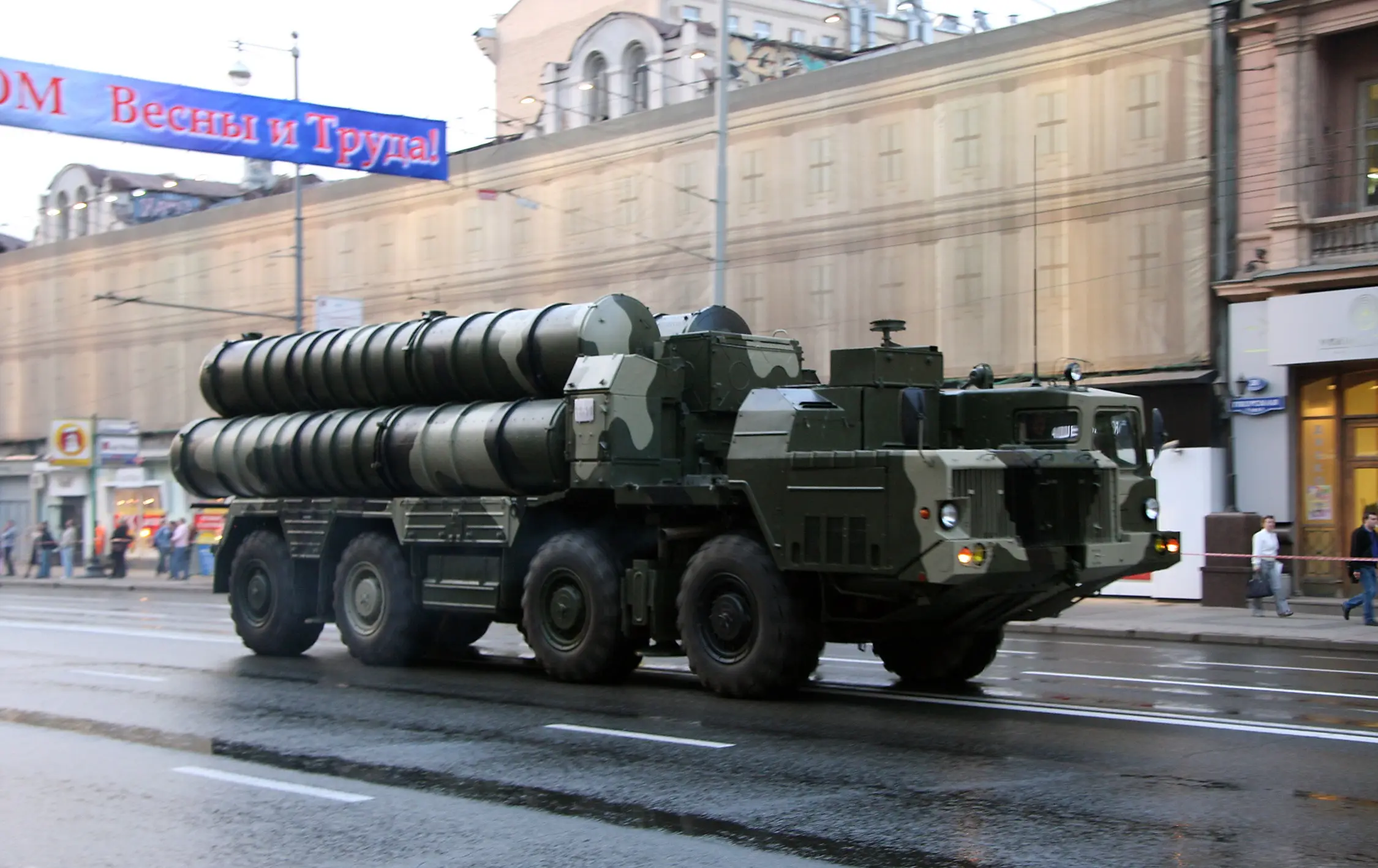
1. The S-300VM: Venezuela's Russian Shield
Venezuela operates the S-300VM "Antey-2500," widely considered one of the most capable air defense systems in Latin America. Unlike older systems, it is mobile, tracked, and designed specifically to shoot down ballistic missiles and high-speed aircraft. On paper, it has a range of over 200 kilometers and can track up to 100 targets simultaneously, making it a death sentence for standard 4th-generation fighters like the F-16 or F-15 that lack stealth technology.
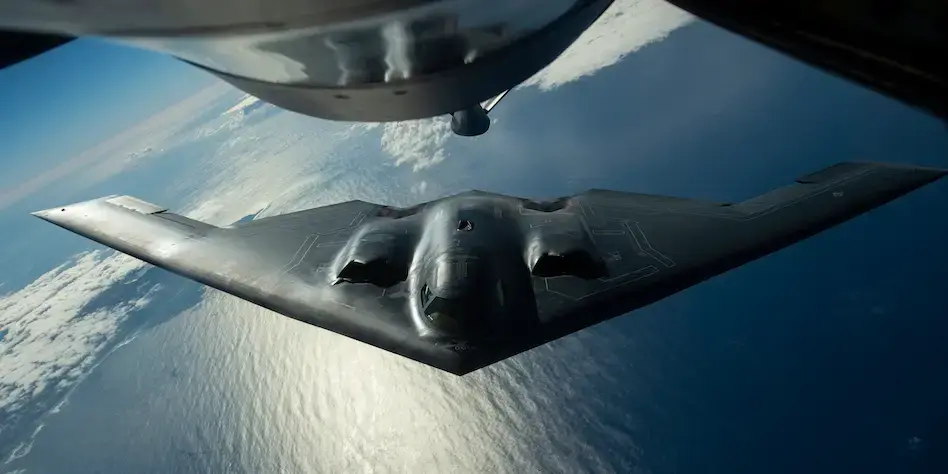
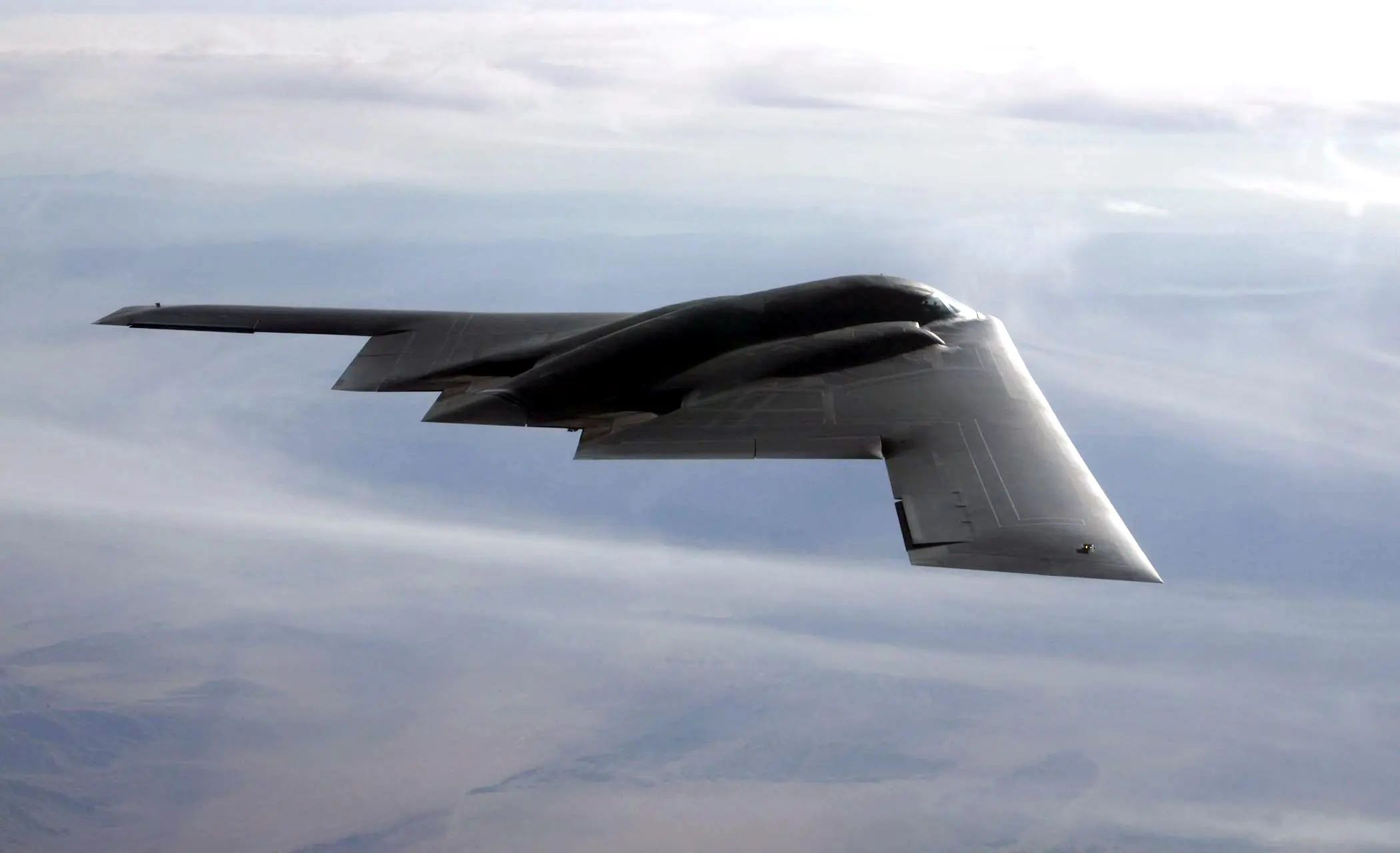
2. The B-2 Spirit: The Geometry of Invisibility
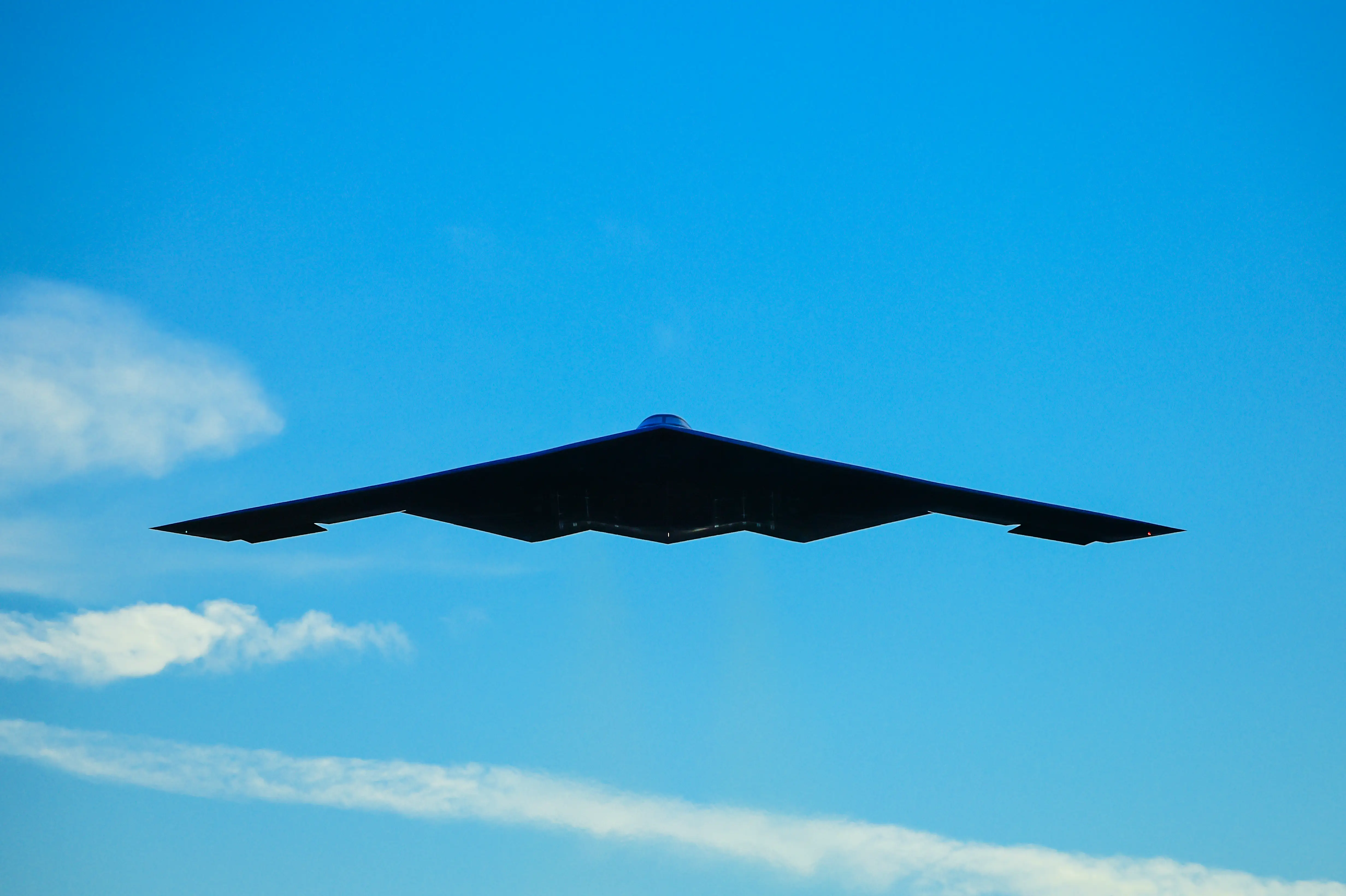
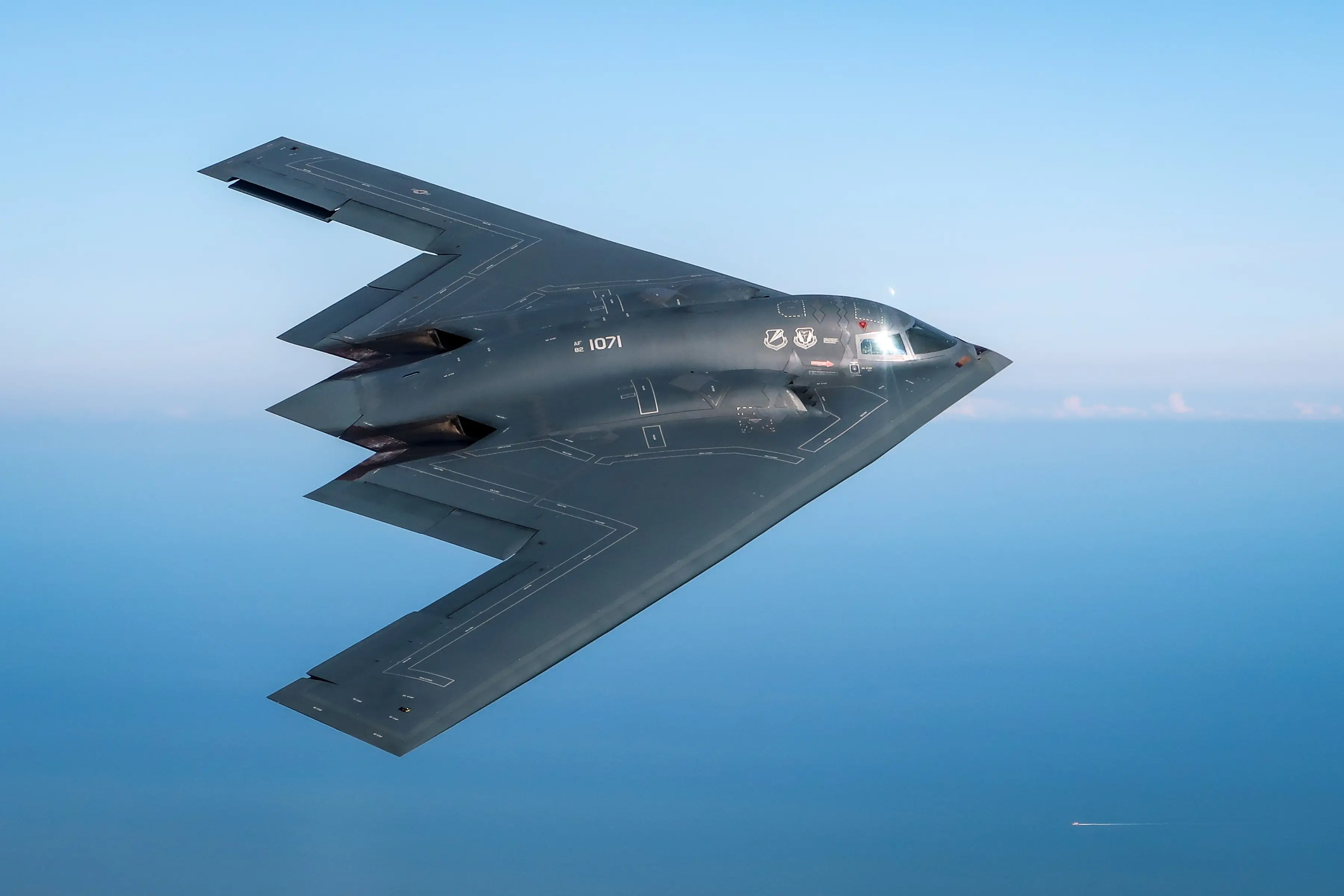
The B-2 Spirit does not rely on speed; it relies on physics. Its unique "flying wing" design lacks a vertical tail, which is the biggest reflector of radar waves on a normal plane. The entire aircraft is coated in classified Radar Absorbent Material (RAM) that traps electromagnetic energy instead of bouncing it back. To a high-frequency fire-control radar, the massive 172-foot wide bomber appears as small as a large bird or a bumblebee, effectively disappearing into the background noise.
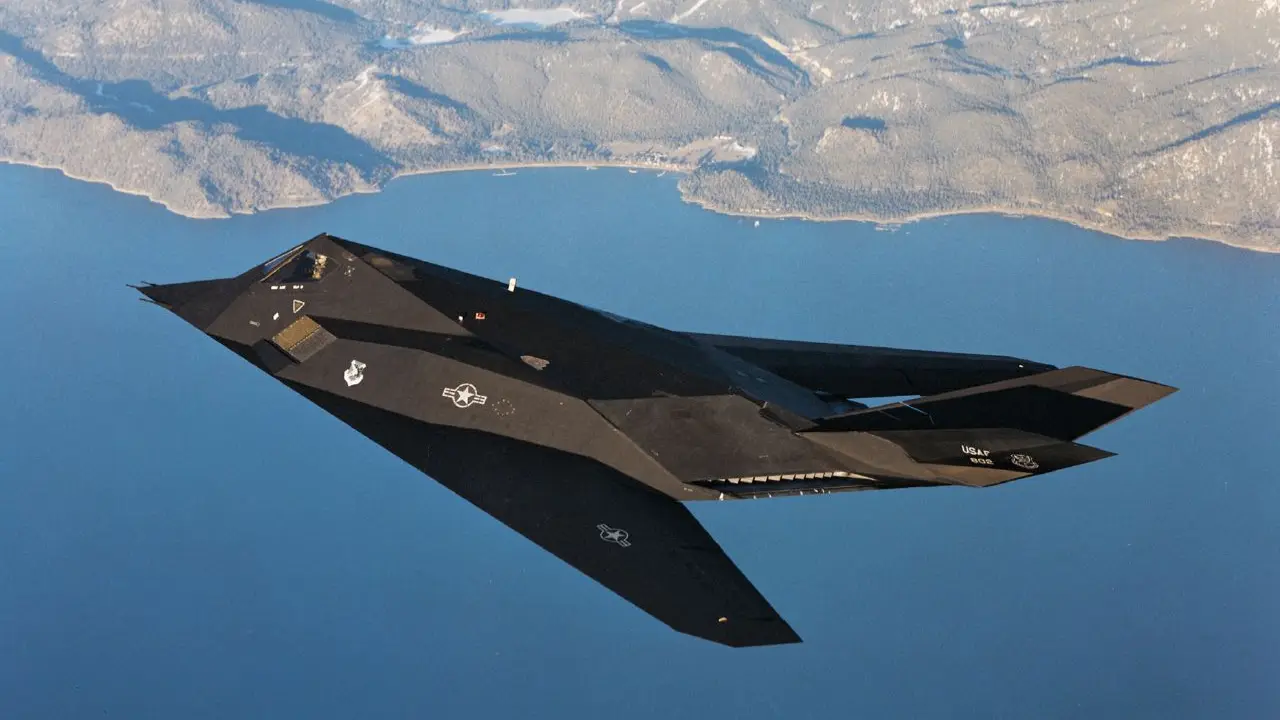
3. The "X-Band" Blindness: Why the S-300 Can't Lock On
To launch a missile, the S-300 needs a "weapons-grade" lock. This requires high-frequency X-Band or C-Band radar waves to hit the target and bounce back with precision. The B-2 is specifically engineered to defeat these exact frequencies. When the S-300's engagement radar sweeps the sky, its waves hit the B-2's smooth, angled surfaces and are scattered away or absorbed. The radar computer receives no return signal, meaning it cannot guide a missile to the aircraft because it literally cannot "see" exactly where it is.
4. The VHF Loophole: Seeing a "Ghost"
Venezuela also uses older VHF (Very High Frequency) radars, which use longer wavelengths that can sometimes detect stealth aircraft. However, this creates a "Ghost" effect. The Venezuelan operators might see a fuzzy, static-filled blob on their wide-area search screens indicating something is out there. But VHF radars are too imprecise to guide a missile. The operators would be in a nightmare scenario: knowing an enemy is nearby but being unable to pass a targeting solution to their missiles to kill it.
5. The "Growler" Factor: Electronic Blindfolds
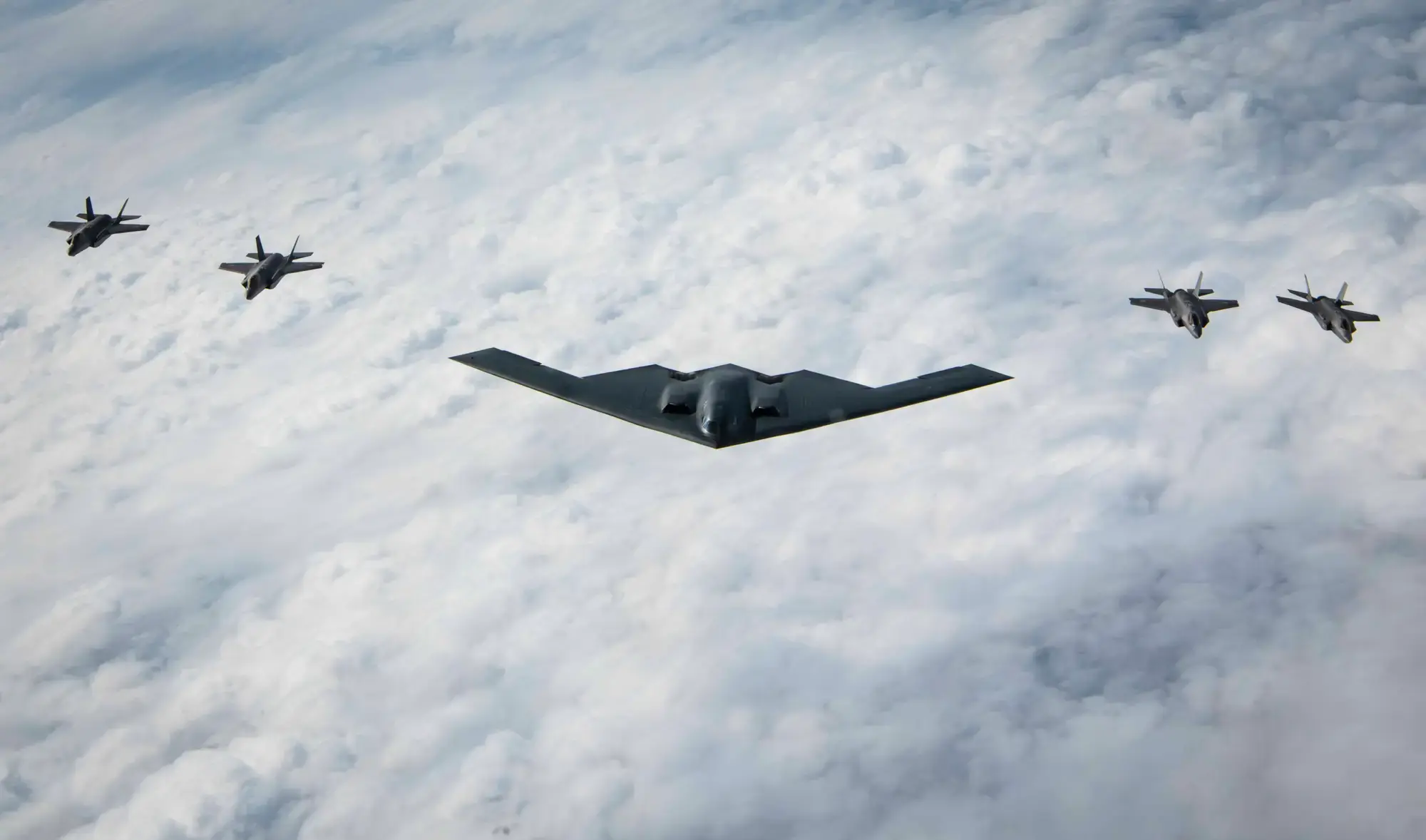
In a real conflict, the B-2 would not fight alone. The US Navy would deploy EA-18G Growlers to blast the airwaves with electronic jamming noise. Even if the S-300 managed to get a fleeting glimpse of the B-2, the Growlers would flood the S-300’s receivers with overwhelming static. This forces the radar into "burn-through" mode, drastically reducing its range and effectiveness, and essentially blinding the system completely just as the bombers approach.
6. The Stand-Off Execution: JASSM-ER
The B-2 does not need to fly directly over the S-300 to destroy it. The bomber can carry the JASSM-ER (Joint Air-to-Surface Standoff Missile), which has a range of over 500 miles. This allows the B-2 to release its payload while safely outside the S-300's theoretical range. The stealthy cruise missiles would fly low, hugging the terrain, and strike the radar site before the battery commanders even realised the attack had begun.
7. The Verdict: A One-Sided Slaughter
While the S-300 is a formidable deterrent against regional neighbours, it was designed in an era before the B-2's stealth technology was fully understood. In a head-to-head confrontation, the B-2 Spirit holds all the cards. It can see the S-300 first, shoot first, and leave before the Venezuelan defence network realises it has been decapitated. The S-300 is a sledgehammer, but the B-2 is a ghost, and you cannot hit a ghost with a hammer.
)
)
)
)
)