'Ghost ship': Why the USS Abraham Lincoln looks completely invisible at night

The USS Abraham Lincoln uses strict darken ship protocols, red deck lights, and zero radar emissions to become an invisible ghost ship, safely launching jets in total darkness.
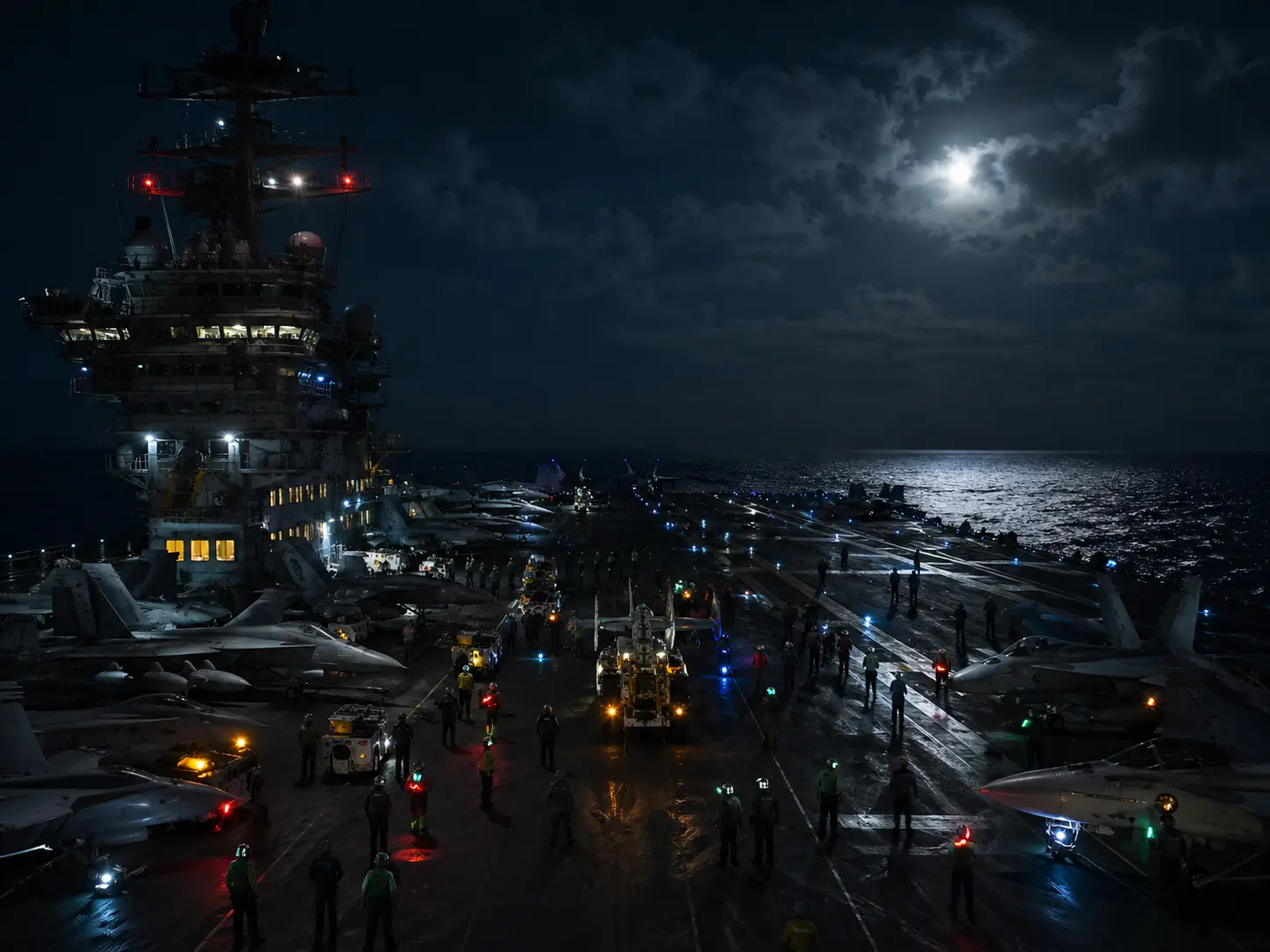
100 Per Cent Dark Deck
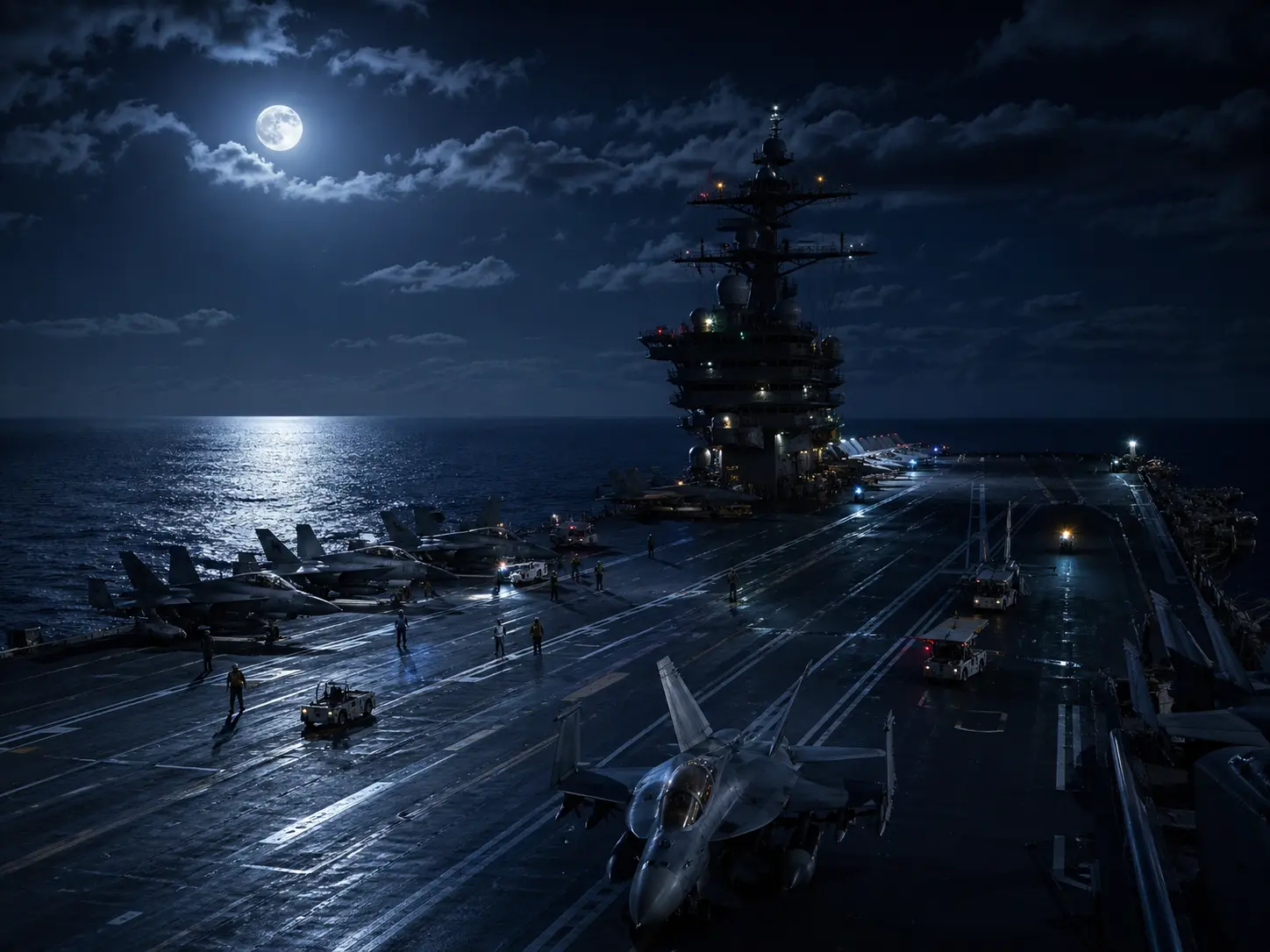
The USS Abraham Lincoln strictly enforces a darken ship protocol after sunset. Crews turn off all exterior white lights and close all hatches. This ensures the colossal warship blends entirely into the ocean, masking its exact position from hostile forces.
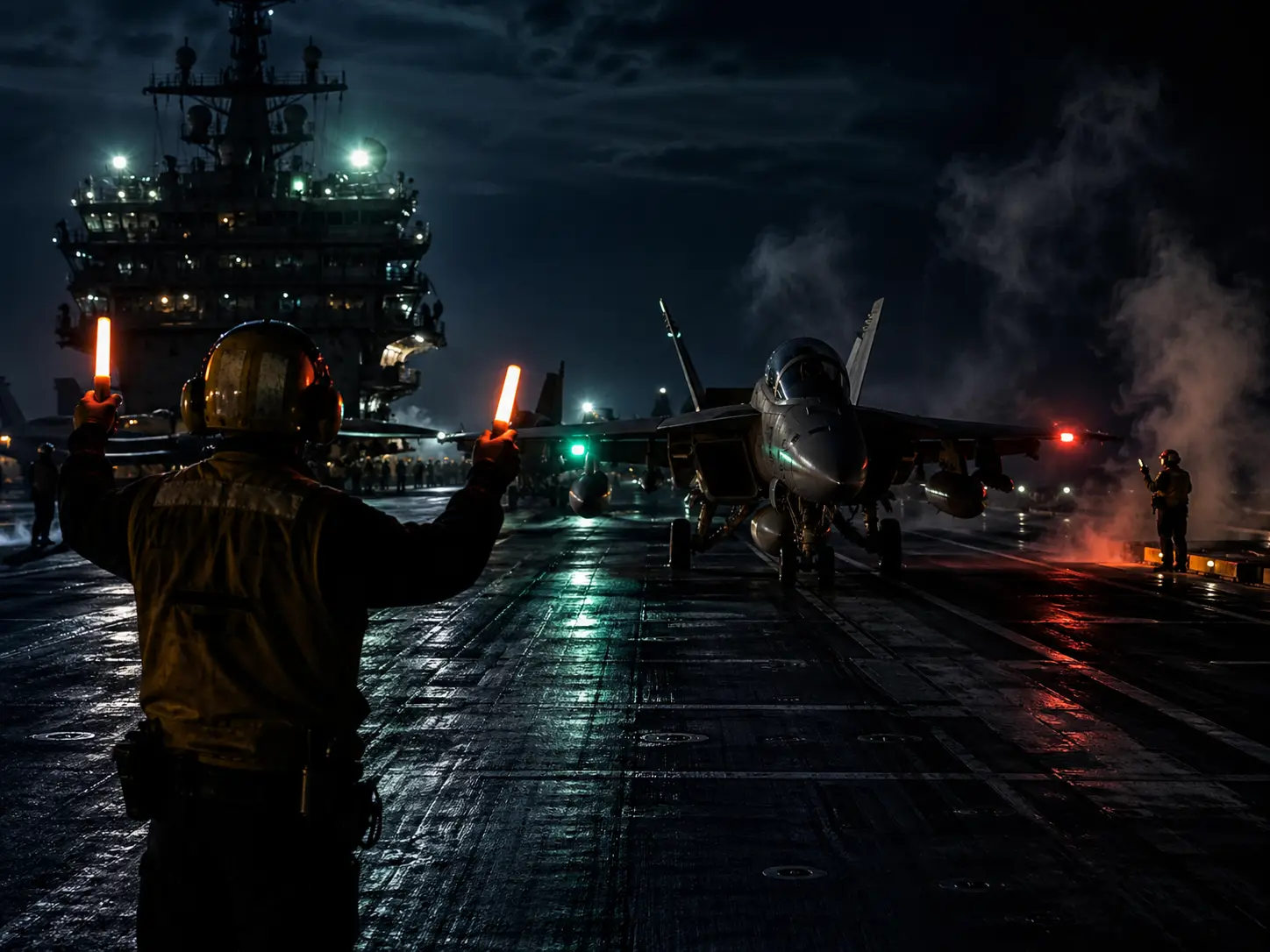
20/20 Red Light Vision
The flight deck uses low-intensity red lighting to preserve the natural night vision of the crew. These specific wavelengths prevent human pupils from constricting. Sailors can clearly see their equipment and maintain fast-paced operations in near-total darkness.
FS 26270 Haze Gray Camouflage
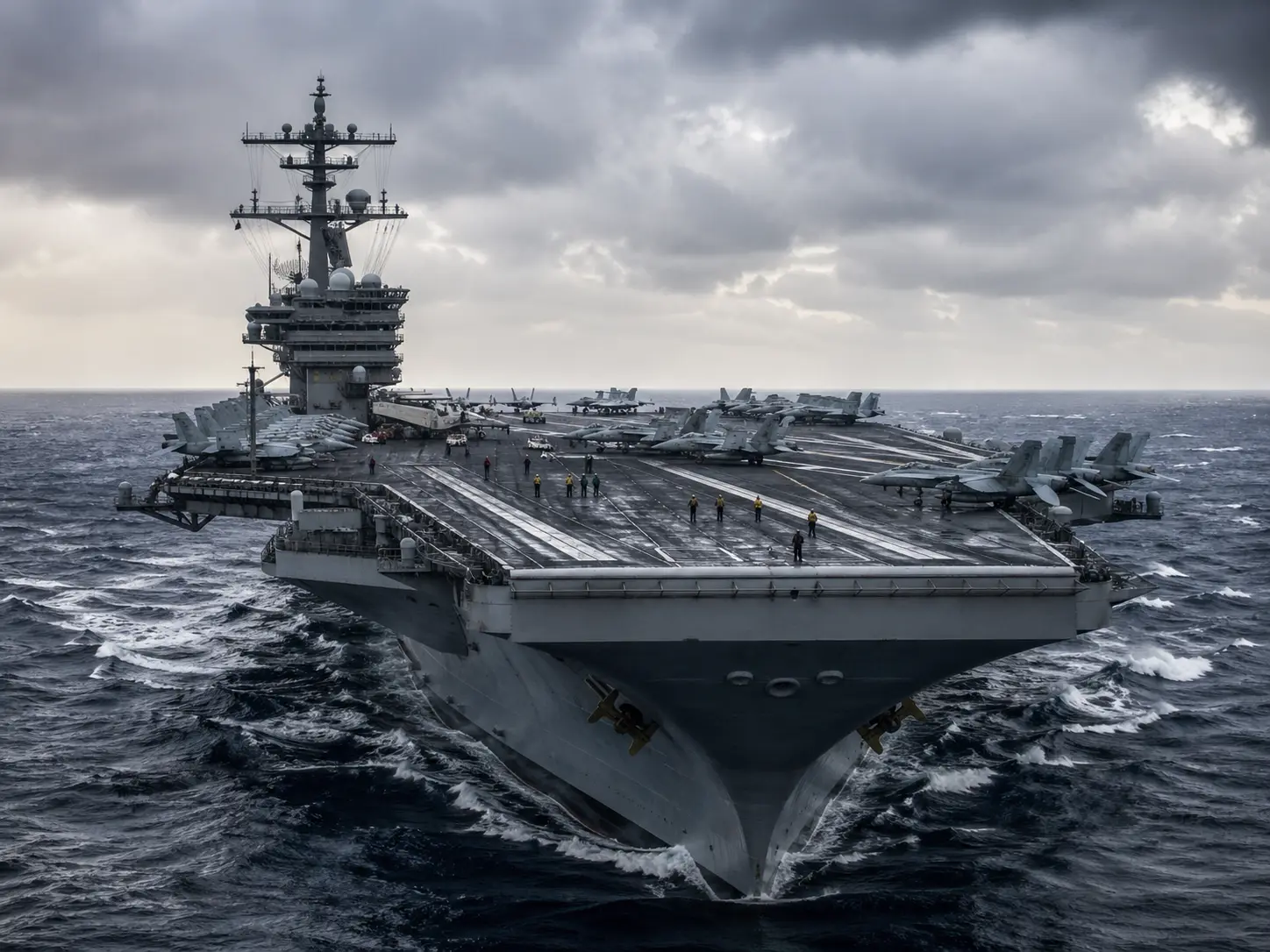
The hull features standard FS 26270 Haze Gray paint, which significantly reduces visual contrast against the dark sea. While not a radar-absorbent "stealth" material, this specialized coating absorbs limited ambient light from the moon and stars. It makes the 100,000-tonne vessel exceptionally difficult to spot with the naked eye at night.
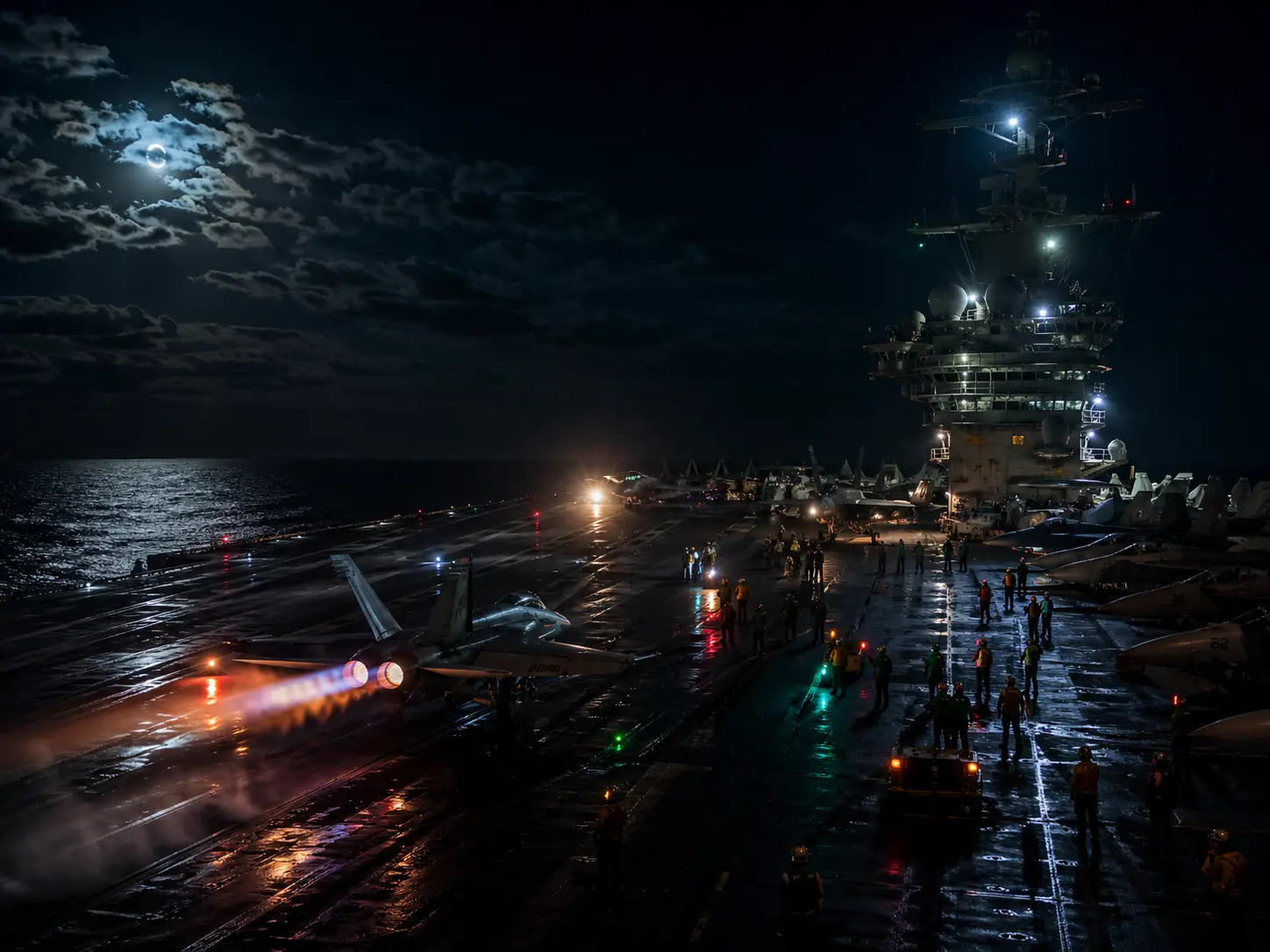
165 Mph C-13 Catapults
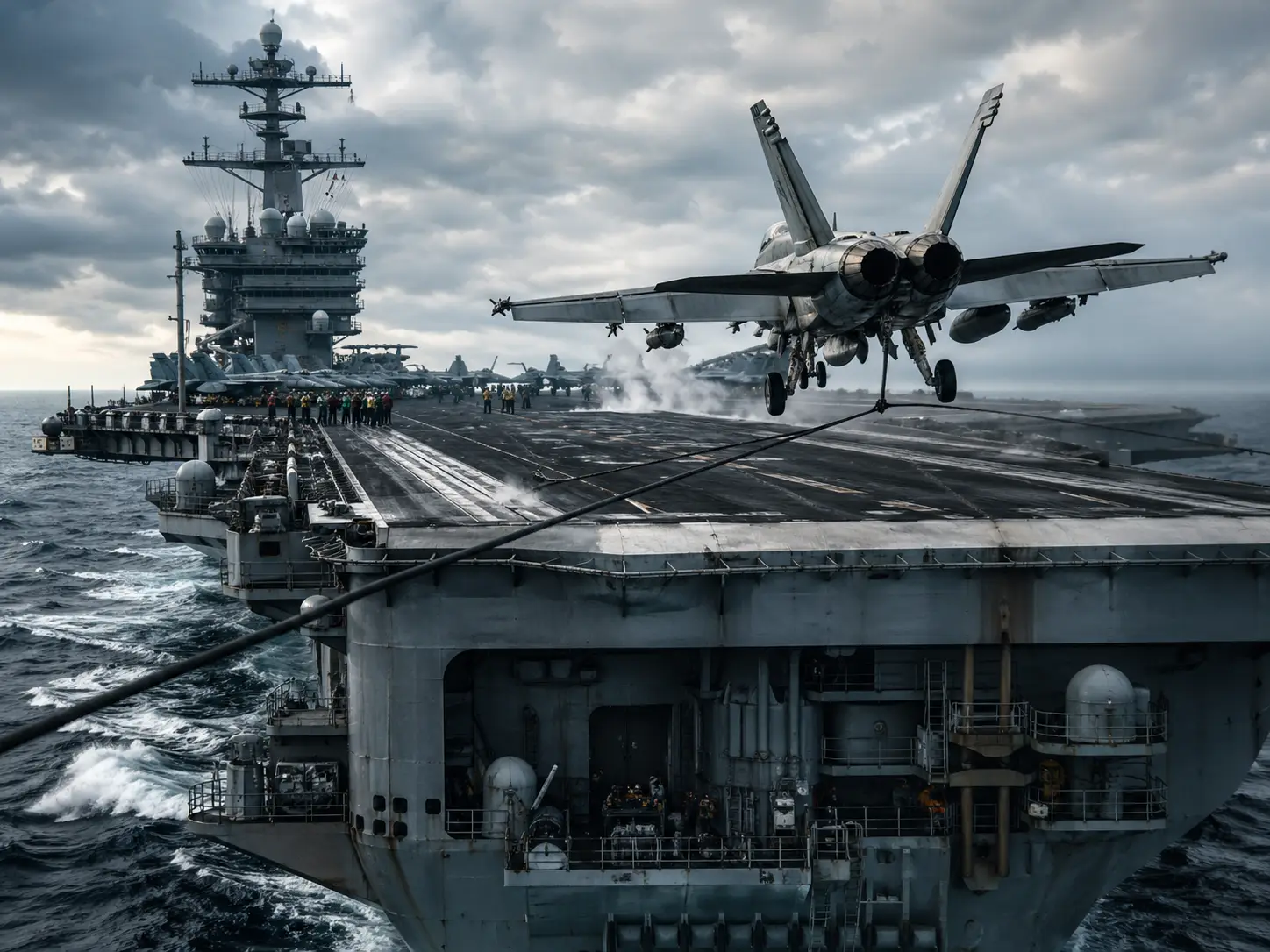
Fighter jets launch into the dark void using powerful C-13 steam catapults. Pilots accelerate to 165 mph in under two seconds without external visual references. They rely solely on illuminated cockpit instruments to execute safe take-offs during pitch-black night missions.
150 dB Noise Hazards
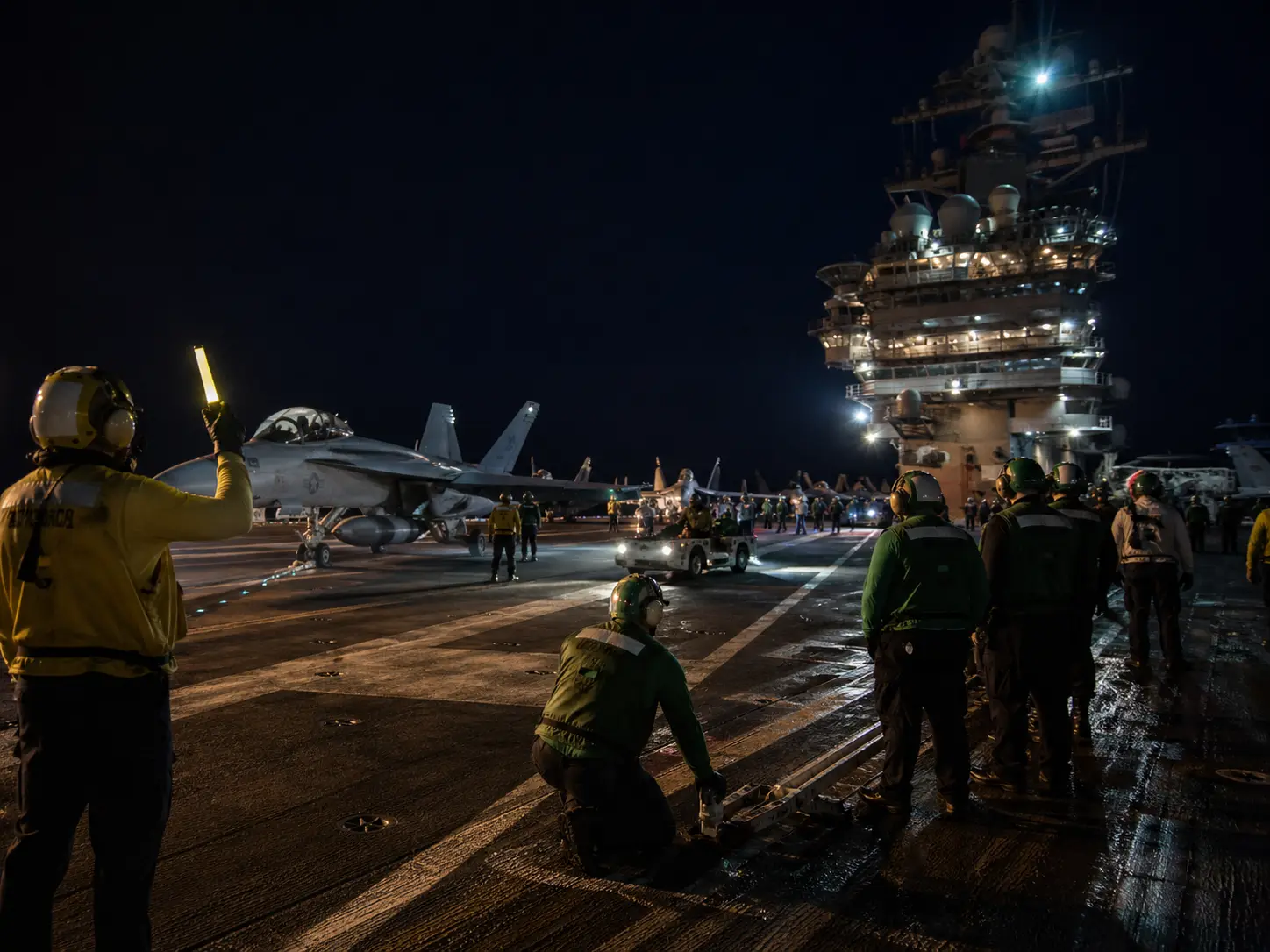
Night operations amplify the dangers of the active flight deck. Sailors work blindly amidst deafening jet engines that generate high-decibel noise hazards reaching 150 dB. Deck crews rely heavily on physical gestures and illuminated wands to communicate safely.
2 A4W Nuclear Reactors
Two massive A4W nuclear reactors power the vessel across the ocean without the loud topside exhaust noise of traditional combustion engines. This propulsion system allows the aircraft carrier to reach speeds exceeding 30 knots. Although its massive propellers still create an underwater acoustic signature, its surface presence remains highly elusive as it manoeuvres swiftly through the darkness.
Zero Radar Emissions Control
The warship achieves total electronic invisibility by operating under strict Emissions Control. The crew temporarily shuts down external communication signals and specific tracking radars. This protocol prevents enemy sensors from mapping the electronic footprint of the aircraft carrier.
)
)
)
)
)