‘Ghost of the sky': How stealthy is the US F-35 really?

The F-35 uses radar-absorbent skin and internal weapons to appear the size of a golf ball on radar. While highly effective against traditional systems, its massive engine heat remains vulnerable to modern infrared tracking.
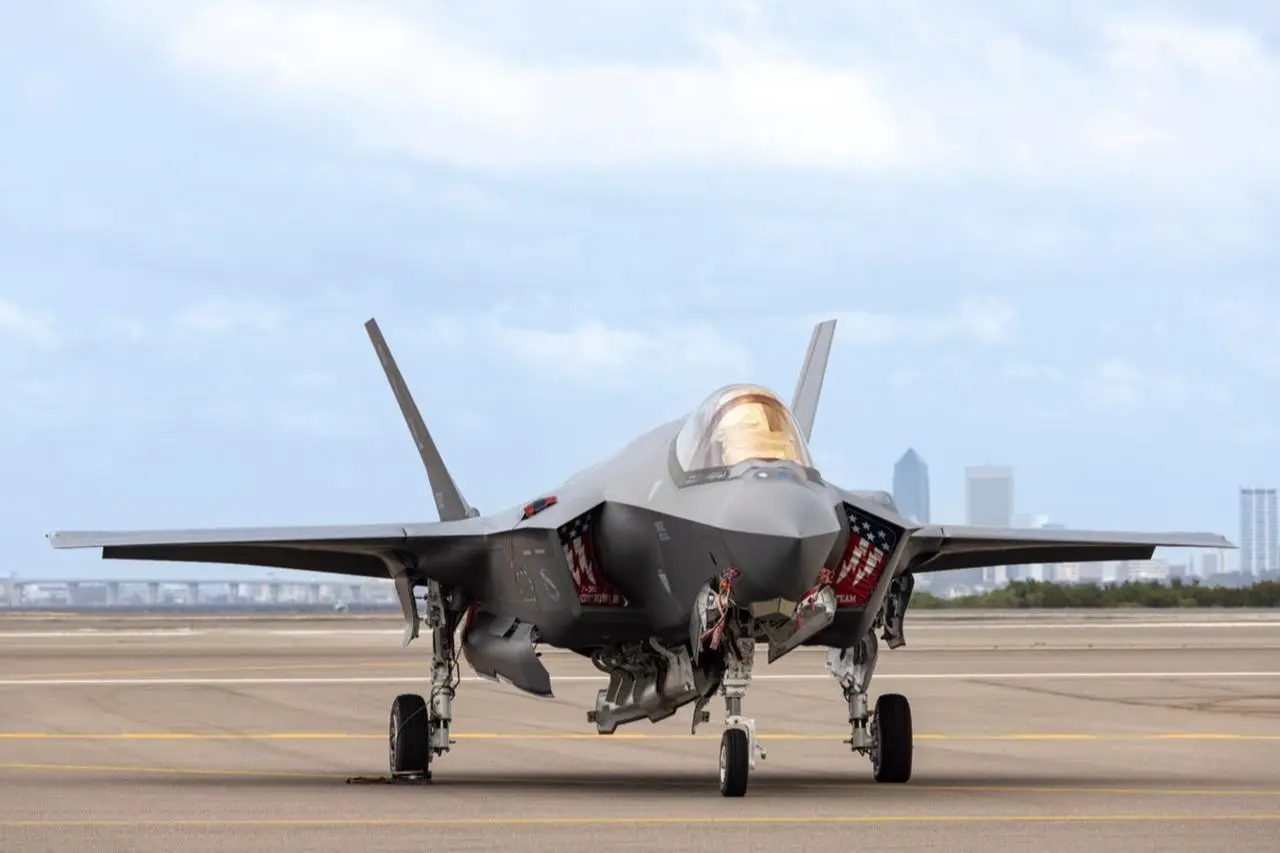
The golf ball radar signature
The F-35 features a radar cross-section of roughly 0.0015 square metres. This means that on enemy radar screens, the $100 million jet appears no larger than a standard golf ball.
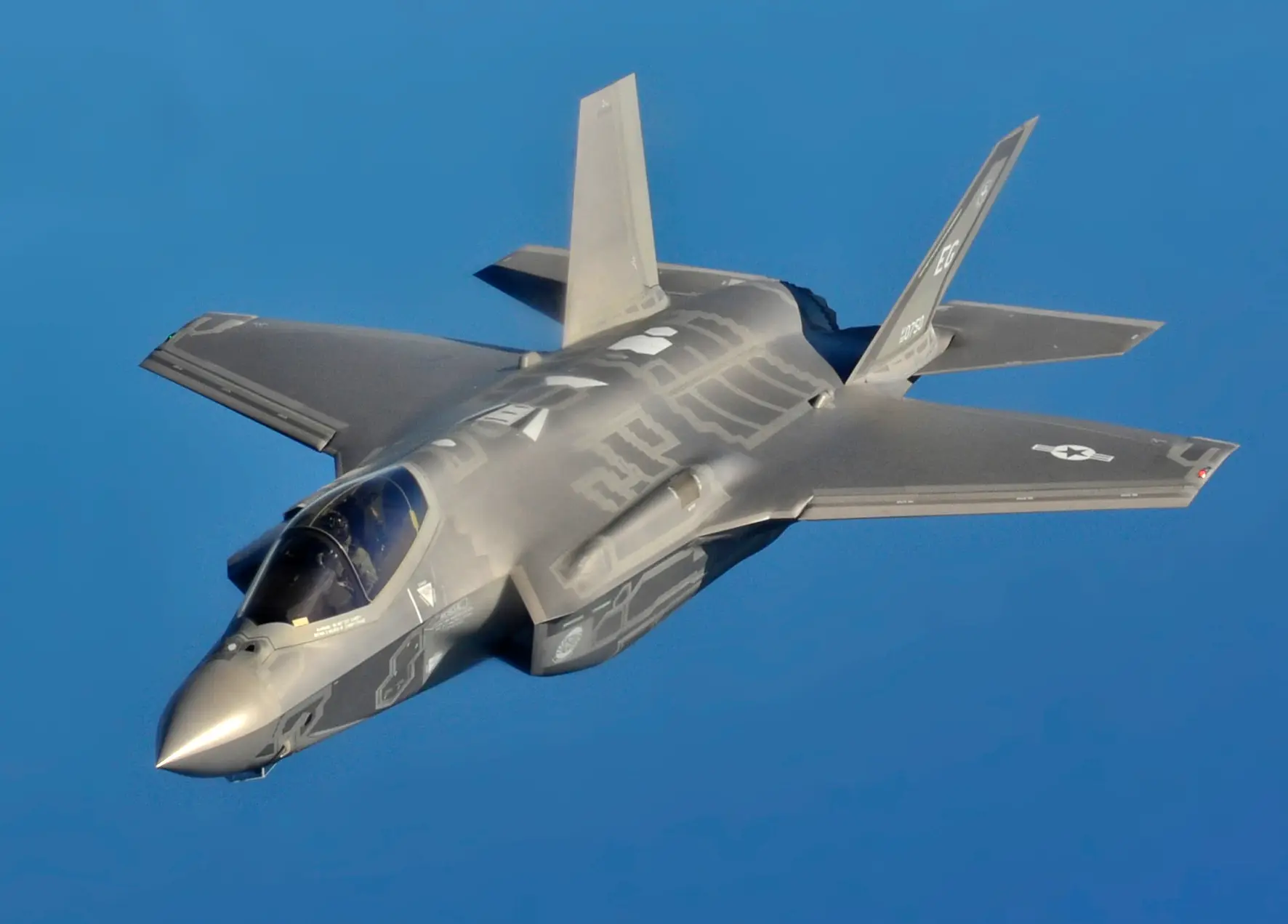
Radar-absorbent skin
Unlike older stealth jets, the F-35 has radar-absorbent materials baked directly into its composite skin. This advanced coating traps incoming radar waves rather than bouncing them back to the source.

Internal weapons bays
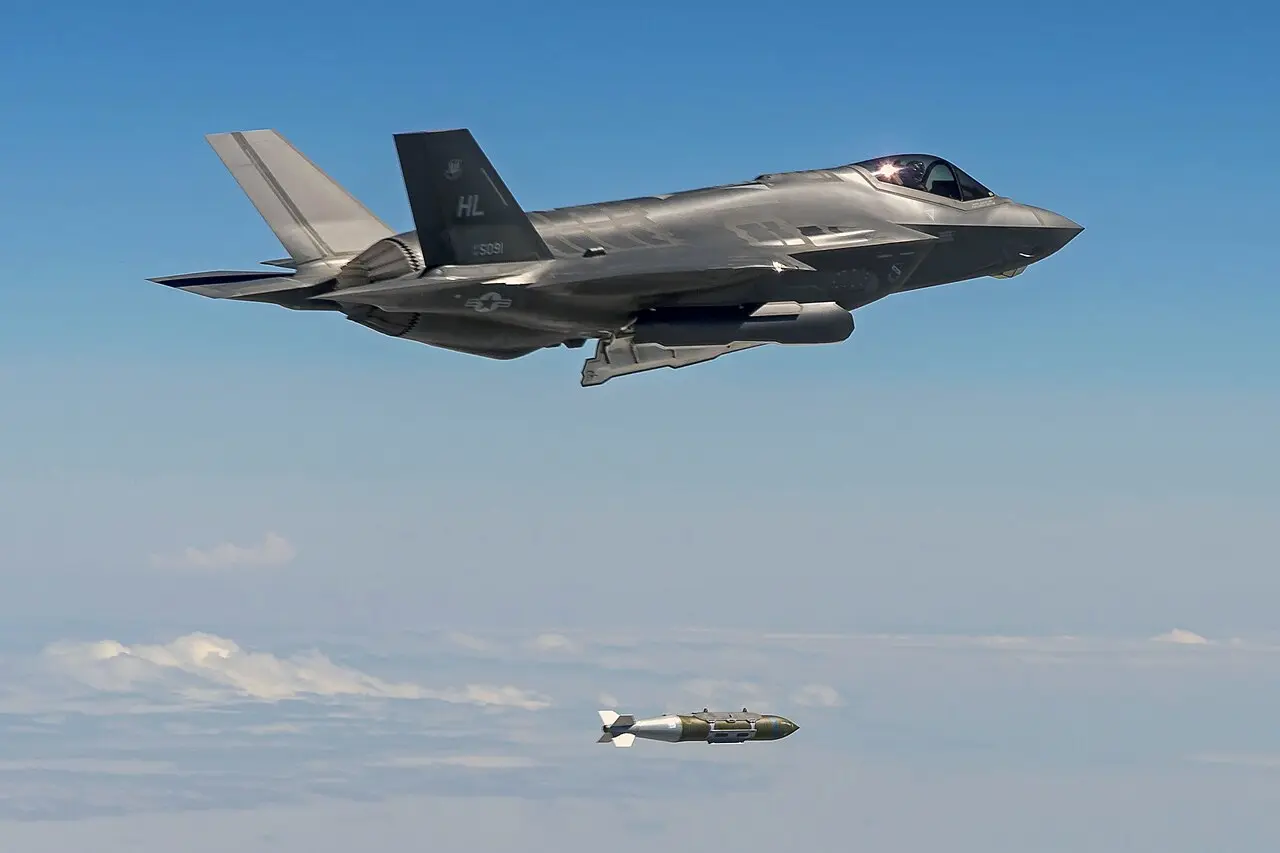
To maintain its smooth, radar-evading profile, the aircraft carries its primary missiles and bombs inside internal bays. External weapons would instantly reflect radar signals and reveal its position.
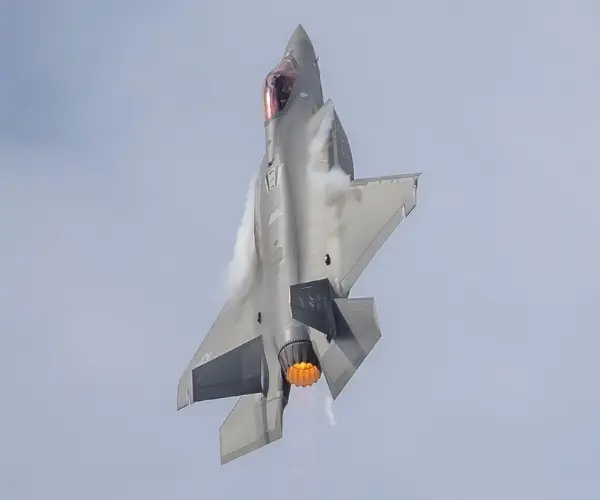
Active electronic jamming
Stealth is not just physical; the jet uses the AN/ASQ-239 electronic warfare system to actively blind enemy sensors. This creates a protective digital shield that disrupts hostile radar tracking.
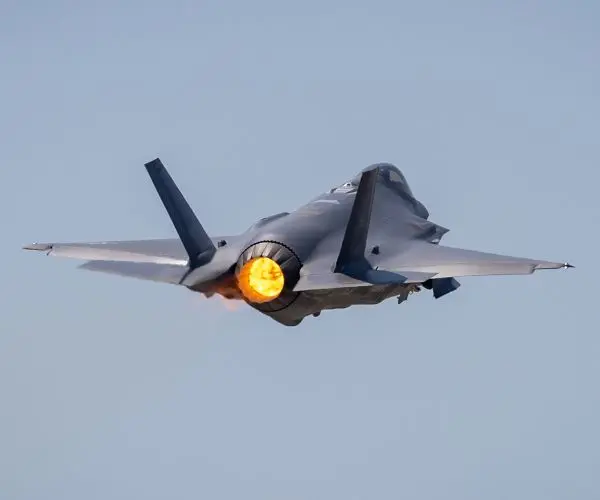
Low-frequency radar flaws
While invisible to targeting radars, the jet can be detected by large, low-frequency early-warning radars. These systems can spot the aircraft's general area but lack the precision to guide a missile to hit it.
The thermal tracking vulnerability
The single F135 engine produces massive thrust and immense heat. This thermal signature remains the jet's biggest flaw, making it trackable by passive Infrared Search and Track (IRST) sensors.

Advantage
True stealth combines invisibility with superior sensors. The F-35 relies on spotting and destroying enemy air defences from miles away before it ever enters their effective detection range.
)
)
)
)
)