‘Ghost of the skies shot by Iran?’: How a US F-35 stealth jet may have been caught by its thermal signature

Iran claims to have hit a US F-35 stealth jet using infrared sensors. While the aircraft is invisible to radar, its massive engine heat cannot be hidden. US officials confirmed the damaged jet made a safe emergency landing.

Iran's claim
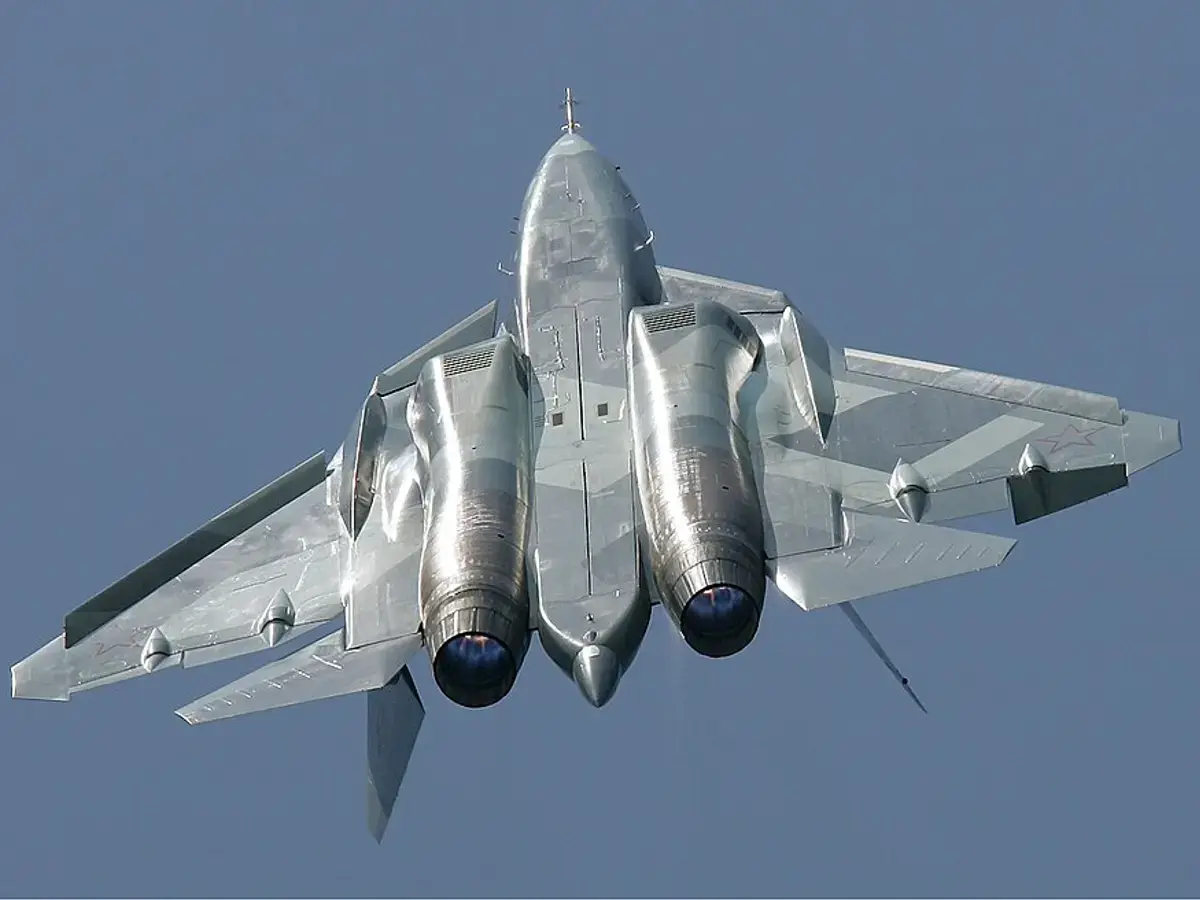
Iran's Islamic Revolutionary Guard Corps claims its air defences successfully struck a US F-35 flying over Iran, releasing video footage of the alleged mid-air hit.
The official US response
US Central Command confirmed the F-35 was struck by suspected Iranian fire but stated it safely made an emergency landing. Capt. Tim Hawkins confirmed the pilot is stable and the incident is under investigation.
The 'ghost of the skies'
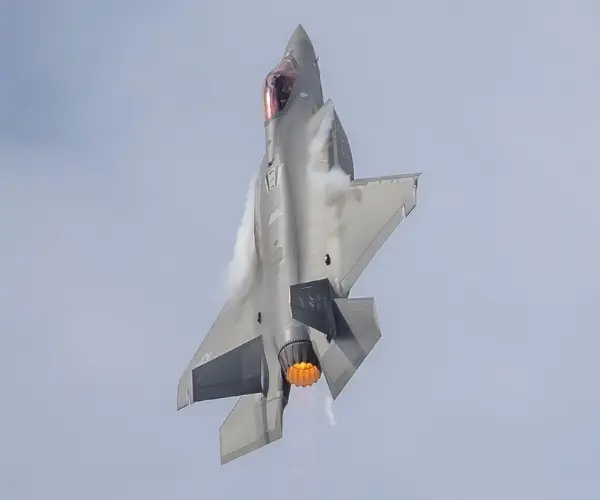
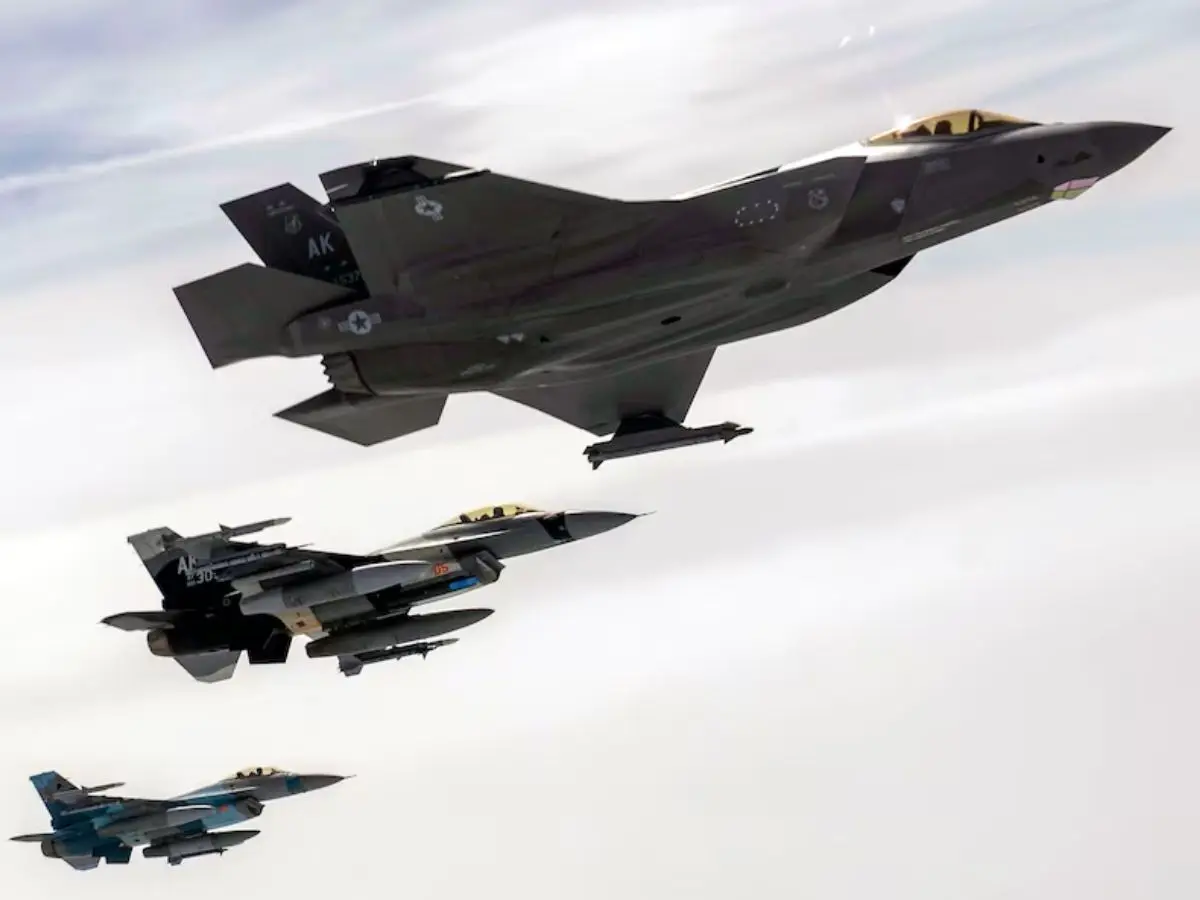
The F-35 is a $100 million fifth-generation fighter built on the idea of total invisibility. Its advanced composite coatings and shape make it virtually undetectable to traditional radar waves.
The thermal vulnerability
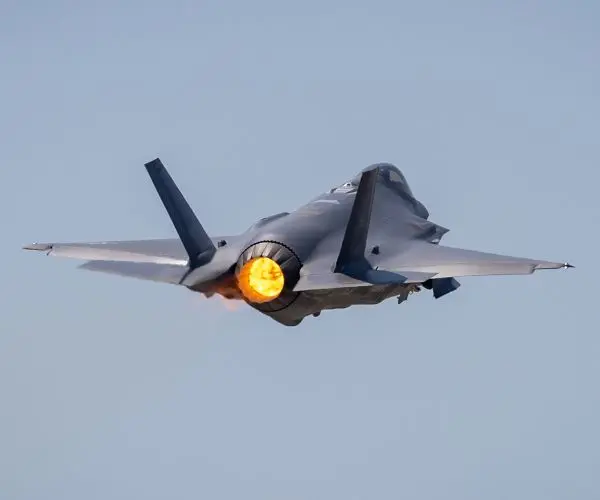
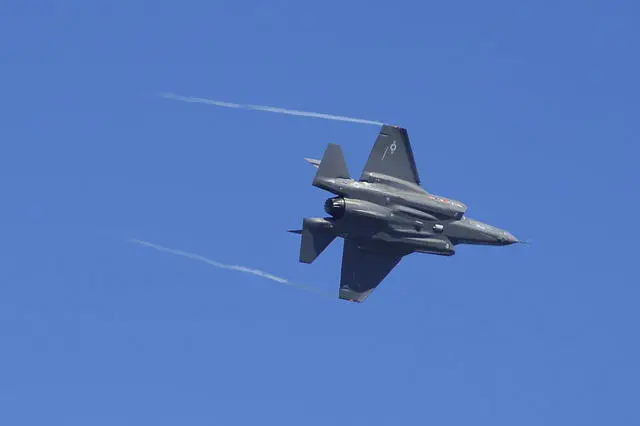
While stealth hides the jet from radar, it does nothing about heat. The aircraft's single F135 engine generates an enormous 29,000 shaft horsepower, creating a massive thermal signature that glows against the cold sky.
Passive infrared tracking
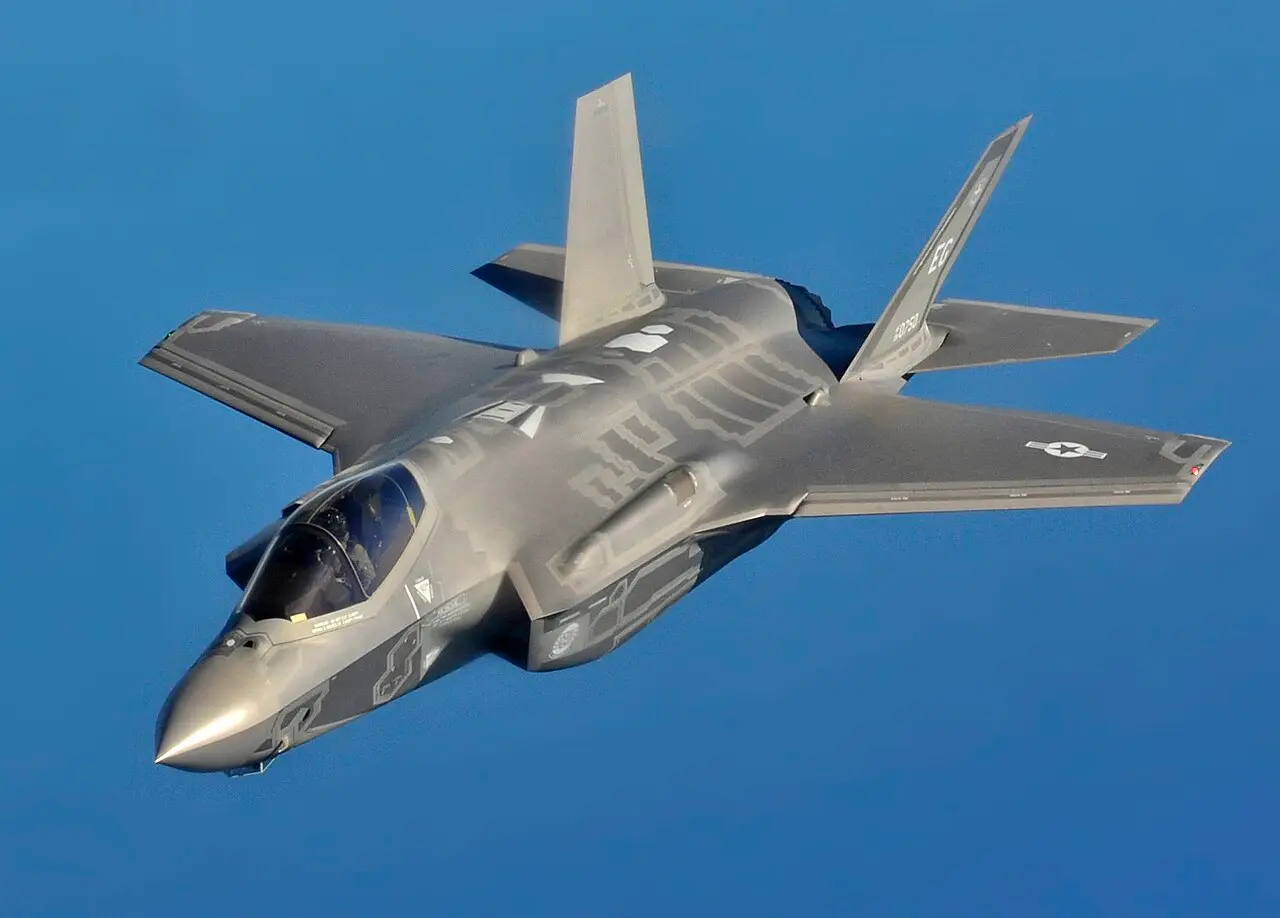
Military analysts believe Iran found the jet using passive Infrared Search and Track (IRST) sensors. Instead of using radar, these systems silently scan the environment to lock onto the intense heat of jet exhaust.
The suspected Iranian weapons
Experts suggest Iran utilised the Majid short-range air defence system or the 358 anti-aircraft missile. Both weapons are equipped with highly sensitive electro-optical and infrared tracking to target heat signatures.
Infrared sensors
Because infrared sensors are entirely passive and emit no signals, the F-35's threat detection systems likely received no warning. It proves that despite billions spent on stealth, basic physics and heat cannot be masked.
)
)
)
)
)