'Ghost of the nights': Will B-2 bomber strike Iran tonight in the second round of US-Israel bombings?

The US Air Force has flowed more than 110 tactical fighter jets into Middle Eastern bases in recent weeks, including F-15s, F-16s, F-22s, and F-35 stealth fighters, to carry out these precision strikes.
1. The Misconception Corrected
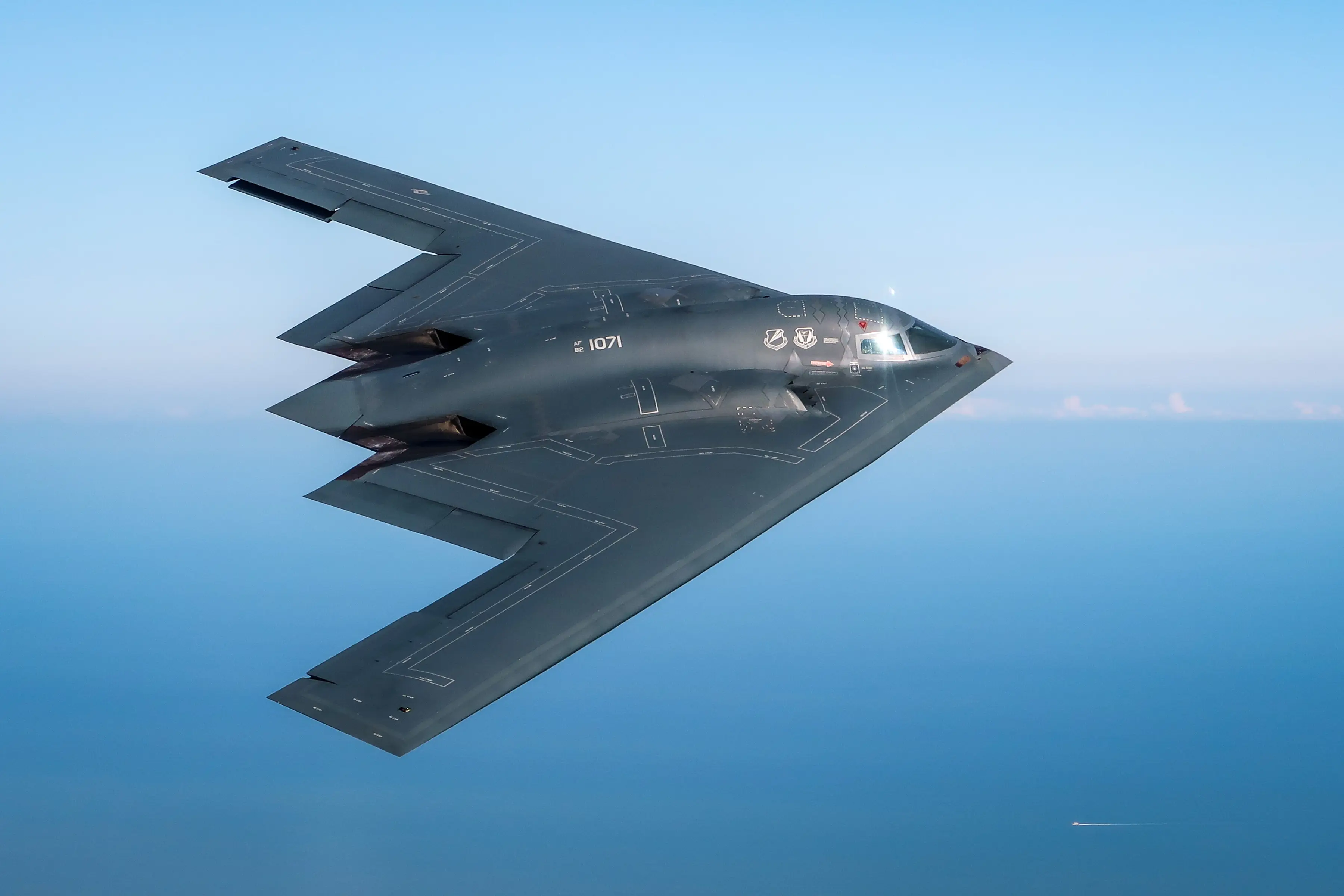
Despite rampant online speculation, military analysts and intelligence monitors confirm there has been no discernible movement or deployment of US Air Force B-2 stealth bombers in the current February 2026 offensive against Iran. The ongoing strikes are utilizing an entirely different array of military assets.
2. The Ghost of June 2025
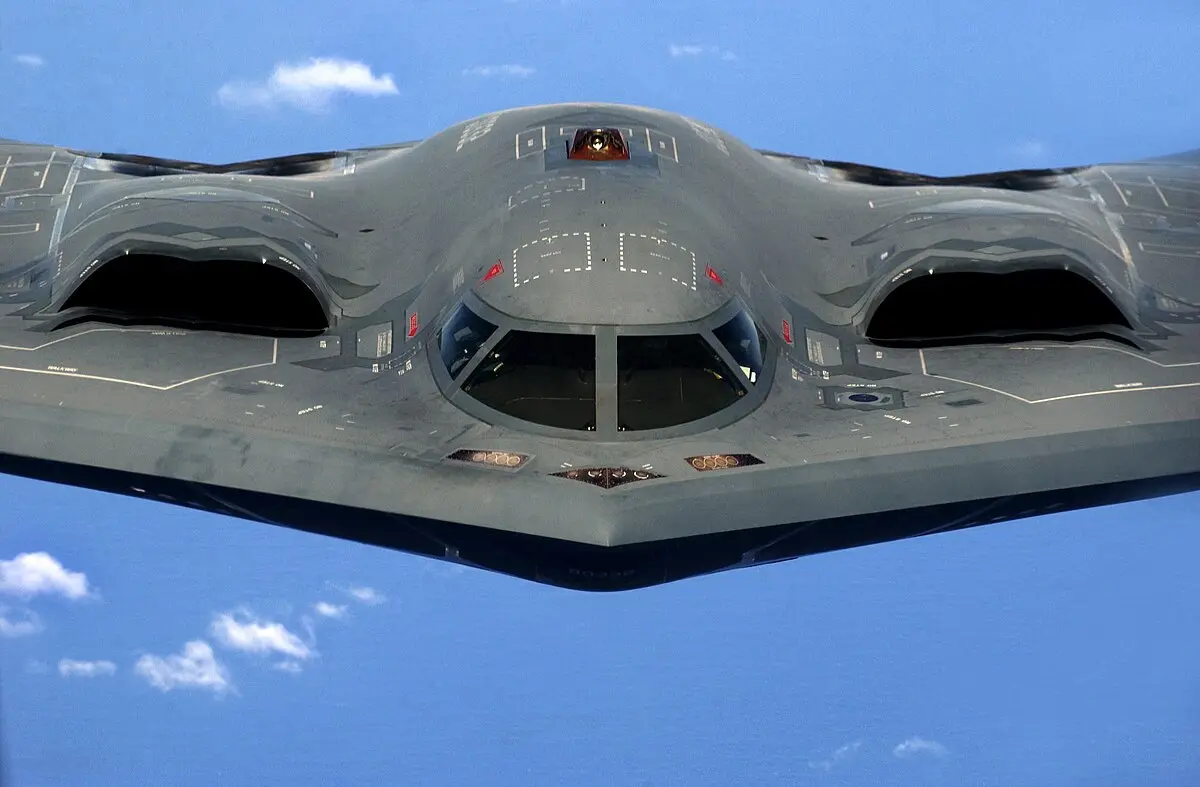
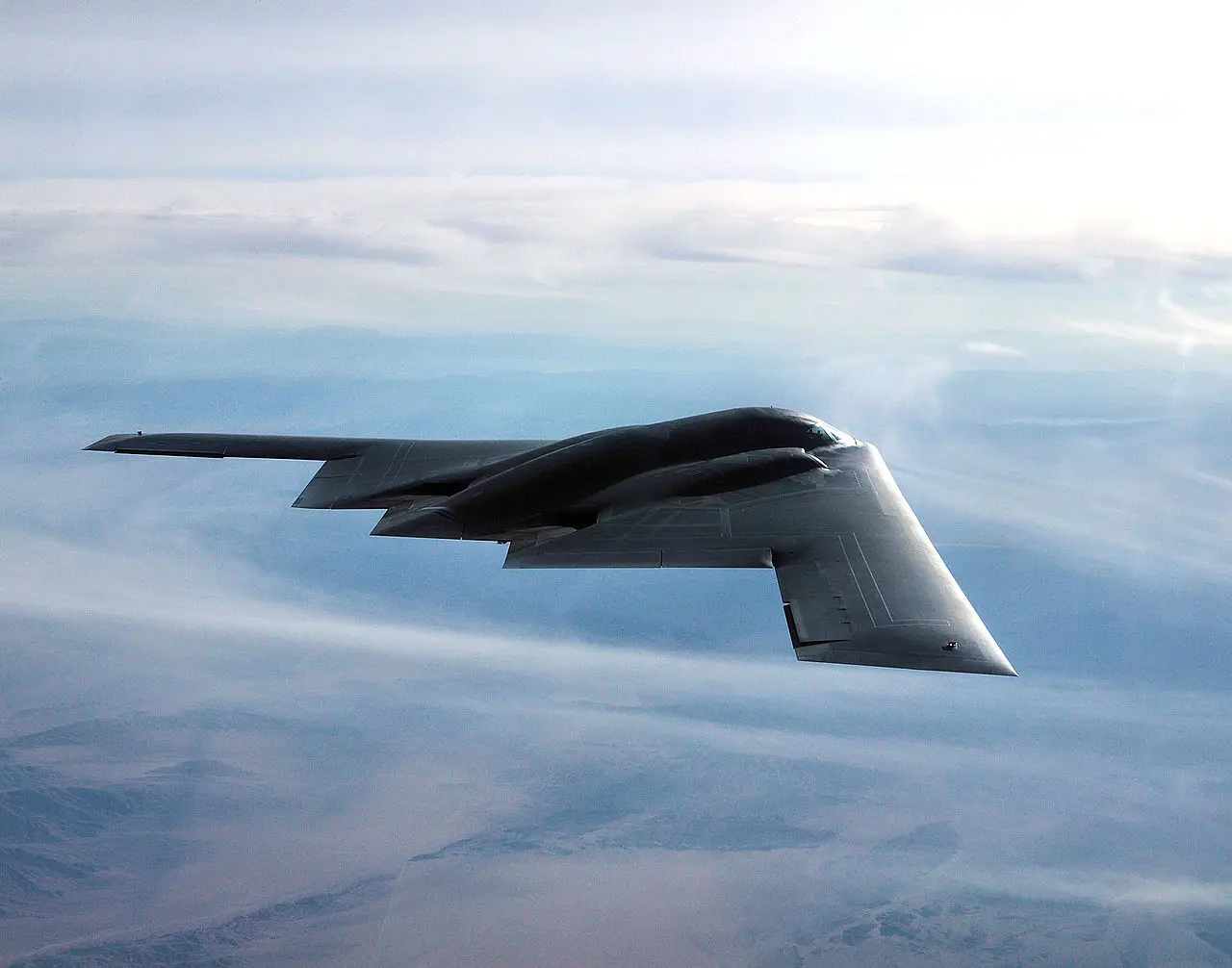
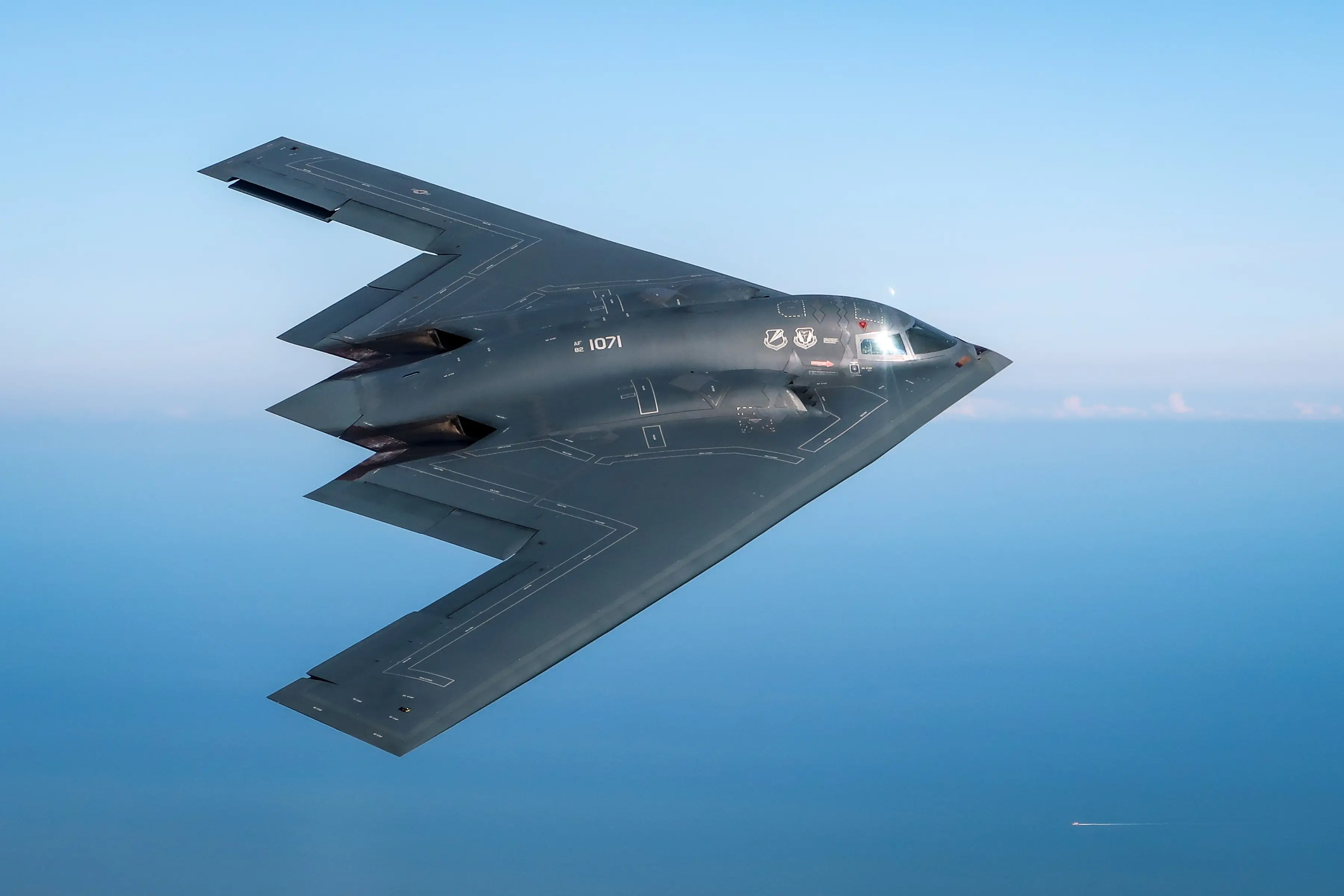
The confusion heavily stems from the fact that B-2 bombers were the undisputed centerpiece of a massive US strike on Iran just eight months ago. During "Operation Midnight Hammer" in June 2025, B-2s flew from Missouri to drop 30,000-pound bunker-buster bombs on Iran's deeply buried nuclear facilities at Fordow, Natanz, and Isfahan.
3. A Different Target Set Tonight
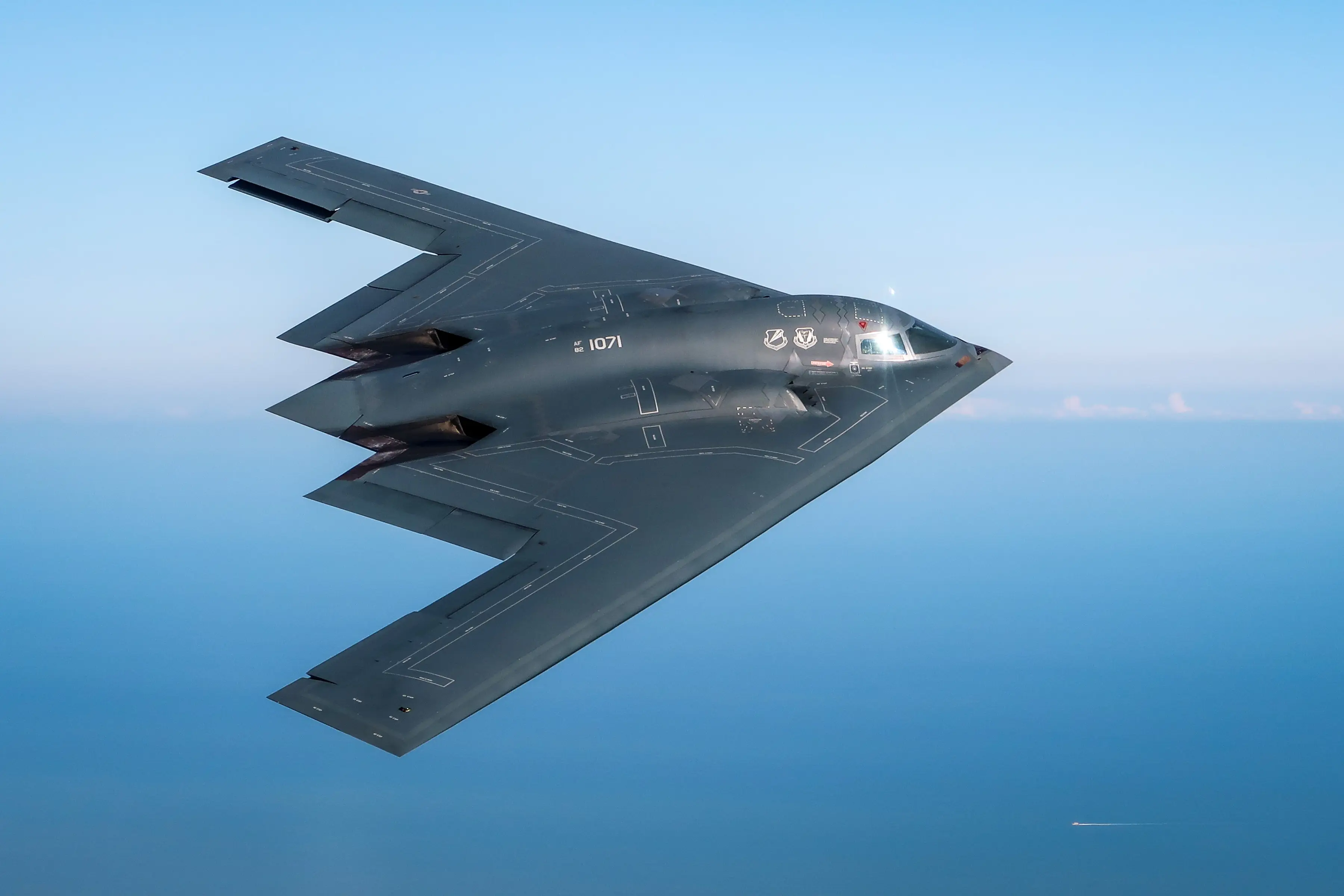
Operation Midnight Hammer specifically required the B-2 because only that aircraft could deliver the massive GBU-57 munitions needed to penetrate subterranean mountainside nuclear bunkers. Tonight's Operation Epic Fury is focusing heavily on decapitation strikes against regime leadership in downtown Tehran and degrading surface-level ballistic missile capabilities, targets that do not necessarily require the B-2's unique heavy payload.
4. A Fighter and Naval Armada
Instead of relying on long-range heavy bombers, the current offensive is utilizing a massive, forward-deployed regional armada. The US Air Force has flowed more than 110 tactical fighter jets into Middle Eastern bases in recent weeks, including F-15s, F-16s, F-22s, and F-35 stealth fighters, to carry out these precision strikes.
5. Tomahawks Leading the Way
The heavy lifting for tonight's deep-strike capabilities is coming from the sea, not the air. The US has assembled its largest naval force in the Middle East since the 2003 invasion of Iraq. This force is anchored by the USS Abraham Lincoln and USS Gerald R. Ford carrier strike groups, which carry massive arsenals of Tomahawk cruise missiles capable of overwhelming Iranian air defenses.
6. The Logistical Footprint
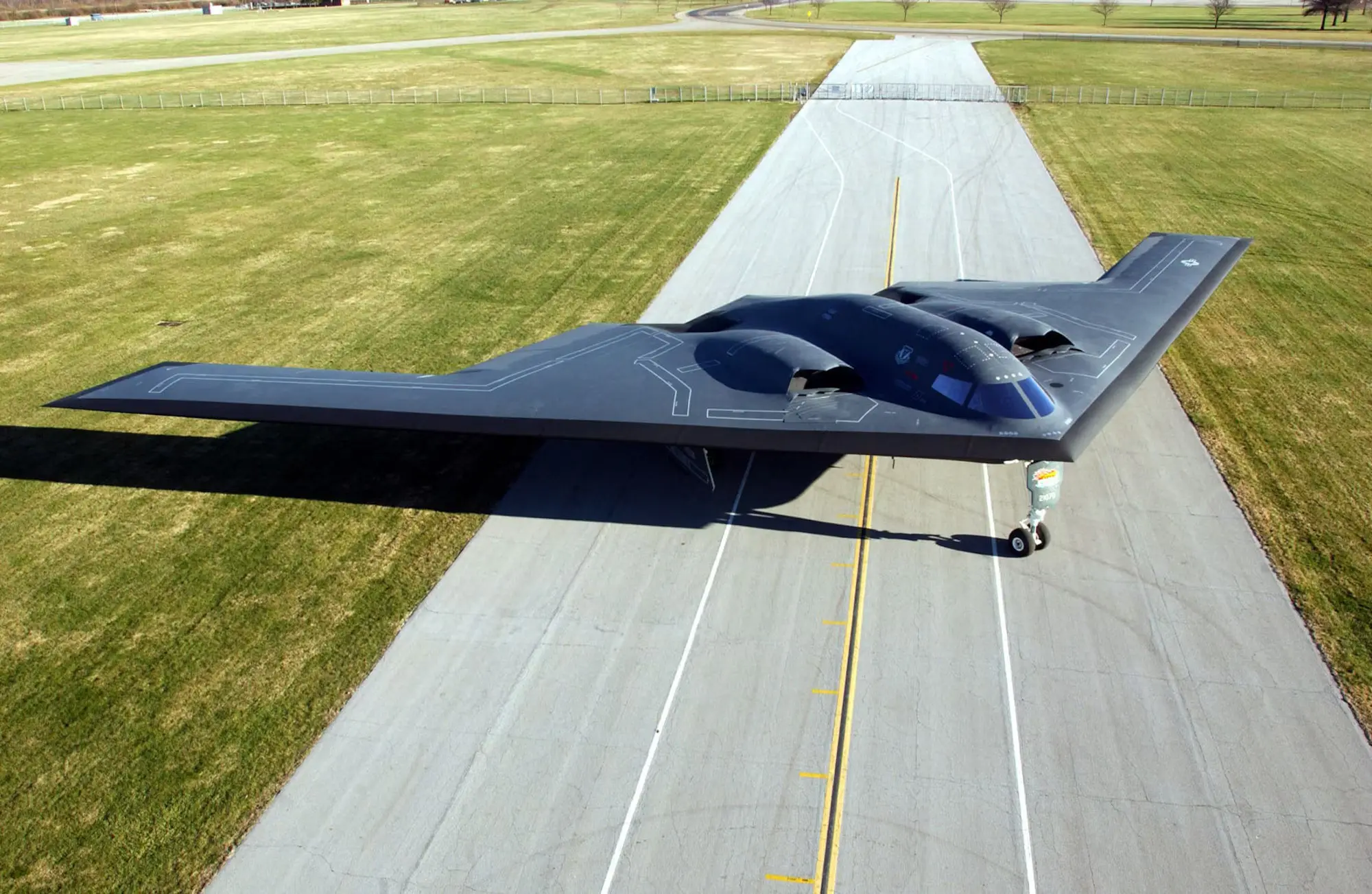
Deploying B-2s requires a massive, highly complex aerial refueling operation, as seen in 2025 when dozens of tanker aircraft were needed to support the bombers' 37-hour round trip. By utilising agile fighter jets and offshore carrier groups already stationed in the region, the US military can sustain the "ongoing" multi-day bombardment without the intense logistical strain of transatlantic bomber flights.
7. The Ultimate Reserve Card
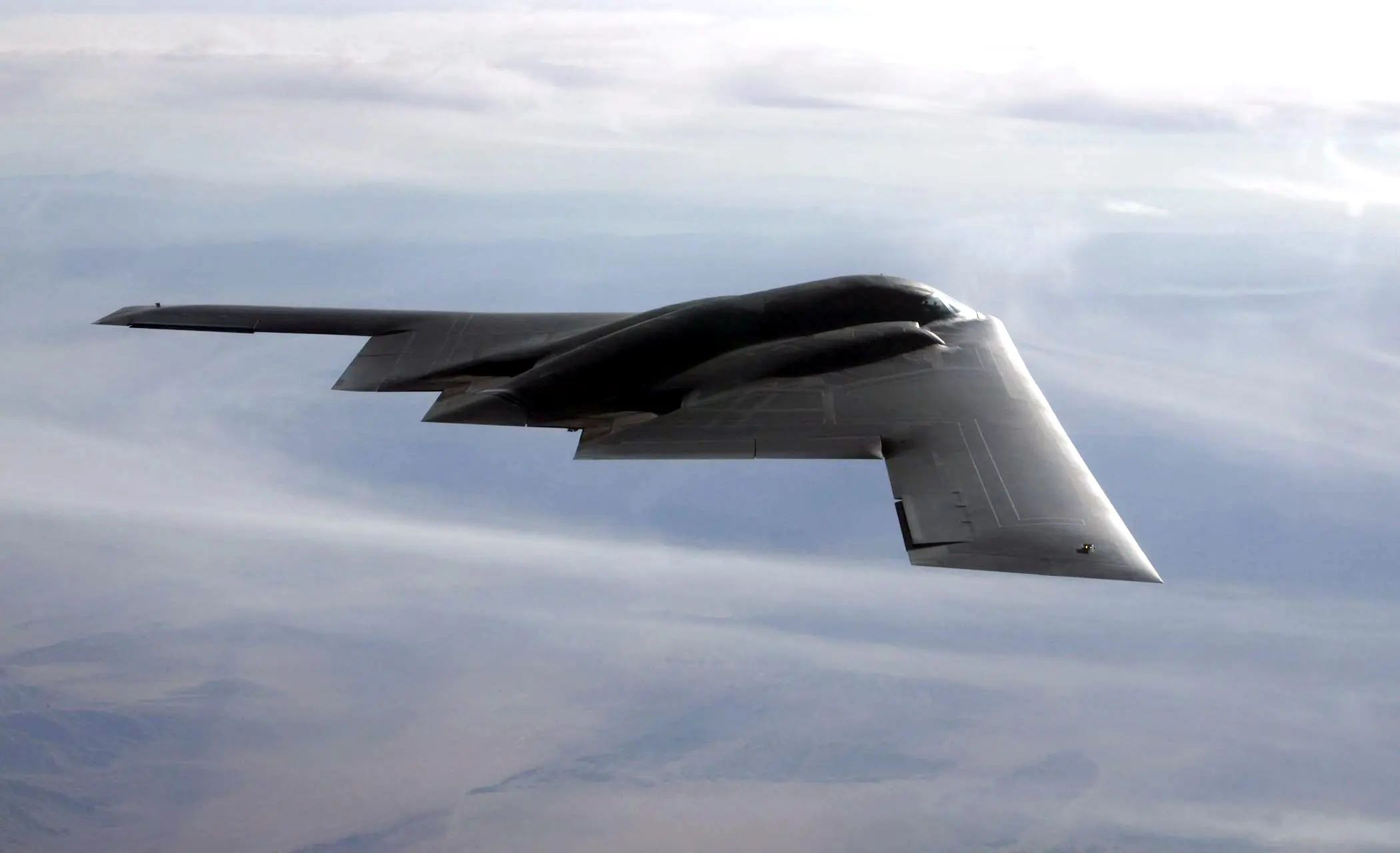
While they are not currently in the sky over Tehran tonight, the B-2 fleet remains the Pentagon's ultimate trump card. If the conflict escalates further, or if intelligence reveals that surviving Iranian leadership has retreated into the deepest fortified subterranean command bunkers that standard munitions cannot reach, the B-2s could be activated at a moment's notice.
)
)
)
)
)