'Ghost Murmur': How the CIA used secret futuristic tech to rescue downed US F-15E pilot 'Dude 44 Bravo' amid Iran war

‘Ghost Murmur’: Here's how a classified futuristic tool no one knew existed brought an American pilot home from the Iranian desert. All you need to know.
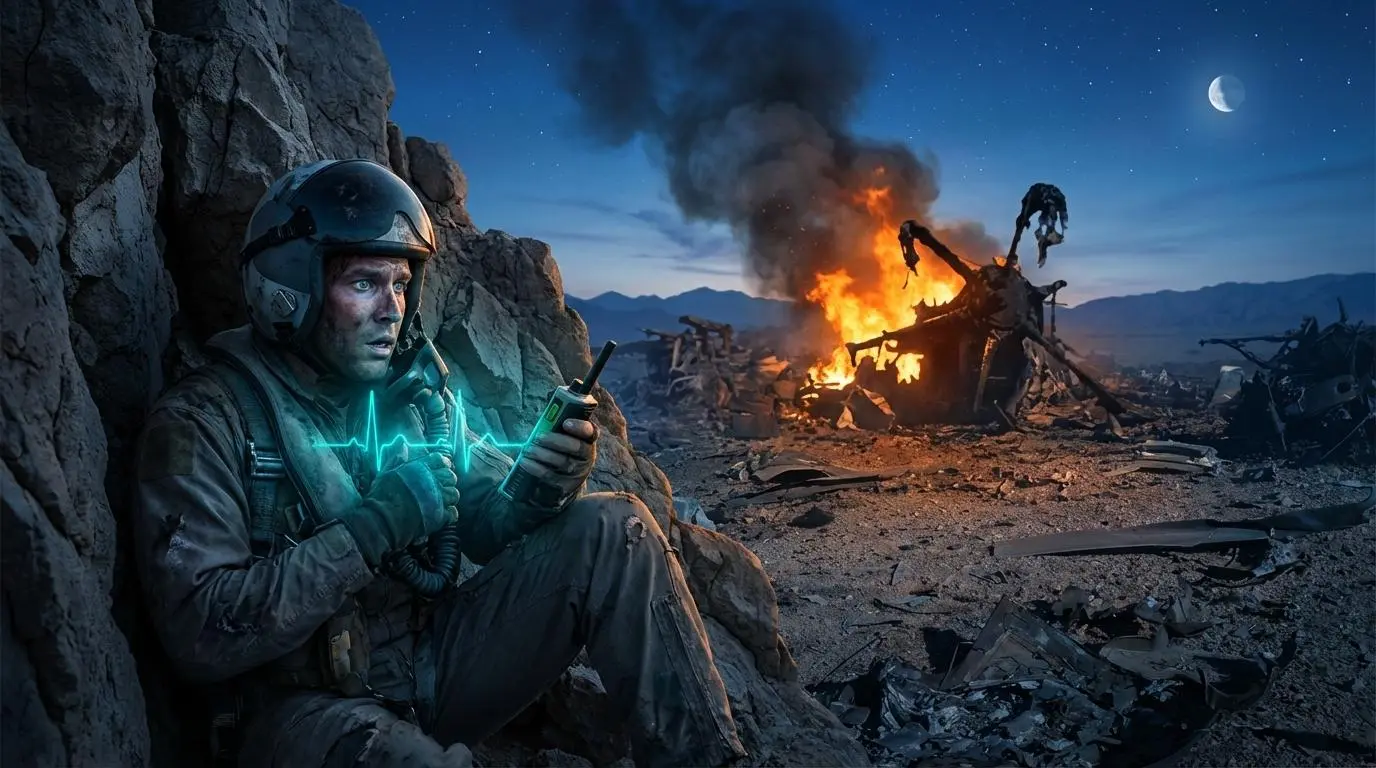
'Back From the Future'
In what President Trump has labelled the "most daring search and rescue mission in US history," a missing American F-15E airman was recovered from behind enemy lines using a futuristic, top-secret CIA tool. The technology, known as "Ghost Murmur," uses quantum magnetometry to make the impossible possible. Despite a "heavy firefight" and the loss of two rescue planes on the ground, the mission was a total success, marking the first operational use of a technology that effectively makes human biology a trackable signal in the desert. Here's all you need about this 'Back From the Future' tech.
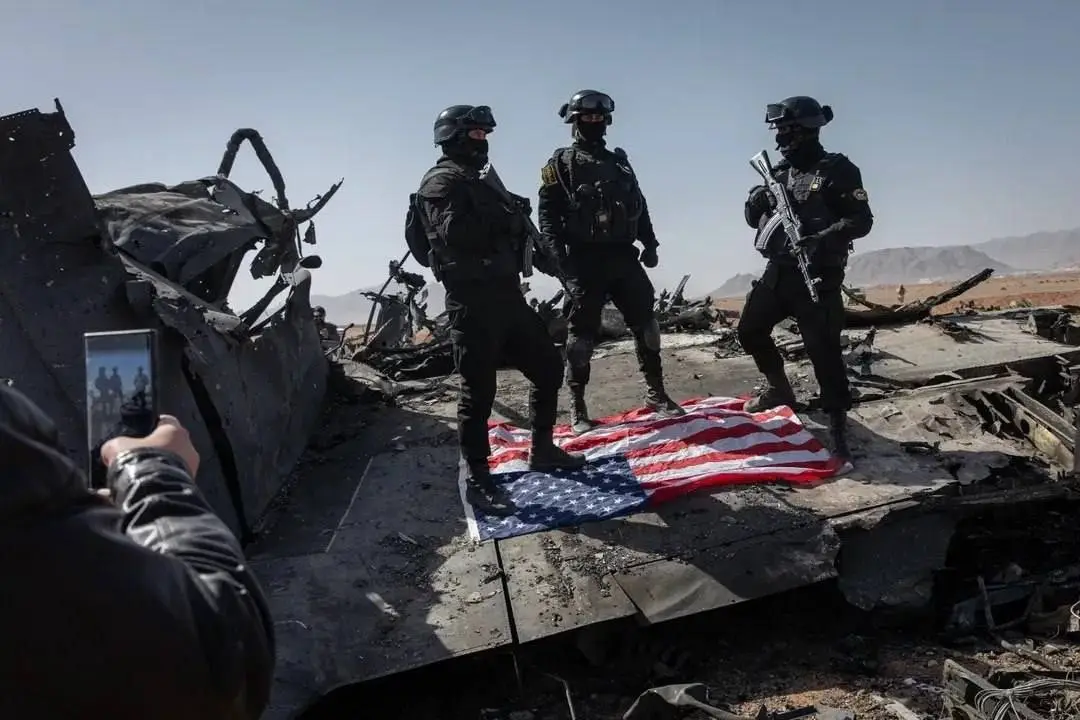
MIA Behind Enemy Lines
On April 3, Good Friday, a US F-15E went down in Southern Iran. While one pilot was rescued soon after, the second pilot went missing, with Iranian forces actively hunting him, reportedly with a bounty on his head.
The location of the pilot, known publicly only as "Dude 44 Bravo", remained frustratingly uncertain to American search and rescue teams despite an activated emergency beacon. What happened next involved a piece of technology so new that this mission was its first real-world test.
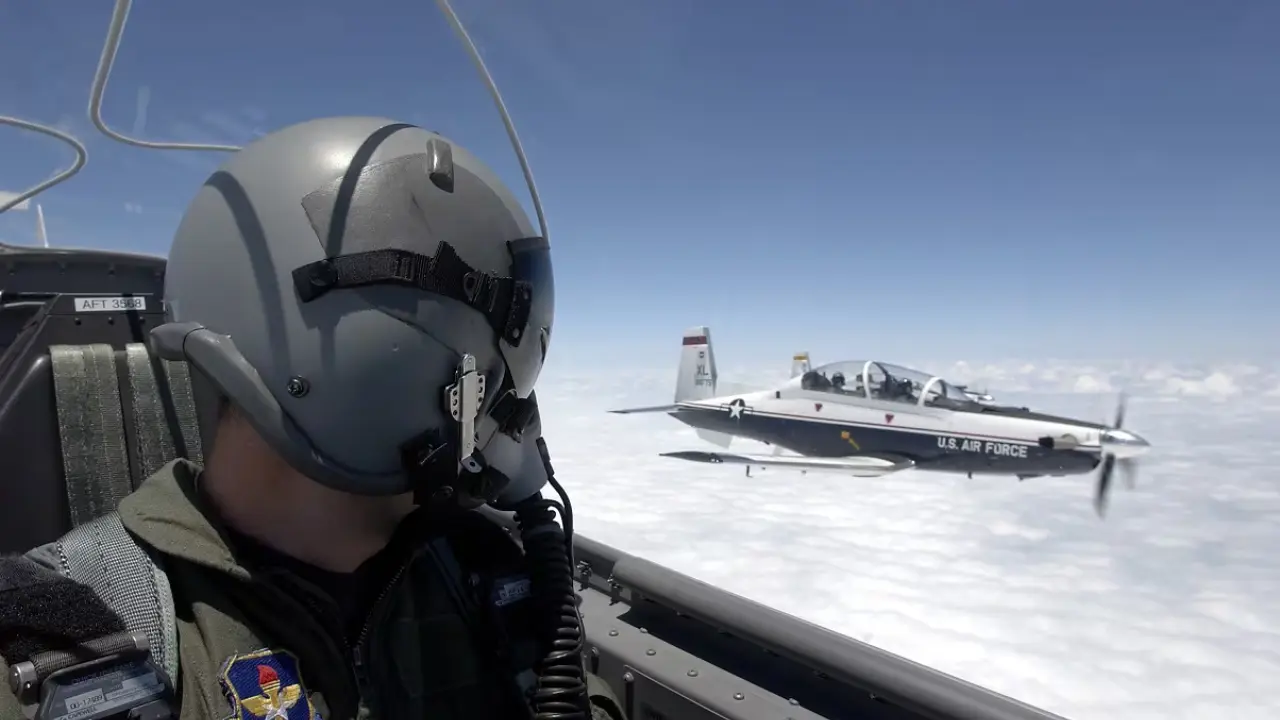
Meet 'Ghost Murmur'
The tool is called Ghost Murmur, developed by Skunk Works — Lockheed Martin's famously secretive advanced development division. It uses long-range quantum magnetometry to detect the faint electromagnetic signature produced by a beating human heart, then pairs that signal with AI software to strip away background noise and isolate the target. The name was chosen deliberately. "Murmur" is a clinical term for a heart rhythm. "Ghost" refers to finding someone who has, for all practical purposes, vanished.
The Science Behind It
Under normal conditions, a heartbeat's electromagnetic signal is so weak it can only be measured with sensors pressed almost directly against the chest, the kind of reading you'd get in a hospital, not a desert. The breakthrough that made Ghost Murmur possible involves sensors built around microscopic defects in synthetic diamonds, a development in quantum magnetometry that has extended detection range to distances previously considered out of reach. From 40 miles away, in the right conditions, the system can find you.
Why the Iranian Desert Was Nearly Perfect
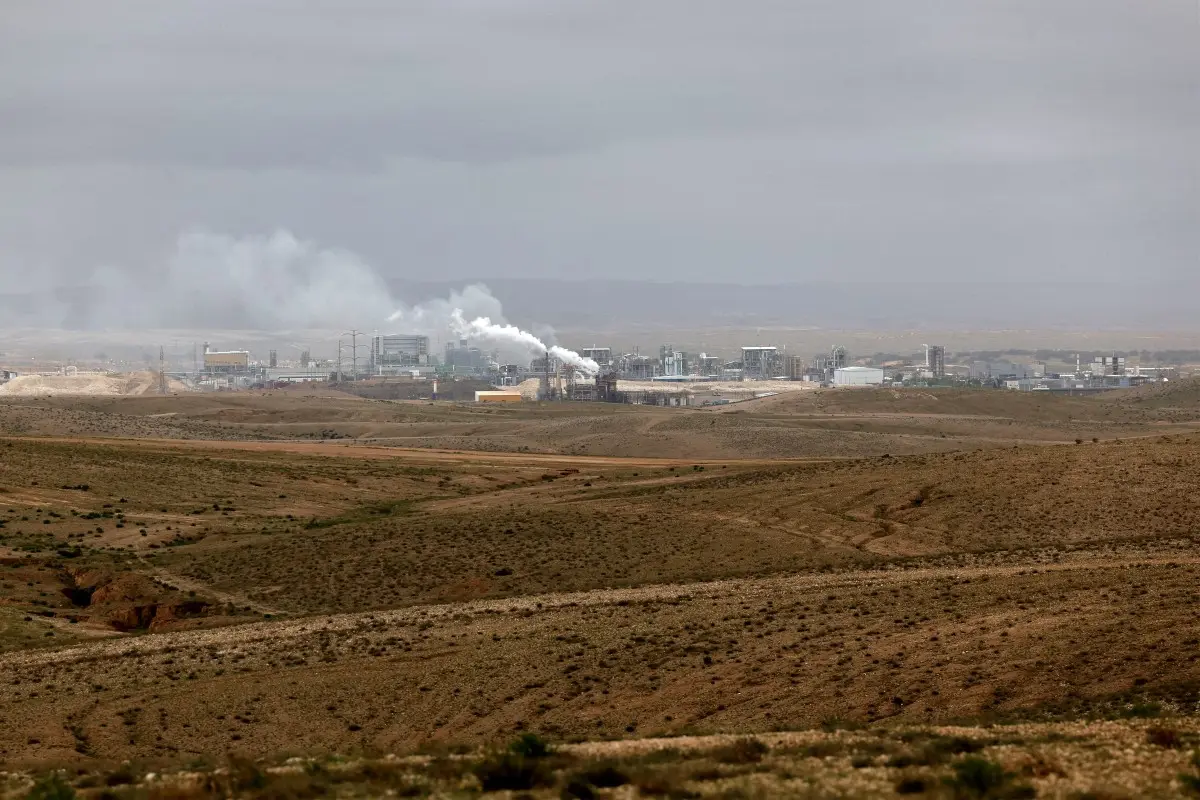
The barren terrain of southern Iran turned out to be close to ideal for Ghost Murmur's debut. Low electromagnetic interference, almost no competing human signatures nearby, and the sharp thermal contrast between a living body and cold desert ground at night all worked in the CIA's favour.
According to New York Post, an unnamed source told it, that the desert was "about as clean an environment as you could ask for". The technology has limitations and struggles in dense, populated areas and requires significant processing time, but the barren landscape played to its strengths almost perfectly.
Two Days in a Mountain Crevice
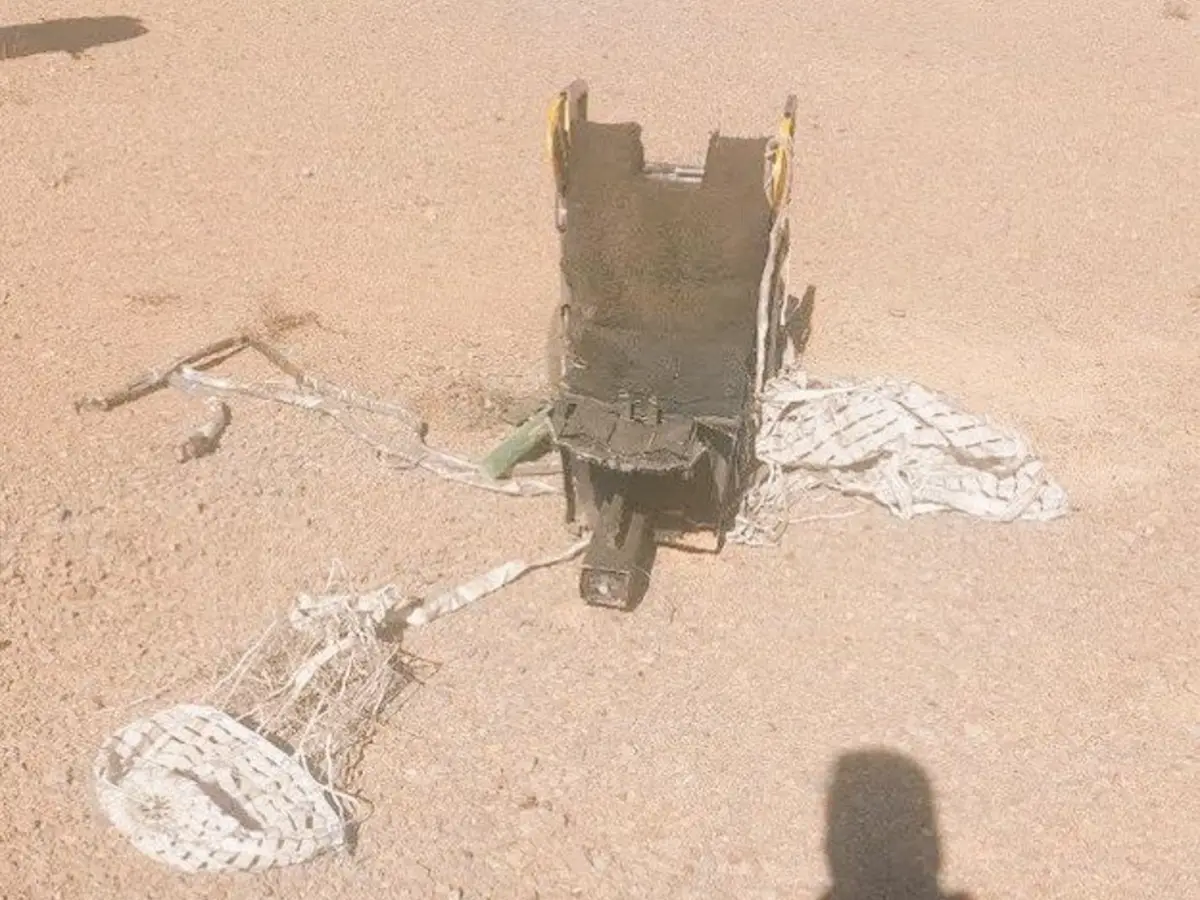
The airman "Dude 44 Bravo" hid in a mountain crevice for roughly two days, wounded and alone, as Iranian troops combed the surrounding area. He had activated a Boeing-made Combat Survivor Evader Locator beacon, but the signal alone wasn't enough to nail down his position. The beacon actually became useful in a different way: to transmit it, he had to briefly emerge from the crevice. That movement gave Ghost Murmur its confirmation window.
'Still Invisible to the Enemy, But Not to the CIA'
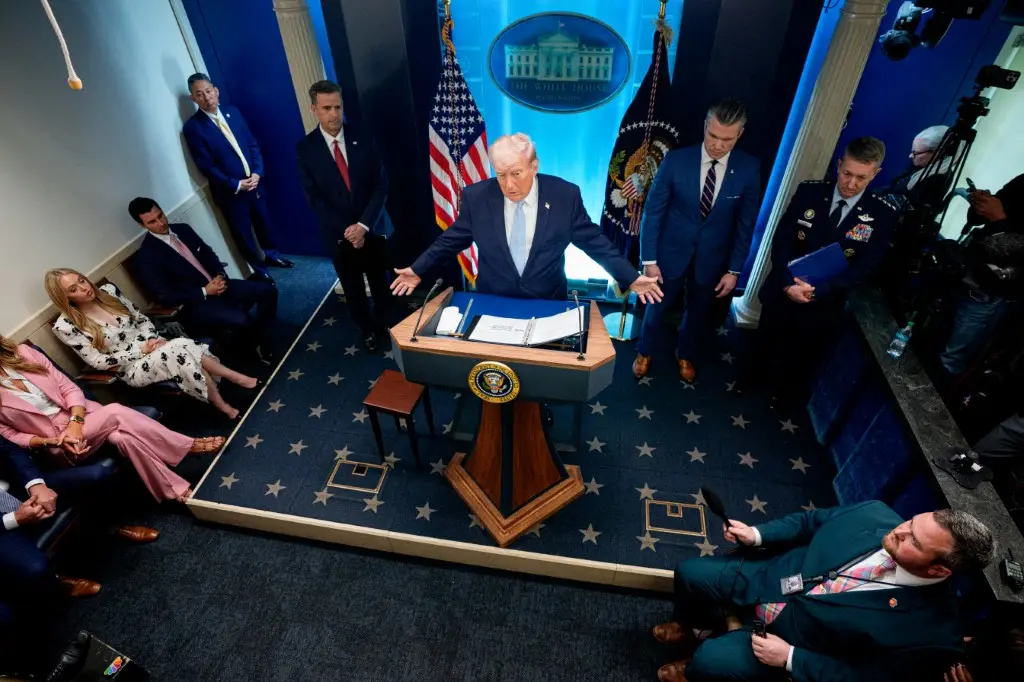
CIA Director John Ratcliffe, briefing the press Monday alongside Trump, said the agency had confirmed the pilot was "alive and concealed in a mountain crevice — still invisible to the enemy, but not to the CIA." That confirmation went directly to Defence Secretary Pete Hegseth, then to the president, and the rescue operation moved immediately into its execution phase. Trump told reporters the CIA had spotted the airman from 40 miles away, noting it was like "finding a needle in a haystack."
The Rescue — and the Chaos That Came With It
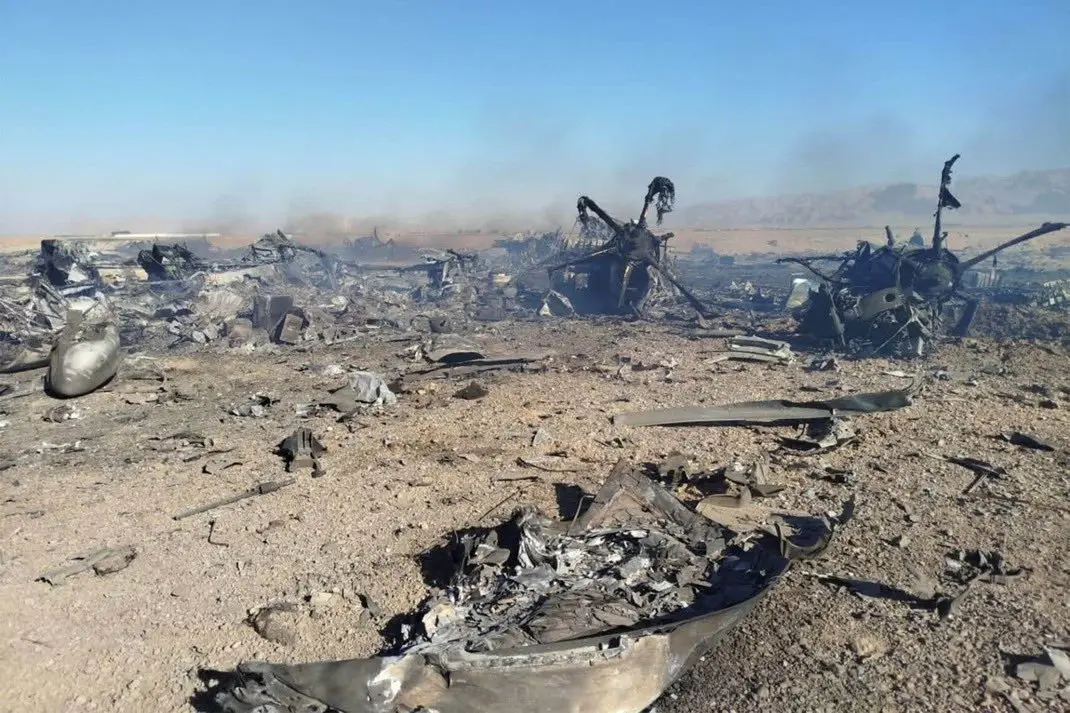
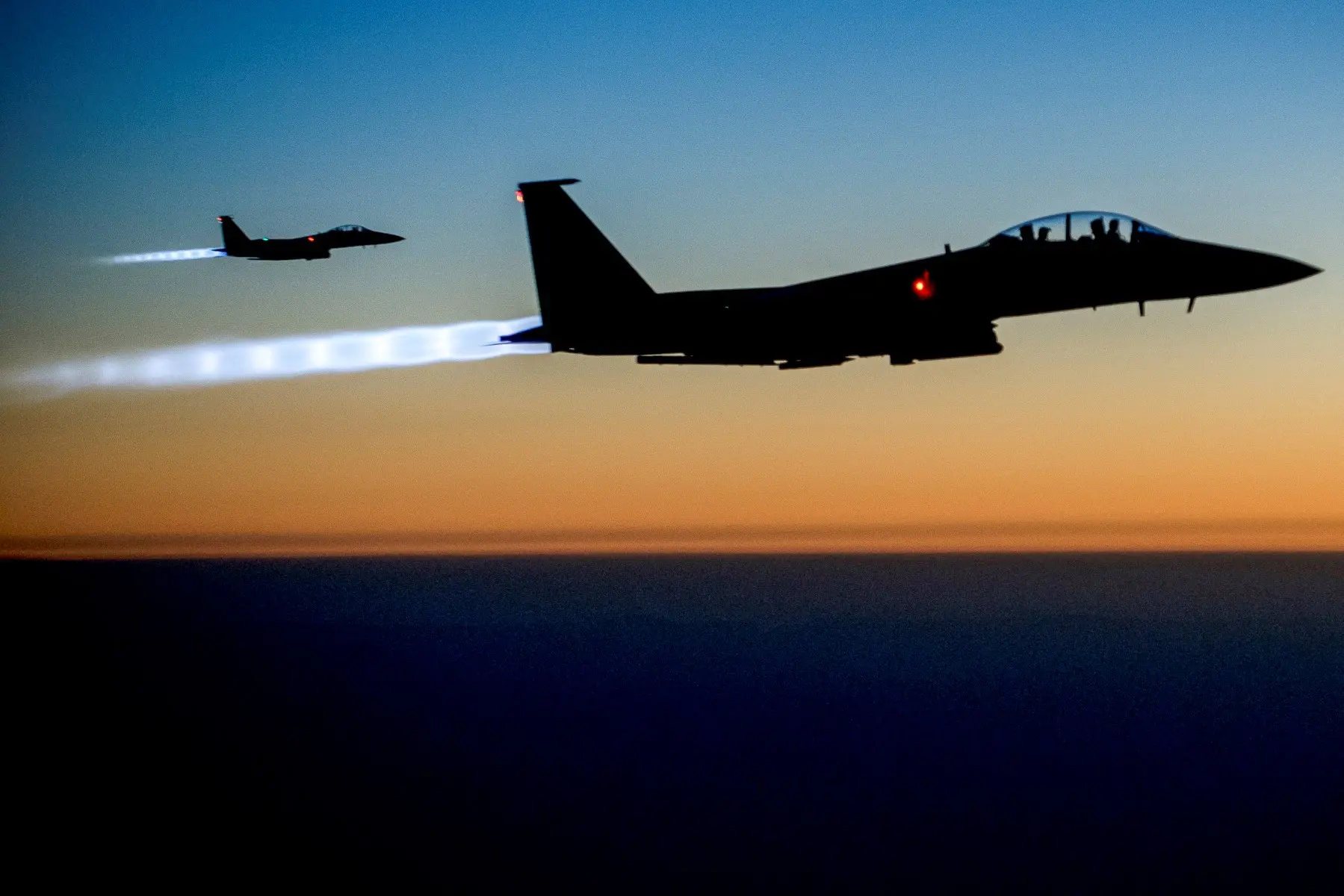
The operation that followed involved hundreds of US special forces troops. It did not go cleanly. Two American rescue aircraft became stranded on the ground during the mission and had to be destroyed on-site to prevent them from falling into Iranian hands. Additional aircraft were brought in to complete the extraction. Through all of it, no American lives were lost. Trump called it "the most daring Search and Rescue Operation in US History." Whether that's hyperbole or not, the outcome was the one that mattered.
What Comes Next for 'Ghost Murmur' Technology
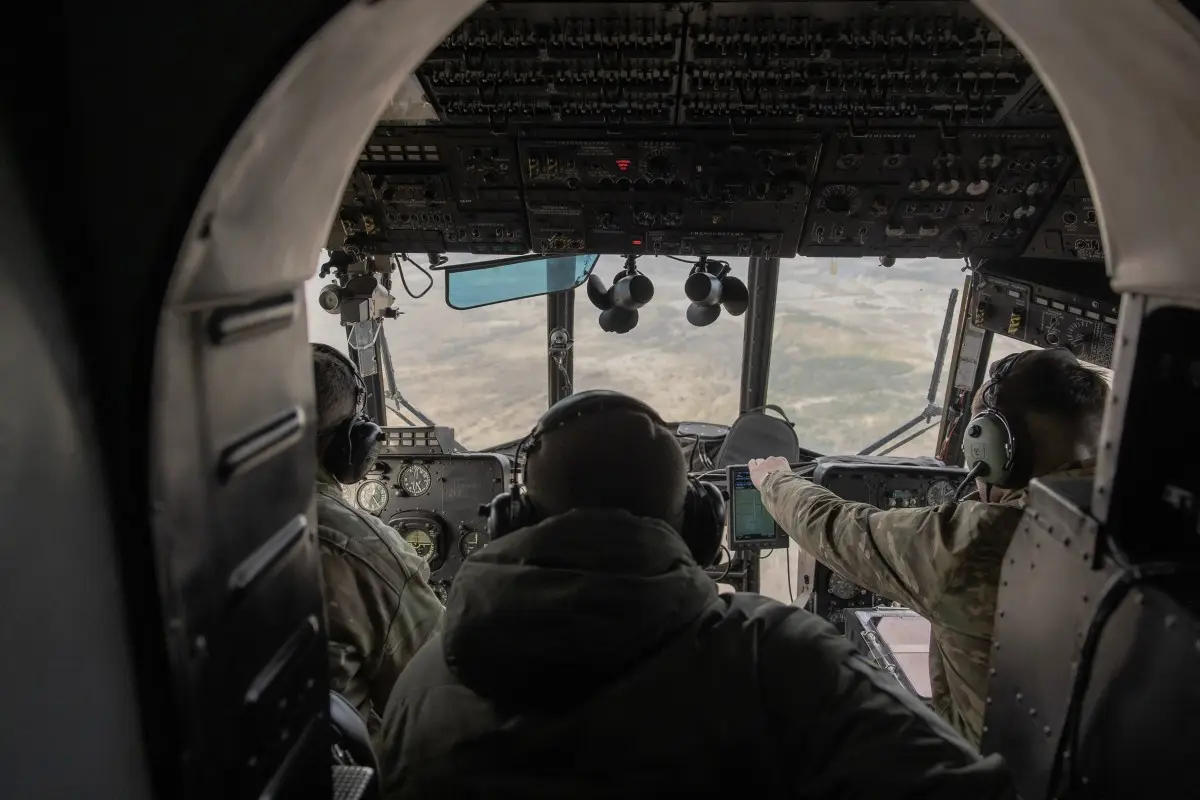
Ghost Murmur has been tested on Black Hawk helicopters and is being evaluated for potential integration with F-35 fighter jets, a source familiar with Lockheed's intelligence collection programs told The NY Post.
"I don't think people even know this technology is possible from this distance," another source told the publication. Well, they do now.
)
)
)
)
)