'General quarters': Why USS Abraham Lincoln is at 'Battle Stations' alarm?

Modern radars are designed to track high-speed jets, but they can sometimes miss small, slow-moving plastic drones or wooden speedboats used by Al-Qaeda and Houthis.
1. The "Battle Stations" Alarm (Total Mobilization)
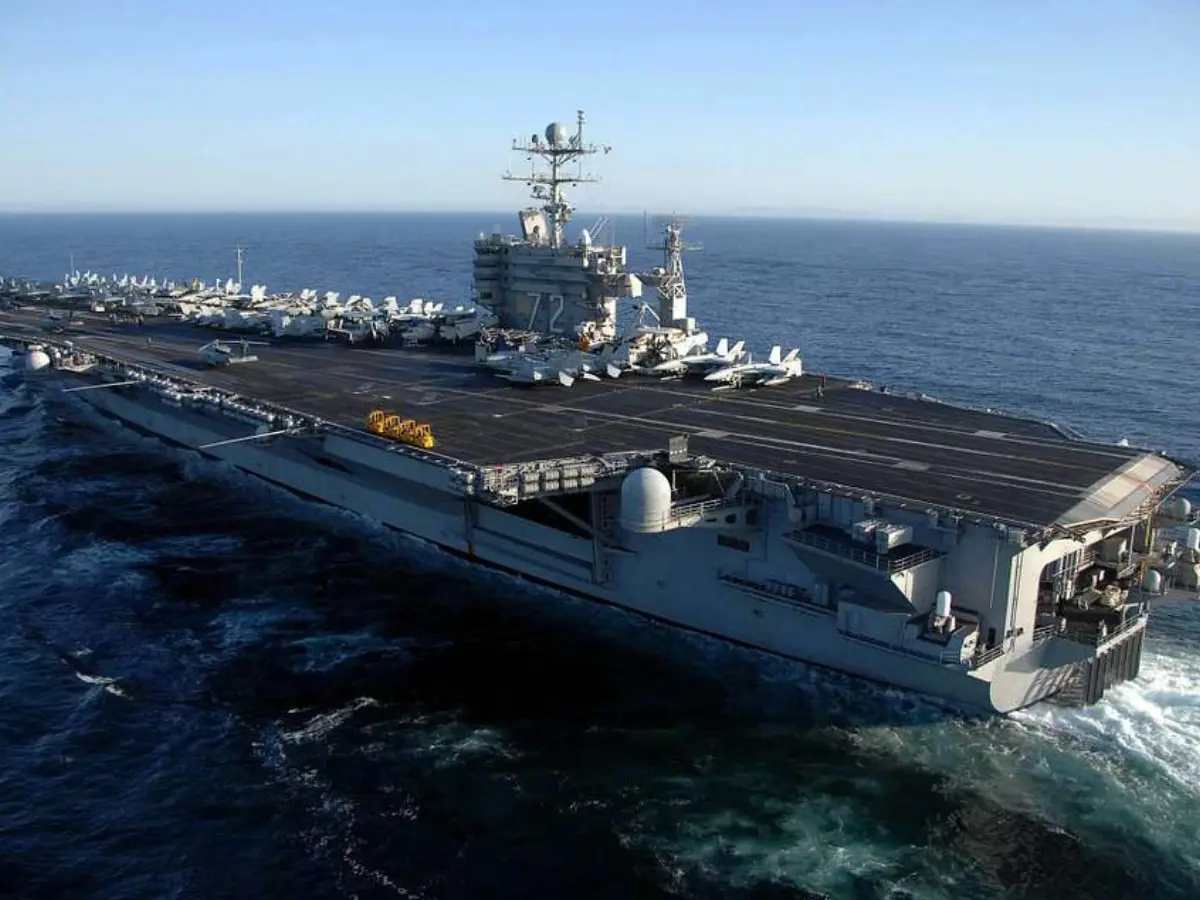
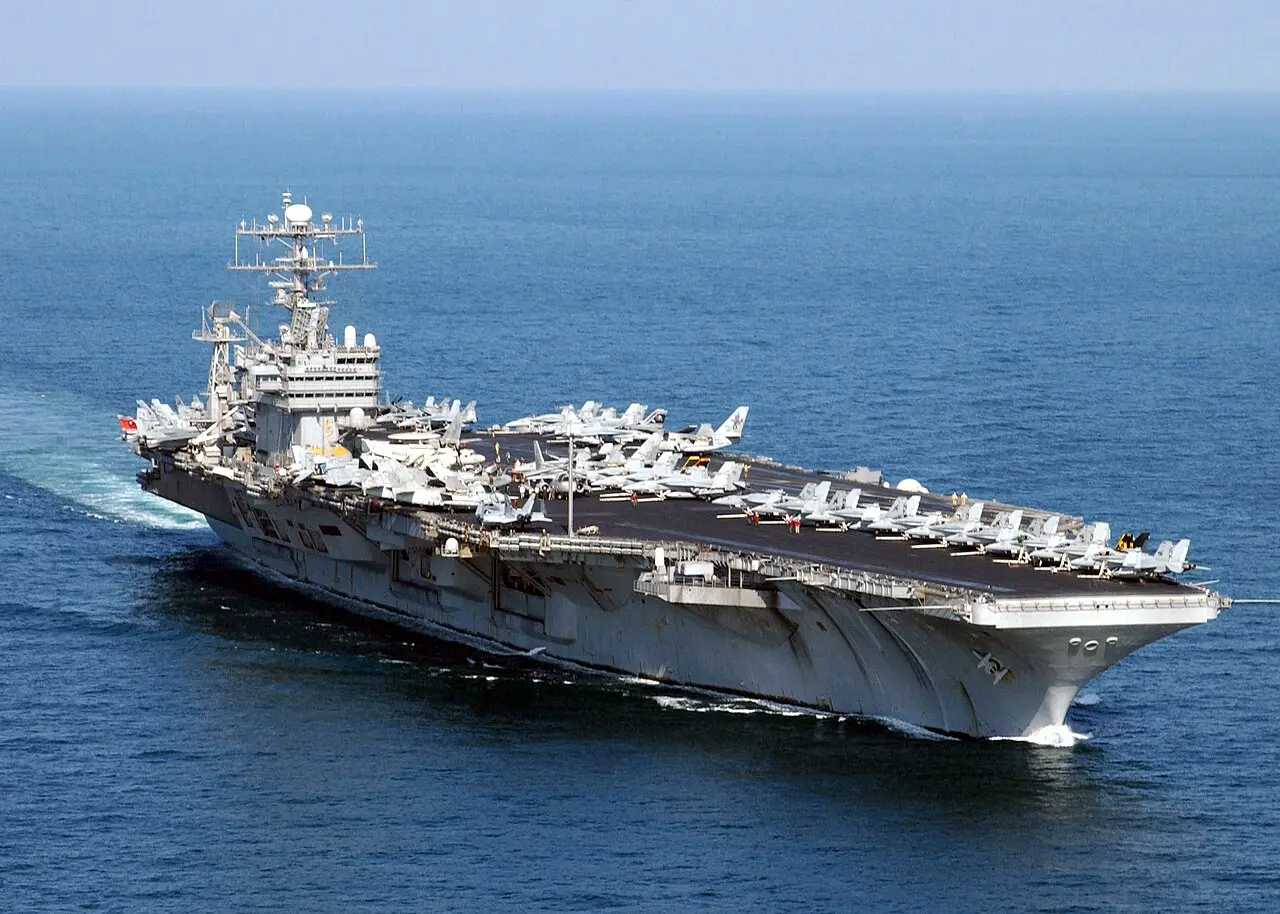
"General Quarters" (GQ) is the highest state of readiness on a US Navy warship. When the klaxon sounds, the 12-hour rotating watch schedule is abandoned, and every single one of the 5,000+ crew members must sprint to a pre-assigned tactical station. The "sudden" increase in these drills signals that the ship is no longer in "deterrence" mode (just watching) but has shifted to "warfighting" mode, expecting an imminent, kinetic attack at any moment.
2. Setting "Condition Zebra" (The Airtight Shield)
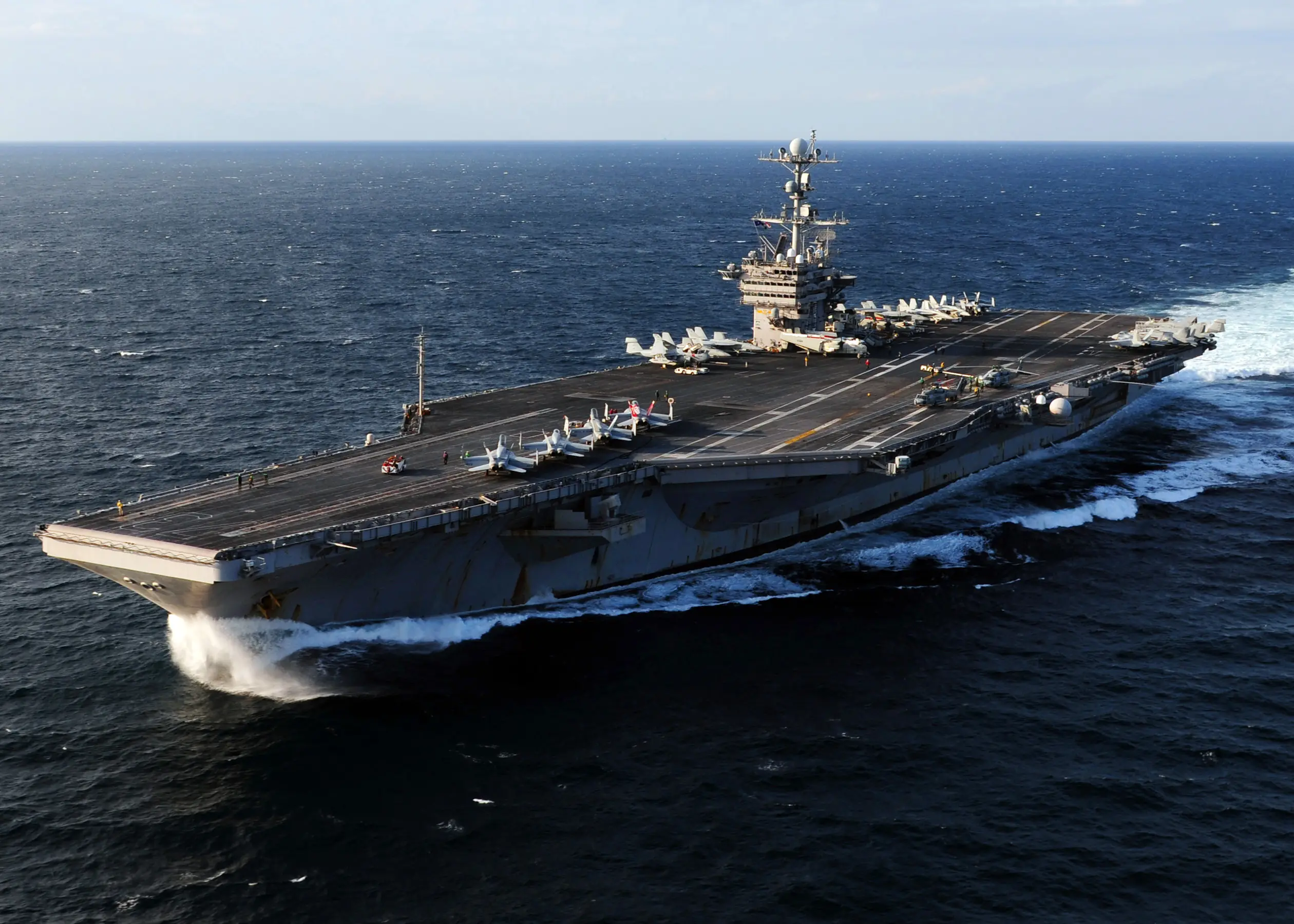
The most critical part of the drill is setting "Material Condition Zebra." In this state, the crew manually shuts and locks hundreds of watertight doors, hatches, and valves throughout the ship. This creates a "honeycomb" effect, compartmentalising the vessel so that if a missile hits, fire and flooding are trapped in one small section and cannot sink the massive carrier. The crew is drilling this to hit a target time of under 8 minutes, the estimated flight time of an incoming missile.
3. The "Swarm" Defense (Human Eyes vs. Radar)
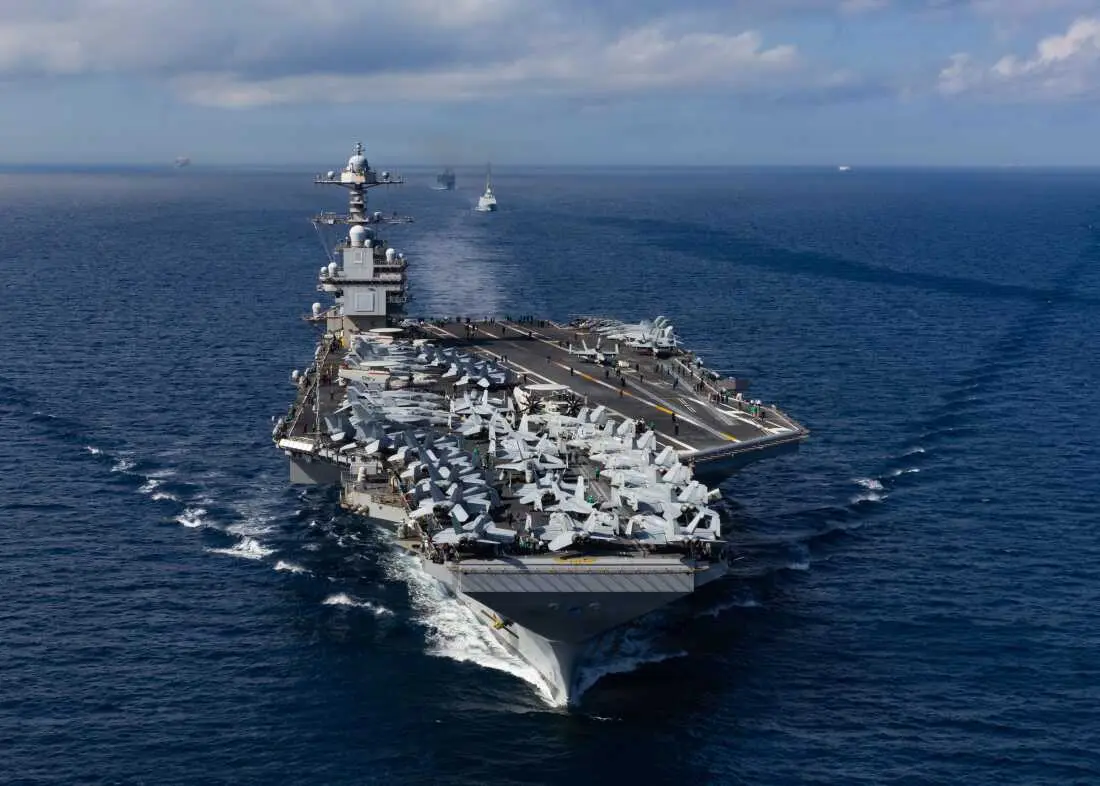
Modern radars are designed to track high-speed jets, but they can sometimes miss small, slow-moving plastic drones or wooden speedboats used by Al-Qaeda and Houthis. During GQ, hundreds of sailors are deployed to the "catwalks" (edges of the flight deck) with rifles and machine guns. They become a "human sensor network," visually scanning the horizon to spot and shoot down low-tech "swarm" threats that might slip past the automated defences.
4. The "Shahed" Trigger (Reaction to Contact)
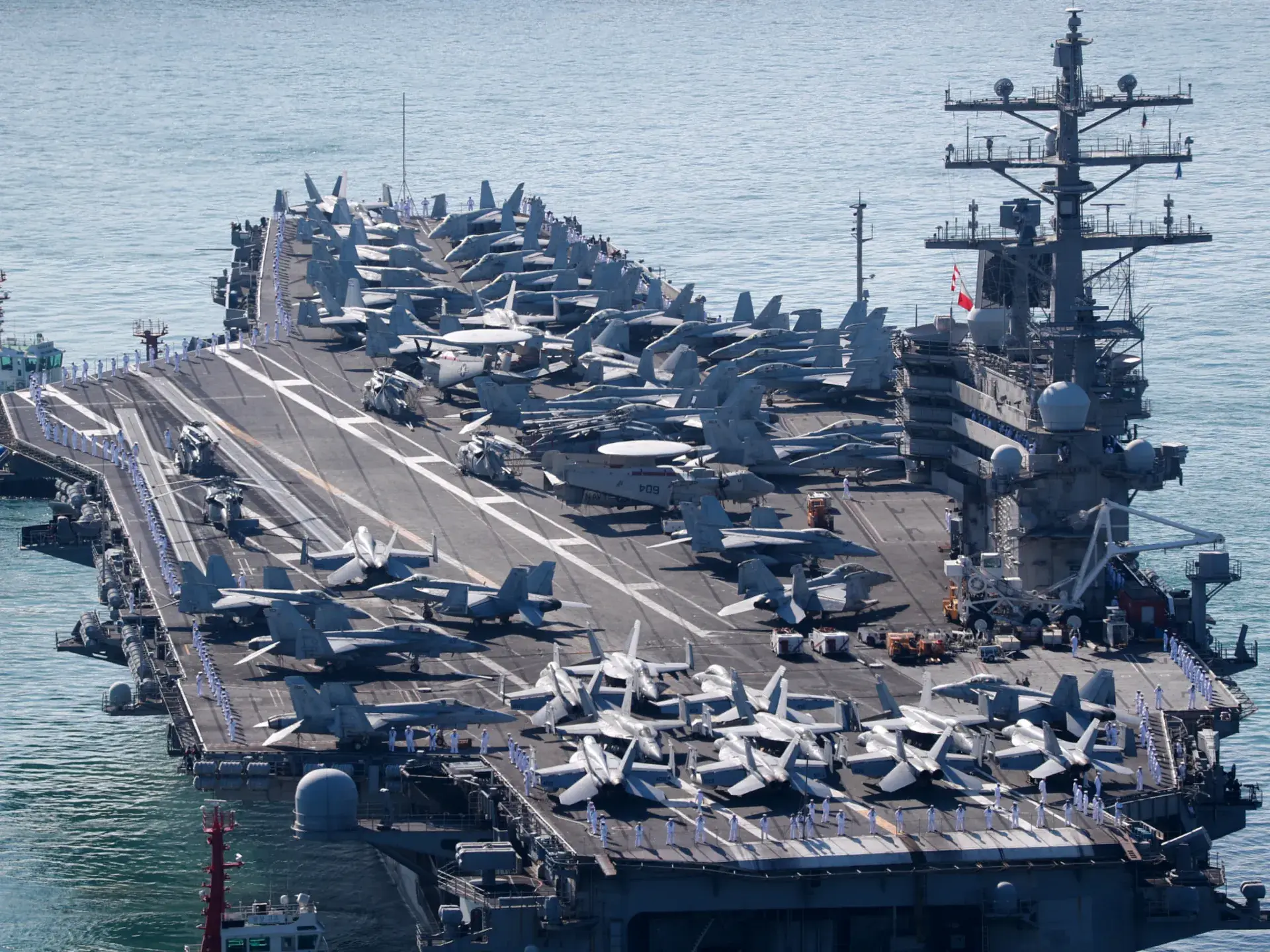
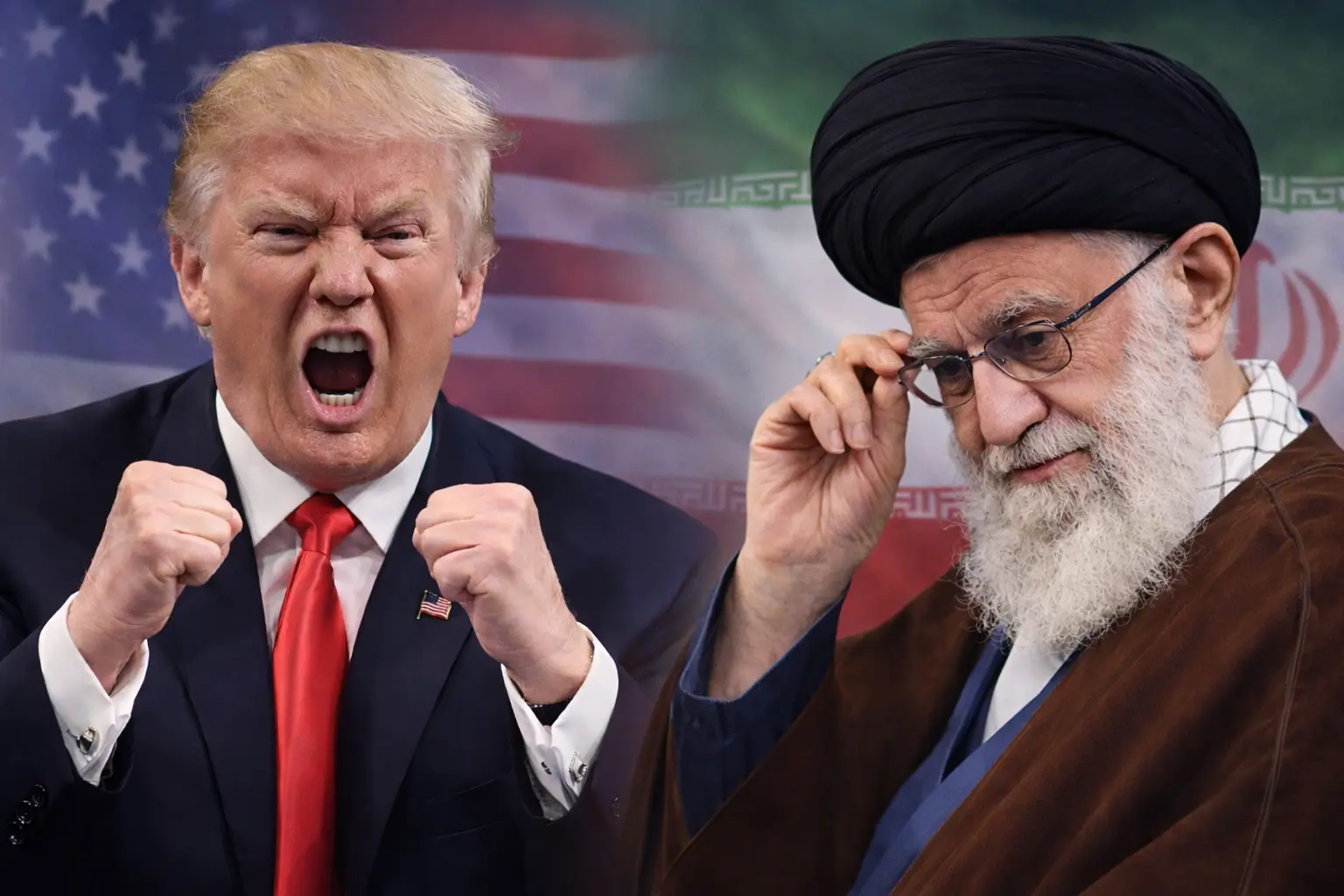
The sudden intensity of these drills is a direct reaction to the confirmed engagement on February 4th, where an F-35C had to shoot down an Iranian Shahed-139 drone. That incident proved the enemy is actively "probing" the fleet's defences. Commanders use these drills to shake off any "cruise complacency," ensuring that if a drone turns hostile next time, the reaction is instinctive and instant.
5. Damage Control Parties (The "Internal Army")
In naval warfare, the sailors are the firefighters. GQ mobilises "Damage Control" (DC) teams, specialised squads geared up in fire-retardant flash gear and oxygen breathing apparatus. They are currently drilling for "Mass Conflagration" scenarios: specifically simulating a suicide drone hitting a flight deck loaded with jet fuel and munitions, practicing how to extinguish a 2,000-degree chemical fire while under attack.
6. The "Hypersonic" Reaction
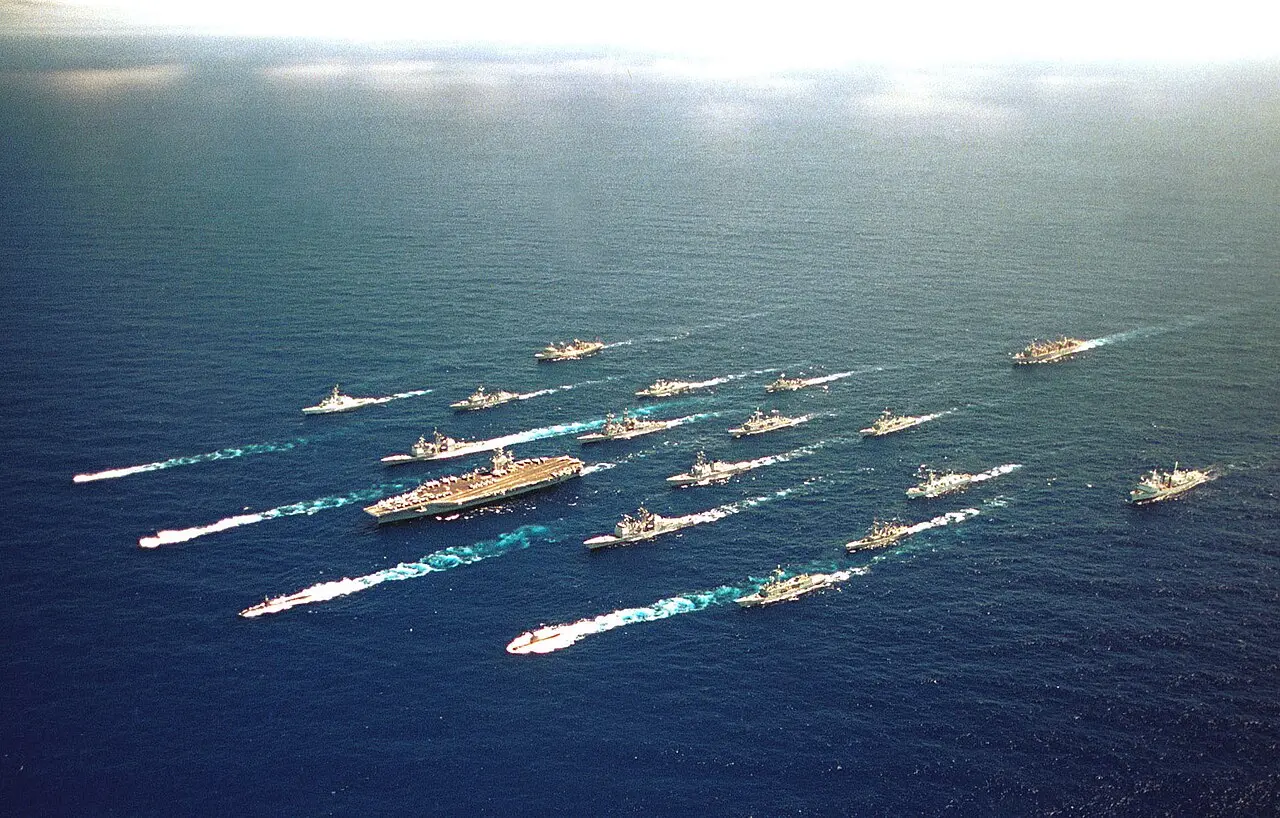
The drills are also adapting to the specific threat of Iran's "Fattah-2" hypersonic missiles. Because these missiles travel at Mach 5+, the crew would have less than 5 minutes from detection to impact. The "sudden" drills are timing the crew’s ability to get from their bunks to their battle stations within this terrifyingly short window, knowing that being one minute late could mean death.
7. Medical Mass Casualty
A darker aspect of GQ is the activation of "Battle Dressing Stations." The ship's medical and dental teams convert the mess decks (cafeterias) into triage hospitals. The crew is practicing carrying stretchers through narrow, smoke-filled corridors. The sudden frequency of these drills suggests command is preparing for a "mass casualty event," ensuring they can treat hundreds of wounded sailors simultaneously if the carrier takes a direct hit.
)
)
)
)
)