‘Full throttle’: This highway in Europe has no speed limit

Even on unrestricted sections, Germany enforces a Richtgeschwindigkeit, a recommended speed of 130 km/h. Drivers can exceed it legally, but responsibility in case of accidents may be assessed differently.
1. What Is the Autobahn?
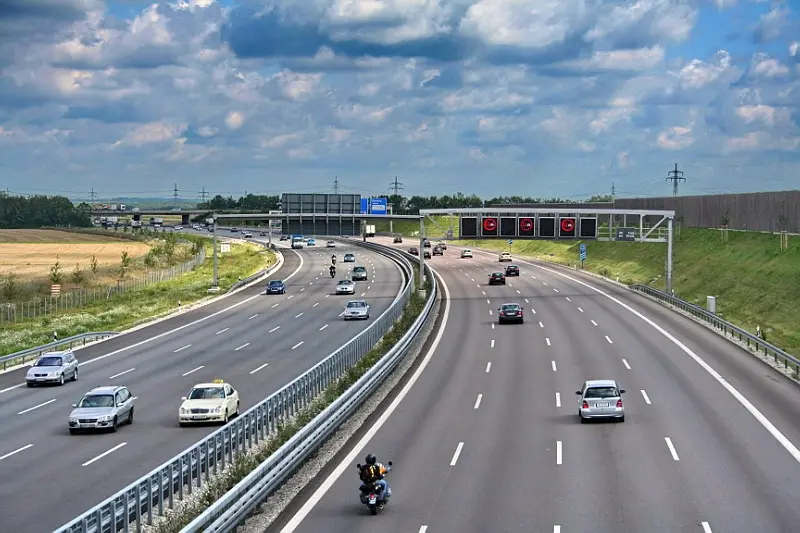
The Autobahn is Germany’s federal controlled-access highway system spanning more than 13,000 km. It connects major cities and is designed for long-distance, uninterrupted high-speed travel with strict engineering standards.
2. No Speed Limit — But Only on Certain Sections
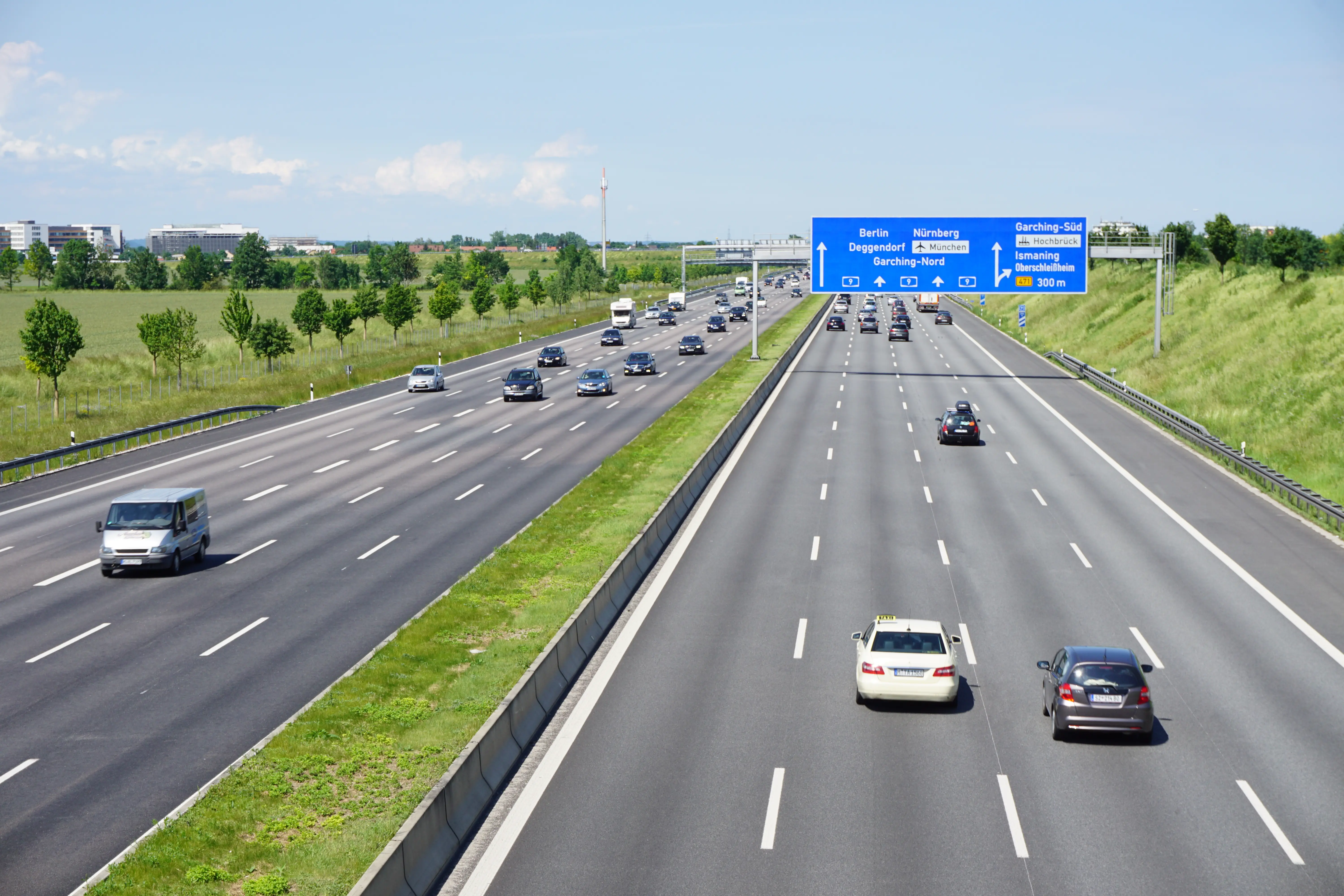
Not all stretches are unlimited. Around 30–40 per cent of the Autobahn has unrestricted speed. The remaining parts have posted limits due to congestion, curves, construction, weather, or urban proximity.
3. Recommended Speed: 130 km/h
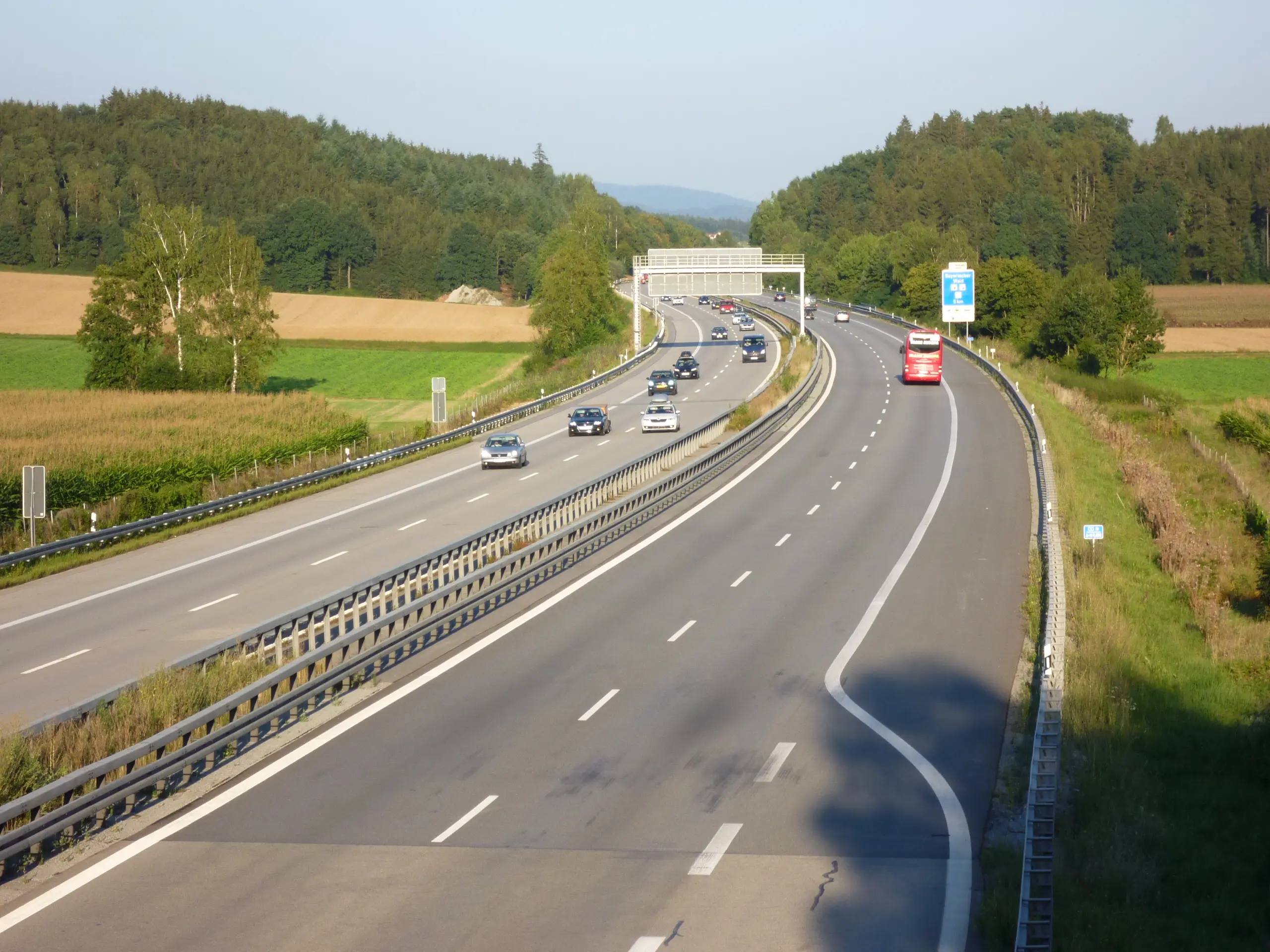
Even on unrestricted sections, Germany enforces a Richtgeschwindigkeit, a recommended speed of 130 km/h. Drivers can exceed it legally, but responsibility in case of accidents may be assessed differently.
4. High Engineering Standards for Safety
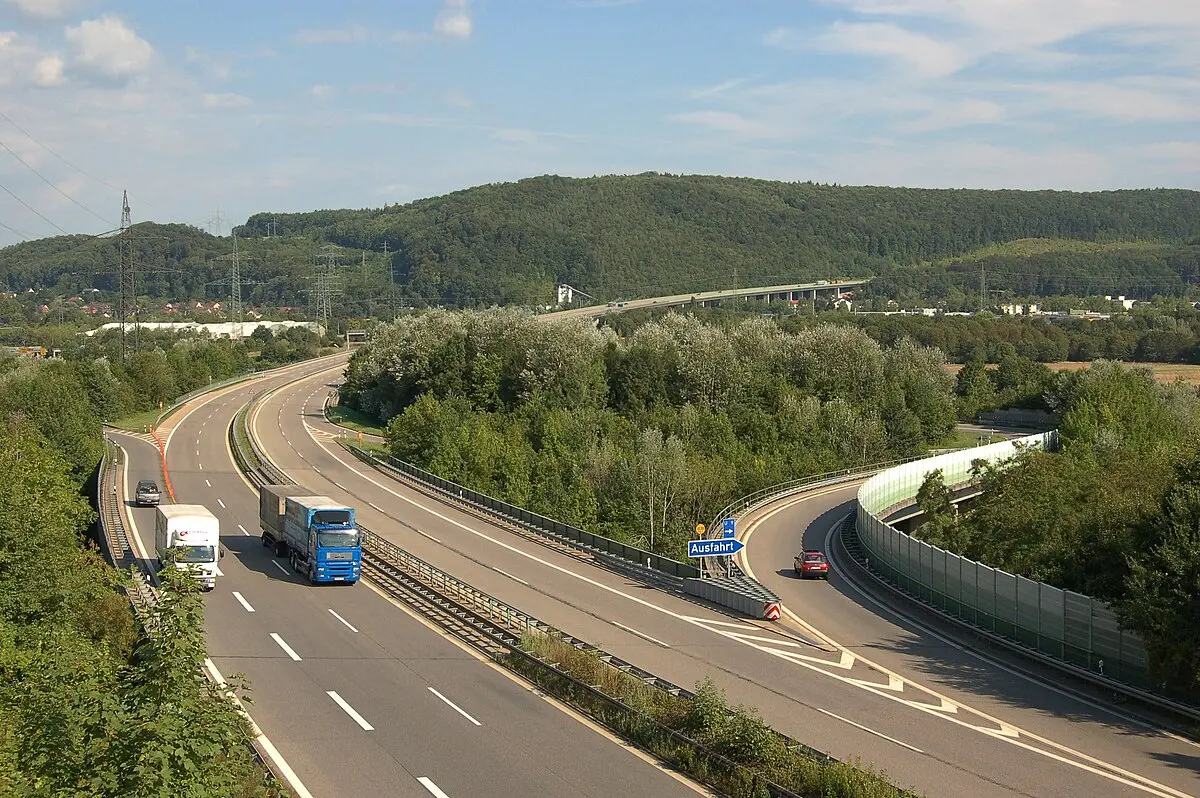
Autobahns are built with wider lanes, gentle curves, high-quality asphalt, barriers, and regular maintenance cycles. Entry and exit ramps are longer to support high-speed merging and separation.
5. Strict Driving Rules and Lane Discipline
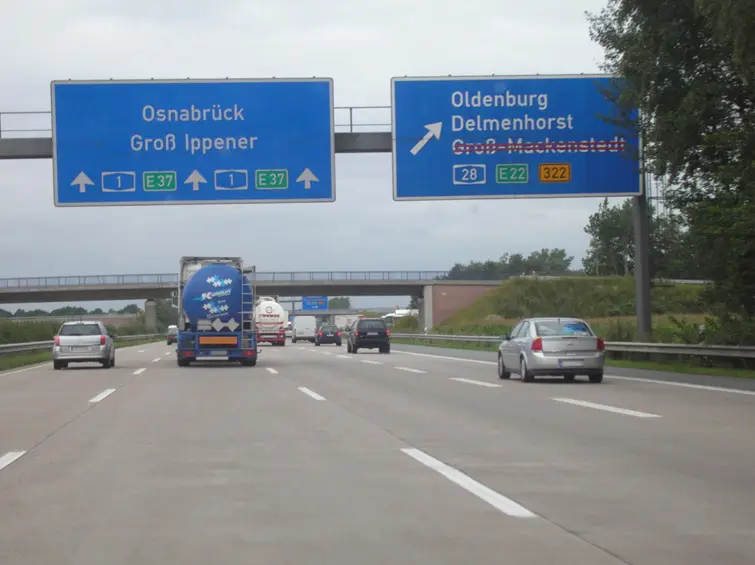
Overtaking is allowed only from the left. The right lane must be used for regular travel. Tailgating, unnecessary lane blocking, and sudden lane changes are penalised to maintain smooth flow.
6. Varied Speed Limits in Certain Zones
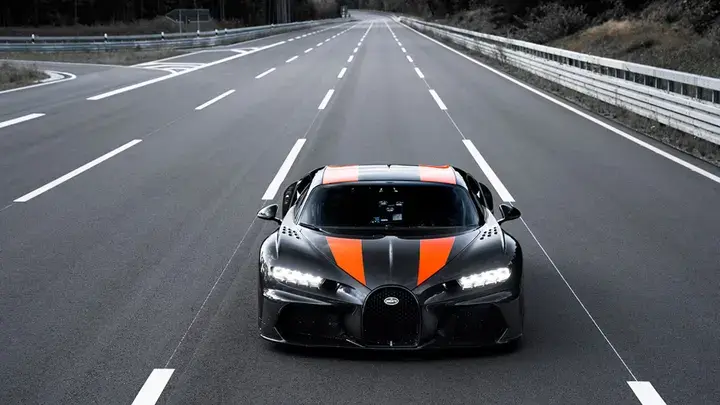
Temporary limits are applied for weather, construction, noise control, and accident-prone zones. Urban-adjacent segments often have permanent limits to reduce pollution and noise.
7. Debate on Imposing a National Speed Limit
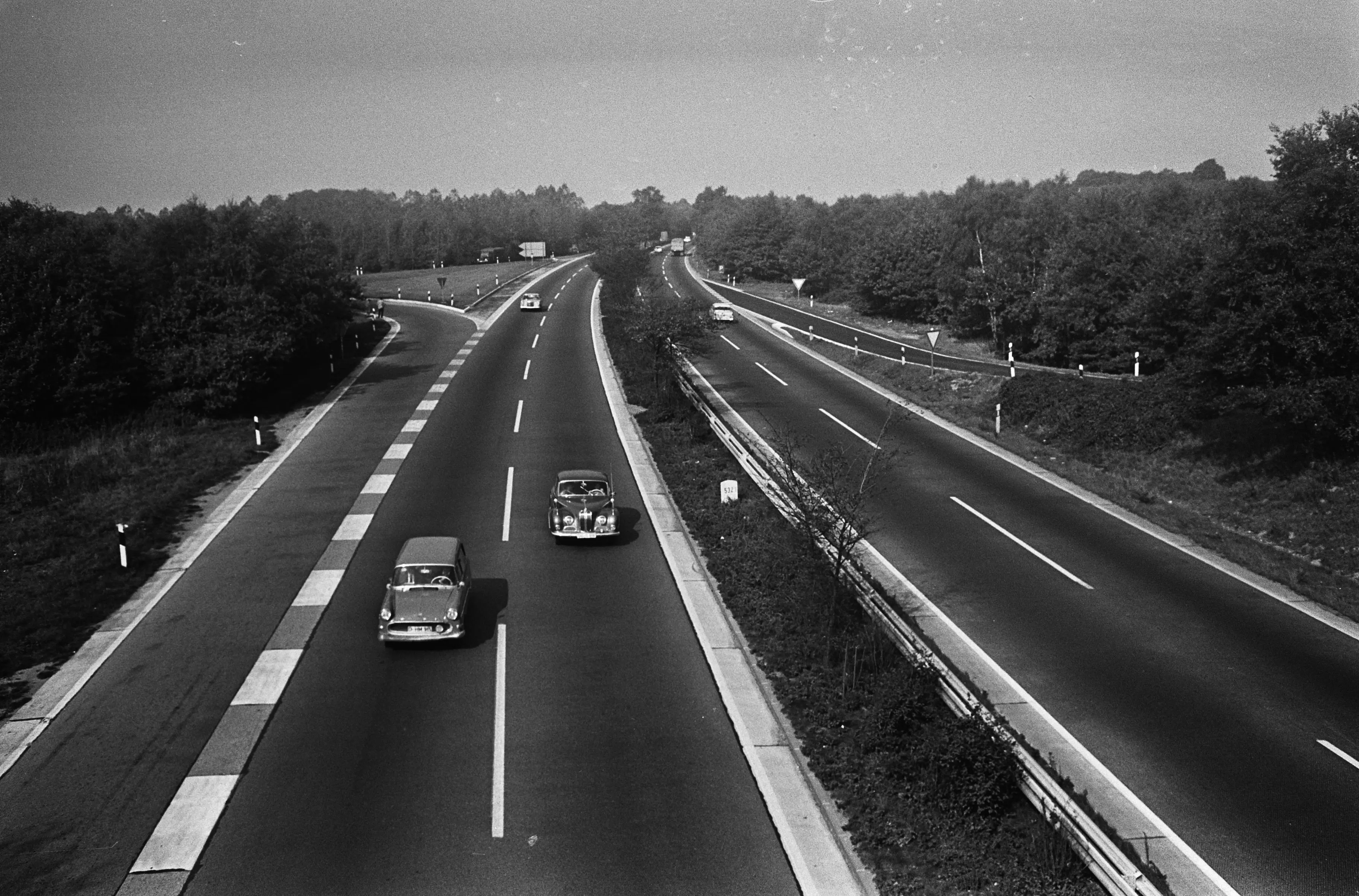
Germany continues to debate whether to introduce a universal limit. Arguments include environmental impact, safety statistics, freedom of driving, and the economic link to its automotive industry.
)
)
)
)
)