‘Full tank vs half tank of petrol’: Which fuel level gives better mileage?

Below is a factual breakdown of how fuel level impacts efficiency, engine load, and long-term components.
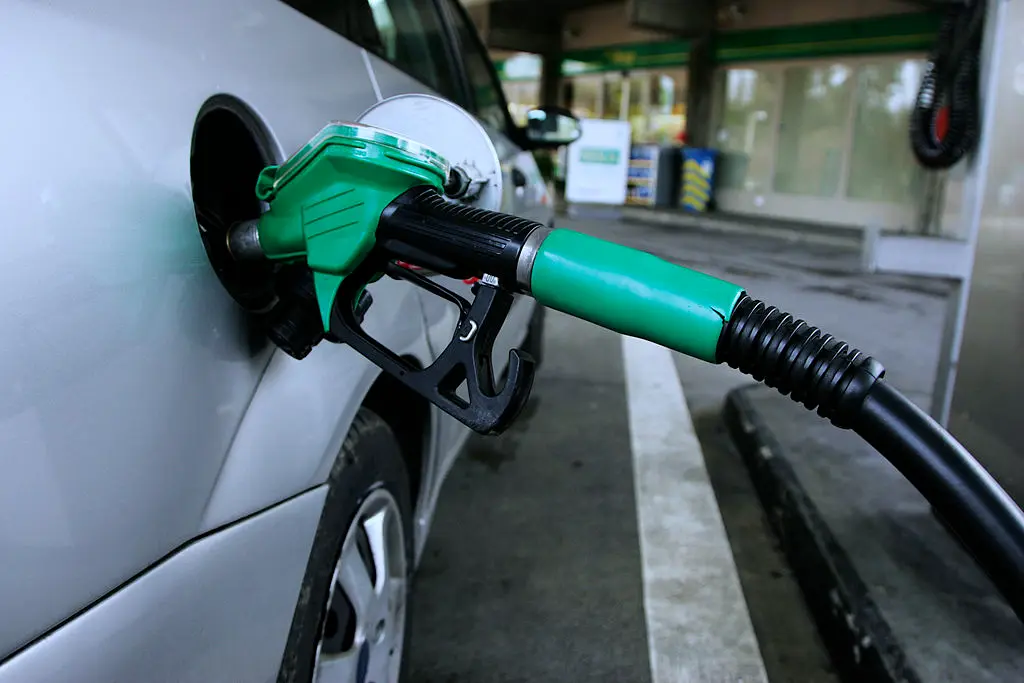
1. Weight Difference: Does a Full Tank Reduce Mileage?
A full tank increases the car’s total weight by 30–40 kg depending on tank size. Higher weight can cause a slight drop in mileage, but the impact is small in most modern cars. The difference is usually visible only in stop, go city driving.
2. Fuel Pump Health: Why Running on Low Fuel Is Not Recommended
Most cars use an in-tank electric fuel pump that depends on petrol for cooling. Running below 15–20 per cent for long periods increases heat and strain on the pump, which may reduce its lifespan.
3. Fuel Evaporation: Lower Levels May Lead to More Vapour Space
A tank with very low fuel has more air volume inside. This increases evaporation and can lead to minor losses, especially in hotter regions. Modern EVAP systems recover vapour, but losses still happen over time.
4. Consistent Pressure: Higher Fuel Levels Reduce Air Mixing
When the tank is half full or lower, more air enters during refuelling and driving. This can increase moisture formation in humid climates. A fuller tank limits air exposure, keeping fuel quality more stable.
5. Mileage Difference: Mostly Noticeable Only in City Traffic
On highways, the mileage difference between full and half tank is minimal because the speed is constant. In cities, the added weight of a full tank may slightly reduce mileage during frequent acceleration.
6. Safety Factor: Full Tank Reduces Fuel Pump Whine and Misfires
Keeping the tank above 30–40 per cent helps maintain stable fuel pressure, especially in older cars. Low levels can sometimes cause slight hesitation or pump noise under hard acceleration.
7. Practical Recommendation: Ideal Fuel Level Range
For daily use, maintaining the tank between 40 per cent and 80 per cent balances fuel pump safety, weight, and mileage. It avoids running too heavy or too low while keeping the system cooled and functioning efficiently.
)
)

)
)