'Front or back': Which seat gives the pilot a better chance of survival in a crash in the F-15E Strike Eagle

While both crew members rely on the ACES II ejection system, the rear seat automatically fires roughly 0.3 seconds before the front seat to prevent rocket blast injuries.
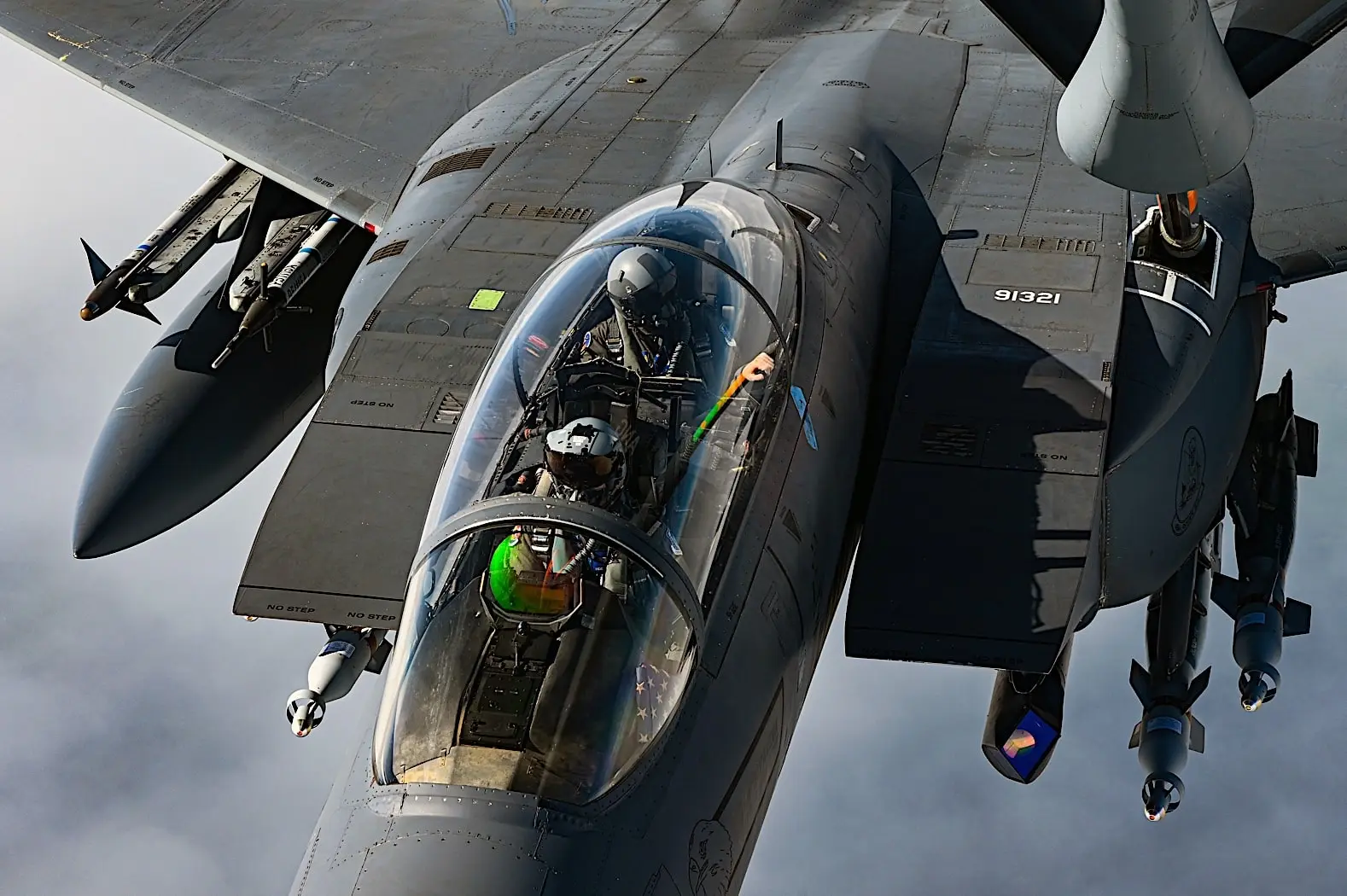
The dual-seat danger
In a tandem fighter like the F-15E, ejecting both crew members simultaneously creates a fatal risk. The seats could collide in mid-air, or the rocket motors could severely burn the other crew member.
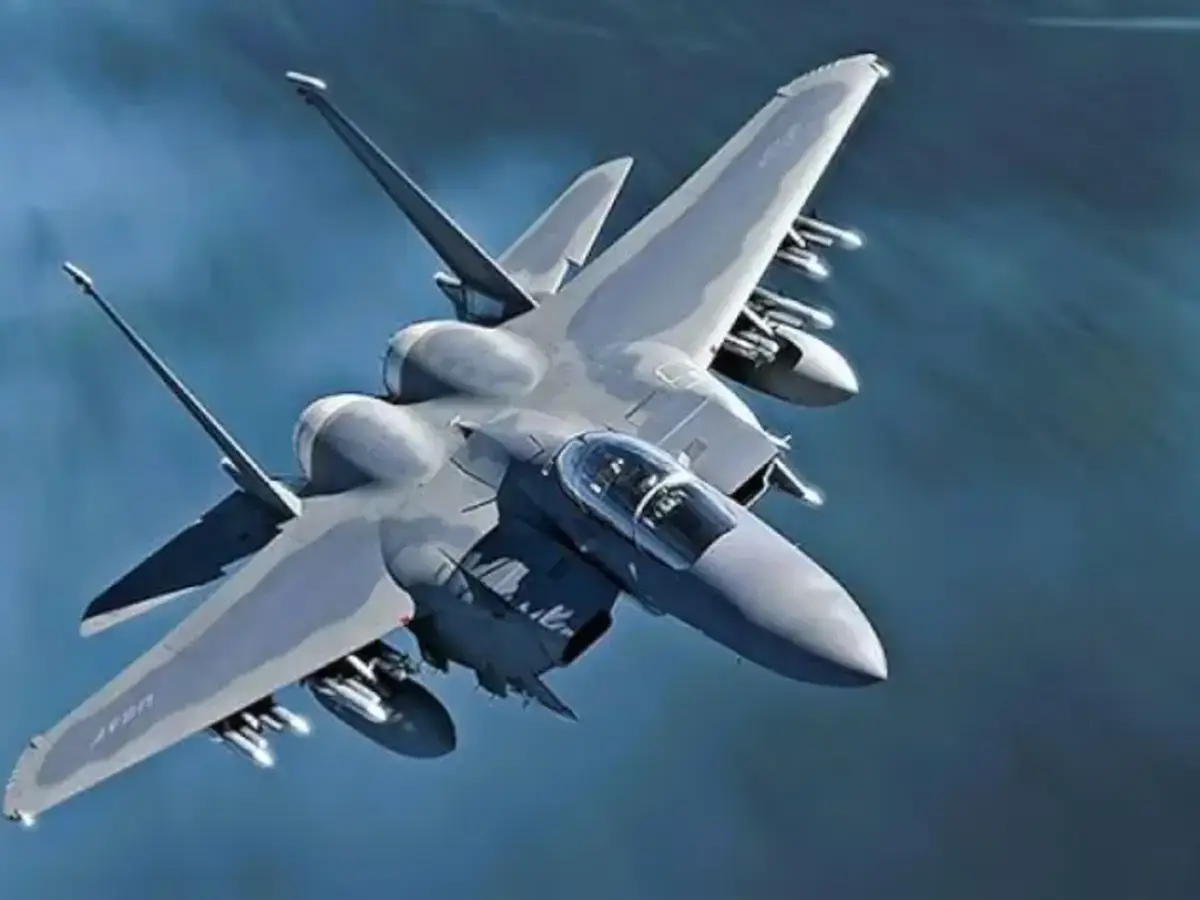
The sequenced ejection
To prevent collision and rocket blast injuries, the aircraft uses a sequenced ejection system. Regardless of who pulls the ejection handle, the flight computer takes over to stagger the launches.
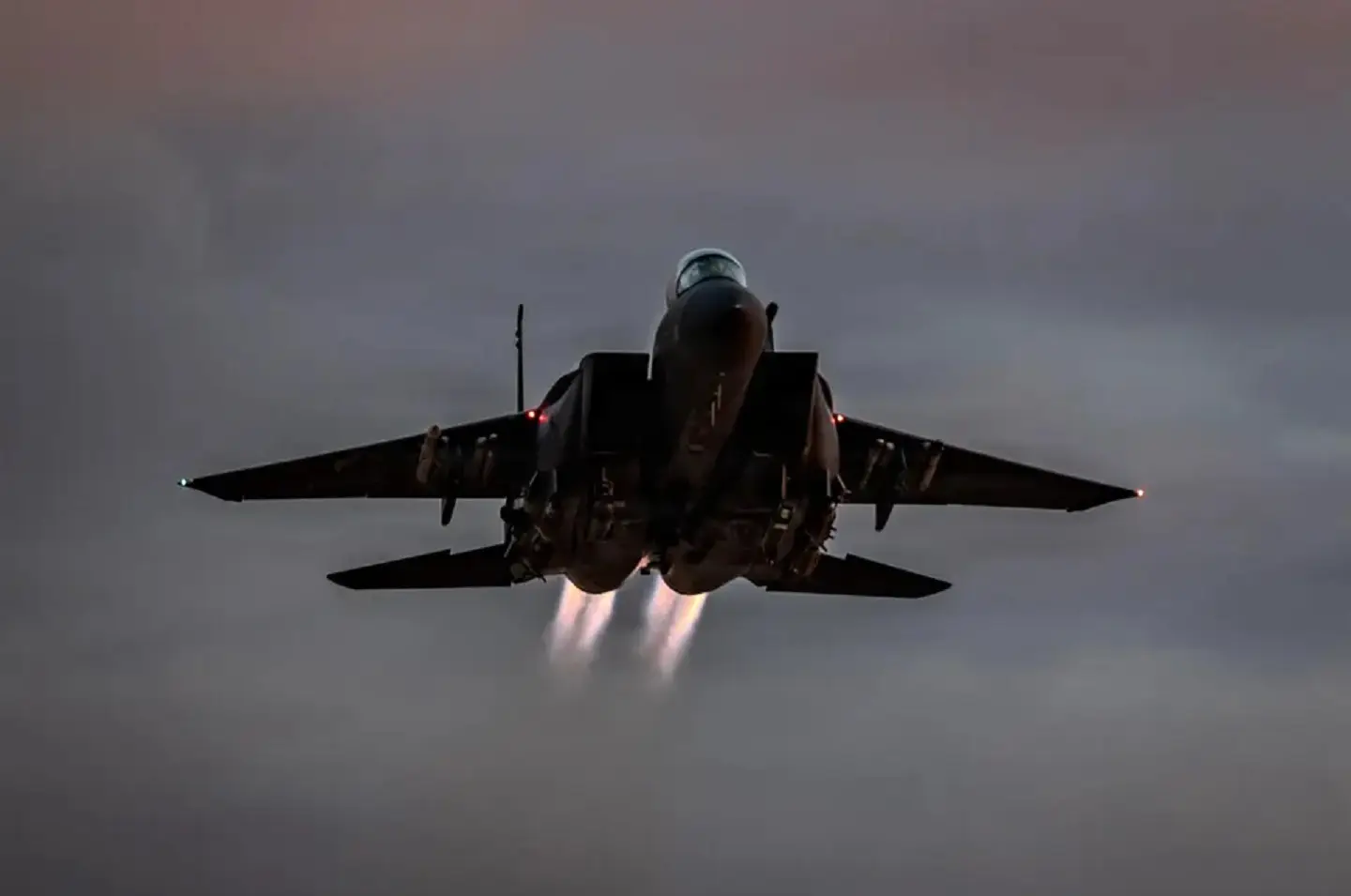
The rear seat goes first
The rear seat, occupied by the Weapon Systems Officer, is programmed to eject first. Once the canopy is jettisoned, the rear ACES II seat rockets out of the cockpit.
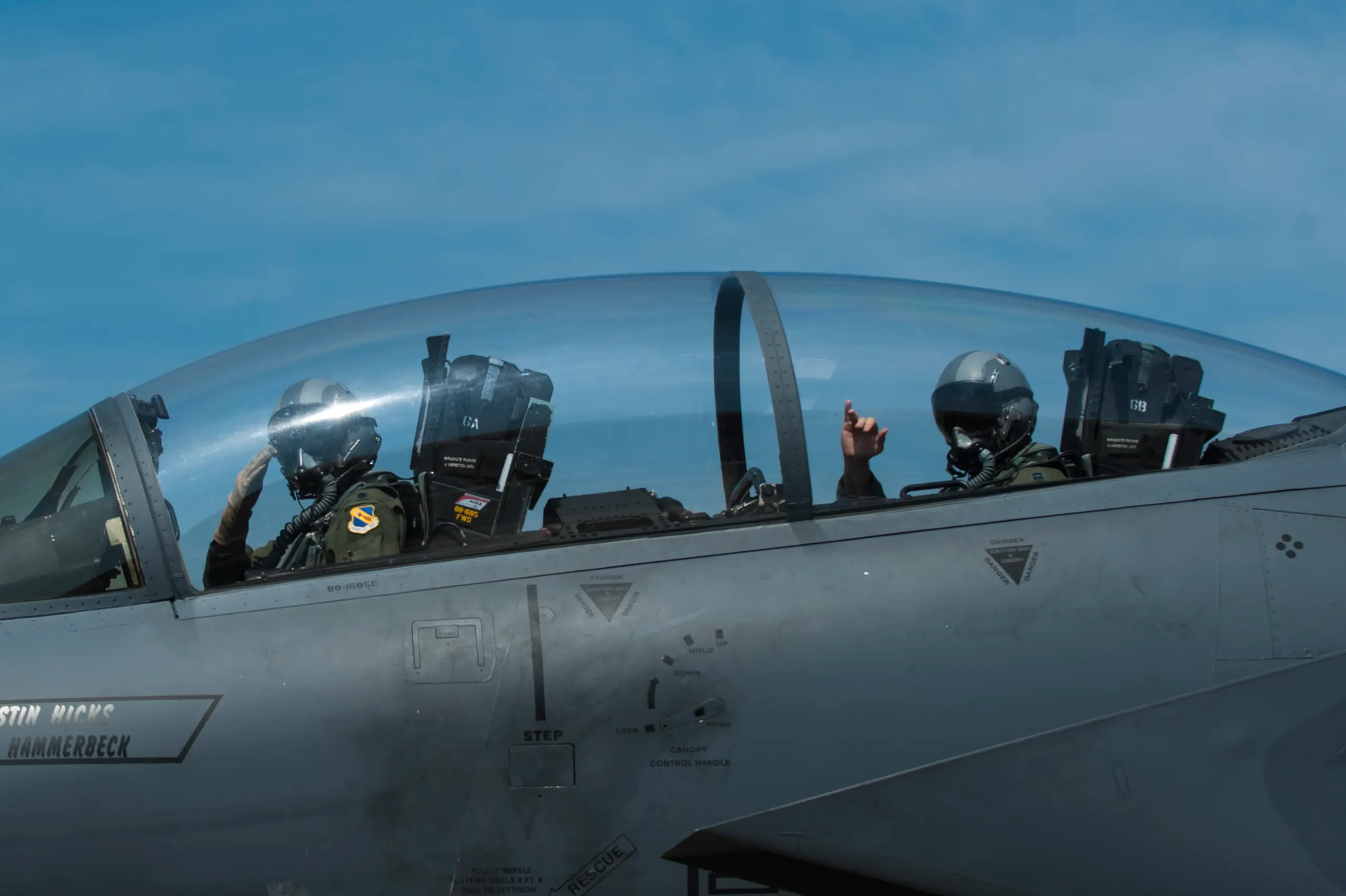
The 0.3-second delay
The front seat, occupied by the pilot, is automatically delayed. The system waits approximately 0.3 to 0.4 seconds before firing the front seat, ensuring the rear occupant is completely clear of the blast zone.
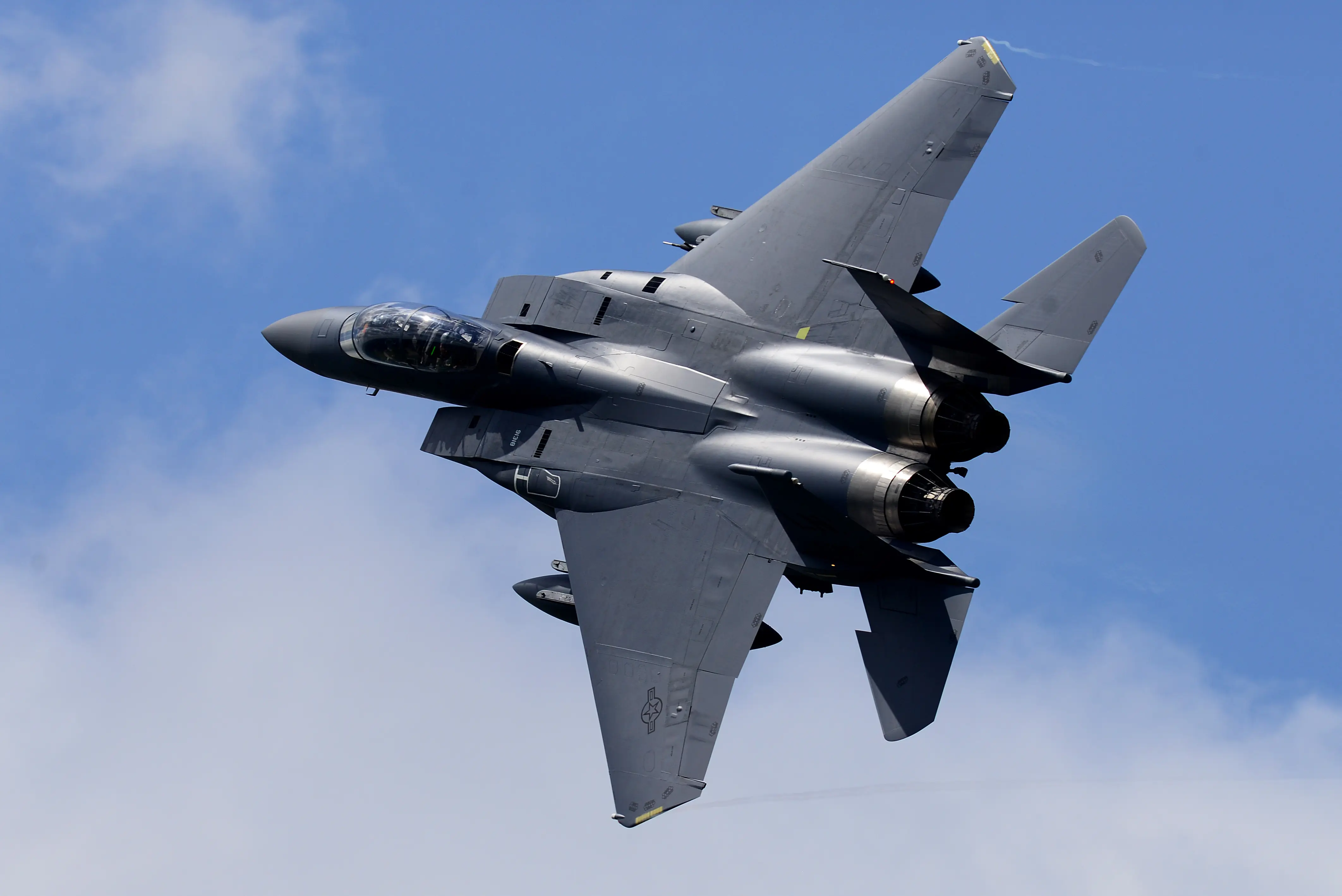
Identical survival hardware
Despite the timing difference, both the front and back seats use the exact same ACES II technology. These are 'zero-zero' seats, meaning they can safely eject a crew member even at zero altitude and zero speed.
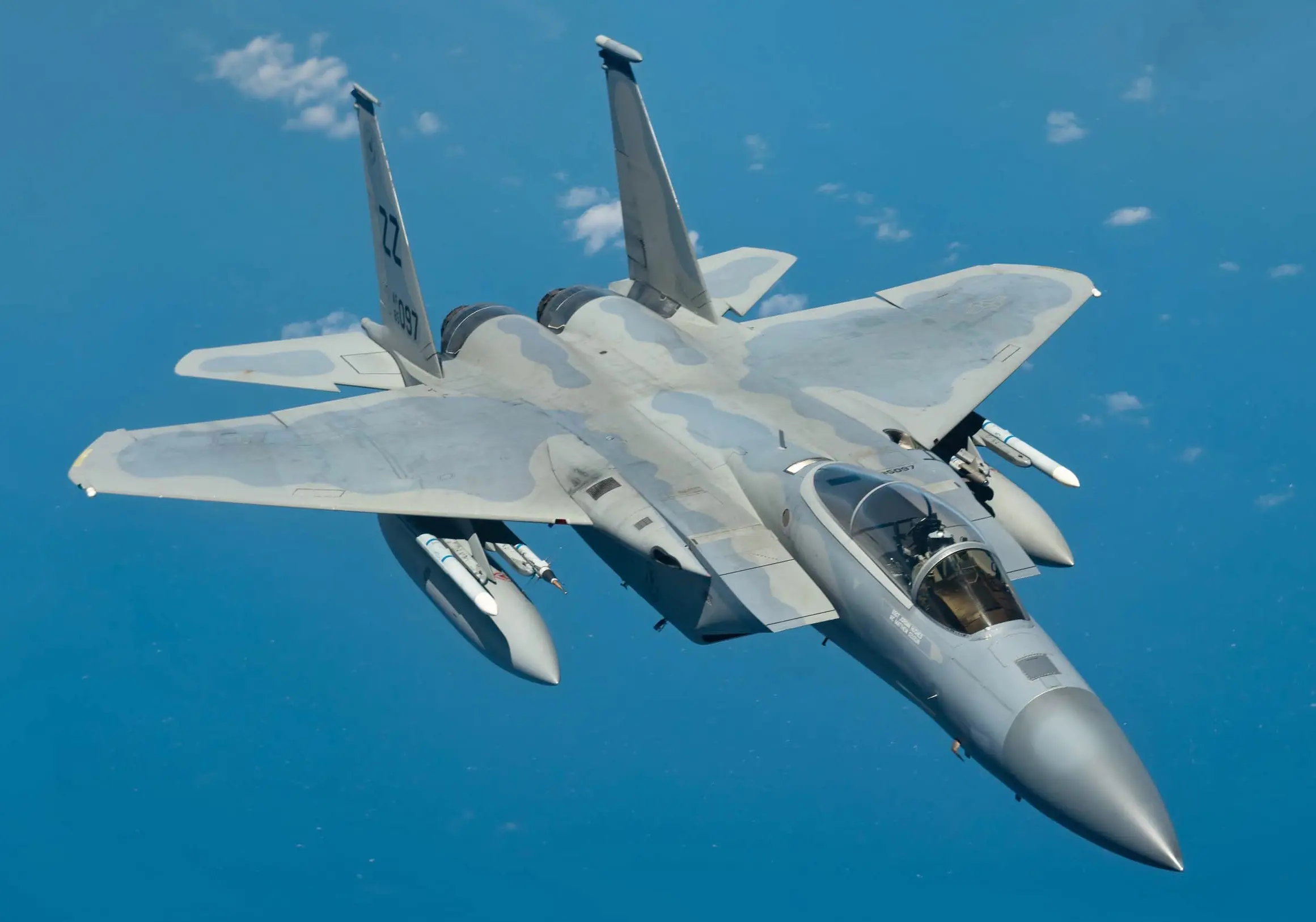
Do milliseconds matter?
In high-altitude emergencies, the 0.3-second delay makes no practical difference. However, in a catastrophic low-altitude dive, the rear seat's head start technically allows its parachute to deploy marginally sooner before ground impact.
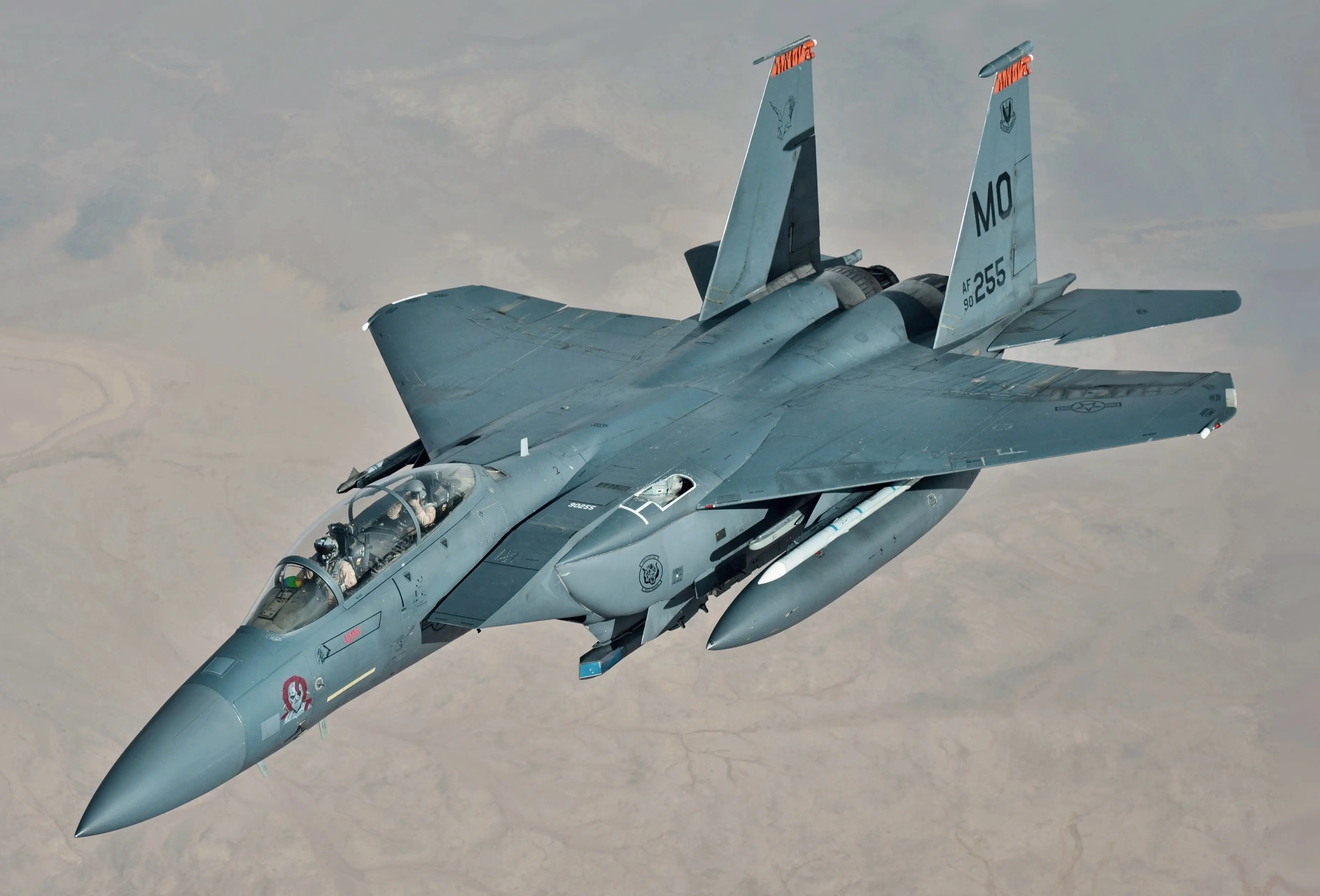
The final survival verdict
Technically, the rear seat gets out of a doomed aircraft first. However, official safety records show that both seats provide an almost identical, highly reliable chance of survival during a crash.
)
)
)
)
)