'From Trainer to Mk-2': Understanding 6 variants of HAL Tejas fighter jet

There is a proposer variant of the Tejas family for export and training purposes, sometimes called the “LIFT” version, which combines trainer features with light combat capability and would appeal to countries seeking a cost-effective jet.
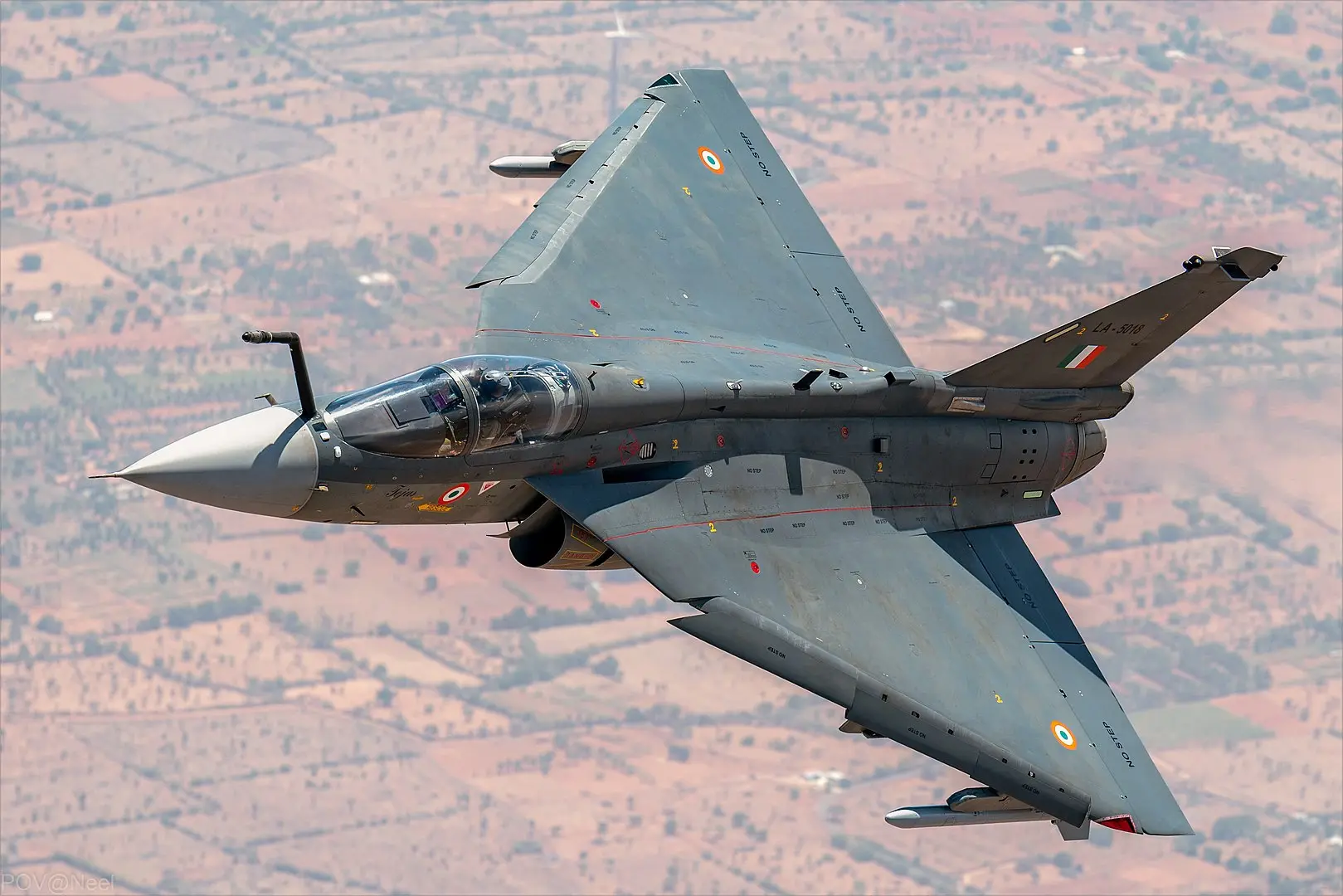
1. Tejas Mark 1 (Single-Seat IOC/FOC)
This is the first production combat variant of the Tejas family. It entered service with the Indian Air Force (IAF) in 2015. It uses the GE F404-IN20 engine and a delta-wing, tailless configuration. The Mark 1 variant was built to replace older fighters such as the MiG-21 in the IAF’s light combat fleet.
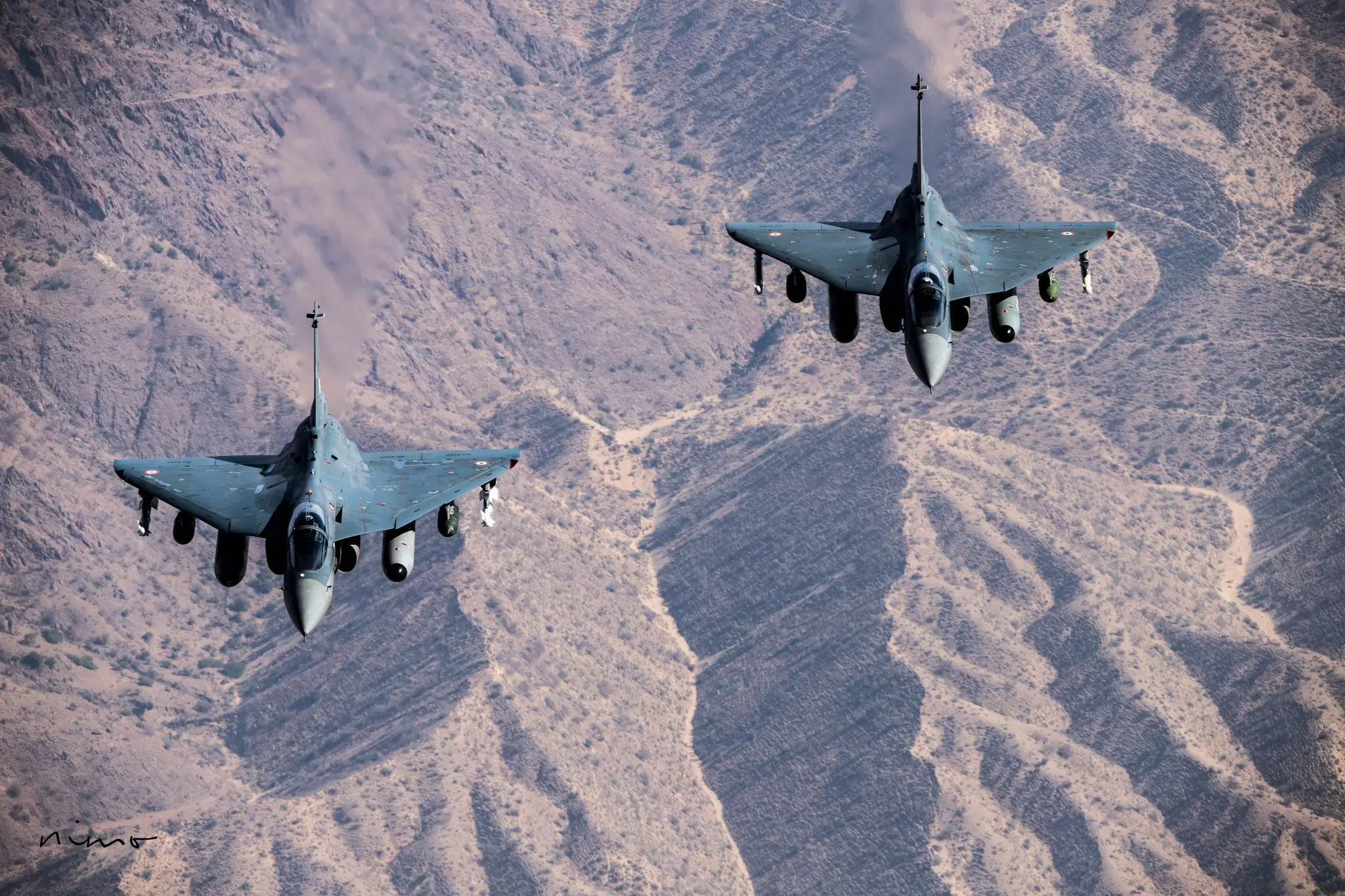
2. Tejas Trainer / Two-Seat Variant
This variant is a two-seat version derived from the Mark 1, used for pilot conversion and training. According to public sources, it allows pilots to transition into the Tejas platform with dual-seat controls. It shares most systems with the single-seat version but adds a second seat and associated flight controls and instrumentation.
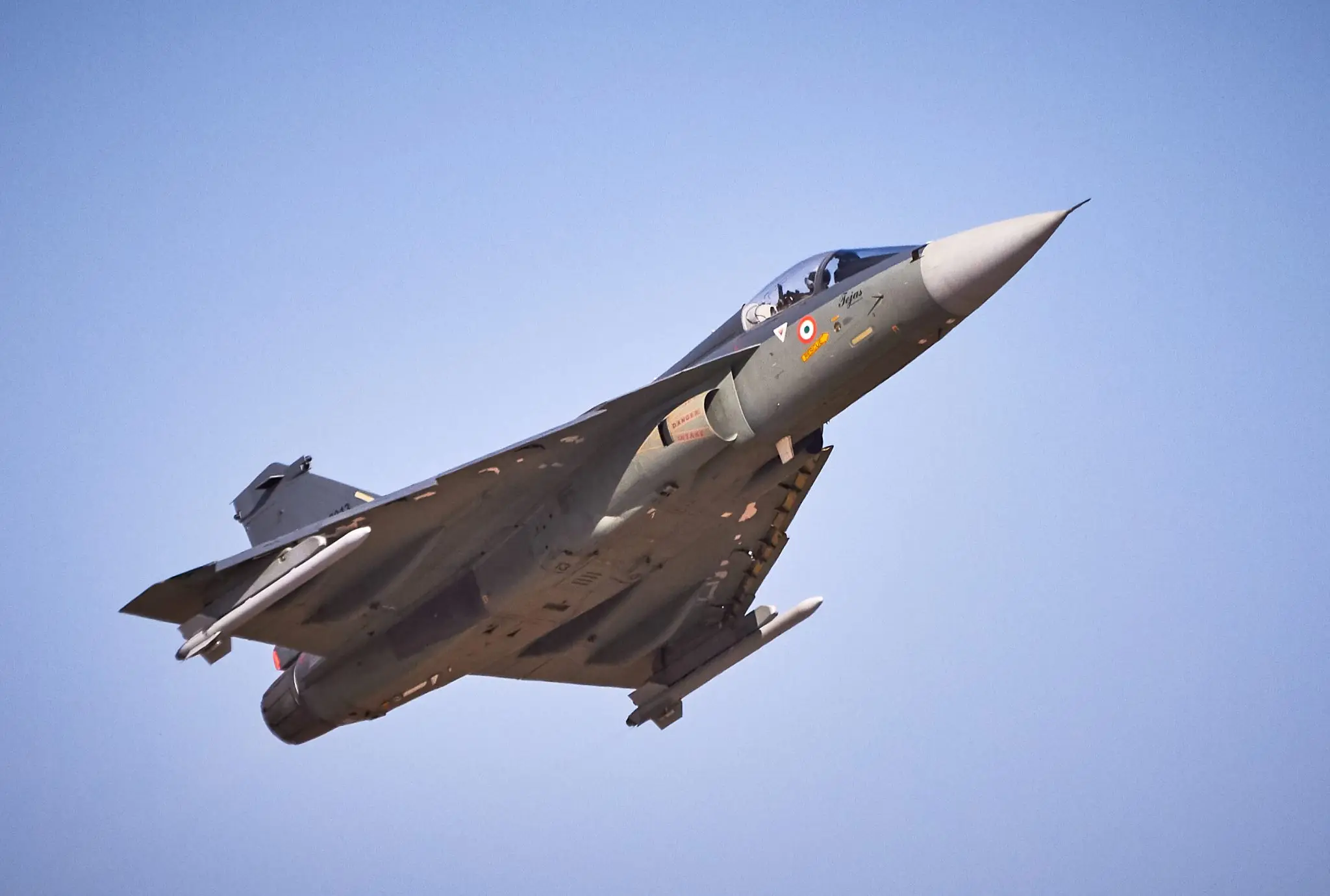
3. Tejas Mark 1A
The Mark 1A is an upgraded variant of the Mark 1, featuring improvements such as an active electronically scanned array (AESA) radar, enhanced avionics, built-in aerial refuelling capability, and higher indigenous content. It represents the next stage of Tejas production with improved combat capability for the IAF.
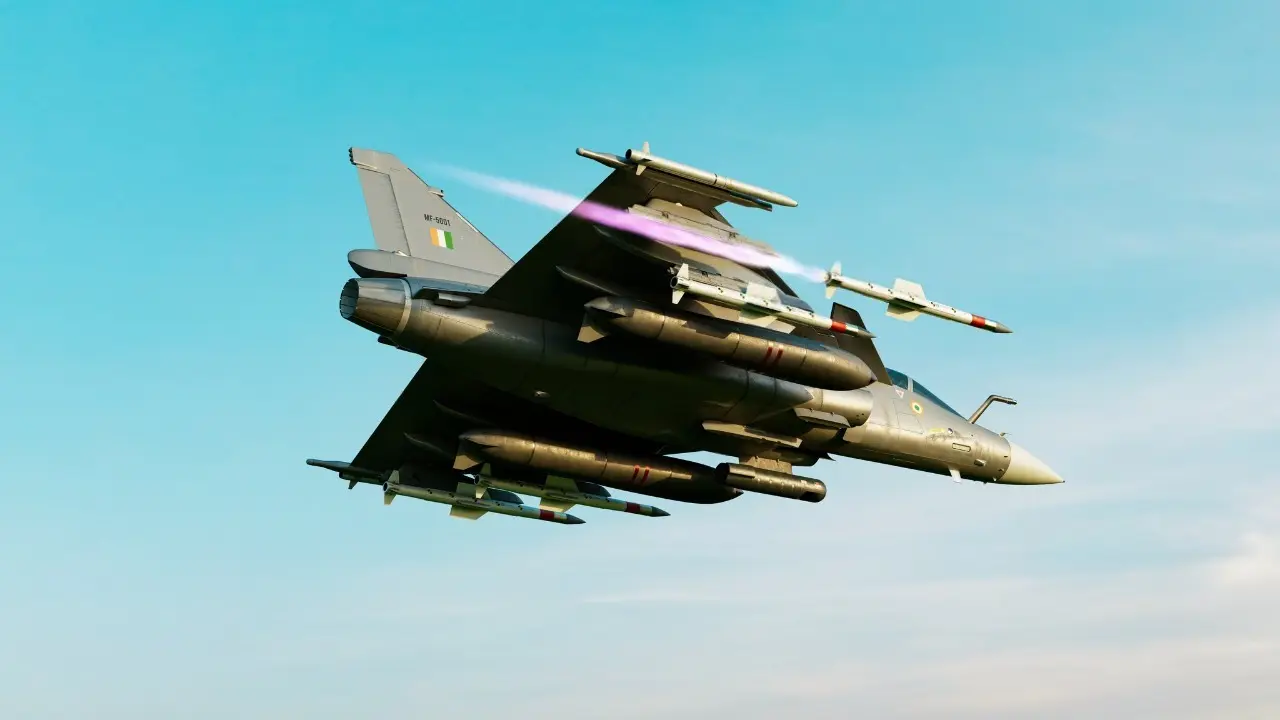
4. Tejas Mark 2 (Medium Weight Fighter)
The Mark 2 is a future variant under development. It will have a more powerful engine (GE F414 series), higher payload and range, and incorporate canards/airframe modifications to enhance performance. The Mark 2 is intended to extend the Tejas programme into a medium-weight class fighter.
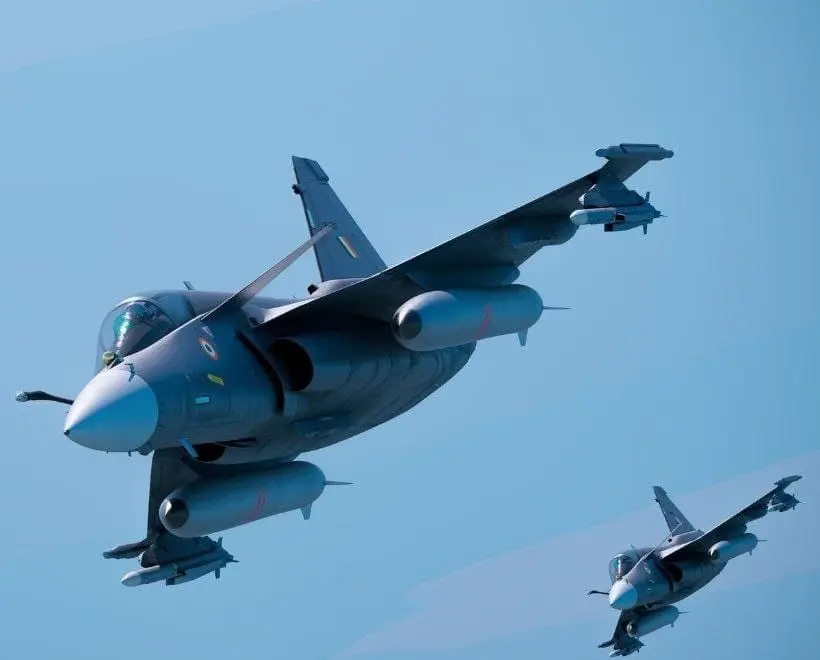
5. Tejas Naval / N-LCA Variant
There is a navalised version of the Tejas (Naval LCA) derived from the Mark 1 / Mark 1A design, intended for carrier-based operations, with strengthened landing gear, arrestor hook and structural modifications. Its full operational induction is pending.
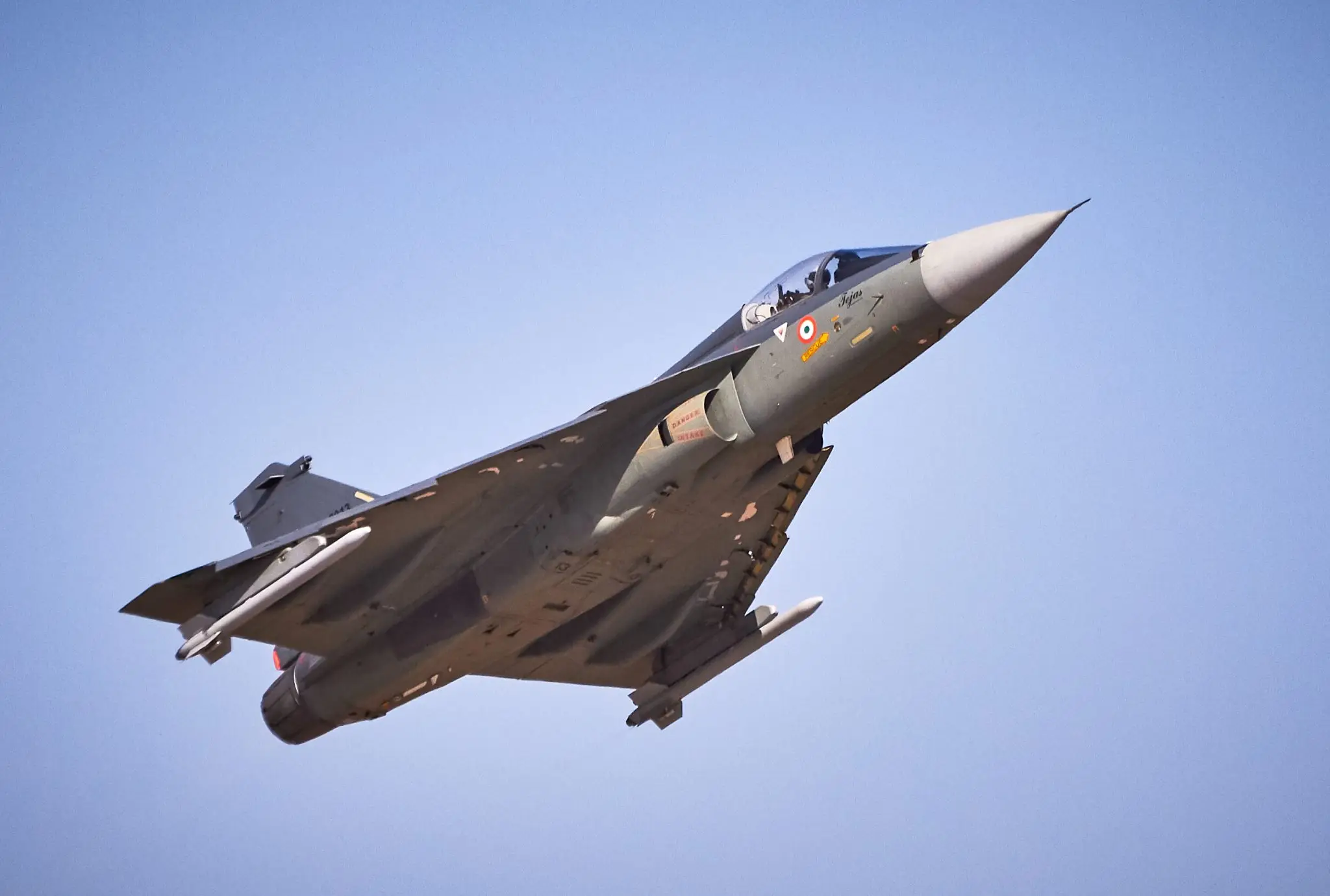
6. Tejas Export / Lead-in Fighter Trainer (LiFT) Proposal
There is a proposer variant of the Tejas family for export and training purposes, sometimes called the “LIFT” version, which combines trainer features with light combat capability and would appeal to countries seeking a cost-effective jet.
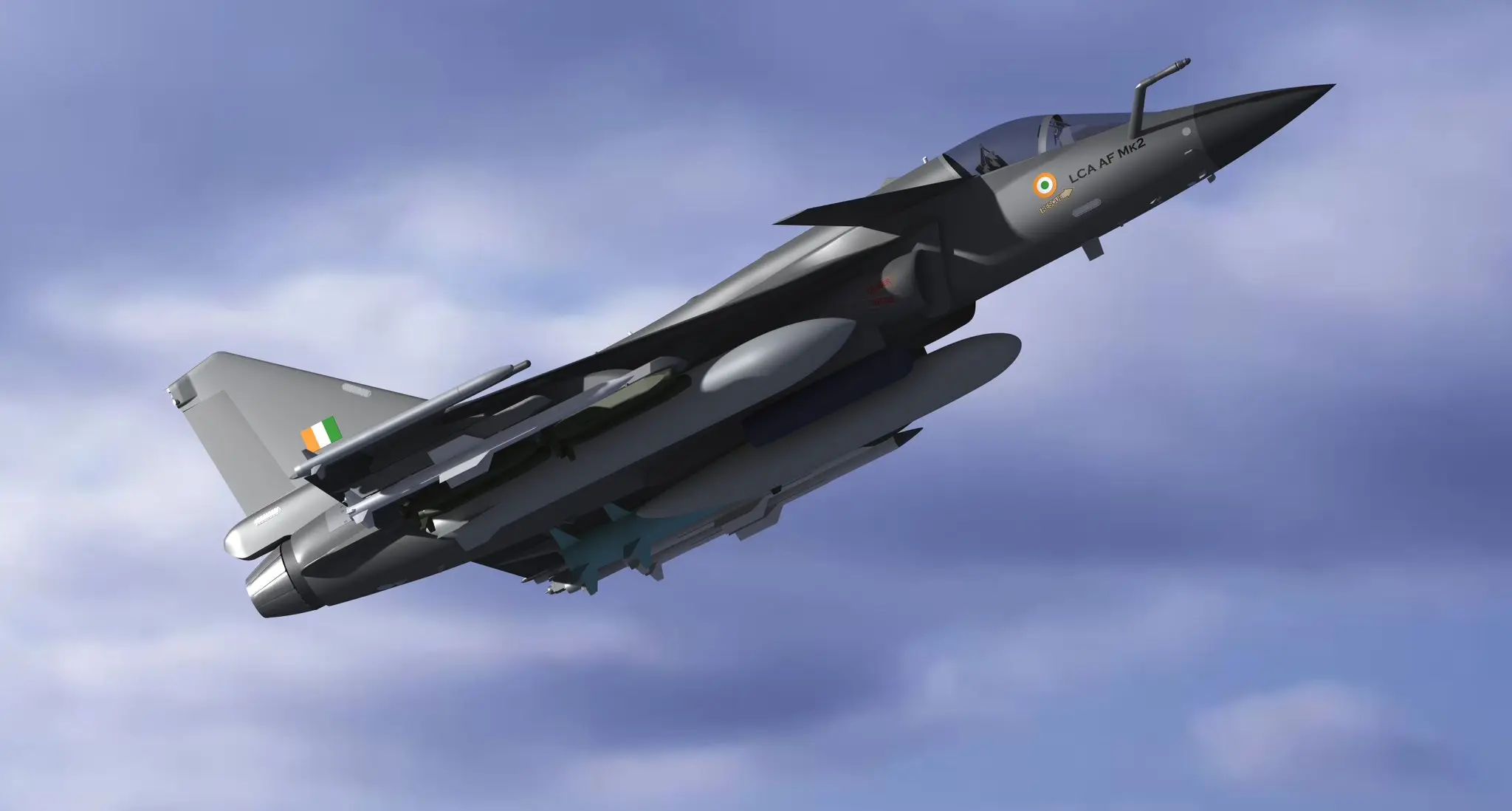
Which Variant Crashed at the Dubai Airshow?
The crashed aircraft at the Dubai Air Show 2025 was a Tejas single-seat production variant. Multiple sources identify it as the Mark 1 variant. Therefore, the variant involved was Tejas Mark 1, not the upgraded Mark 1A or the future Mark 2.
)
)
)
)
)