'From Titan’s surface to Saturn’s rings': 7 key discoveries of the NASA and ESA’s Cassini-Huygens mission

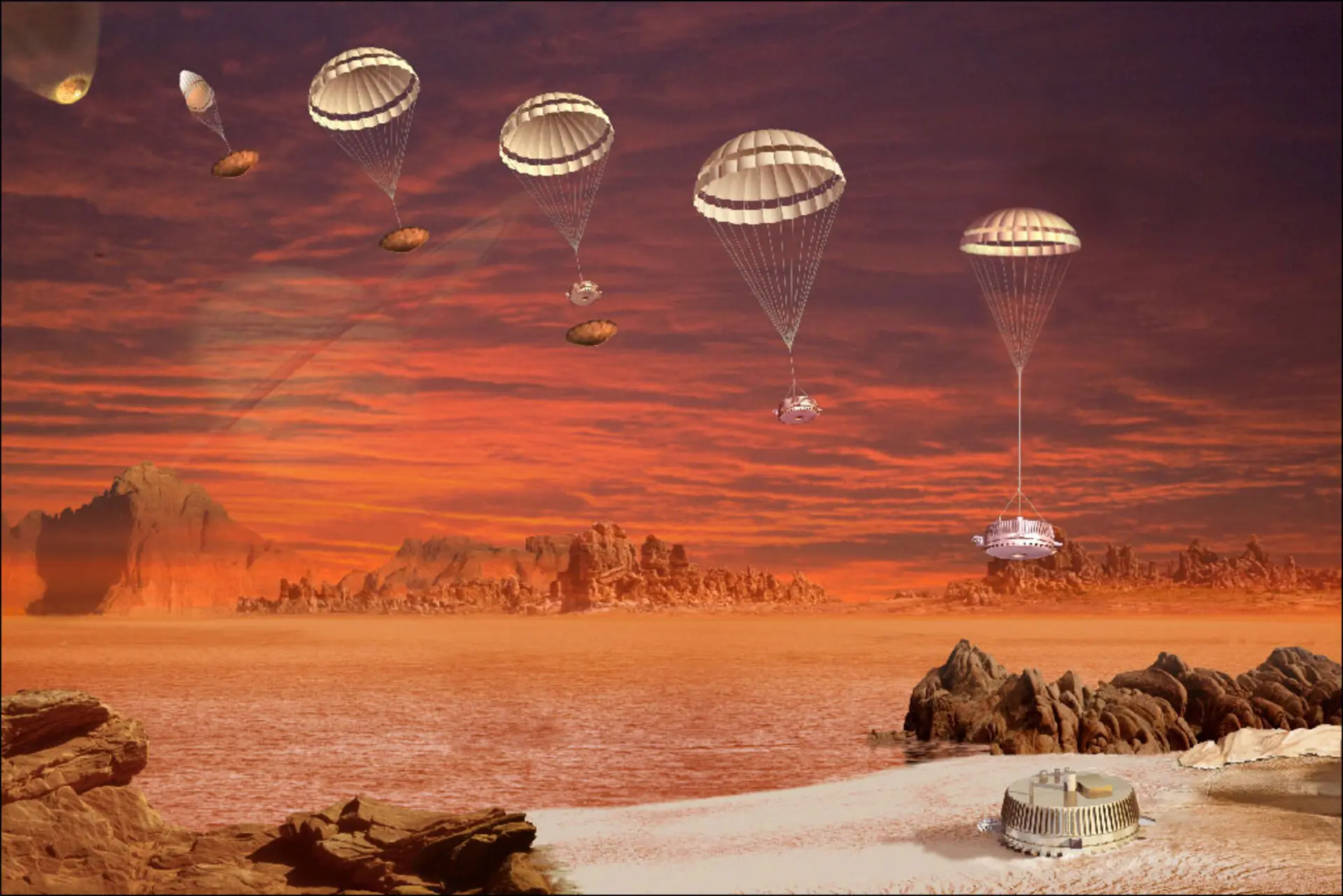
This was the first landing ever achieved in the outer Solar System, and it provided ground truth far beyond Earth’s immediate neighbourhood.
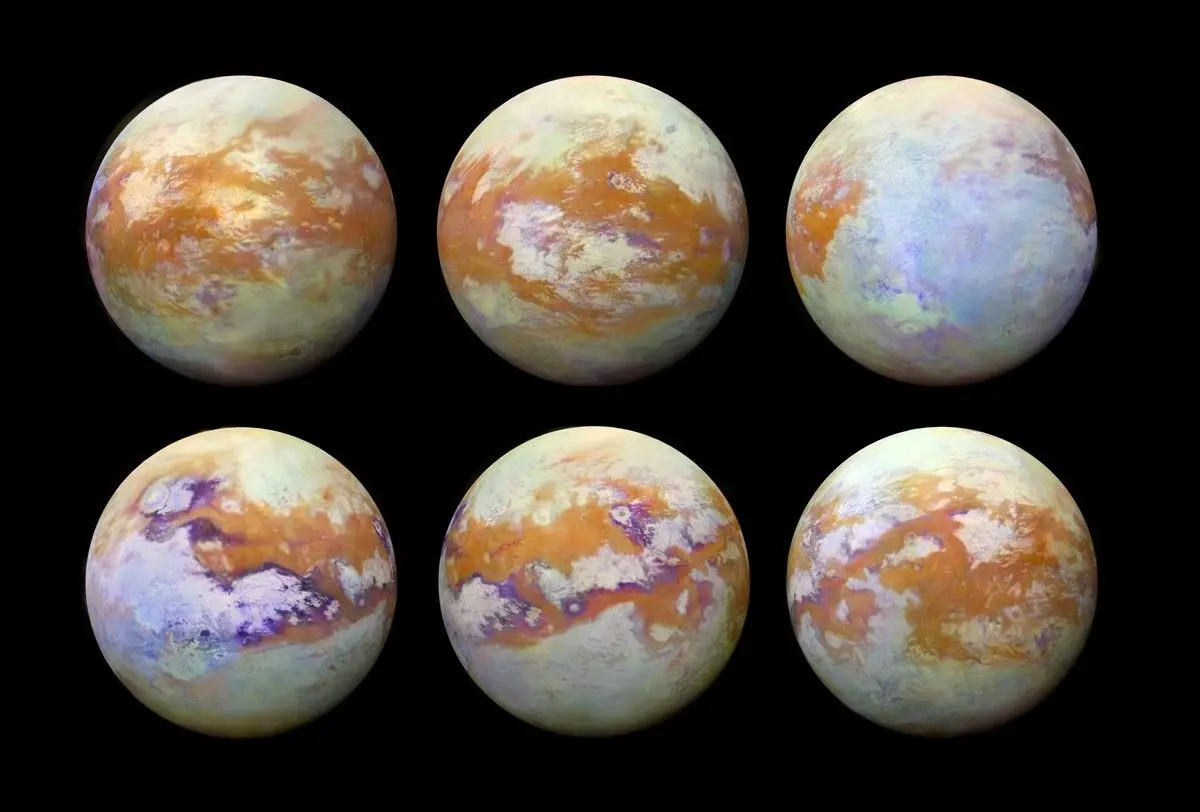
A mission that reshaped planetary science
The Cassini-Huygens mission, a joint endeavour by NASA, the European Space Agency (ESA) and the Italian Space Agency (ASI), remains one of the most influential robotic explorations of the Solar System. Launched in 1997, the spacecraft spent more than 13 years orbiting Saturn, studying the planet, its rings and its moons. Its dual-component design, Cassini as the orbiter and Huygens as a lander, allowed scientists to observe the Saturn system in detail never before possible, producing discoveries that continue to inform research today.
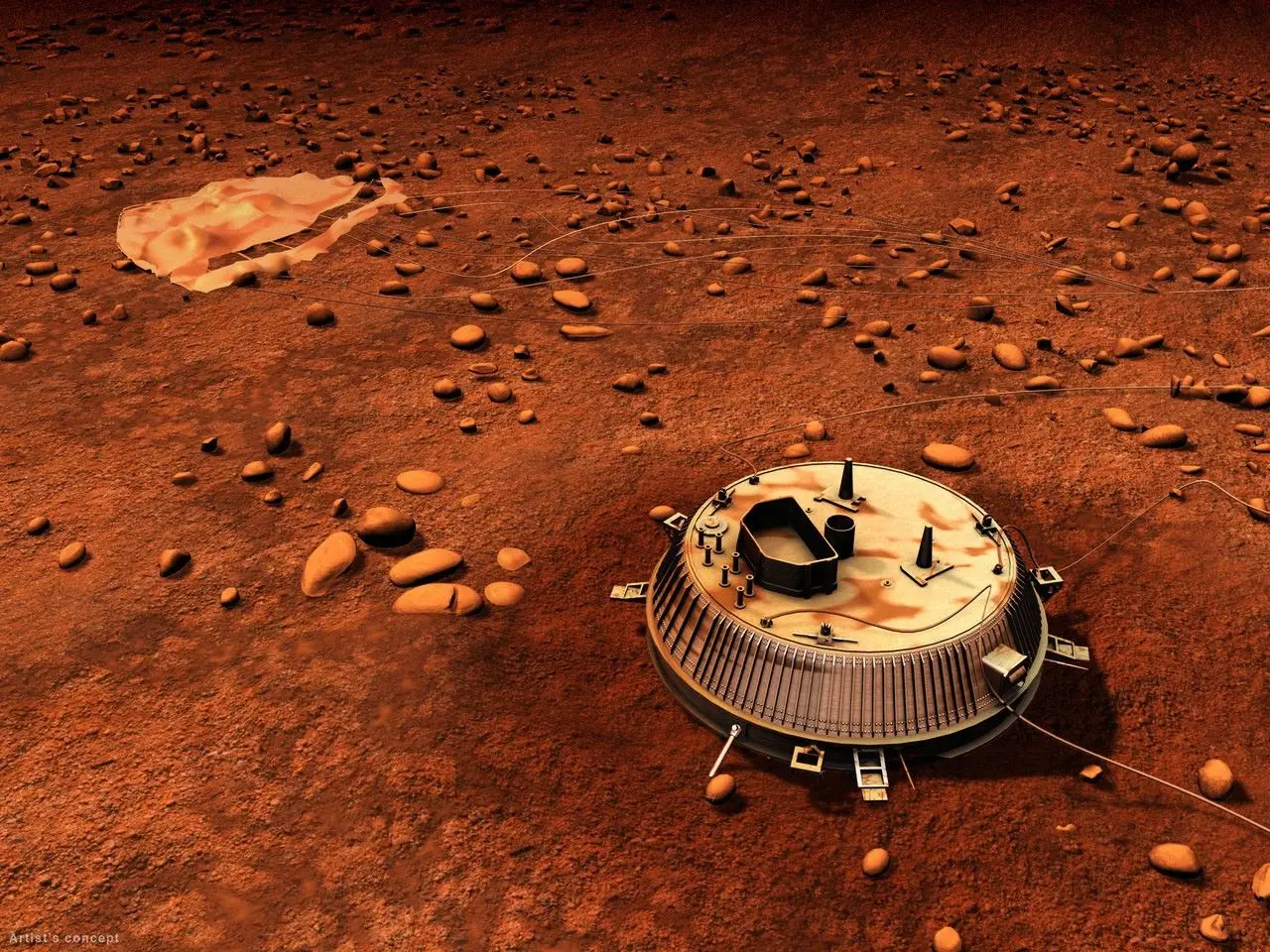
1. First landing in the outer Solar System
On January 14, 2005, the Huygens probe separated from Cassini and descended through the thick atmosphere of Saturn’s largest moon. Using onboard instruments, it captured the first direct measurements and images from Titan’s surface and atmosphere, thus offering insights into its complex climate and surface processes. This was the first landing ever achieved in the outer Solar System, and it provided ground truth far beyond Earth’s immediate neighbourhood.
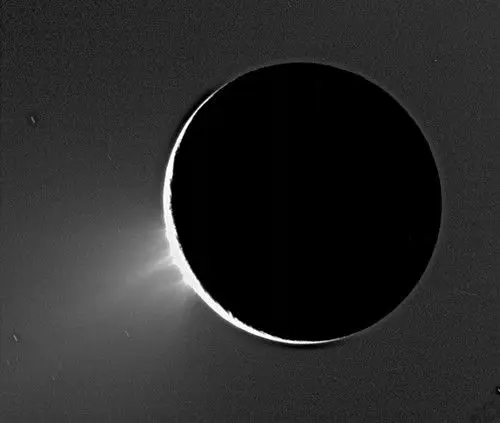
2. Unexpected environments on Enceladus
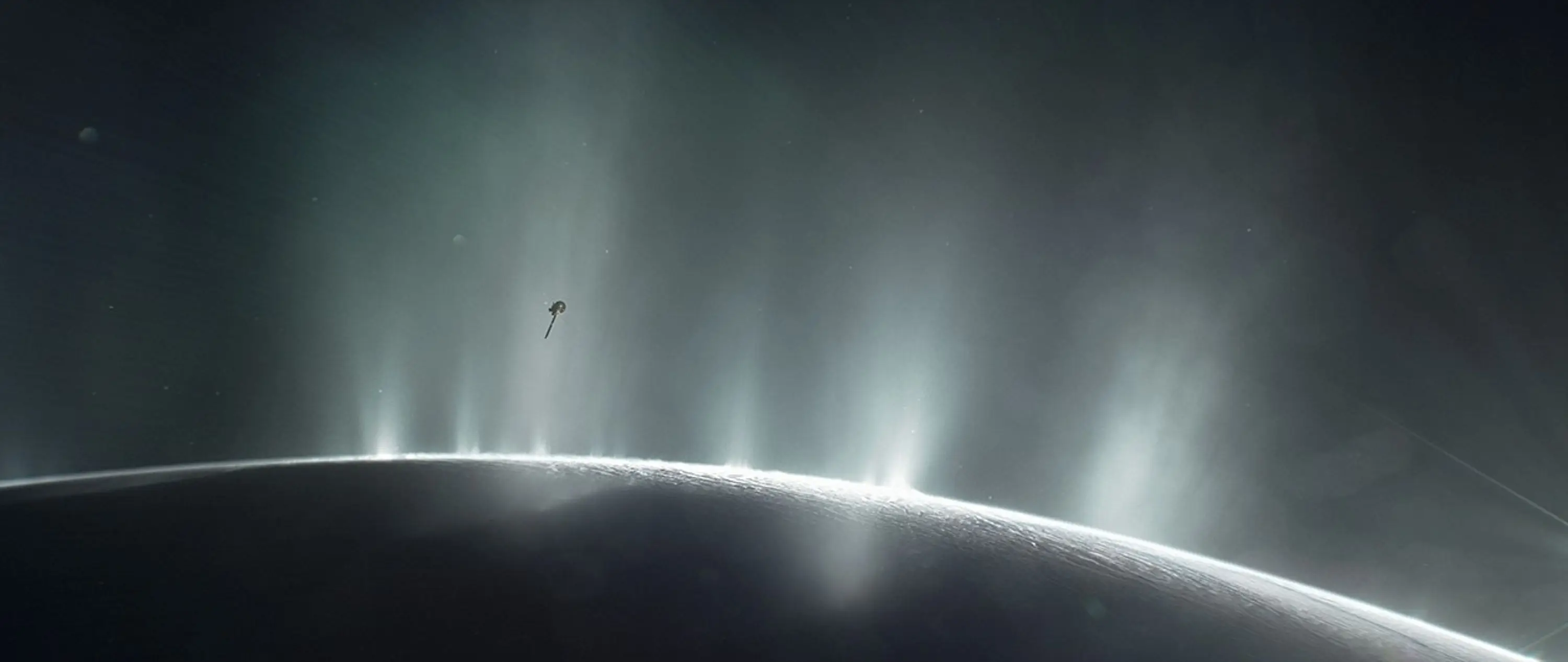
According to NASA, Cassini also revealed dramatic jets of material erupting from fissures near the south pole of Enceladus, one of Saturn’s smaller moons. These plumes hinted at active geology and energy sources within the moon’s interior.
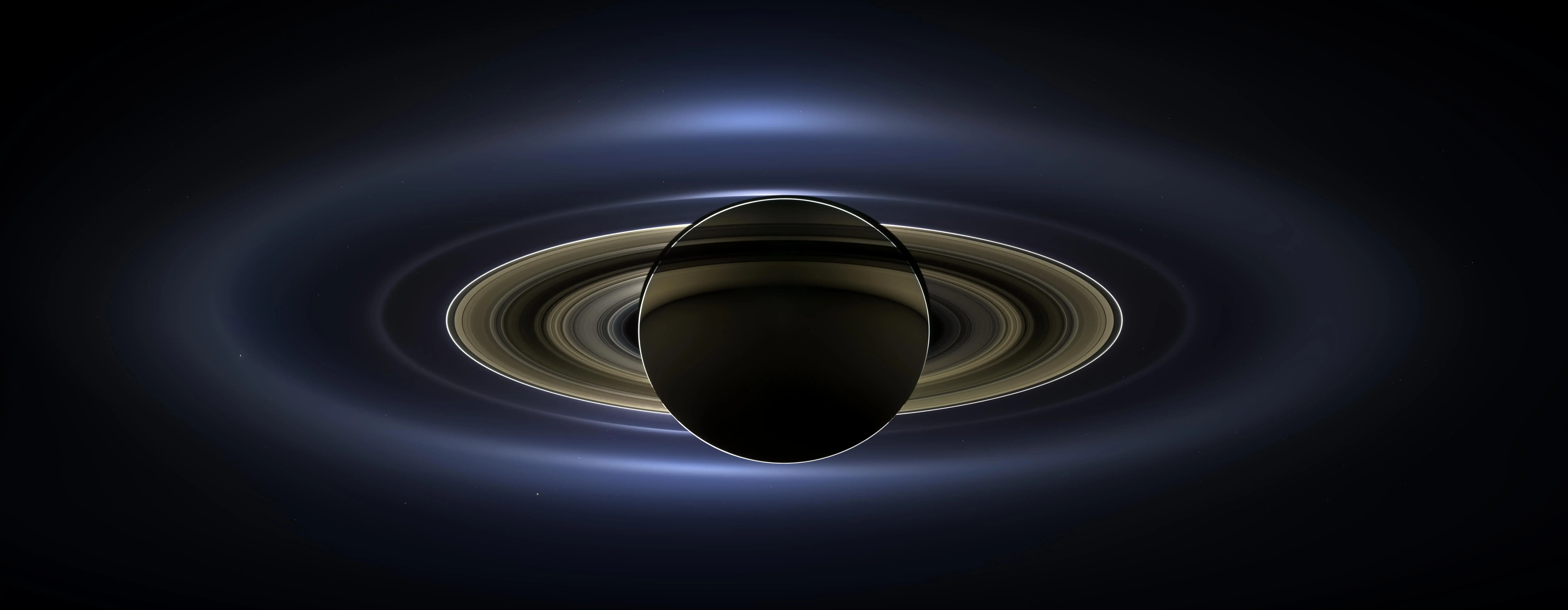
3. Complex ring structure and dynamics
Saturn’s iconic rings were a primary target for Cassini’s instruments. The mission mapped intricate features within the rings, from propeller-shaped disturbances caused by tiny embedded objects to waves driven by gravitational interactions with moons. These observations deepened understanding of how planetary rings form and evolve. It observed what may be one of the most active, chaotic rings in our solar system.
4. Seasonal changes across the system
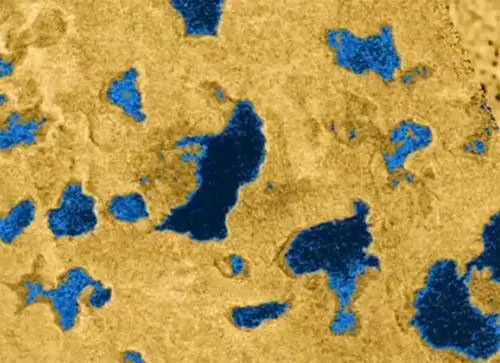
Over its long mission, Cassini observed how seasonal shifts affected Saturn and its moons. From changes in Titan’s atmosphere to subtle shifts in ring brightness, the data provided a rare look at how a planetary system responds to changing sunlight over time.
5. New moons and unexpected discoveries
Cassini discovered previously unknown moons and features, expanding the known family of Saturn’s satellites. Some of these small bodies interact with rings in complex ways, revealing a more dynamic environment than expected.
6. Atmospheric phenomena on Saturn
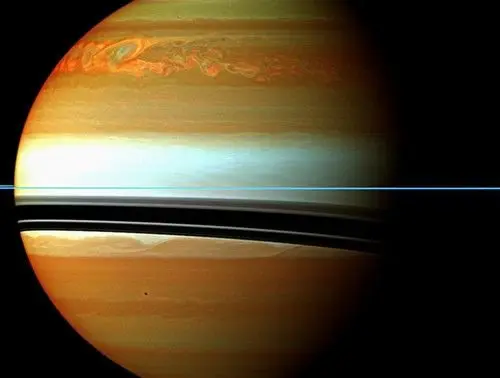
The mission studied Saturn’s atmosphere in depth, documenting massive storms, the layered structure of winds and the intricacies of its magnetic field. These insights helped reveal how gas giants function as whole systems, not just as isolated planets.
7. Long-term legacy and future missions
Cassini’s achievements laid the groundwork for future exploration, including NASA’s Dragonfly mission to Titan. Its vast archive of data continues to support new research, helping scientists refine models of planetary evolution and design future missions across the Solar System.
Rethinking Titan’s internal structure
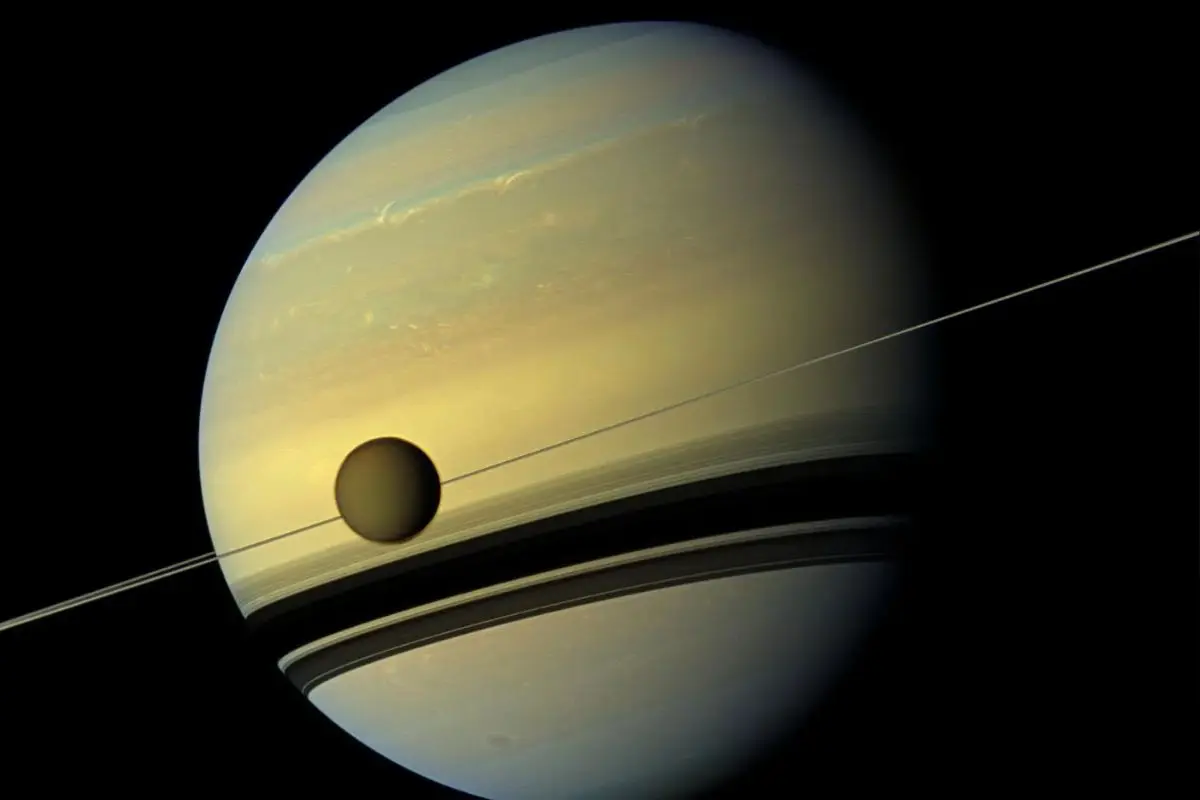
A key discovery from NASA’s Cassini mission in 2008 was that Saturn’s largest moon Titan may have a vast water ocean below its hydrocarbon-rich surface. But reanalysis of mission data suggests a more complicated picture: Titan’s interior is more likely composed of ice, with layers of slush and small pockets of warm water that form near its rocky core.
)
)
)
)
)