'From TikTok to tent cities': 9 proofs Gen Z is leading America into collapse

Across the United States, the consequences of these priorities are visible from tent cities to ghostly downtowns. Here are nine signs that America is heading toward collapse under Gen Z’s influence.

TikTok Obsession Over Reality
Millions of young Americans scroll hours daily, prioritising viral fame over skills, education, or civic engagement. This widespread distraction diverts attention from personal growth and societal responsibilities.
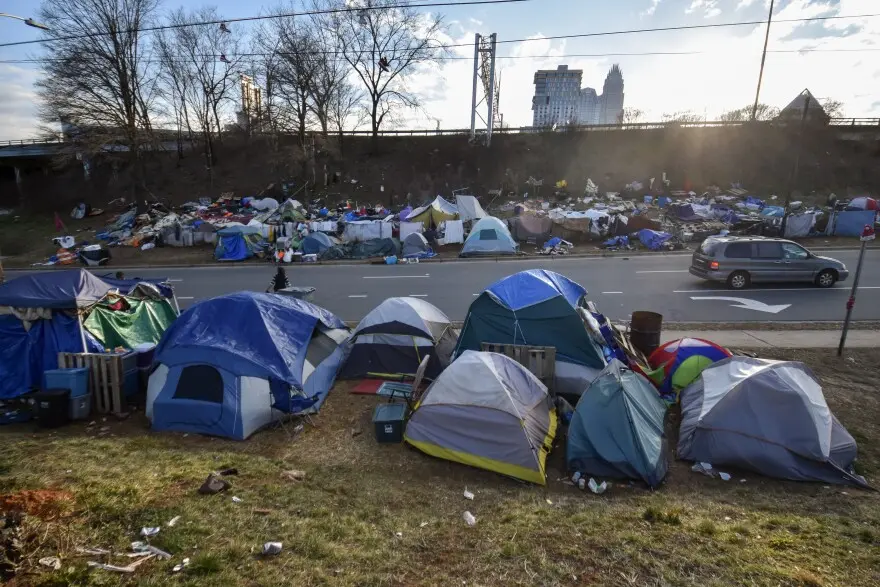
Tent Cities in Major Cities
From Los Angeles to Seattle, homeless encampments have exploded. Rising rent, substance abuse, and neglect are worsened by younger generations’ apathy toward long-term financial planning.

The Decline of Work Ethic
Studies show Gen Z is less willing to commit to long-term employment. High turnover and job-hopping leave industries unstable and local economies struggling.

Massive Debt Culture
Student loans, buy-now-pay-later apps, and influencer-driven consumption habits have left Gen Z highly indebted, eroding the financial foundations that previous generations relied on.
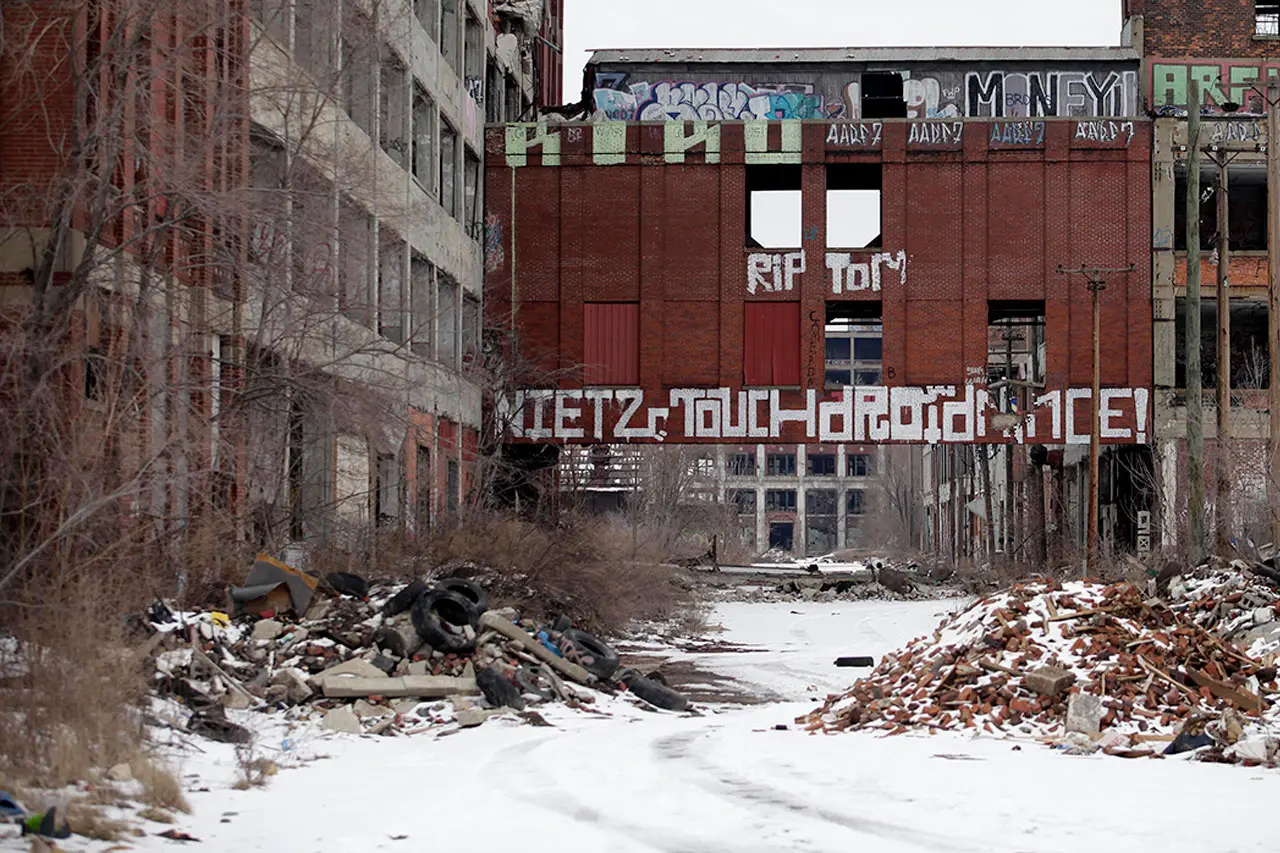
Urban Decay in Once-Busy Areas
Downtowns and commercial hubs are turning into “ghost zones,” with empty storefronts and abandoned offices, a combination of poor spending habits, remote work trends, and lack of investment.
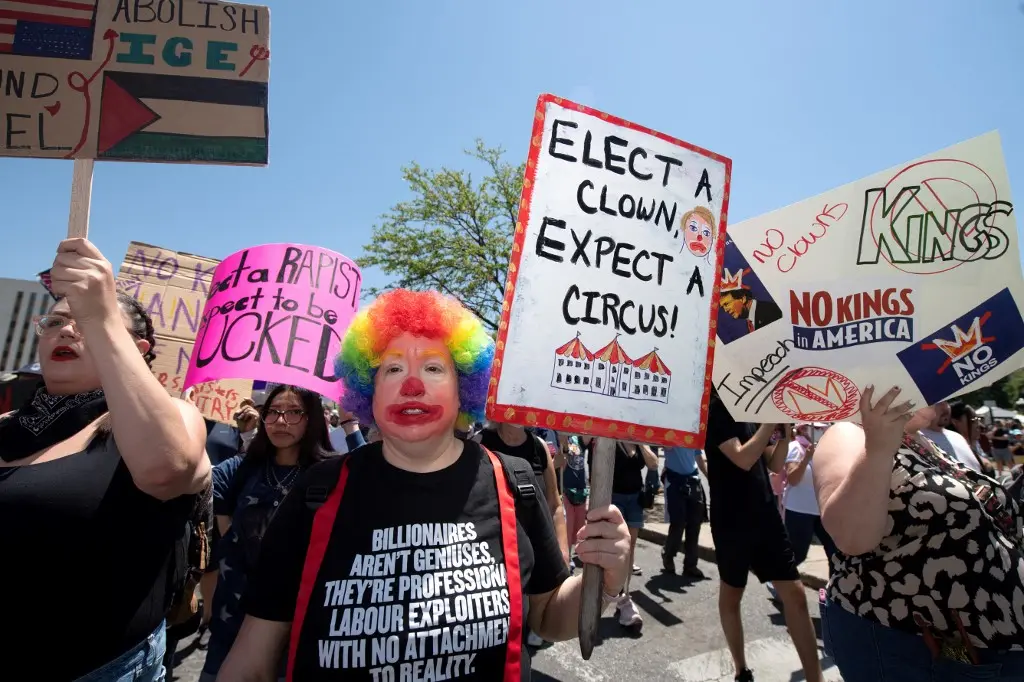
Cultural Self-Destruction
From extreme cancel culture to online outrage mobs, young Americans often prioritise performative activism over tangible, constructive change, creating social instability.

Digital Addiction Leading to Isolation
Excessive screen time and social media addiction have reduced real-world social skills and civic engagement, leaving communities fractured and apathetic.

Rise in Mental Health Crises
Mental health disorders, anxiety, and depression have skyrocketed among Gen Z, correlating with social media use and a focus on fleeting validation rather than personal development.

Political Polarisation & Radicalisation
Online echo chambers amplify extreme viewpoints, dividing communities and weakening democratic discourse, which leaves the nation politically unstable.
)
)
)
)
)