‘From scheduling to safety’: 10 ways quantum tech could make trains smarter

Quantum computing could revolutionise train scheduling, navigation, and safety. From predicting faults early to improving cybersecurity, these breakthroughs could deliver faster, cleaner, and more reliable train travel within the next decade.
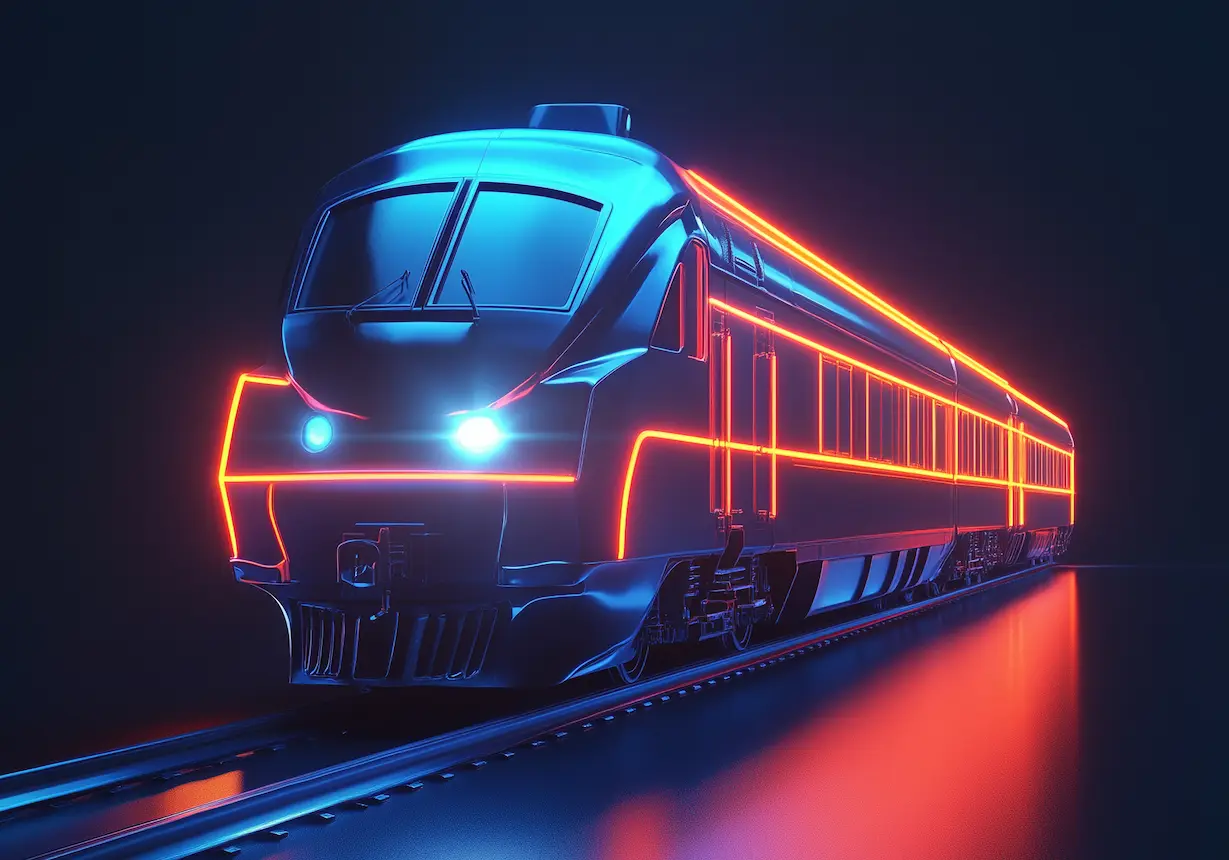
Ultra-Precise Train Scheduling
Quantum computing can process billions of scheduling possibilities in seconds. Network Rail and Q-CTRL used quantum algorithms to schedule 26 trains through London Bridge Station, managing 15 platforms simultaneously. This system could deliver real-world advantages by 2028, cutting delays and boosting capacity.
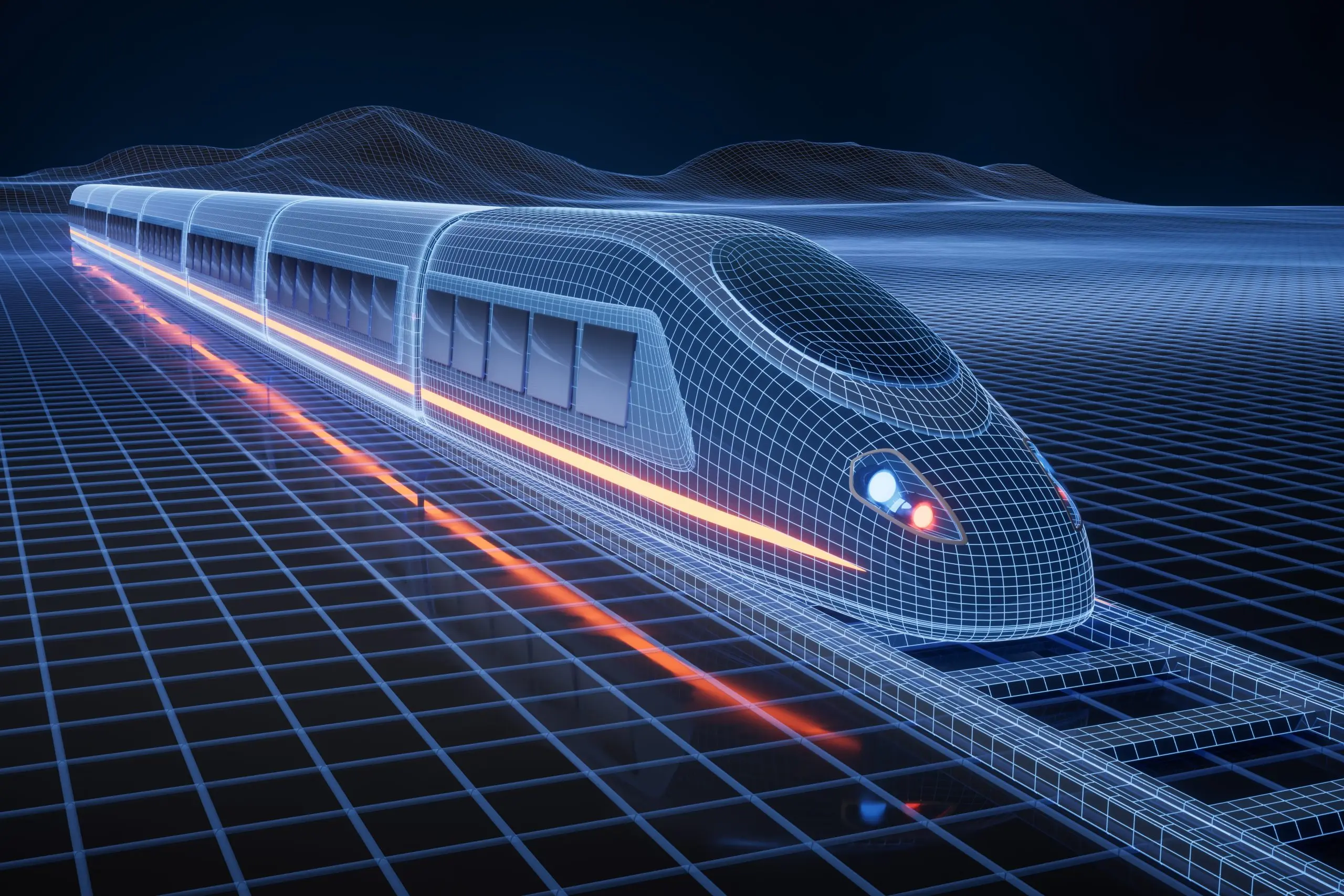
GPS-Free Navigation in Tunnels
Quantum sensors help trains navigate without GPS. Imperial College and Transport for London test quantum navigation on the London Underground, where GPS fails. These sensors detect tiny changes in motion, allowing accurate location tracking even in deep tunnels.
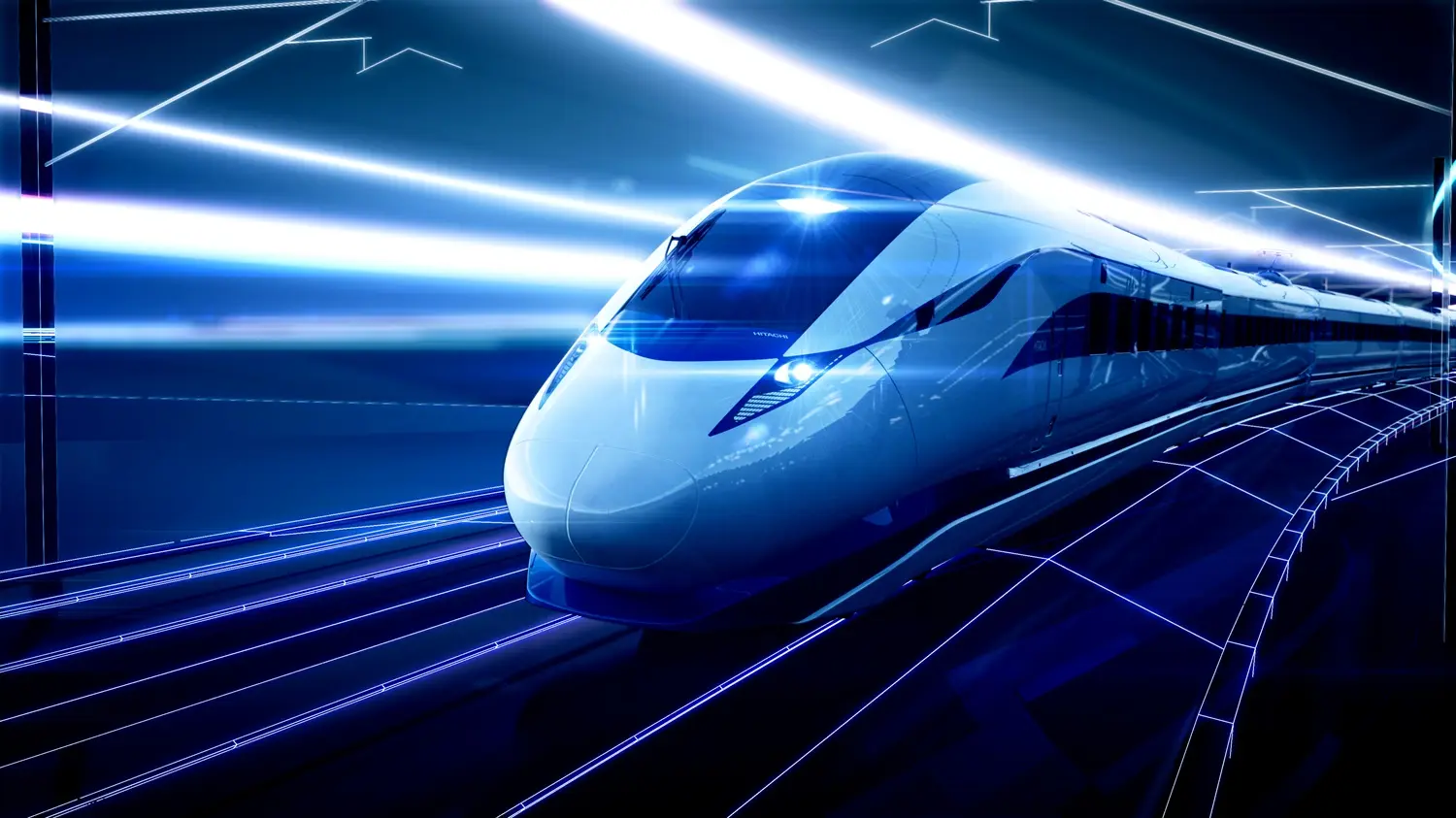
Predictive Maintenance Before Failures
Quantum sensors are far more sensitive than traditional sensors. They detect early signs of wear in tracks, wheels, and engines before failures occur. This prevents breakdowns and keeps trains running safely.
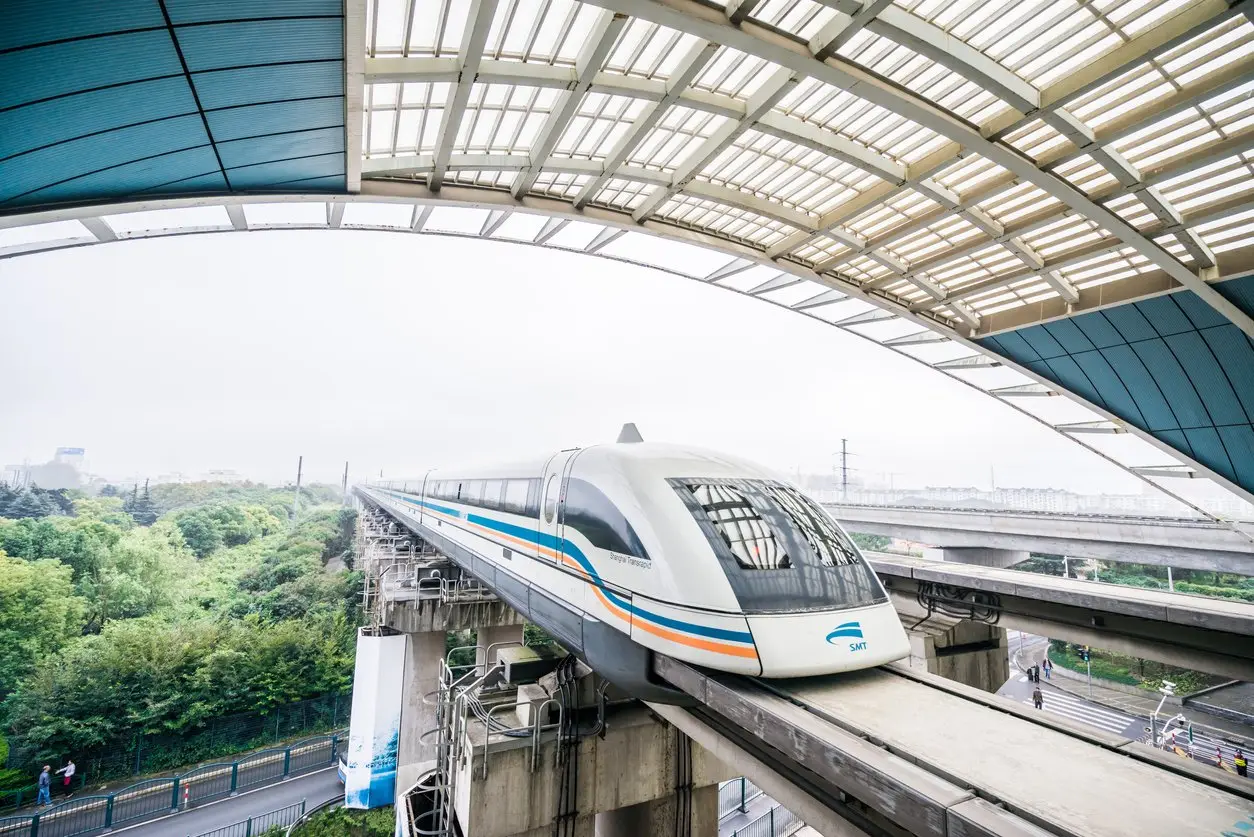
Real-Time Route Optimisation
Quantum computers can analyse vast amounts of real-time data instantly. This allows railways to reroute trains quickly when delays happen, minimising disruption across the entire network.
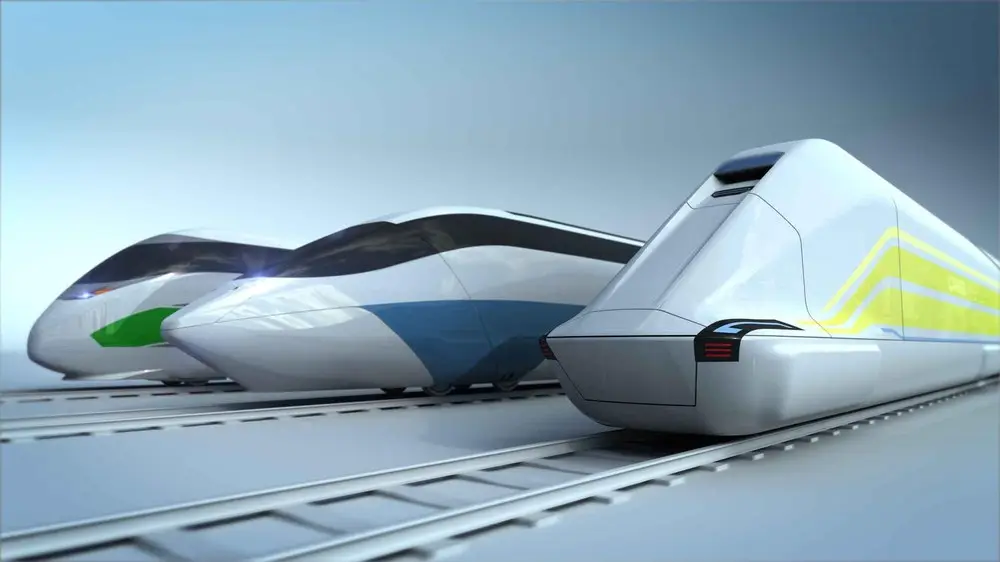
Enhanced Cybersecurity Protection
Quantum encryption protects railway communication systems from hackers. As cyber threats grow, quantum-safe security ensures train control systems remain secure against future quantum computer attacks.
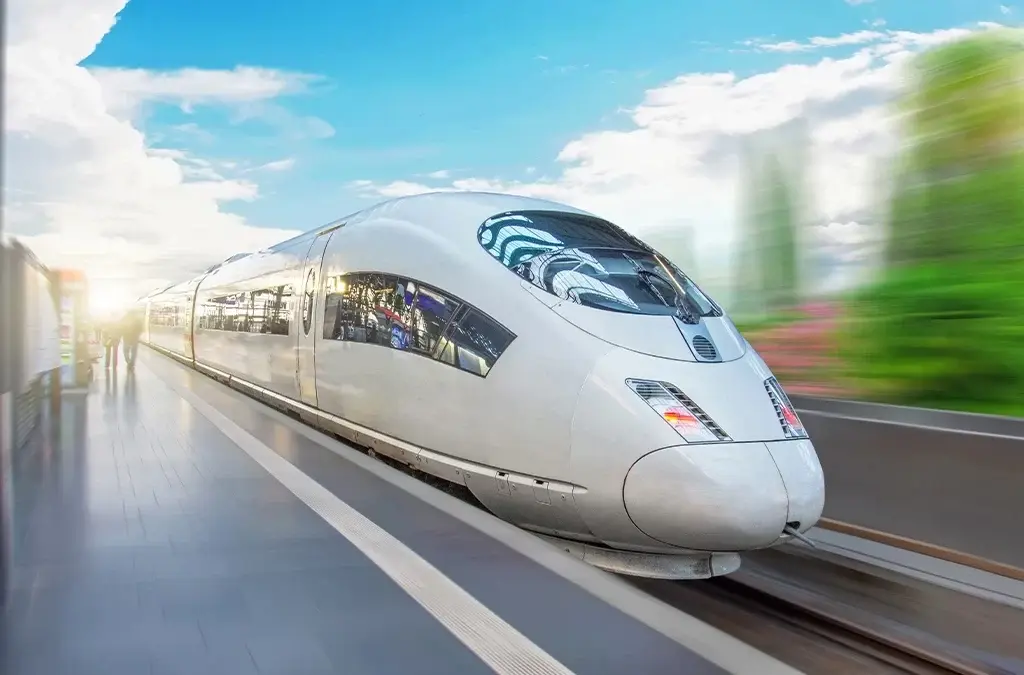
Energy-Efficient Operations
Quantum optimisation can find the most energy-efficient routes and speeds for trains. This reduces fuel consumption and electricity use, making railways greener and cutting operational costs significantly.
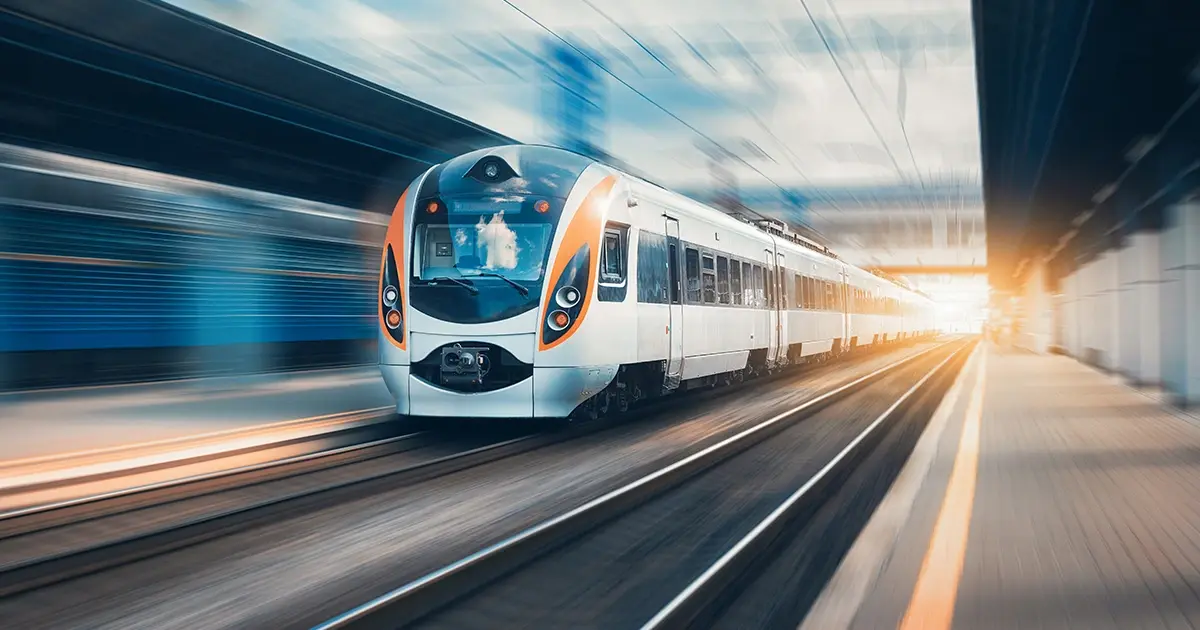
Advanced Material Design
Quantum computing speeds up development of lighter, stronger materials for trains. This includes better batteries for electric trains and more durable components that last longer and need less maintenance.

Improved Safety Through Better Detection
Quantum-based sensors detect track defects and structural problems that current technology might miss. German Railways and others explore using quantum gravity sensors to find underground cavities beneath tracks.
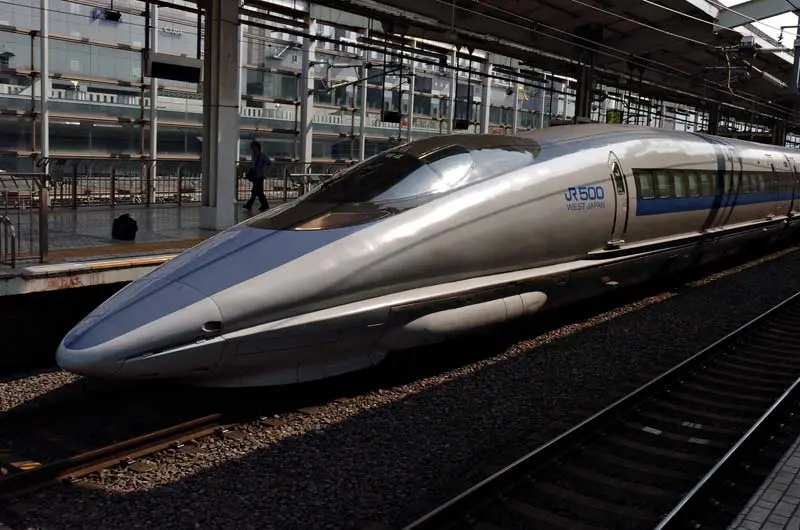
Network Capacity Expansion
By solving complex scheduling problems, quantum computing allows more trains to use the same infrastructure safely. This increases passenger capacity without building new tracks.
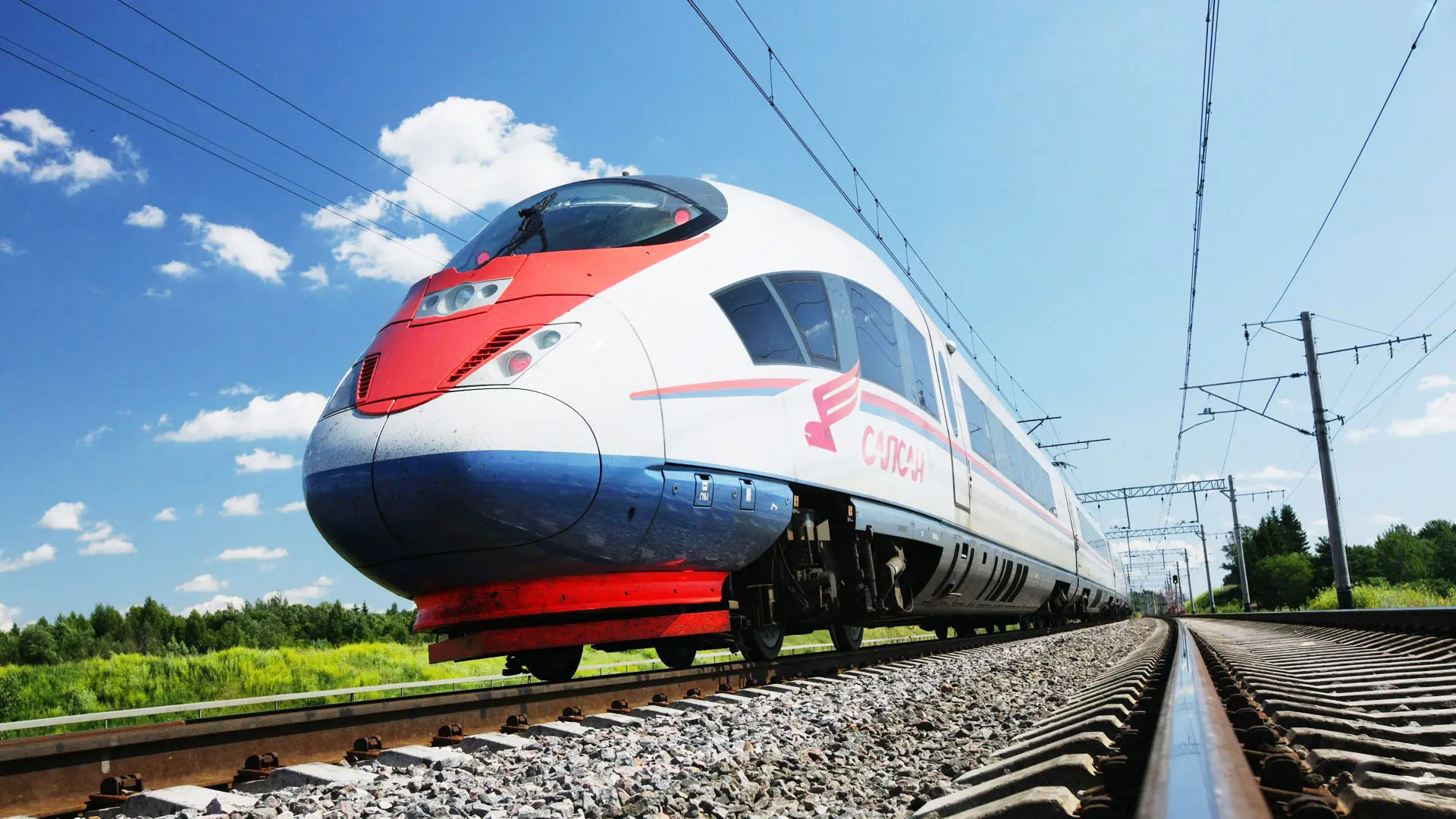
Faster Development of Clean Energy Solutions
Quantum technology accelerates research into hydrogen fuel cells and advanced batteries for trains. This supports the railway industry's shift towards zero-emission transport faster than traditional methods.
)
)
)
)
)