'From Iran to Syria': 7 Conflicts to watch in 2026

In 2026, global stability is threatened by escalating conflicts from the Middle East to the Sahel. Israel continues strikes in Syria and Gaza, while Sudan faces a deepening displacement crisis. Tensions in Iran, Yemen and the Taiwan Strait add to the volatile outlook for the year ahead.
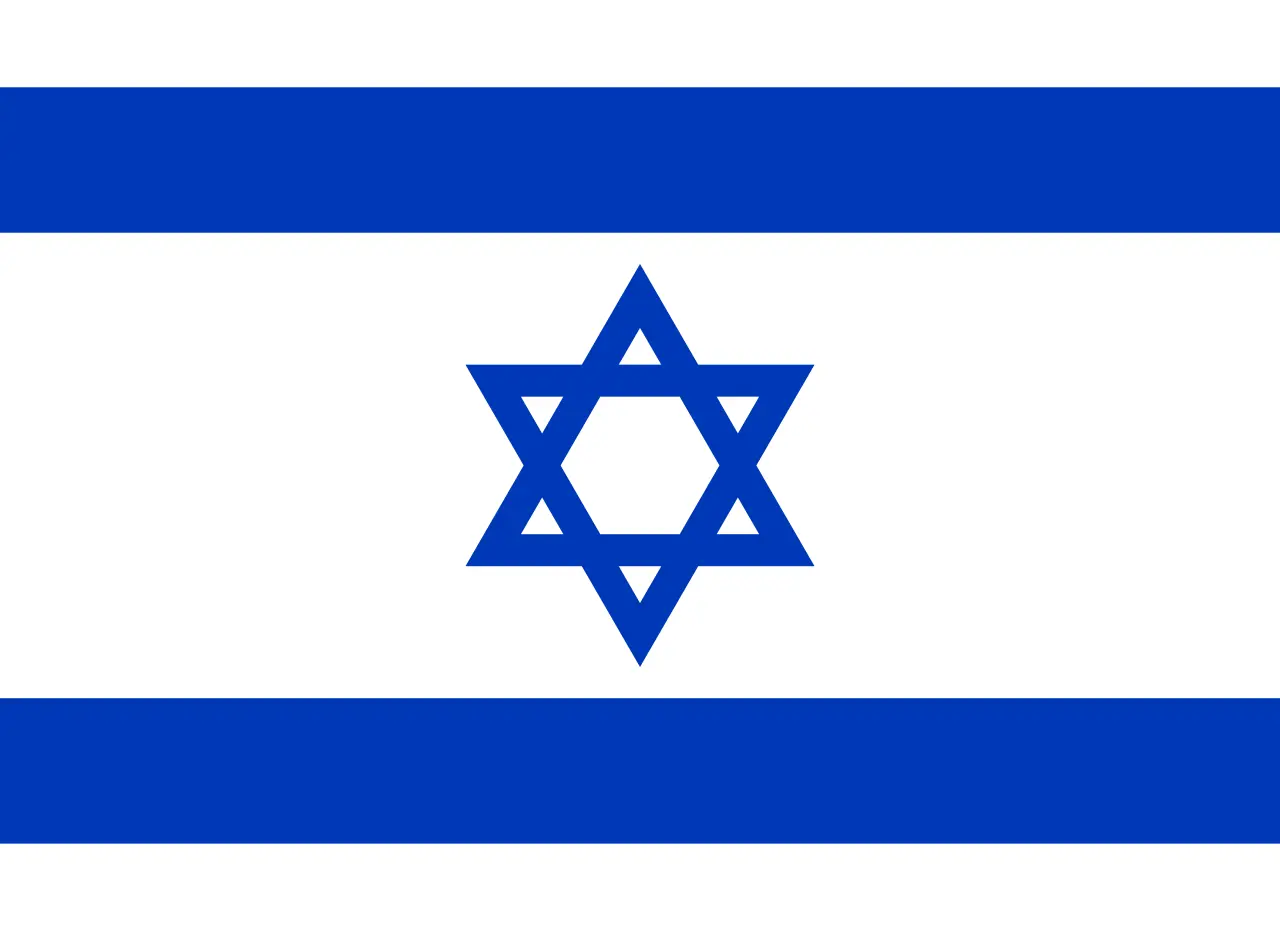
1. Israel’s Multi-Front War: Gaza, Lebanon and Syria
Israel is expected to continue its military policies in 2026, striking targets in Gaza, Lebanon and Syria to counter perceived threats. Despite ceasefire attempts, the Gaza war seems poised to resume as Hamas refuses to disarm, with Israel maintaining occupation of significant areas. Simultaneously, Israeli forces are likely to conduct near-daily strikes on Hezbollah positions in Lebanon and Syria to pressure militias.
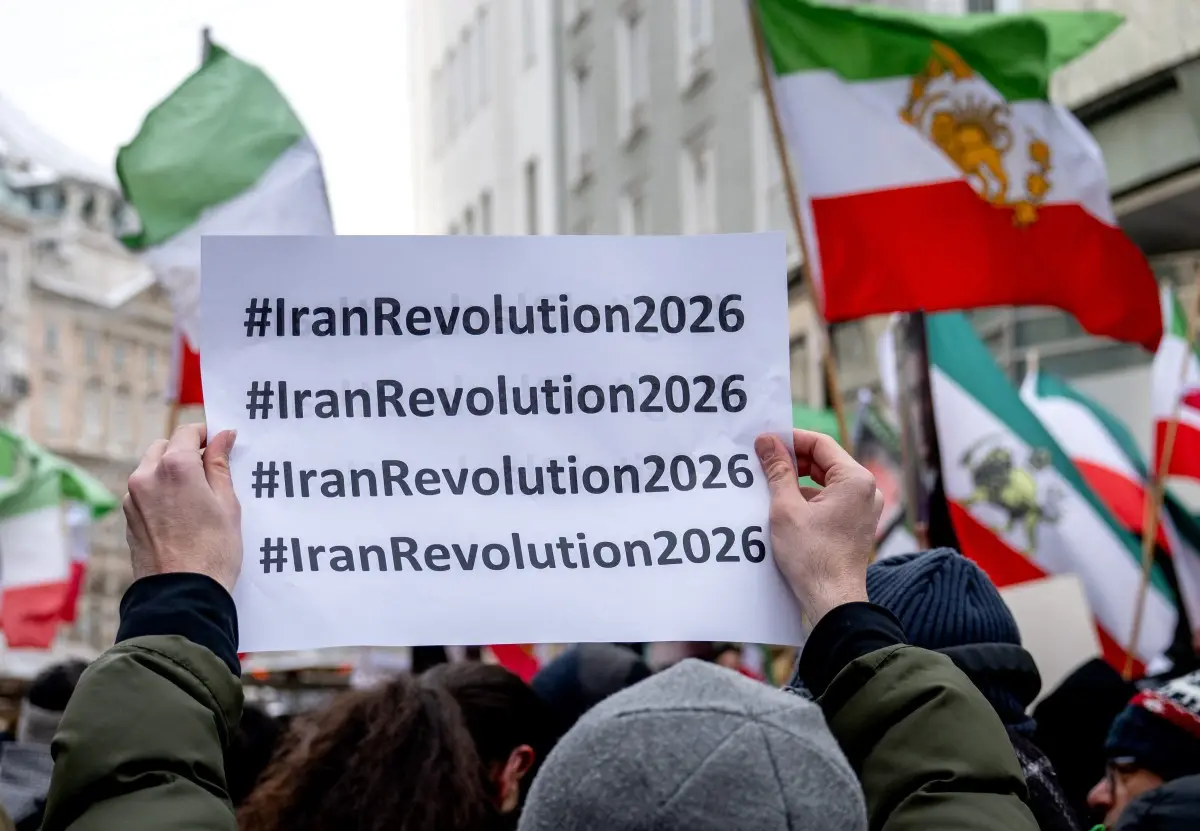
2. Iran: Internal Protests and Regional Tension
Massive protests within Iran have marked the start of 2026, raising questions about the regime's stability and potential internal changes. Global observers suggest that these internal disturbances may be leveraged by Western powers to exert pressure on Tehran without direct military invasion. Meanwhile, the threat of US or Israeli strikes on Iranian nuclear facilities remains a critical concern for regional security.
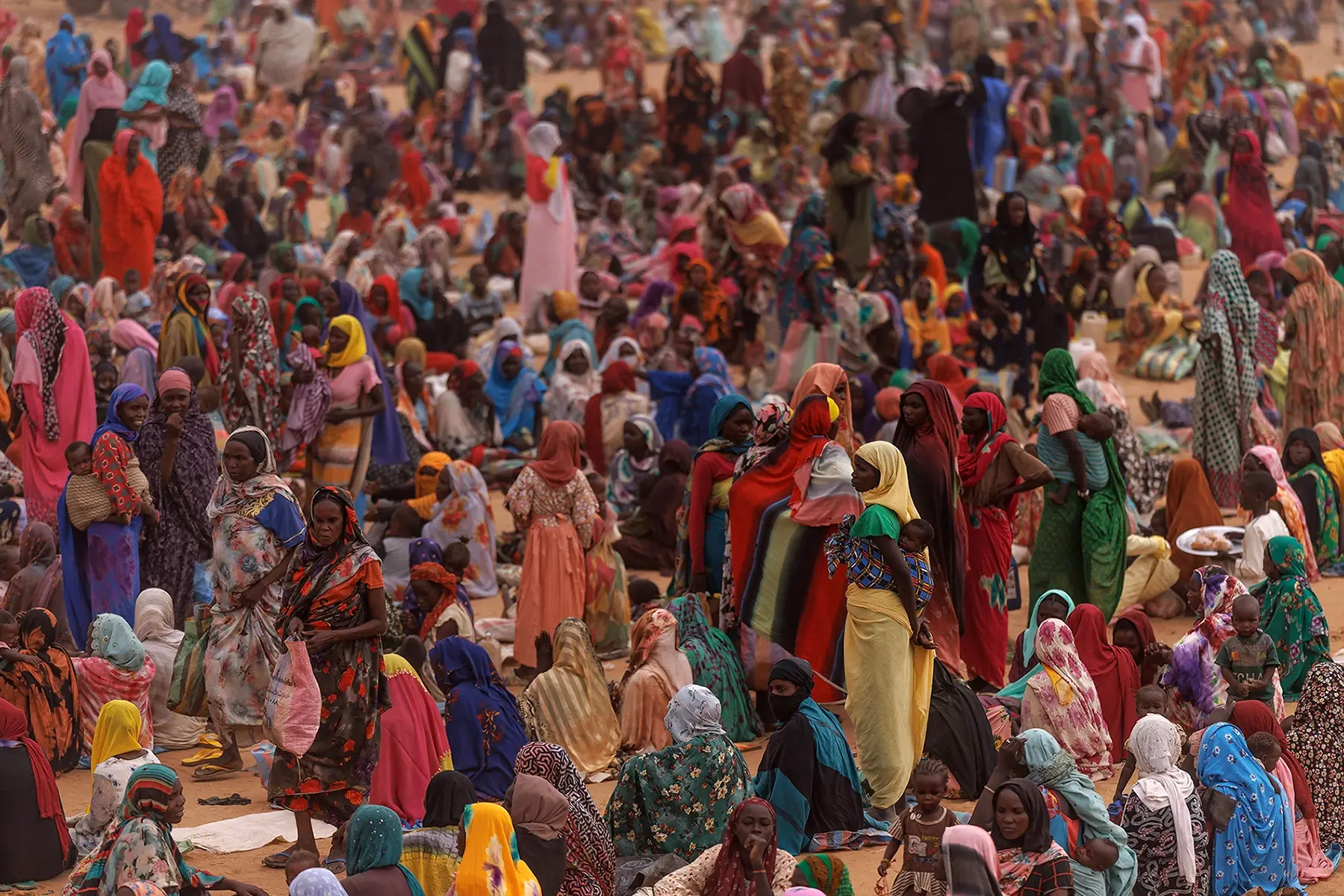
3. Sudan’s Civil War and Displacement Crisis
Sudan’s civil war remains in a brutal deadlock, with the conflict projected to displace another 2.1 million people by the end of 2026. Foreign powers continue to fuel the war by supplying advanced drones and weapons, complicating any peace negotiations between the warring factions. The humanitarian situation is dire, with millions facing catastrophic levels of food insecurity as aid lines are severed.

4. Russia-Ukraine
As the conflict in Ukraine continues through 2026, the Kremlin indicates that military operations will proceed until its stated security objectives are fully realized. Russian leadership maintains a firm stance, signaling that it will not consider concessions that could impact the country's long-term geopolitical interests or territorial integrity.
Despite sustained external economic pressure, the Russian state has stabilised its war effort through increased defence spending and the consolidation of trade partnerships outside the West. This shift to a long-term economic footing has allowed Moscow to maintain equipment supplies and operational continuity.
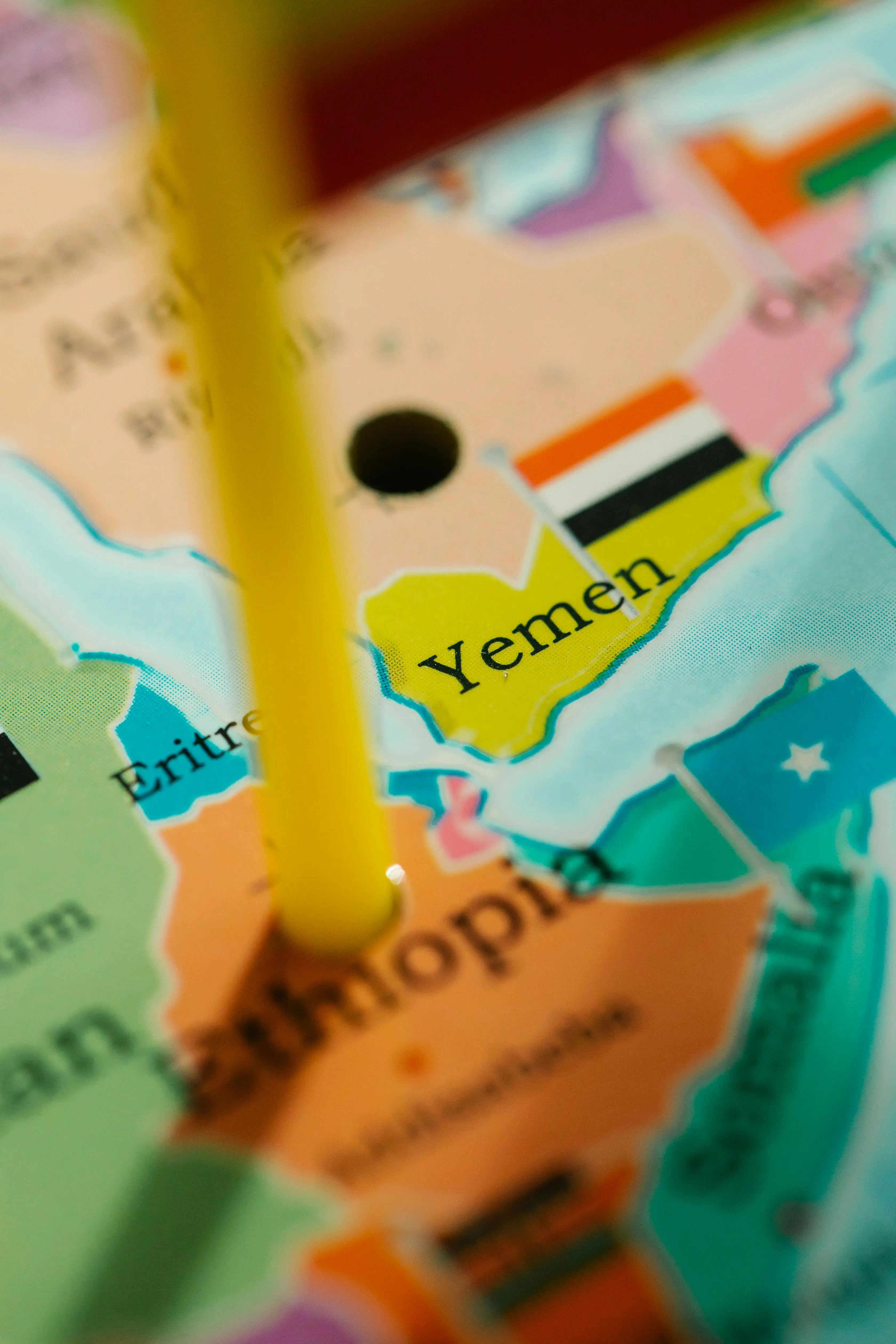
5. Yemen and the Red Sea Crisis
The Iran-backed Houthis in Yemen are almost certain to resume attacks on commercial shipping in the Red Sea if fighting in Gaza flares anew. Yemen itself faces further division, with factions in the south contesting control and potentially seeking secession. Regional diplomats have made little progress in unifying the country, leaving it as a failed state with competing power centres.
6. Instability in the Sahel Region
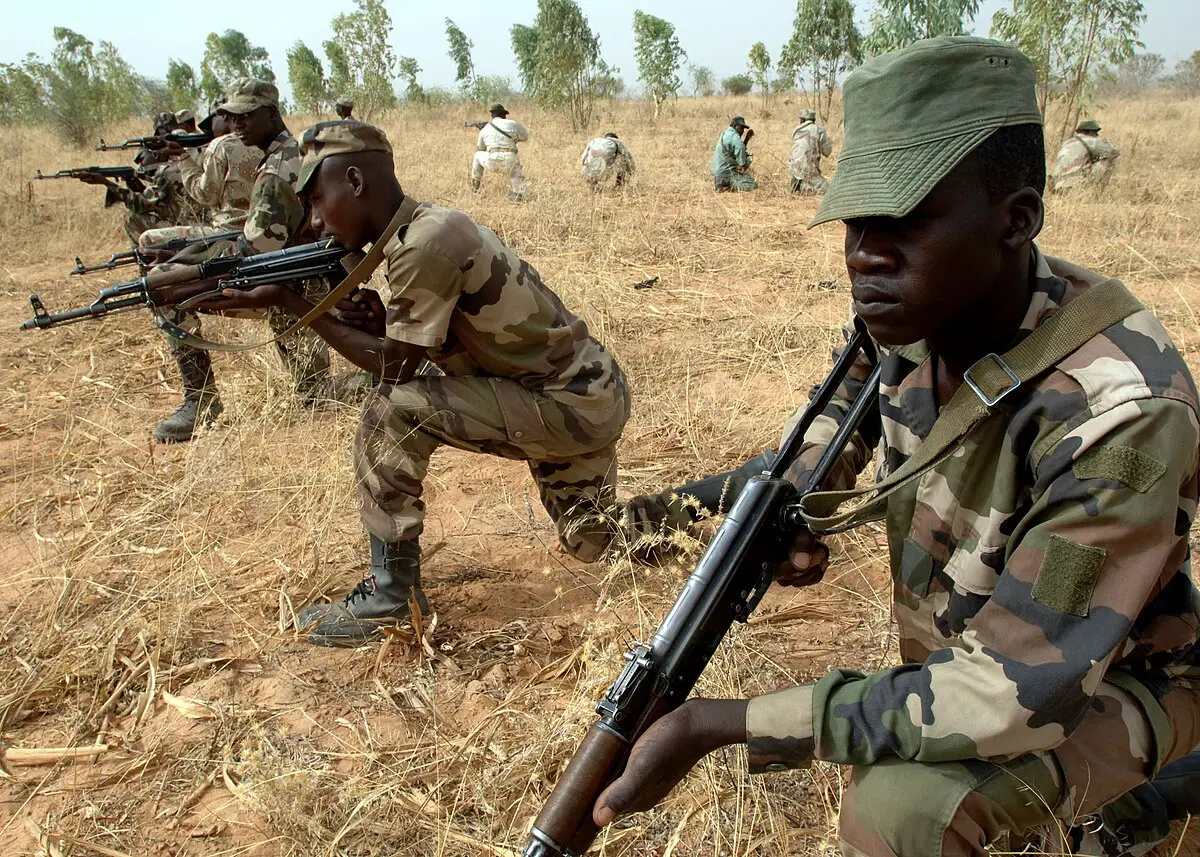
The Sahel region faces a grim 2026 as jihadist violence continues to plague nations like Mali, Burkina Faso and Niger. Military juntas in these countries have formed the Alliance of Sahelian States but struggle to curb the insurgency or improve security. The withdrawal of these nations from ECOWAS has altered regional dynamics, leaving them isolated while violence spreads to coastal West African states.
7. Taiwan Strait: Gray-Zone Pressure
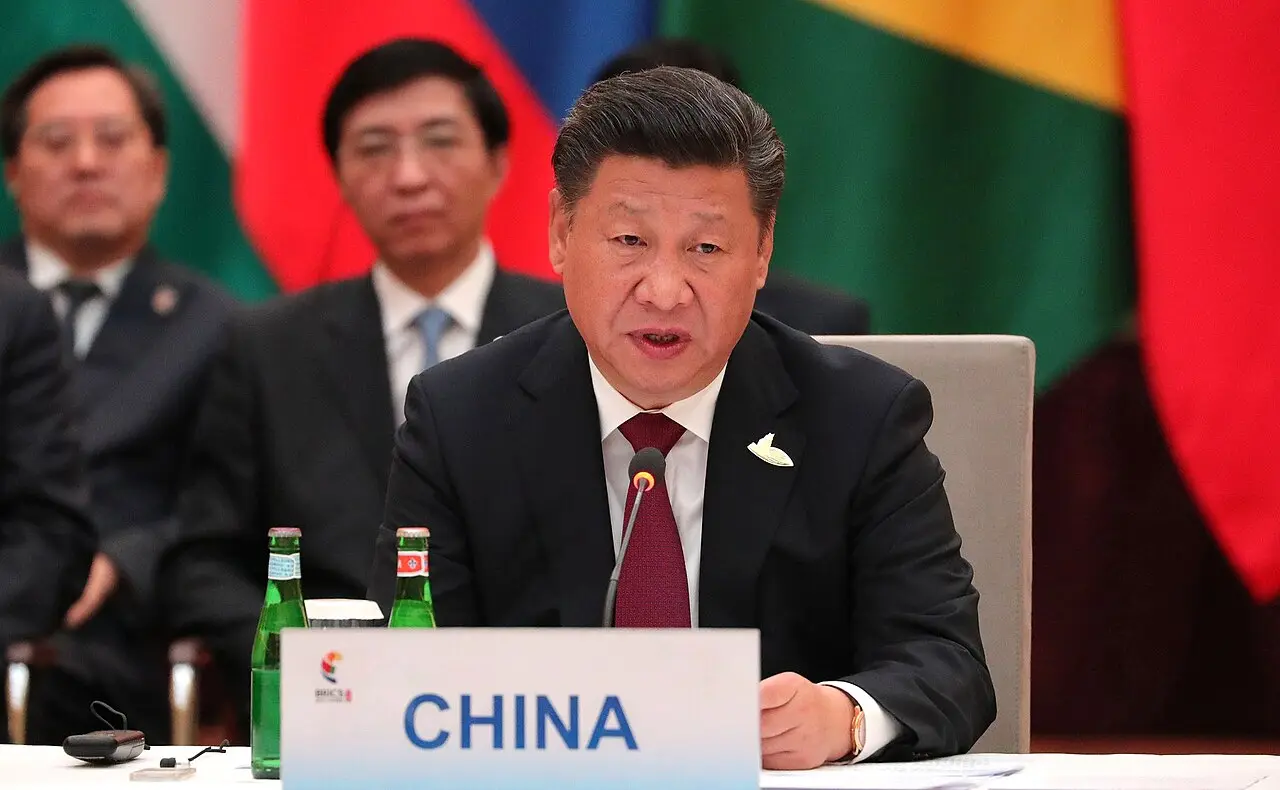
While a full-scale invasion is considered unlikely in 2026, China is expected to intensify ‘gray-zone’ pressure and coercive actions against Taiwan. Beijing will likely persist with large-scale military drills and air sorties to erode Taiwan's will and test US support. Meanwhile, Washington continues to supply arms to Taipei, attempting to close the gap between defence plans and capabilities before 2027.
)
)
)
)
)