‘From hovering to combat flying’: How do military helicopter pilots get trained?

‘From hovering to combat flying’ Military helicopter pilot training is a demanding journey that combines theory, flight practice, and real-world missions. Here’s how master every skill before earning their wings.
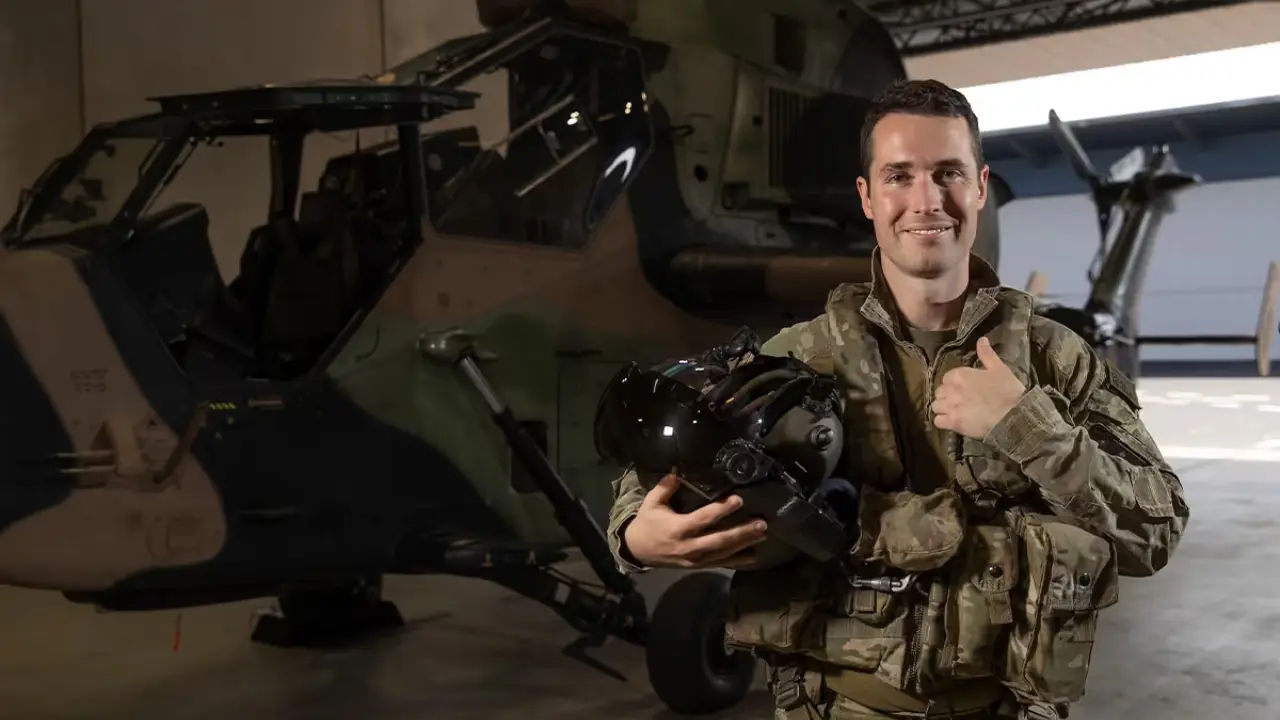
Pre-selection and Screening
Becoming a helicopter pilot in the military starts with a strict selection process. Candidates undergo medical tests, physical fitness assessments, and aptitude exams to evaluate coordination, spatial awareness, and decision-making skills. Only a small percentage qualify for formal flight training.
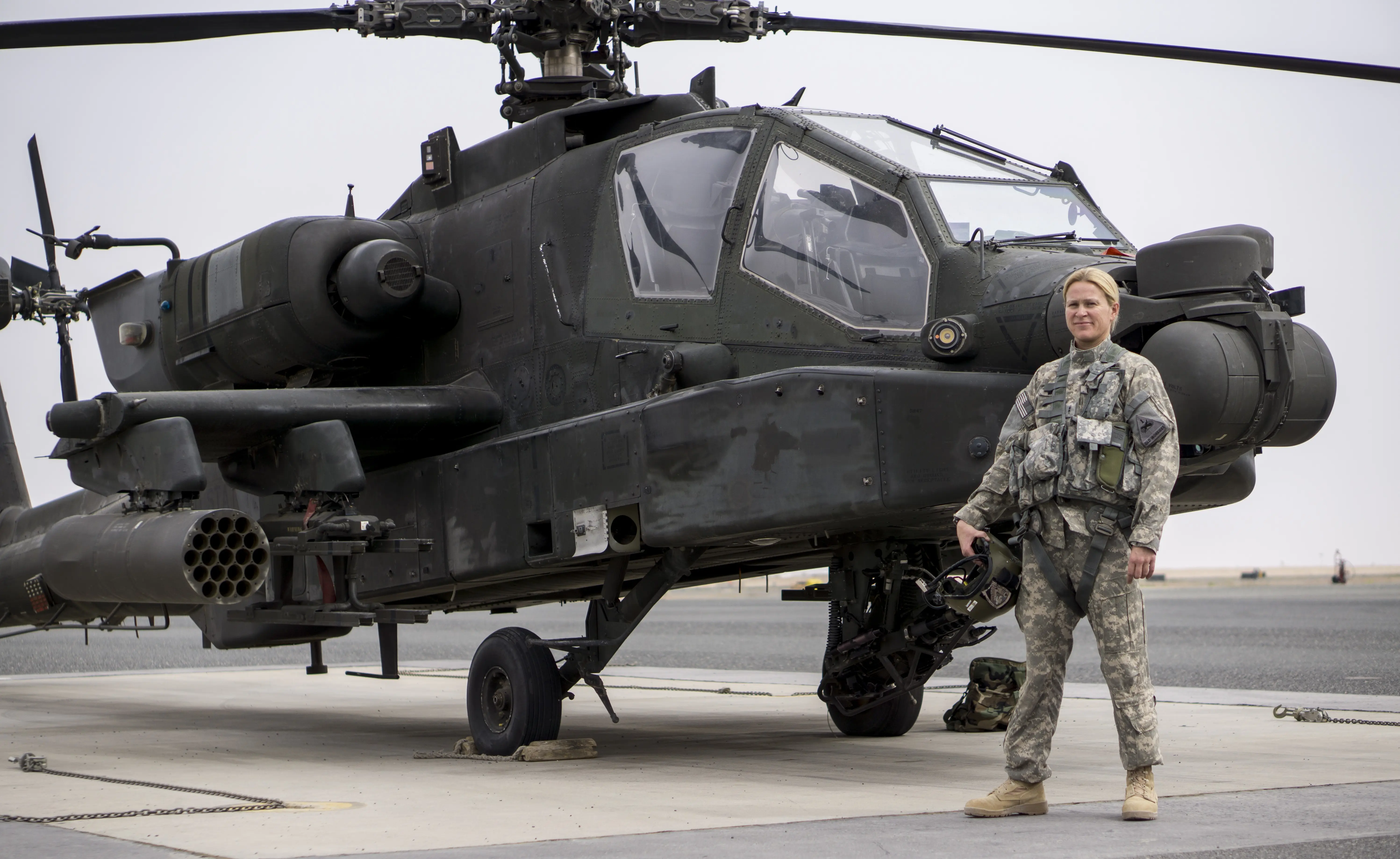
Ground School - Foundations of Flight
The first stage is ground school, which introduces aviation theory. Pilots study helicopter aerodynamics, meteorology, navigation, and air law. They also learn flight safety, aircraft structure, and emergency procedures. According to the Directorate General of Civil Aviation (DGCA) in India, these subjects prepare trainees for real flying and written exams.
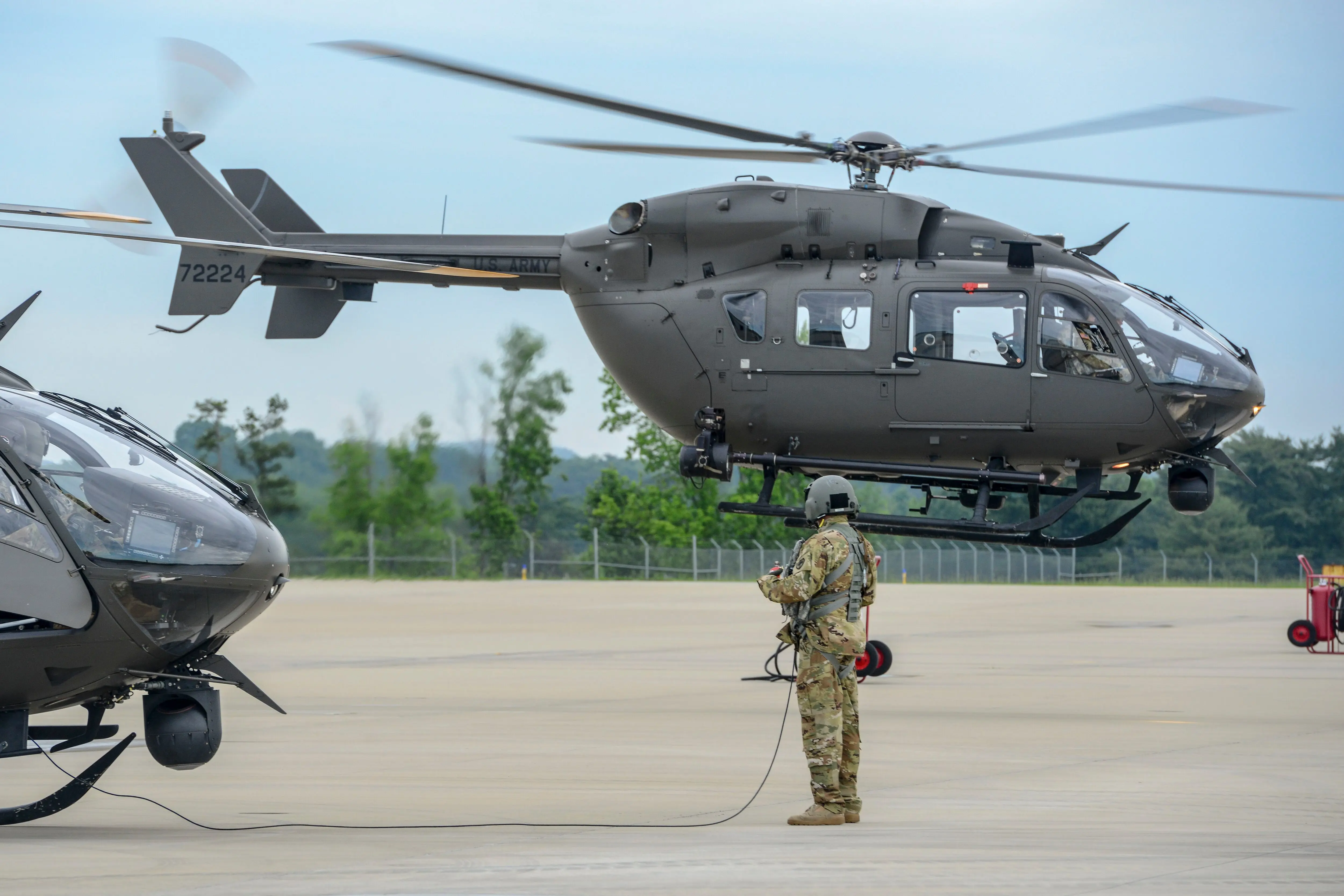
Basic Flying Training - Learning Control
Next comes Basic Flying Training, where cadets learn fundamental skills like takeoff, hovering, autorotation, and vertical flight. They train under instructors using light helicopters such as the Schweizer or Bell 206. This stage also builds confidence in handling emergency landings and confined-space manoeuvres.
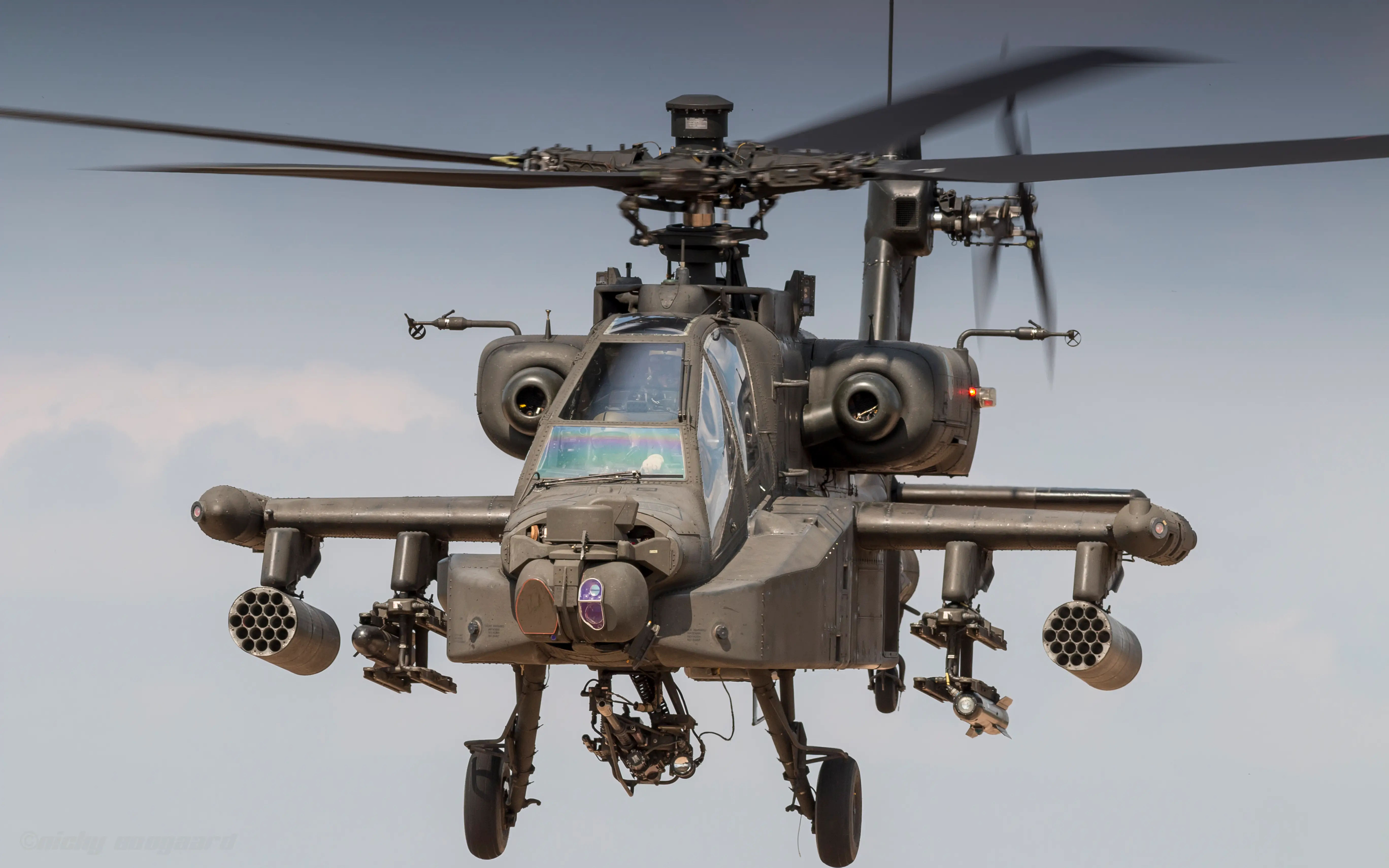
Advanced Helicopter Training - Tactical Skills
After mastering the basics, trainees begin Advanced Helicopter Training, which can last six months or more. At facilities like NAS Whiting Field (USA Navy), pilots train on aircraft such as the Bell TH‑57 Sea Ranger. Lessons include low-level navigation, formation flying, external load operations, and night vision goggle (NVG) flying.
Mission and Combat Training
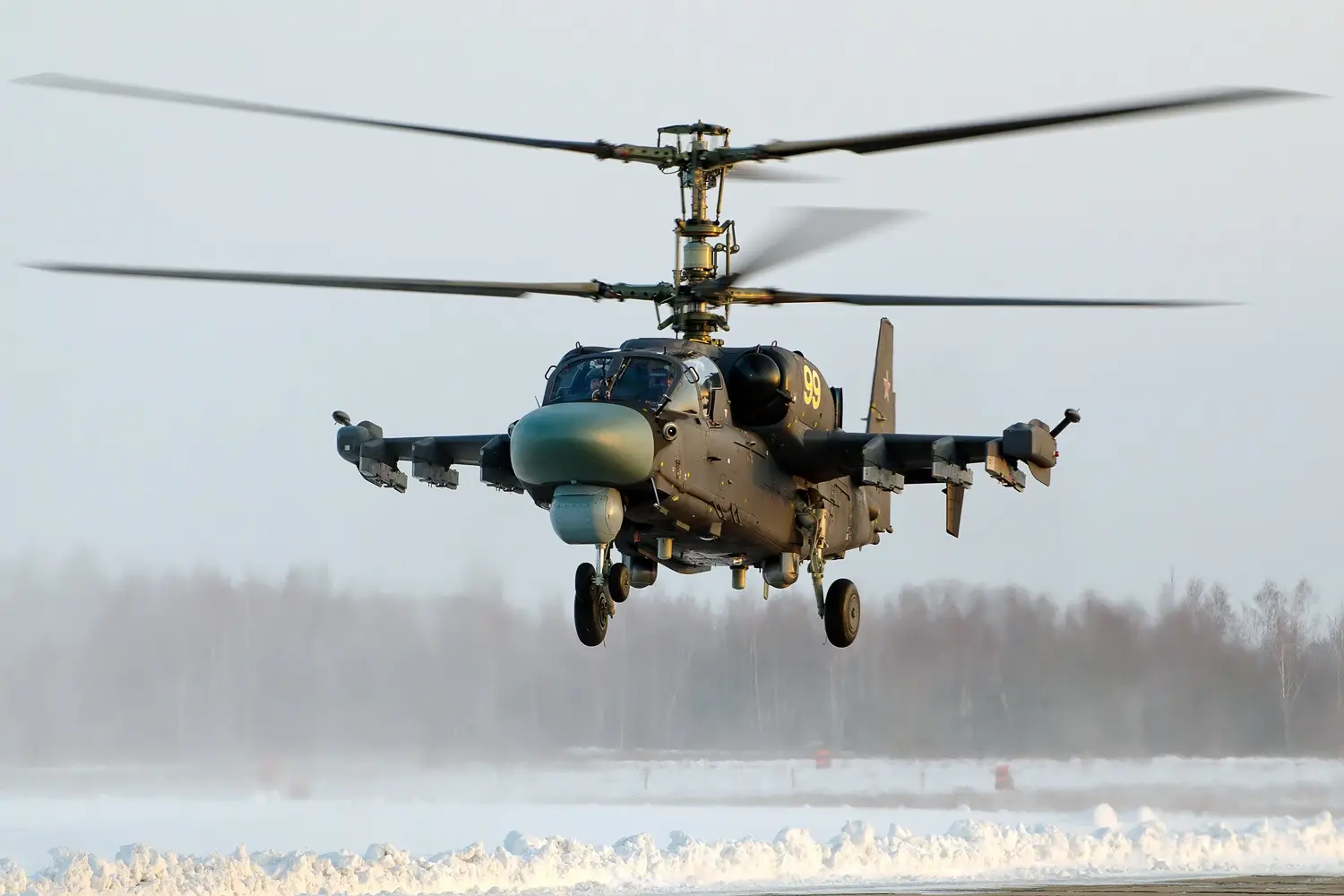
Once certified on general flying, pilots undergo mission-specific training. They learn air assault, reconnaissance, troop transport, rescue, and combat manoeuvres under simulated battle conditions. In India, for instance, pilots at the Army Aviation Corps practise tactical operations and formation flying in helicopters like the HAL Dhruv and Rudra.
Instrument and Simulator Training
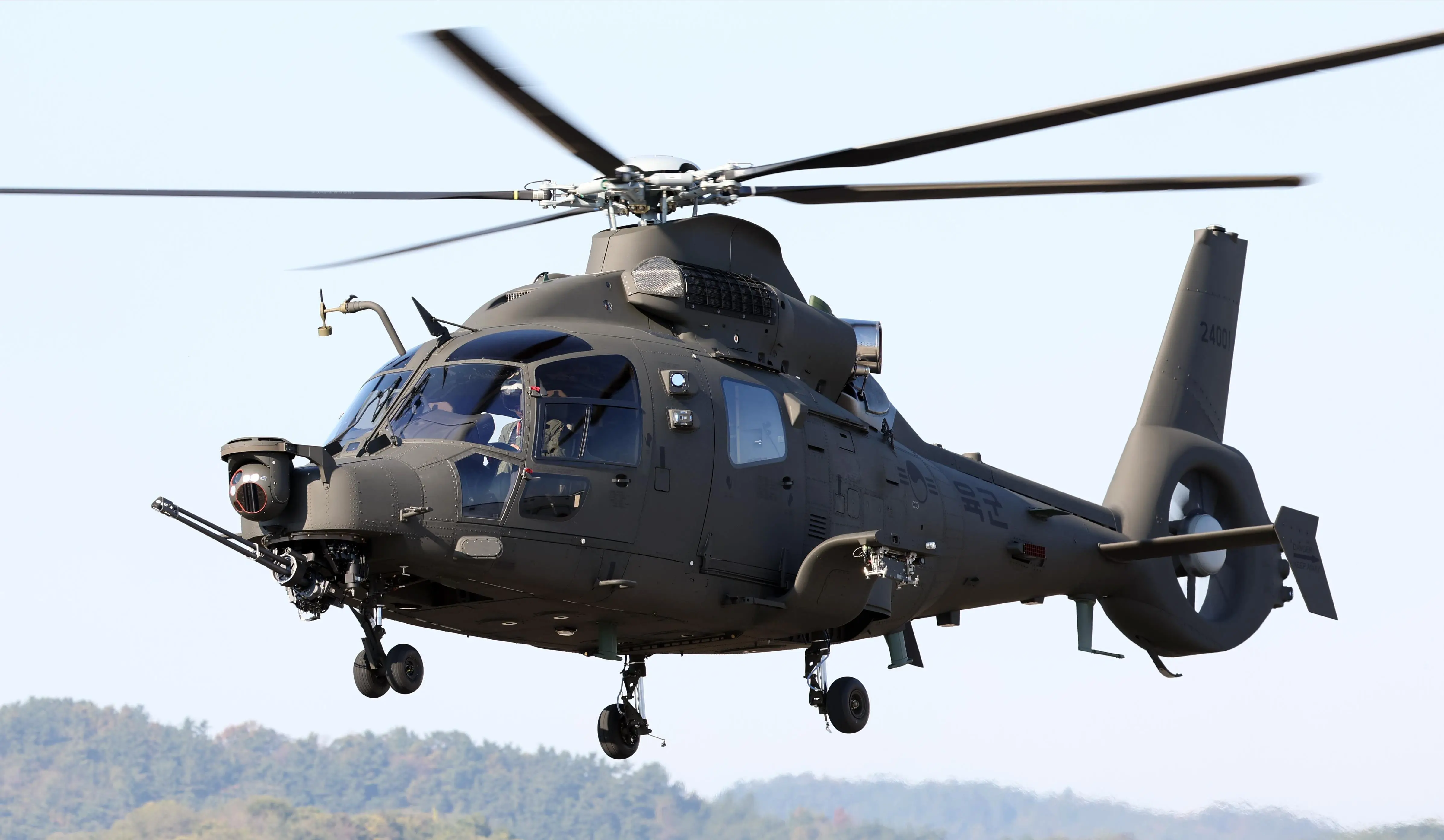
Modern simulators are now key to military training. These replicate real mission environments with full-motion systems, allowing pilots to practise emergency and bad-weather operations safely. Instrument flying the ability to navigate only by onboard instruments is also tested before field deployment.
Graduation and On-field Deployment
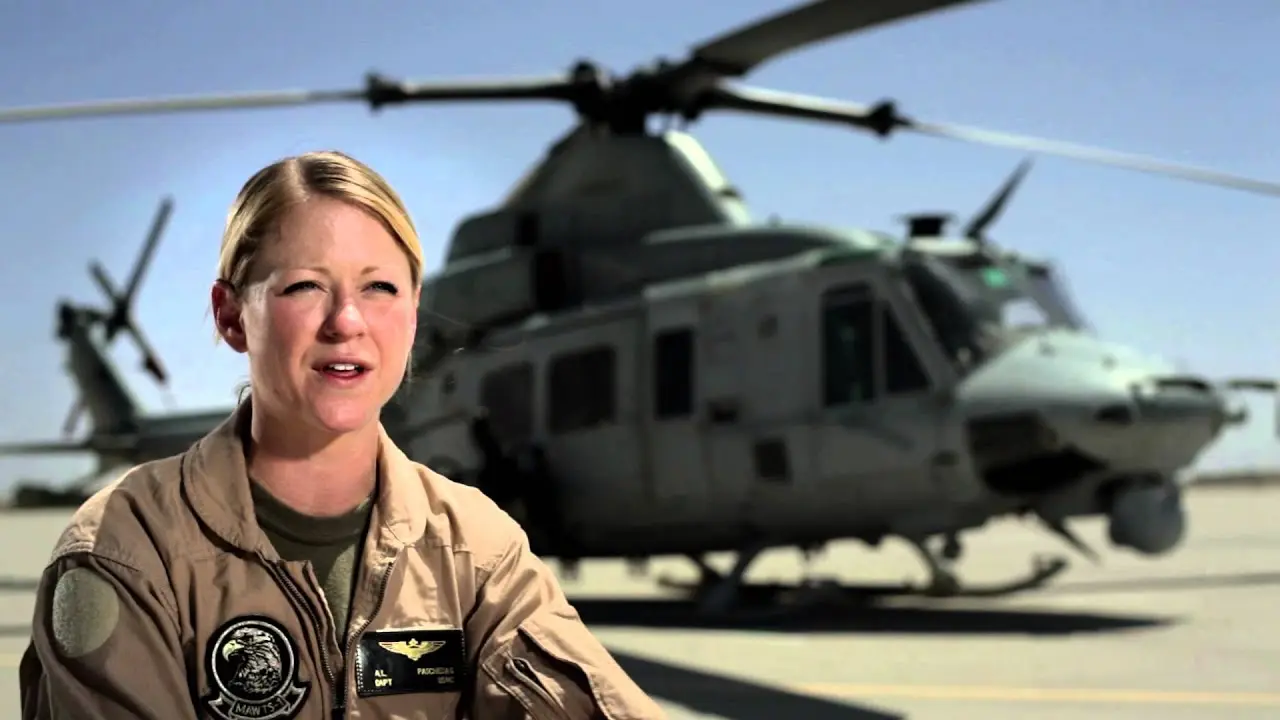
On successful completion, cadets receive their pilot wings and are assigned to operational units. Initial flights happen under senior instructors in real missions, where they combine flying skill, teamwork, and quick decision-making. Continuous training keeps them ready for operations in any condition.
)
)
)
)
)