‘From BrahMos missile to Rafale fighter jet’: India’s top 10 defence deals since independence

India’s major defence deals involve huge investments in jets, missiles, tanks, and naval power. From Su-30MKI fighters to BrahMos missiles and new warships, the modernisation push reveals growing strength.
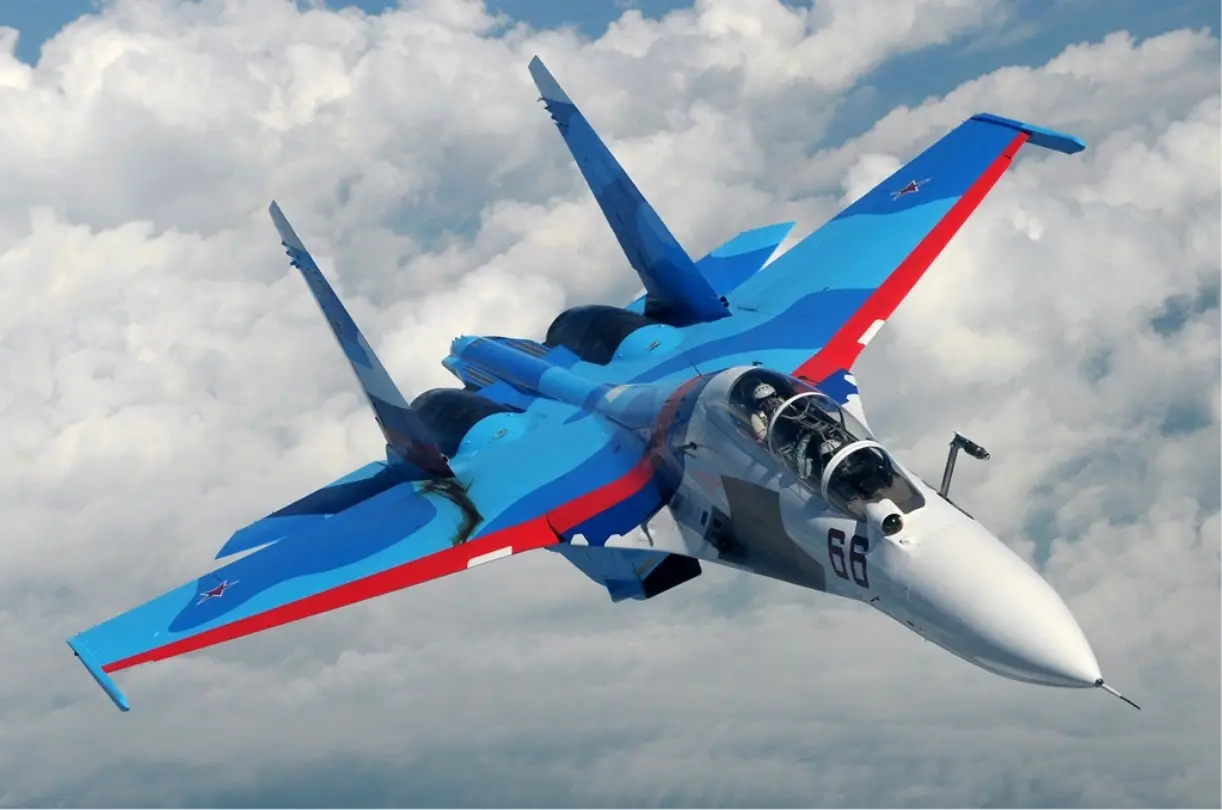
Su-30MKI Fighter Jets - Over $12 Billion Investment
The Sukhoi Su-30MKI represents India's single largest defence procurement, with licensed production agreements exceeding $12 billion since 1996. India ordered 50 aircraft initially, followed by 140 jets manufactured under licence by Hindustan Aeronautics Limited. The newest order of 42 Su-30MKIs signed in December 2024 cost Rs 13,500 crore with 62.6 per cent indigenous content. These twin-engine aircraft deliver Mach 2 speed and feature thrust vectoring technology making them highly manoeuvrable.
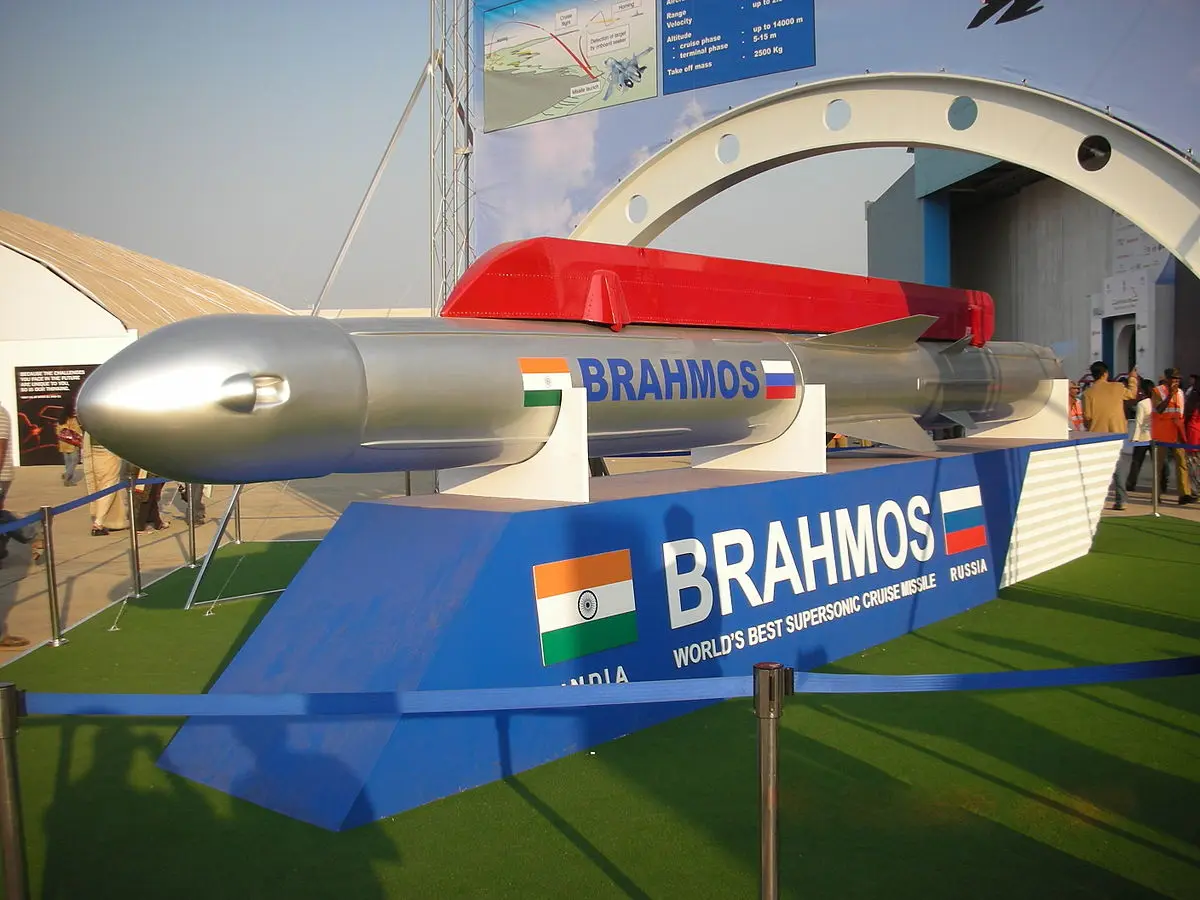
BrahMos Missile - Joint India-Russia Supersonic Development
The BrahMos missile represents a joint venture between India's DRDO and Russia's NPO Mashinostroyeniya, creating the world's fastest cruise missile with speeds exceeding Mach 3. India has invested billions developing ground, air, and sea-launched variants, with the first indigenous manufacturing facility in Uttar Pradesh producing missiles since October 2025. Latest export deals signed in 2025 valued approximately $455 million. Development of hypersonic BrahMos-NG variants with 400+ kilometre ranges continues.
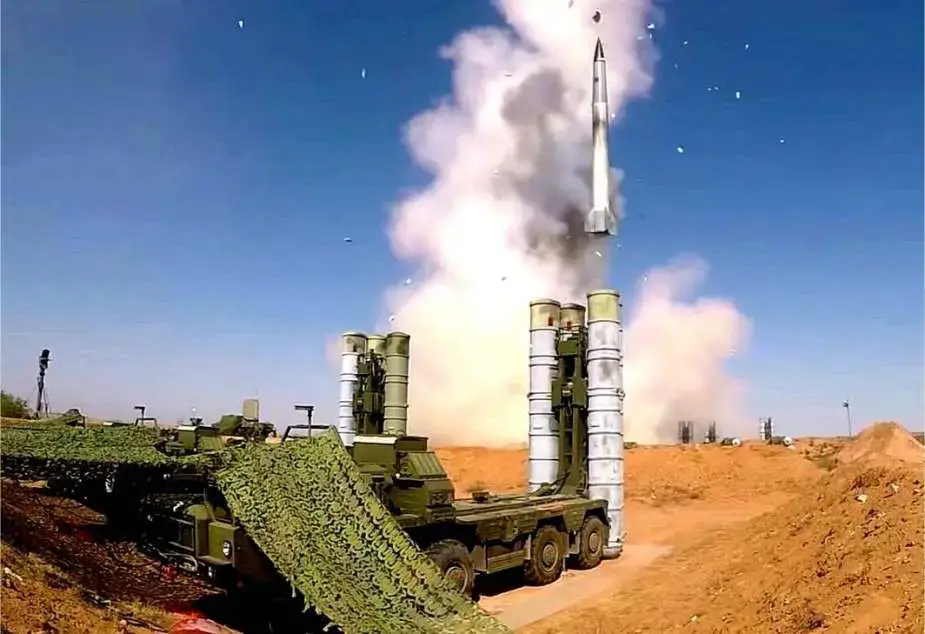
S-400 Triumf Air Defence System - Rs 10,000 Crore Expansion
India's 2015 S-400 Triumf deal with Russia included multiple systems protecting Delhi and other vital locations. A new Rs 10,000 crore order for approximately 300 additional missiles received fast-track approval in late 2025, following extensive use during Operation Sindoor. The S-400 provides 400-kilometre detection range and intercepts targets at altitudes exceeding 30 kilometres. India negotiates extended-range variants capable of hitting targets beyond current operational limits.
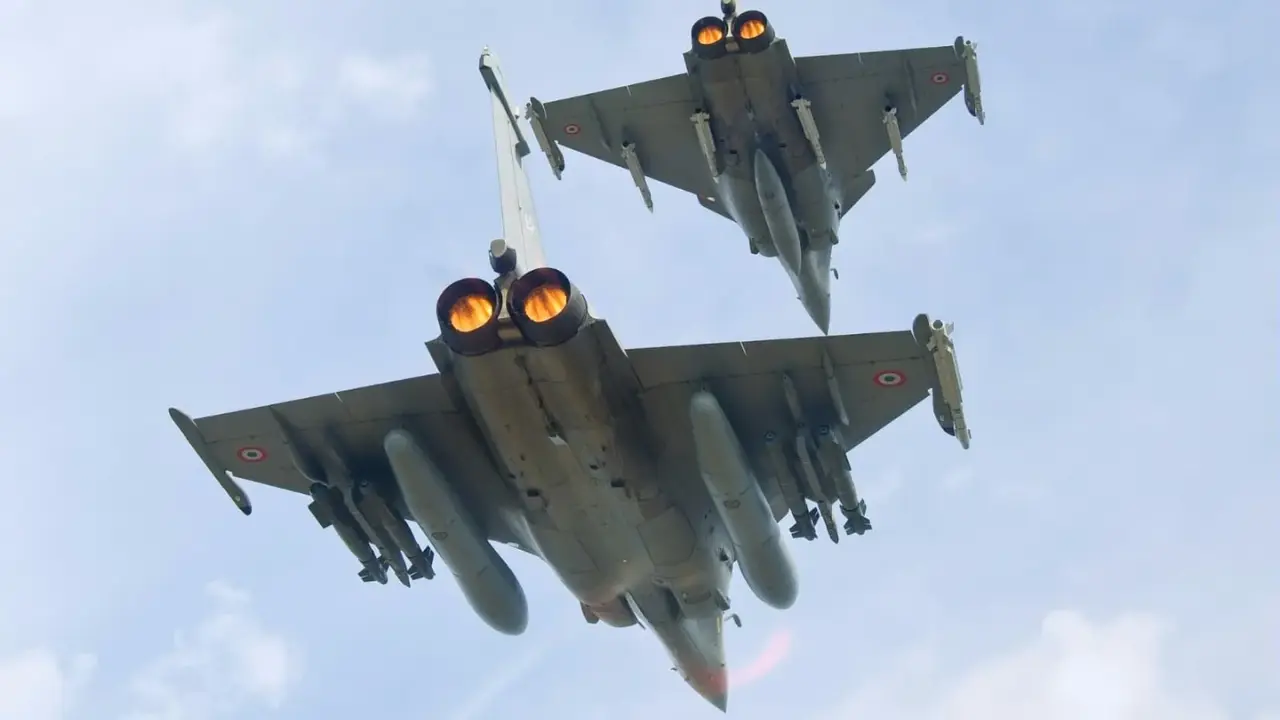
Rafale Fighter Jet Deal - €7.8 Billion French Contract
India signed a €7.8 billion deal for 36 French Dassault Rafale jets in 2016, with aircraft delivered from 2016 onwards. The bare airframes cost €3.3 billion whilst the remaining €4.5 billion covered weapons, spares, and logistics. These multirole fighters operate across India's coastlines and borders, equipped with advanced radar systems and air-to-air refuelling capabilities. A follow-on deal for 26 Rafale-Marine naval variants worth several billion euros progressed in 2025.
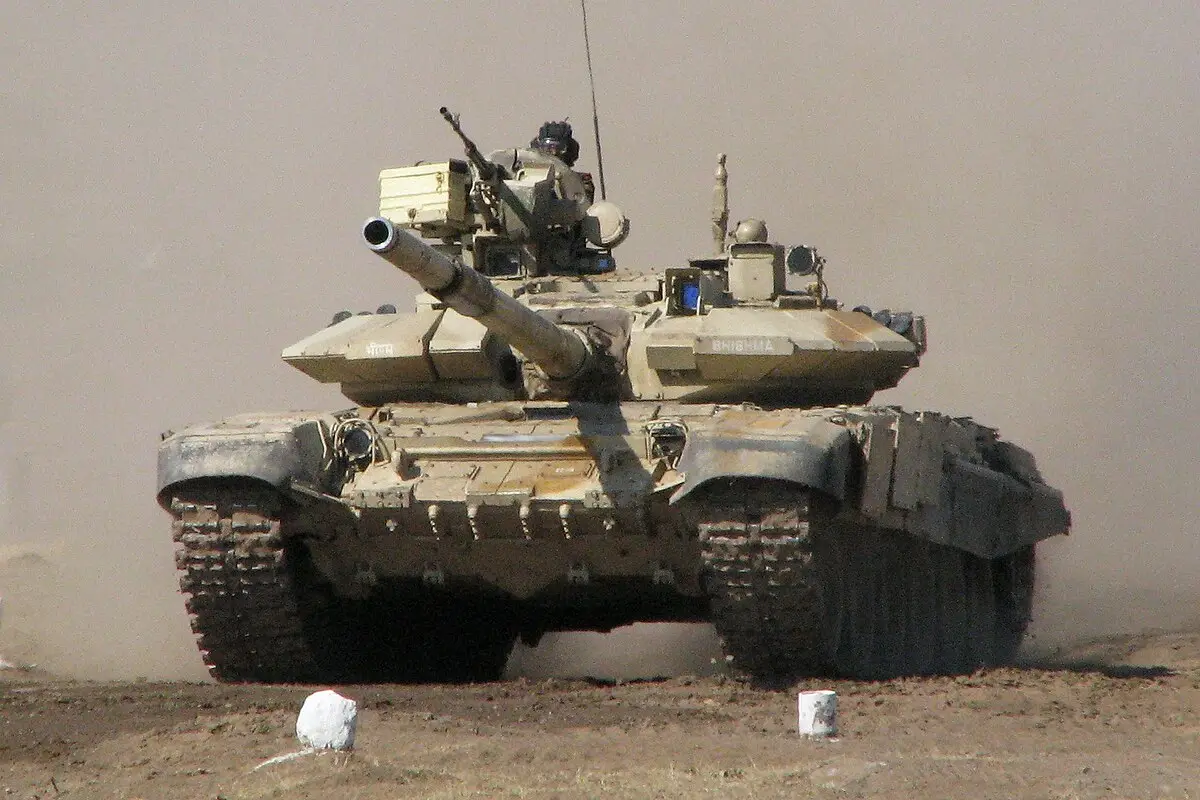
T-90 Bhishma Tanks
India procured approximately 300 Russian T-90 tanks designated Bhishma in Indian service, with ongoing licensed manufacturing agreements producing additional tanks. These main battle tanks mount 125mm smoothbore guns and feature advanced fire control systems. Licensed production under Indian supervision cost significantly less than direct Russian imports, with engines manufactured in India. The T-90 remains a primary component of Indian mechanised infantry divisions.
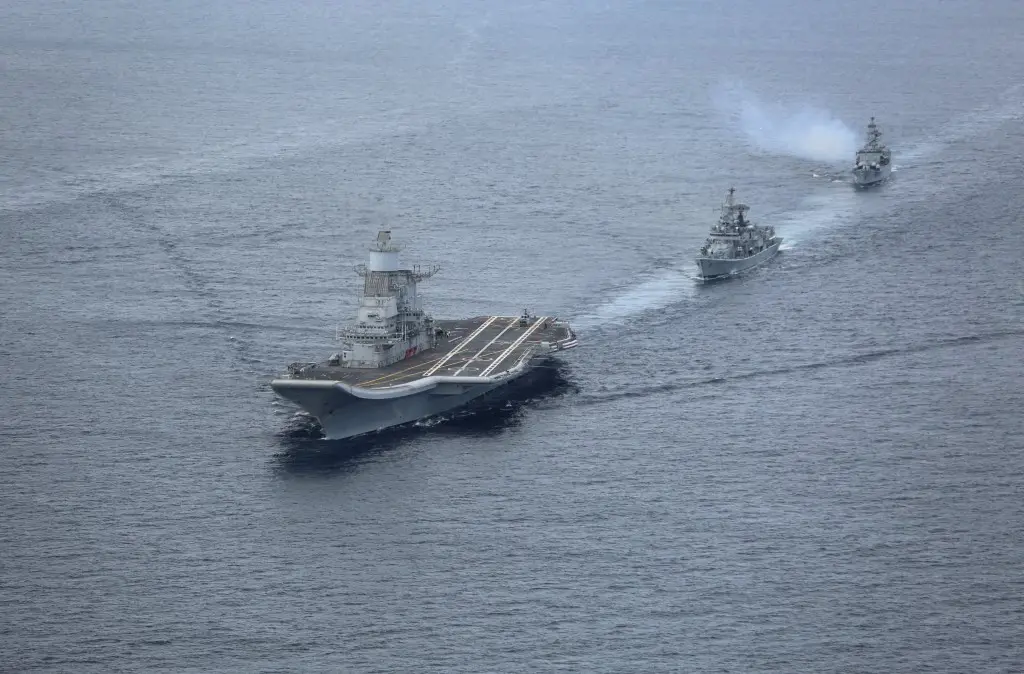
INS Vikramaditya Aircraft Carrier - $2.4 Billion Acquisition
India's largest naval vessel, INS Vikramaditya, represents a Rs 16,000 crore investment after acquisition and modernisation from Russia. The carrier features a 37,500-tonne displacement and operates MiG-29K fighter jets and Kamov helicopters. This platform enhanced India's carrier strike capability significantly. The newer INS Vikrant, India's first indigenously-built carrier, demonstrates the nation's growing indigenous capability following Vikramaditya's successful operations.
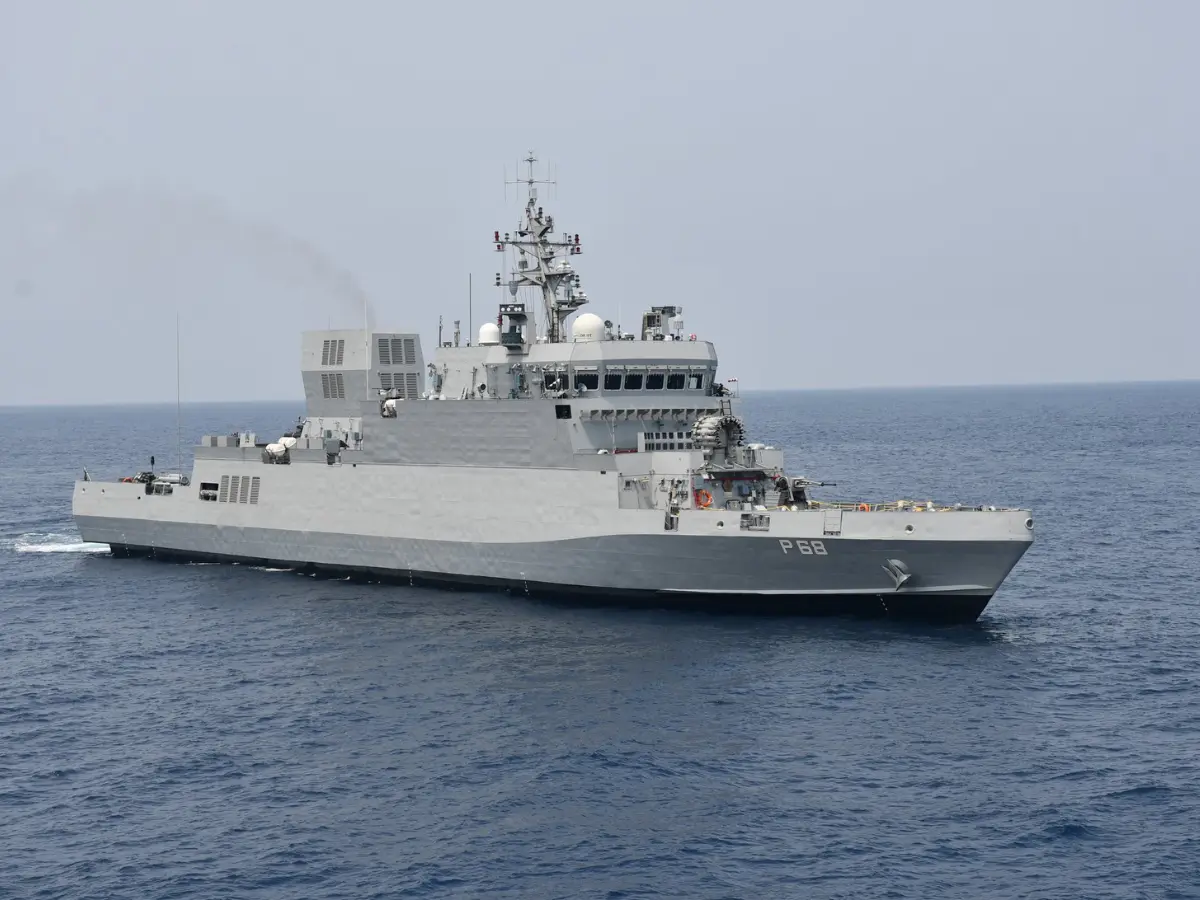
Naval Warship Modernisation - Rs 80,000 Crore Programme
India approved an Rs 80,000 crore project for four advanced Landing Platform Dock vessels representing the largest naval construction programme. These 28,000-tonne ships conduct amphibious operations, disaster relief, and strategic deployments across Indian Ocean regions. The programme supports indigenous shipbuilding at major yards including Cochin Shipyard and Mazagon Dock. This deal reflects India's commitment to reducing foreign military dependency through indigenous naval capabilities.
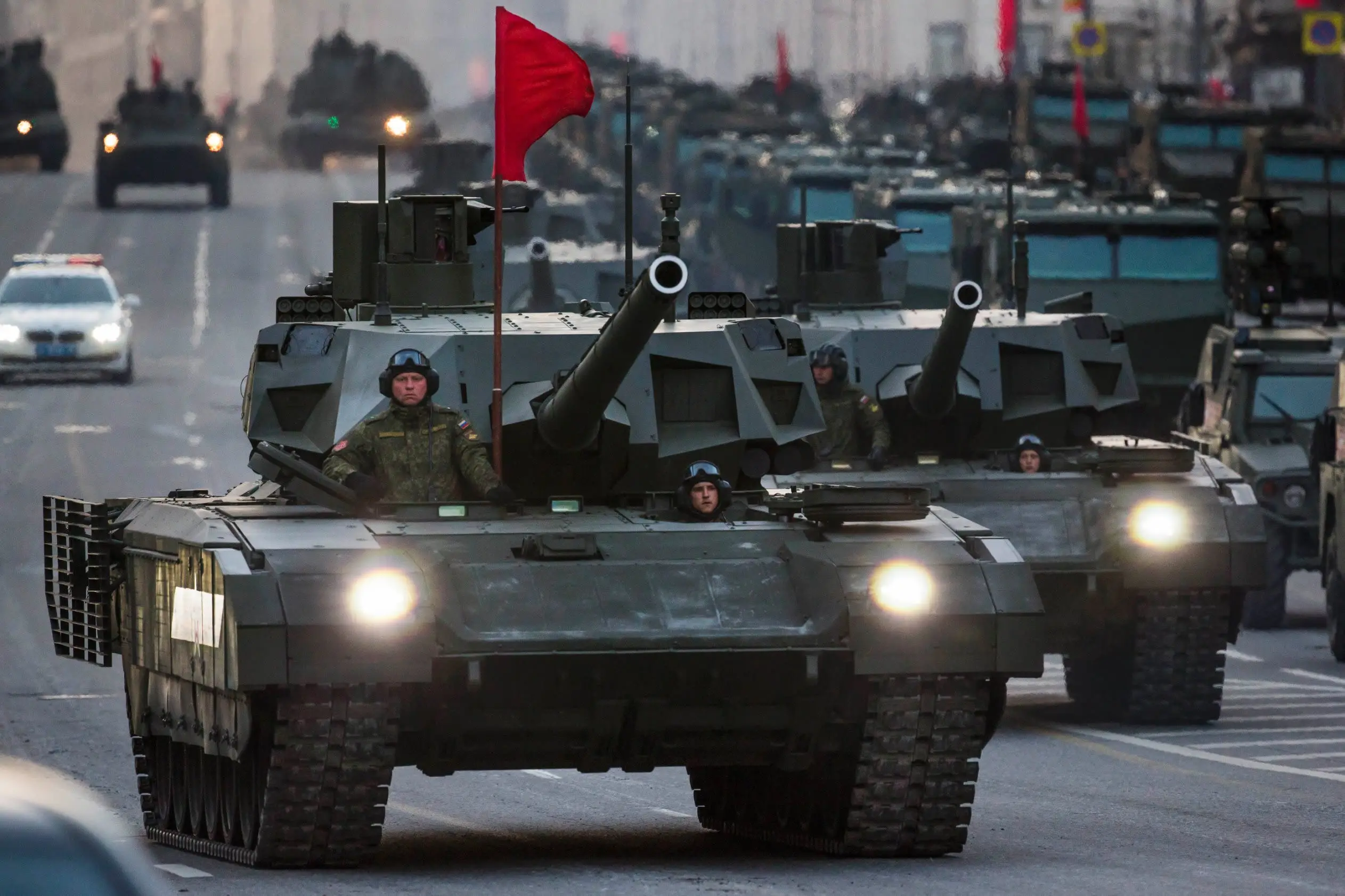
Russian Military Hardware - Historical Primary Supplier
Russia remains India's traditional defence supplier providing submarines, helicopters, artillery, and transport aircraft across decades. Recent deals include upgraded Kilo-class submarines, Mi-17 helicopters for armed forces, and advanced air defence radars. According to SIPRI reports cited by The New Indian Express, Russia accounts for approximately 45-50 per cent of India's military imports historically, though American and French shares are increasing.
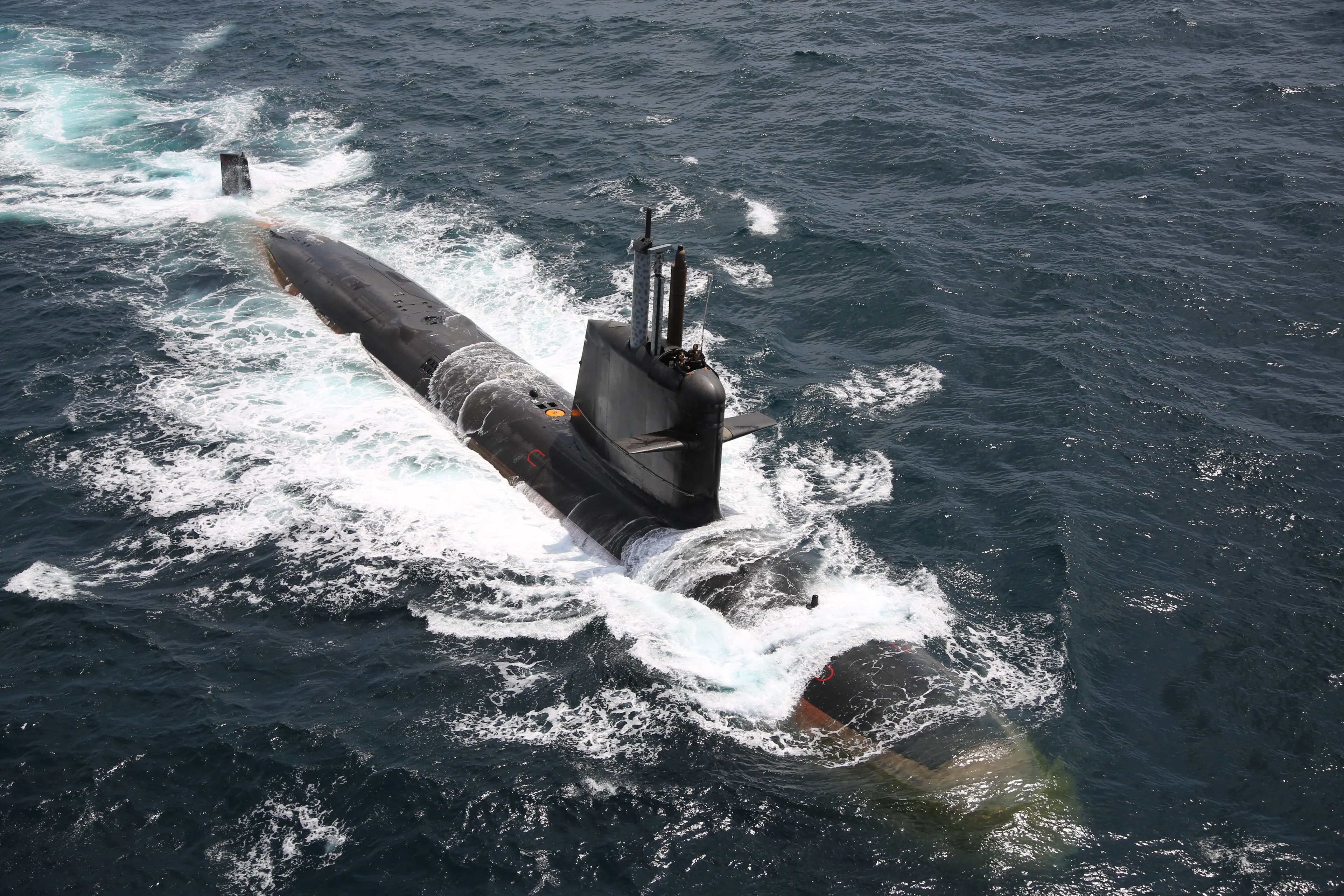
French Military Equipment Beyond Fighters
Beyond Rafale jets, France supplies advanced naval vessels including Scorpène-class submarines and multi-mission helicopters. India operates six Scorpène submarines with indigenous construction at Mazagon Dock, representing Rs 30,000+ crore investment. French equipment features sophisticated sensor systems and combat capabilities matching contemporary naval standards. Future cooperation includes development of advanced naval capabilities and underwater systems.
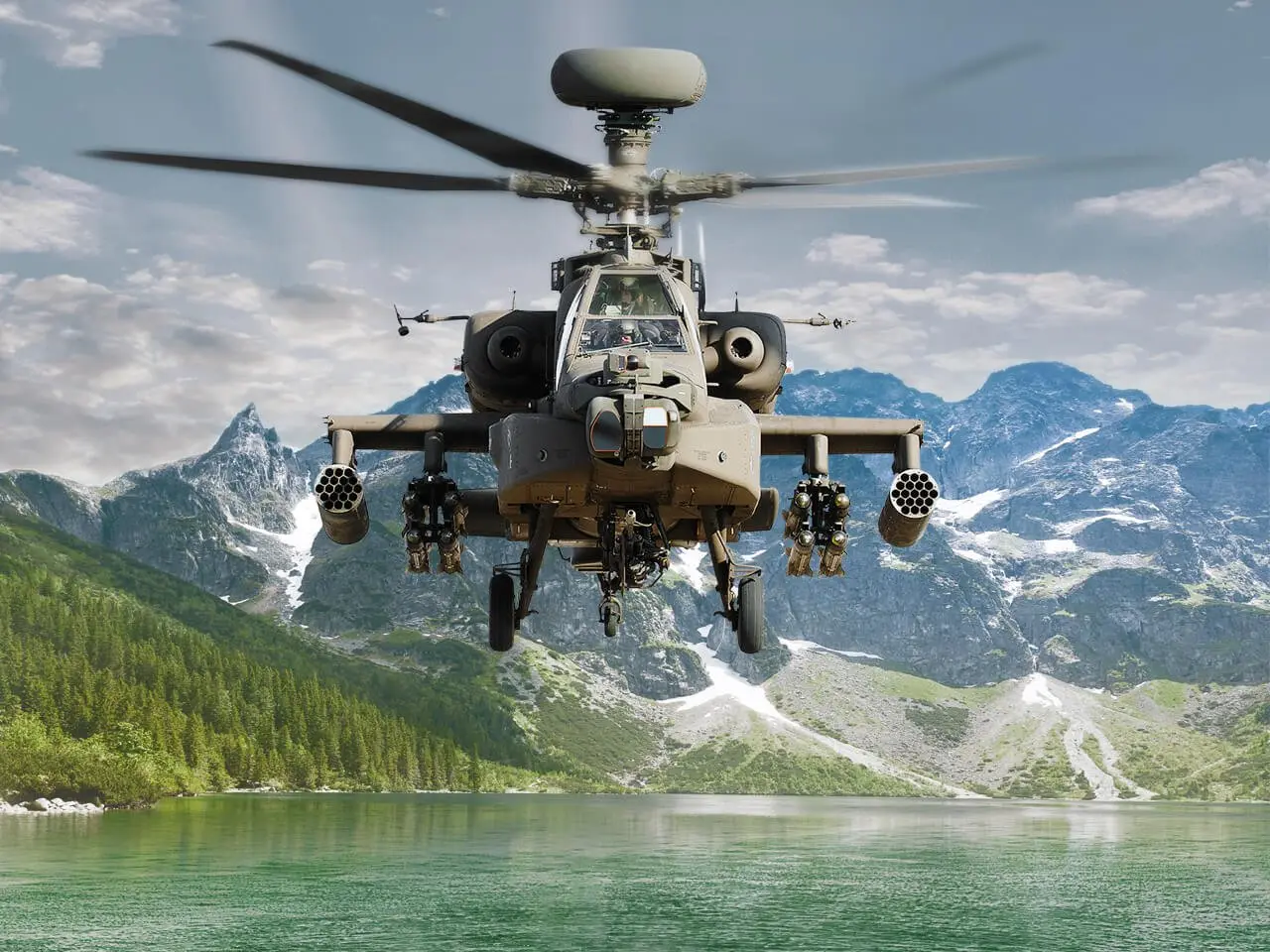
American Military Hardware
The United States emerged as significant defence partner supplying P-8I Neptune maritime patrol aircraft, Apache helicopters, and advanced radar systems. Recent deals include Chinook transport helicopters and advanced communication systems totalling billions of rupees. American technology increasingly features in Indian defence upgrades.
)
)
)
)
)