'From allies to enemies': How the 1979 Iranian Revolution shattered U.S.-Iran relations

Before 1979, Iran was Washington's closest ally in the Persian Gulf. The Islamic Revolution dismantled this relationship overnight, replacing a pro-Western monarchy with a theocratic republic that viewed the US as the “Great Satan”
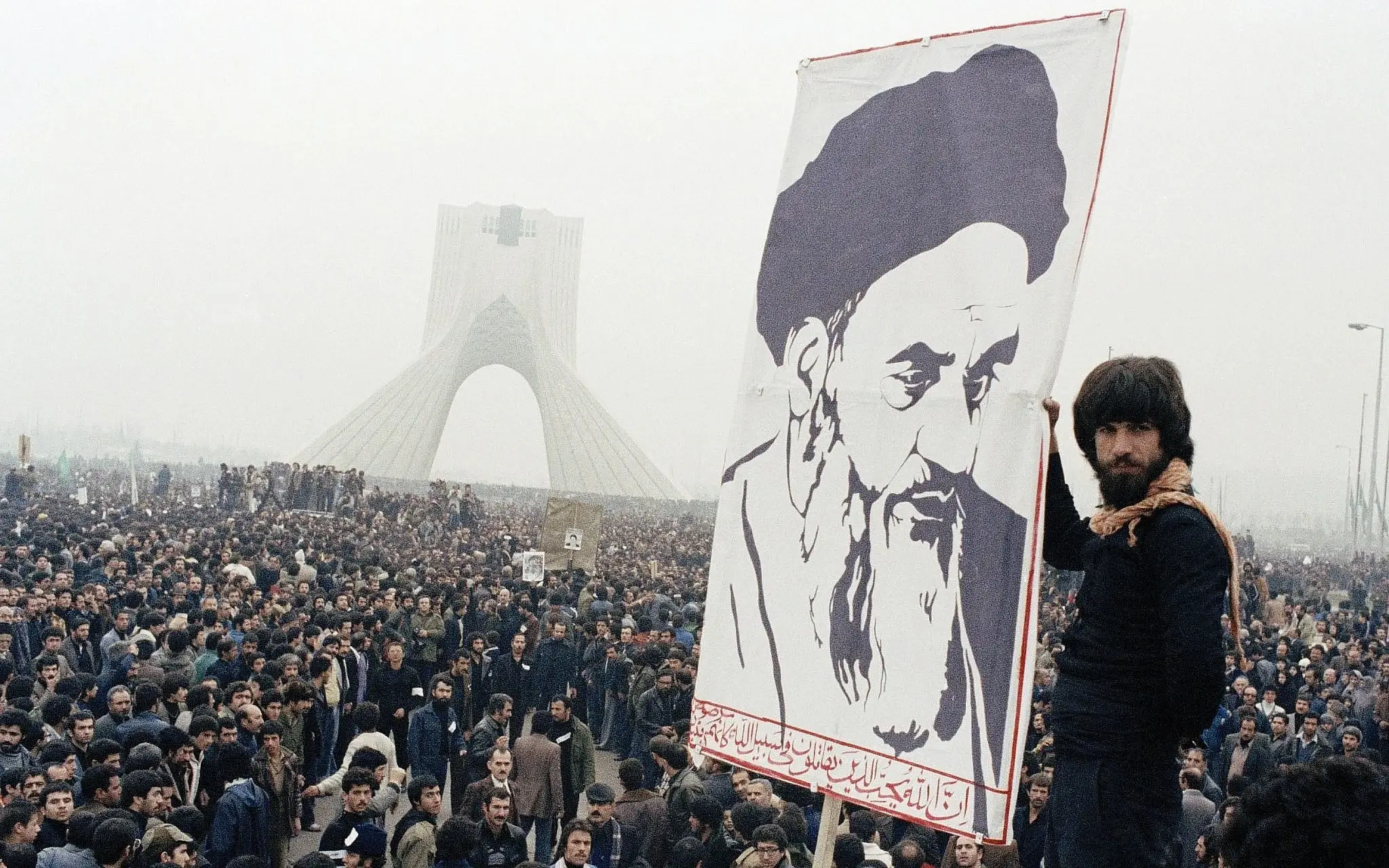
The end of a strategic alliance
For decades, the US backed Shah Mohammad Reza Pahlavi as a pillar of stability in the Middle East. The 1979 Revolution ousted him, abruptly ending the 'Twin Pillars' policy where Iran acted as Washington's primary guardian of Gulf oil interests.
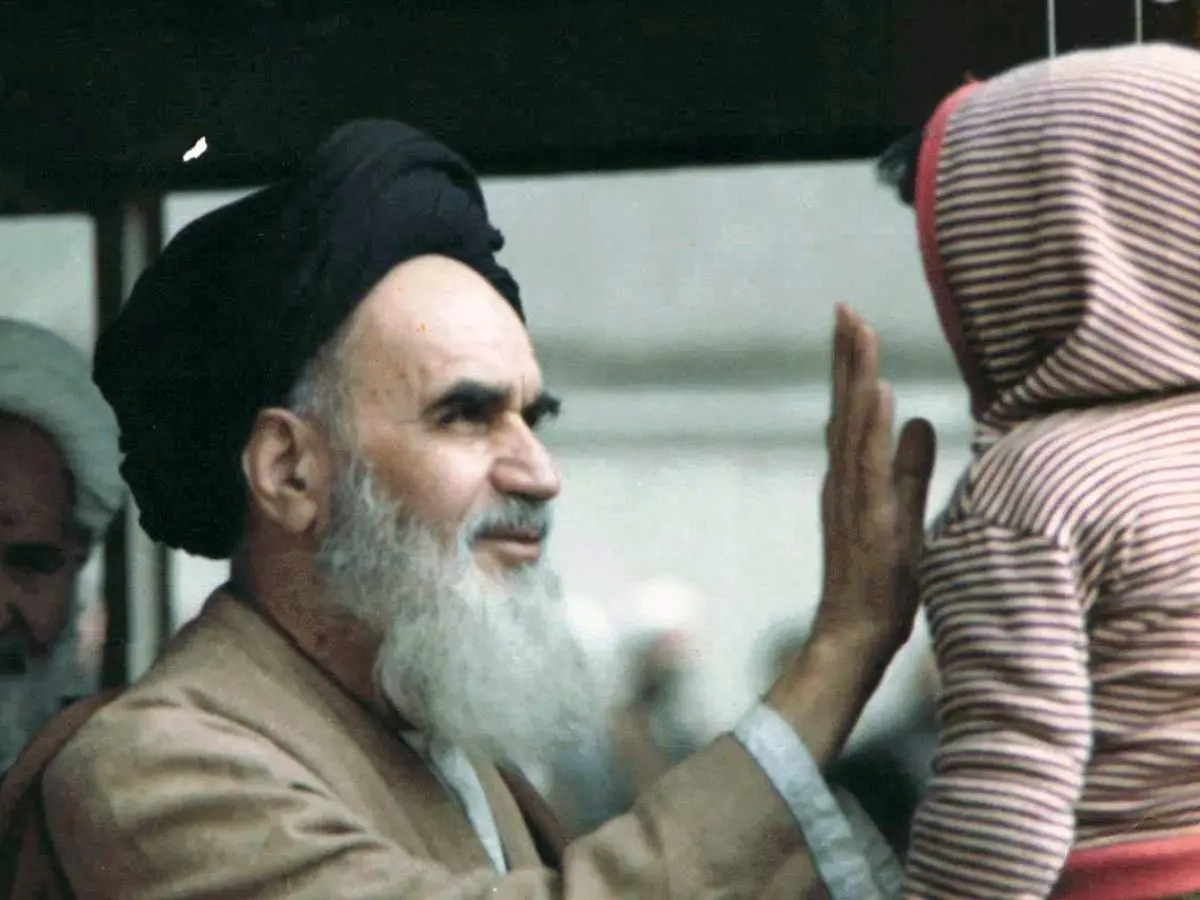
The rise of anti-American rhetoric
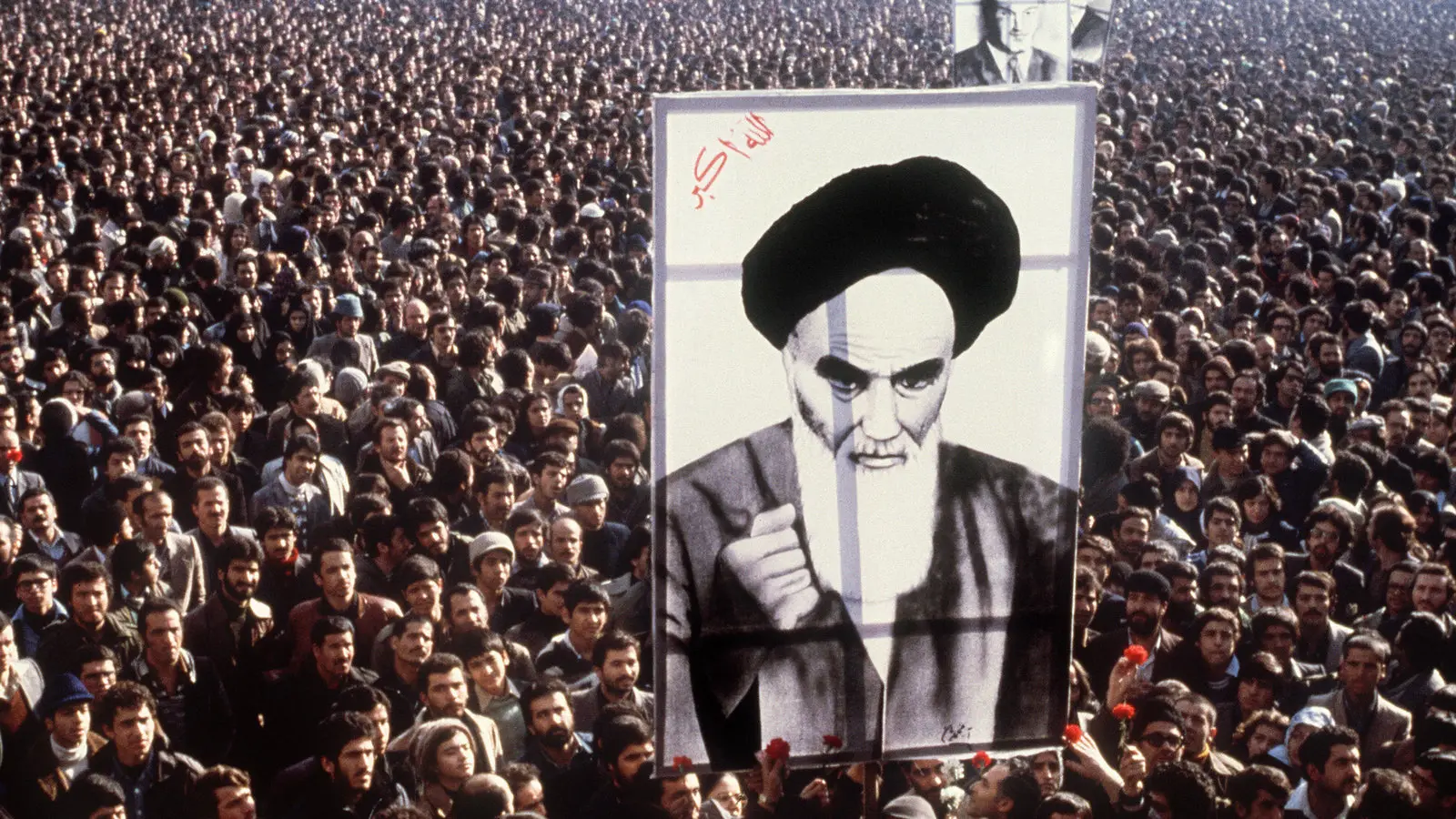
Ayatollah Khomeini returned from exile and immediately shifted Iran's foreign policy. He labelled the United States the 'Great Satan', framing the new Islamic Republic’s identity around fierce opposition to American influence and interference.
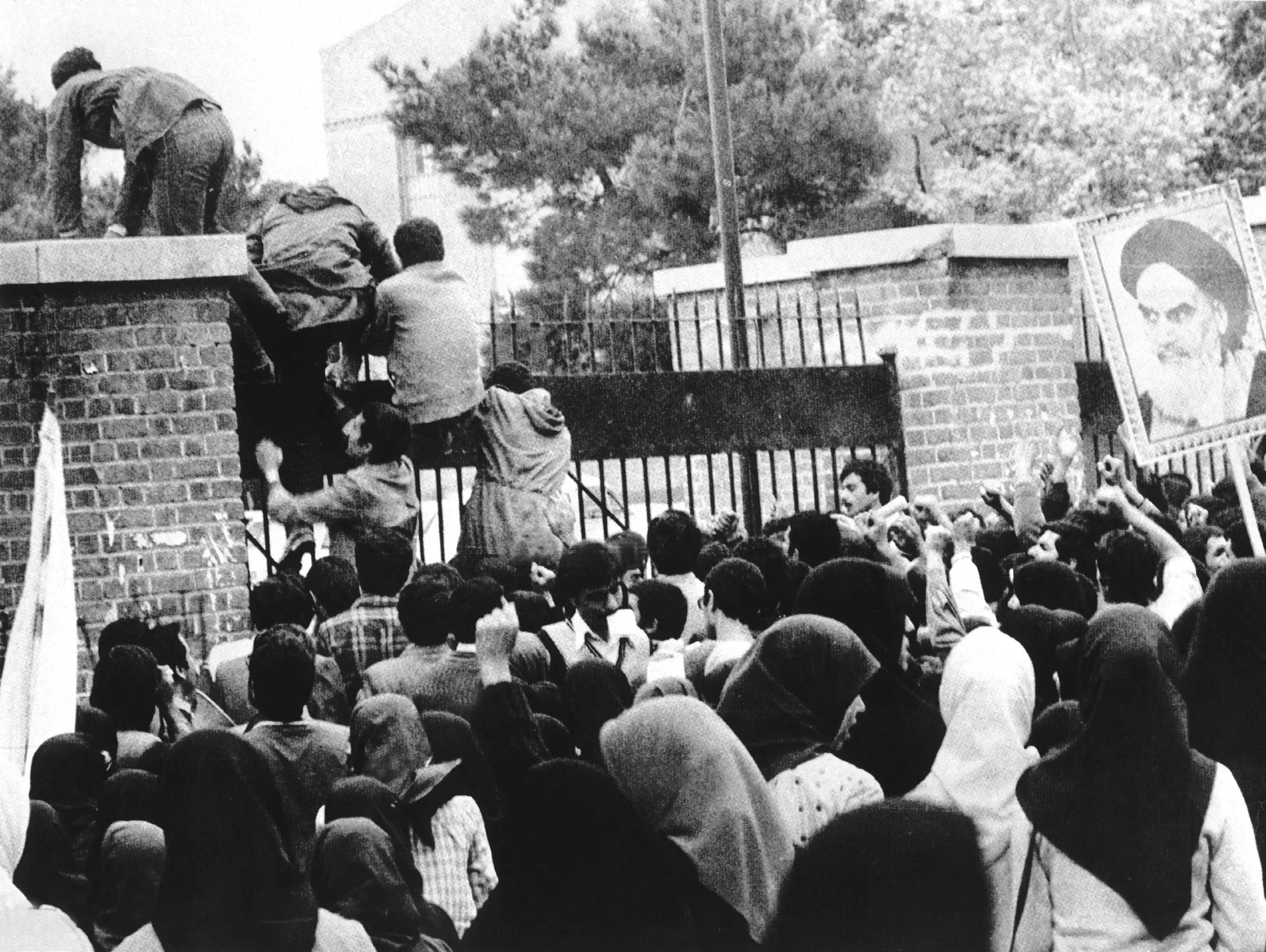
52 diplomats taken hostage
On 4 November 1979, Iranian students stormed the US Embassy in Tehran, demanding the Shah's return for trial. They took 52 American diplomats and citizens hostage, sparking a crisis that would paralyse the Carter administration.
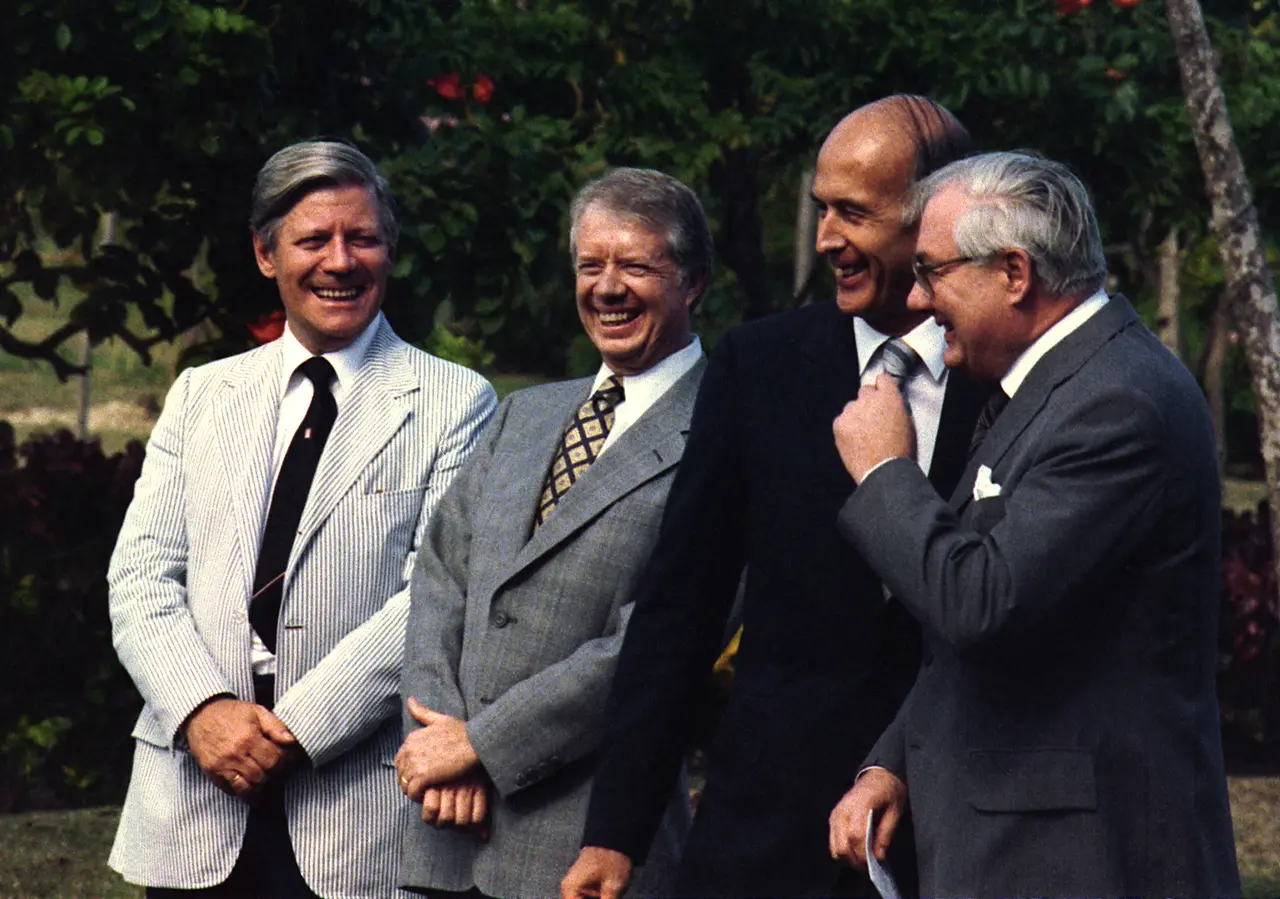
Diplomatic ties severed Relations broken in April 1980
In response to the hostage crisis, President Jimmy Carter formally severed diplomatic relations with Iran in April 1980. To this day, the two nations have no direct diplomatic ties, communicating only through intermediaries like the Swiss Embassy.
444 days of deadlock
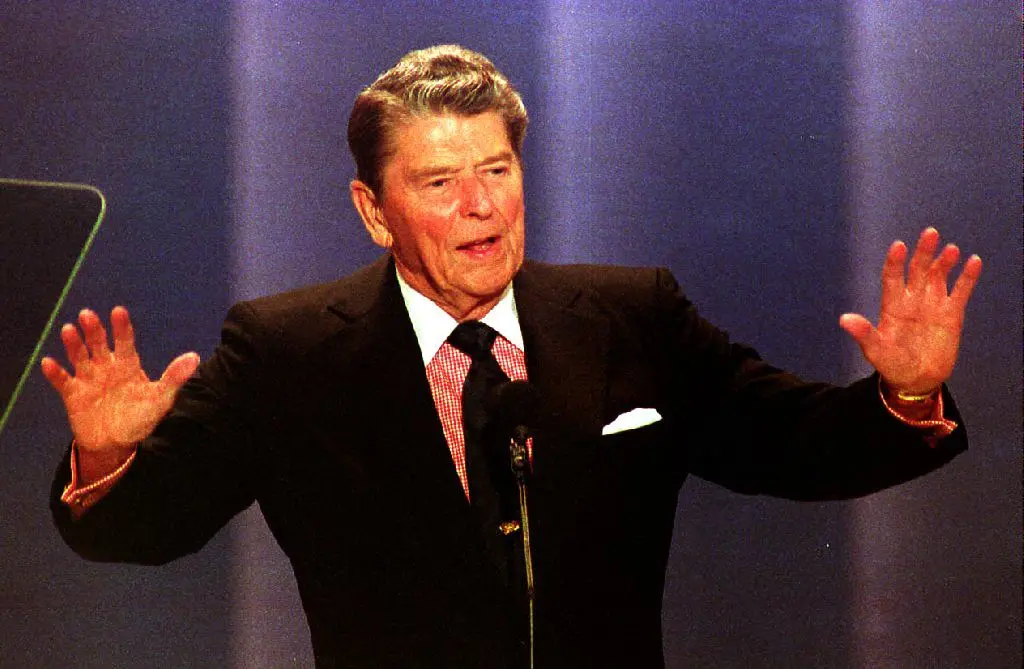
The hostages were held for 444 days, finally released minutes after Ronald Reagan was sworn in as President in 1981. This prolonged standoff solidified mutual mistrust and led to the first major wave of US economic sanctions against Tehran.
Decades of proxy conflicts
Post-1979, Iran began supporting regional militias to counter US influence, famously backing groups in Lebanon and Iraq. This strategy of 'exporting the revolution' put Tehran in direct conflict with US military interests across the Middle East.
Tensions at an all-time high
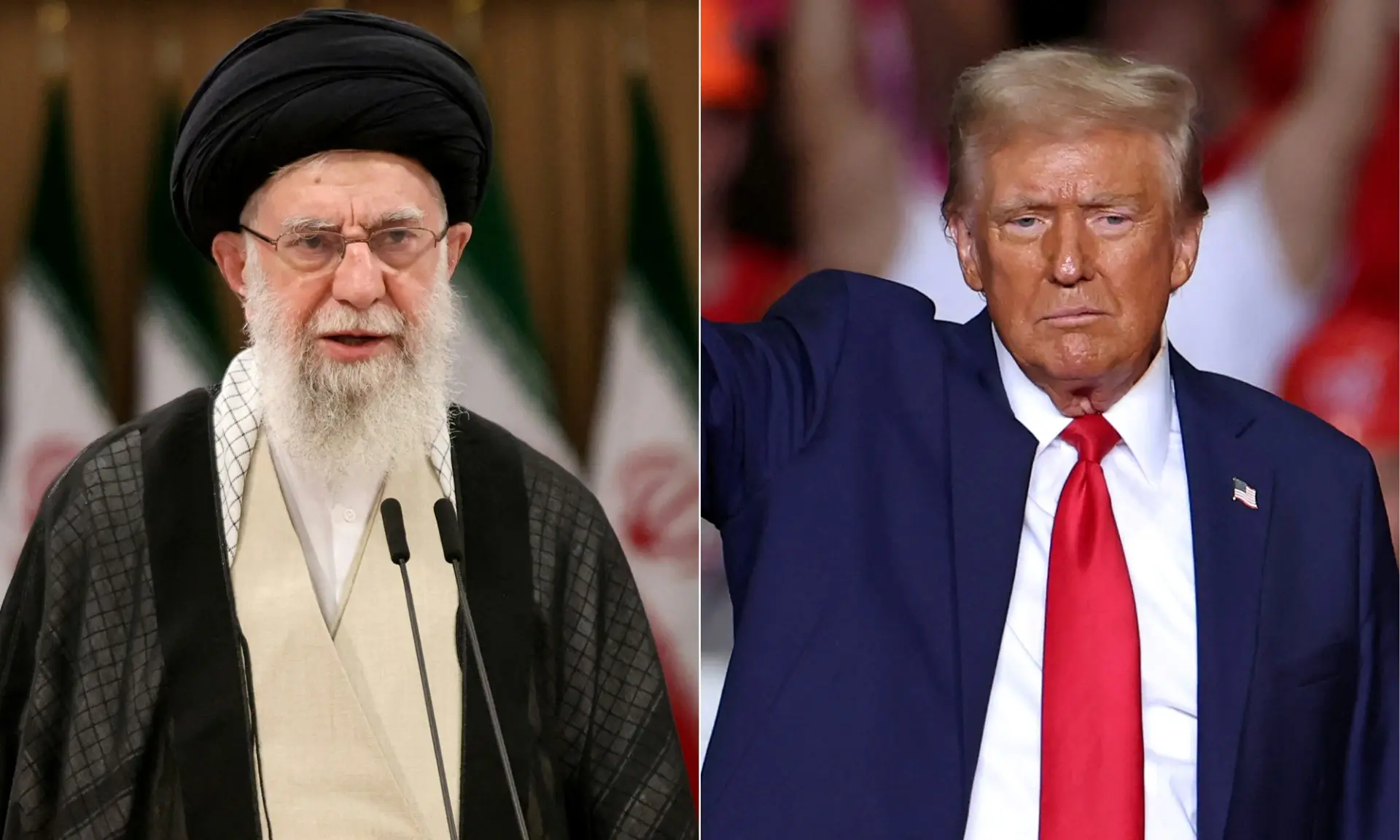
In 2026, relations remain hostile as tensions rise over Iran's nuclear advances and regional military actions.
)
)

)
)