'Free Cuba': Miami demands end of Communist Rule as Latin American country falls into crisis

A rally in Miami saw the city’s Cuban diaspora come together to demand regime change in Cuba. The protest highlighted the country’s deepening humanitarian crisis and the history of the country’s longstanding communist rule.
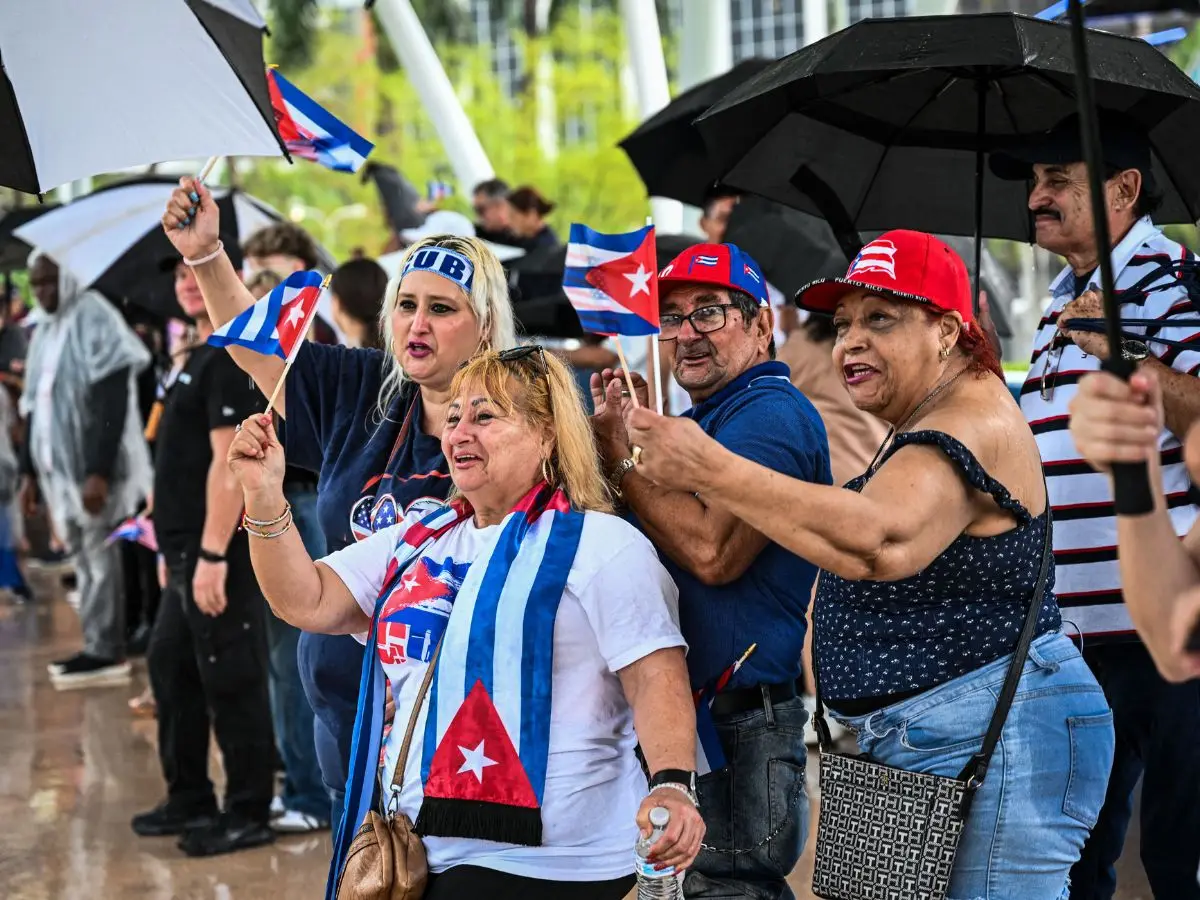
Miami Rallies for Cuba
“United for a Free Cuba” rally was held in Bayfront Park, Miami, Florida, on 26 April, 2026. The protest was driven by a call for the departure of the Communist Party from power in Cuba and the humanitarian crisis in the region. The protest saw participation from the Cuban diaspora in Miami and received support from political figures in the US. Senator Rick Scott.
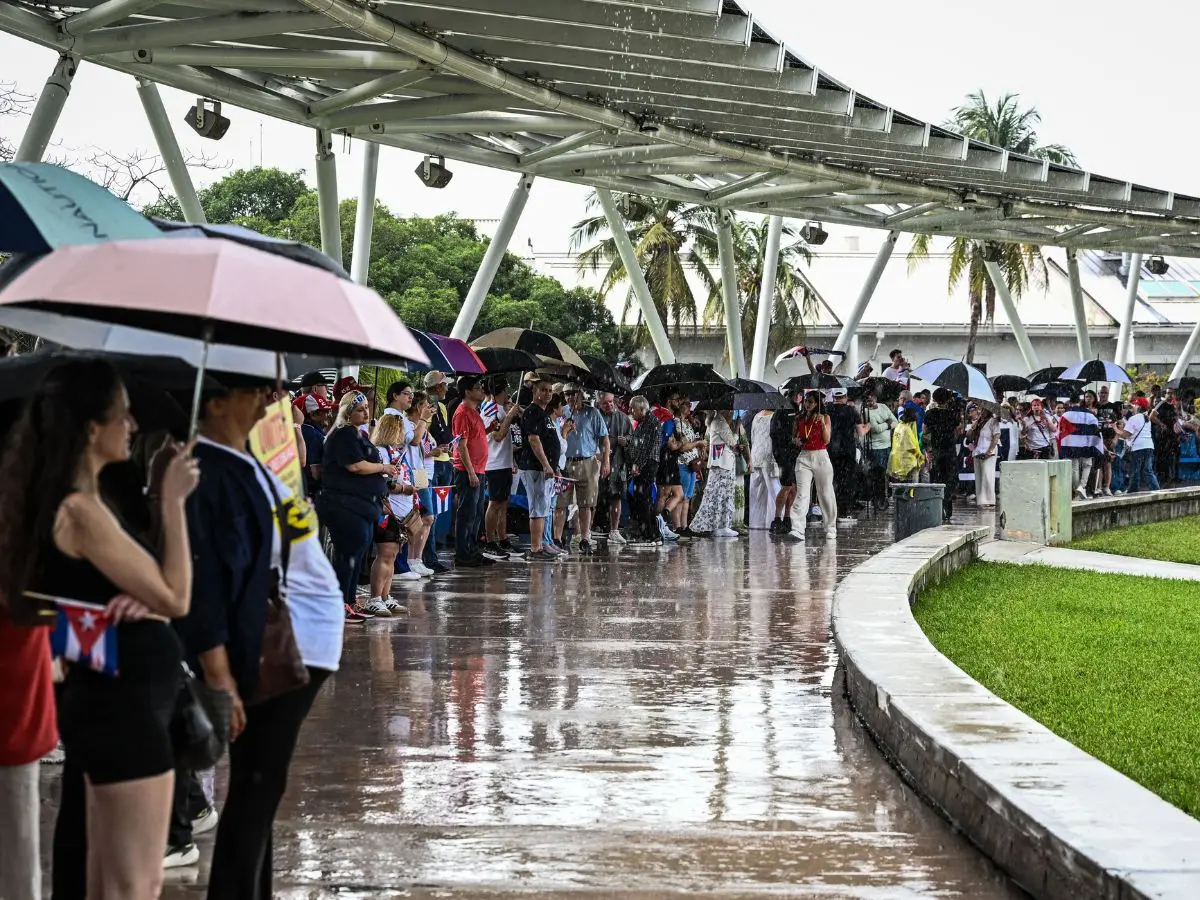
Prominent Cuban Voices in Attendance
Prominent Cuban-American leader Orlando Gutiérrez-Boronat was also in attendance at the rally. Gutiérrez-Boronat, the executive secretary of the Cuban Resistance Assembly (ARC) said, “we want real change. Real change means the departure of the Castro family and the Communist Party from power”, reported CiberCuba.
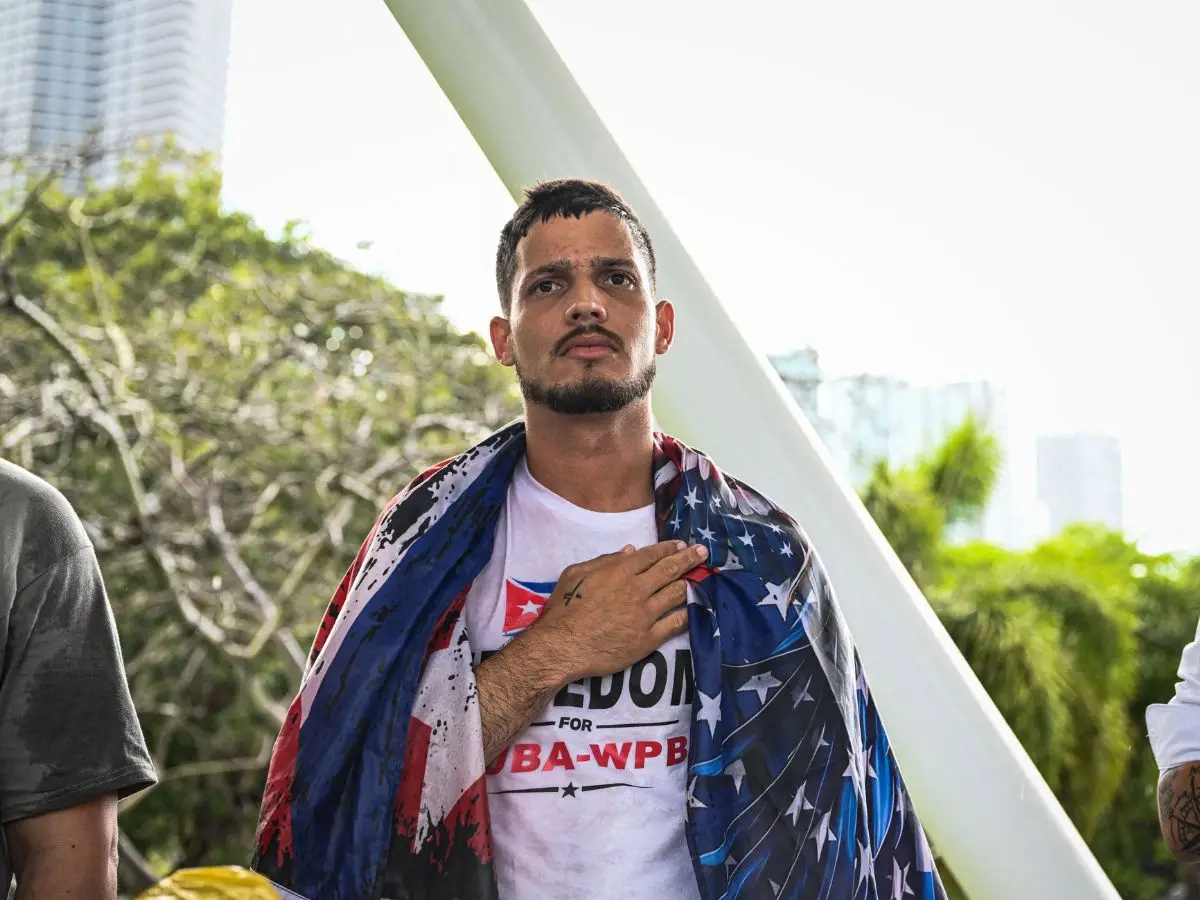
Bays of Pigs Anniversary
The protest coincided with the recent 65th anniversary of the Bay of Pigs invasion of 1961. The invasion was a failed military operation on the south-western coast of Cuba by Cuban exiles who opposed Fidel Castro’s Cuban Revolution. The invasion was funded by the US government under President John F. Kennedy.
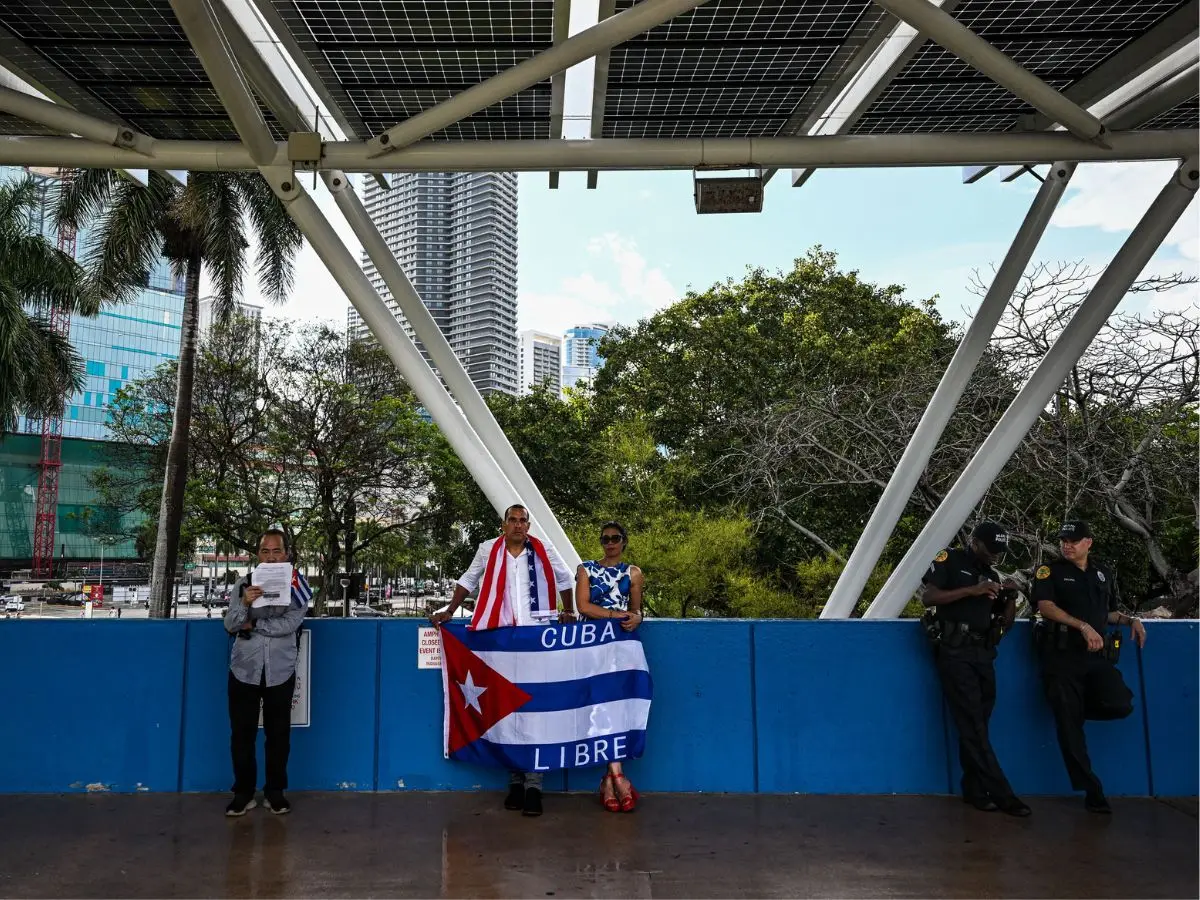
Communist Regime in Cuba
The rally demands regime change in Cuba. The country’s current government has been in power for 67 years, since 1959. It originated from the Cuban Revolution, a movement that overthrew the dictatorship of Fulgencio Batista, led by Fidel Castro. The country has operated as a one-party communist state since then.
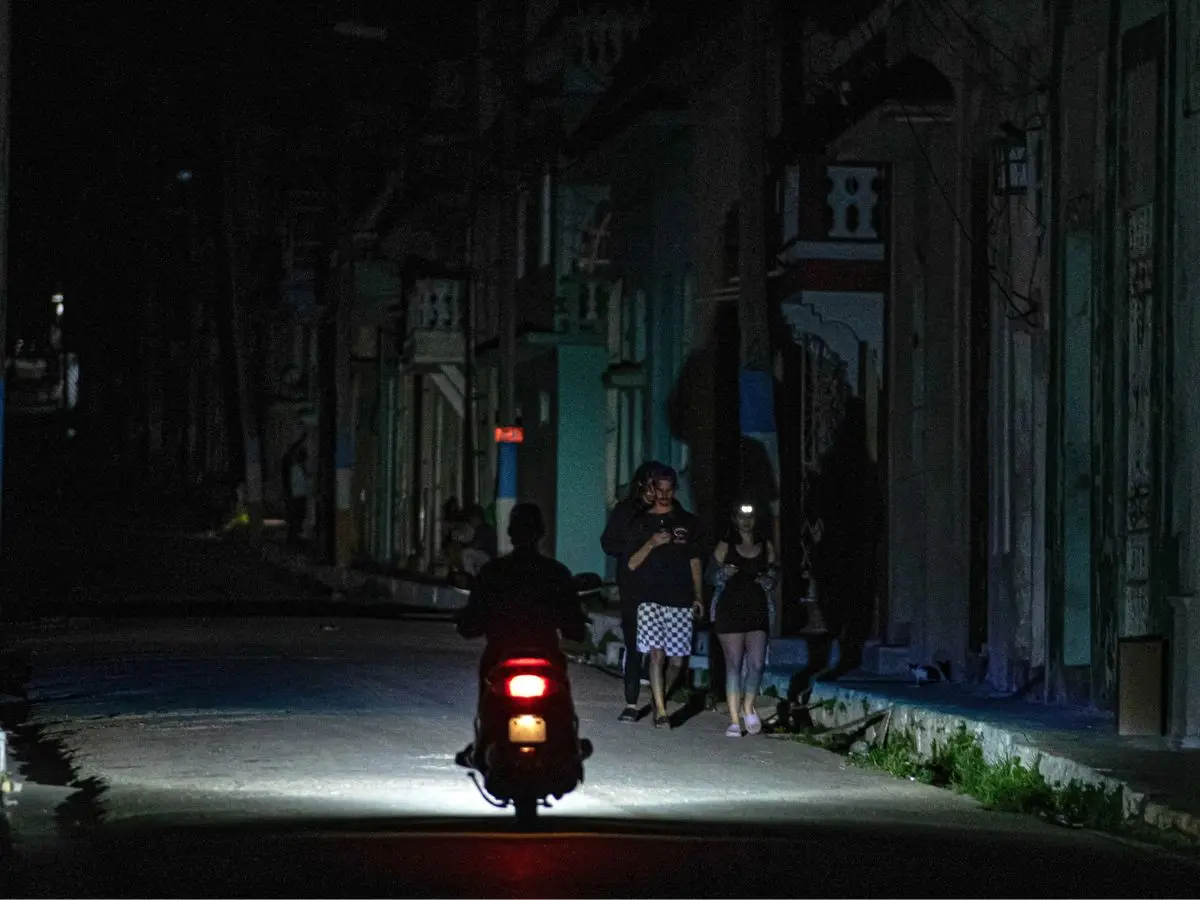
Energy Crisis Plagues Cuba
Beginning in January 2026, the U.S. implemented an intensified fuel blockade in Cuba, aimed at forcing regime change. Venezuela’s oil shipments were Cuba’s main source of energy, a supply that declined after the US capture of Venezuelan President Nicolás Maduro. Faced by a resulting energy crisis, Cuba’s power grid collapsed multiple times in March, causing nationwide blackouts.
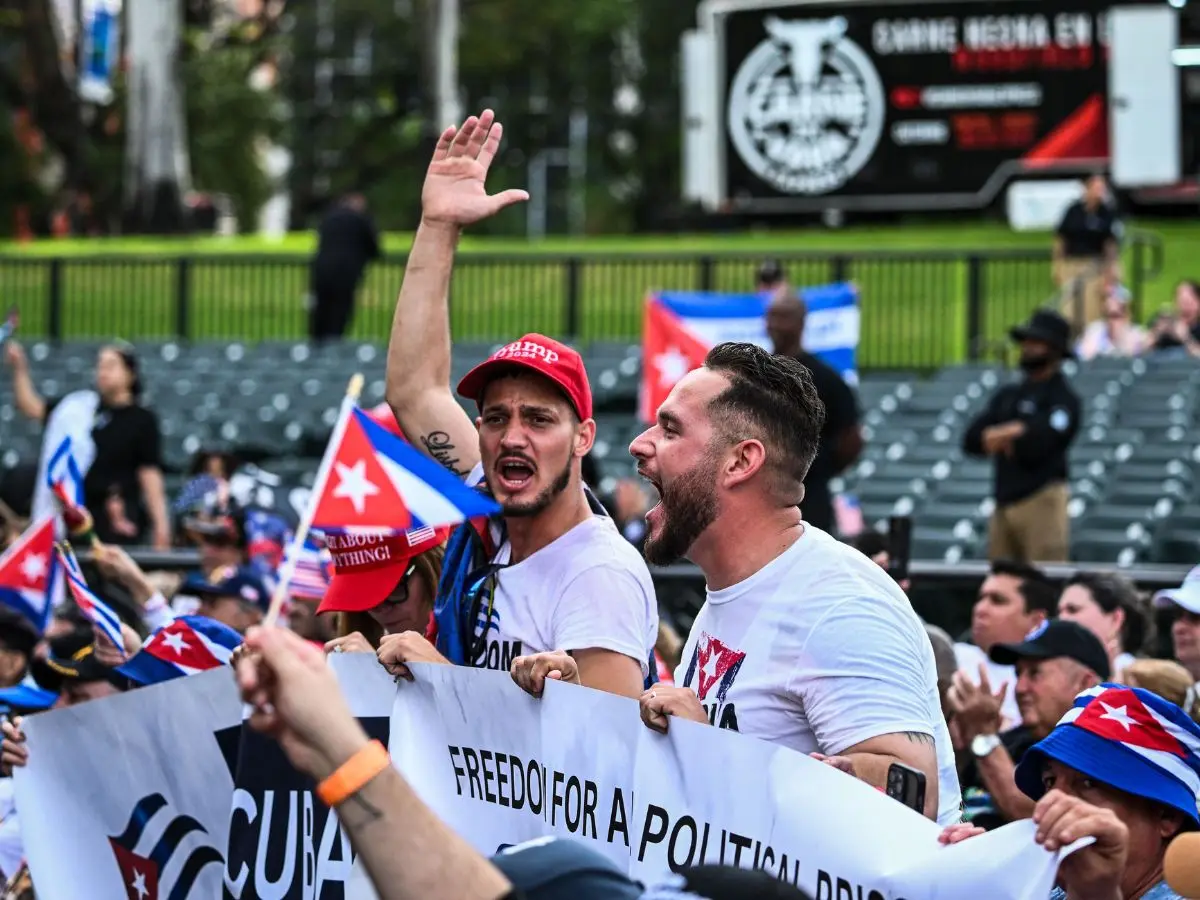
Historic Isolation of Cuba
The US put Cuba under an embargo in an attempt to isolate Castro’s government. It constitutes a set of economic sanctions restricting trade, commerce and financial transactions between the two countries, widely considered the most enduring trade embargo in modern history. The sanctions have stunted Cuba’s economy, which sees widespread shortages of essentials like food and medicine, one of many factors causing a massive exodus of Cubans to Florida.
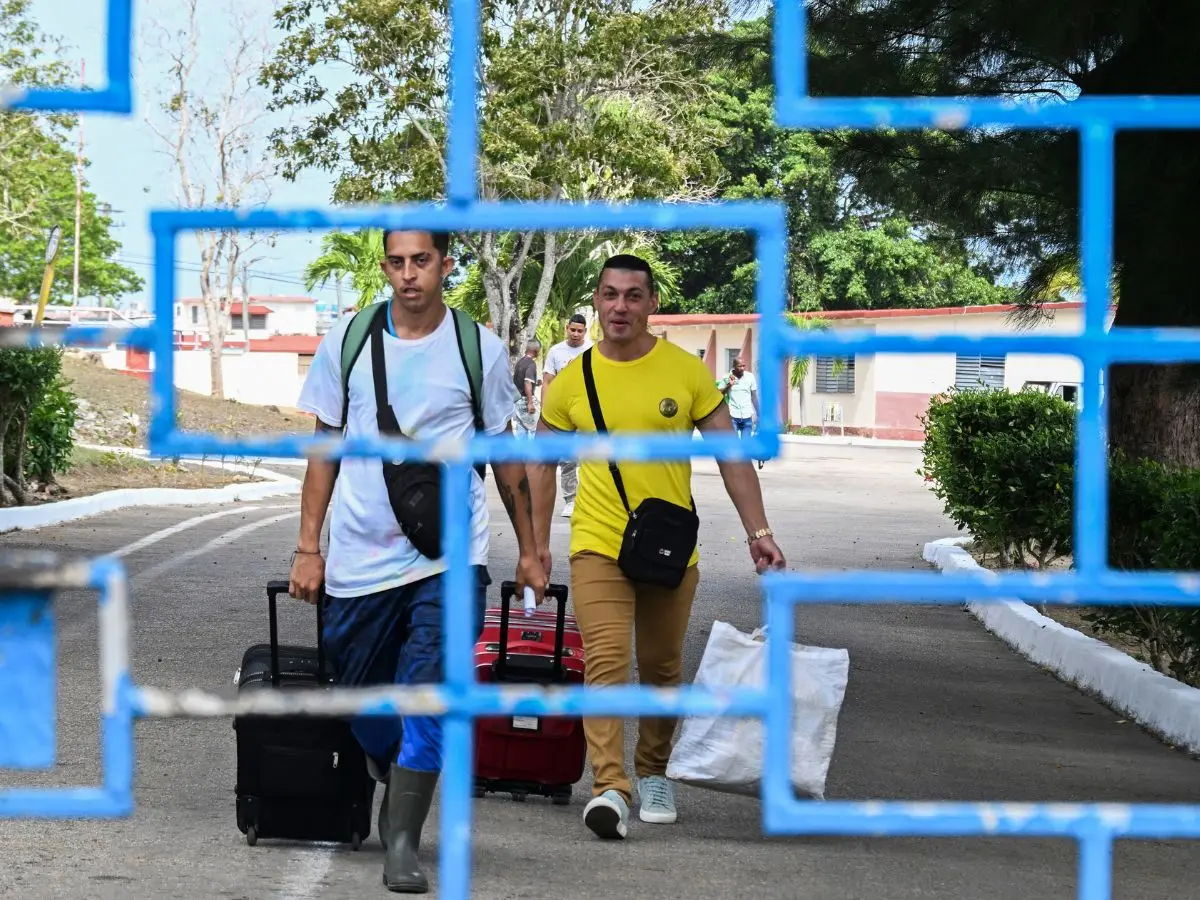
Call to Release Political Prisoners
The Miami rally also called for the release of the political prisoners in Cuba, a continuous demand put forth by the US as well. Releasing political prisoners has long been a core demand of the US. Havana announced the release of over 2,000 prisoners in early April, shortly after it announced the release of 51 prisoners in March.
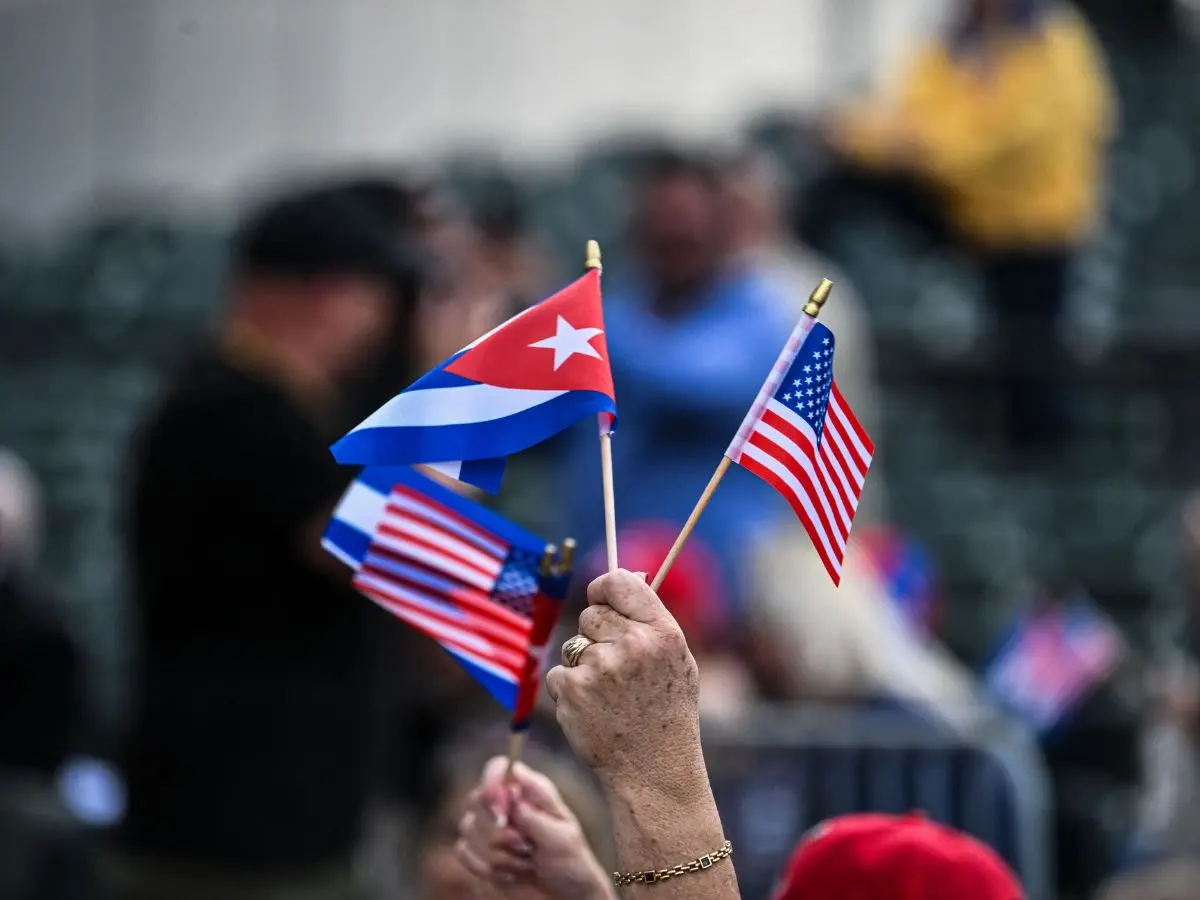
Global Attention Gap
The crisis in Cuba comes amid a world occupied by the war in the Middle East. The post-Castro government has not been able to soften the effects of the economic embargo. The United Nations warned of a looming “humanitarian crisis” in Cuba with the energy shortage paralysing the island’s hospitals and water distribution systems, severely impacting its inhabitants. The Cuban exiles, Cuban-Americans in Florida, along with activists, are demanding change in Cuba.
)
)
)
)
)