'Follower of an Indian Baba': Why Venezuela’s captured dictator Nicholas Maduro worshiped Sathya Sai Baba

Under Maduro’s protection, the Sathya Sai organisation flourished in Venezuela, operating freely while other foreign NGOs were expelled.
1. The Secret Pilgrimage to Puttaparthi (2005)
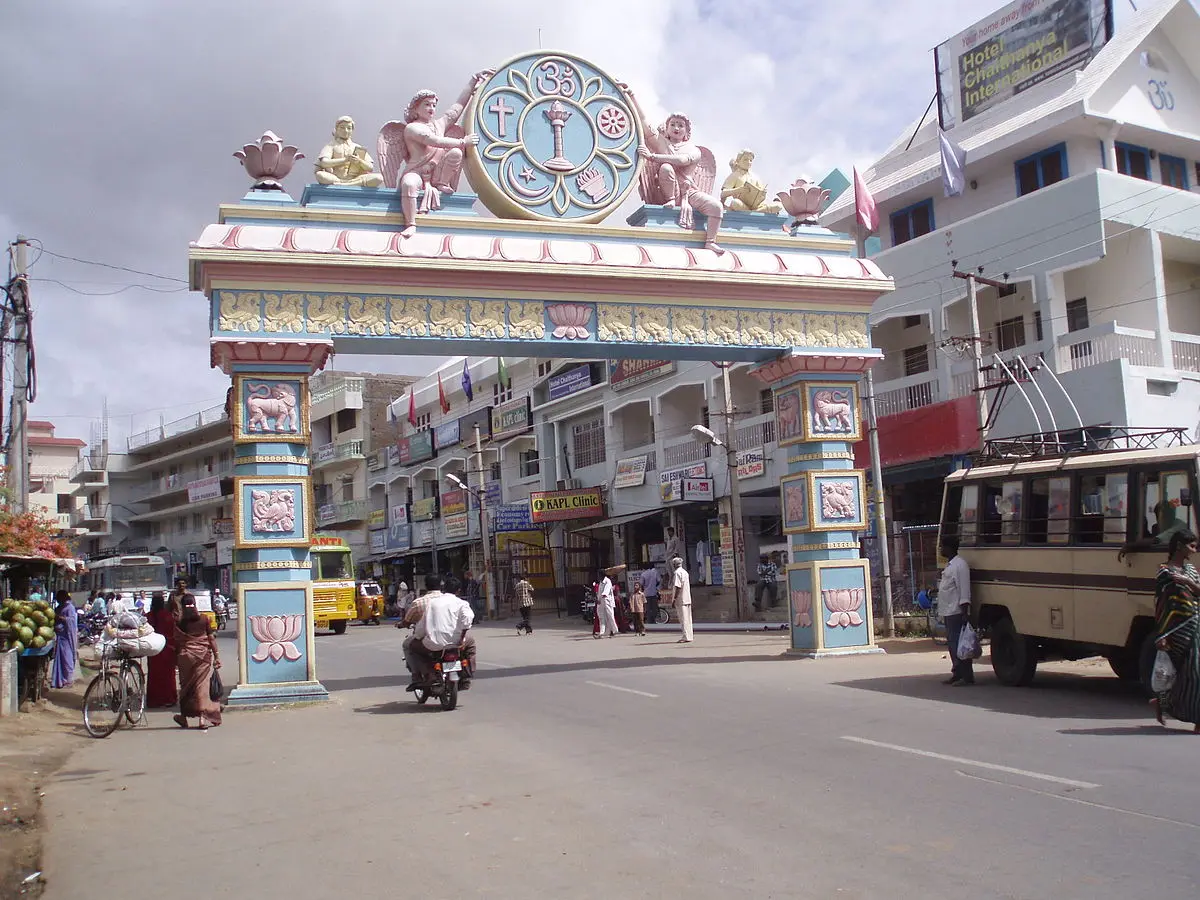
Long before he became President, Maduro traveled to India not for politics, but for blessings. In 2005, while serving as Foreign Minister, he and his wife Cilia Flores flew to Puttaparthi, Andhra Pradesh. They visited the Prasanthi Nilayam ashram, where they reportedly had a private audience with Sathya Sai Baba. Rare photos from this visit show the future dictator sitting humbly on the floor in traditional Indian style, listening to the guru.
2. The "Guru" in the Presidential Palace
Visitors to the Miraflores Palace were often shocked to see the decor in the President’s private office. Amidst the revolutionary portraits of Simón Bolívar and Hugo Chávez, Maduro kept a large, framed portrait of Sathya Sai Baba in a place of honour. For 13 years, the man accused of crushing dissent reportedly made decisions under the gaze of the Indian spiritual leader who preached "Love All, Serve All."
3. The "First Combatant’s" Influence
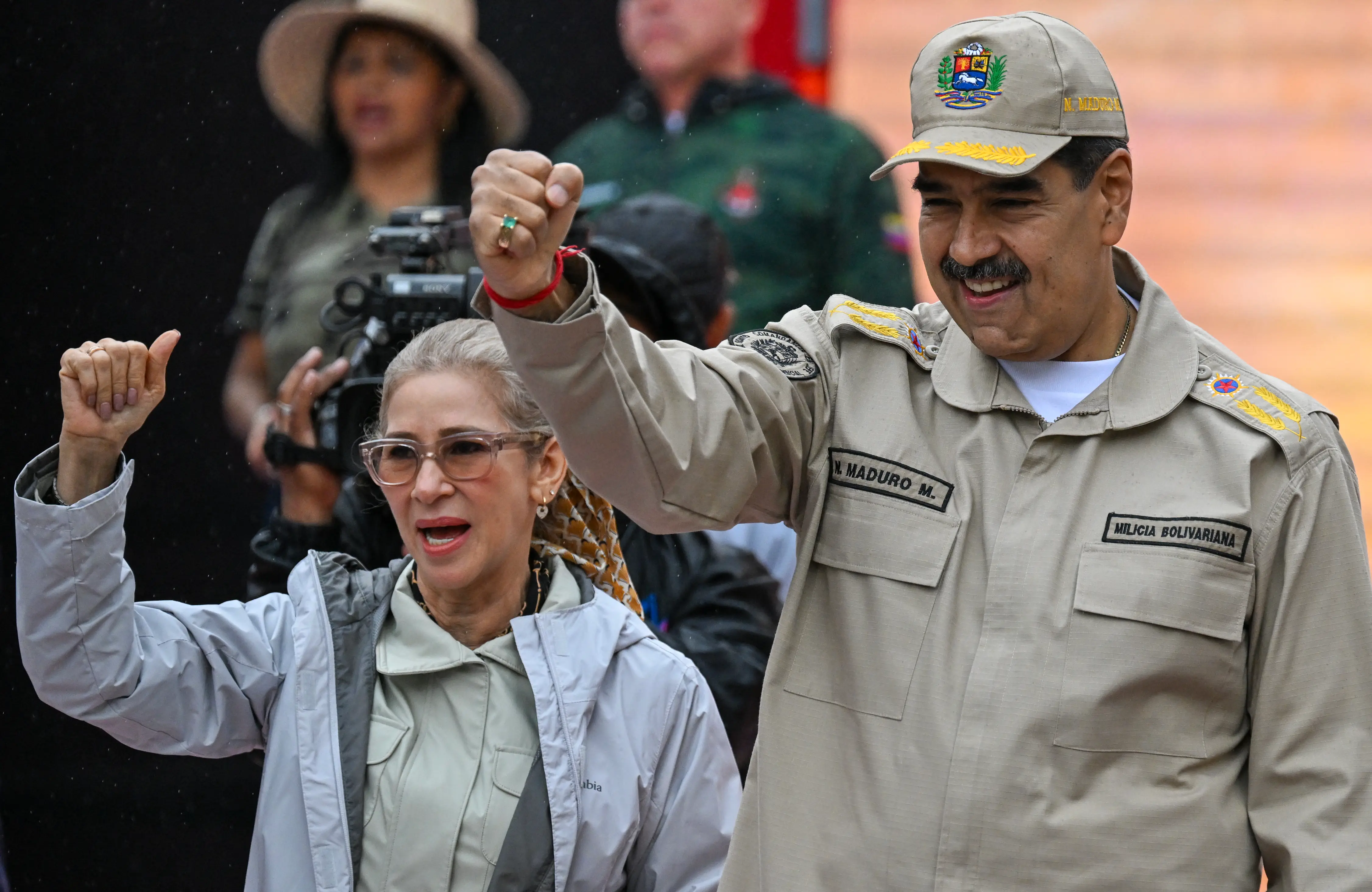
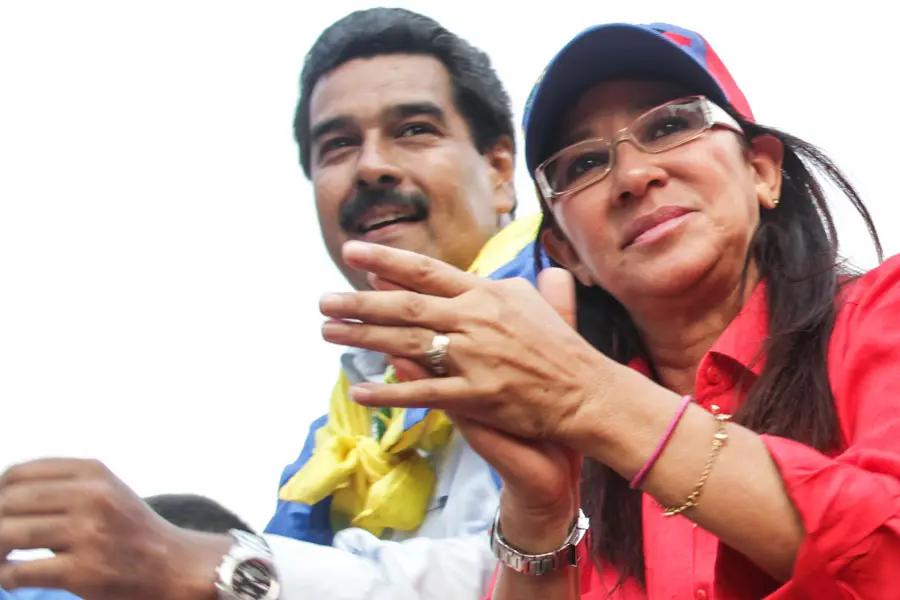
The spiritual link was forged by his wife, Cilia Flores (also captured today). Verified reports suggest she was a devotee long before Maduro. Known as the "Iron Lady" of the regime, she frequently used Sai Baba’s teachings on "patience" and "destiny" to counsel Maduro during coup attempts. It was a "family faith" that bound the couple together, even as they allegedly ran the “Cartel of the Suns.”
4. Unprecedented National Mourning (2011)
When Sathya Sai Baba passed away in April 2011, Venezuela did something no other Latin American country did. Under Maduro’s influence (then Foreign Minister), the Venezuelan National Assembly passed an official Condolence Resolution. They declared a day of national mourning, formally recognizing the Indian guru’s "spiritual contribution to humanity" and his impact on the Venezuelan people.
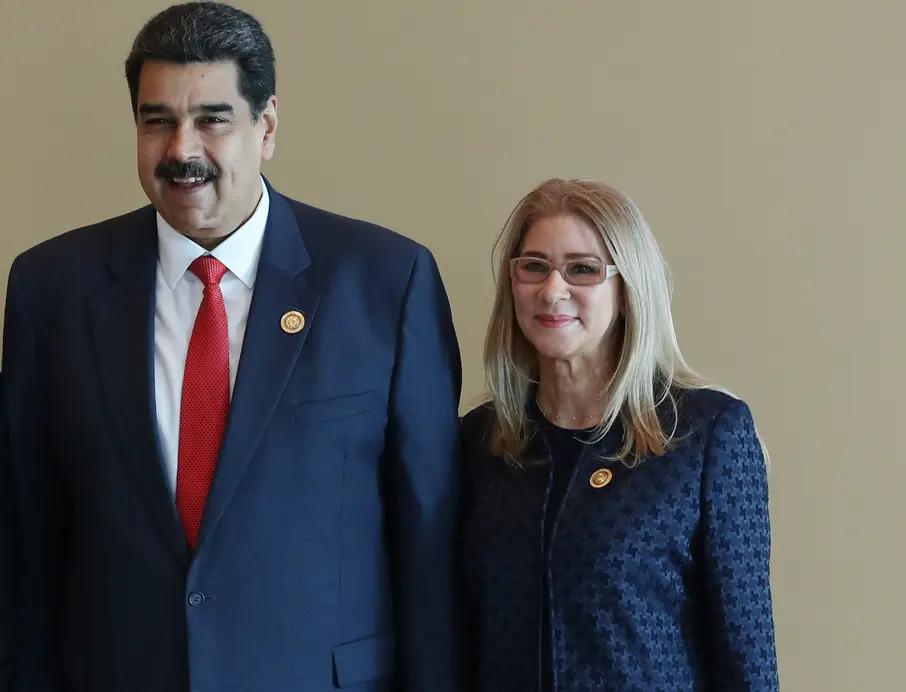
5. The "100th Anniversary" Tribute (Nov 2025)
Just two months ago, on November 23, 2025 (in our current timeline), Maduro publicly broke from his political messaging to honor the guru's centenary. He released an official statement calling Sai Baba a "being of light" and stating: "I always remember him when we met... May the wisdom of this great teacher continue to enlighten us." It was one of his final non-political acts before the regime collapsed.
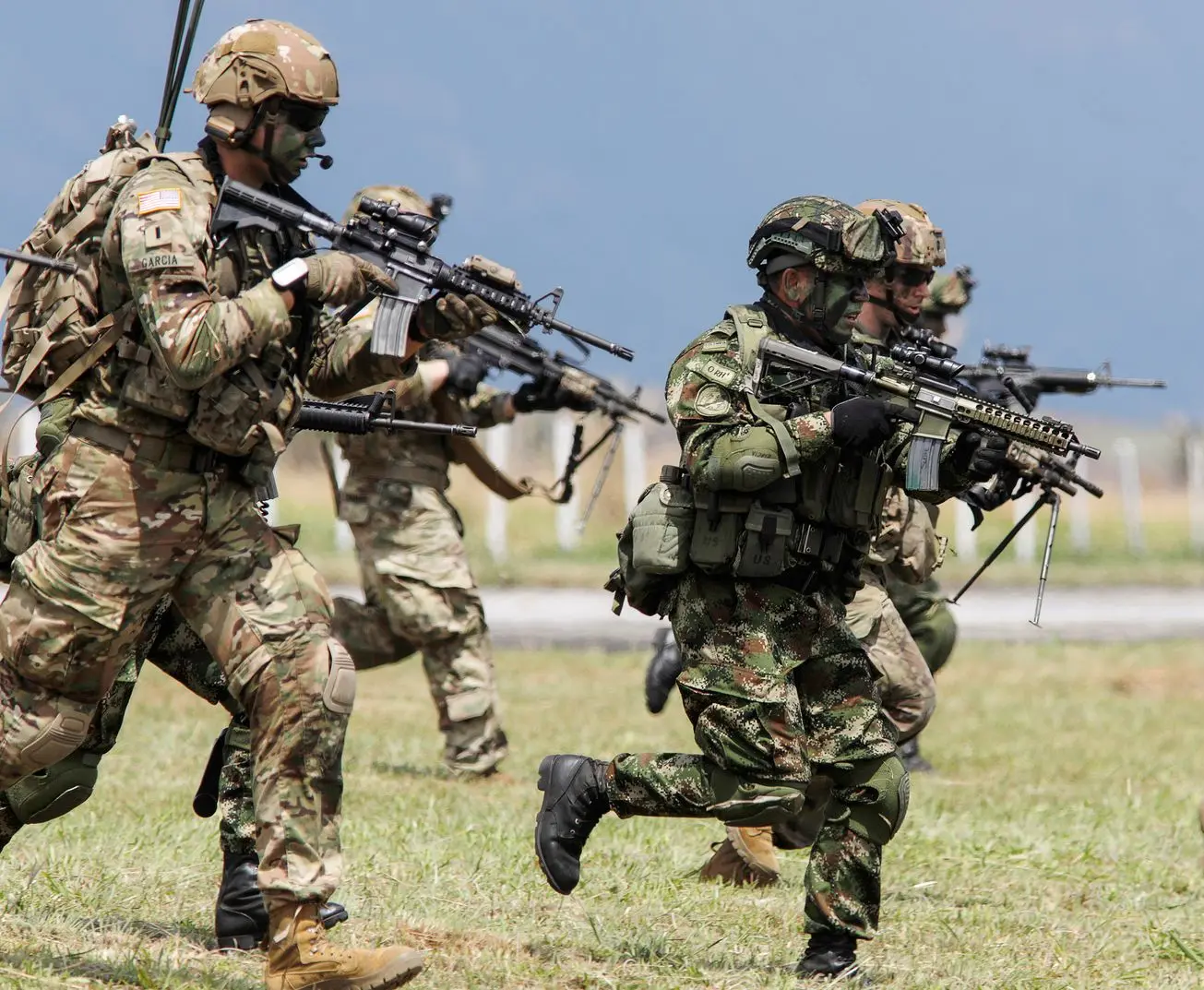
6. The "Sai Network" in Venezuela
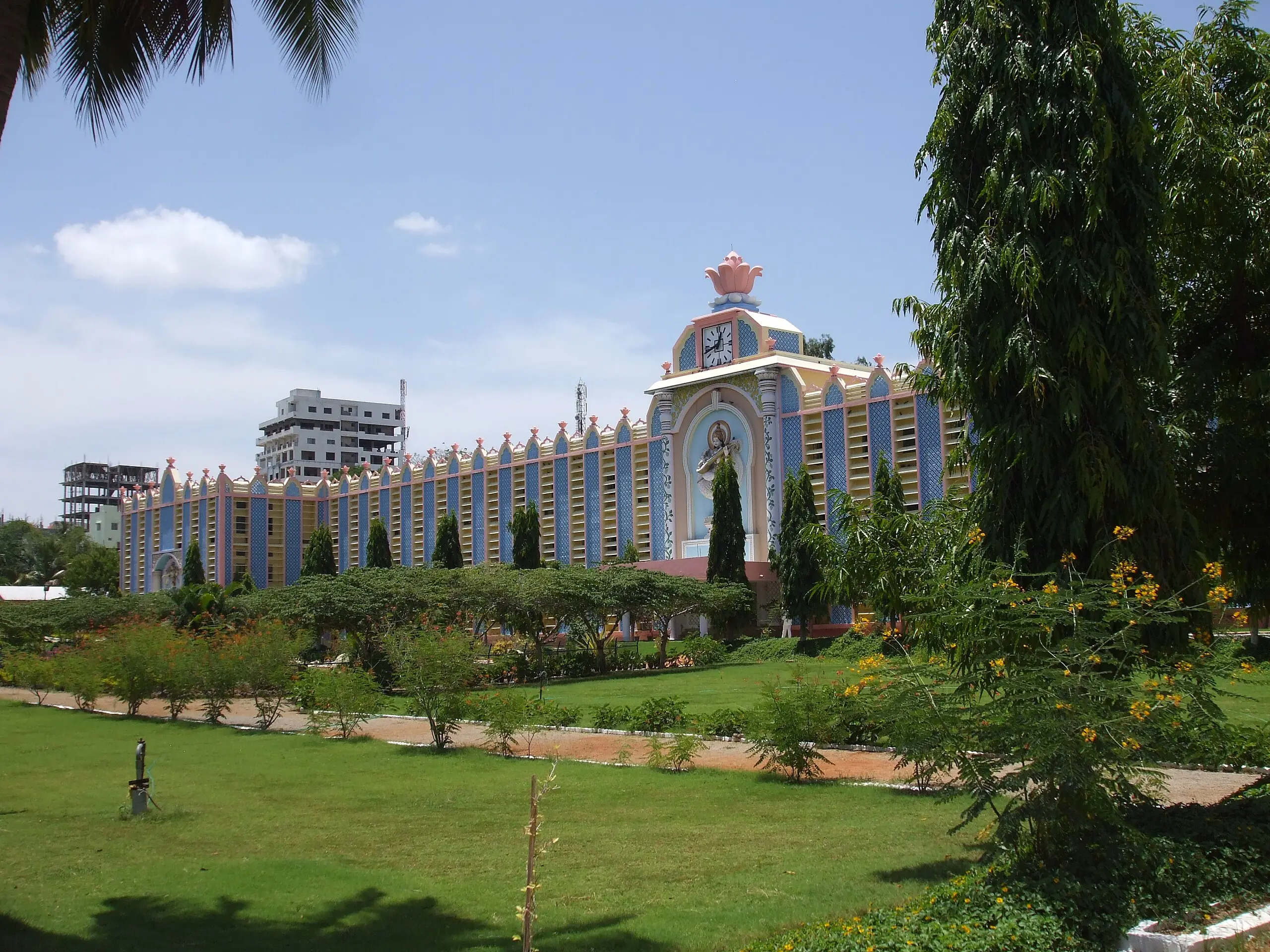
Under Maduro’s protection, the Sathya Sai organisation flourished in Venezuela, operating freely while other foreign NGOs were expelled. The country hosts one of the largest concentrations of devotees in Latin America, with the first center established in Caracas in 1974. The regime allowed these centers to run schools and the "Institute of Human Values," effectively using the spiritual movement as a "soft power" shield.
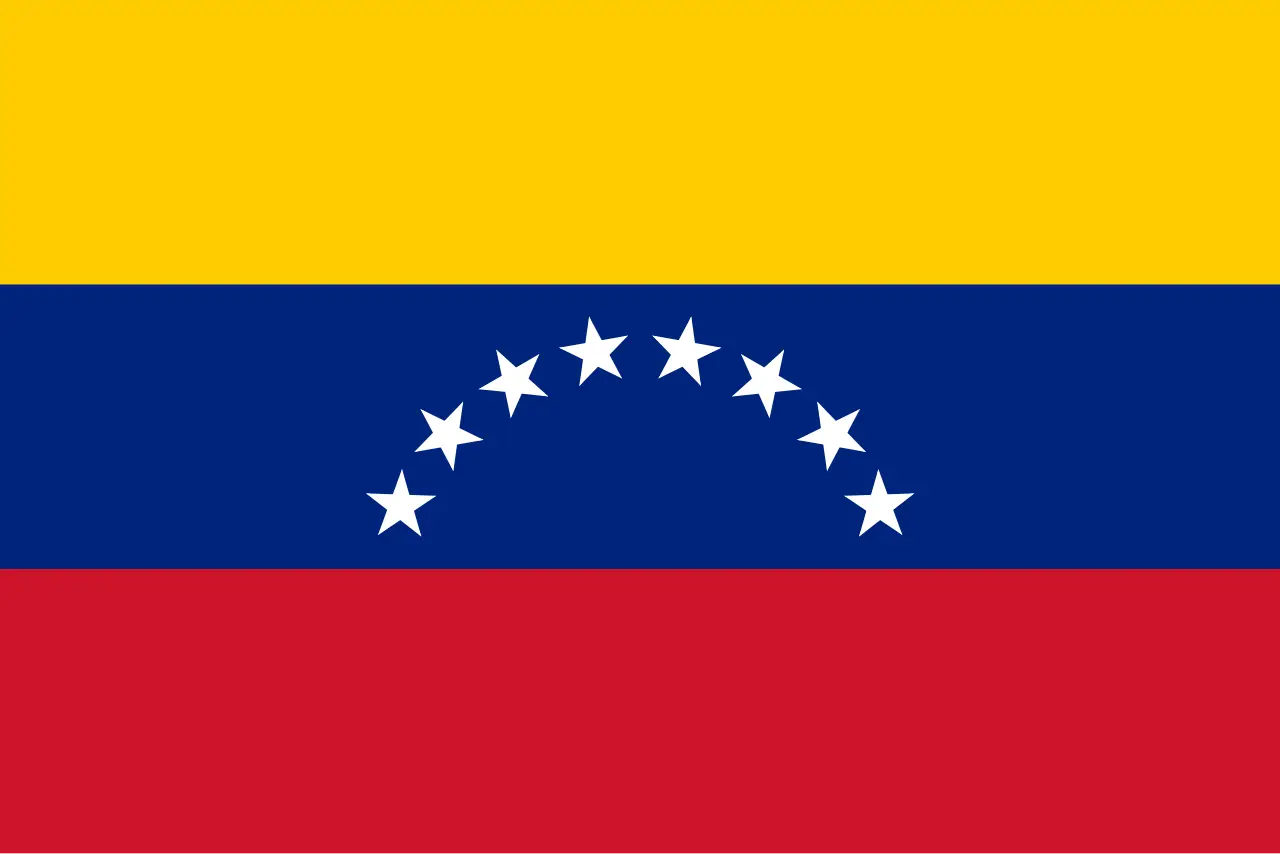
7. The Ultimate Irony: "Sathya" vs. The State
The strangest aspect of this story is the contradiction. Sathya Sai Baba’s core pillars are Sathya (Truth), Dharma (Righteousness), and Ahimsa (Non-Violence). Yet, Maduro is currently in US custody facing charges of "Narco-Terrorism" and violent repression. As he faces trial, the world will watch to see if the devotee of "Truth" will finally speak it, or if the spiritual connection was merely a superstitious shield for a criminal empire.
)
)
)
)
)