‘Flying Trucks’: How logistics helicopters keep armies moving

Logistics helicopters are the backbone of modern military mobility, moving supplies, artillery, and troops over impassable terrain. From heavy-lift giants like the Mi-26 to rapid "sling load" deliveries and "golden hour" medical evacuations.
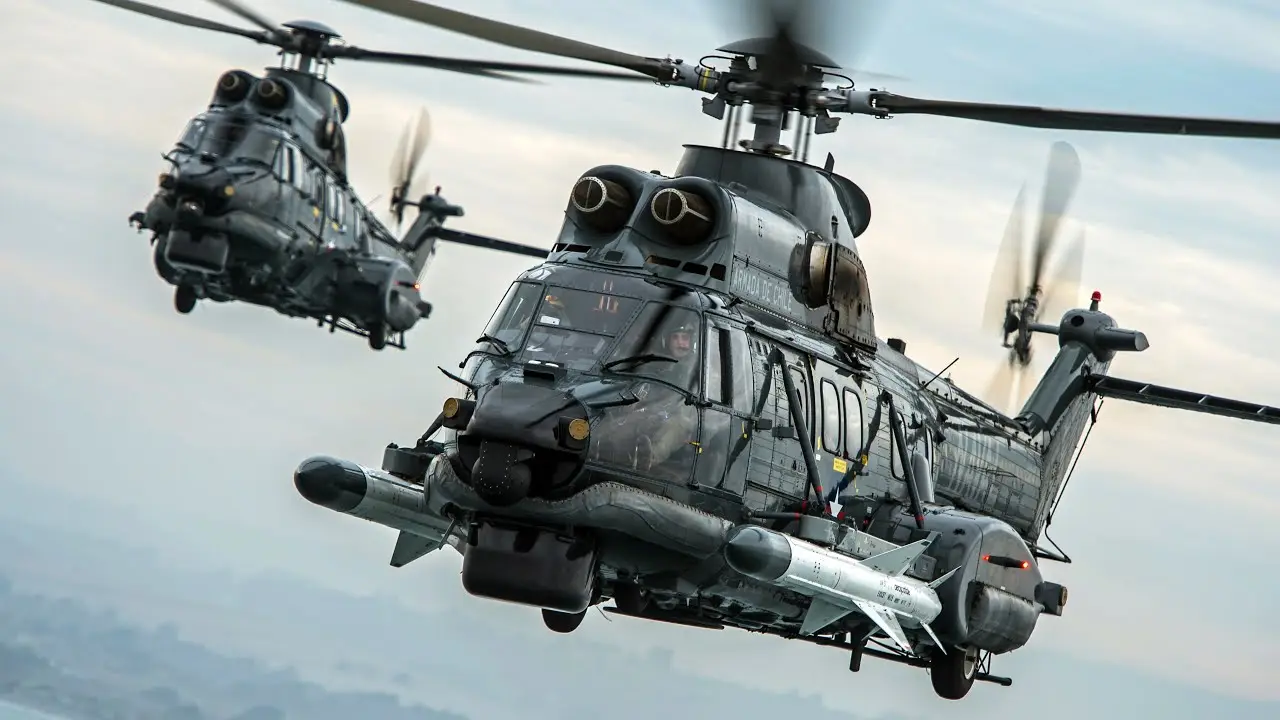
The Battlefield Lifeline Moving Supplies Without Roads
Transport helicopters act as the "donkeys" of modern warfare, carrying food, ammunition, and troops where trucks cannot go. Raksha Anirveda notes that they bypass destroyed infrastructure to keep frontline units supplied in real-time.
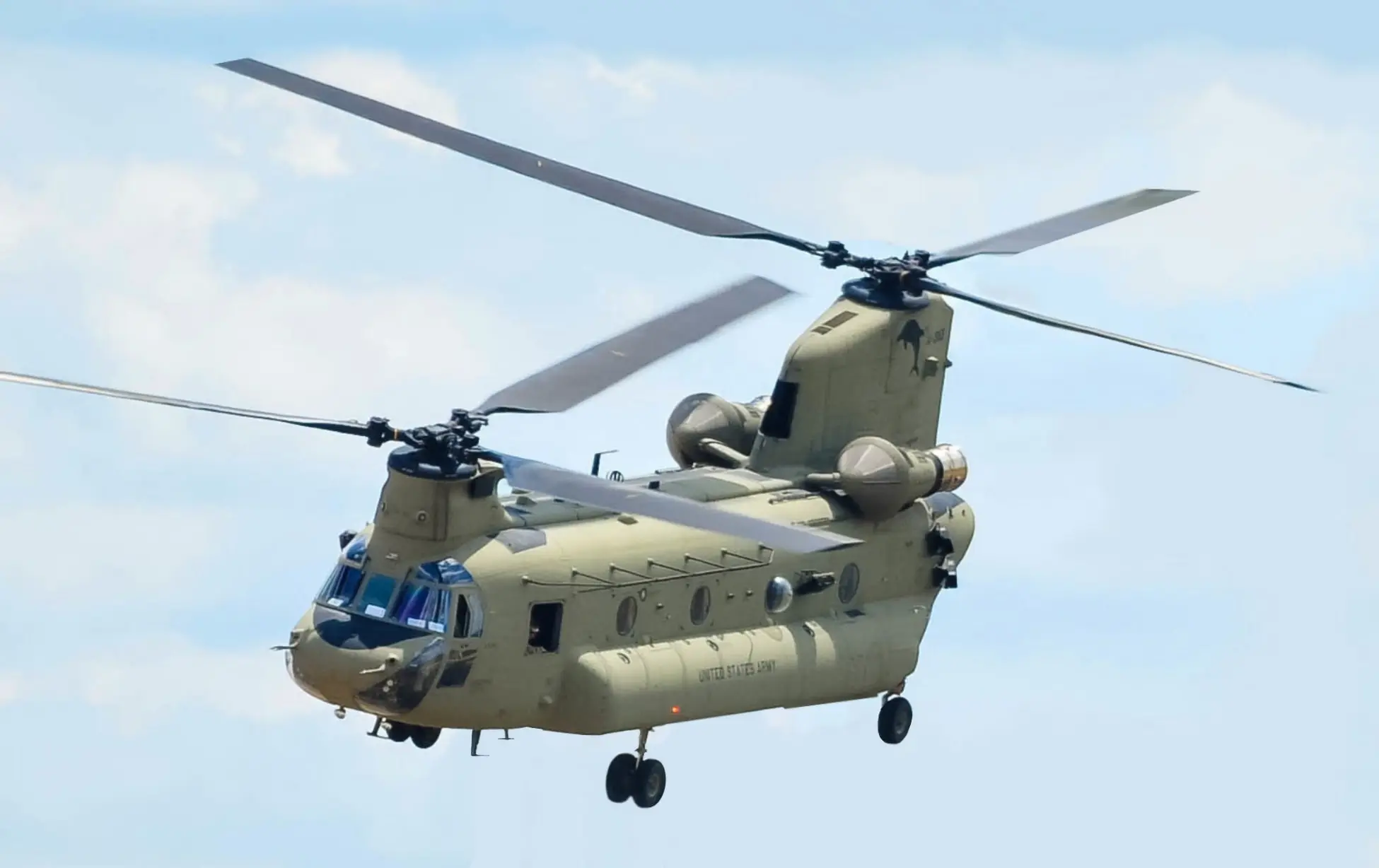
Heavy Lifters: Moving the Big Guns Chinook and Mi-26 Capabilities
Heavy-lift choppers like the Boeing CH-47 Chinook and the massive Russian Mi-26 move artillery and armoured vehicles. Wikipedia states the Mi-26 can lift up to 20 tonnes, allowing armies to reposition heavy firepower rapidly across the battlefield.
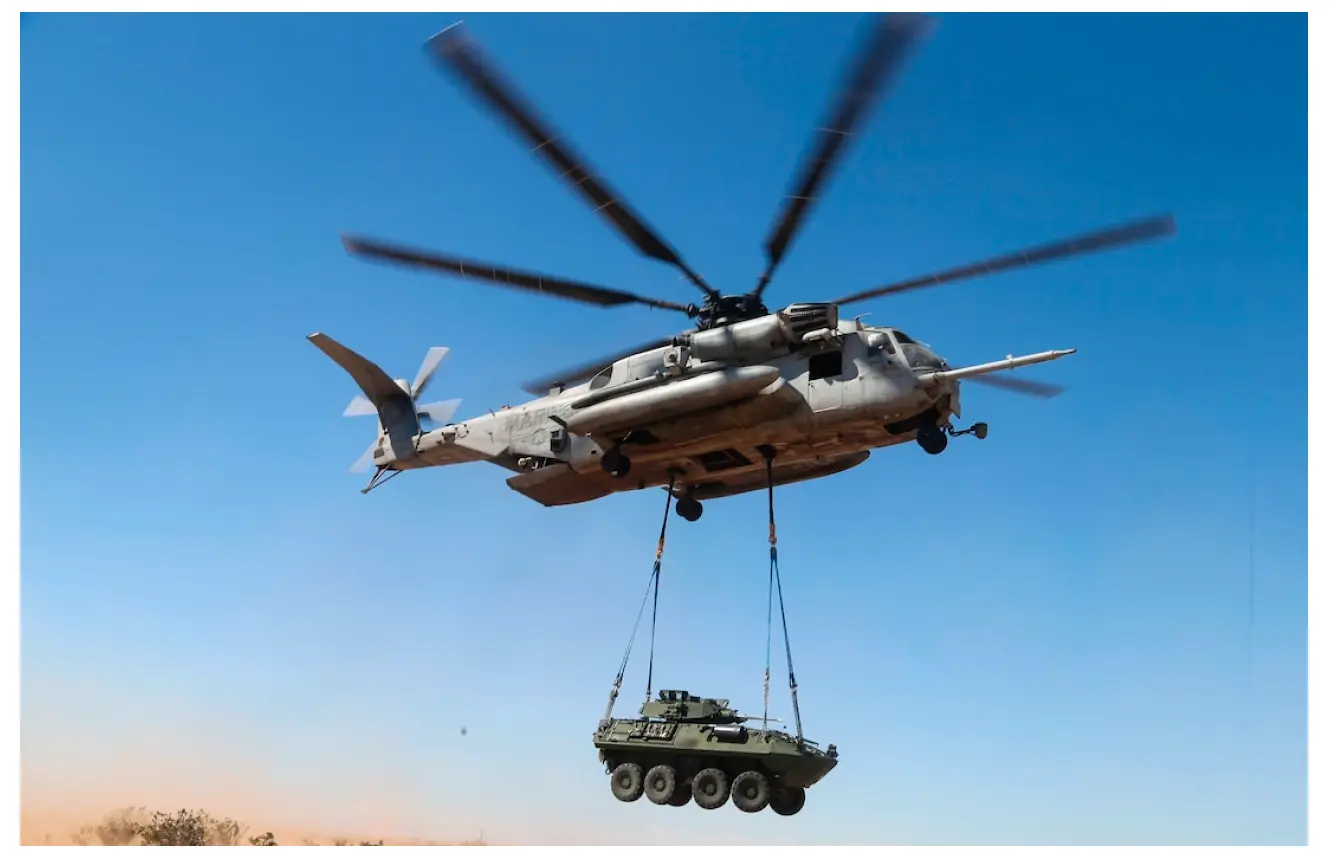
The Sling Load Advantage Delivery Without Landing
Pilots use "sling loads" to carry cargo on external hooks, dropping supplies without touching the ground. Fair Lifts explains this is vital for delivering equipment to rugged mountains or dense jungles where landing zones are impossible to clear.
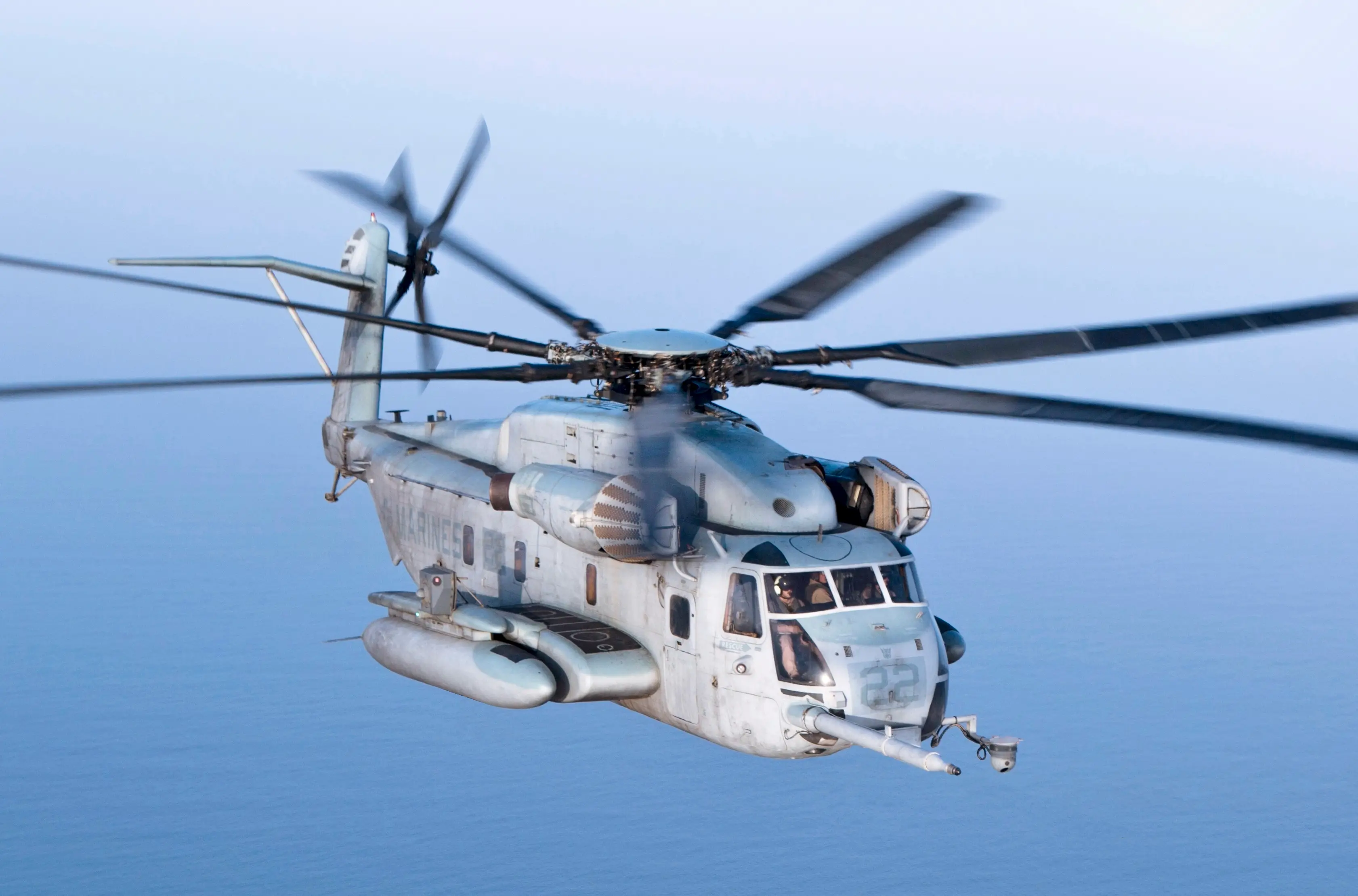
The 'Golden Hour' Rescue Medical Evacuation (MEDEVAC)
Helicopters serve as flying ambulances, rushing wounded soldiers to hospitals within the critical "golden hour." The National Museum of the US Army reports that this speed significantly increases survival rates compared to slow ground transport.
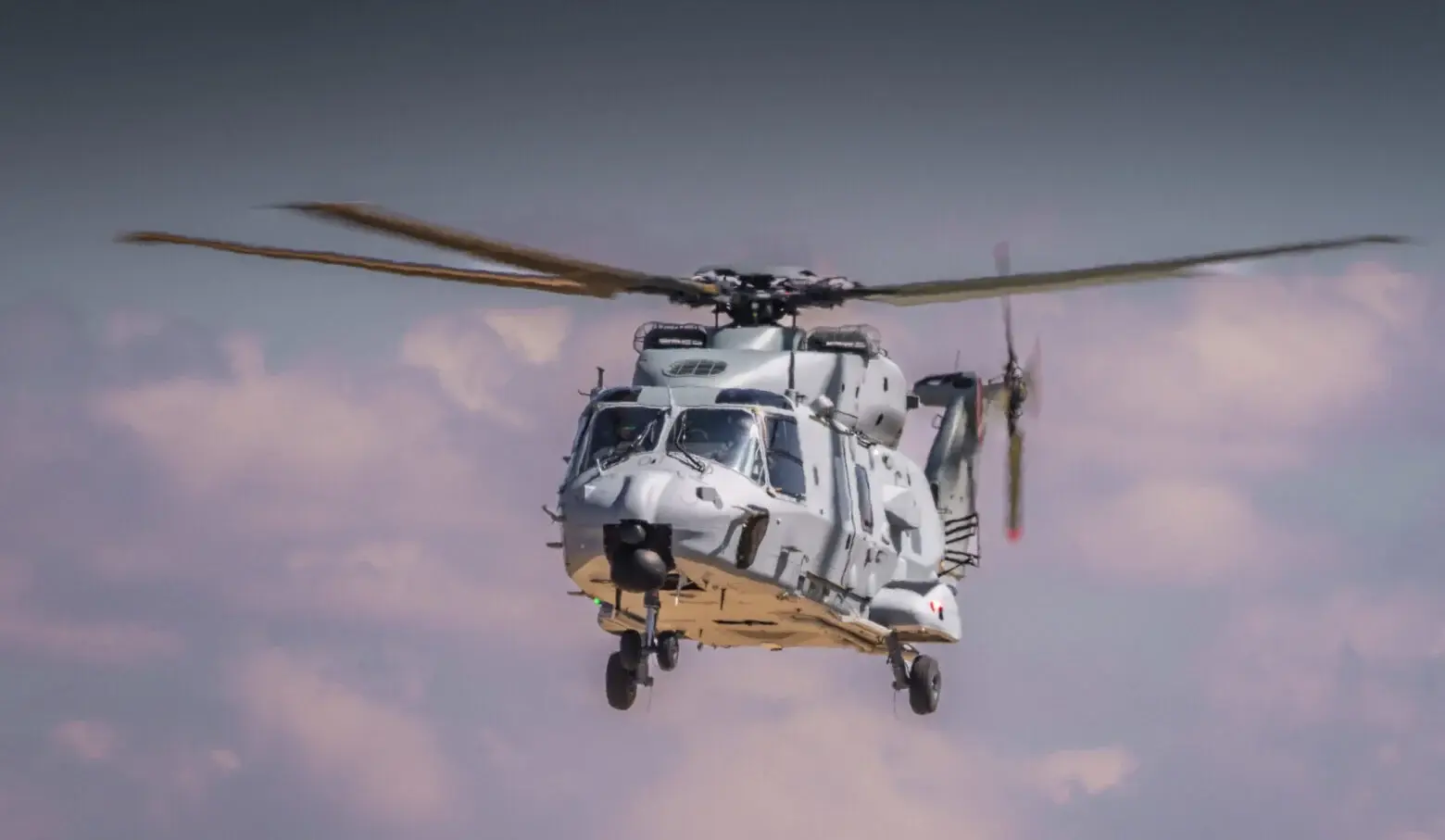
FARP: Fueling the Fight Forward Arming and Refuelling Points
Logistics helicopters set up temporary "gas stations" called FARPs behind enemy lines. GrokiPedia highlights that these points allow attack helicopters to refuel and rearm close to the fight, keeping pressure on the enemy without returning to base.
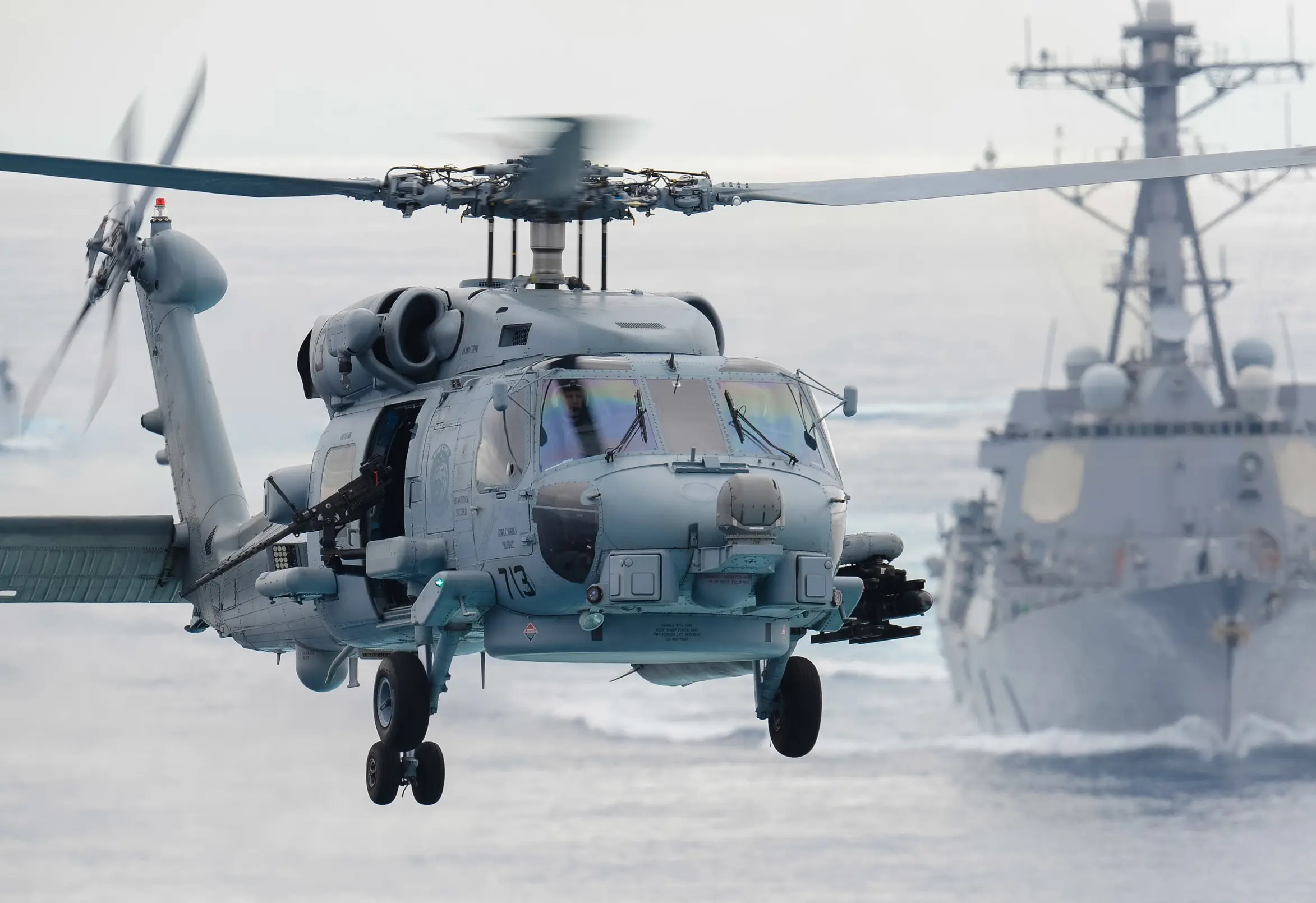
FARP: Fueling the Fight Forward Arming and Refuelling Points
Logistics helicopters set up temporary "gas stations" called FARPs behind enemy lines. GrokiPedia highlights that these points allow attack helicopters to refuel and rearm close to the fight, keeping pressure on the enemy without returning to base.
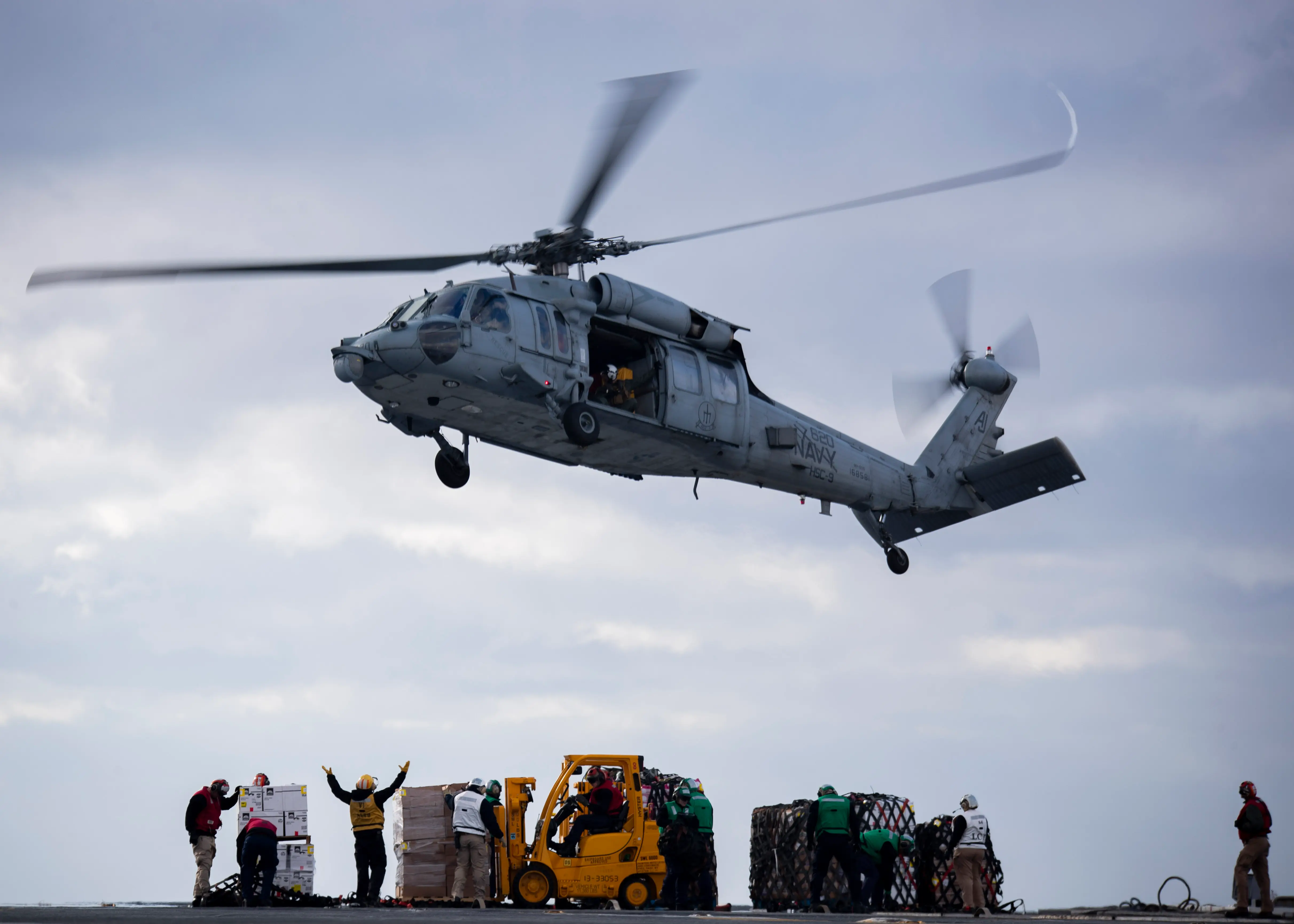
Vertical Replenishment Ship-to-Shore Logistics
Navies use helicopters to move supplies between ships and from sea to shore. Wikipedia notes that this "vertical replenishment" keeps fleets operational at sea for months and supports amphibious landings without needing a port.
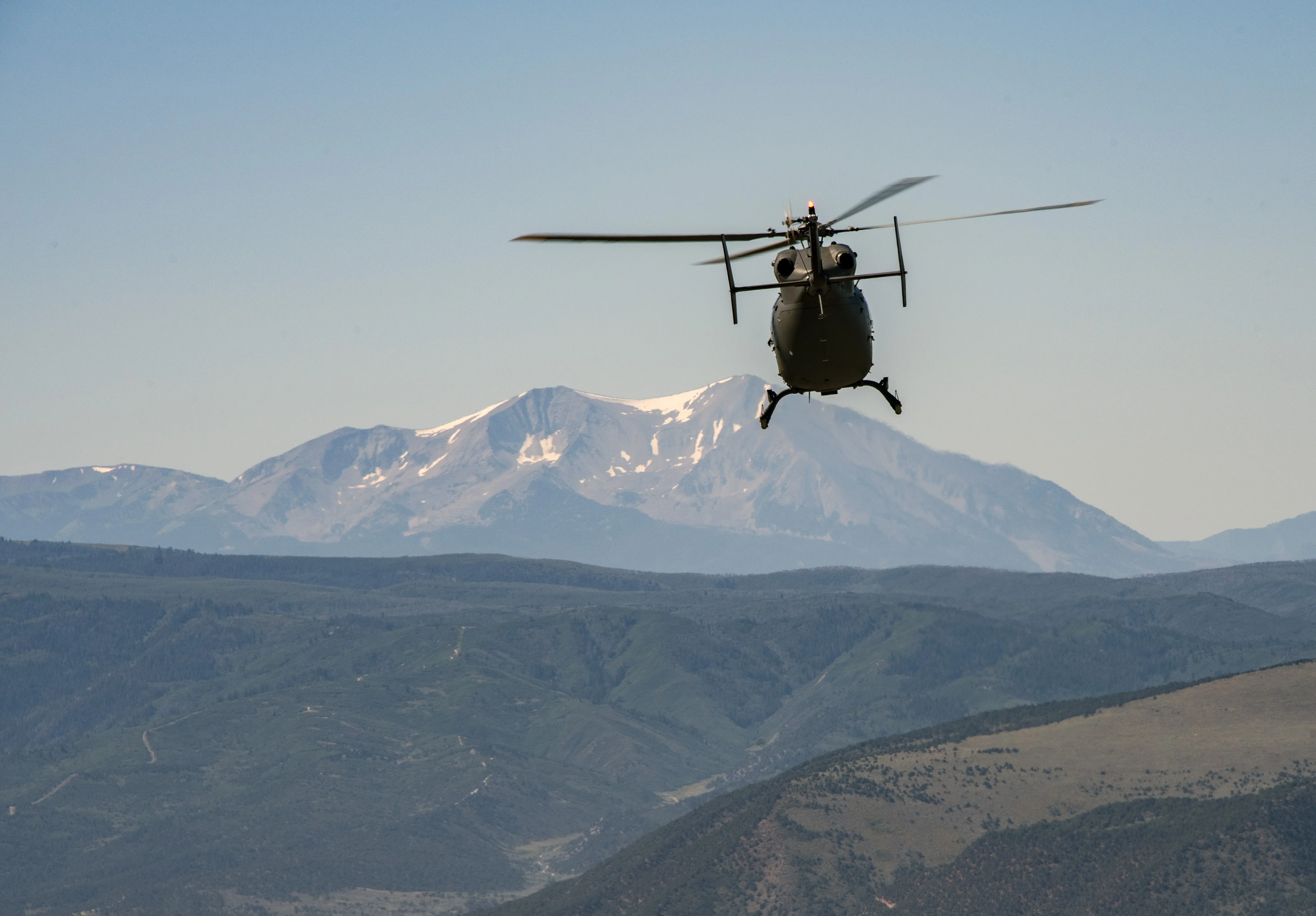
Terrain Conquering Mountains and Rivers
When bridges are blown or mountains block the way, helicopters become the only bridge. United Service Institution of India emphasizes that in high-altitude conflicts, air mobility is often the only way to sustain troops cut off by snow or steep valleys.
)
)
)
)
)