'Flying tanks': Why Russian fighter jets are giants compared to American and Europeans?

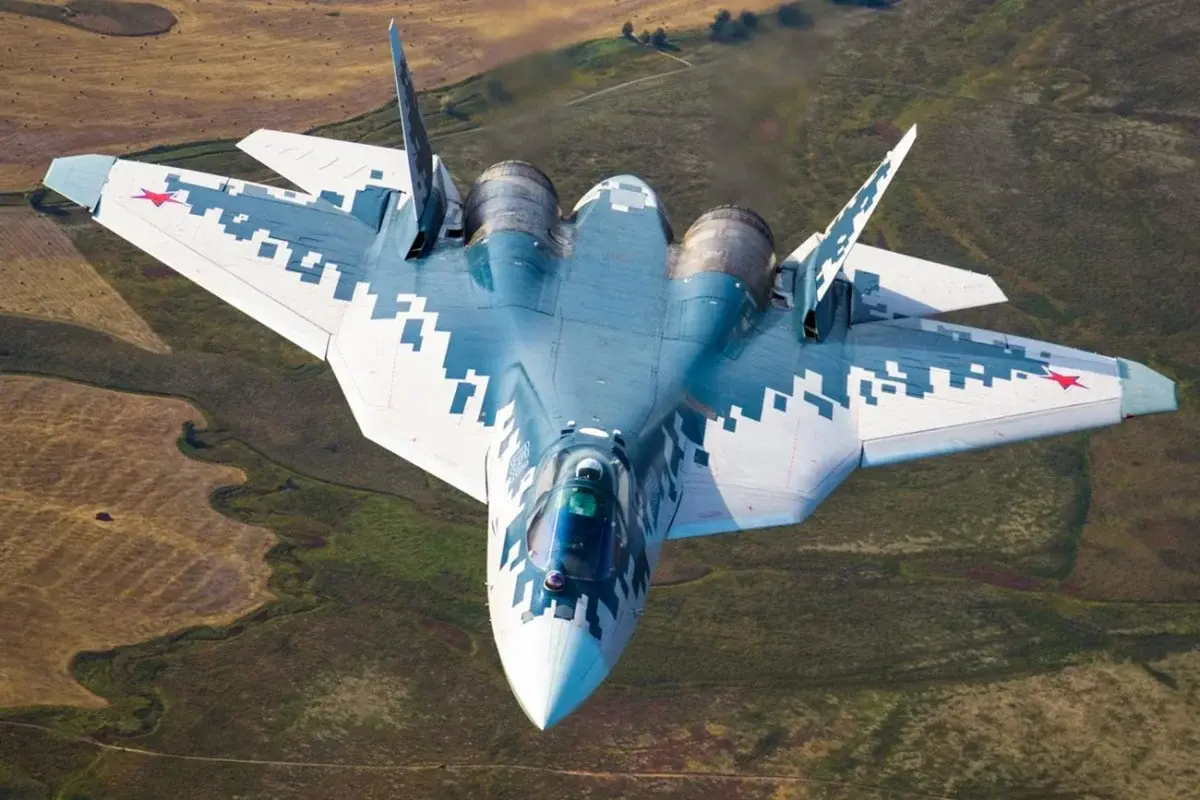
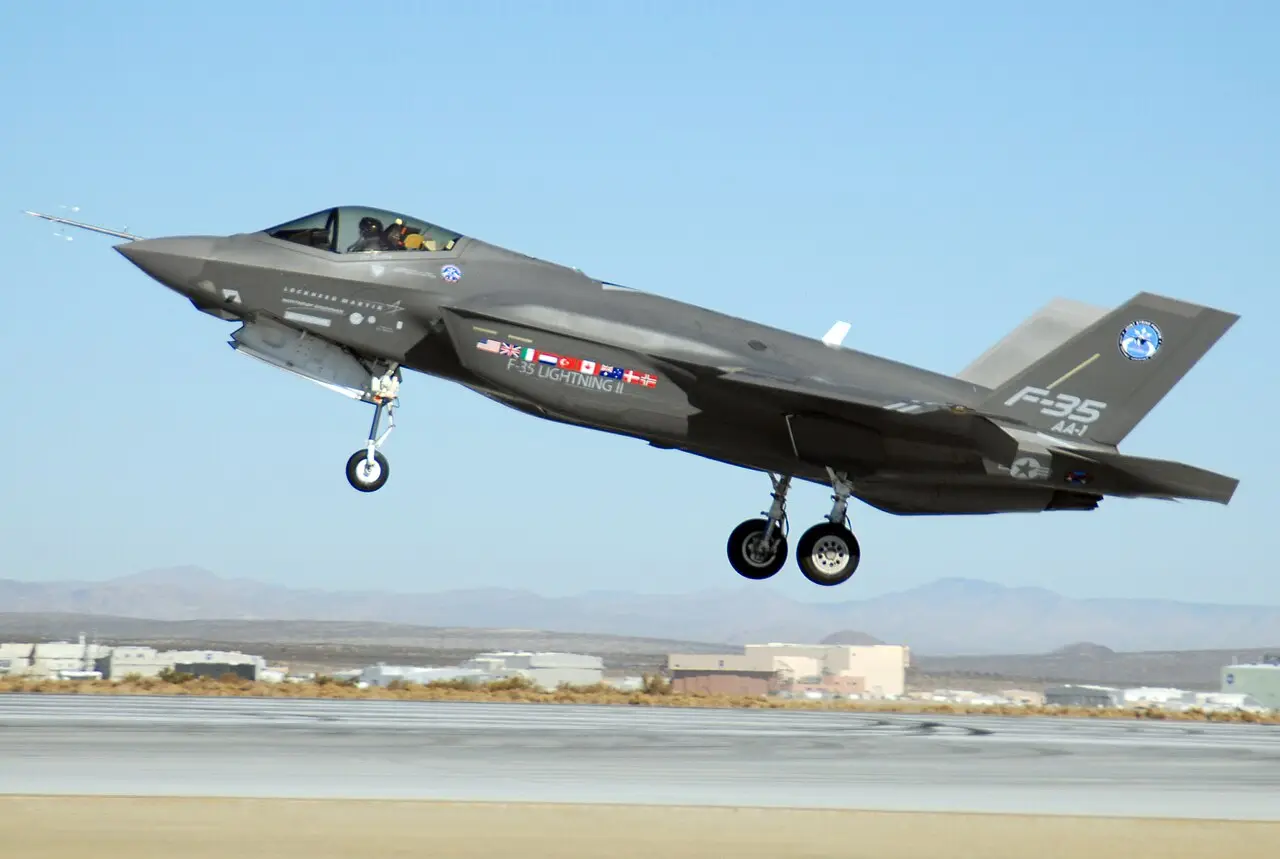
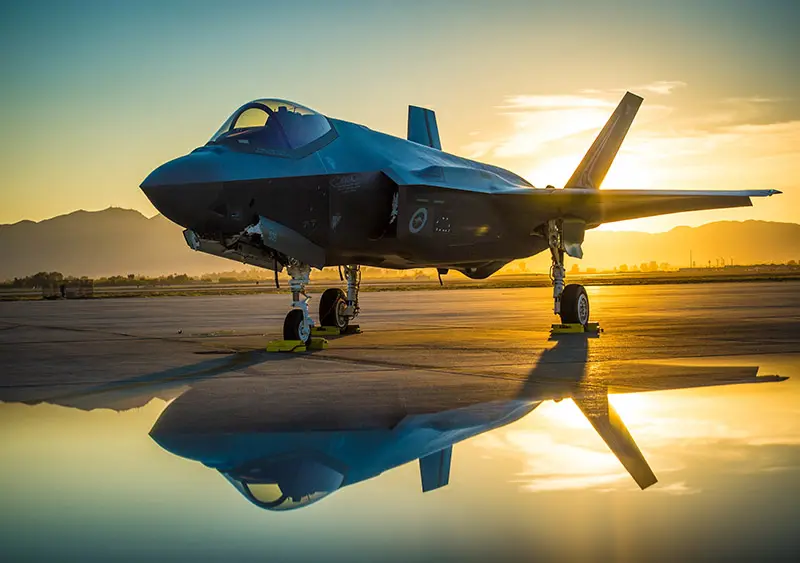
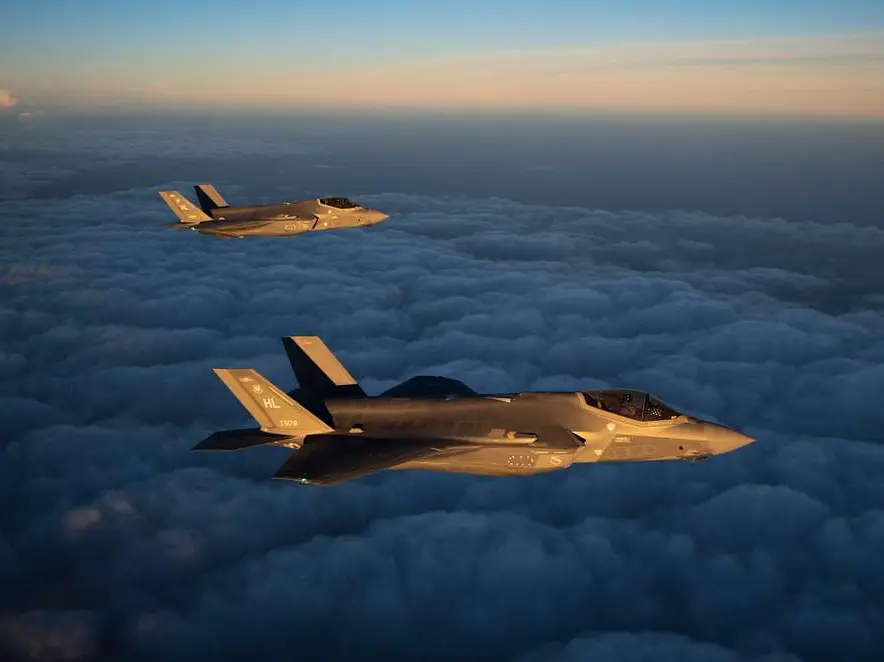
Here is the brutal engineering reality behind why a Russian Su-27 Flanker dwarfs an American F-16, and why the Su-57 is physically larger than the F-35. It isn't just about bigger is better, it is about survival in a country that spans 11 time zones.
1. The "11 Time Zone" Geography
The primary driver is simple: Russia is enormous. An American fighter jet (like the F-18) is designed to take off from a carrier or a base in Germany, fly 500 miles, and fight. A Russian interceptor (like the MiG-31 or Su-27) must patrol the Siberian wilderness where airbases are thousands of miles apart.
The Result: They are essentially flying fuel tanks. The Su-27 carries nearly 40 per cent of its weight in fuel, removing the need for external drop tanks that increase drag.
2. The "Tanker Gap" Doctrine
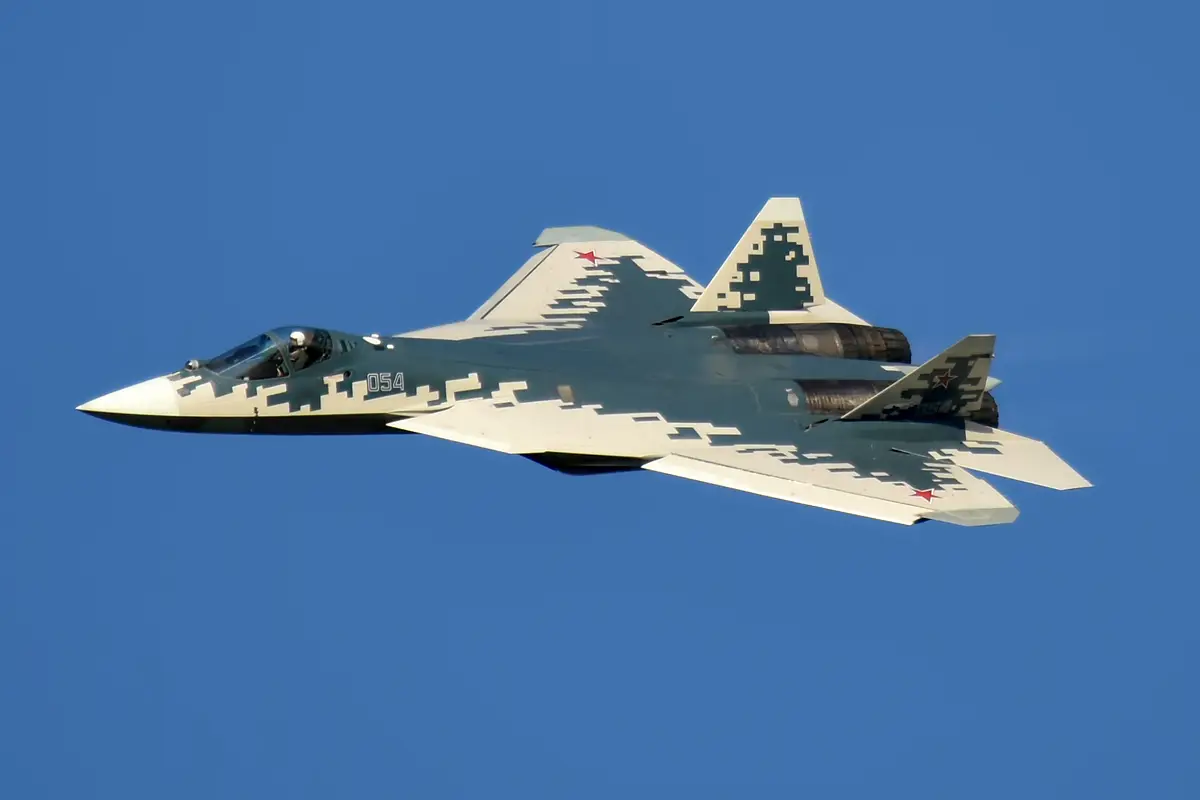
Western doctrine relies on a massive fleet of aerial tankers (KC-135s) to keep jets flying. The Soviet doctrine assumed that in a total war, the tankers would be the first to be shot down.
The Reality: Russian jets are designed to fight "alone and unafraid." They must carry all their fuel internally because they cannot count on a mid-air refuel while defending the Arctic.
3. The "Heavy Electronics" Legacy
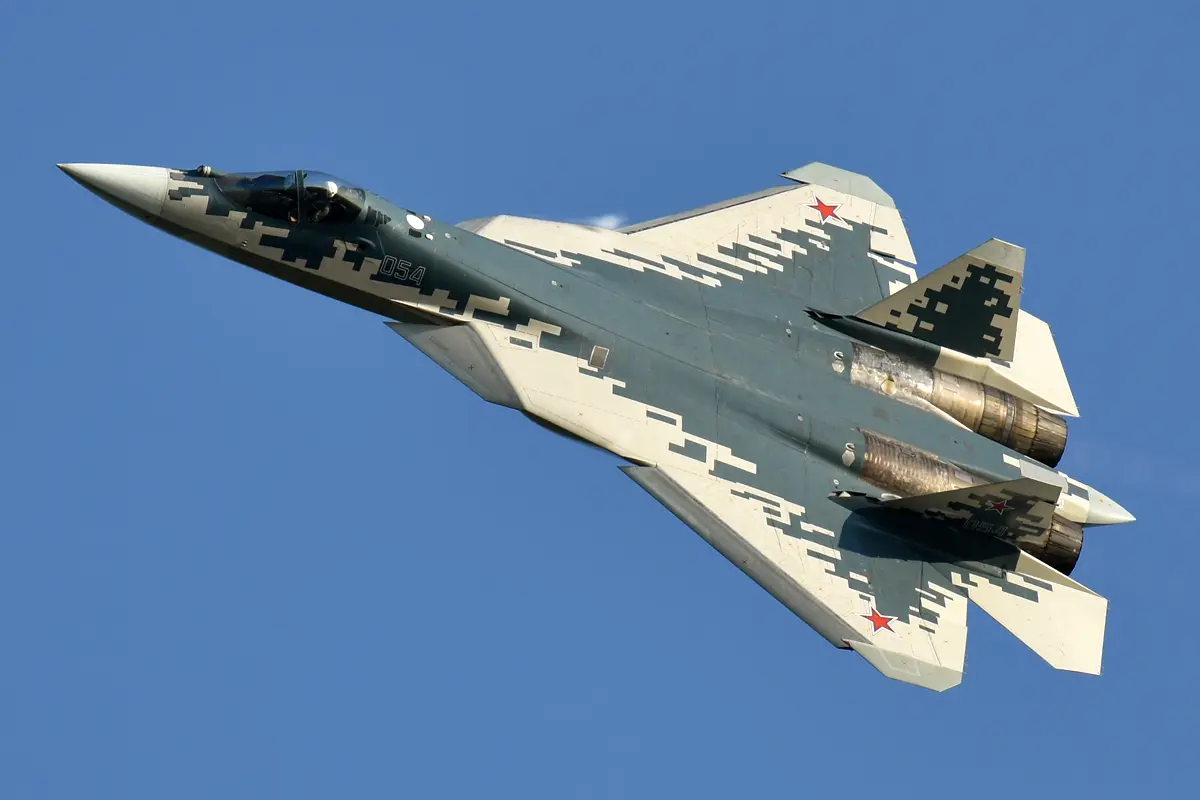
During the Cold War, Soviet electronics were significantly behind the West. While the US used microchips, the Soviets often used vacuum tubes or bulkier heavy-duty components.
The Engineering: To fit a radar powerful enough to burn through jamming, the nose of the plane had to be huge. To carry the heavy avionics, the airframe had to be scaled up. This "bulk legacy" influenced design philosophy even after technology improved.
4. The "Rough Field" Requirement
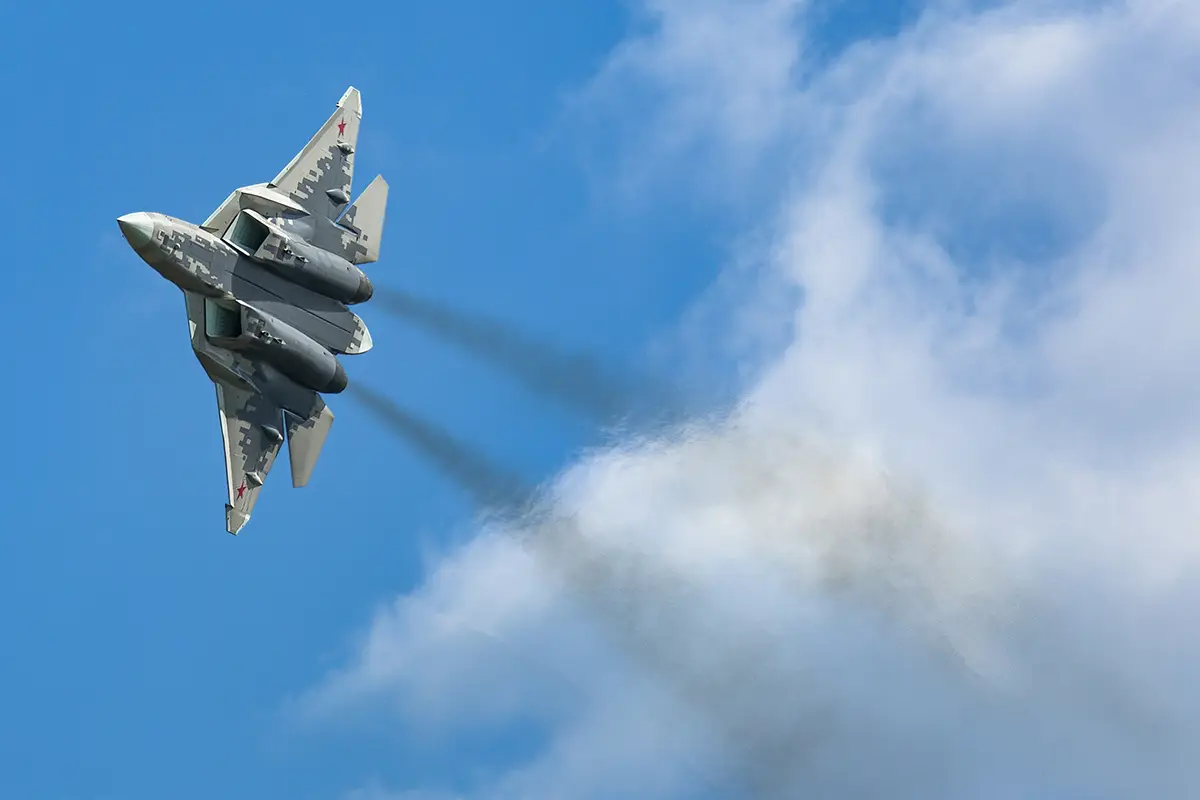
Western jets like the F-16 generally require pristine, swept runways. Russian jets are built to fight from frozen mud and broken concrete.
The Design: This requires massive, rugged landing gear and widely spaced air intakes (often with debris shields) to prevent sucking in rocks. This ruggedisation adds structural bulk that sleek Western designs strip out to save weight.
5. Massive Missiles for Massive Targets
Western jets often rely on smaller, precise hits. Russian doctrine prioritizes "long-arm" kills against US bombers and AWACS.
The Weaponry: The R-37M missile is nearly 14 feet long and weighs 1,300 lbs. To carry a payload of these "telephone poles" internally (in the Su-57) or under the wings, the aircraft itself must be a giant.

6. Two Engines are Mandatory
While the US is comfortable with single-engine fighters (F-16, F-35), Russia rarely trusts a single engine for deep patrol missions.
The Safety Factor: If an engine fails over the Barents Sea, you are dead. Russian frontline fighters (Su-27, Su-30, Su-35, Su-57, MiG-29, MiG-31) are almost exclusively twin-engine beasts to ensure pilots can limp home from the middle of nowhere.
7. "Supermaneuverability" Aerodynamics
To achieve the famous "Cobra" maneuver and extreme agility, Russian jets use a "blended wing-body" design with massive lifting surfaces.
The Physics: The sheer surface area of the Su-57 or Su-35 generates tremendous lift, allowing them to turn tightly despite their heavy weight. You cannot achieve that level of "float" with stubby, small wings.
)
)
)
)
)