'Flying over 5,500 km': What are intercontinental ballistic missiles and why they remain central to global security

Based on range, the ballistic missiles are generally classified as short, medium, intermediate or long-range, with ICBMs falling into the final category, that exceeds 5,500 kilometres. ICBMs have the ability to strike targets across the globe.
A weapon that reshaped global security
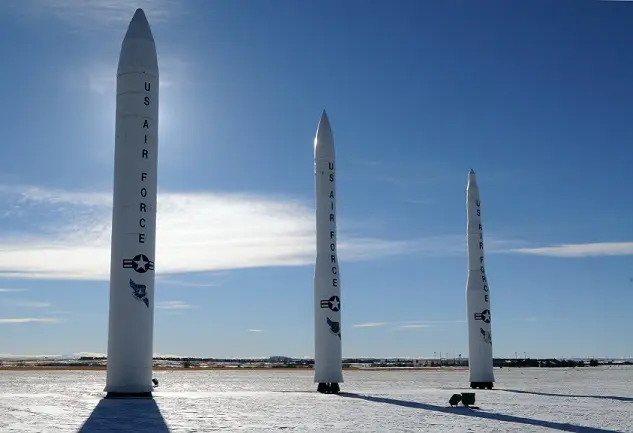
Intercontinental Ballistic Missiles, or ICBMs, remain among the most consequential military technologies ever developed. The ICBMs are considered to be a significant byproduct of the Cold War. In August 1957, the intercontinental ballistic rocket R-7 was successfully launched for the first time from Baikanur cosmodrome, and it became the first intercontinental ballistic rocket in the world. According to the official website of the US government’s National Park Service, the United States first deployed ICBMs in 1959, and they continue to form a critical component of the American nuclear arsenal.
How ballistic missiles function
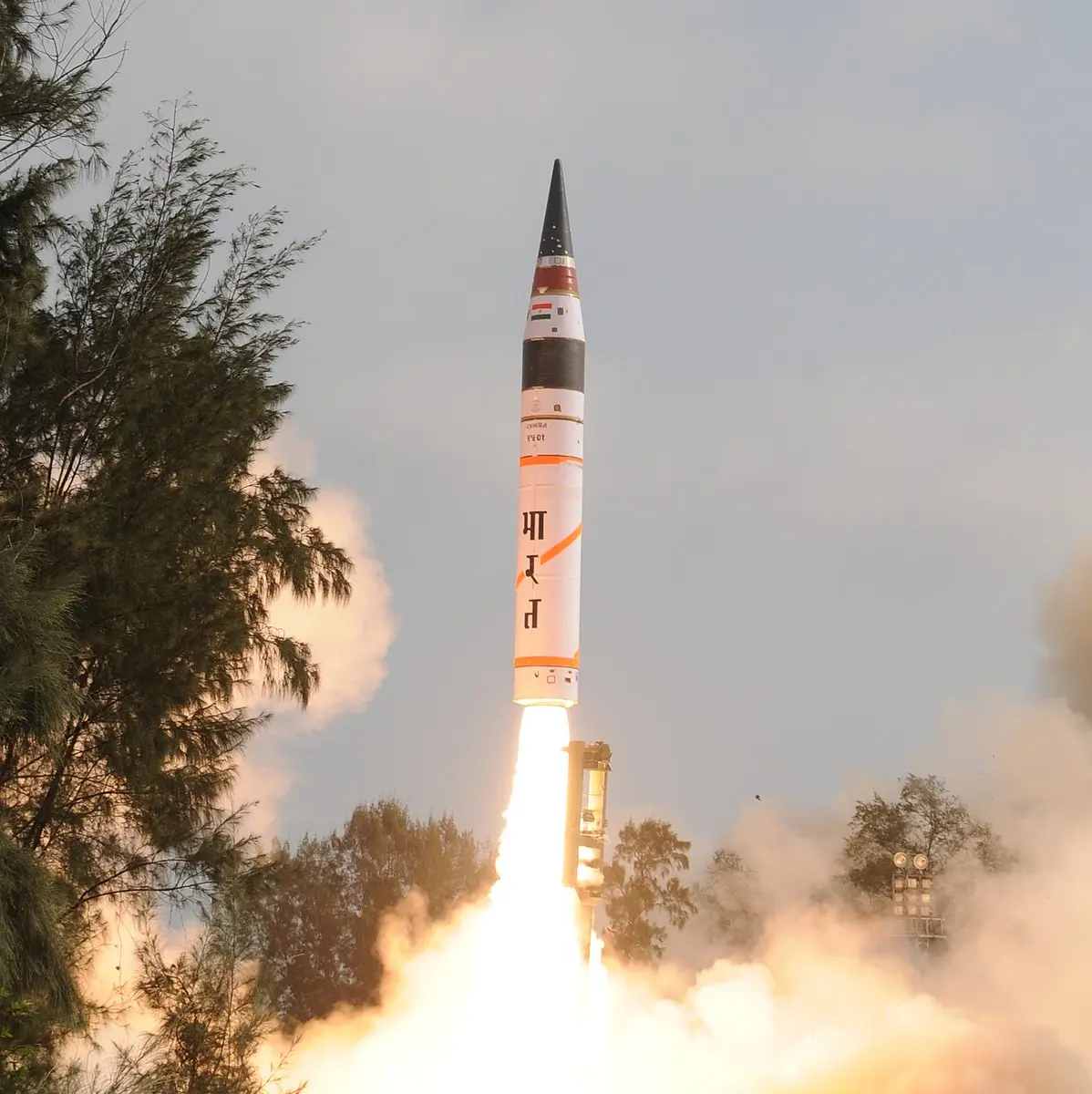
According to the Center for Arms Control and Non-Proliferation, ballistic missiles are initially powered by rockets before following an unpowered, arcing trajectory towards their target. These missiles have the ability to carry either nuclear or conventional warheads. Based on range, the ballistic missiles are generally classified as short, medium, intermediate or long-range, with ICBMs falling into the final category, that exceeds 5,500 kilometres. ICBMs have the ability to strike targets across the globe.
The first US ICBMs
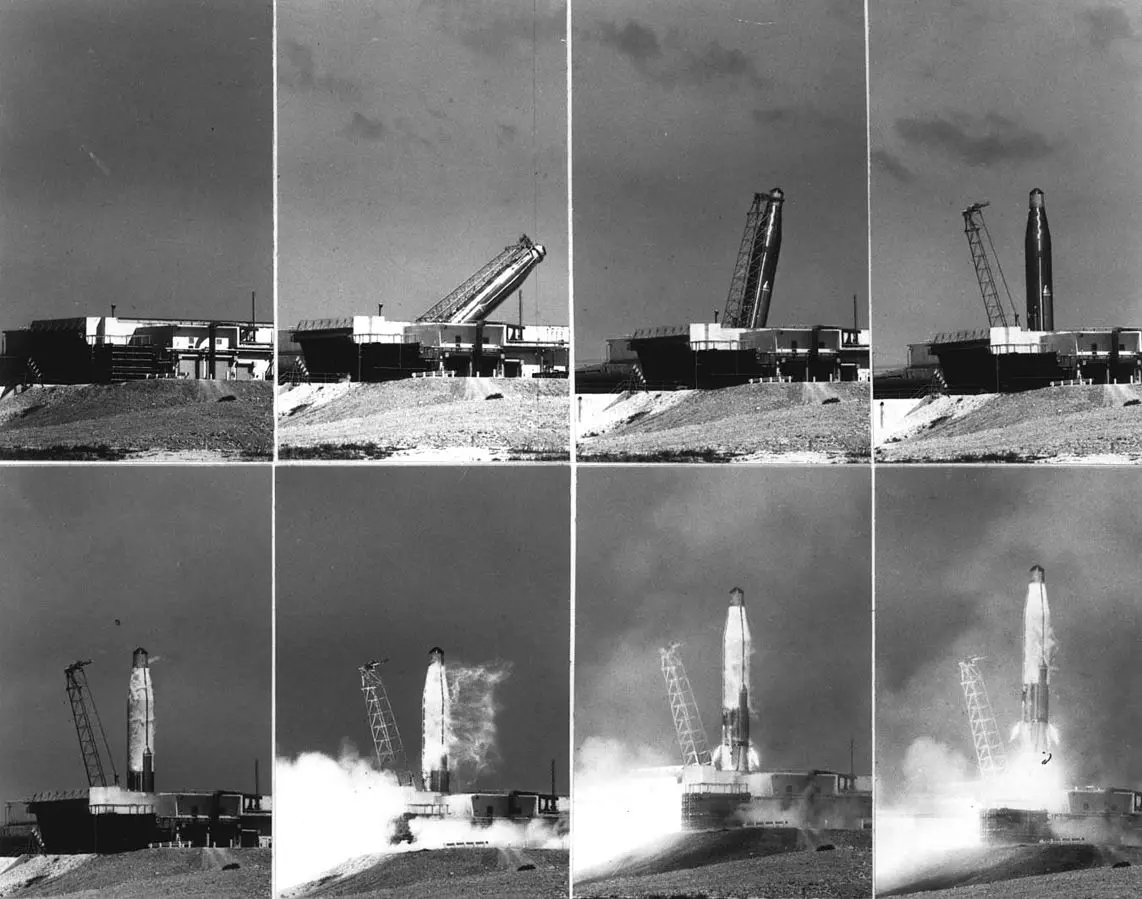
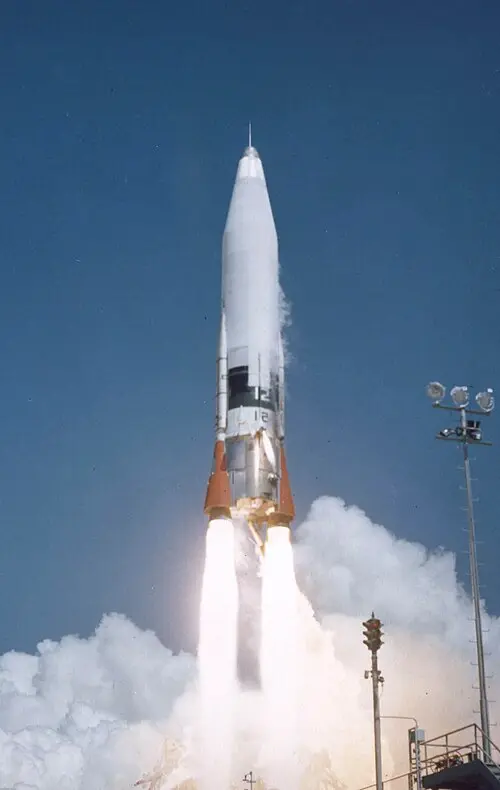
The National Park Service states that the SM-65 Atlas missile was the United States’ first viable ICBM. Deployed between 1959 and 1965 at Air Force bases from New York State to New Mexico, it was ground-launched, liquid-fueled, ballistic missile that existed in three variants: Atlas D, E and F. Despite incremental improvements, the Atlas programme was very short-lived, as its liquid fuel was highly volatile, leading to its retirement after just six years.
The Peacekeeper and multiple warheads
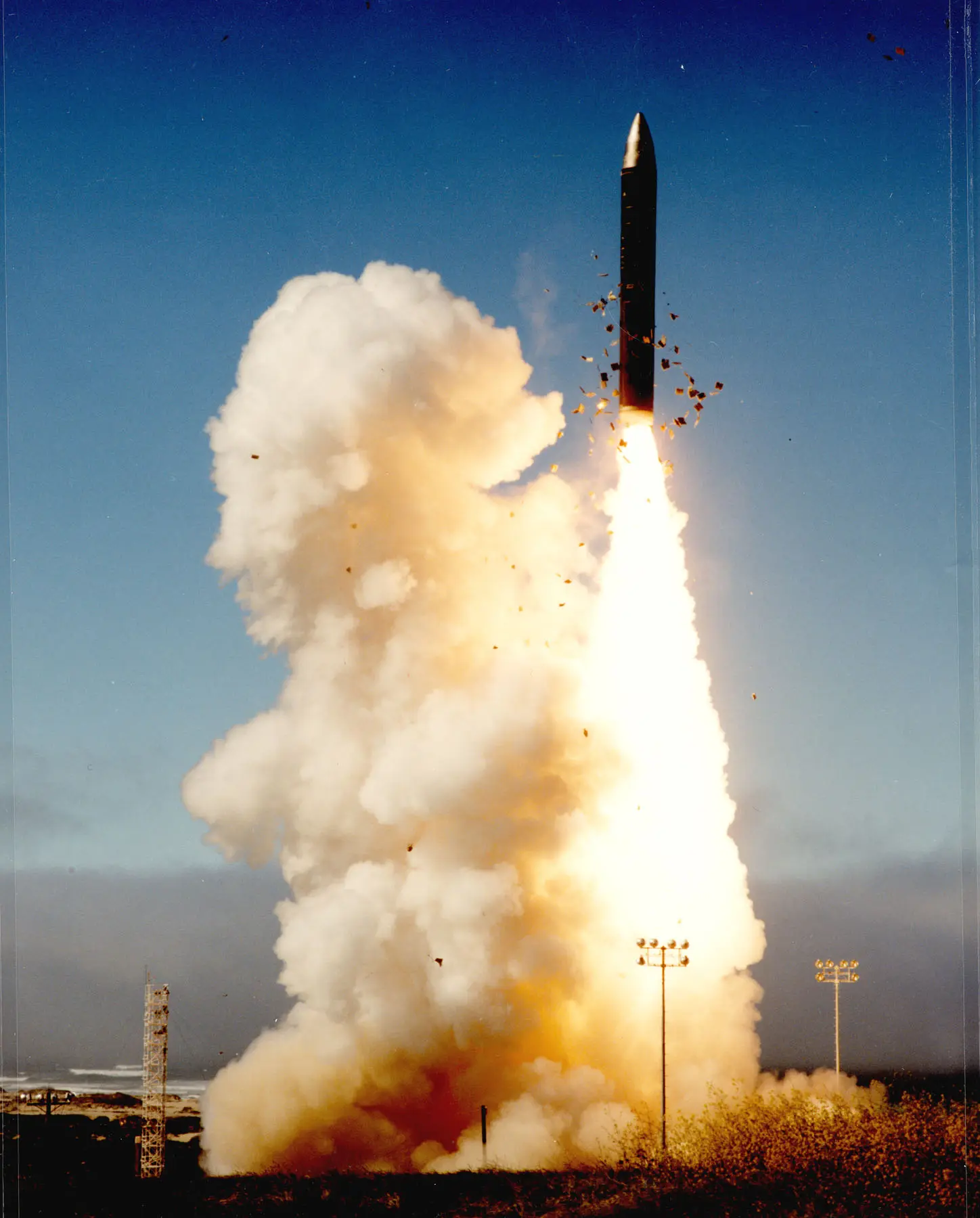
One of the most controversial of these systems was the Peacekeeper, or MX missile. This missile it could carry up to ten nuclear warheads, each capable of striking a separate target. Deployed only in Wyoming between 1987 and 2005, the missile used solid fuel and was housed in modified Minuteman silos, thus significantly increasing its survivability and destructive potential.
Stages of flight
The most common and modern ballistic missiles operate through three main flight phases. The boost phase begins at launch and takes place mostly within the atmosphere, lasting until the rocket engines stop firing and the missile enters unpowered flight. This is followed by the midcourse phase, the longest stage of an ICBM’s journey. During this phase, the missile travels through space towards the peak of its trajectory before descending towards Earth. For ICBMs, the midcourse phase can last around 20 minutes, with speeds reaching roughly 24,000 kilometres per hour. The final stage is the terminal phase, which starts when the warhead re-enters the Earth’s atmosphere and ends on impact or detonation. Although it lasts less than a minute, warheads in this phase travel at extremely high speeds, exceeding 3,200 kilometres per hour.
Sea-based counterparts and global reach
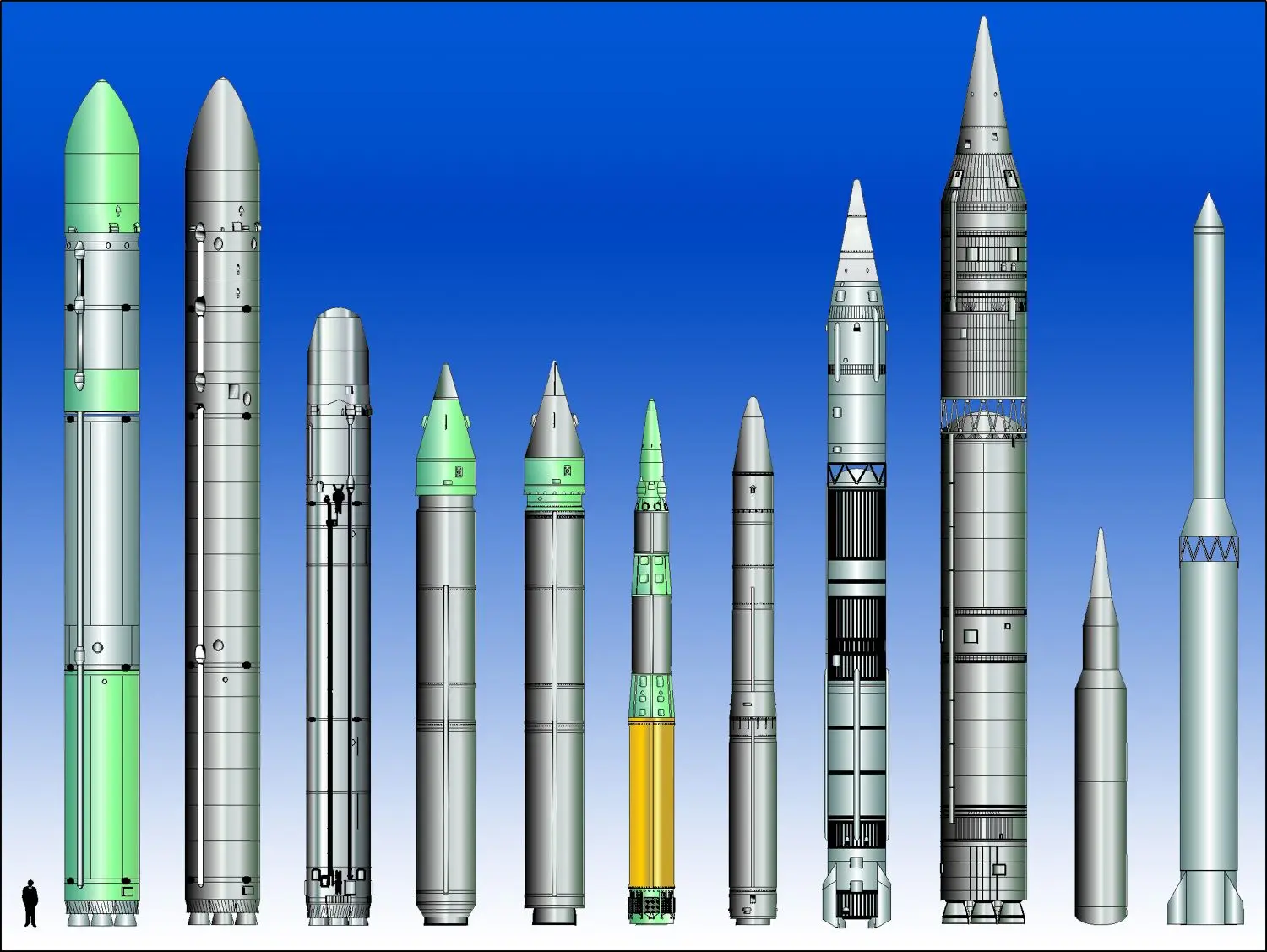
Submarine-launched ballistic missiles, or SLBMs, complement land-based ICBMs. Systems such as the Trident missile, deployed by the United States and Britain, offer comparable range and survivability. According to the Center for Arms Control and Non-Proliferation, an ICBM launched from central Russia could reach targets nearly 9,200 kilometres away.
India's Agni V
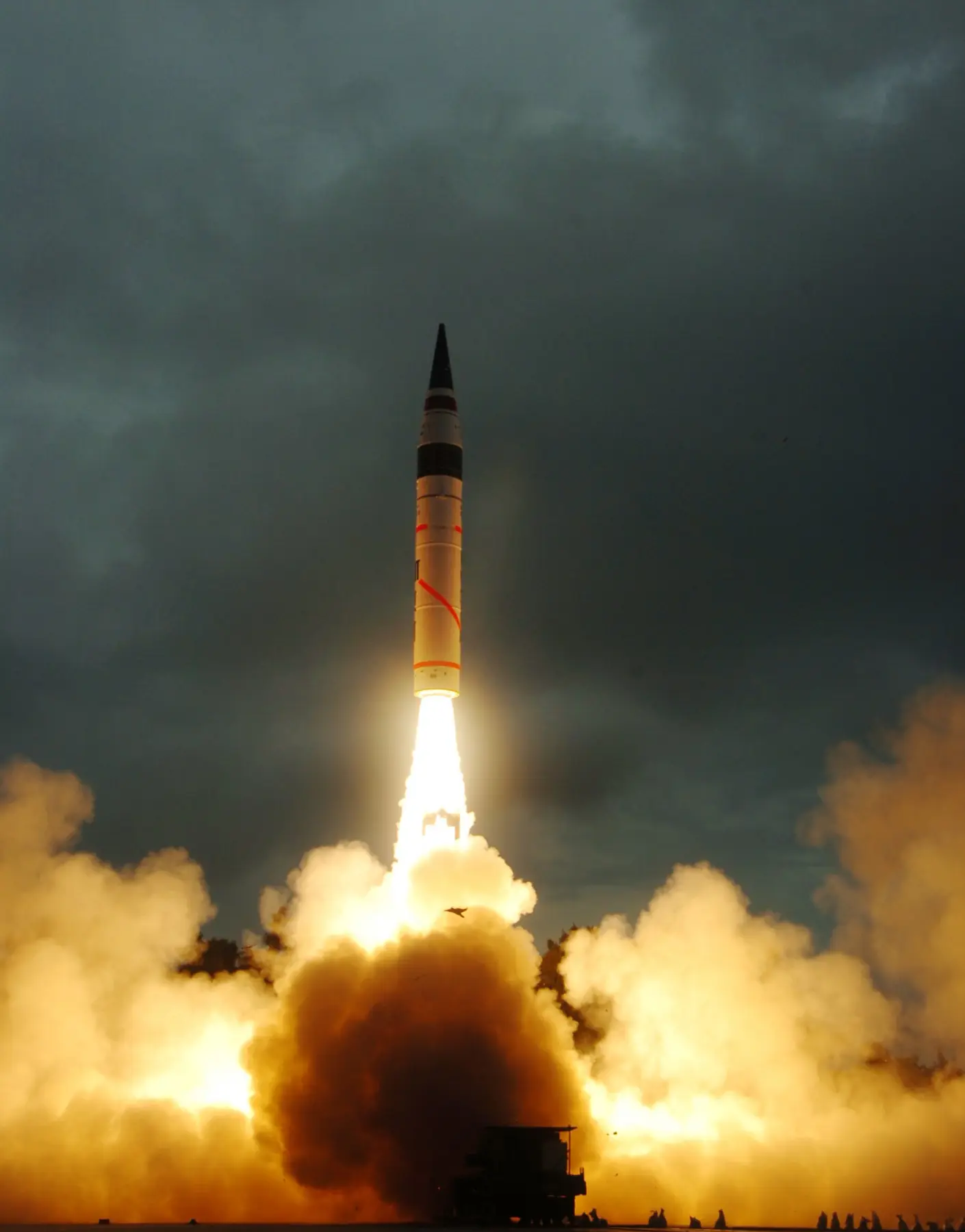
ICBMs continue to evolve through technologies such as Multiple Independently-targetable Reentry Vehicles, or MIRVs. India’s primary intercontinental ballistic missile is 17.5 meter long, 50 tonnes missile called Agni V. It is a solid-fuelled missile with a reported range of 5,000-5,500 kilometres, while the Agni-Vi is still under-development. Agni-V completes India's 'Nuclear Triad'.
)
)
)
)
)